
12 Ideas and Tips for Creating a Low-Maintenance Garden
If you love the idea of a beautiful garden but not the constant upkeep, creating a low-maintenance garden may be exactly what you need. With the right plants, healthy soil, and a little thoughtful planning, you can enjoy a garden that feels full, welcoming, and easy to care for without spending every weekend pulling weeds or dragging hoses around.
Over the years, I learned that the simplest gardens are often the ones we enjoy the most. Choosing reliable plants, adding practical hardscape, and creating systems that work with your lifestyle can make all the difference.
In this post, I’m sharing 12 easy low-maintenance garden ideas and tips to help you spend less time maintaining your outdoor space and more time actually enjoying it.
As an Amazon affiliate, I earn a commission from qualifying purchases at no additional cost to you. My blog also features other affiliate links for your convenience. Click here to read my privacy policy.
1. Limit the Variety of Plants in Your Low-Maintenance Garden
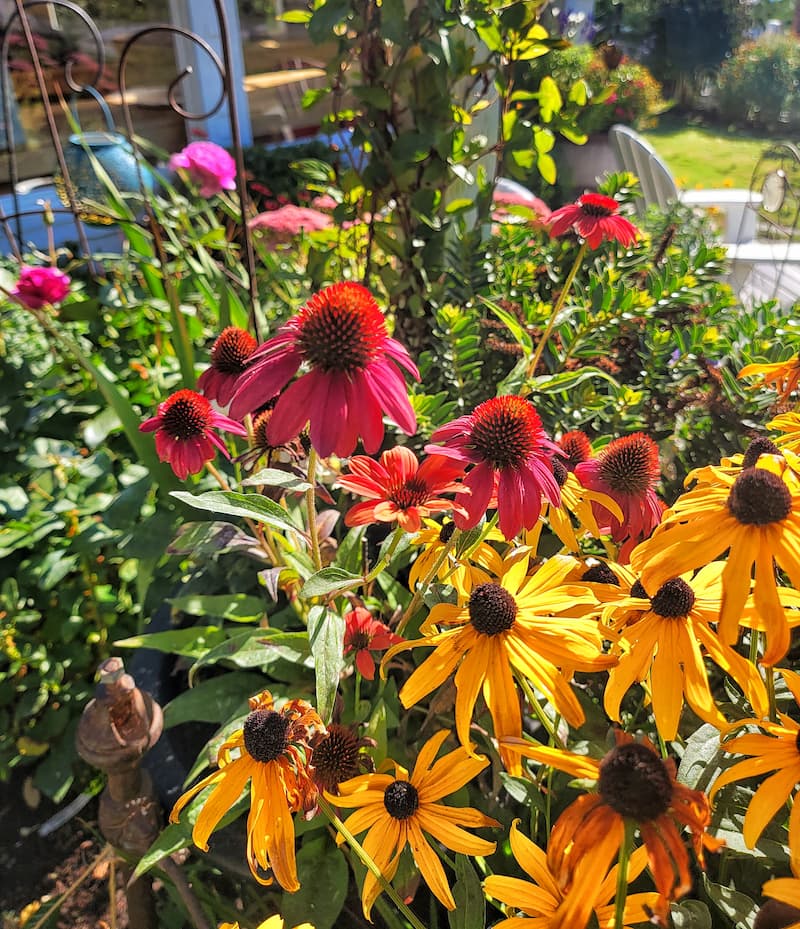
When creating a low-maintenance garden, less really can be more.
Limiting the number of different plants you grow and sticking with 5 to 10 reliable varieties makes gardening much easier to manage throughout the season. Fewer plant types mean less guesswork, fewer watering and pruning routines to remember, and less time spent troubleshooting problems.
Instead of constantly learning the needs of new plants, focus on tried-and-true favorites that perform well in your climate and soil conditions.
I’ve found that repeating dependable plants throughout the garden not only saves time but also creates a more cohesive and peaceful look. Sometimes simplicity really is the secret to a garden that feels both beautiful and manageable.
2. Improve Your Soil with Organic Matter
Healthy soil is one of the best foundations for a low-maintenance garden.
Adding organic matter like compost, shredded leaves, grass clippings, or well-rotted manure helps your garden beds retain moisture, suppress weeds, and improve soil structure. It also gives your plants the nutrients they need to grow stronger roots and healthier blooms with less effort from you.
When your soil is working for you, there’s less watering, less fertilizing, and fewer plant problems to manage later in the season.
I’ve found that improving the soil first saves more work later. It’s not the flashy part of gardening, but it makes the biggest difference. A little effort here in the beginning can save a lot of frustration once summer arrives.
3. Choose Low-Maintenance Plants That Thrive in Your Garden
A big part of creating a low-maintenance garden is choosing plants that can mostly take care of themselves.
Instead of filling your garden with high-maintenance flowers that need constant attention, focus on hardy, reliable plants that thrive in your climate and soil conditions with minimal effort. The right plants will save you time, water, and frustration all season long.
When choosing low-maintenance garden plants, look for varieties well-suited to your growing zone and that don’t require frequent pruning, staking, or extra feeding.
Here are some of the best low-maintenance plant options to consider:
Drought-Tolerant Plants
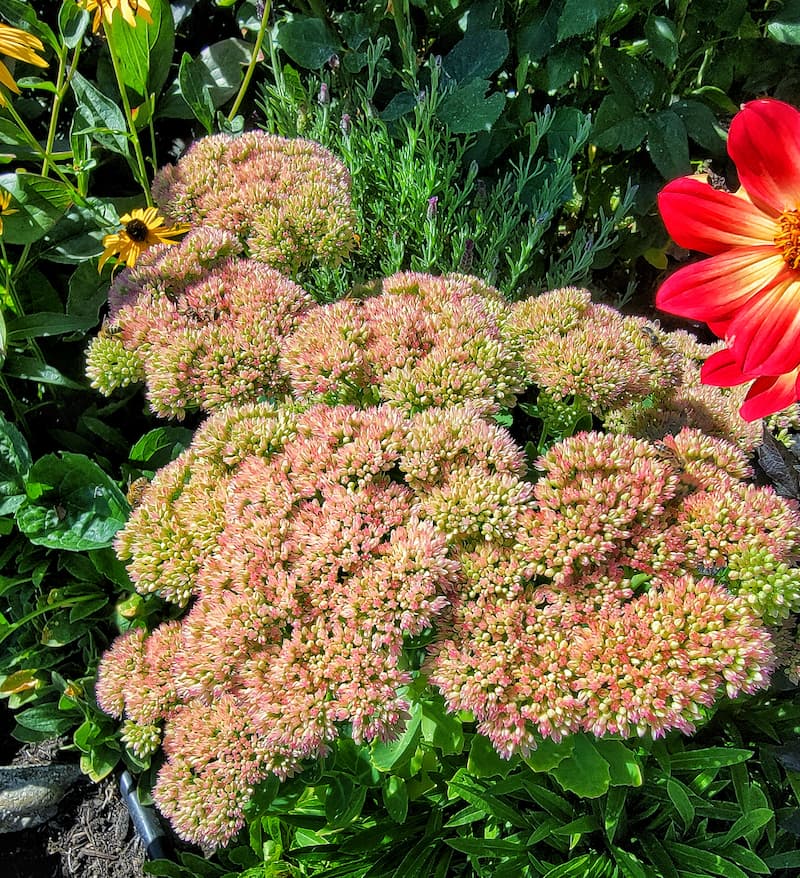
These are a lifesaver for busy gardeners or areas with dry summers. Once established, they need far less watering, which saves both time and resources.
Good choices include lavender, sedum, oriental grasses, and yarrow.
Native Plants
Native plants are naturally adapted to your local growing conditions, and usually need less water, fertilizer, and overall care.
They’re also amazing for supporting pollinators like bees, butterflies, and hummingbirds, so it’s a win-win for both your garden and the environment.
Evergreen Shrubs
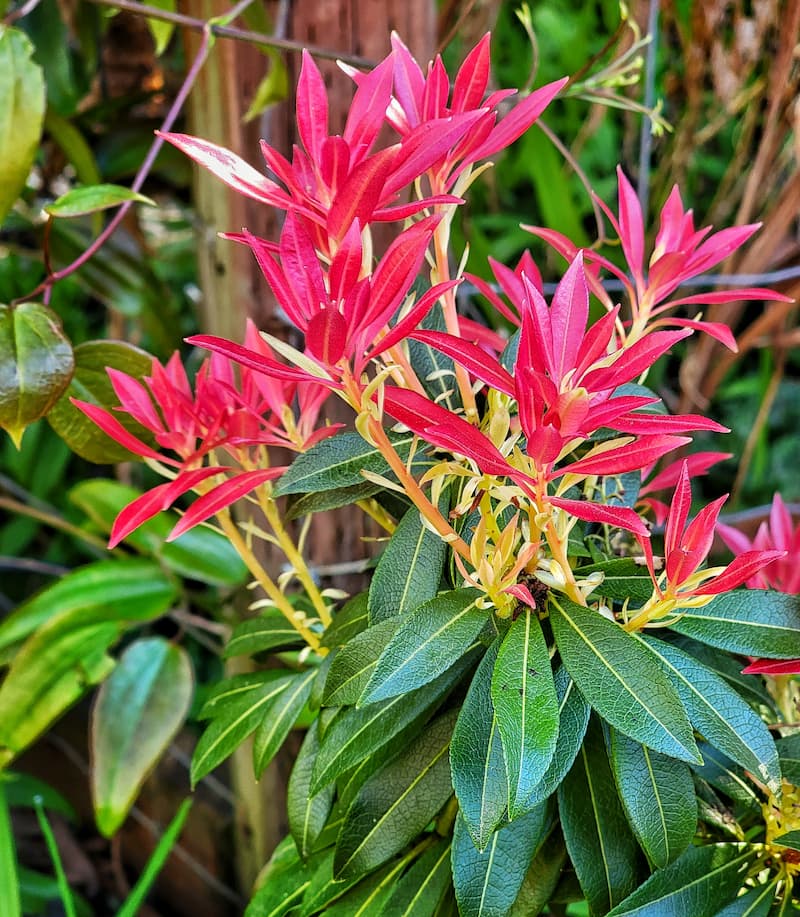
Evergreen shrubs help your garden look full and structured year-round, even when flowers fade or winter arrives.
Easy-care options like boxwoods, juniper, and dwarf conifers add dependable greenery in your yard without a lot of seasonal work.
Non-Invasive Perennials
Perennials are perfect for a low-maintenance garden because they return year after year without needing to be replanted.
Just be careful to avoid invasive varieties that spread too aggressively and create work later. A quick check of the plant tag, or a little research before planting, can save a lot of headaches.
Let’s Plan Your Dream Garden With Our
Gardening Planner
Unlock Your Garden’s Potential.
Our 35-page Ultimate Garden Planner is designed to help you organize, track, and flourish in your gardening endeavors.
Get yours for $4.99
4. Avoid Plants That Attract Constant Pest Problems
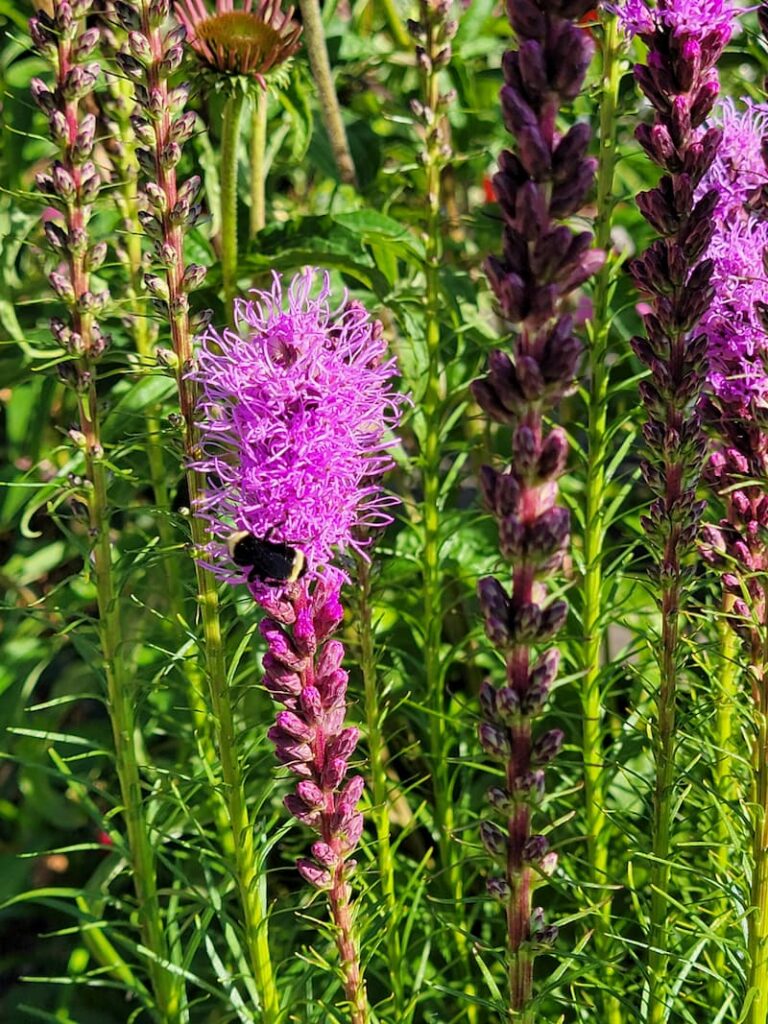
One of the easiest ways to create a low-maintenance garden is to choose plants that don’t invite extra pest problems.
Some flowers and perennials are more likely to attract slugs, snails, aphids, deer, rabbits, or other garden troublemakers. While every garden will deal with a few pests now and then, planting varieties that are known to be less appealing to them can save you a lot of time and frustration.
Fewer pest problems mean less spraying, less damage control, and fewer mornings spent wondering who ate your plants overnight.
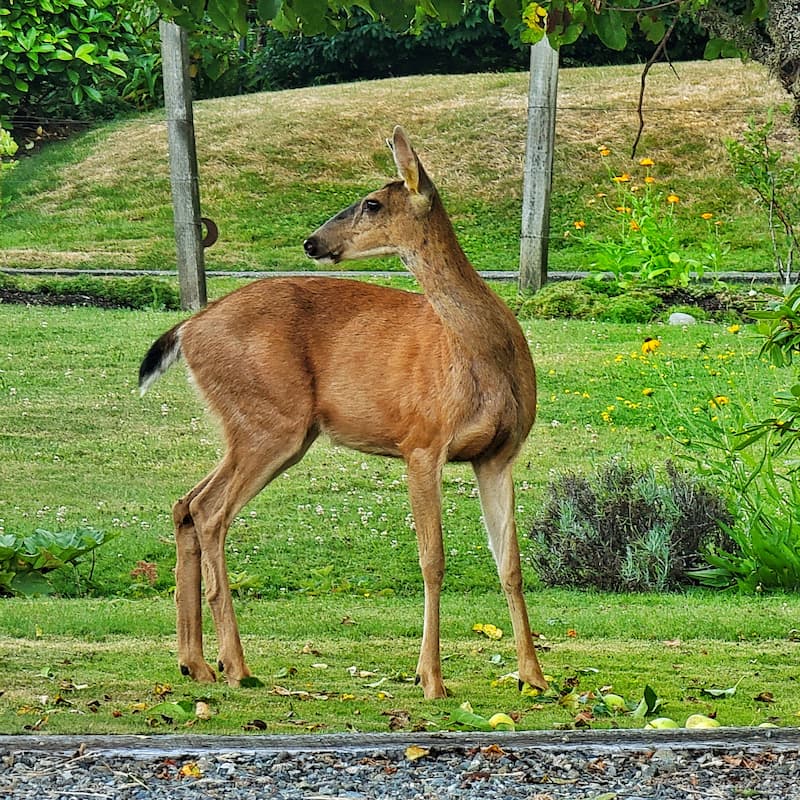
If deer or rabbits are common in your area, it’s worth looking for deer-resistant or rabbit-resistant plants before planting. A little planning up front can make your garden feel much easier to manage later.
5. Use Ground Cover to Reduce Weeding and Watering
Ground cover is one of the simplest ways to make a low-maintenance garden easier to care for.
Adding mulch, pea gravel, river rocks, or other ground cover materials helps retain moisture, suppress weeds, and protect your soil from drying out too quickly. It also gives your garden beds a more finished and intentional look.
Organic mulch, like bark or shredded leaves, can also improve soil over time as it breaks down, while decorative stone options add long-lasting texture and structure.
Mulch has probably saved me more hours of weeding than I can count, and honestly, it makes the garden look more finished too. It’s one of those simple garden tasks that pays off all season long.
6. Skip Plants That Need Constant Support
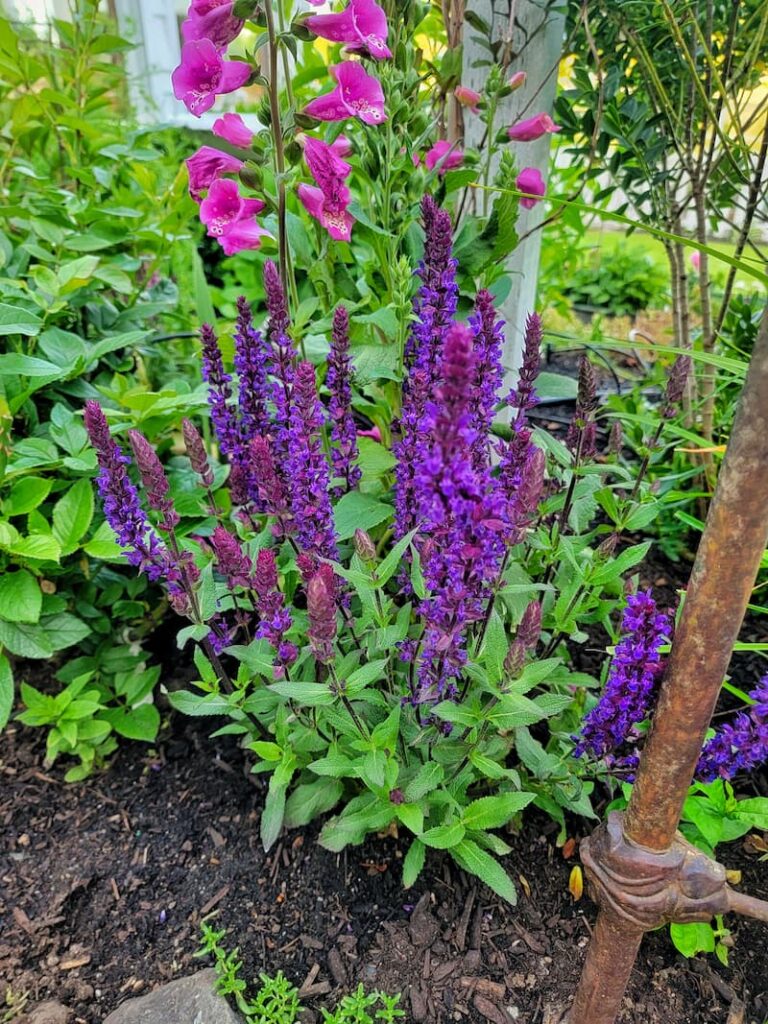
Some plants are beautiful, but they can also be surprisingly high-maintenance.
Tall perennials, heavy blooms, and climbing plants often need stakes, cages, or trellises to keep them upright, especially during windy weather or summer rain. Flowers like dahlias, delphiniums, and certain tall salvias can quickly become floppy if they aren’t supported early.
If your goal is a low-maintenance garden, choosing plants that naturally hold their shape can save you a lot of ongoing work. Less staking, tying, and adjusting means more time to enjoy the garden.
Of course, I’ll always make exceptions for flowers I love (my dahlias definitely fall into that category), but for truly easy-care spaces, self-supporting plants make life much simpler.
7. Plant Low-Maintenance Perennials in the Right Location
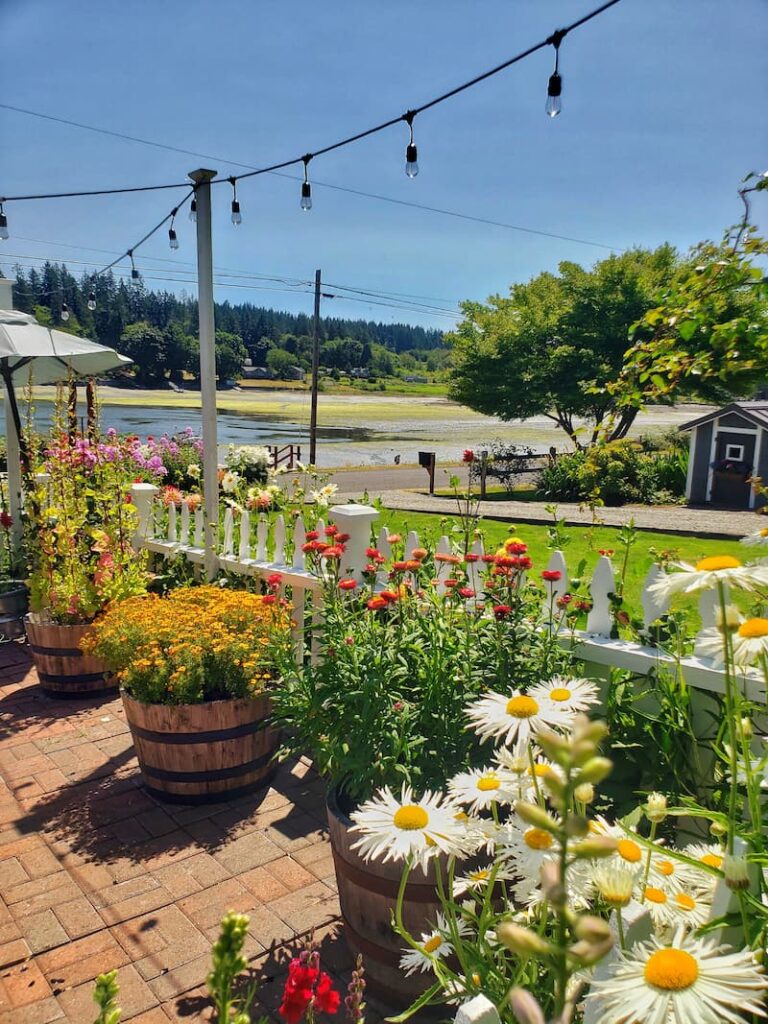
A little planning up front can save you a lot of work later.
One of the easiest mistakes to make in the garden is planting something without knowing how large it will grow or what conditions it actually needs to thrive. When plants outgrow their space or struggle in the wrong light, you end up spending more time pruning, moving, or replacing them.
Before planting, check the mature size of your perennials and make sure they will fit the space as they grow. Pay attention to sunlight, soil conditions, drainage, and airflow so your plants can settle in and succeed long term.
Choosing low-maintenance perennials that naturally fit your garden means less trimming, less transplanting, and fewer garden headaches down the road.
I’ve learned that giving plants the right home from the beginning saves far more work than trying to “fix” the problem later.
Garden Supplies and Tools
Check out my favorite garden supplies and tools for the growing season. Whether you’re looking for potting soil or deer repellent, you’ll find what I use in my own garden.
8. Add Hardscape Elements for a More Low-Maintenance Garden
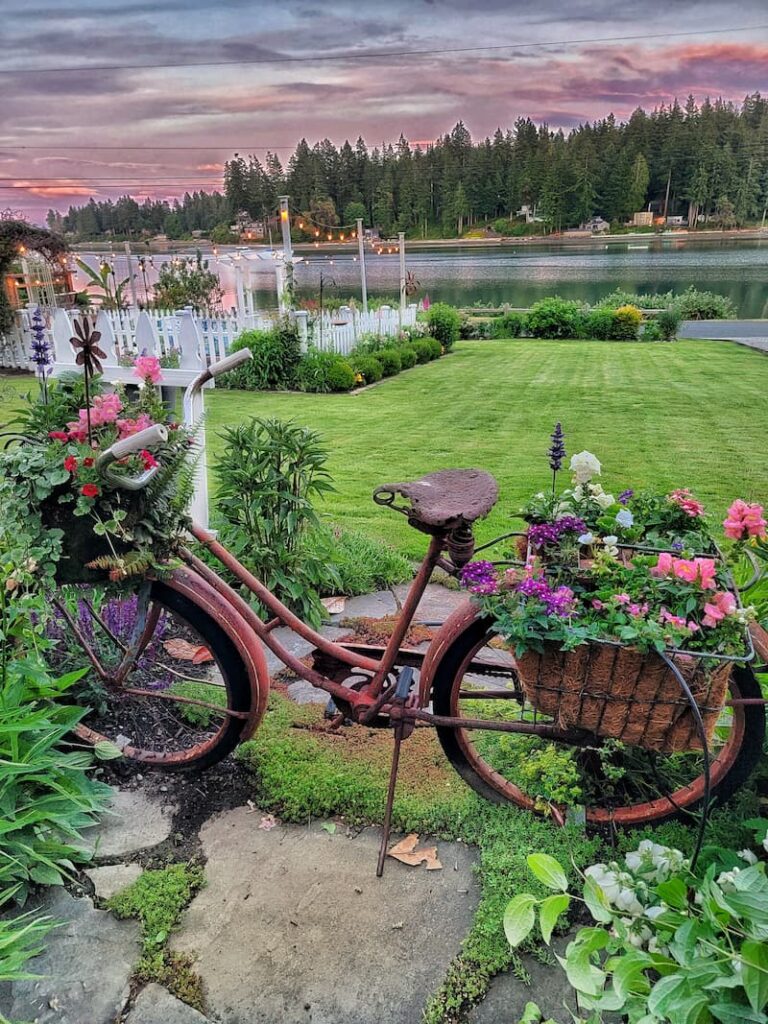
One of the easiest ways to reduce garden upkeep is to include more hardscape in your outdoor space.
Patios, pathways, arbors, retaining walls, gravel areas, and even small water features add structure and beauty without adding extra watering, pruning, or weeding. The more hardscape you have, the less planting area you need to maintain.
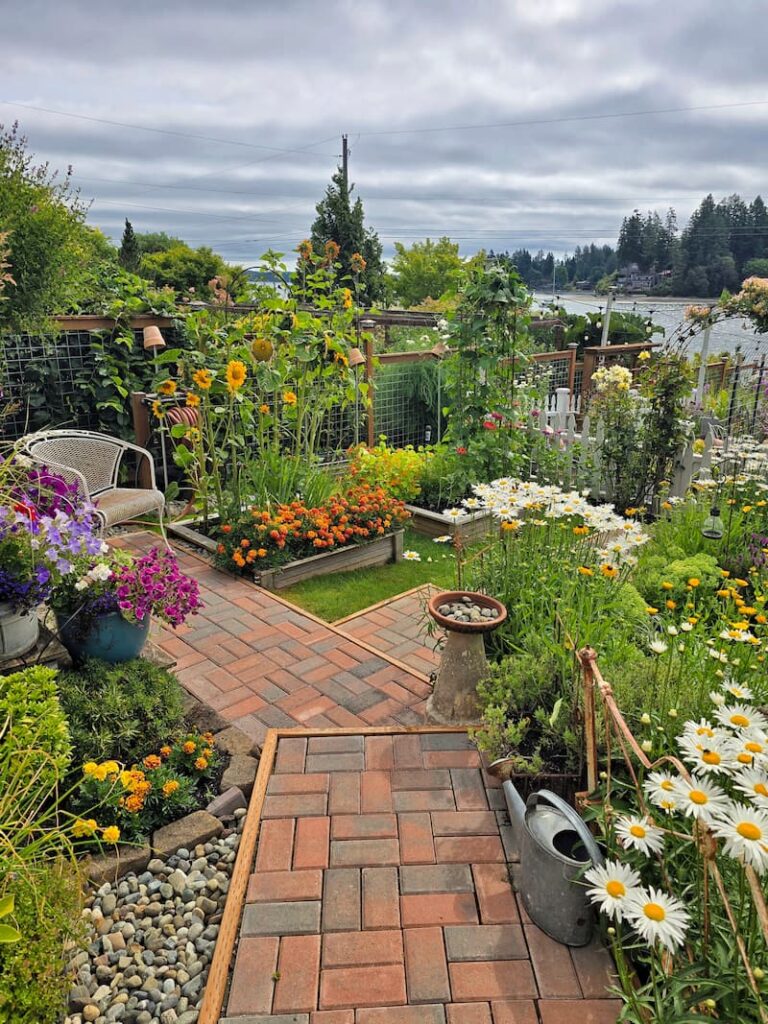
Materials like stone, brick, tile, gravel, and concrete are long-lasting choices that help define your garden while keeping maintenance simple. They also create balance by giving the eye a place to rest between planting areas.
Adding pathways in our own garden completely changed how the space felt; more usable, easier to maintain, and much more inviting. Sometimes the biggest improvement isn’t adding more plants, but making the space easier to enjoy.
9. Create Seating Areas to Enjoy Your Low-Maintenance Garden
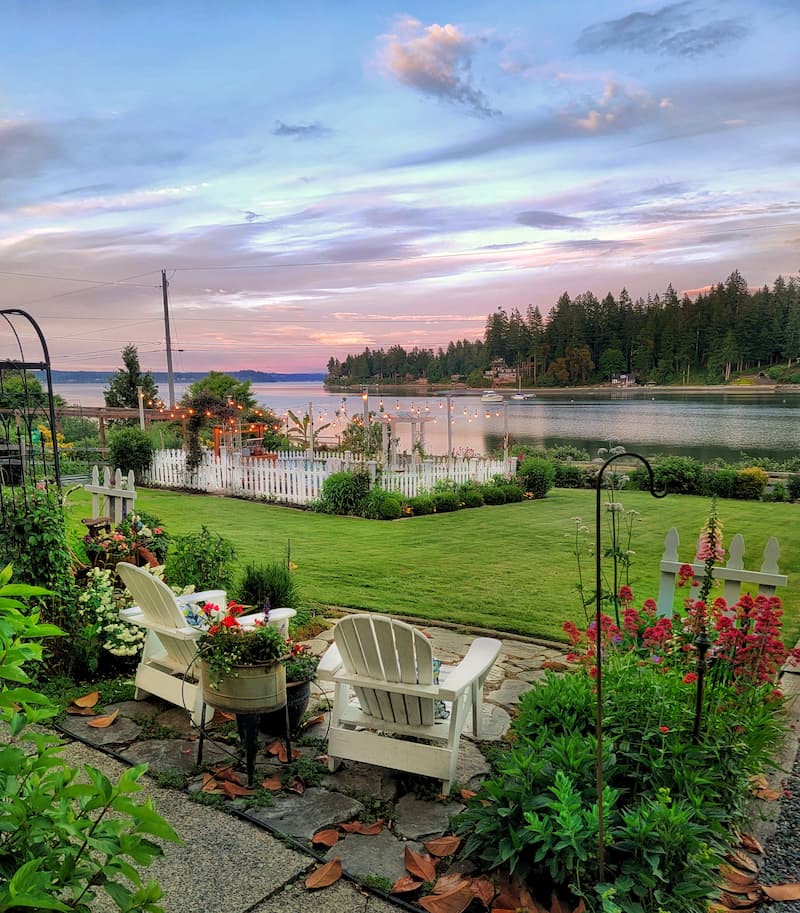
Every low-maintenance garden deserves a place to sit and enjoy it.
Adding a bench, porch swing, bistro set, or weather-friendly outdoor furniture gives your garden purpose beyond the planting itself. It turns the space into somewhere you actually want to spend time, not just another item on your to-do list.
A seating area can be as simple as a small chair tucked into a quiet corner or a bench placed near your favorite flower bed. Shady spots, garden paths, or areas surrounded by easy-care plants make especially inviting places to pause.
Some of my favorite garden moments happen when I’m not working at all… just sitting outside with an iced coffee in the morning and taking it all in. A garden should feel like a place to enjoy, not just another chore to manage.
10. Install a Simple Watering System for a Low-Maintenance Garden
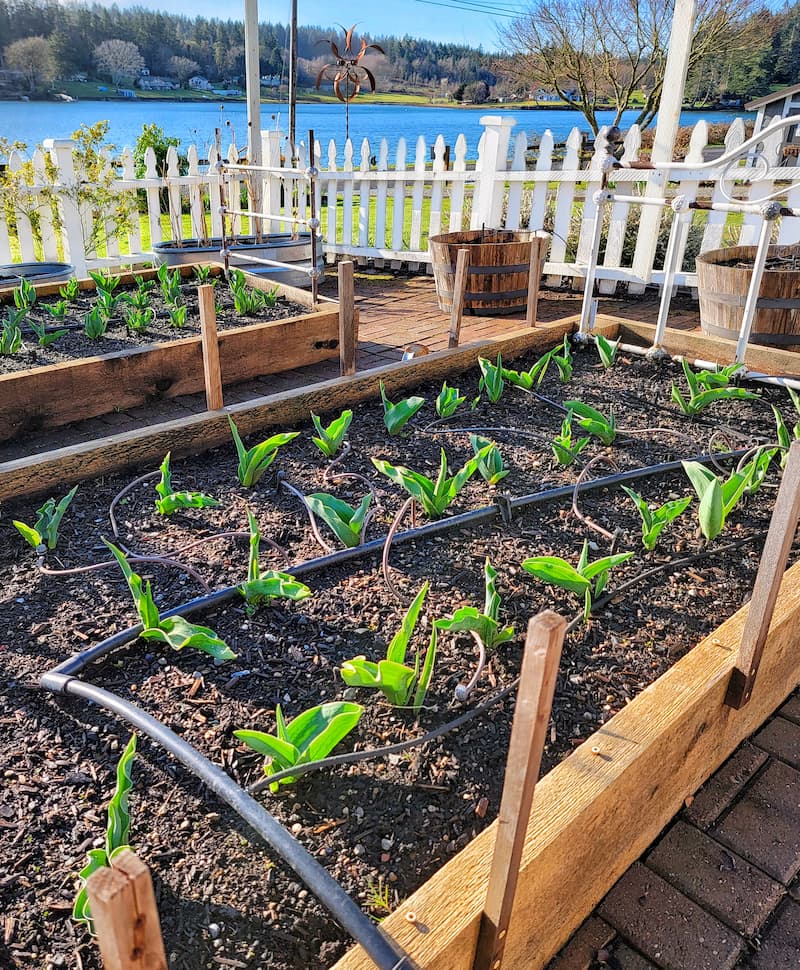
One of the best ways to reduce daily garden chores is to make watering easier.
Installing a drip irrigation system, soaker hoses, or timed sprinklers helps deliver water directly to your plants’ roots with less waste and far less effort. Instead of dragging hoses around the yard every day, your garden gets consistent watering automatically.
This not only saves time, but it also helps prevent overwatering, underwatering, and unnecessary plant stress during the warmer months.
A simple watering system is especially helpful during summer when the garden needs more attention, but you’d rather spend your evenings enjoying it than standing outside with a hose.
The less guesswork your garden needs, the easier it becomes to maintain.
SHOP Drip Irrigation Systems
SHOP Soaker Hoses
SHOP timed sprinklers
11. Grow Low-Maintenance Outdoor Potted Plants
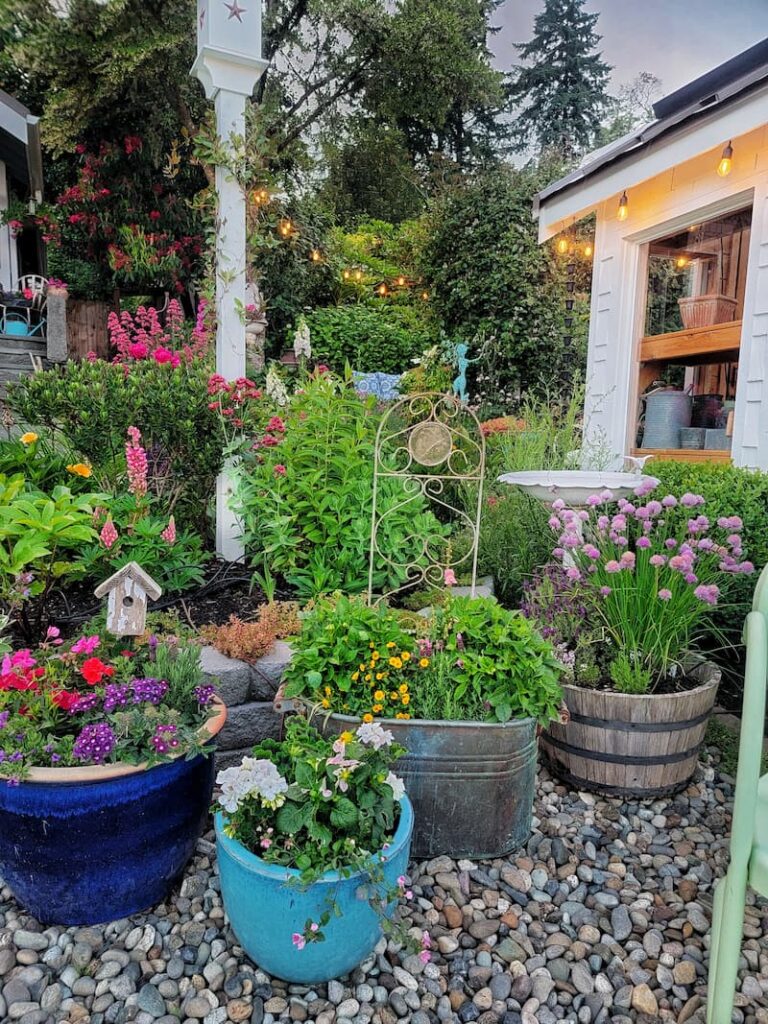
Container gardening is a great option if you want a beautiful garden with less work.
Outdoor potted plants are easier to manage because they stay contained, need less space, and are simple to move when needed. They’re perfect for patios, porches, balconies, small garden nooks, or anywhere you want a little color without committing to a full garden bed.
Choosing low-maintenance container plants like herbs, lavender, geraniums, succulents, or compact evergreen shrubs can make things even easier. These plants are often more forgiving and require less watering and upkeep than larger in-ground garden spaces.
I love using pots around the cottage garden because they let me add seasonal color exactly where I want it. They’re one of the easiest ways to refresh a space without creating a lot of extra work.
12. Keep a Garden Journal
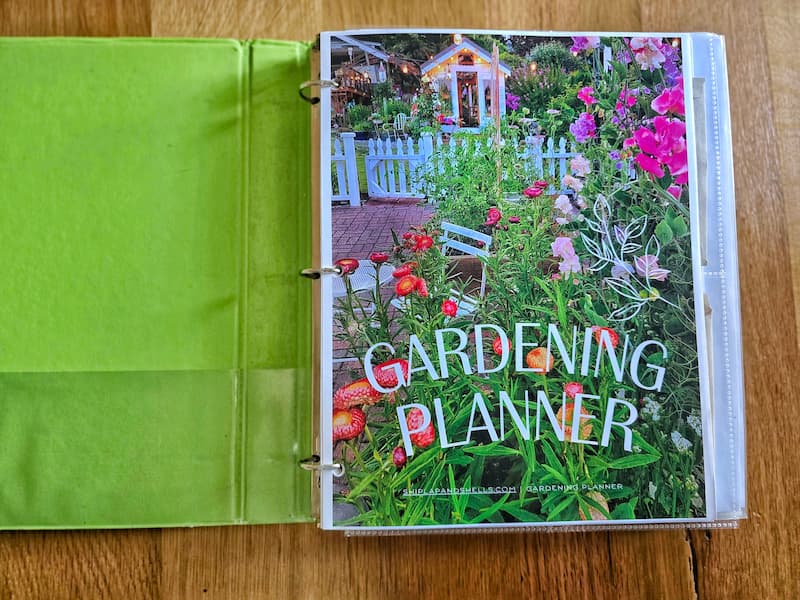
Staying organized is half the battle when it comes to maintaining a low-maintenance garden.
Keeping a simple garden journal helps you track important tasks like watering, pruning, fertilizing, deadheading, and seasonal planting. Instead of relying on memory or wondering if you already did something, you have a quick reference to keep everything running smoothly.
A garden journal also helps you remember what worked well and what didn’t, which makes planning easier from season to season. Over time, those small notes can save you a lot of guesswork and help your garden become even easier to care for.
I started keeping notes because I got tired of asking myself, “Did I fertilize this already?” every single spring. It sounds simple, but having those reminders written down saves so much time and frustration.
If you enjoy planning ahead, a garden journal can quickly become one of the most helpful tools in your gardening routine.
Frequently Asked Questions About Low-Maintenance Gardens
Final Thoughts On Creating a Low-Maintenance Garden
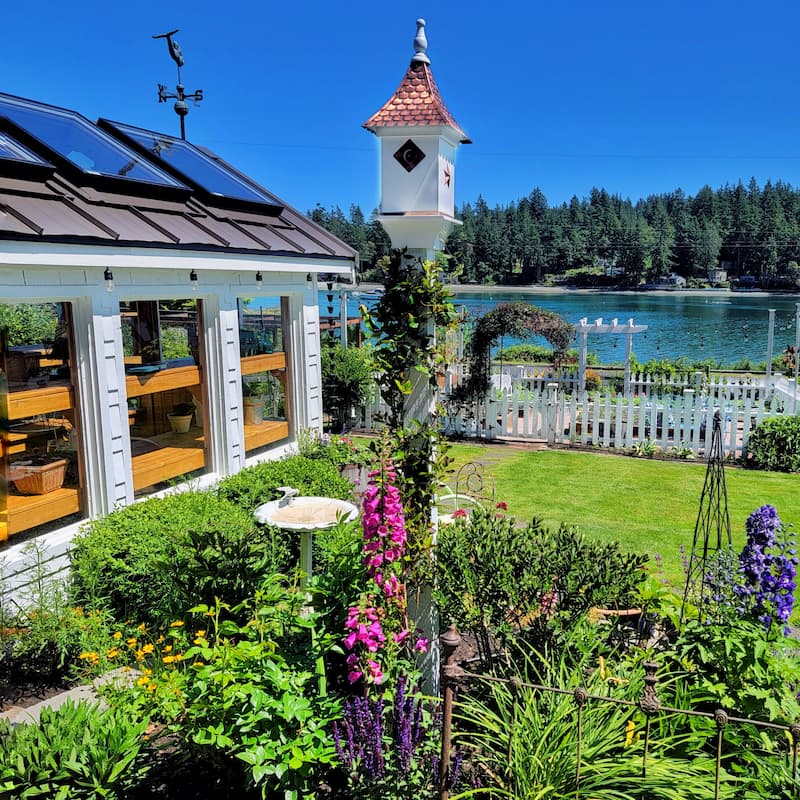
A beautiful garden doesn’t have to mean endless chores or a weekend full of weeding. With a few smart choices like planting reliable perennials, improving your soil, adding simple hardscape, and creating an easy watering routine, you can build a low-maintenance garden that works with your life instead of against it.
Whether you’re gardening in a large backyard, a small patio space, or somewhere in between, the goal is the same: create a space that feels peaceful, manageable, and enjoyable.
Start simple. Choose what works for your lifestyle. And remember, the best garden isn’t the one that looks perfect… it’s the one you actually get to enjoy.
If you found this post helpful, feel free to share it with a fellow gardener who’s also looking for ways to spend less time maintaining and more time enjoying their garden.
Until next time,
Happy Gardening!

I’m a self-taught hobby gardener. Everything I share on my blog is my opinion and what has worked for me.
MORE POSTS
For You To Enjoy
Follow Me for More Inspiration


Your 12 tips for creating a low-maintenance garden were super helpful and gave me great ideas. I love gardening, but sometimes it’s hard to keep up with all the maintenance. Your article taught me some smart ways to make gardening easier.
I liked how you talked about planning and choosing the right plants.
I’m so happy to hear that this post was helpful. It’s so nice to know that gardening can be easy if you change your thinking a bit. Thanks for following along!
Thank you for explaining how you should look to invest in drip irrigation or soaker hoses for your garden. I’ve been thinking about improving my gardening skills. I never would have thought about a watering system, but I can see how it would make maintenance easier.
This is awesome and perfect for me. You had me at low maintenance!
These are very helpful tips! We moved into a new home two years ago and my husband recent retired, so we are trying to do more with our landscaping, and we definitely have a lot to learn! It’s such a blessing to have experienced gardeners like you who share your expertise!?????
Great tips Kim!!! Thanks for sharing!
This is just want I need Kim. Great information.
Thank you so much, Rachel!
Thanks for these truly useful tips! Keep ’em coming.
I’m so glad you find them useful Debra. I will!
These posts always help me so much, Kim! I definitely want to have pretty flowers around but I’ve realized over the past few years it takes more time than I have to give. So, I’ve mostly stuck to container gardens on our porches. Love these tips and tricks for when I’m ready to dabble into flower beds and even garden veggie beds too. Loving and pinning, CoCo
The great thing is that you can always garden as much or as little as it works for you. Thanks for visiting CoCo, and for pinning.