
25 Best Low-Maintenance Perennials for a Beautiful Flower Garden
I love a full, abundant-looking garden. But I don’t love spending every weekend keeping it that way. Over the years, I’ve learned that the plans you choose at the start make all the difference. Pick the right ones, and the garden more or less takes care of itself. Pick the wrong ones, and you’re constantly chasing problems.
These are 25 of my favorite low-maintenance perennials, the ones I come back to again and again because they bloom reliably, ask for very little, and look great doing it. I’ve organized them by sun and shade, so it’s easier to match them to your specific garden spots.
As an Amazon affiliate, I earn a commission from qualifying purchases at no additional cost to you. My blog also features other affiliate links for your convenience. Click here to read my privacy policy.
What Makes a Perennial Low Maintenance?
Not every plant marketed as “easy” actually is. When I’m evaluating whether a perennial earns that label, I’m looking for a few specific things.
Keep these in mind as you plan, and you’ll spend a lot more time actually enjoying the garden.
A Quick note about my garden
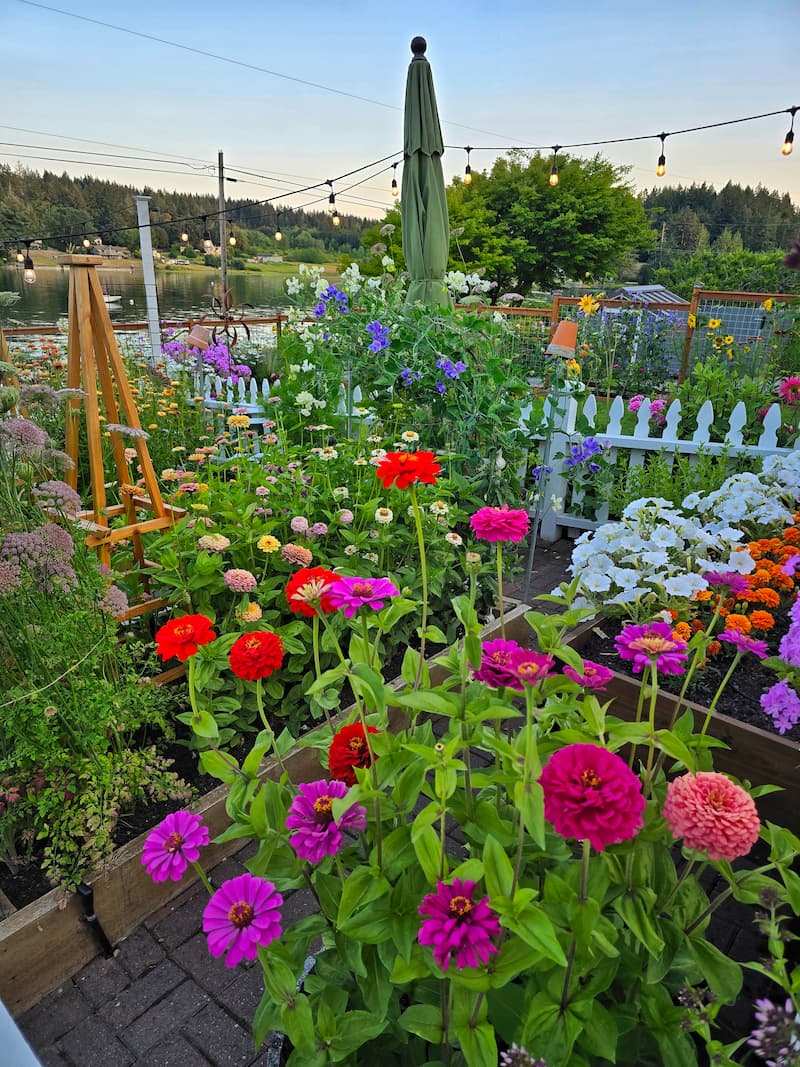
Most of the flowers I share here are grown from seed in our greenhouse and planted in raised beds and containers throughout our cottage garden.
Low-Maintenance Perennials for Full Sun
These are the workhorses. Plant them in a sunny spot with decent drainage, get them established, and they’ll come back stronger every year.
1. Coneflower (Echinacea purpurea)
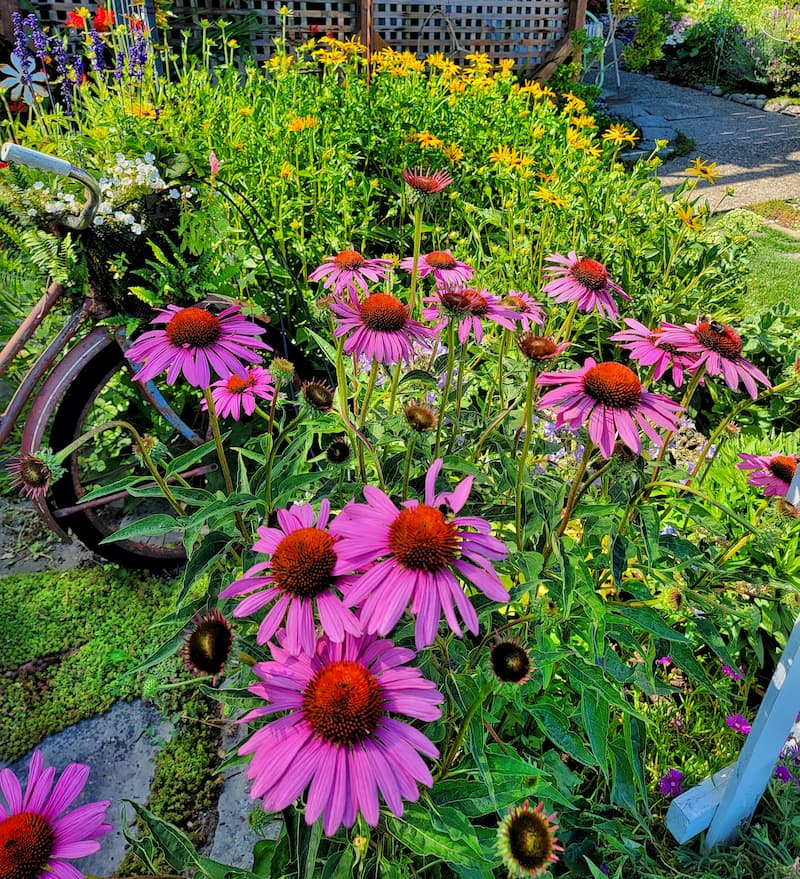
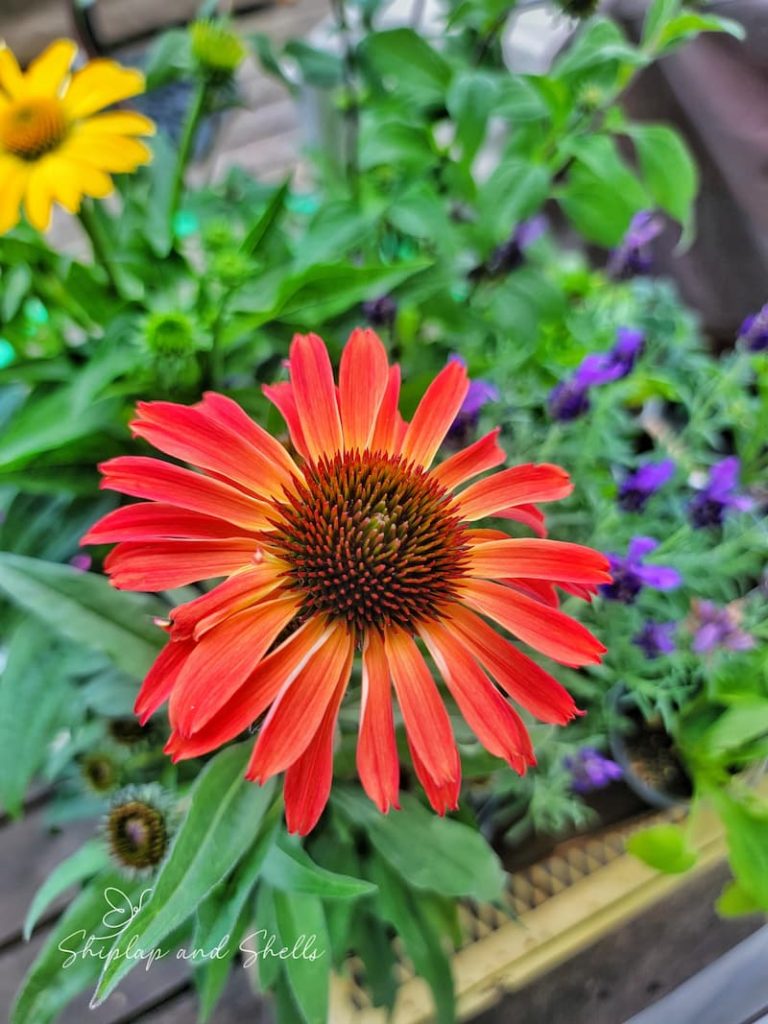
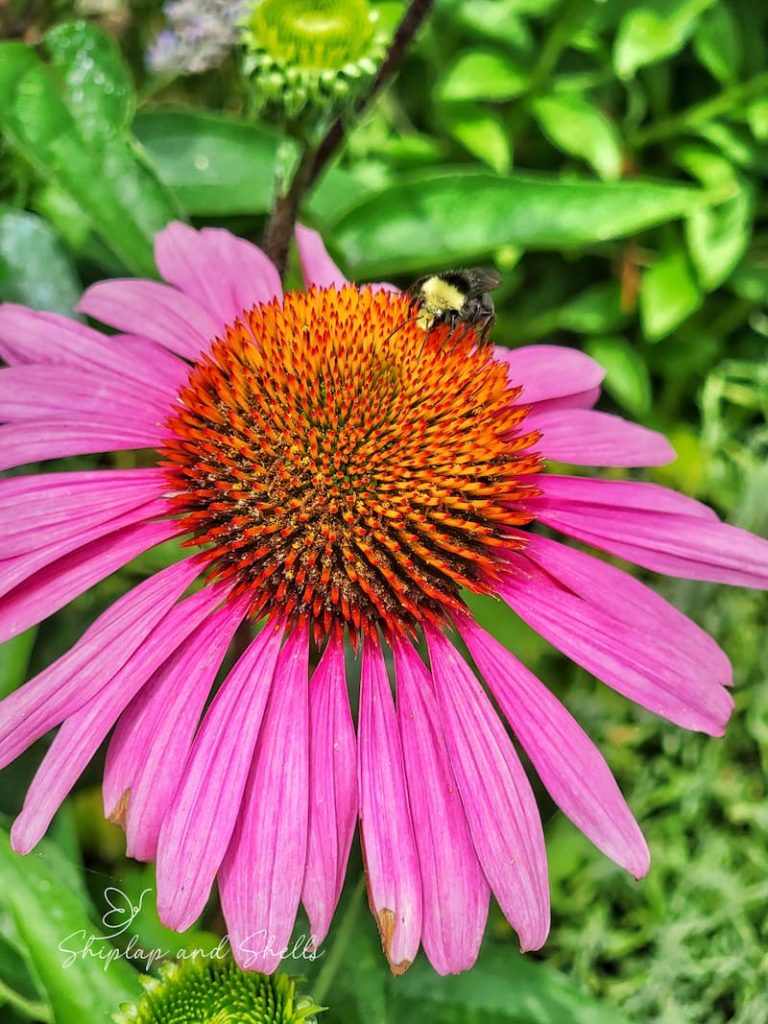
Coneflowers are one of the most reliable perennials I grow. The purple varieties are classics, but newer cultivars come in red, orange, yellow, and white, so there’s a lot of room to play.
Once established, they’re drought-tolerant, deer-resistant, and they attract every pollinator in the neighborhood. They bloom for months, making excellent cut flowers, and if you leave the seed head standing in the fall, the birds will thank you.
2. Shasta Daisy (Leucanthemum spp.)
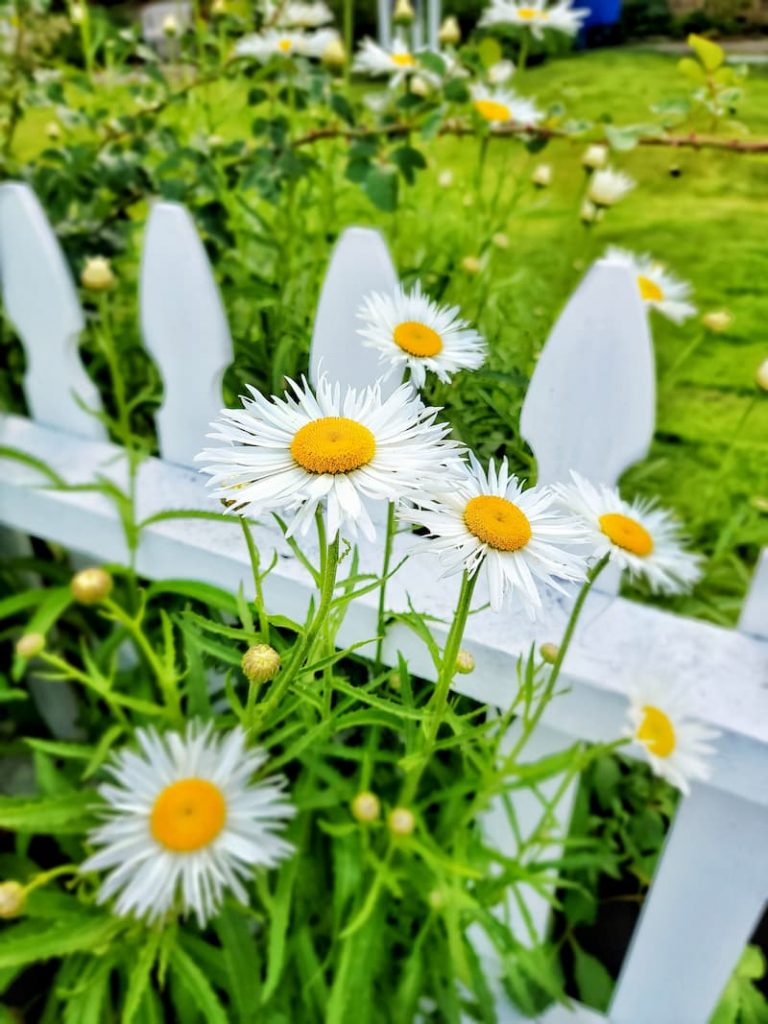
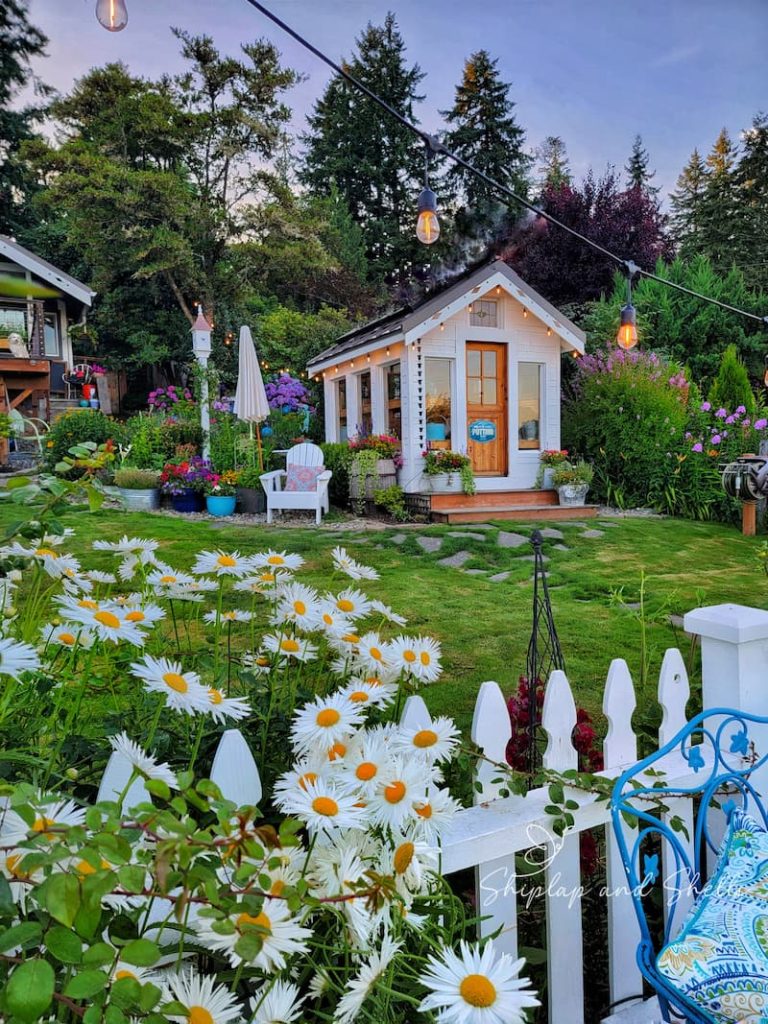
The cheerful reliability of a Shasta Daisy is hard to beat. They bloom heavily through summer, tolerate heat and some drought once established, and hold up well against pests and disease.
I grow mine along the front of the greenhouse border where they get full sun from morning to afternoon. A little deadheading extends the bloom time, and they’re perfectly fine left mostly alone.
3. Russian Sage (Perovskia atriplicifolia)
Russian sage is built for tough spots. It tolerates poor and sandy soils, requires almost no supplemental water once established, and its aromatic foliage keeps deer and rabbits away.
The silvery stems and soft lavender-blue flowers give it a beautiful, airy quality that works well at the back of a border. Minimal pruning is needed, and it holds its structure season to season.
4. Daylilies (Hemerocallis spp.)
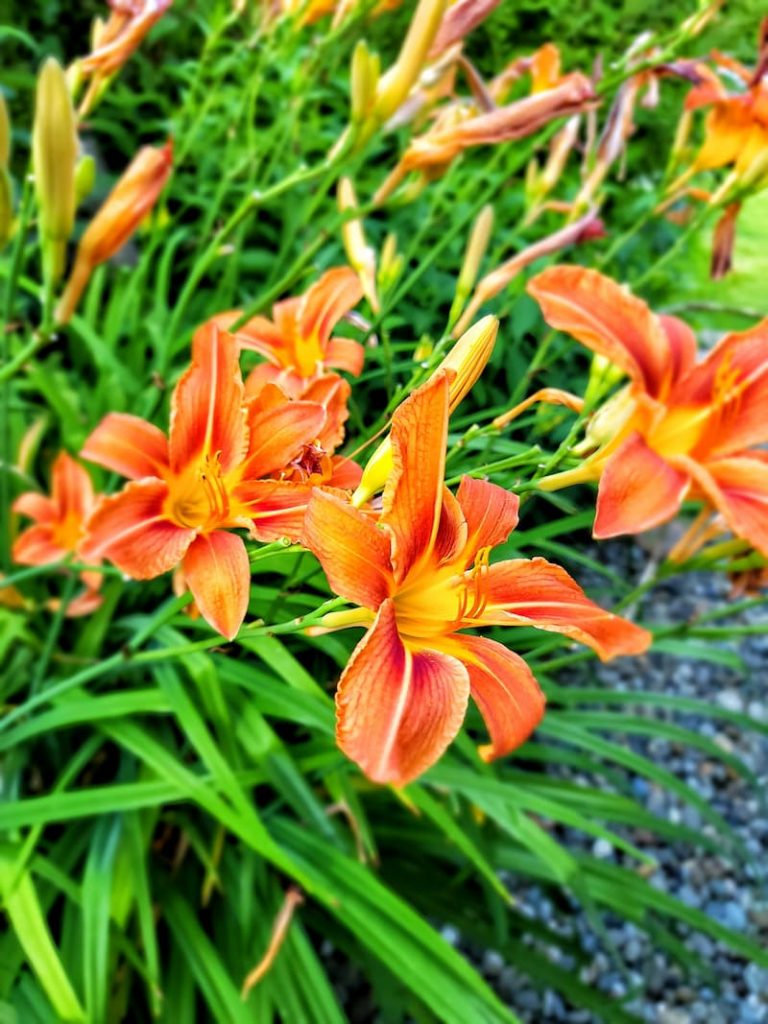
Daylilies might be the most forgiving perennial there is. They grow in poor soil, tolerate drought, and come back reliably year after year with almost no intervention. The color range is enormous, from pale yellow to deep burgundy, and the clumps fill in naturally over time.
When they get crowded, you divide them and spread them around the garden. I’ve done this many times, and it’s one of the easiest divisions to make.
5. Yarrow (Achillea spp.)
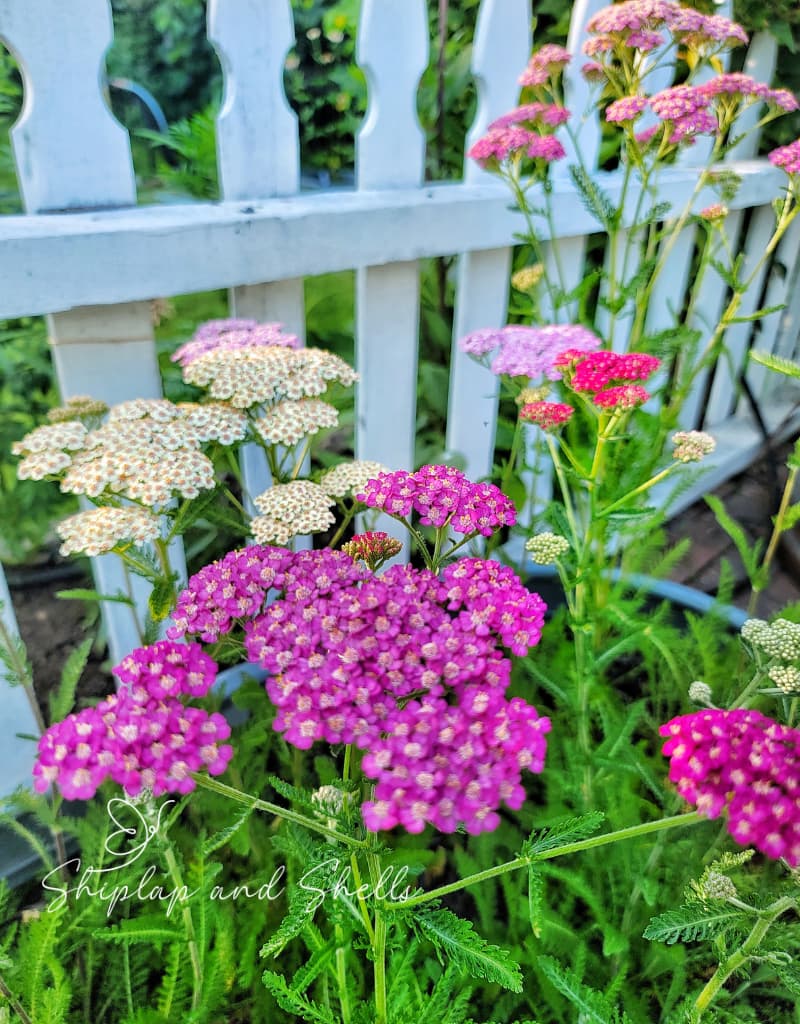
Yarrow earns its place in a low-maintenance garden several times over. It thrives in full sun and poor soil, attracts pollinators, adds great texture with its flat-topped flower clusters, and dries beautifully for arrangements.
I grow the Summer Berries mix in the cut flower garden, and it performs all season with almost no attention. Colors range from soft pink and cream to bright yellow and red.
Let’s Plan Your Dream Garden With Our
Gardening Planner
Unlock Your Garden’s Potential.
Our 35-page Ultimate Garden Planner is designed to help you organize, track, and flourish in your gardening endeavors.
Get yours for $4.99
6. Blanket Flower (Gaillardia spp.)
If you have a hot, dry spot that other plants struggle in, blanket flower is your answer. The red and yellow daisy-like blooms are vivid and cheerful, and they keep going all summer with minimal water. This plant prefers lean soil, so resist the urge to fertilize.
7. Black-Eyed Susan (Rudbeckia spp.)
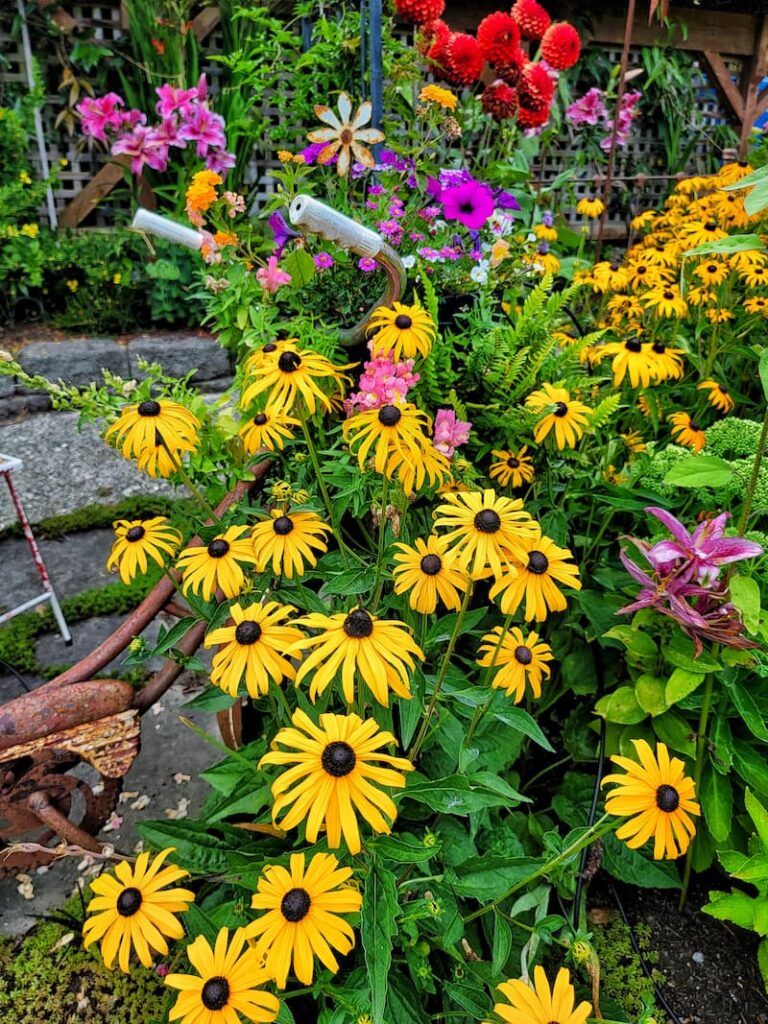
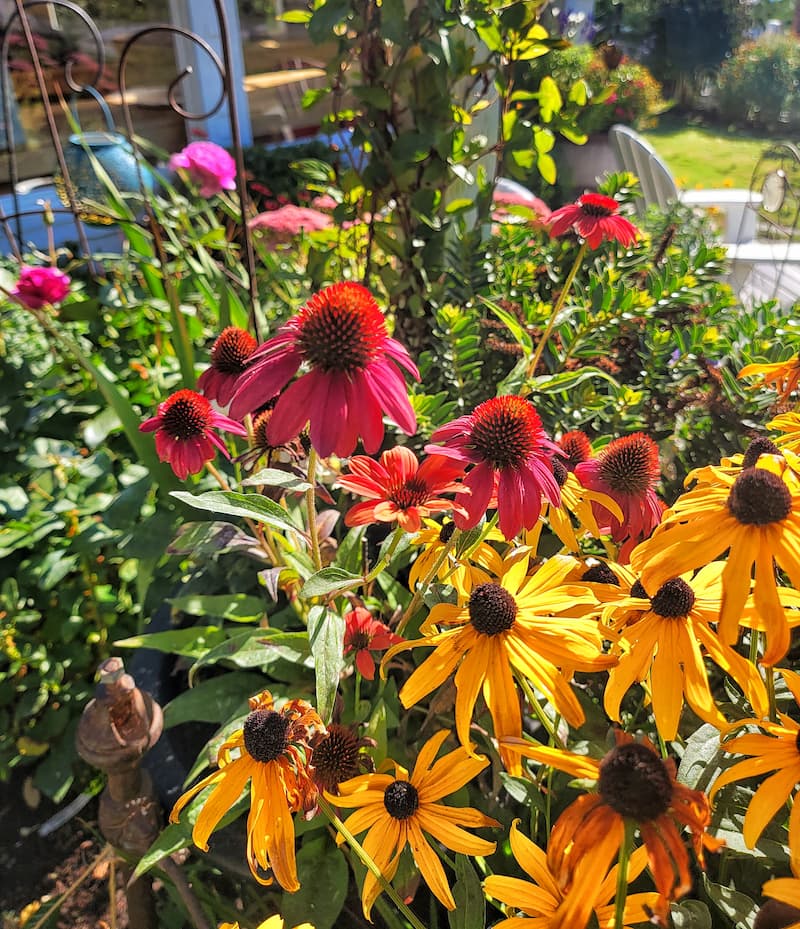
Black-eyed Susans are golden and dependable. They handle poor soil and full sun beautifully, attract pollinators for weeks, and are deer resistant. I love them at the back of a border where their height adds structure.
Let a few seed heads stand through winter, and you’ll likely get volunteers the following spring.
8. Hydrangeas (Hydrangea macrophylla spp.)
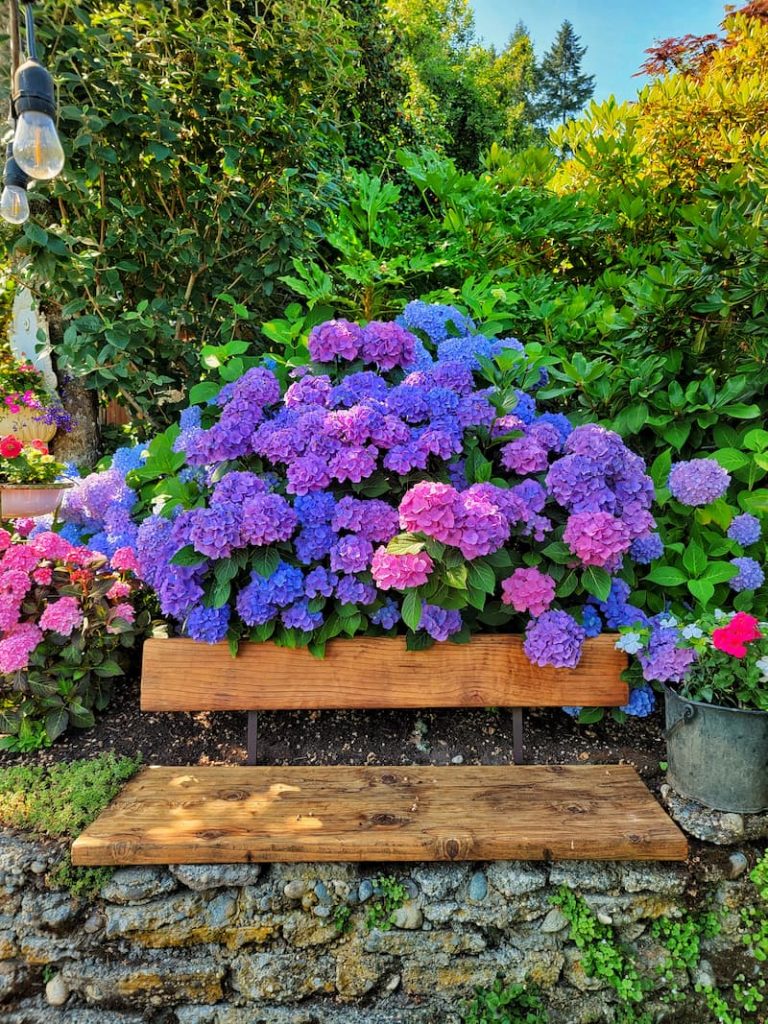
Hydrangeas have that old-fashioned cottage-garden charm that you’ll never get tired of. They adapt to full sun or partial shade depending on the variety, bloom for much of the summer, and are generally unbothered by pests.
Most varieties need only light pruning to remove deadwood. The dried flowers are beautiful well into fall and winter, which is a bonus I take full advantage of every year.
9. Catmint (Nepeta spp.)
Catmint is a workhorse in the border. It thrives in poor, dry soils, is drought-tolerant once established, and its pungent fragrance naturally keeps deer and rabbits away. The soft purple-blue flower spikes bloom in early summer and often repeat if you shear them back after the first flush.
It’s also one of the best plants for edging a path or softening a border edge.
10. Peonies (Paeonia spp.)
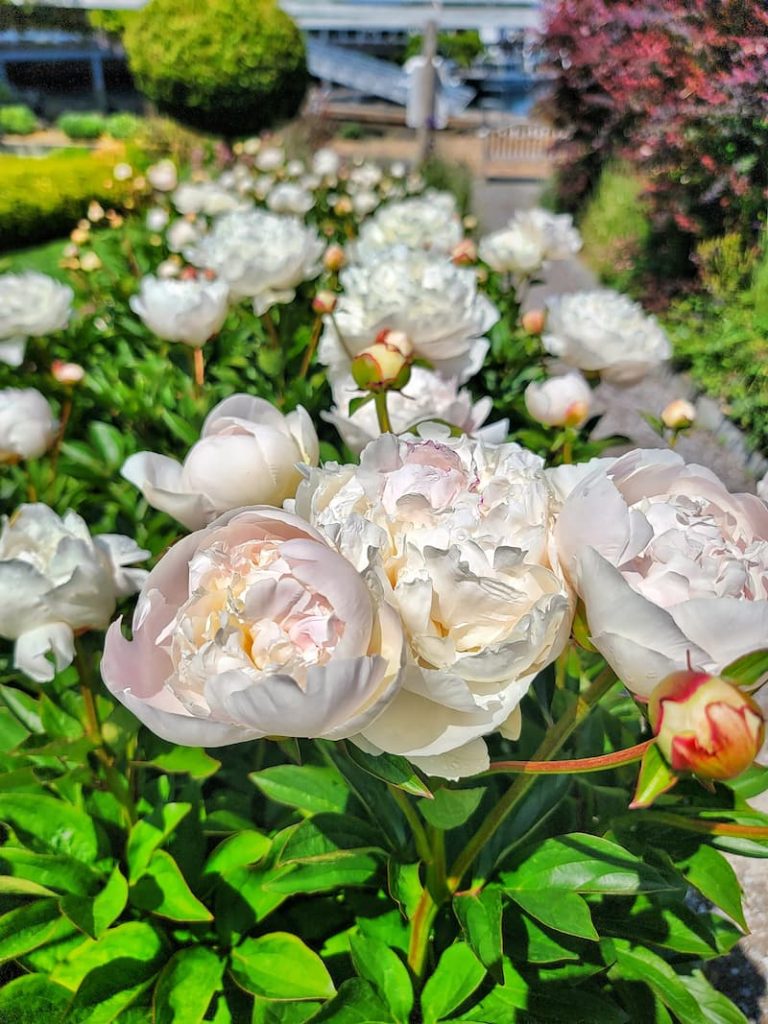
Peonies are the definition of a plant that rewards patience. They take a couple of years to settle in and really bloom, but once they do, they can live for a century with minimal care.
They’re slug-resistant and drought-tolerant, prefer well-drained, fertile soil, and produce those big, fragrant blooms that make late spring feel like an event. Plant them once, and they’ll outlast you in the garden.
Garden Supplies and Tools
Check out my favorite garden supplies and tools for the growing season. Whether you’re looking for potting soil or deer repellent, you’ll find what I use in my own garden.
11. Ornamental Grasses (Miscanthus spp., Pennisetum spp.)
Ornamental grasses bring movement and structure to a garden that nothing else quite replicates. Most are adaptable to sun or partial shade, drought-tolerant once established, and resistant to pets and disease.
The main task is cutting them back in late winter or early spring, which takes about 10 minutes per clump. The rest of the year, they look after themselves beautifully.
12. Phlox (Phlox spp.)
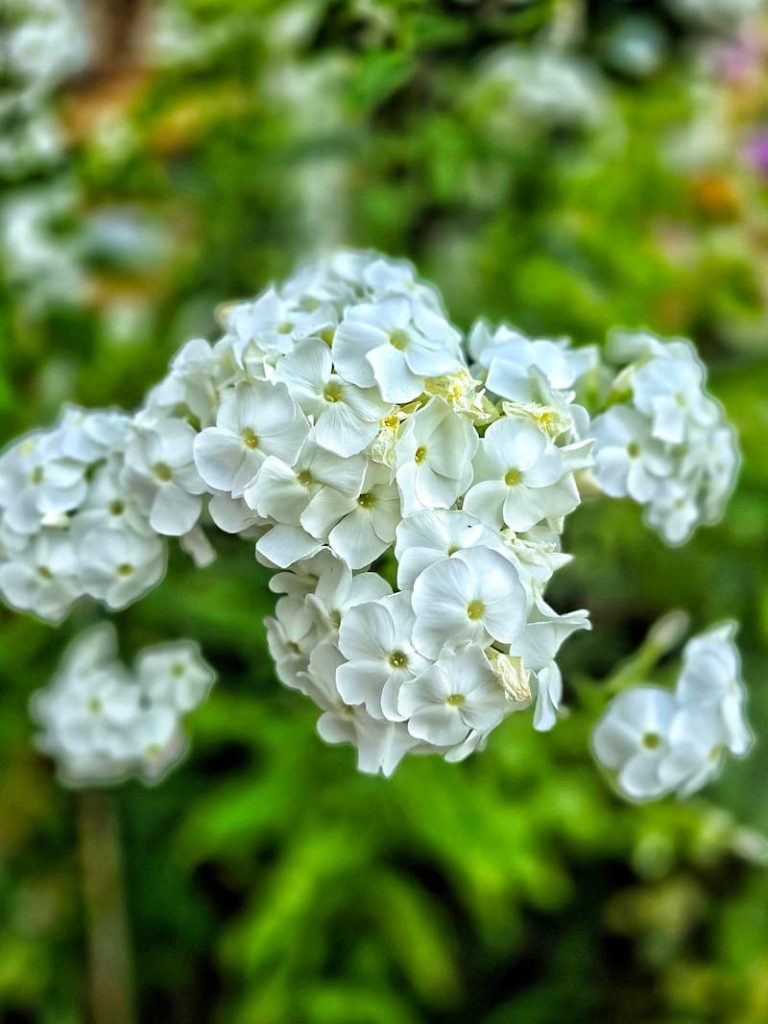
Garden phlox fills the garden with fragrant flower clusters in purple, pink, and white, and it does it in both full sun and partial shade. It attracts butterflies and hummingbirds all season and resists deer and rabbits well.
It’s one of those perennials that looks like it requires a lot of work than it really does.
13. Coreopsis (Coreopsis spp.)
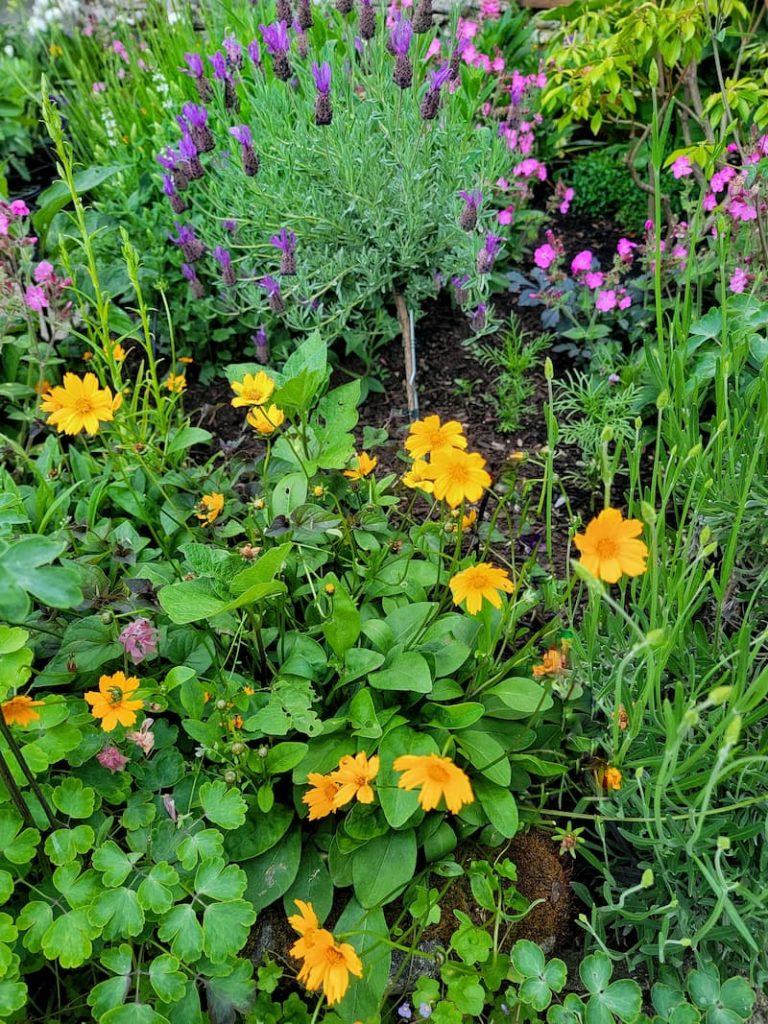
Coreopsis is drought-tolerant, pest-resistant, long-blooming, and often self-seeds, naturalizing quietly over time. The cheerful yellow daisy-like flowers go from late spring through fall in good conditions. It thrives in poor soil and minimal water, making it ideal for spots where other plants struggle.
14. Bee Balm (Monarda spp.)
Bee balm brings color, fragrance, and wildlife activity to the garden in one plant. It handles sun and partial shade, tolerates clay and loamy soils, and once established, needs very little water.
The aromatic foliage deters deer and rabbits. Give it room to spread, and it will reward you with weeks of vibrant blooms that pollinators love.
15. Salvia (Salvia spp.)
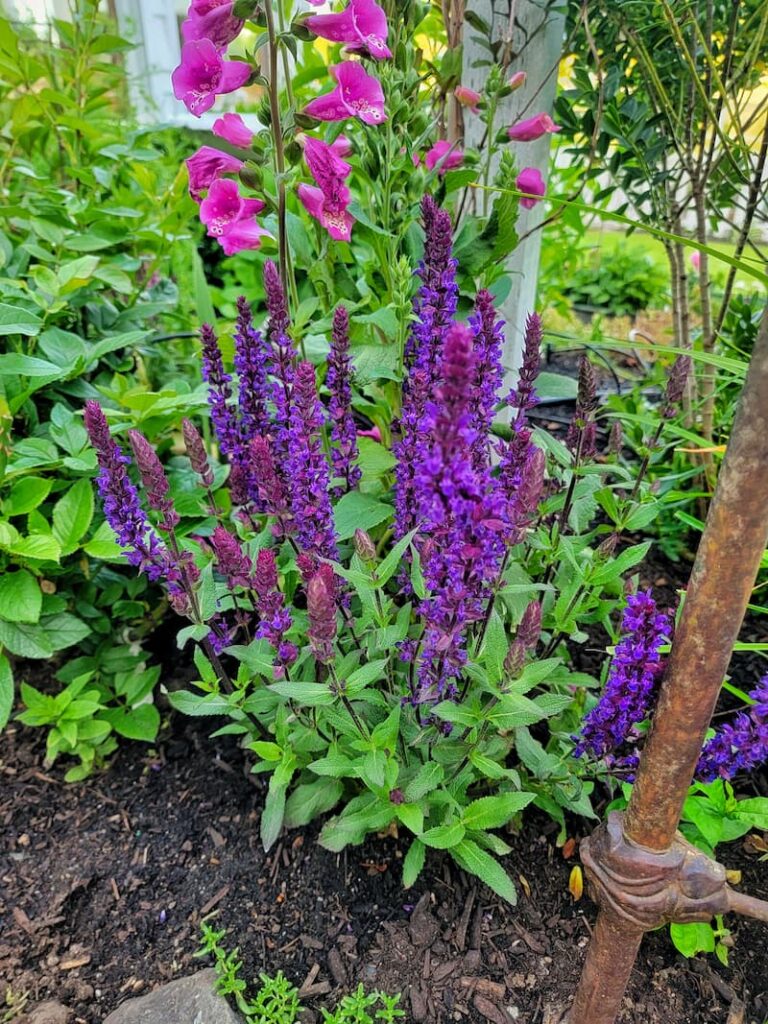
Salvia is one of the most versatile low-maintenance perennials available. The spiky blooms in blue, purple, and pink are beautiful, the aromatic foliage keeps deer away, and it adapts to a wide range of soils and climates. It’s drought-tolerant, long-blooming, and a consistent pollinator magnet throughout the season.
16. Lamb’s Ear (Stachys byzantina)
Lamb’s ear earns its keep primarily through foliage. Those soft, silver-gray leaves hold their good looks year-round, provide great contrast against darker plants, and need almost no pruning or shaping.
It tolerates poor, dry soils, requires minimal watering once established, and holds up well against pests and disease. A reliable filler that makes everything around it look better.
17. Blazing Star (Liatris)
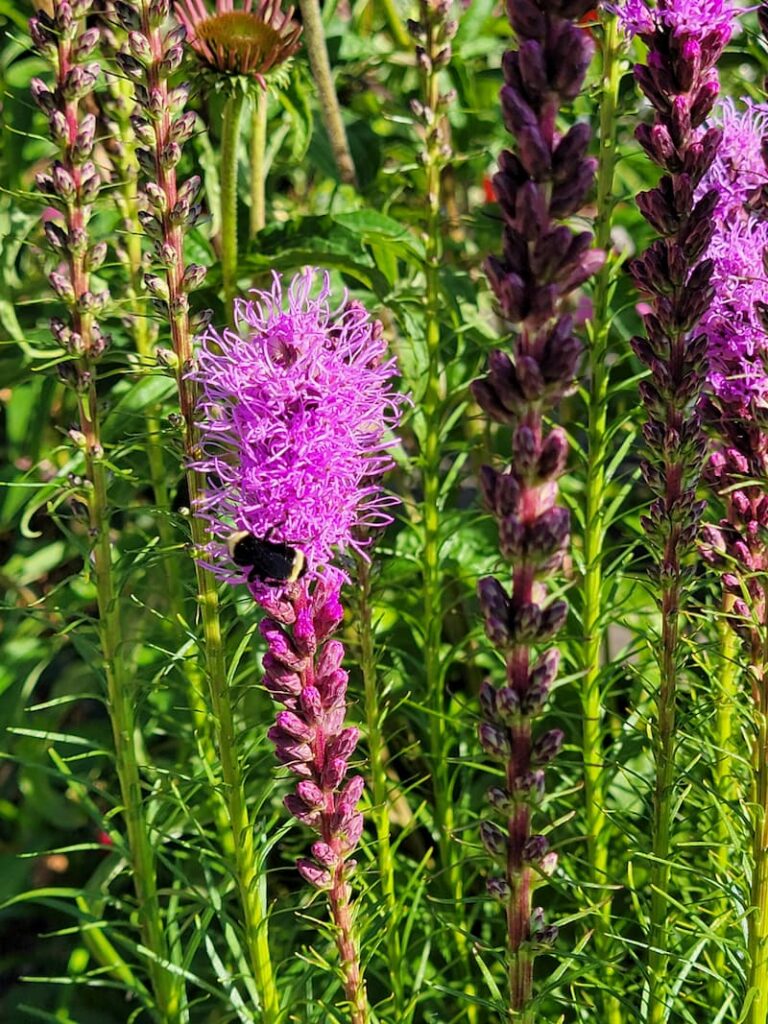
Blazing star’s tall spiky flower heads are distinctive in the summer garden and a magnet for pollinators. Once the blooms fade, you can leave the dried head standing for winter interest and cut it back in spring. It’s drought-tolerant, cold-hardy, and resistant to most pests and diseases. A plant that requires very little in exchange for a lot of character.
18. Sedum ‘Autumn Joy’
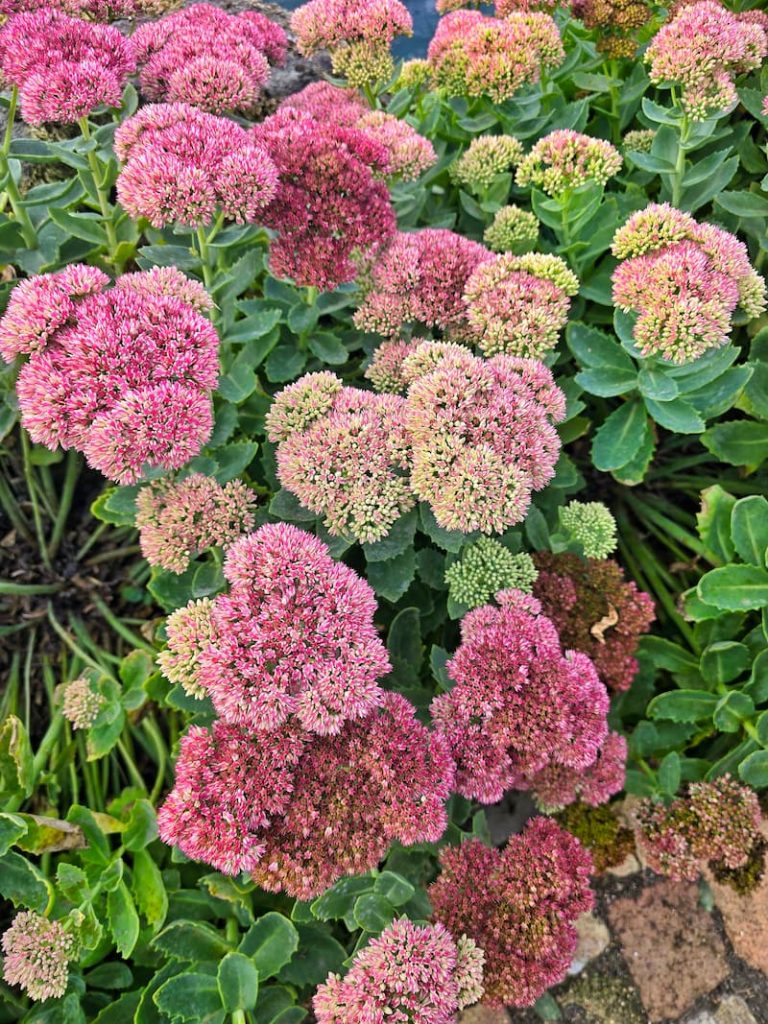
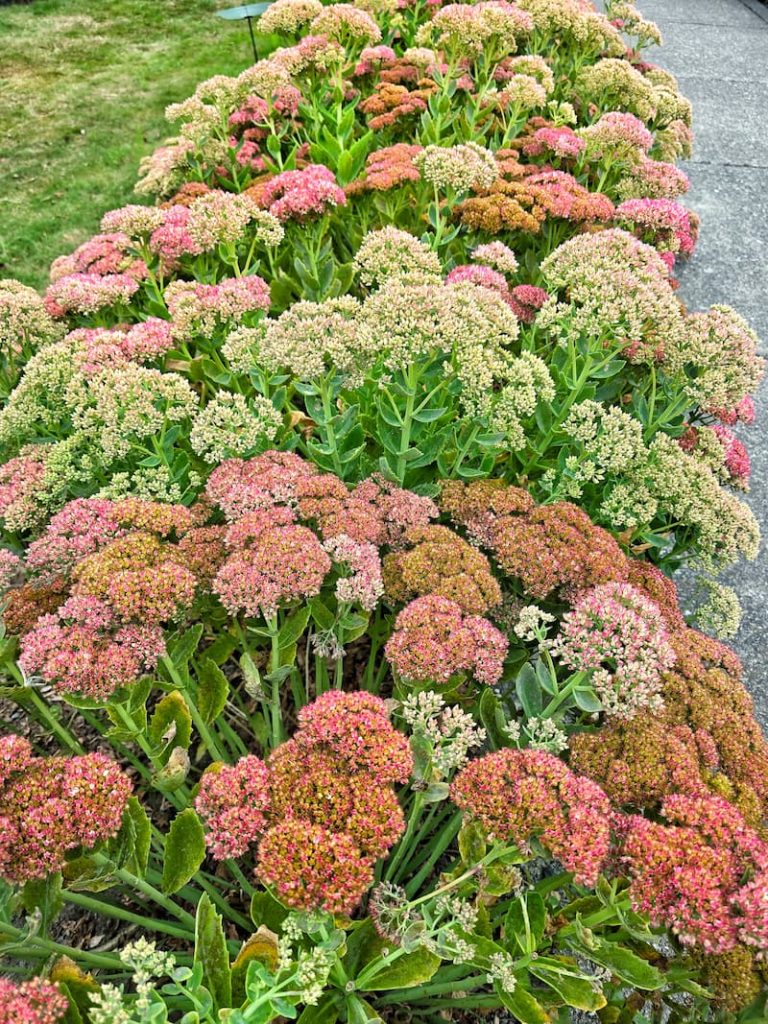
Sedum ‘Autumn Joy’ is one of my favorite perennials for carrying the garden through late summer and fall. The flower heads start as tight green clusters that look a bit like broccoli, then slowly turn dusty pink through September and into October.
It’s drought-tolerant, highly pest-resistant, and attractive to butterflies late in the season when not much else is blooming. The dry heads look good well into winter. I photographed some at Roche Harbor last fall, and they were still holding up beautifully.
19. Irises
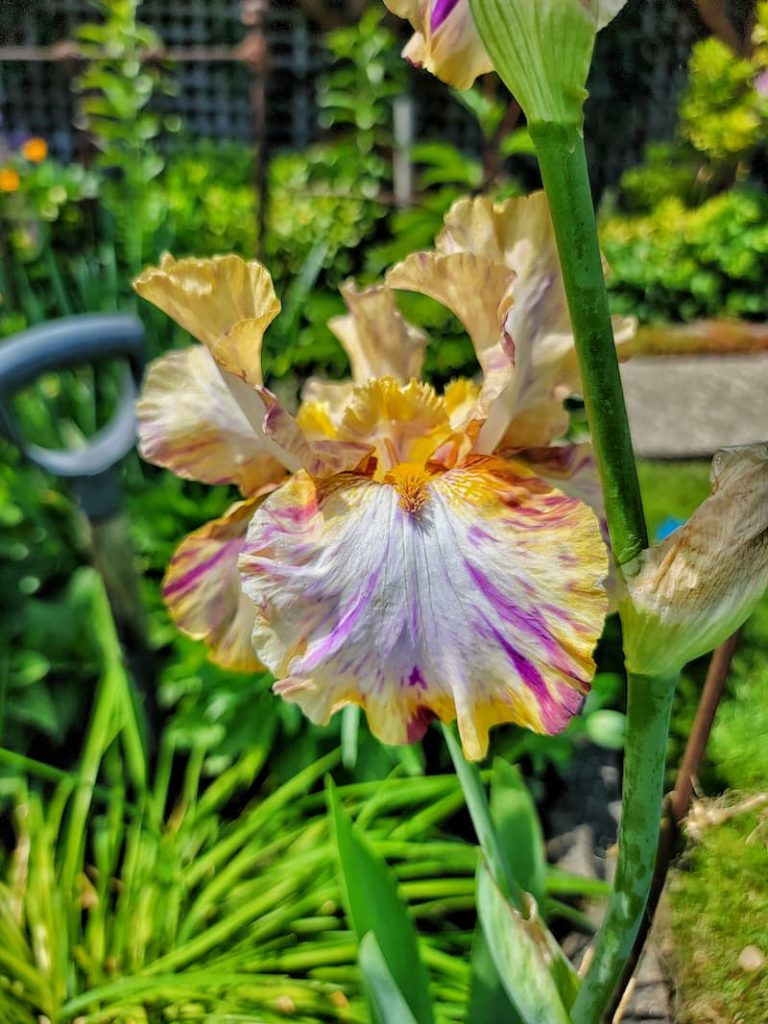
Irises come in two main low-maintenance varieties worth knowing.
Bearded iris (Iris germanica) is tough and adaptable, happy in poor soil and full sun, and produces those dramatic ruffled blooms in spring. The color range is remarkable. They need to be divided every few years when the clumps get crowded, but that’s about it.
Siberian iris (Iris sibirica) is a good choice for moisture spots, such as low areas or those near water features. It produces elegant, smaller blooms and graceful foliage that looks tidy all season. Both types are low-effort in exchange for high reward.
Low-Maintenance Perennials for Shade
Shady spots can be tricky to fill, but these perennials thrive in less sun and still look beautiful.
20. Hellebores (helleborus spp.)
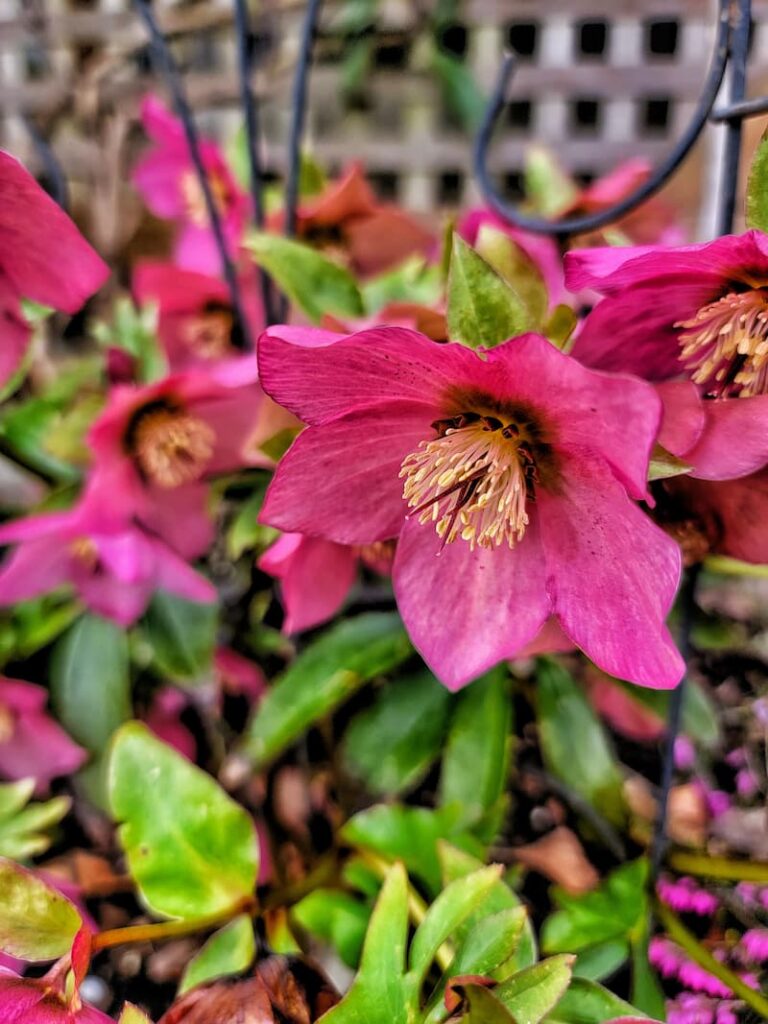
Hellebores, also called Lenten roses, are among the best plants you can put in a shady spot. They bloom in late winter and early spring, often when nothing else is, and the pretty flowers in cream, pink, burgundy, and plum are quietly stunning.
They’re drought-tolerant once established, self-seed to naturalize gradually, and maintain attractive evergreen foliage year-round with almost no pruning. In the Pacific Northwest cottage garden, they’re practically indestructible.
21. Coral Bells (Heuchera spp.)
Coral bells are grown primarily for their foliage, and the range of colors is remarkable: deep plum, bright lime, copper, silver, and everything in between. They do well in partial shade and dappled light and tolerate a variety of soil conditions.
The delicate flower spikes that appear in summer are a bonus. They hold their looks with minimal fuss and provide interest in the garden even when nothing else is blooming.
22. Atilbe (Astilbe spp.)
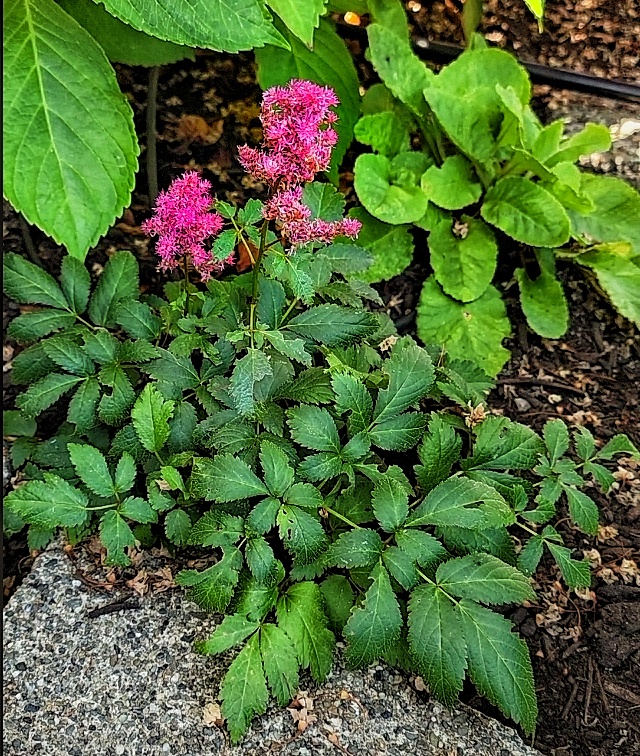
Astilbe is one of the few shade plants that produces genuinely showy blooms. The feathery plumes in pink, red, white, and lavender rise above the foliage in summer and look beautiful, fresh, or dried. It’s tolerant of moist and poorly drained soil, making it a good fit for low spots in the garden.
Once established, it needs very little: minimal watering, occasional deadheading, and a cut back in fall or early spring.
23. Japanese Anemone (Anemone hupehensis)
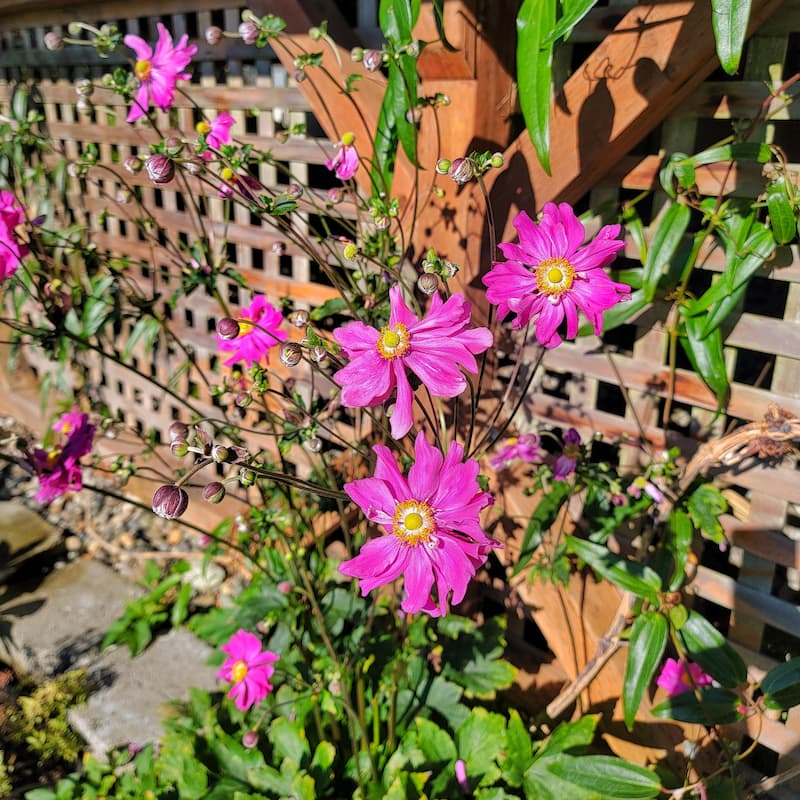
Japanese anemone blooms in late summer and fall, making it invaluable for extending the garden’s color into the seasons when most other perennials have finished. The delicate white or pink flowers on tall stems move beautifully in the breeze.
It handles sun or partial shade, is relatively drought-tolerant once established, and spreads gradually to form impressive clumps without needing much attention. This is one of the best plants for that September gap.
24. Hosta (Hosta spp.)
Hostas are the backbone of a shade garden. The foliage comes in a huge range of sizes, textures, and colors, from tiny gold-edged miniatures to giant blue-green specimens that fill a corner.
They’re tolerant of clay and loamy soils, handle short dry periods without complaint, and need almost no pruning beyond removing dead and damaged leaves in spring. They do get visited by slugs, especially here in the Pacific Northwest, but otherwise they’re remarkably self-sufficient.
25. Bleeding Heart (Dicentra spp.)
Bleeding heart is one of those plants that makes people stop and ask what it is. The arching stems hung with heart-shaped pink or white blooms are genuinely charming, and appear in spring when the garden is still waking up.
It tolerates shade and partial shade, handles different soil types, and the foliage provides interest even after the blooms fade. It goes dormant in summer heat, so pair it with hostas or ferns to fill the gap.
Frequently Asked Questions About Low-Maintenance Perennials
What are the Easiest Perennials to Grow for Beginners?
If you’re just starting a garden, these five perennials are the ones I’d point to first: daylilies, black-eyed Susans, sedum ‘Autumn Joy’, purple coneflower, and peonies. All of them tolerate imperfect conditions, come back reliably, and don’t require much intervention once they’re established.
Do Low-Maintenance Perennials Still Need Watering?
Most do during their first season. Getting established takes energy, and consistent moisture in year one makes a big difference in how well they perform in year two and beyond. After that, most of the perennials on this list need very little supplemental water, especially once you’ve mulched the beds well.
How Do I Know When a Perennial Needs Dividing?
A few signs: the center of the clump starts drying out, blooming decreases, or the plant is visibly crowding its neighbors. Most perennials benefit from division every three to five years. It sounds like work, but it’s actually one of the best parts about having perennials. You dig, divide, replant, and suddenly you have twice as many plants for free.
Are Low-Maintenance Perennials Deer-Resistant?
Many are. Coneflower, black-eyed Susan, salvia, catmint, Russian sage, lamb’s ear, and yarrow all have natural deer-resistance, either through texture or scent. That said, deer behavior varies by region and season. When food is scarce, they’ll try almost anything.
Can I Mix Sun and Shade Perennials in the Same Bed?
You can if the bed has varied light conditions, which many cottage garden beds do. The key is paying attention to which areas dry out quickly (better for drought-tolerant sun plants) versus which stay consistently moist and cool (better for shade lovers like astilbe and hostas).
Planting by condition rather than by aesthetics alone leads to a garden that actually thrives.
What Is the Longest-Blooming Perennial?
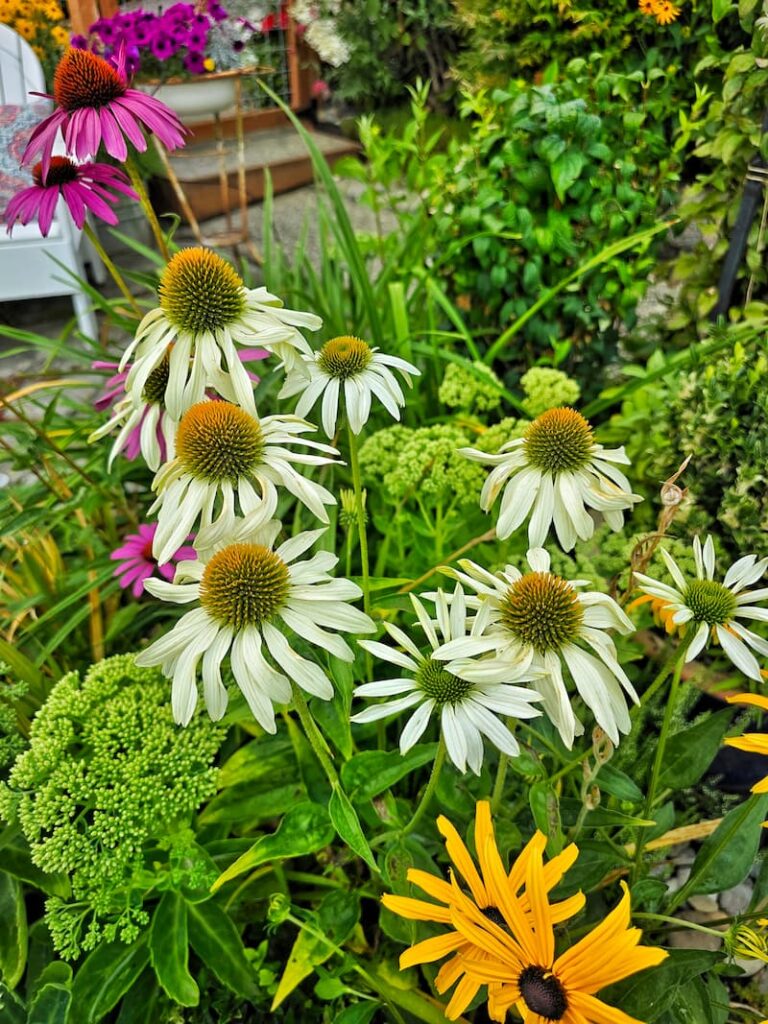
Coreopsis and coneflower are among the longest bloomers, often going from early summer into fall with minimal deadheading. Catmint also has a very long season and reblooms well if you cut it back after the first flush. Salvia is another strong performer for sustained color.
A Few Final Thoughts
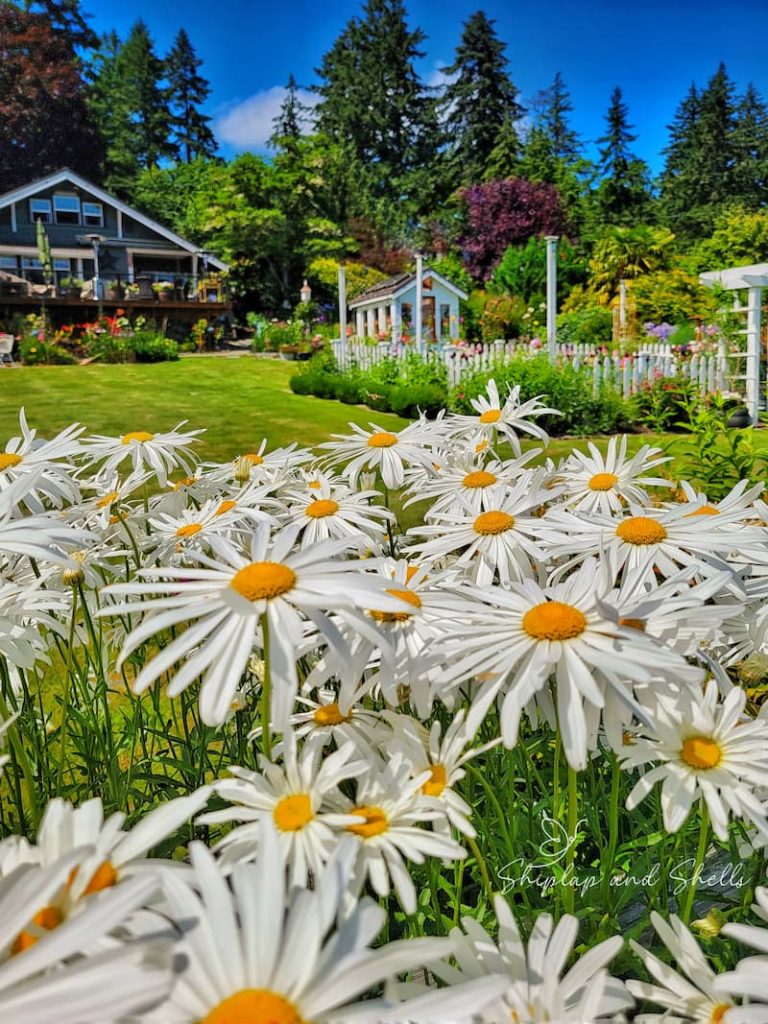
A low-maintenance garden isn’t a boring garden. It’s a smart one. The perennials on this list have color, texture, pollinators, and seasonal interest in sun and shade without demanding constant attention.
Start with a few that match your conditions, get them established with a good mulch and the first season of watering, and let them settle in. You’ll be dividing and sharing them with your neighbors before you know it.
Until next time,
Happy Gardening!

I’m a self-taught hobby gardener. Everything I share on my blog is my opinion and what has worked for me.
MORE POSTS
For You To Enjoy
Follow Me for More Inspiration


I love perennials & have mostly them in my garden need a few more really like u suggestions!
I’m so happy you liked some of my perennial suggestions Mary. We’re going into such a great time of year when they all come back and we can enjoy them again. Thank you for visiting my blog.
Thank you for your wealth of information. Gardners unite!!!! Your garden looks lovely.?
Kim, some of the perennials will not grow here and of course they are my favorites like hydrangeas and peonies. But I should try a few of the others like coneflower and phlox. We have day lilies but I’m not sure which kind. So surprised the Larkspur finally bloomed as most of the other seeds from Floret farm didn’t do much. Sunflowers are going crazy and will have blooms soon~and I love that they attract the peach-faced love birds. Someday I want to see your garden as I drool over every picture.
I would love to have you come to visit me and the garden. I can’t wait to see your sunflowers, Mary. I just started mine in the greenhouse so the birds won’t eat the seeds like they usually do.
Kim,
I see a lot of perennials in my future. LOL
I’m so glad to hear that Rachel.
Your gardens are so beautiful and inspiring, Kim. Low maintenance is what I need and is perfect for our busy lifestyle. I have some of these in our garden, but now I’m going to add a few others thanks to your recommendations. I’d love to share a photo and a link to your post in my weekly roundup tomorrow.
Thank you so much for sharing my post in your weekly round-up Jen. I really appreciate it.
I am all about low maintenance Kim so this is so good for me!! Thanks so much!
Thank you Kristin! I am all about easy!
So many of my favorite flowers made this list, Kim! I would LOVE to have some peonies but sadly we’re in coastal zone 9 and the heat is bananas down here. I’m still dreaming they’ll come up with a Florida version one day though 🙂 Hope your week has been a fun one, CoCo
It’s so interesting for me to hear what flowers can grow in which areas around the country. I think peonies are one of the most beautiful flowers! But then again, I say that about every flower when they’re blooming!
Thanks for the recommendations!
I’m so glad you found it useful Krista! Thank you for visiting the blog!
Gorgeous! I love that I can see your gardens from the east coast. xoxo
I love that too Stacy! You have definitely been a busy girl in your garden lately! So excited that we are finally in the gardening season!