How to Weed the Garden: Best Natural Management Tips

Let’s be honest, no one loves weeding. But if you want a healthy, thriving garden, learning how to weed the garden effectively is a must. Weeds may be relentless, but with the right strategies, they don’t have to take over your time or your flower beds.

If you’re anything like me, weeds seem to show up overnight, just when everything is starting to bloom beautifully. No matter how much we wish them away, they’re part of the gardening journey. But here’s the good news: there are plenty of natural and low-stress ways to manage them.

Over the years, I’ve tested all kinds of weed control methods, and some worked better than others. In this post, I’m sharing the best natural weed management tips that have helped me the most. With a little planning and a few smart tricks, you can spend less time pulling weeds and more time enjoying your garden.

How to Weed the Garden: blazing star, lilies, and coneflower in the cottage garden at sunset
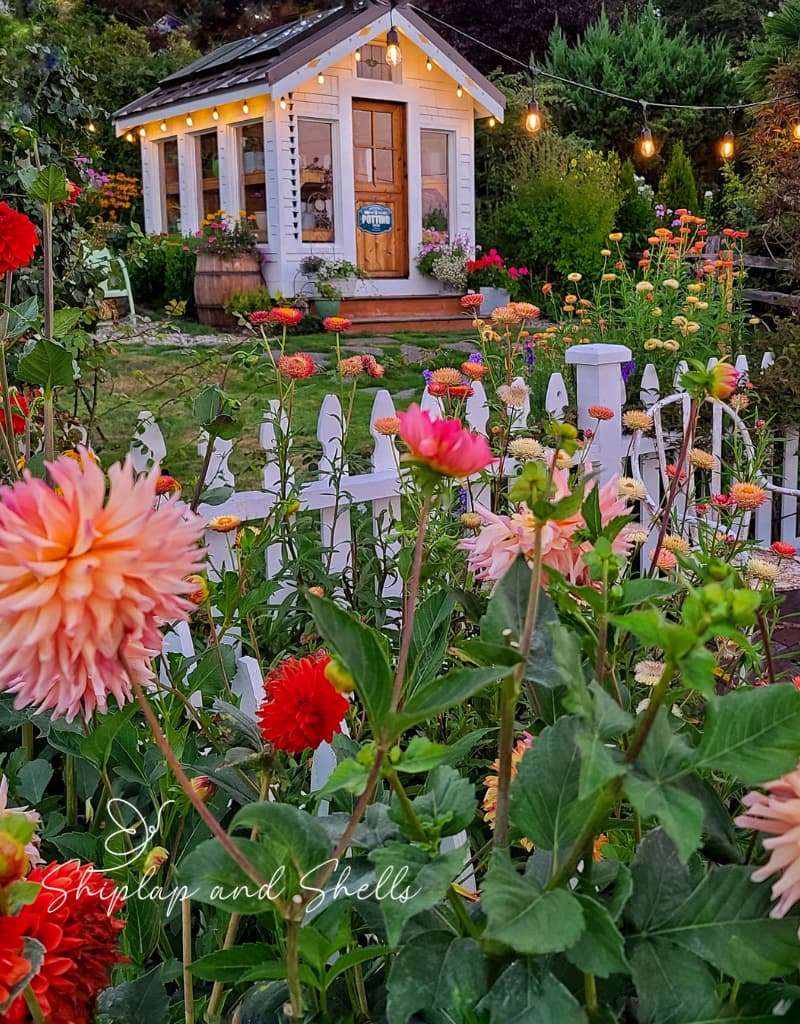
greenhouse and white picket garden with dahlias and strawflower

Weeding might feel like one of the more tedious garden chores, but it plays a huge role in keeping your garden healthy and looking its best.

First, there’s the visual impact. A weed-free garden looks more polished and cared for. When weeds take over, even the most beautiful flowers and vegetables can get lost in the chaos, making your space feel overgrown and messy.

But beyond looks, weeding is essential for your plants’ overall health. Weeds compete with your garden plants for sunlight, water, and nutrients, robbing them of the resources they need to thrive.

Left unchecked, this competition can lead to stunted growth, fewer blooms, and a disappointing harvest. Even worse, some weeds can carry pests or diseases that spread to nearby plants and cause even more damage.

By staying on top of weeding, you’re giving your plants the best chance to flourish in a clean, nutrient-rich environment.

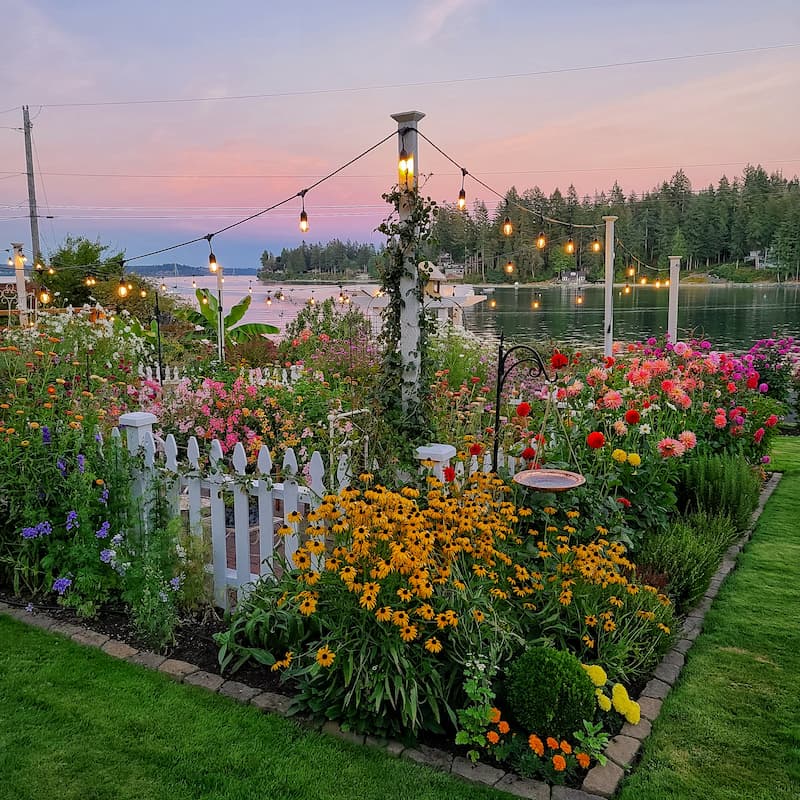
white picket fence cut flower garden in the sunset with bistro lights

How often you should weed depends on the season, weather, and what you’ve planted. The more consistent you are, the easier it gets.

As a general rule, aim to weed your garden about once a week. Staying on top of it keeps weeds from getting established and spreading, which saves you a lot of time and hassle down the road.

I like to get out there right after a light rain when the soil is soft. It makes pulling weeds by the roots much easier. Early mornings or late afternoons are also great times to weed, especially on warm days when midday heat can make the chore feel like a workout.

And don’t forget about fall. Pulling weeds before they have a chance to drop seeds can make a big difference come spring.

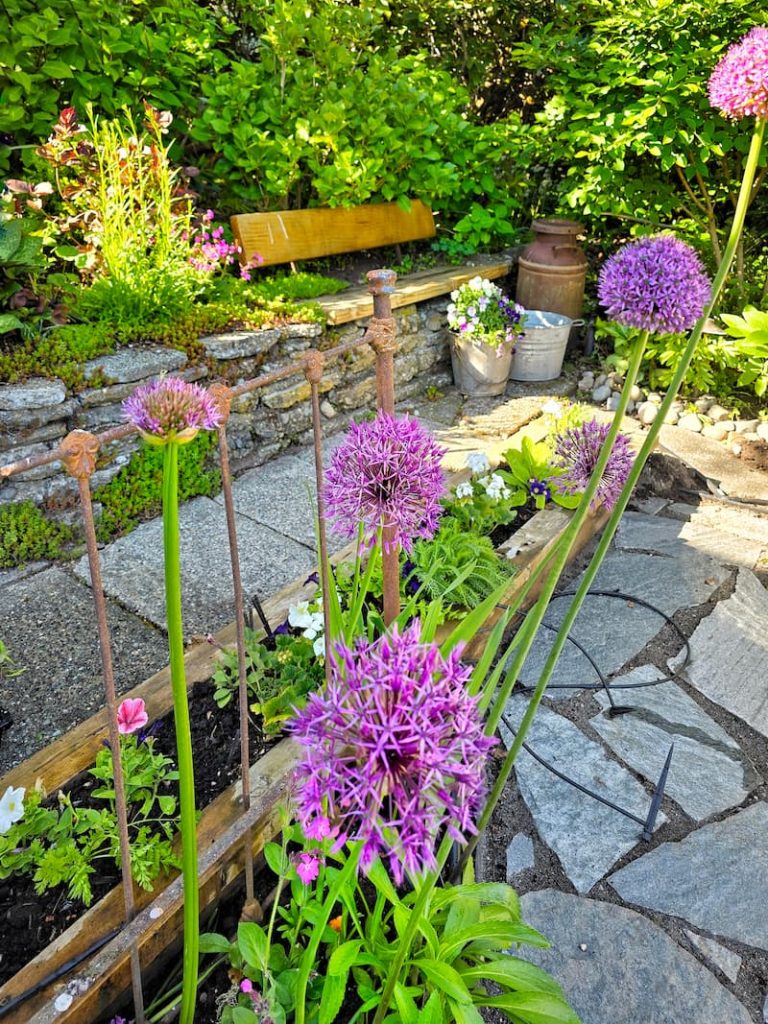
How to Weed the Garden:  purple alliums in the garden

Weeding doesn’t have to feel overwhelming. With a few simple strategies and the right mindset, it can actually become a satisfying part of your garden routine.

I know it might sound strange, but I honestly enjoy pulling weeds. It’s my version of garden therapy—and there’s something rewarding about seeing all that progress with just a bit of effort.

The trick is to work smarter, not harder. By using techniques that reduce effort and increase effectiveness, you’ll spend less time fighting weeds and more time enjoying your garden.

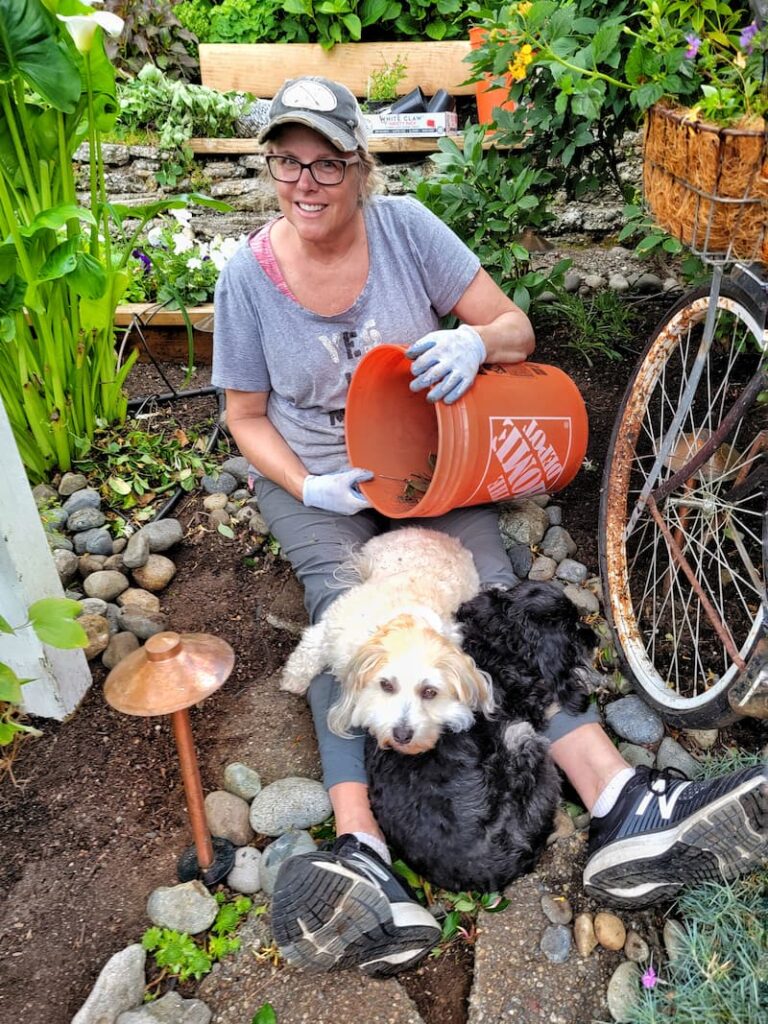
weeding the garden with the dogs

One of the most effective ways to control weeds is by pulling them out completely, roots and all. This helps prevent them from growing back and spreading.

The best time to weed is when the soil is slightly moist, like after a light rain or a deep watering. Grip the weed at the base and pull slowly and steadily to avoid snapping the stem and leaving the root behind. For stubborn or deep-rooted weeds, use a weeding tool or garden fork to gently loosen the soil before pulling.

Mulch is one of my favorite ways to cut down on weeding. It’s like a natural weed barrier that also makes your garden beds look tidy and polished.

Spread a 2–3 inch layer of organic mulch like straw, compost, or bark chips around your plants (but keep it away from the stems to avoid rot). This helps block sunlight from reaching weed seeds, making it harder for them to sprout.

Plus, mulch does double-duty by helping the soil retain moisture, regulating temperature, and improving overall structure. It’s a win-win for your garden and your time.

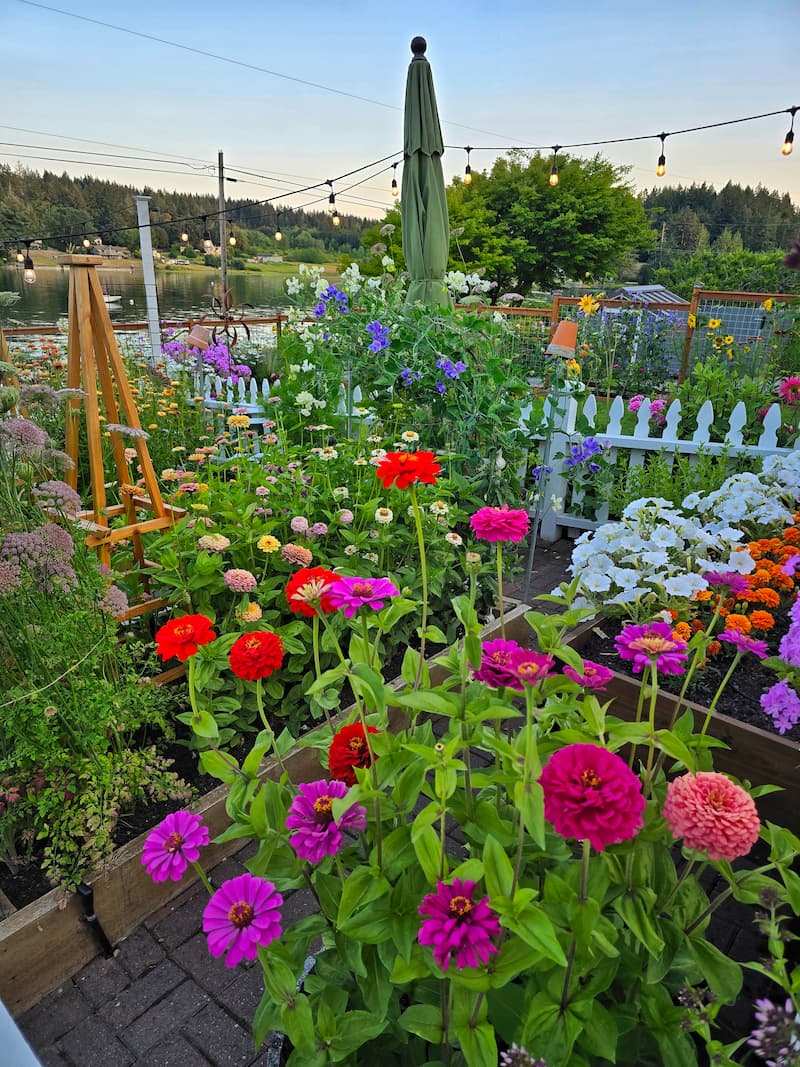
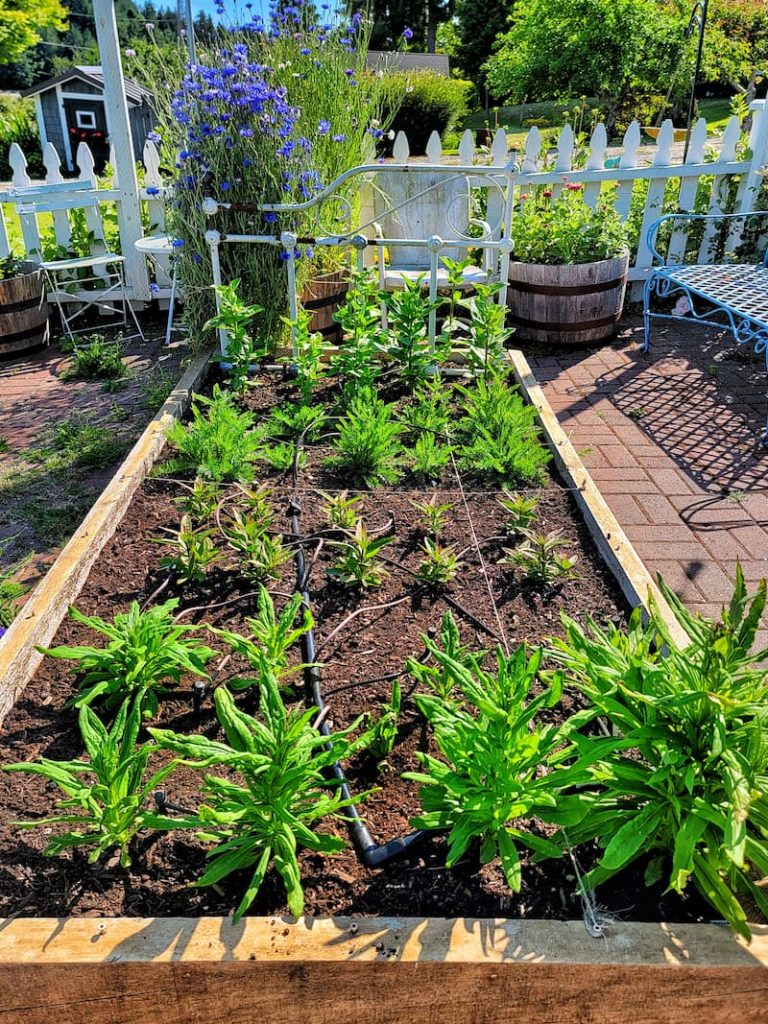
Flower seedlings growing in the cut flower raised beds

When working in flower beds or raised beds, be gentle to avoid disturbing your ornamental plants. Start by identifying what’s a weed and what’s a flower, especially when young seedlings are involved.

Hand-pulling is usually the safest bet. A hand weeder or small trowel can help you get around the base of the weed and lift it out without damaging nearby roots. Staying consistent with weeding makes a big difference. Small weeds are easier to pull and less likely to compete with your blooms.

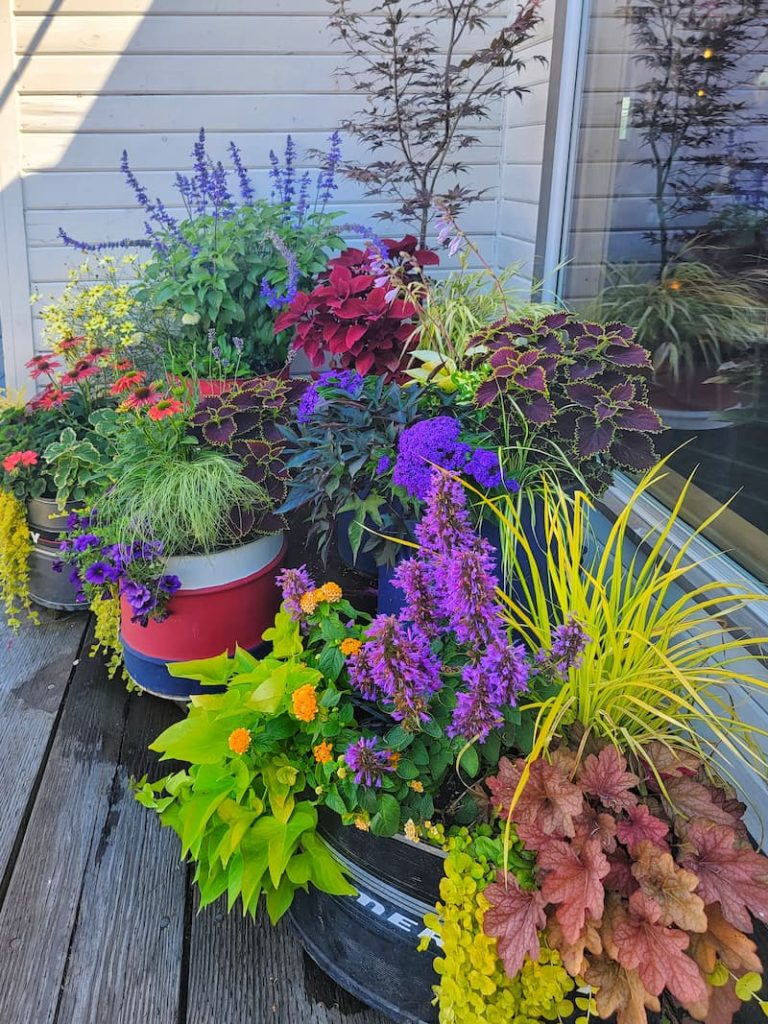
How to Weed the Garden: colorful flower container garden

Weeds might not be as common in container gardens, but they can still show up—especially if seeds blow in or you use compost that contains stray seeds.

Check your containers regularly, and pull any weeds by hand as soon as you spot them. Their roots usually aren’t too deep, so a quick tug will often do the trick.

Just like in garden beds, it helps to keep the soil surface lightly mulched and avoid overwatering, which can encourage weed growth.


Let’s Plan Your Dream Garden With Our

Gardening Planner

Unlock Your Garden’s Potential.


When it comes to weeding, the right tool can save you time, protect your plants, and spare your back and knees. Over the years, I’ve learned that having a few go-to tools on hand makes a big difference in how efficient (and even enjoyable!) the task can be.

Here are some of my favorite tools to help you weed more easily and effectively:

  • Hand trowel: for digging out weeds with deep root systems
  • Stirrup garden hoe: for larger areas, you can quickly slice through weed roots below the surface
  • CobraHead Weeder Hand Tool: the curved head plows through any soil; ergonomically designed for digging, edging & planting
  • Crack and crevice weeding tool: for removing stubborn moss and weeds in between paver stones; the sharp edge cutting part of the tool easily cleaned off weeds and moss from the stones and helped edge the grass line
  • Edward Tools Weeding Tool: rest the curved metal base on the grass and use the lever action to remove the bigger and harder-to-pull weeds like dandelions
  • Grampa’s weeder: easy & simple weeding tool that saves your back & knees; 45″ stand-up bamboo long handle; remove weeds without bending, pulling, or kneeling
  • Weeding knife or hori-hori: for stubborn or hard-to-reach weeds, it combines a serrated edge for cutting with a pointed tip for digging.
  • Long Handle Garden Weeding Tool with 3 Claws: the 39” tall handle lets you uproot the weeds without bending over or down to your knees; the foot pedal lets you put enough force on the gardening weed extractor to penetrate the ground and grab the whole weed, including the roots, so it doesn’t grow back.
  • Flame weed burner: lightweight torch produces up to 24,000 BTU, enough for burning weeds
  • Kneeling pad: provides comfort and support while you work, making the weeding process easier on your knees and back.
  • Garden Gloves: lightweight & breathable knitted base for a comfortable fit; flexible rubber coating in mint green and bright red is designed to keep your hands cool & dry
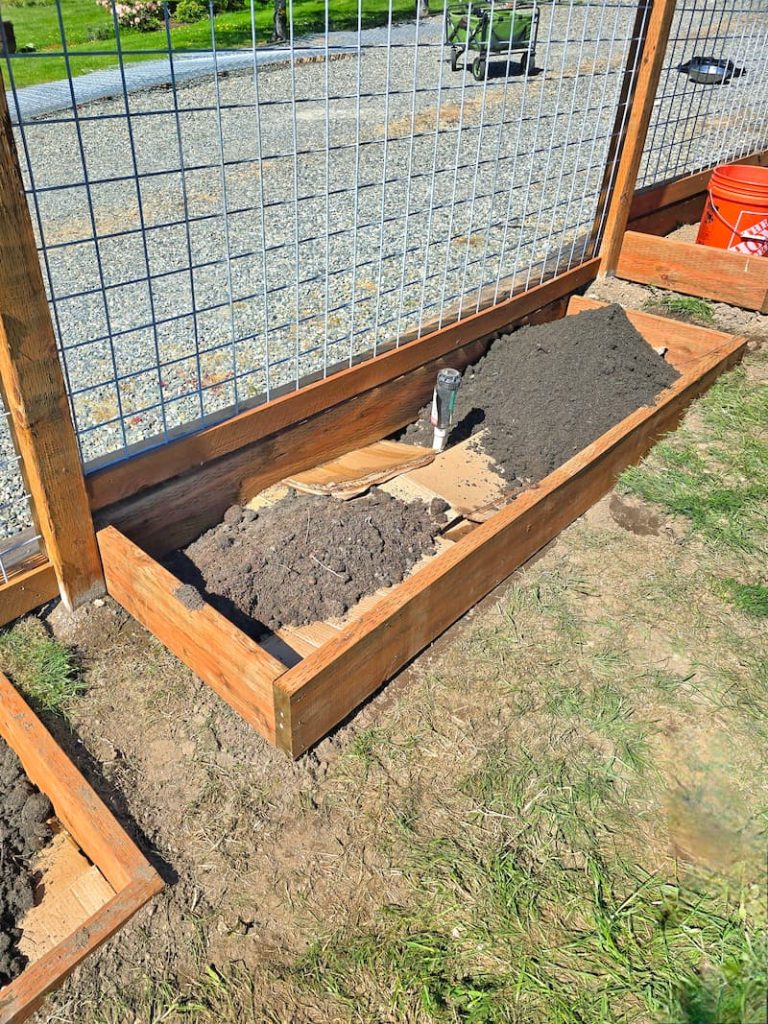
putting in new garden beds with cardboard and soil

While you’ll never be able to get rid of weeds completely, there are plenty of ways to stop them before they take over. A little prevention goes a long way—and can save you hours of backbreaking work later.

Here are some practical, natural ways to prevent weeds from popping up in your garden beds and pathways.

Landscape fabric, often called weed cloth, is a reliable way to keep weeds at bay, especially in new beds or areas you’re trying to reclaim.

This durable, breathable material lets water and nutrients pass through while blocking sunlight from reaching weed seeds underneath.

To use it, start by removing any existing weeds and smoothing out the soil. Roll out the fabric, cut holes where your plants will go, and secure it with landscape staples. Top it with mulch or soil to hold everything in place and give it a finished look.

SHOP FOR LANDSCAPE FABRIC

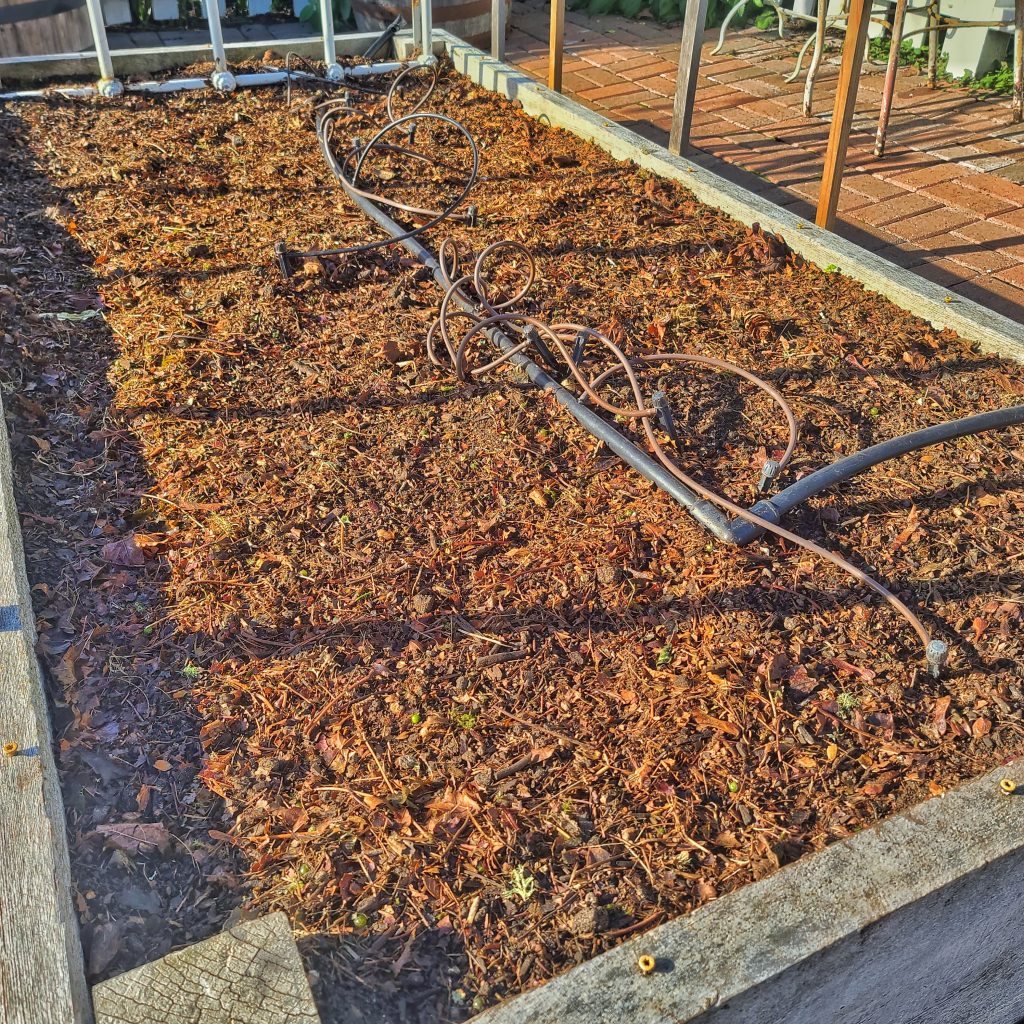
layer of mulch on top of the raised beds

I know I’ve mentioned it before, but it’s worth repeating—mulch is one of the easiest and most effective tools for weed prevention.

A thick layer of mulch (about 2–3 inches) blocks light, discourages weed seeds from germinating, and even improves your soil over time.

Refresh your mulch as needed to keep that barrier strong, and be sure to mulch around the edges of your garden beds too—that’s where weeds love to sneak in.

One of the best ways to prevent a full-blown weed takeover? Make weeding part of your regular garden routine.

A quick check a few times a week to pull any tiny sprouts before they set seed can make a big difference. The longer you wait, the harder they are to remove—so catching them early is key.

In vegetable gardens, planting cover crops like clover, rye, or alfalfa in the off-season helps crowd out weeds while also giving your soil a nutrient boost.

These plants compete for sunlight, water, and nutrients, making it tougher for weeds to get established. As a bonus, they improve soil structure and help prevent erosion.

For a more budget-friendly and eco-conscious approach, use cardboard or layers of newspaper as a weed barrier beneath your mulch.

These materials decompose naturally while blocking light and suppressing weed growth, plus, they add organic matter to the soil as they break down.

Healthy, nutrient-rich soil grows strong plants, and strong plants are better equipped to outcompete weeds. Add compost, worm castings, and other organic matter regularly to enrich your soil.

Good soil structure also makes weeding easier when needed.

If you compost, avoid adding weeds that have already gone to seed unless you’re certain your compost gets hot enough to kill them. Otherwise, you might accidentally reintroduce weed seeds right back into your garden.

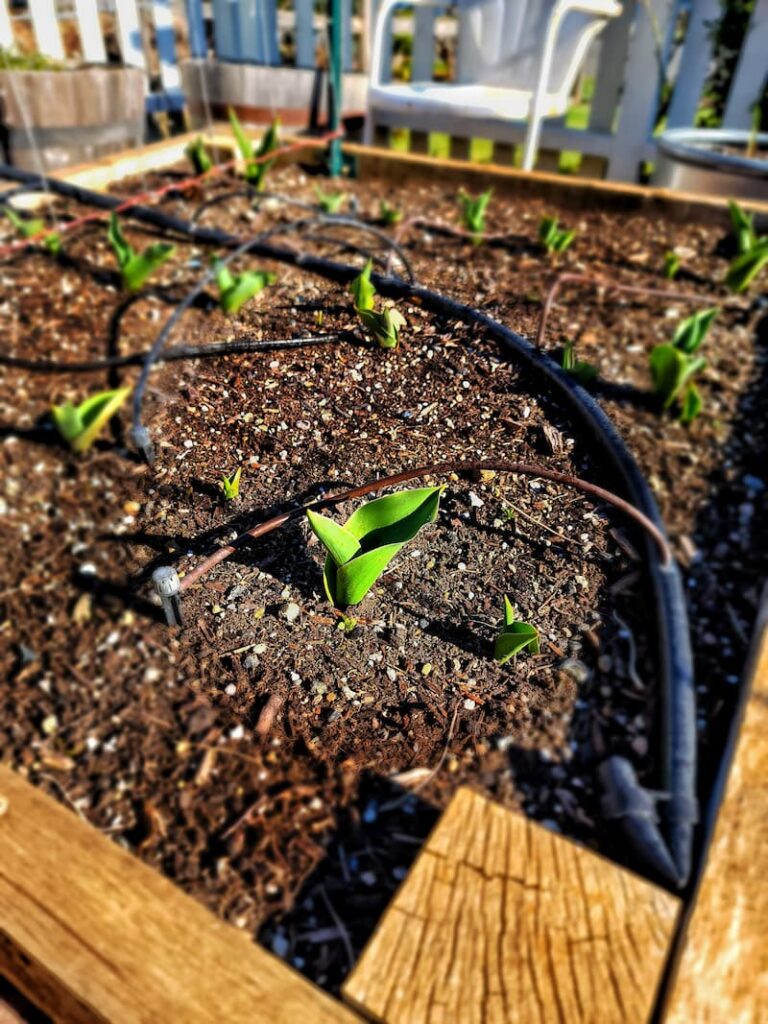
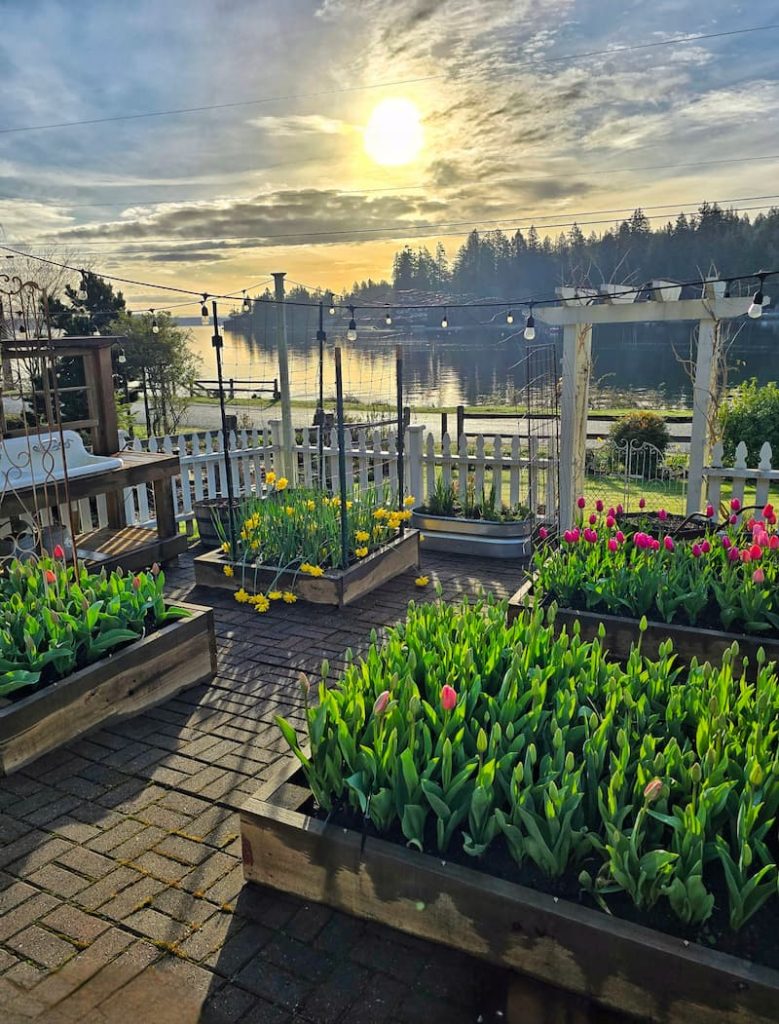
How to Weed the Garden: drip irrigation watering system in the raised bed with tulips sprouting

Watering only where it’s needed can help reduce weeds, too. A drip irrigation system delivers water directly to the base of your plants, keeping the surrounding soil drier, which means fewer weed seeds will have the moisture they need to sprout.

SHOP FOR DRIP IRRIGATION SYSTEMS

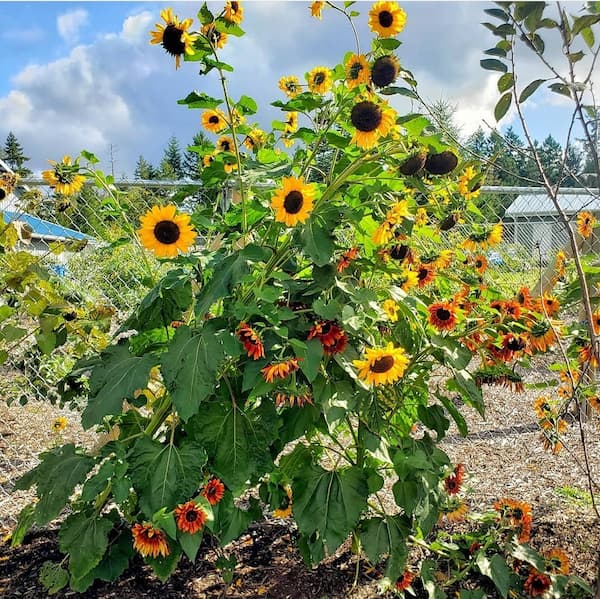
how to weed the garden: sunflowers growing

If you’re looking for a more natural approach to weed control, DIY organic weed killers are a great alternative to chemical herbicides. They’re easy to make, budget-friendly, and better for your garden’s overall health—not to mention safer for kids, pets, and pollinators.

Here are a few tried-and-true homemade recipes you can whip up with simple ingredients from your kitchen:

This is one of the most popular homemade weed killers out there, and for good reason! It’s effective and easy to make.

Recipe:

  • 1 gallon of white vinegar
  • 1 cup of salt
  • 1 tablespoon of dish soap

The vinegar and salt work to dry out the weeds, while the dish soap helps the solution stick to the leaves.

Spray this mix directly on the weeds during a sunny day for best results. Just be careful—this mixture is non-selective, meaning it can damage or kill your garden plants, too. Use it only on unwanted growth.

It doesn’t get more natural than this! Pouring boiling water directly onto weeds is a quick and chemical-free way to kill them, especially in hardscape areas like sidewalk cracks, patios, or driveways.

This method is best for isolated weeds in places where you’re not growing anything else. Be cautious with the hot water, and avoid splashing nearby plants you want to keep.

For a more fragrant approach, try using essential oils. Clove and citrus oils both have natural herbicidal properties.

Recipe:

  • 1 quart white vinegar
  • 10 drops of clove or citrus essential oil
  • A few drops of dish soap

Shake well and spray directly on the leaves of the weeds. This mix works particularly well on broadleaf weeds like dandelions, thistle, and creeping buttercup. As always, use with care—especially around your garden plants.

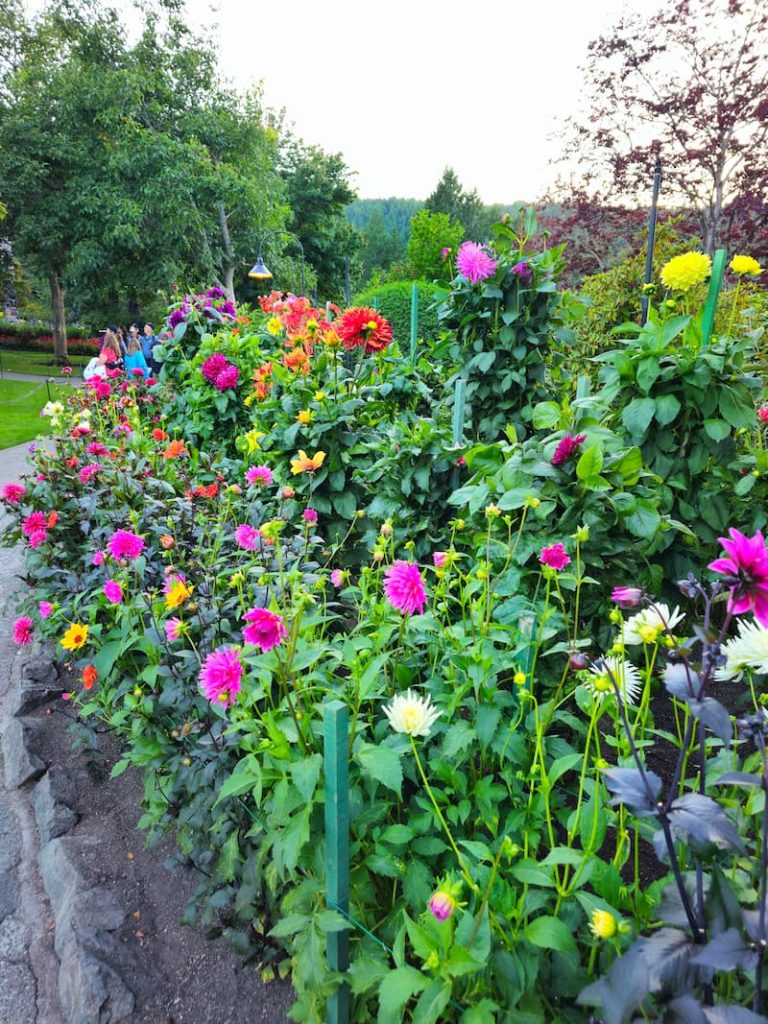
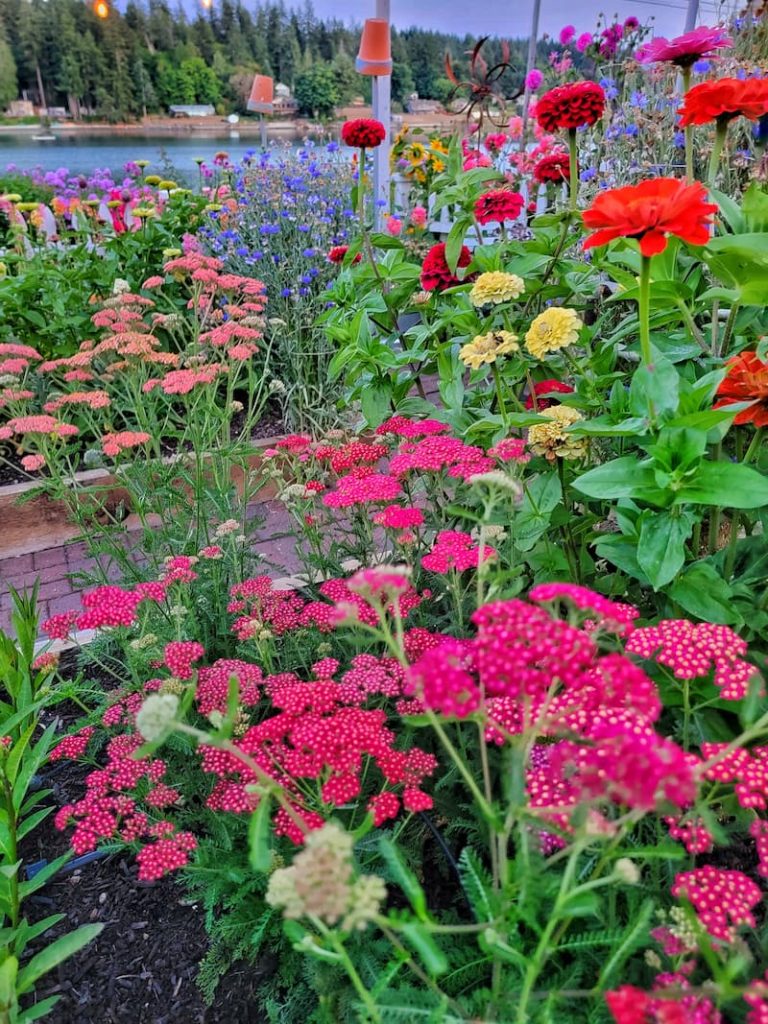
bright colored dahlias in the garden

Not all weeds are created equal. Some are short-term troublemakers, while others keep coming back year after year. Understanding the difference between annual and perennial weeds can help you manage them more effectively.

Life CycleAnnual weeds complete their life cycle within one growing season. They sprout from seeds, grow, flower, produce seeds, and die all within a single year.
ExamplesCrabweed, chickweed, and lamb’s quarters
SpreadThey are primarily spread by seed and can produce many seeds, which can remain viable in the soil for many years.
ControlThey are generally easier to control since removing them before they can seed can effectively prevent their spread. Mulching and pre-emergent herbicides are common control methods.
Life CyclePerennial weeds live for multiple years if not properly removed. They may die back to the ground during the winter but will regrow from their root system in the spring.
ExamplesDandelions, bindweed, nettles, and Canada thistle.
SpreadThey can spread both by seeds and vegetative means, such as rhizomes, tubers, or stolons. This makes them more difficult to eradicate.
ControlPerennials are harder to control because their extensive root systems can survive many control methods. These invasive weeds require persistent digging, systemic herbicides, and complete root fragment removal.
How to Weed the Garden: tulips and daffodils growing in the cut flower garden

When it comes to managing weeds in your garden, both pulling and spraying can be effective. It really depends on the situation and what works best for your space.

Pulling Weeds

Hand-pulling is one of the most natural and effective ways to get rid of weeds, especially when you’re able to remove the entire root. It’s a great option for small garden beds or when weeds are just starting to pop up here and there. Plus, it gives you the chance to get up close and check on the health of your plants.

It’s also completely chemical-free, making it safe for nearby plants, pollinators, pets, and kids.

Spraying Weeds

For larger areas or heavier infestations, spraying can be more practical, especially when you don’t have time to pull every single weed by hand.

Using an organic weed spray (like vinegar- or essential oil-based recipes) helps keep things natural while still knocking back unwanted growth.

Just remember: sprays can be non-selective, so avoid spraying near your favorite plants, and always apply on a dry, sunny day for best results.

Bottom Line

There’s no one-size-fits-all solution. In most gardens, a combination of both methods works best: pull the weeds where you can, and spray in areas that are harder to keep up with.

A balanced approach gives you more control and saves your back, too!

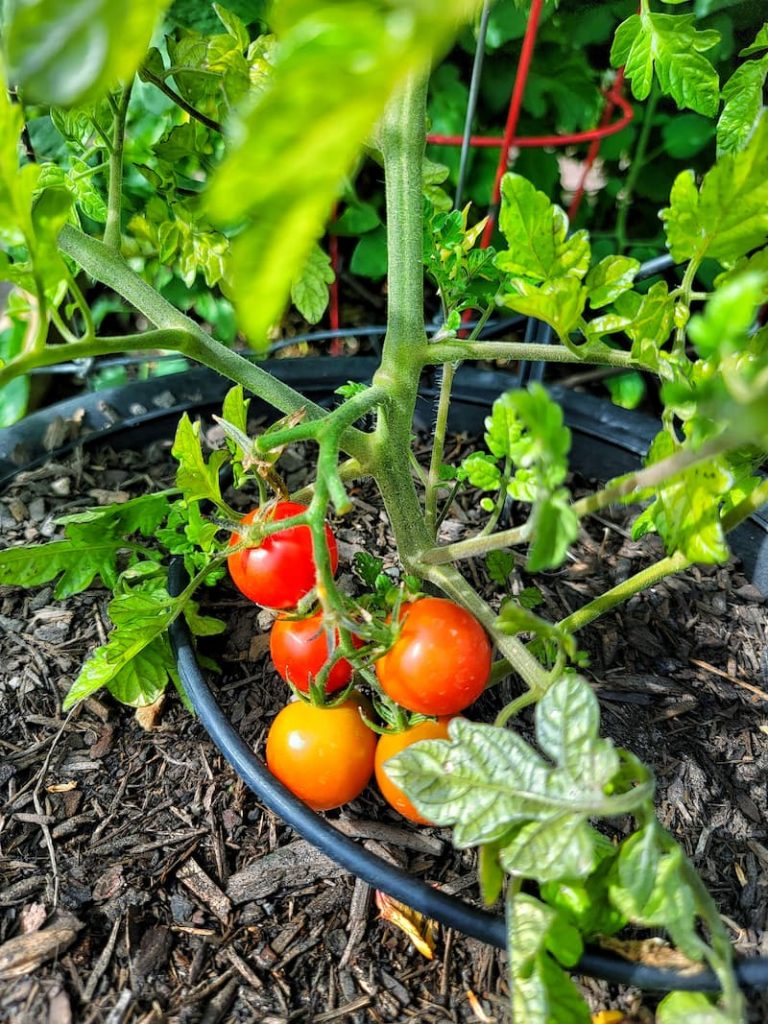
tomatoes growing in the garden

An overgrown garden bed can feel overwhelming, but don’t worry, it’s totally manageable with a little patience and a plan.

Whether life got busy or the weeds just got ahead of you, here’s a step-by-step guide to help you get things back under control.

1. Assess the Area

Take a good look at your garden bed and get a feel for what you’re working with. Try to identify which plants are weeds and which are keepers, especially if some of your perennials or self-seeders are hiding in the mix.

2. Gather Your Tools

Before diving in, gather your essentials. A sturdy pair of gloves, a hand trowel, garden fork, weeding tool, and a kneeling pad will go a long way. A wheelbarrow or garden waste bag is also helpful for hauling away the debris.

3. Start with Large Weeds

Begin by tackling the largest and most visible weeds. Use your garden fork or weeder to gently loosen the soil around the base, then pull the weed out by the root.

For tougher, deep-rooted weeds, take your time digging them out completely so they don’t return.

4. Clear the Surface

Once the big offenders are gone, give the bed a light rake. This helps bring up smaller weeds and makes it easier to see what’s left to remove.

5. Focus on the Roots

Some weeds love to leave little bits behind that can regrow quickly. Use your trowel or weeding tool to carefully dig out any stubborn root systems. A little extra effort here will save you time later.

6. Apply Mulch

After you’ve cleared the bed, cover the soil with a thick layer of organic mulch. This not only helps keep weeds from returning but also improves soil moisture and gives your garden a clean, finished look.

7. Maintain Regularly

Now that you’ve reclaimed your garden bed, keep it looking great with regular upkeep. A quick weekly check-in to pull any new weeds before they get established will help you stay ahead of the game.

8. Add Extra Protection

If this bed is especially prone to weeds, consider laying down landscape fabric before mulching. It acts as an extra barrier while still allowing water and nutrients to reach your plants.

how to weed the garden: cut flowers growing in the garden

Facing a large, weedy area can feel like a daunting task, but with the right tools, timing, and strategy, you can tackle it efficiently and get your garden back on track in no time.

Here are some practical tips to help you move quickly and stay motivated.

1. Start the Right Tools

Having the proper tools makes a huge difference when working on a large area. Here are some of the most helpful ones:

  • A garden hoe: Ideal for slicing through weeds at the soil surface level.
  • A wheel hoe: Perfect for covering big areas with minimal effort.
  • A long-handled weeder: Helps to remove deeper roots without bending over.
  • A rake: Handy for gathering up weed debris as you go.
  • Garden gloves: Protect your hands from thorns, splinters, and stubborn weeds.

2. Time it Right

Weeding is much easier when the soil is slightly damp, like after a light rain or early in the morning when there’s still dew on the ground. Soft soil makes it easier to pull out entire root systems without breaking them off.

3. Break It Into Sections

Instead of tackling the whole area at once, divide it into smaller sections and focus on one part at a time. This keeps things manageable and helps you stay encouraged as you make visible progress.

4. Cover Bare Areas

For wide, open spaces where you’re not planting right away, lay down mulch or black plastic tarps. This blocks sunlight and helps prevent weed seeds from sprouting.

It’s a great way to get ahead of the problem while you work through the area in stages.

5. Pull Smart, Not Hard

When pulling by hand, grab the weed as close to the base as possible and pull slowly to get the whole root. For deep-rooted or tough weeds, loosen the soil first with a garden fork or long-handled tool—it’ll make the job quicker and easier.

6. Spot-Spray If Needed

If the area is extremely overgrown, it might make sense to use an organic weed spray (like a vinegar-based solution) in certain zones. Just be sure to apply carefully, especially near plants you want to keep.

7. Ask for Help

Weeding a large space goes much faster when it’s a group effort. Invite a friend, recruit family members, or consider hiring a helper if you’re pressed for time. A few extra hands can make a big job feel way more doable.

8. Stay on Top of It

Once you’ve cleared the area, regular maintenance is key. A quick weekly pass-through to remove any new weeds before they get established will save you from another major overhaul later.


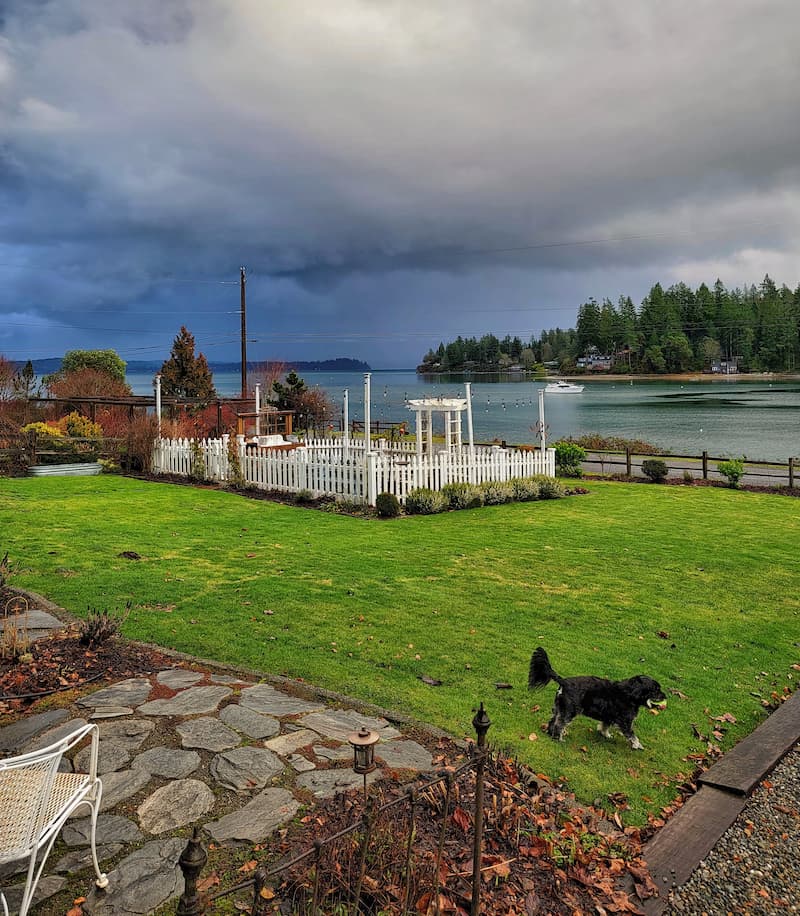
white picket garden fence in the yard with dog

Yes—wetting the ground before pulling weeds is one of the best tricks to make weeding easier and more effective. Moist soil makes a big difference, especially when dealing with deep-rooted or stubborn weeds.

Here’s why it helps:

Easier Root Removal

When the soil is damp, it’s softer and more forgiving. That means you’re much more likely to pull out the entire root system instead of snapping it off halfway.

If the roots break and stay in the ground, those weeds are almost guaranteed to come back.

Less Disturbance to Surrounding Plants

Moist soil holds together better than dry, crumbly dirt. This helps you avoid disturbing nearby plants or damaging their root systems while you’re weeding, especially in tight or densely planted beds.

Less Strain on Your Body

Pulling weeds from dry, compacted soil can be tough on your hands, wrists, and back. When the ground is damp, you don’t have to tug nearly as hard, which makes the whole process less tiring.

When and How to Wet the Soil for Weeding

The best time to weed is right after a light rain or early in the morning when dew has softened the ground. But if Mother Nature isn’t helping out, you can easily create your own ideal conditions.

  • Water ahead of time: Use a hose or watering can to soak the area you plan to weed.
  • Let it soak in: Wait about 15–30 minutes so the moisture can reach the root zone.
  • Test the soil: It should feel damp, not muddy. You want it soft enough to pull roots cleanly, but not so wet that it compacts or creates a mess.

Pro Tip: Work in Sections

If you’re weeding a big area, don’t water everything at once. Instead, wet and weed one section at a time so the soil stays moist and workable as you move along.

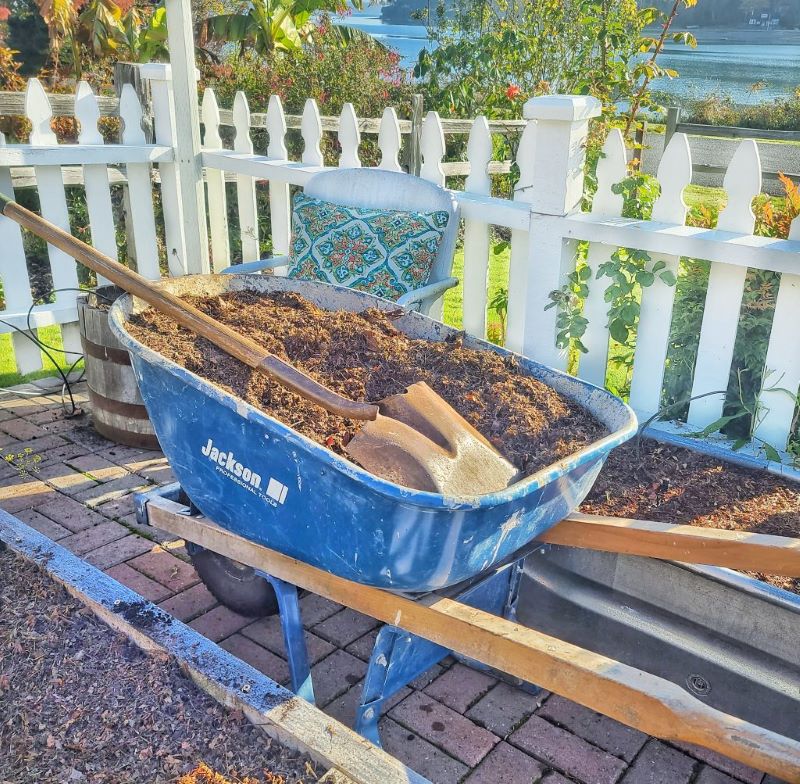
wheelbarrow full of leaf mulch

After you’ve put in the effort to clear out weeds, the last thing you want is for them to come right back. The good news? There are a few smart steps you can take to keep your garden weed-free and give your plants the best chance to thrive.

Add Mulch

One of the easiest and most effective ways to stop weeds from returning is to apply mulch. A 2–3 inch layer of organic mulch, like bark chips, straw, grass clippings, or compost, not only blocks sunlight from reaching weed seeds but also helps retain moisture and regulate soil temperature.

Tip: Keep mulch a few inches away from your plant stems to prevent rot and allow good airflow.

Use Landscape Fabric (Weed Cloth)

If you’re dealing with a persistent weed problem or prepping a new bed, laying down landscape fabric under your mulch can provide an extra barrier. Just be sure to cut holes for your plants and secure the fabric with landscape staples so it stays in place.

Try Organic Weed Barriers

For a more eco-friendly option, lay down cardboard or layers of newspaper before mulching. These materials break down naturally over time, adding nutrients to the soil while helping suppress weed growth.

Plant Cover Crops

In veggie beds or bare soil during the off-season, planting cover crops like clover, alfalfa, or rye can help block weeds by crowding them out. As a bonus, they also improve soil structure and add organic matter when tilled under later.

Keep Up with Regular Maintenance

Weeds love to sneak in when you’re not looking, so make quick weeding a regular habit. A weekly check-in to pull any small invaders before they take root will save you time in the long run.


LET’S GO SHOPPING FOR

Garden Supplies and Tools

Check out my favorite garden supplies and tools for the growing season. Whether you’re looking for potting soil or deer repellent, you’ll find what I use in my own garden.


bright colored flowers growing in the summer cut flower garden

Weeding may not be the most glamorous garden chore, but with the right tools, timing, and techniques, it becomes a lot more manageable, and even a little satisfying!

Understanding the different types of weeds, how often to weed, and the most effective natural methods for removing and preventing them will help you stay ahead of the game. Whether you’re pulling weeds by hand, mulching to block new growth, or using DIY organic sprays, every small step adds up to a healthier, more beautiful garden.

Preventative strategies like landscape fabric, cover crops, and regular maintenance make a big difference in keeping your garden looking its best with less effort over time.

Got a favorite weeding tip or question? I’d love to hear from you in the comments below! And if you found these ideas helpful, feel free to share this post with a fellow gardener.

Until next time,

Happy Gardening!

I’m a self-taught hobby gardener. Everything I share on my blog is my opinion and what has worked for me.

Shop my Amazon Storefront, LTK sources, and my favorite home decor, garden, and lifestyle products. When you purchase from one of my links, I earn a small commission, which helps me to continue sharing all the content you expect on my blog.

Be sure to follow me on Pinterest, Instagram, Facebook, TikTok and LIKEtoKNOW.it. Do you like gardening? Join my Facebook Gardening Tips & Tricks group.

Best management tips: How to Weed the Garden

Similar Posts

2 Comments

  1. Your gardens are beautiful! And living on water must be heavenly! I live in zone 7b Virginia on three partially wooded area. I do most of my gardening in raised beds, I have a sign in my garden that says…pardon the weeds I am feeding the bees. As I have gotten older I weed but I don’t WEED like I did when I was younger. I have learned to accept some weeds ( dandelions in particular) and I have learned to enjoy/love my garden even with some weeds. Peace.

    1. Hi Cindi!
      Thank you so much. I will have to say, I never thought I would ever be enjoying a water view while gardening. It makes it even that much more special. I’m sure you love gardening in raised beds! The ones I do have are so much easier, especially with my arthritis. I have to sit my whole body on the ground and scoot myself from section to section to weed now. It’s pretty fun to watch! No more squatting for me, so I get it when you say you don’t weed like your younger self.
      I’m so happy you reached out. It’s so fun visiting with gardeners like you who read the blog. Have a fabulous growing season my friend!
      Hugs,
      Kim

Leave a Reply

Your email address will not be published. Required fields are marked *