
Natural and Organic Methods for Pest Control in the Garden
If you garden in the Pacific Northwest, you already know that pests come with the territory. Slugs alone can do serious damage overnight, and keeping up with them is a season-long commitment. But controlling garden pests naturally, without reaching for harsh chemicals, is entirely possible, and in my experience, it works better in the long run.
I’ve been gardening at our 1920 beach cottage on Puget Sound for years, and natural pest control is something I think about all the time. Insecticidal soap and slug bait are regulars in my garden routine, and this season I’m trying coffee grounds in the beds to see if they help keep the slugs at bay.
The good news is that organic pest control methods are safer for your plants, soil, pollinators, and pets, and most of them are simpler than you’d expect. Here’s what works in my garden and what I’d recommend starting with.
As an Amazon affiliate, I earn a commission from qualifying purchases at no additional cost to you. My blog also features other affiliate links for your convenience. Click here to read my privacy policy.
Why Avoid Chemical Pesticides?
Before we get into solutions, it’s worth understanding why harsh chemicals tend to do more harm than good in the garden:
Let’s Plan Your Dream Garden With Our
Gardening Planner
Unlock Your Garden’s Potential.
Our 35-page Ultimate Garden Planner is designed to help you organize, track, and flourish in your gardening endeavors.
Get yours for $4.99
Common Garden Pests to Know
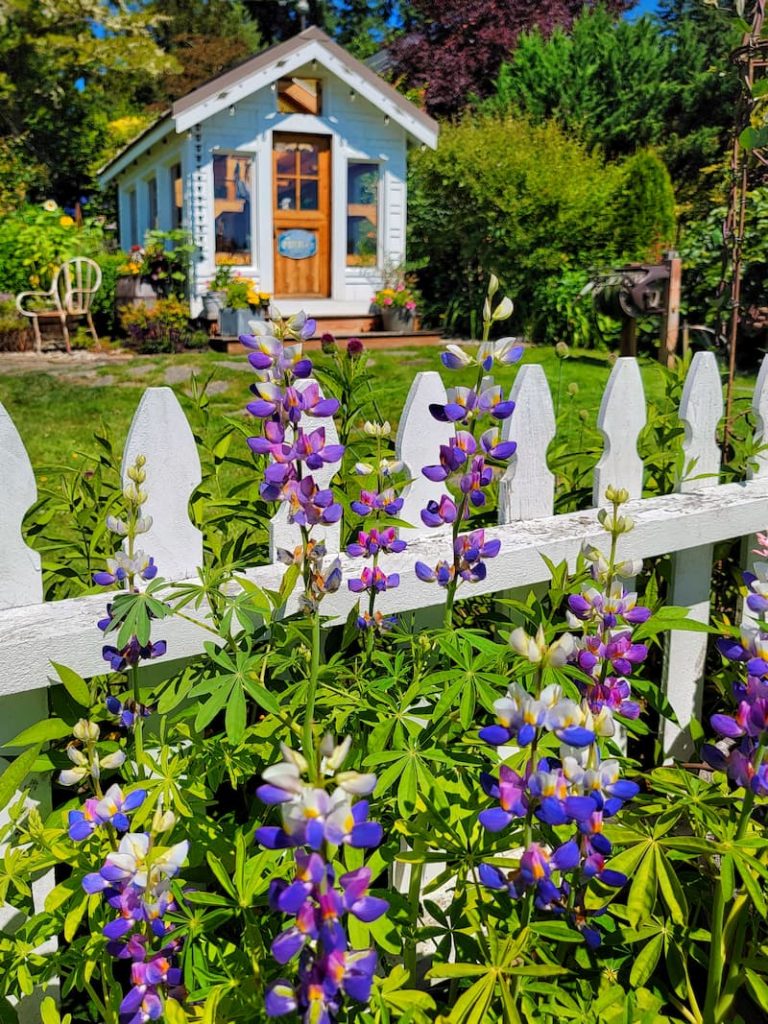
The first step in controlling garden pests is knowing what you’re dealing with. Once you can identify the damage, you can act quickly before a small problem becomes a big one.
Slugs
If you garden in the Pacific Northwest, slugs are not a question of if but when. They are my single biggest pest problem, and they require constant watching through the growing season. Slugs do their damage at night or on cool, damp mornings, which means you often don’t realize there’s a problem until it’s too late.
My dahlias suffer the most. I’ve had slugs eat an entire plant right as it was emerging from the ground before I even knew they were there. Slug bait is something I use regularly, and I’m trying coffee grounds sprinkled around the beds this season to see if they help deter them.
Aphids
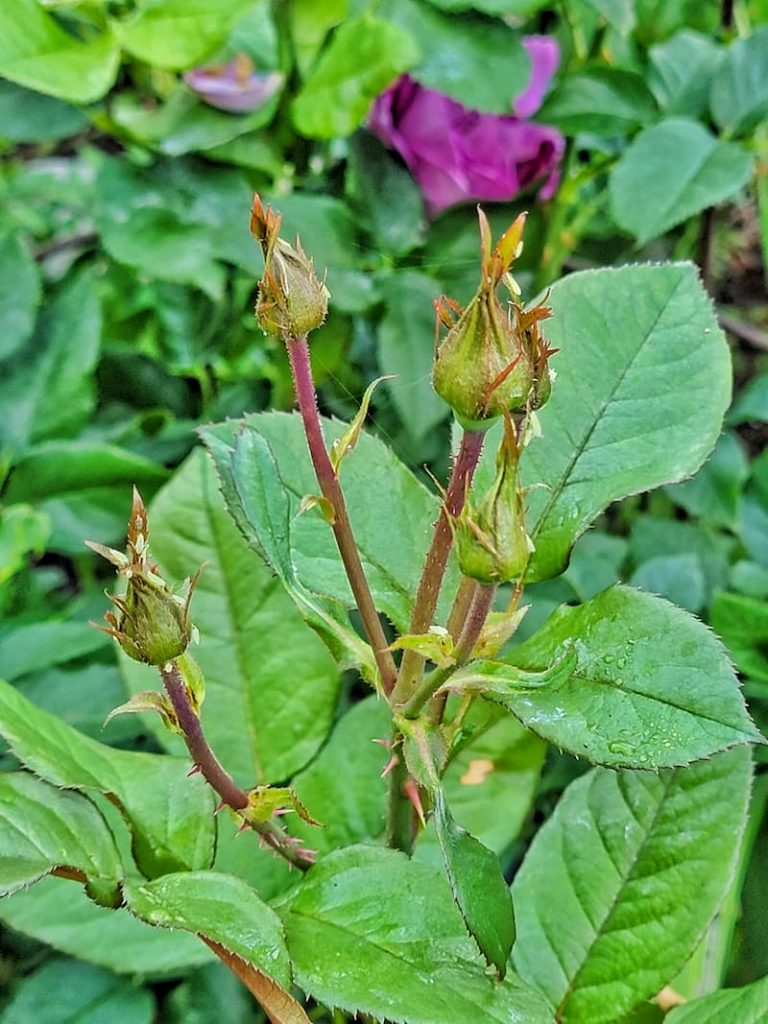
Aphids are tiny, soft-bodied insects that cluster on new growth and the undersides of leaves, leaving behind a sticky residue and causing leaves to curl and yellow. My roses tend to get them every season.
I use insecticidal soap to keep them in check, though I’ll admit I don’t always catch them as early as I should. Getting to them quickly makes all the difference. Nasturtiums planted nearby are also a natural deterrent, something I’m adding to the garden this season.
Deer
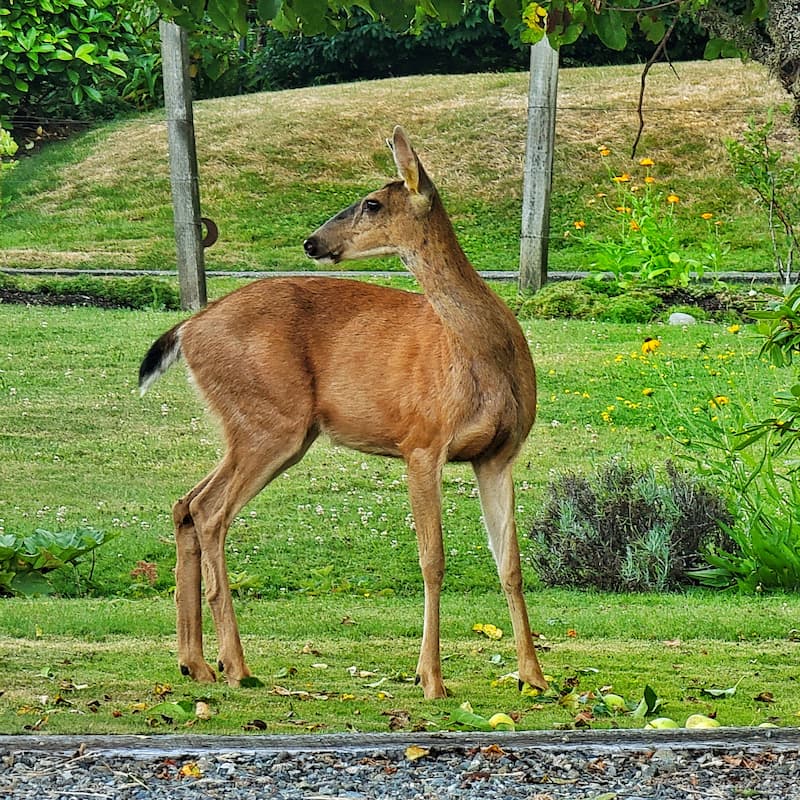
Deer can devastate a garden overnight, and roses are their favorite target in mine. I use Liquid Fence deer repellent consistently, and it works well. The key is to apply it regularly, and before you start seeing damage, rather than after. It has a strong smell when first applied, but it dissipates quickly and does the job.
Rabbits
Rabbits are a regular presence in my cottage garden, though they’re harder to pin down than deer. I see them hopping through all the time, but can’t always identify exactly what they’re after. Physical barriers and deer-resistant plantings help discourage them alongside deer.
Japanese Beetles
Japanese beetles aren’t something I deal with heavily in the Pacific Northwest, but they’re worth knowing about if you garden in areas where they’re most common. They feed on leaves, flowers, and fruit, leaving behind skeletonized foliage that’s hard to miss. Handpicking in the early morning, when they’re sluggish, is one of the most effective controls.
Caterpillars
Budworms and cutworms can move through a garden quickly, eating through flower petals and leaves and leaving behind ragged holes and missing foliage. Regular inspection is your best early warning system. The damage is distinctive once you know what to look for.
10 Strategies for Natural Pest Control in the Garden
1. Crop Rotation and Intercropping
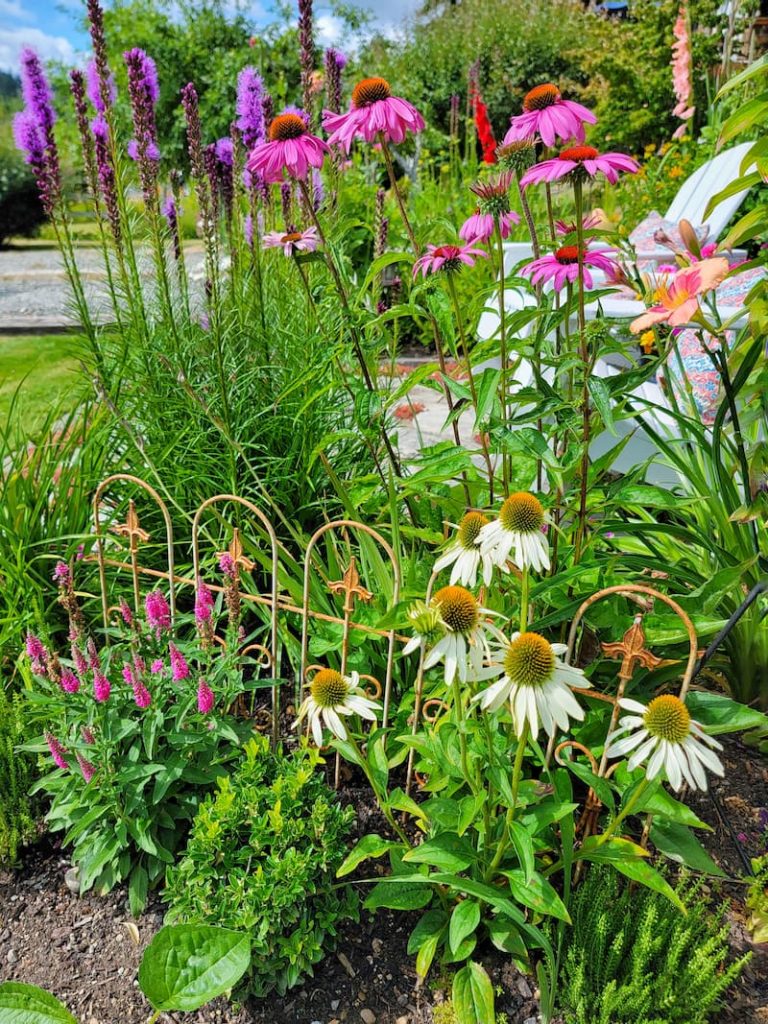
Crop rotation is one of the simplest and most effective ways to disrupt pest cycles in the garden. By moving crops to different areas each season, you break the life cycle of pests that overwinter in the soil and return to the same host plants year after year. I practice crop rotation in my own garden, and it makes a real difference over time. Intercropping, growing different plants together, adds another layer of confusion for pests that are looking for a specific host. The more variety you have, the harder it is for any one pest to get established.
2. Healthy Soil and Plant Immunity
Healthy plants are naturally more resistant to pests and disease. Building good soil through composting, mulching, and adding organic matter gives your plants the foundation they need to fight back on their own.
A stressed or nutrient-depleted plant is always more vulnerable than one that’s been well fed from the ground up.
3. Companion Planting and Pest-Repelling Flowers
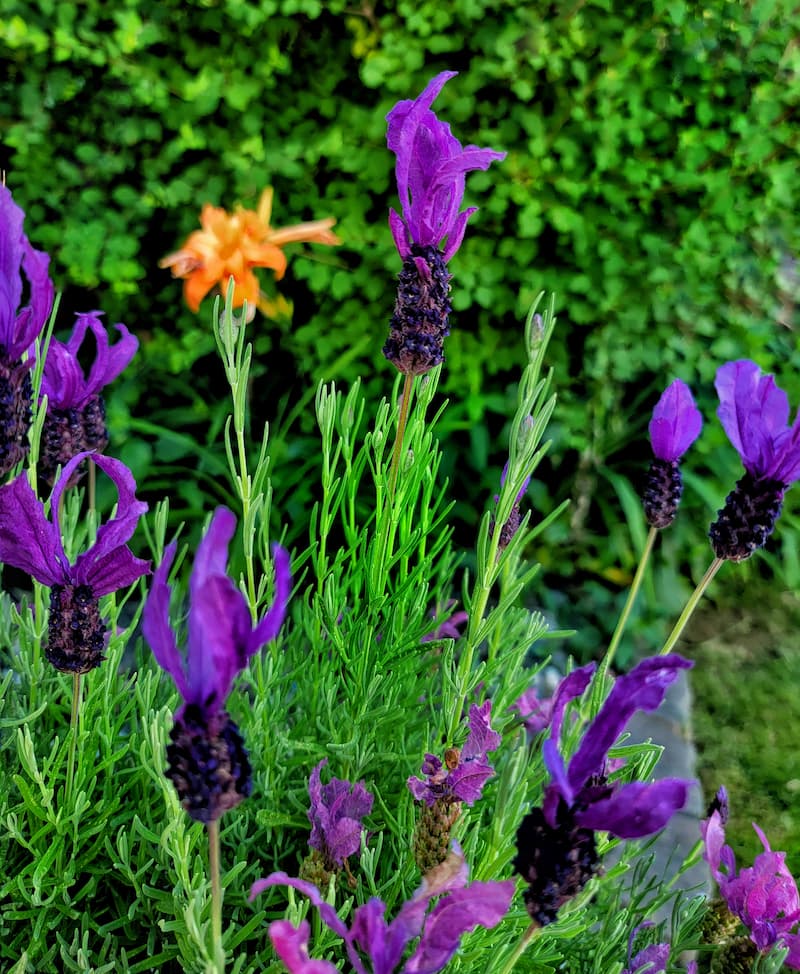
One of the most rewarding natural pest control strategies is also one of the most beautiful… planting flowers and herbs that naturally deter pests while making the garden look better.
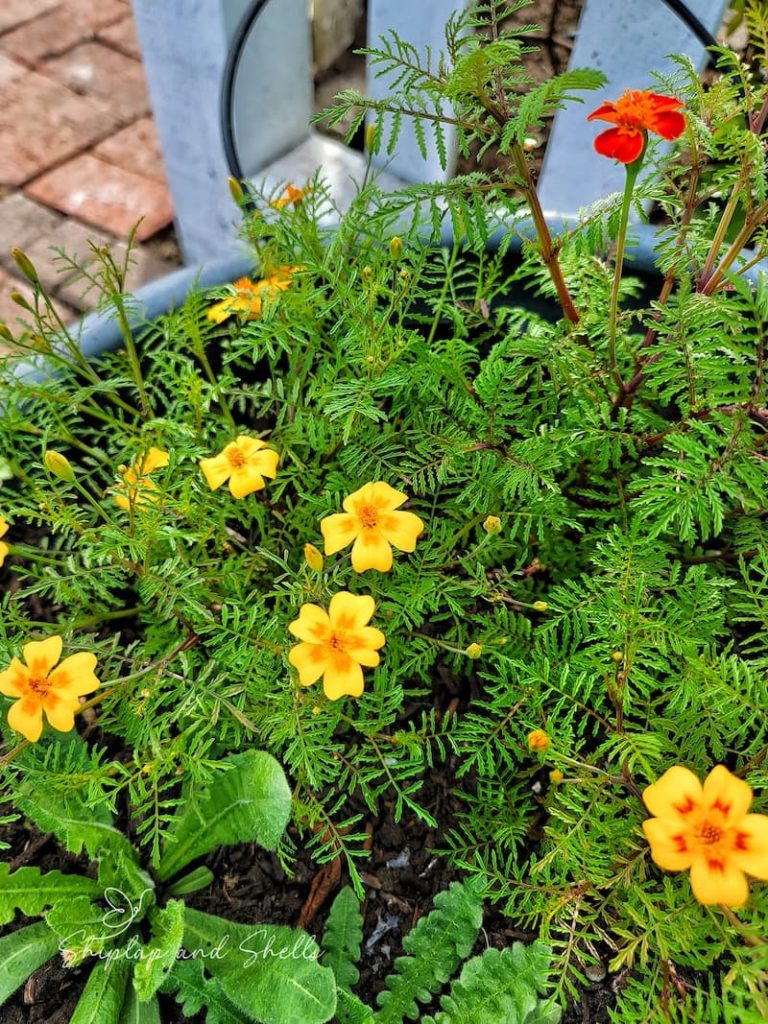
Aromatic herbs like basil, rosemary, and mint confuse and repel pests when planted near susceptible vegetables. Marigolds are a classic companion plant that deters nematodes and other soil-borne pests.
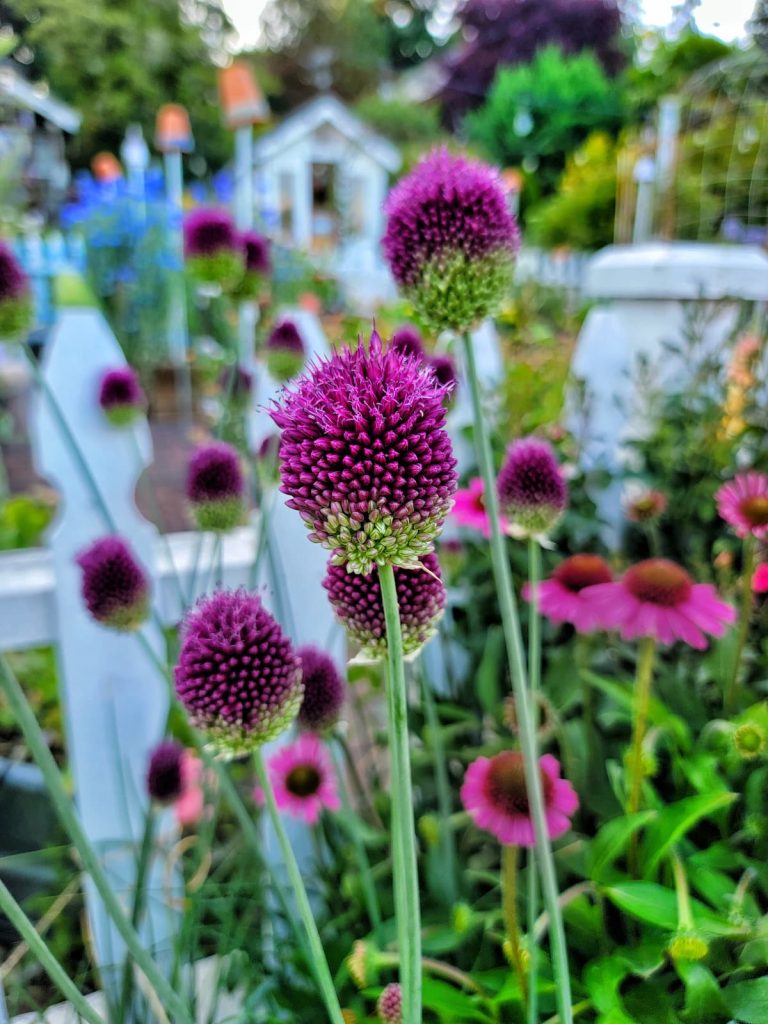
Alliums like onions and garlic fend off common insect invaders. Nasturtiums release compounds that deter aphids and squash bugs. I’m adding them to the cottage garden this season, specifically to help with the aphids on my roses.
A few of my favorite pest-repelling plants worth growing.
Bug-Resistant Plants:
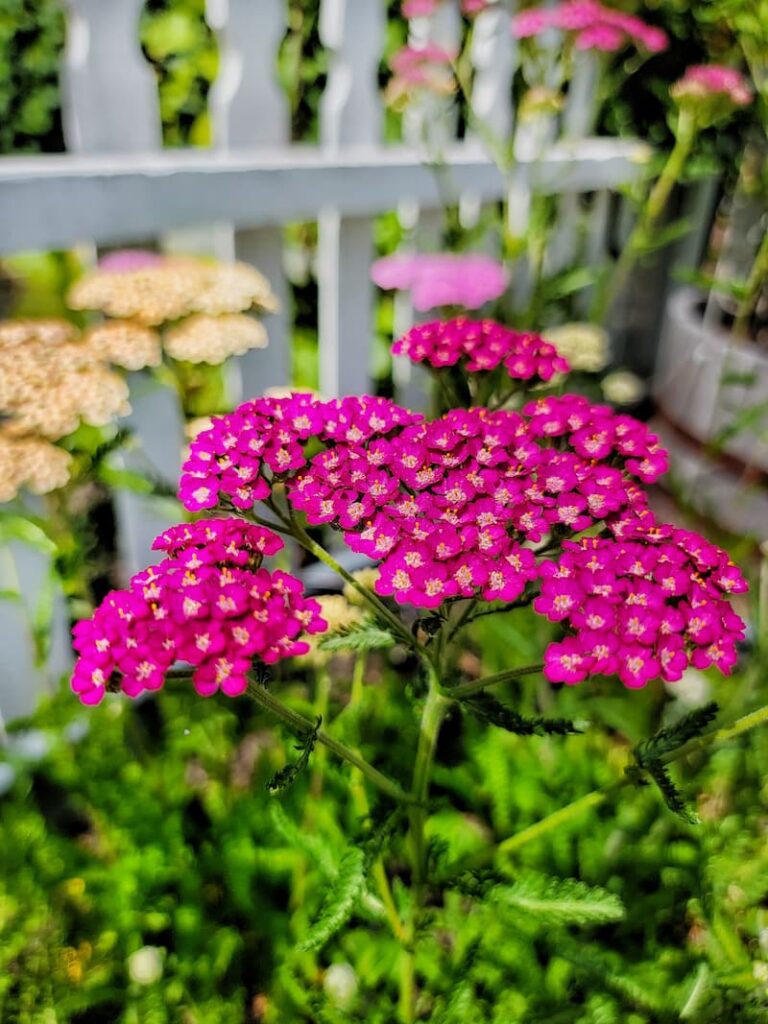
Deer-Resistant Plants:
Worth noting: lavender, rosemary, and bee balm appear on both lists. If deer are a problem in your garden, these are worth prioritizing.
4. Good Garden Maintenance
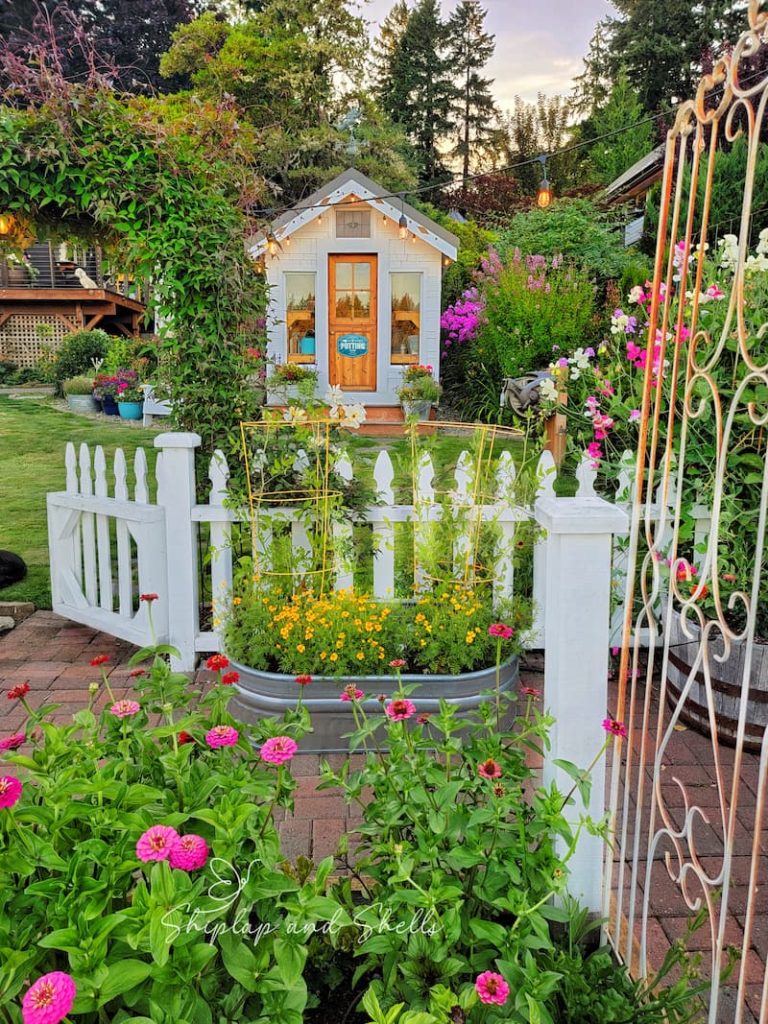
Keeping up with basic garden maintenance is one of the most unglamorous but effective pest control strategies there is. Removing plant debris, fallen leaves, and weeds regularly eliminates the hiding spots for breeding grounds that pests rely on.
Good air circulation throughout the season helps plants stay healthier and more resistant to problems. Pruning and disposing of infected plant parts quickly can stop diseases from spreading, and keeping your tools clean prevents pathogens from moving from one plant to another.
None of it is exciting work. But staying on top of it means smaller problems and fewer surprises.
5. Attracting Beneficial Insects and Natural Predators
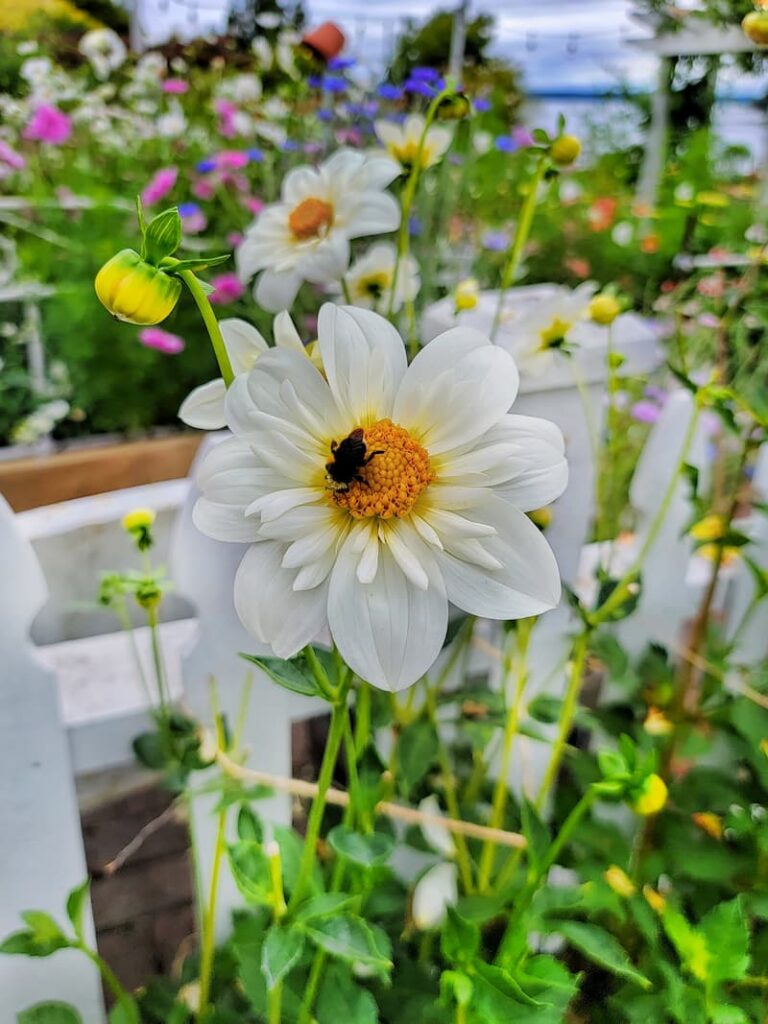
Ladybugs, lacewings, and ground beetles are some of the most effective pest controllers in the garden, and they work for free. Ladybug larvae alone can consume enormous numbers of aphids. Ground beetles go after slugs. Lacewings feed on a wide range of soft-bodied insects.
The best way to attract them is to grow the plants they’re drawn to. In my garden, I’m growing dill, yarrow, cosmos, and sweet alyssum specifically to bring in ladybugs and lacewings. Birds are natural predators, too; a birdbath and some cover plantings go a long way towards making your garden hospitable to them.
6. DIY Organic Pest Control Remedies
Homemade organic solutions are effective, easy to make, and safe for your plants, your pets, and the good bugs in your garden.
Insecticidal soap: a simple mix of liquid soap, water, and a small amount of vegetable oil creates a spray that suffocates soft-bodied insects such as aphids, mealybugs, and spider mites on contact. This is something I use regularly. It’s one of the first things I reach for when I spot a problem.
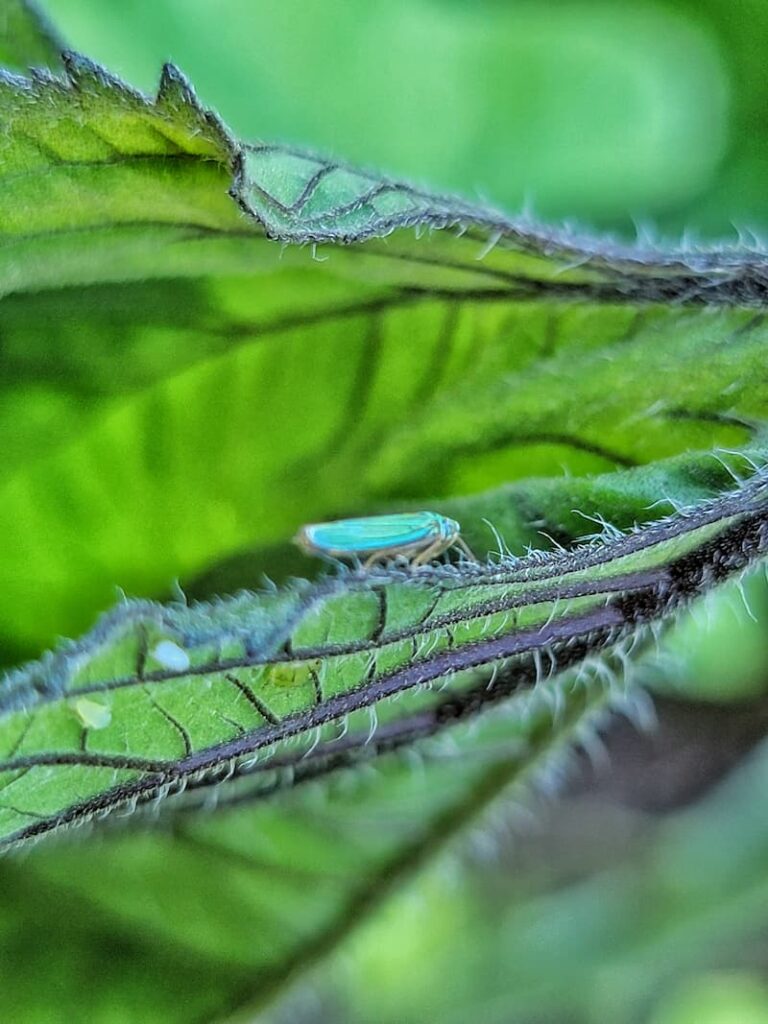
Neem oil: one of my favorite tools in the garden. Derived from the seeds of a neem tree, it works as an insect growth regulator, disrupting the lifecycle of pests rather than just killing on contact. It’s effective against caterpillars, whiteflies, leafhoppers, and more. I use it diluted in a spray bottle and apply it early in the morning or in the evening to avoid harming beneficial insects.
Garlic and chili pepper spray: some of the best pest remedies come straight from the kitchen. Steeping minced garlic and crushed chili peppers in water creates a potent repellent spray that deters aphids, beetles, and even rabbits. It’s worth keeping a batch on hand during peak pest season.
Chamomile and herbal solutions: chamomile, comfrey, and horsetail are said to help prevent fungal issues like powdery mildew and rust. I’m growing chamomile in the garden this year to try it firsthand. I’ll report back on how it goes.
7. Regular Inspection and Early Detection
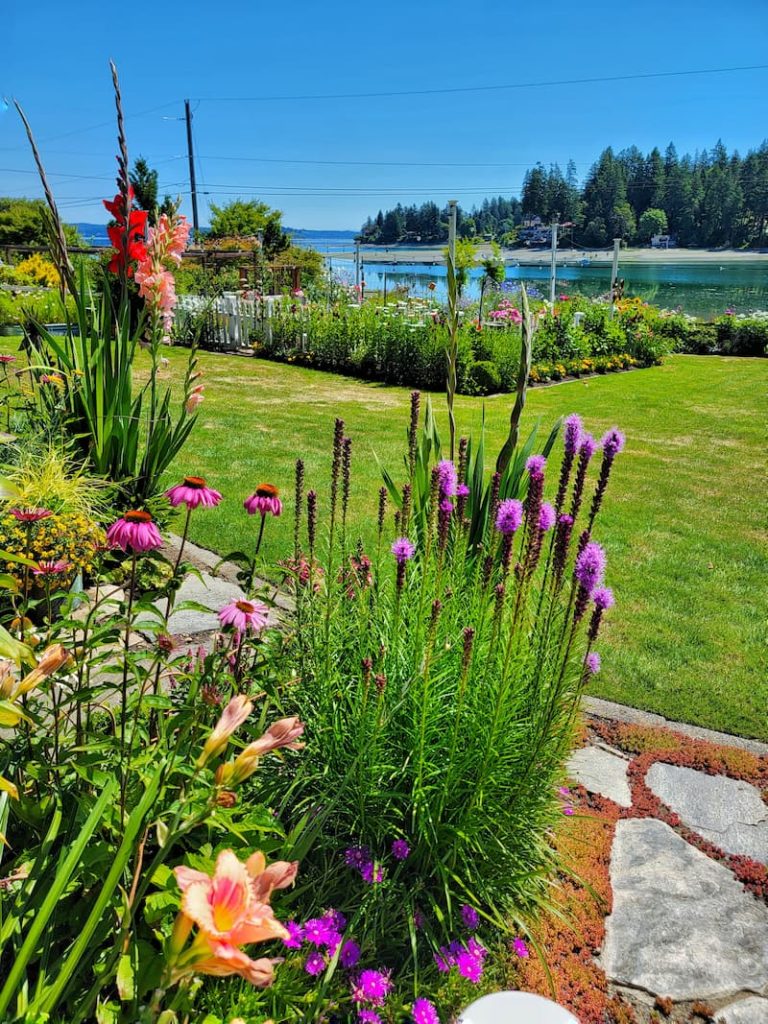
Daily walks through the garden are one of the best pest-control tools you have. The more familiar you are with how your plants look on a healthy day, the faster you’ll notice when something is off.
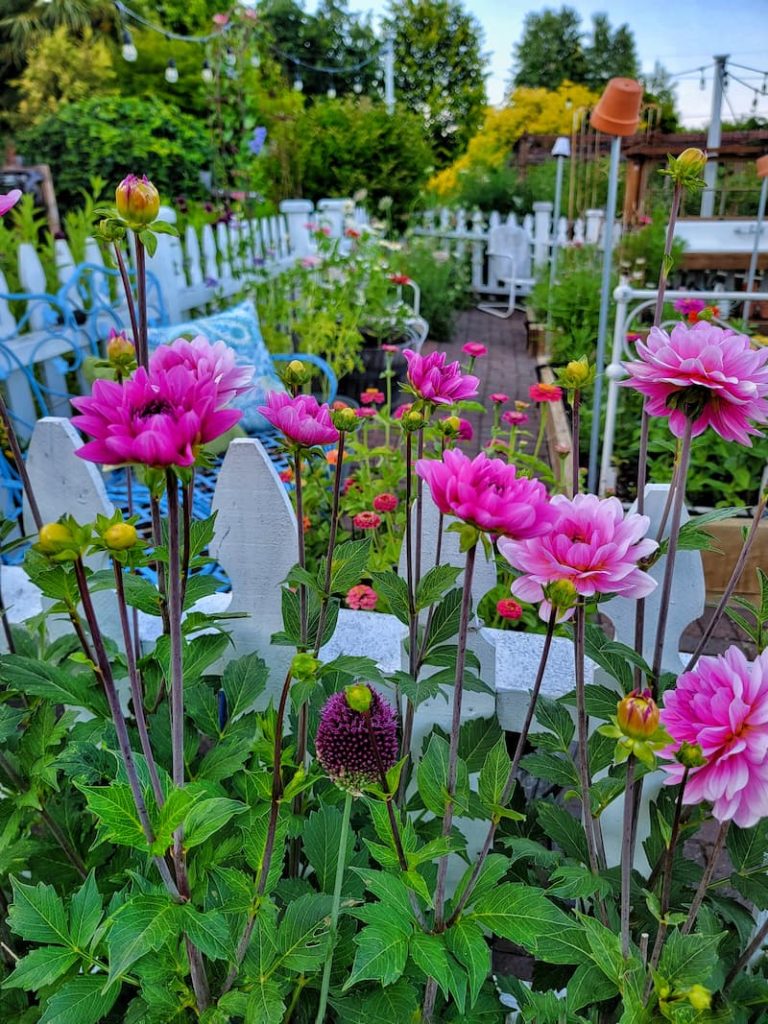
Discoloration, unusual holes, sticky residue, and wilting that doesn’t match the weather. These are all early signs worth investigating. Catching a pest problem in the first day or two makes a significant difference in how much damage you end up dealing with.
8. Physical Barriers
Row covers and garden netting are simple and effective at keeping pests away from plants before they ever make contact.
Row covers are especially useful for protecting seedlings and young plants during the most vulnerable stages of growth, which in my garden often means the dahlias going in early in the season. Netting works well for protecting fruiting plants from birds and larger insects.
9. Handpicking
For larger pests like caterpillars, beetles, and slugs, handpicking is one of the most direct and effective controls available. The best time to do it is early morning when pests are cool and sluggish and easier to catch.
Drop them into a bucket of soapy water rather than just moving them to another part of the garden. It takes a few minutes, but it makes a real dent in the population when done consistently.
10. Coffee Grounds
Coffee grounds are a natural deterrent for slugs and snails. Their abrasive texture and strong scent make them an uninviting surface for slugs to cross.
I’m sprinkling them around my beds this season, particularly around the dahlias, to see how much of a difference they make. Used coffee grounds are free, easy to come by, and worth trying if slugs are a problem in your garden.
Best Store-Bought Organic Pest Products
These are the natural pest control products I use regularly in my own garden. Liquid Fence deer repellent is one I reach for constantly during the growing season. If deer are a problem where you garden, it’s worth having on hand.
Shop natural pest control products that I use in my garden:
Garden Supplies and Tools
Check out my favorite garden supplies and tools for the growing season. Whether you’re looking for potting soil or deer repellent, you’ll find what I use in my own garden.
Common Questions About Natural Pest Control
How Do I Get Rid of Bugs in My Garden Flowers?
Start with the least invasive option first. Insecticidal soap handles most soft-bodied insects, such as aphids and spider mites, both quickly and safely.
Neem oil is my other go-to. It works more slowly but disrupts the pest lifecycle rather than just knocking back the current population. Good garden hygiene and regular inspection go a long way toward preventing problems from taking hold in the first place.
How Do I Keep Bugs Off My Plants Without Pesticides?
How do I keep bugs off my plants without pesticides? Companion planting is one of the best long-term strategies. Growing nasturtiums, marigolds, and aromatic herbs near susceptible plants naturally deters a lot of common pests.
Physical barriers like row covers protect young plants during their most vulnerable stages, and regular inspection means you catch problems early before they get out of hand.
Is Vinegar a Good Pesticide for Plants?
I’ve used vinegar in my garden for both weed control and as a pest deterrent, and it does work… with some important caveats. It’s most effective on weeds and certain soft-bodied pests, but it’s not selective.
It can harm desirable plants and affect the soil if you’re not careful about where you apply it. Use it diluted, apply it directly to the target, and keep it away from plants you want to keep. It’s a useful tool, but not one to use carelessly.
Is Dawn Dish Soap Safe for Plants?

Yes, when diluted properly. A few drops of Dawn in a spray bottle of water make an effective insecticidal soap that controls aphids, spider mites, and other soft-bodied insects without harsh chemicals.
The key is dilution. Too much soap can damage plant leaves. Spray in the early morning or evening rather than full sun, and rinse plants after a few hours if you’re concerned about residue.
Do Coffee Grounds Keep Bugs Away?
Coffee grounds are particularly effective against slugs and snails. Their abrasive texture and strong scent make them an unwelcoming surface for slugs to cross. This is my first season trying them around the garden beds, especially around the dahlias, which slugs seem to find irresistible. I’ll have a better sense of how well they work by midsummer, but the early signs are promising.
Can You Garden Without Pesticides?
Absolutely. It takes a little more attention and a willingness to try different approaches, but gardening without chemical pesticides is entirely realistic.
The strategies in this post, companion planting, beneficial insects, organic sprays, physical barriers, and regular inspection, work together to create a garden that largely takes care of itself over time. The first season is the learning curve. It gets easier from there.
Final Thoughts On Natural Pest Control Methods
I spent years feeling like pest control was something I had to manage with whatever product worked fastest, without thinking too much about what else it might be affecting. Finding natural and organic solutions that actually work has changed the way I garden.
Knowing that the insecticidal soap I’m spraying on my roses won’t harm the pollinators working the garden an hour later, that the slug bait around my dahlias is safe for Jax and Ollie, and I can walk through my garden not worrying about what I’m tracking inside. That peace of mind is worth every extra minute of attention these methods require.
A chemical-free garden is absolutely possible. I hope this post gives you a place to start.
Until next time,
Happy Organic Gardening!

I’m a self-taught hobby gardener. Everything I share on my blog is my opinion and what has worked for me.
MORE POSTS
For You To Enjoy
Follow Me for More Inspiration


How often do you apply Neem oil? I have been battling grasshoppers, aphids, and another bug I am unsure of.
For an active issue I would spray 1-2 times a week, but for preventative treatment, I would look spray every 7-14 days. Good luck!
I need help with ants! Every time I get rid of one bed, they move to a different spot. Great information!
I can’t stand ants! We have been told that we live on an ant hill. How fun is that??? Because of this we have a service that comes and sprays once a month. But as far as help in the garden beds, here’s an article that I found with great info. When it says that ants don’t like marigolds, I would have to question that. When my marigold seedlings were in the greenhouse, they went after them big time! I’d consider Diatomaceous Earth https://go.shiplapandshells.com/amzn/diatomaceousearth1
Here’s the article: https://www.marthastewart.com/1541446/how-get-rid-ant-beds
I always learn so much from you Kim!! Thanks for sharing!
Such a great and helpful post! This season I have been really succeeding in battling organically all the pests. So many great ways to succeed at this if we are more conscious of our decision. LOVE THIS!