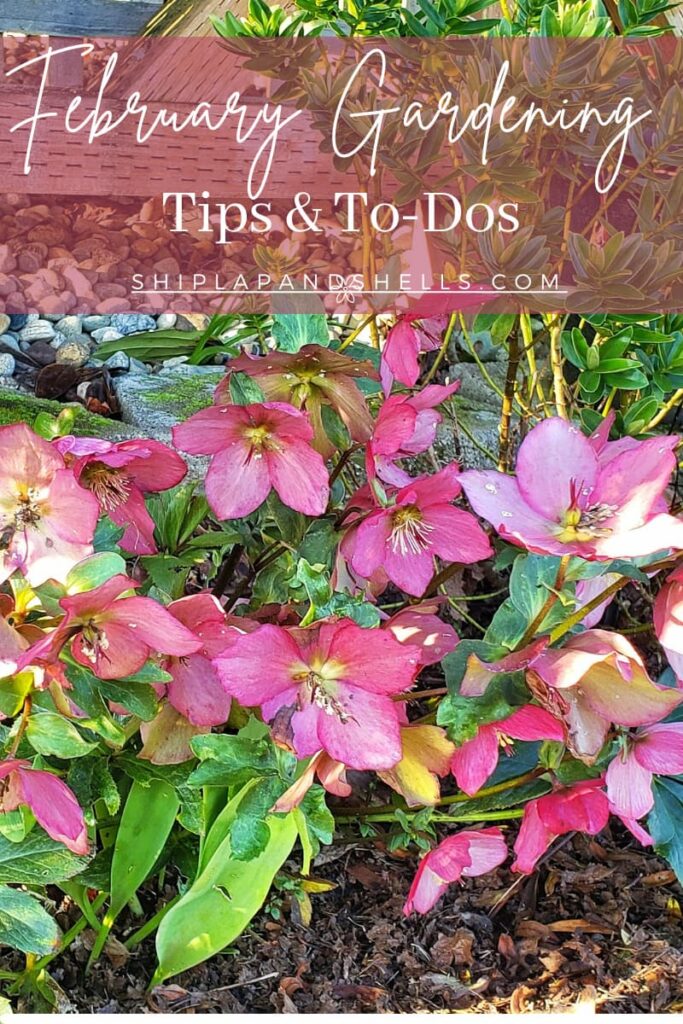
February Gardening Tips for the Pacific Northwest

Are you already dreaming about spring blooms? February gardening in the Pacific Northwest may not feel like gardening season just yet, but it’s one of the most important months for setting your garden up for success.
Between heavy rain, lingering cold, and the occasional snowstorm, February can be challenging, but there’s still plenty you can do outside and behind the scenes.
From pruning and soil prep to seed starting and planning, these February gardening tips for the Pacific Northwest will help you make the most of this quiet winter month, even when gardening means pulling on boots and working between rain showers.

As an Amazon affiliate, I earn a commission from qualifying purchases at no additional cost to you. My blog also features other affiliate links for your convenience. Click here to read my privacy policy.
Why Gardening Month-to-Month Matters

Gardening is a year-round journey, and each month plays an important role in the health and success of your garden. When you garden month by month, you’re working with nature instead of against it, staying in tune with seasonal conditions and tackling tasks at the right time, rather than trying to do everything at once.
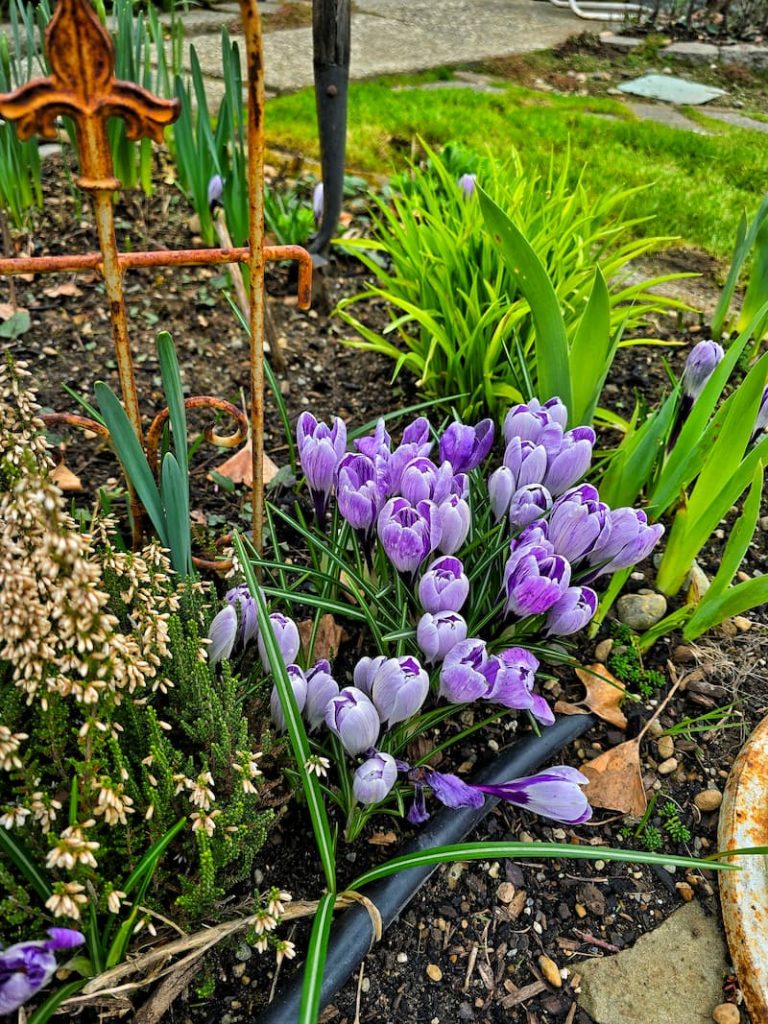
February may still feel like winter in the Pacific Northwest, but it’s actually a turning point in the garden. Plants are dormant, the soil is resting, and small tasks are done now. Pruning, planning, and seed starting lay the groundwork for the busy months ahead.
For me, breaking gardening down by month makes the process more manageable and far less overwhelming. By starting in February, you’re giving this year’s garden a strong, steady head start before spring truly arrives.
I’ve learned over the years that a little attention in February makes the busy spring months feel far less overwhelming.
Let’s Plan Your Dream Garden With Our
Gardening Planner
Unlock Your Garden’s Potential.
Our 35-page Ultimate Garden Planner is designed to help you organize, track, and flourish in your gardening endeavors.
Get yours for $4.99

February Gardening Tasks
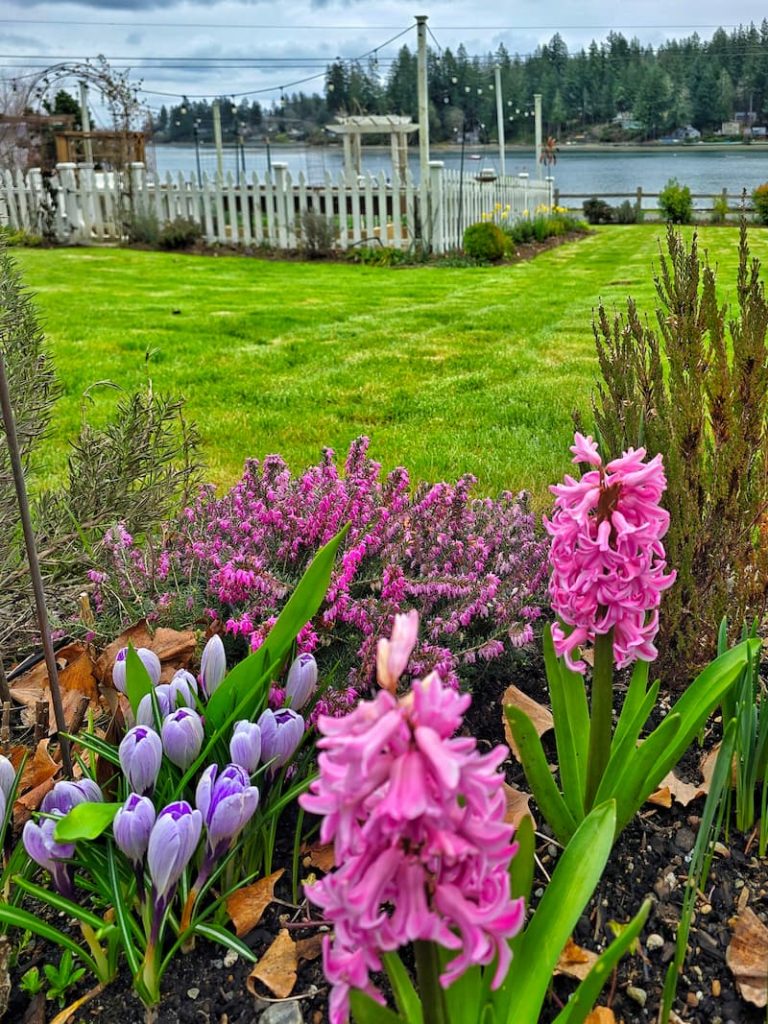
A little effort now really does pay off later. February is the perfect time to focus on pruning, early planting, and garden prep while plants are still dormant.
What to Order in February
February is a great time to place orders for plants and supplies that need to be planted while it’s still dormant. Ordering now ensures you’ll have what you need when planting windows open up, without scrambling later in the season.
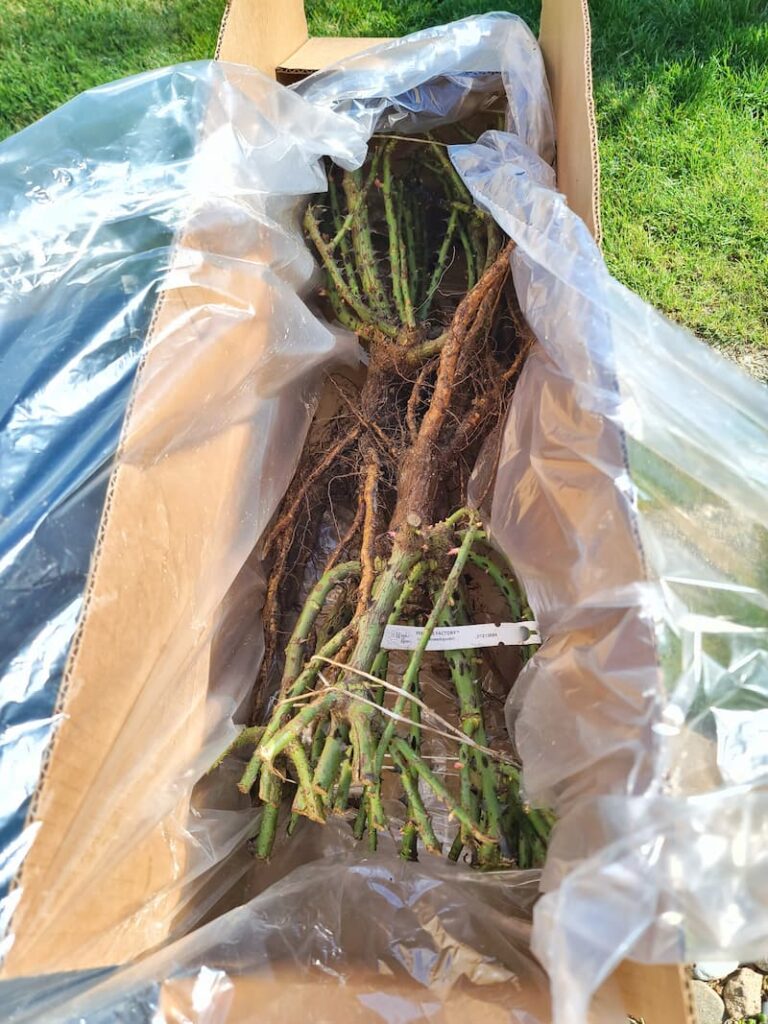
Bare-Root Fruit Trees and Shrubs
If you didn’t place your order last month, February is still an ideal time to order bare-root fruit trees, shrubs, and roses. These plants should be planted as soon as they arrive, while they’re still dormant.
Bare-root plants can establish more easily than potted ones because they adapt directly to the garden’s native soil. They’re also typically more affordable and offer a wider variety of choices this time of year.
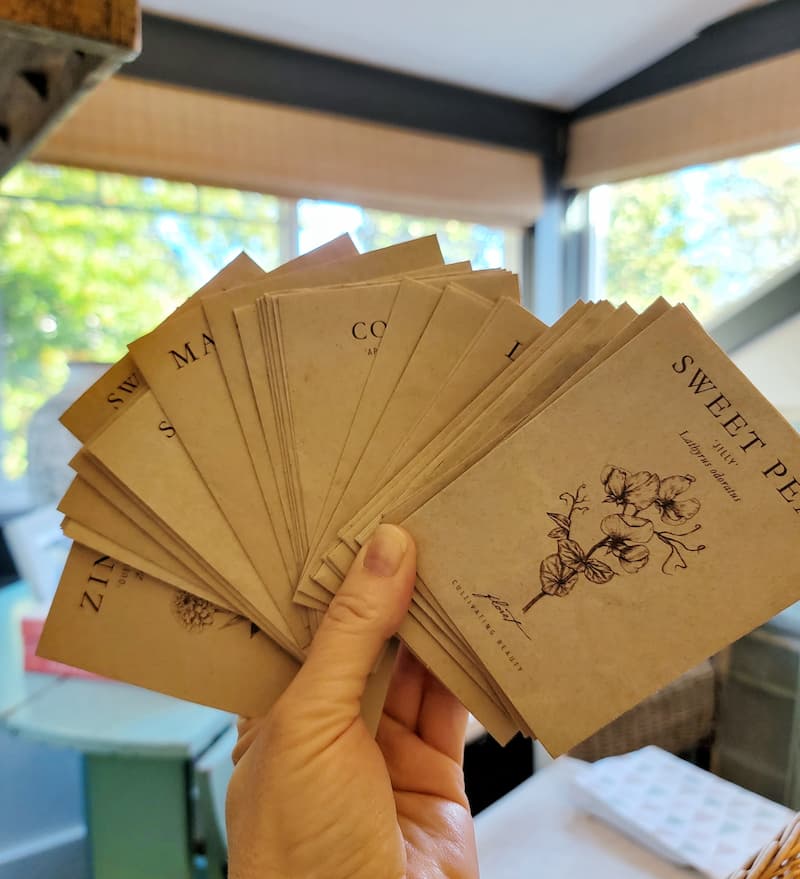
Garden Seeds
If you haven’t already ordered seeds, now is the time to do it. Many popular varieties sell out quickly as spring approaches.
Check your average last frost date and compare it to the seed-starting timelines on the back of the seed packets. This helps you prioritize which seeds should be started indoors soon and which can wait a few more weeks.
What to Plant in the Garden in February
Even though February is still winter in the Pacific Northwest, there are plenty of plants that can be planted in the garden now, especially if the soil isn’t frozen and drainage is good.
Focusing on hardy plants and dormant stock allows roots to settle in before spring growth begins.
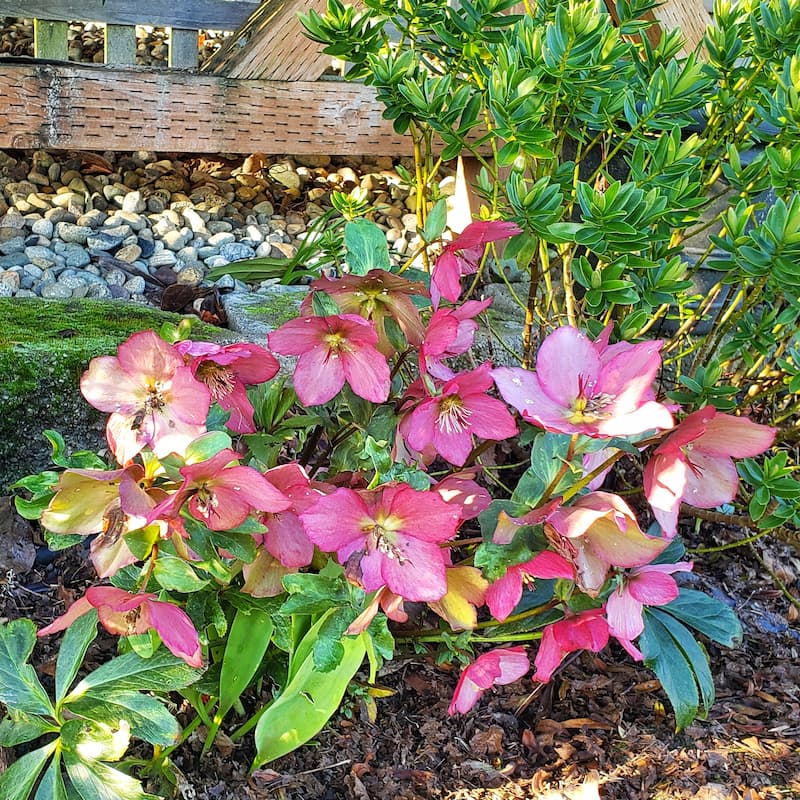
Early-Blooming Flowers
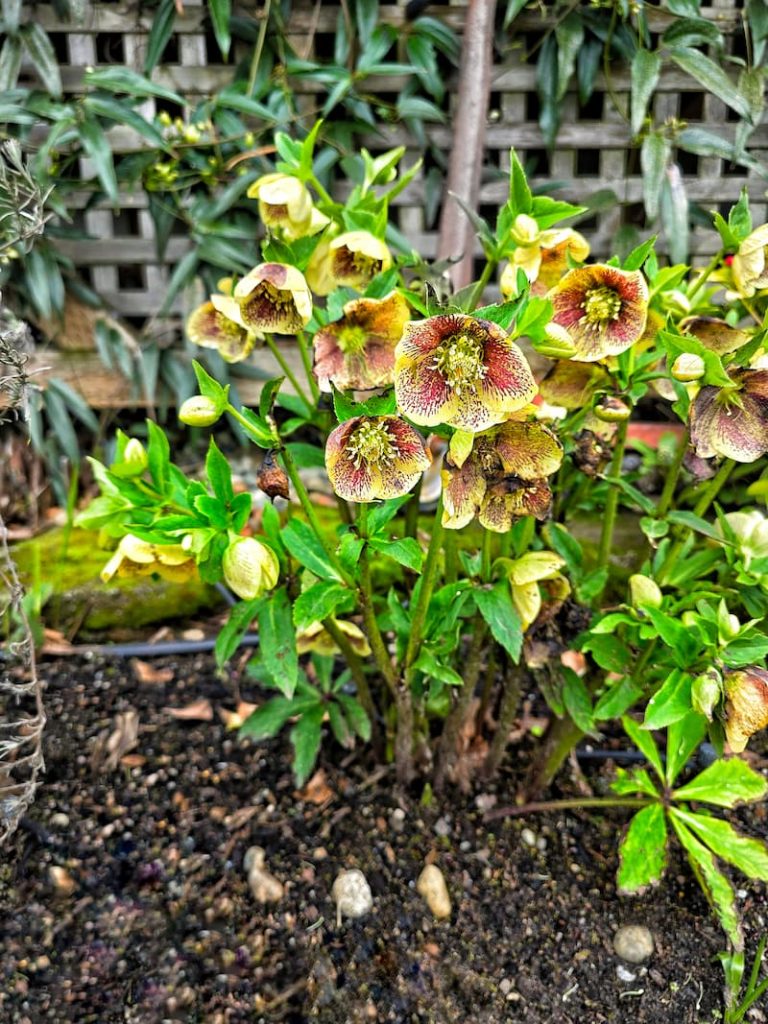
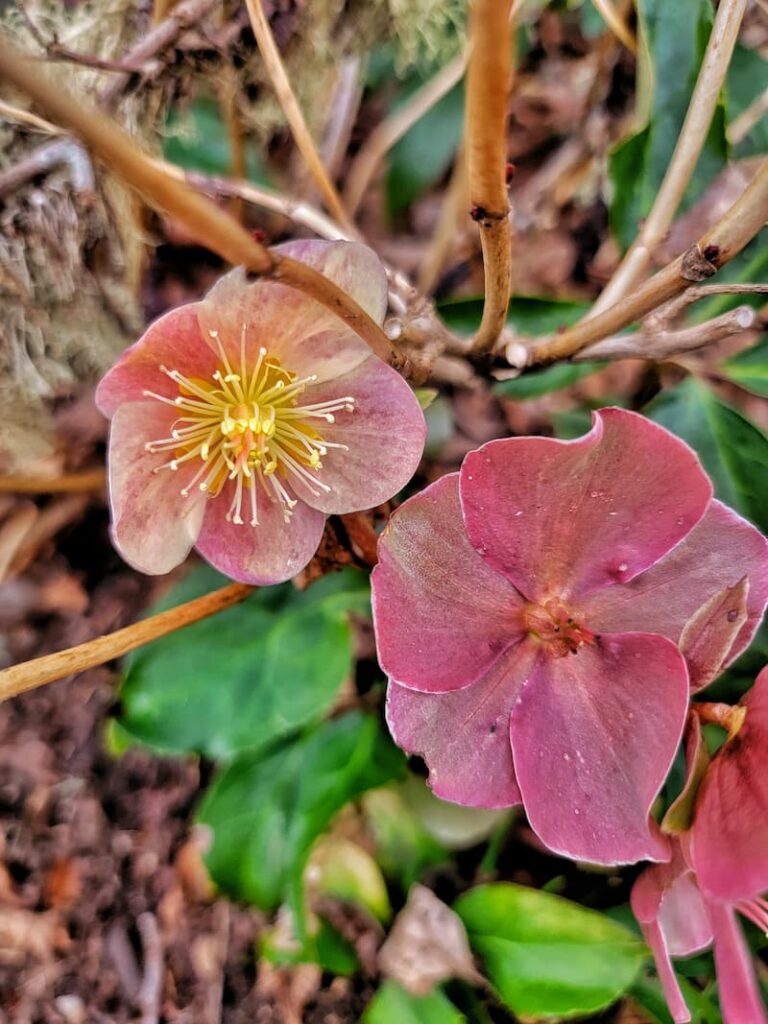
February doesn’t have to be colorless. Early bloomers like camellias and hellebores can be planted now and will bring much-needed interest to the winter Garden.
Local nurseries usually have a good selection this time of year, making it easy to add beauty while you wait for spring.
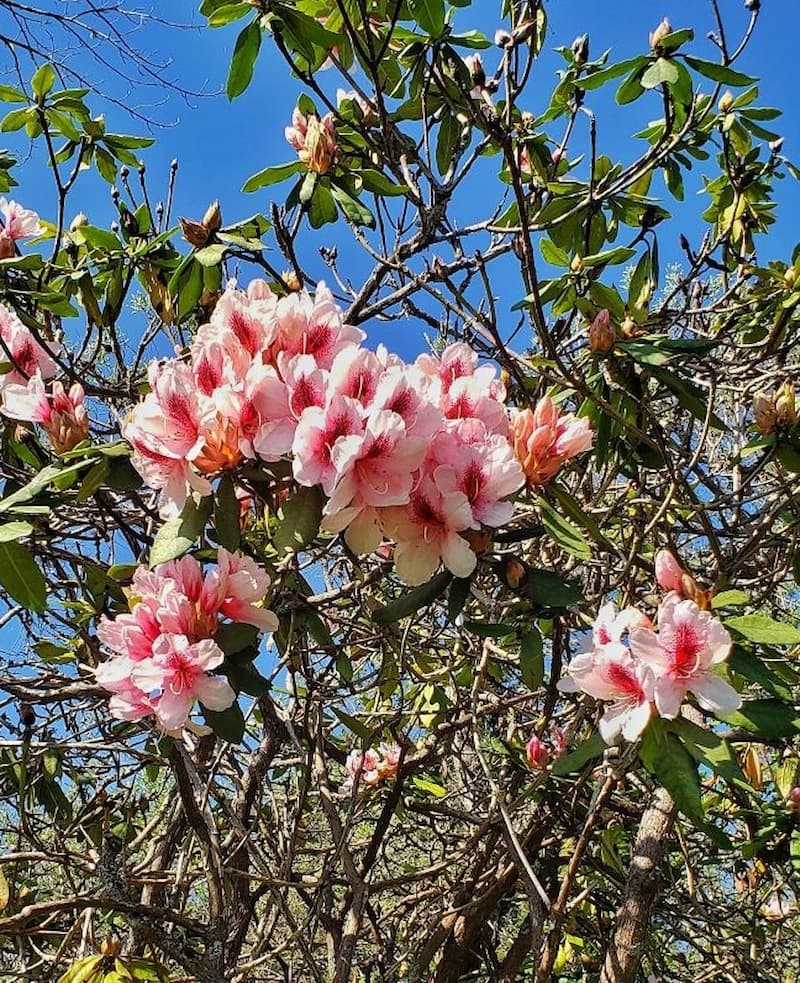
Spring-Flowering Evergreen Shrubs and Vines
Azaleas and rhododendrons are Pacific Northwest favorites and can be planted in February while conditions are cool and moist. Planting now gives them time to establish roots before their spring bloom cycle kicks in.
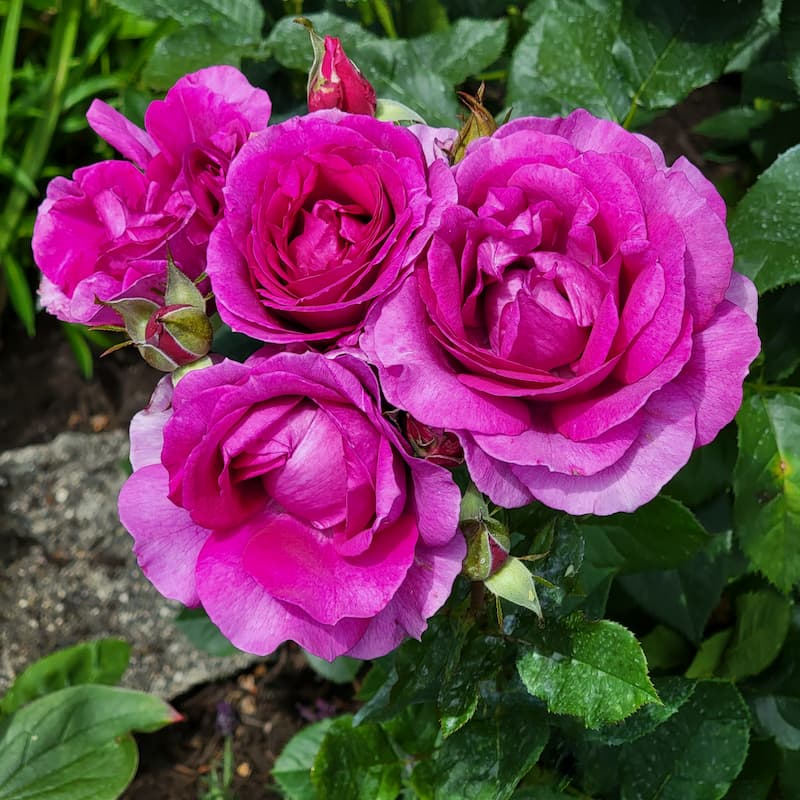
Bare-Root Stock
February is an ideal month to plant bare-root fruit trees, shrubs, roses, grapes, and berries. Bare-root vegetables like artichokes, asparagus, and rhubarb can also be planted now.
As long as the soil is workable, planting bare-root stock during dormancy gives plants a head start before active growth begins.
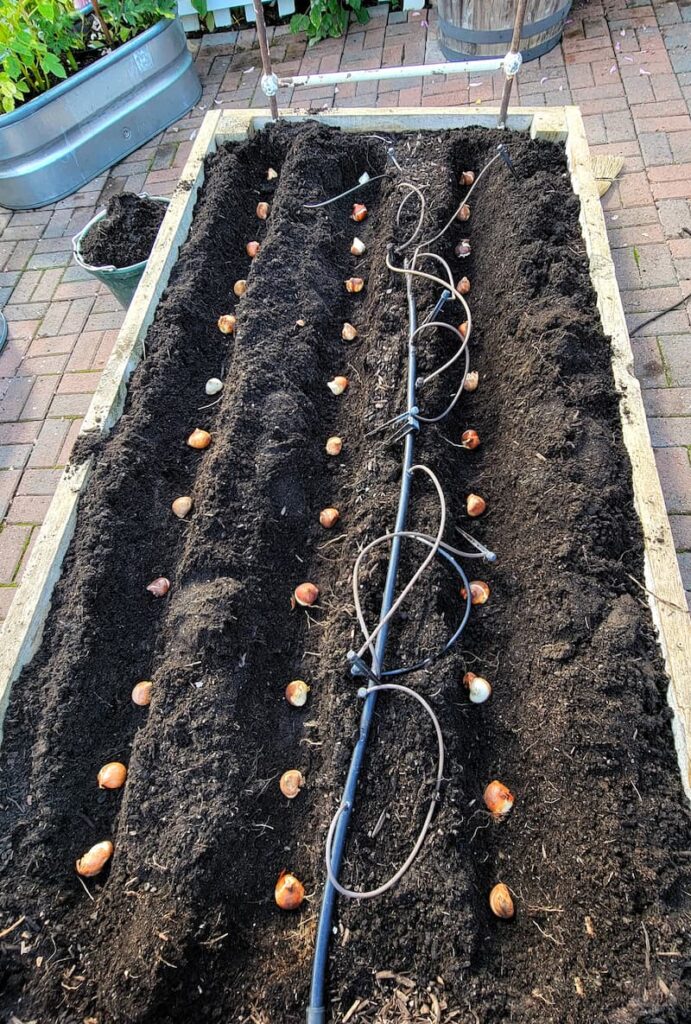
Spring Bulbs
Fall is the best time to plant spring-flowering bulbs in the Pacific Northwest, but if you still have bulbs on hand and the ground isn’t frozen, February planting is possible.
Bulbs like tulips, daffodils, and hyacinths may bloom later or be a bit smaller this year, but planting them late is better than letting them go to waste. Be sure to plant them in well-drained soil to prevent rot.
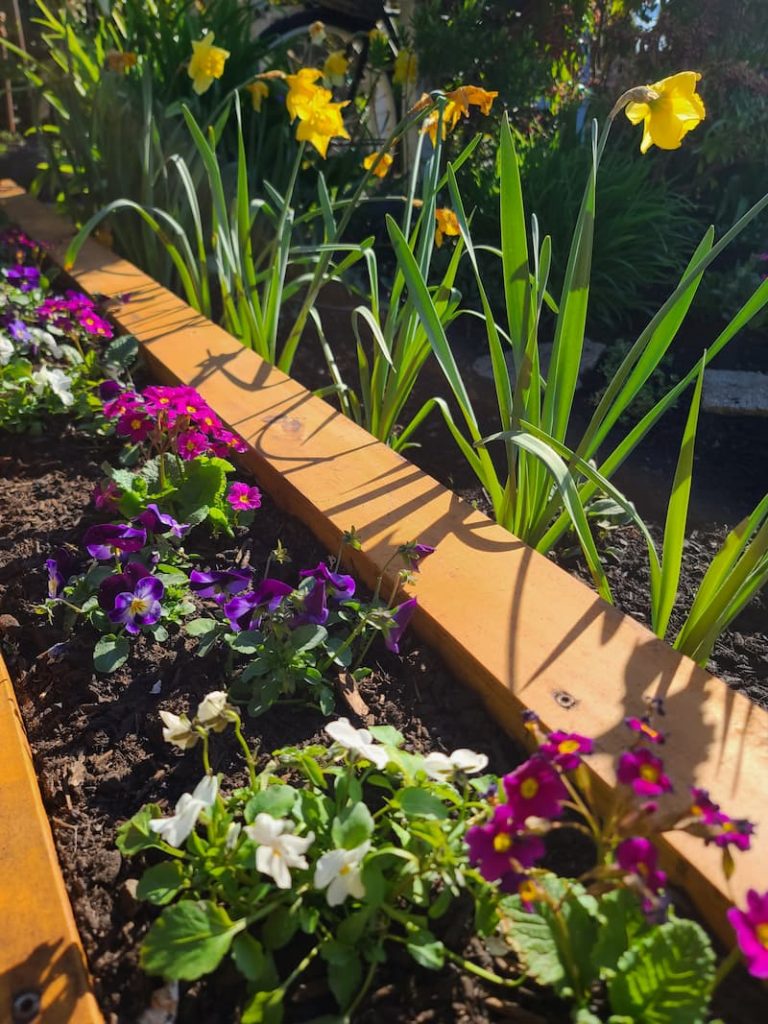
Hardy Annuals
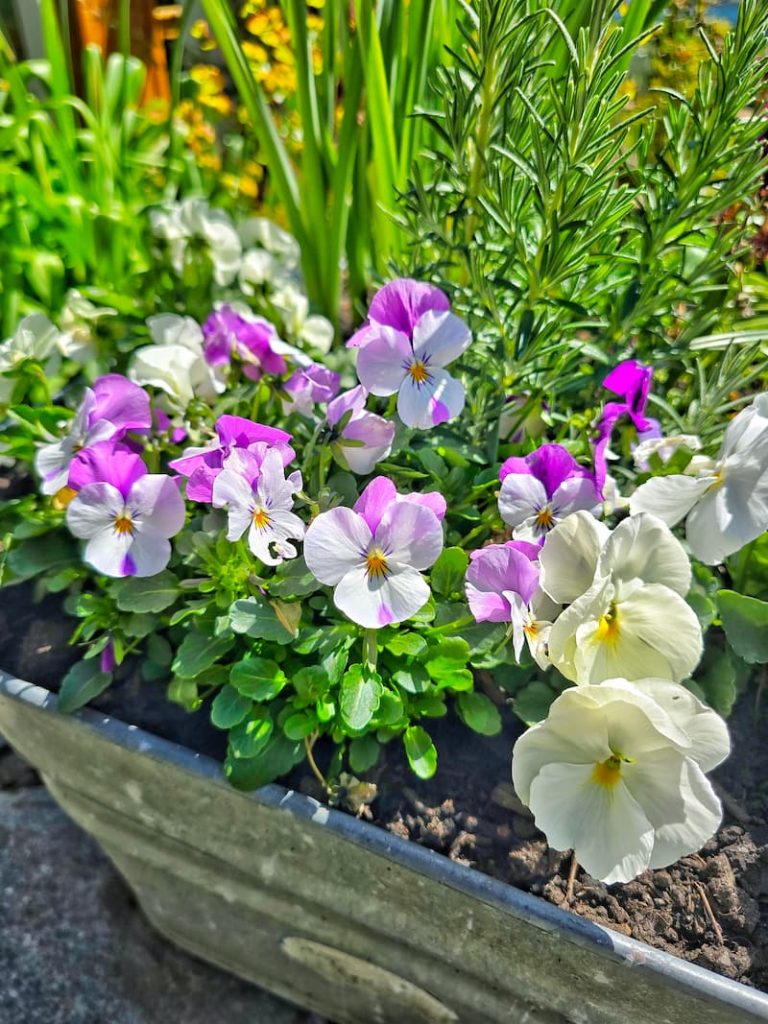
February is also a great time to plant cold-hardy annuals in containers, hanging baskets, or protected garden beds. Primroses, pansies, violas, calendula, and poppies tolerate cool temperatures and add early-season color to the garden.
Cool-Season Vegetables
Cool-season vegetables thrive in late-winter and early-spring conditions.
Plant in well-amended soil with compost or organic fertilizer to support steady growth during cool weather.
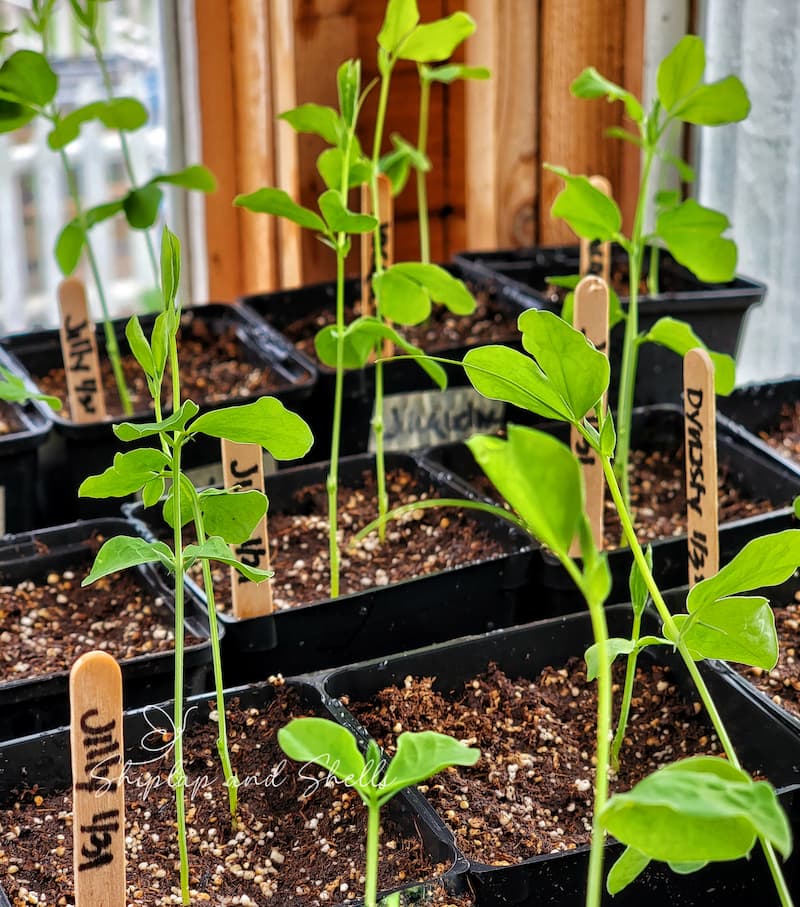
Sow Cut Flower Seeds Indoors
February is a great month to start sowing cut flower seeds indoors. Sweet peas, snapdragons, and pansies benefit from an early start in cooler growing conditions.
On the edible side, this is also the time to start cool-season crops like broccoli, kale, and cabbage, along with warm-season plants such as tomatoes and peppers that need a longer growing season.
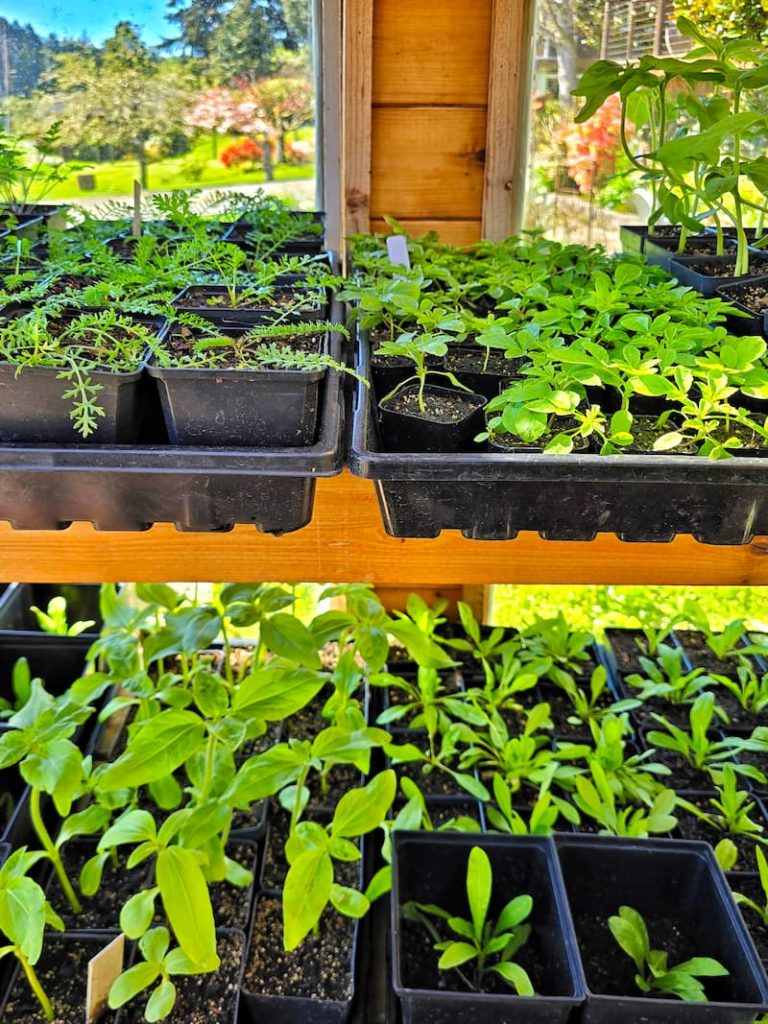
This is usually when my greenhouse really starts filling up, and it’s one of my favorite parts of February gardening.
Garden Supplies and Tools
Check out my favorite garden supplies and tools for the growing season. Whether you’re looking for potting soil or deer repellent, you’ll find what I use in my own garden.
Maintenance Garden To Do in February
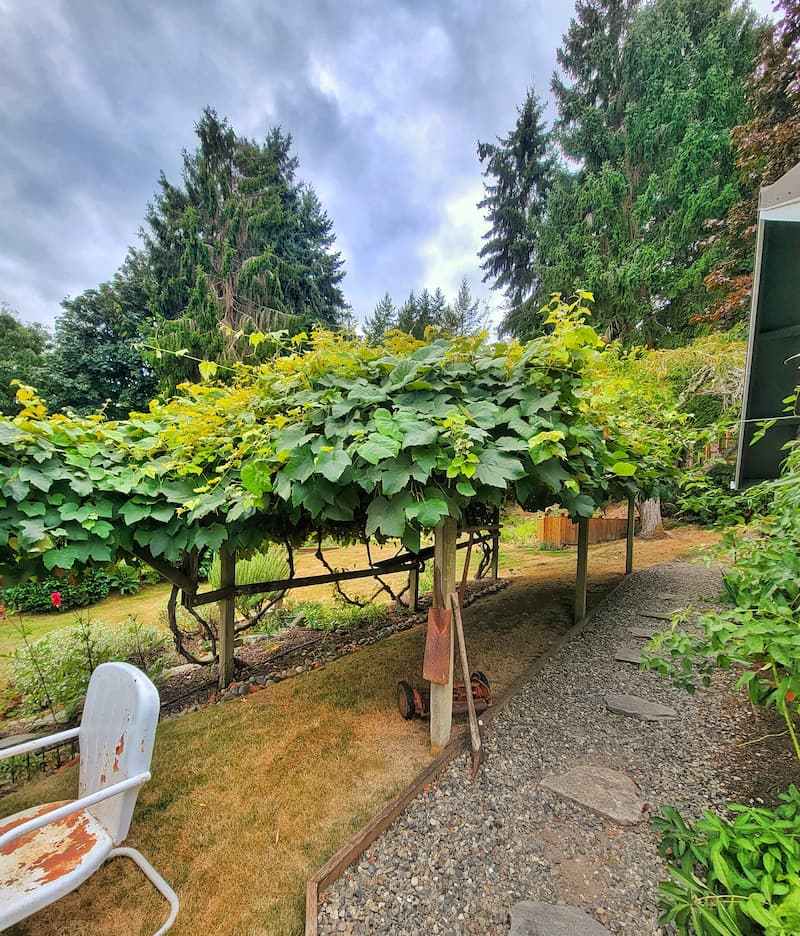
While planting options are limited during the winter months, February is one of the most important times to focus on garden maintenance.
These behind-the-scenes tasks help protect your plants, improve soil health, and ensure your garden is ready to grow once spring arrives.
Prune Trees and Shrubs
February is an ideal time to prune deciduous trees and shrubs in the Pacific Northwest while plants are still dormant. Pruning now improves plant health, encourages better flowering, and allows more sunlight and air to reach developing growth.
Focus on removing dead, damaged, or diseased branches first. Then, thin out crossing branches and lightly shape plants to maintain size and structure.
Late February is also a good time to prune roses, grapes, and wisteria. I usually wait until around President’s Day to prune my roses. It’s an easy date to remember and works well with our climate.
Always use clean, sharp tools when pruning. Remove dead or injured canes and any suckers growing from below the graft. Keep three to five of the strongest canes and cut them back by about one-third, making sure each cut is just above an outward-facing bud.
Tip: Avoid pruning spring-flowering trees and shrubs until after they bloom.
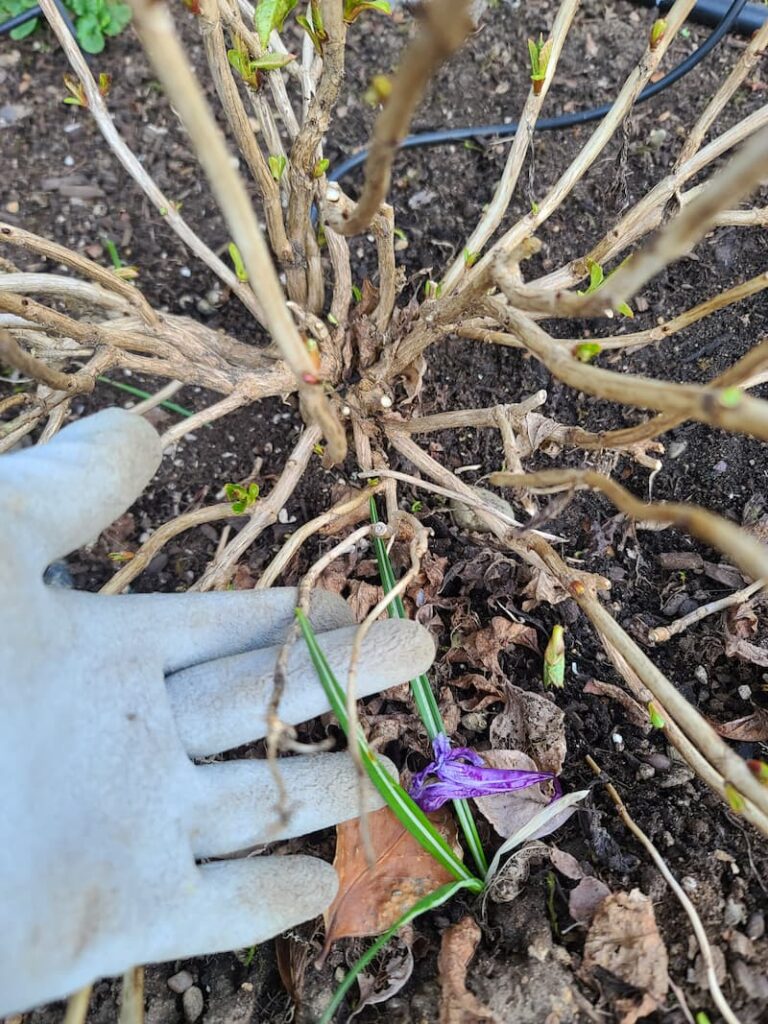
Prune Hydrangea Bushes
Pruning hydrangeas is another important February gardening task, but timing depends entirely on the type you’re growing. Pruning the wrong variety at the wrong time can result in fewer blooms, or none at all.
Cut Back Ornamental Grasses
Cut back ornamental grasses in late winter, just before new growth begins. Once temperatures warm, fresh growth will return quickly.
Use sharp shears to cut grasses back to about 1-2 feet tall. After cutting, add a layer of compost around the base and water well to help stimulate new growth.
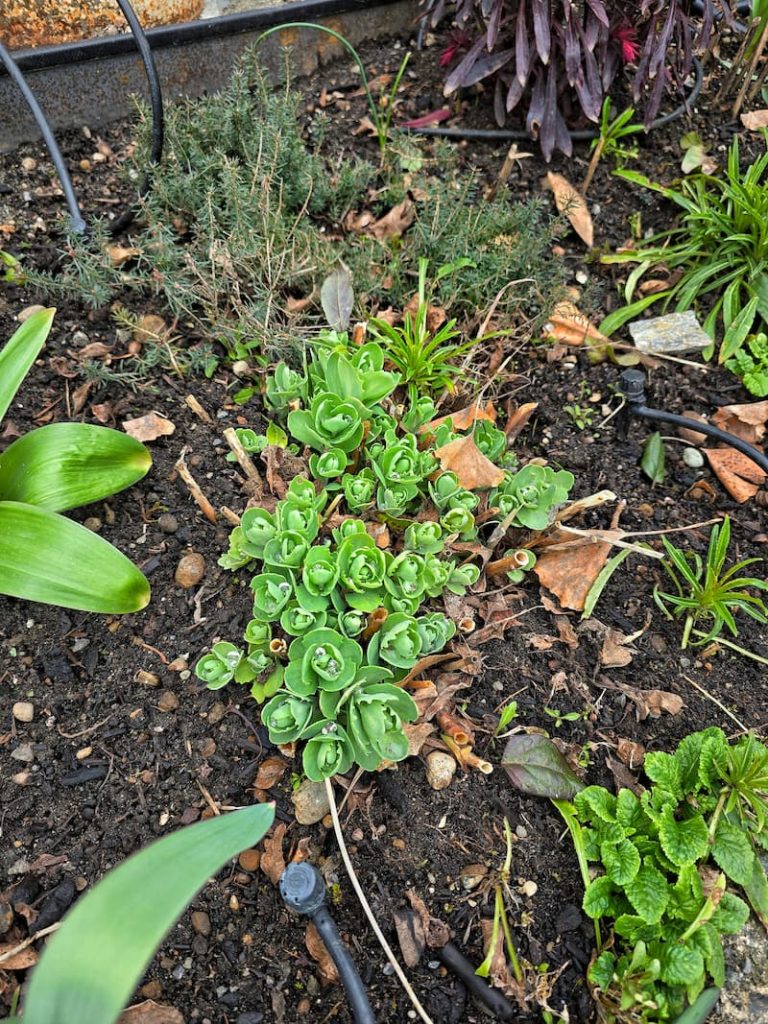
Clean Up Your Perennial Plants
February is a good time to clean up perennial beds by removing dead stems and growth leftover from last season. Be careful not to damage new growth already emerging from the soil.
In colder areas, it’s best to wait until the worst of winter has passed, since old growth can provide some protection from frost.
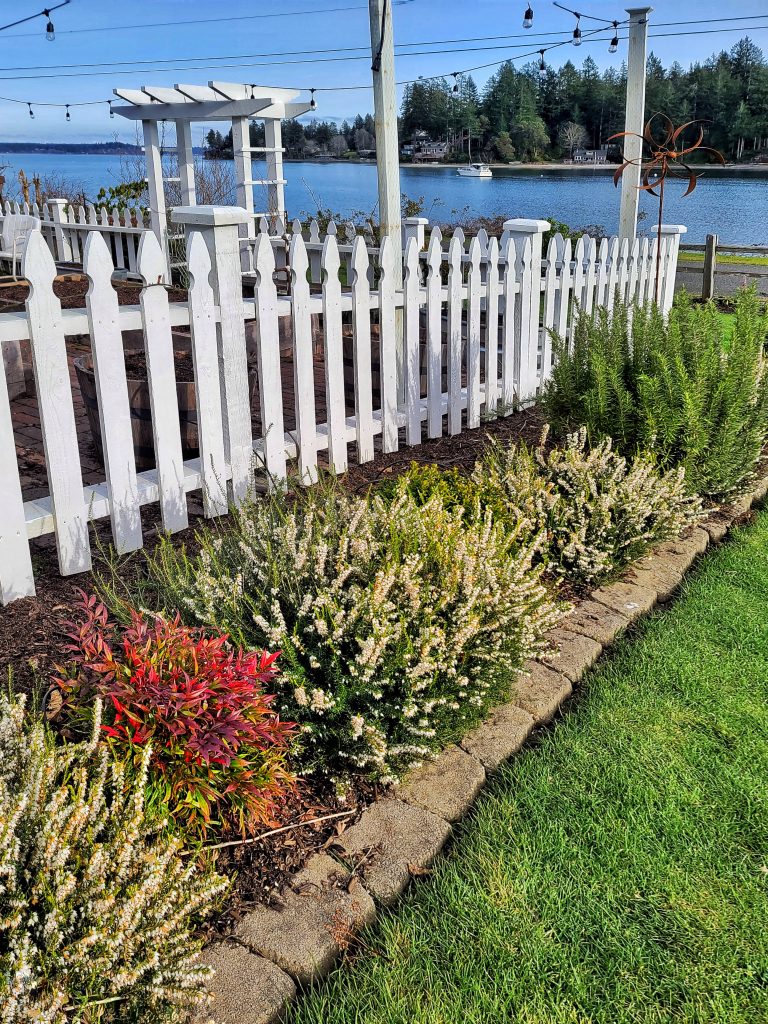
Clean Up Garden Debris
Clear away fallen leaves and debris from around the base of plants to reduce the risk of pests and disease as temperatures begin to rise. Pull any weeds you spot now before they have a chance to spread.
A little cleanup in February goes a long way toward a healthier garden in spring.
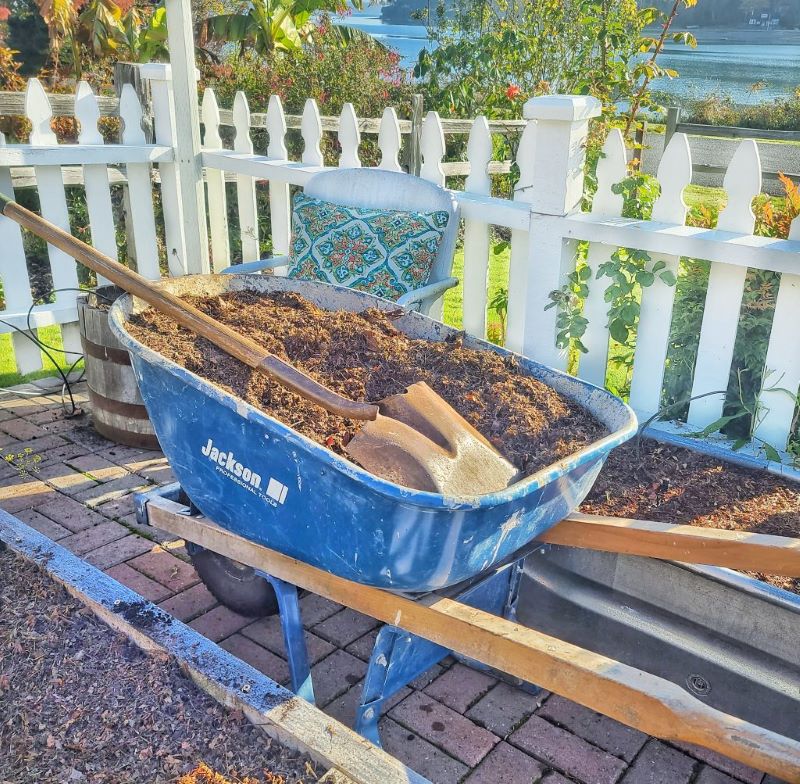
Mulch Your Planting Beds
Adding mulch in February helps retain moisture, regulate soil temperature, and suppress weeds.
Spread organic mulch around plants and trees, keeping it a few inches away from stems and trunks. Mulch also provides insulation during late winter cold snaps and improves soil health as it breaks down.
Spray Fruit Trees
February is a good time to apply horticultural oils to fruit trees while they’re still dormant. Dormant sprays help manage overwintering pests before they become a problem in spring.
Apply on a dry day when temperatures are above freezing, and no rain is expected for at least 24 hours.
Start Treating for Slugs and Snails
Slugs and snails become active early in the Pacific Northwest, making February a good time to start control efforts.
I use Sluggo in my garden because it’s pet-friendly, and after a rainy evening, I’ve definitely gone on a few slug patrols. It’s not glamorous, but it works.
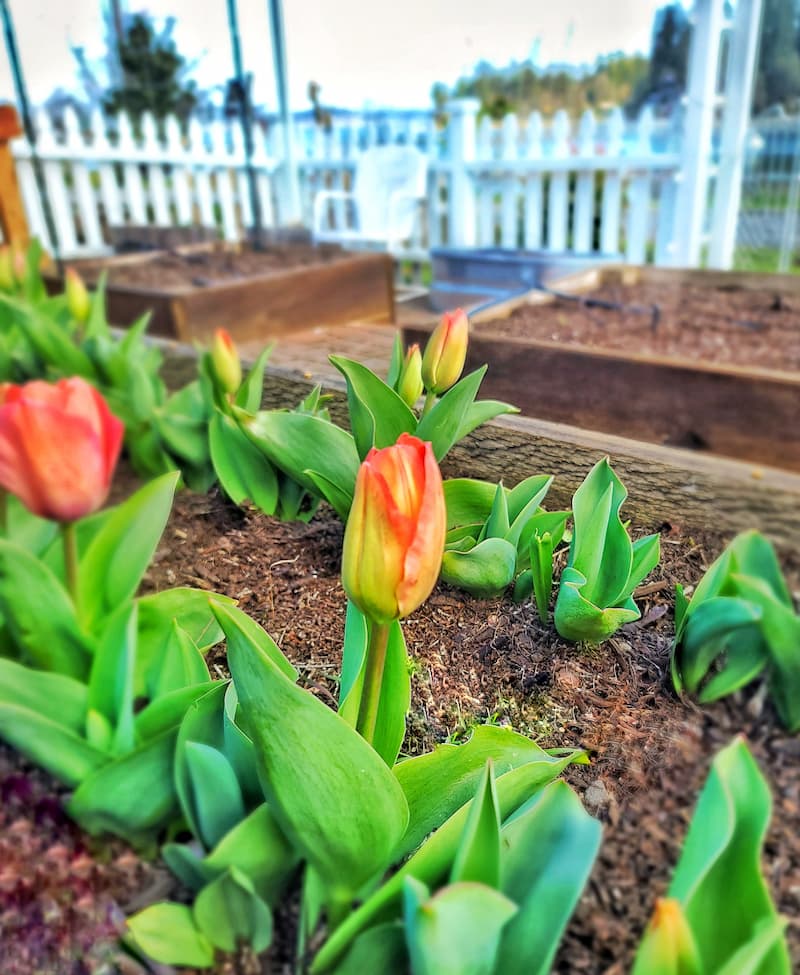
Keep an Eye on Your Spring Bulbs
Monitor early spring bulbs as they emerge. Once foliage reaches about an inch tall, you can gradually pull mulch back to allow light and air to reach the plant.
Leaving some mulch nearby makes it easy to cover plants again if a late cold snap is in the forecast.
How to Enjoy Your Garden in February
Gardening in February isn’t just about prep work; it’s also a great time to enjoy small signs that spring is on its way, even if the weather says otherwise.

Cut Spring-Flowering Branches to Force Bloom Indoors
Bring early color into your home by cutting spring-flowering branches such as forsythia, dogwood, pussy willow, quince, crabapple, and flowering cherry.
Once indoors, place branches in water and keep them in a bright, cool spot. Within a couple of weeks, you’ll be rewarded with fresh blooms, often well before anything is flowering outside.
It’s one of my favorite February traditions. On gray winter days, forcing branches indoors is one of those simple joys that reminds me why I love gardening, even in winter.
Frequently Asked Questions
Final Thoughts on Gardening To Dos in February
February gardening in the Pacific Northwest can feel slow and unpredictable, but it’s one of the months that quietly shapes the entire growing season. Some days, progress looks like pruning a single shrub or starting a few trays of seeds while the rain falls outside.
These February gardening tips are meant to be a guide, not a to-do list you have to finish all at once. Even small efforts now will make spring feel lighter, calmer, and far more enjoyable when the garden truly wakes up.
If you found this post helpful, feel free to share it with a fellow gardener who’s also waiting for spring to arrive!
Until next time,
Happy Gardening!

I’m a self-taught hobby gardener. Everything I share on my blog is my opinion and what has worked for me.
MORE POSTS
For You To Enjoy
Follow Me for More Inspiration