
Fall Gardening Tips: Your Complete Pacific Northwest To-Do Guide
I’ve written a lot about fall gardening over the years, and it dawned on me that all of it was scattered across a dozen different posts. I share tips on planting bulbs here, dahlia storage there, and geraniums somewhere else. So, I’m pulling it all together for you.
This is my one place for everything I do in the garden for fall. What to plant, what to cut back, what to bring inside before the cold, and what the month-by-month rhythm looks like here in my Zone 8b garden on Puget Sound. Each section gives you the short version and a link to the full post if you want to dig in.
Fall pretty much decides how good next spring’s garden will be. It’s the groundwork. Start wherever your garden needs you the most.
As an Amazon affiliate, I earn a commission from qualifying purchases at no additional cost to you. My blog also features other affiliate links for your convenience. Click here to read my privacy policy.
Plant Now for Spring Color
Fall is planting season, even when the garden feels like it’s winding down. The soil is still warm, the rains are coming back, and the roots have months to settle in before spring. You’ll see all this hard work paying off in April.
Plant Spring-Blooming Bulbs

Tucking bulbs into the ground in fall is the easiest thing you’ll do all season for the biggest spring payoff. I plant tulips, daffodils, and alliums in the raised beds and let them do their quiet work over winter. My full guide covers when to plant, how deep, and how to get the best blooms possible.
Divide Your Perennials
Fall is the right time to lift and split crowded perennials. You’ll get free plants for other beds or to hand off to friends, and your established clumps come back healthier with more room for roots to spread. I get the same three questions every year: how to tell if a plant can be split, when to do it, and how, and I answer all of them here.
A Quick note about my garden
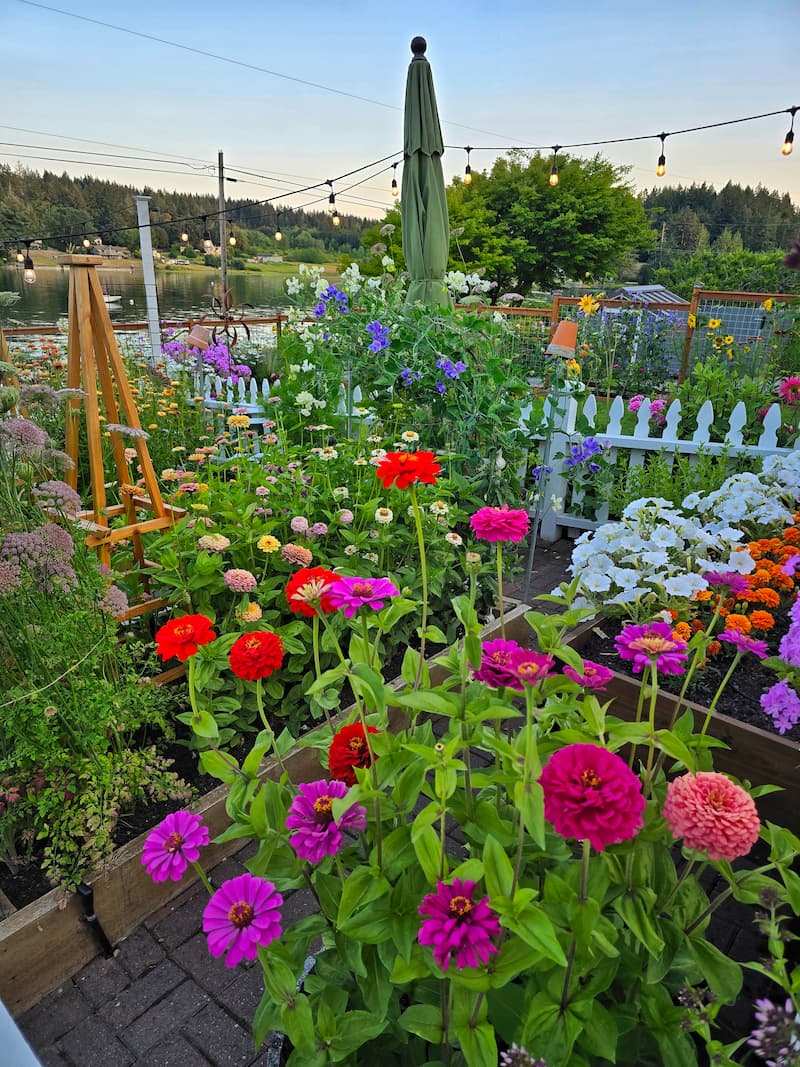
Most of the flowers I share here are grown from seed in our greenhouse and planted in raised beds and containers throughout our cottage garden.
Clean Up and Prep the Garden for Winter
This part is anything but glamorous, but it’s the part that matters most. A little effort now, like cutting, mulching, and tidying up the beds, saves you a lot of frustration next season.
Work Through a Full Fall Task List
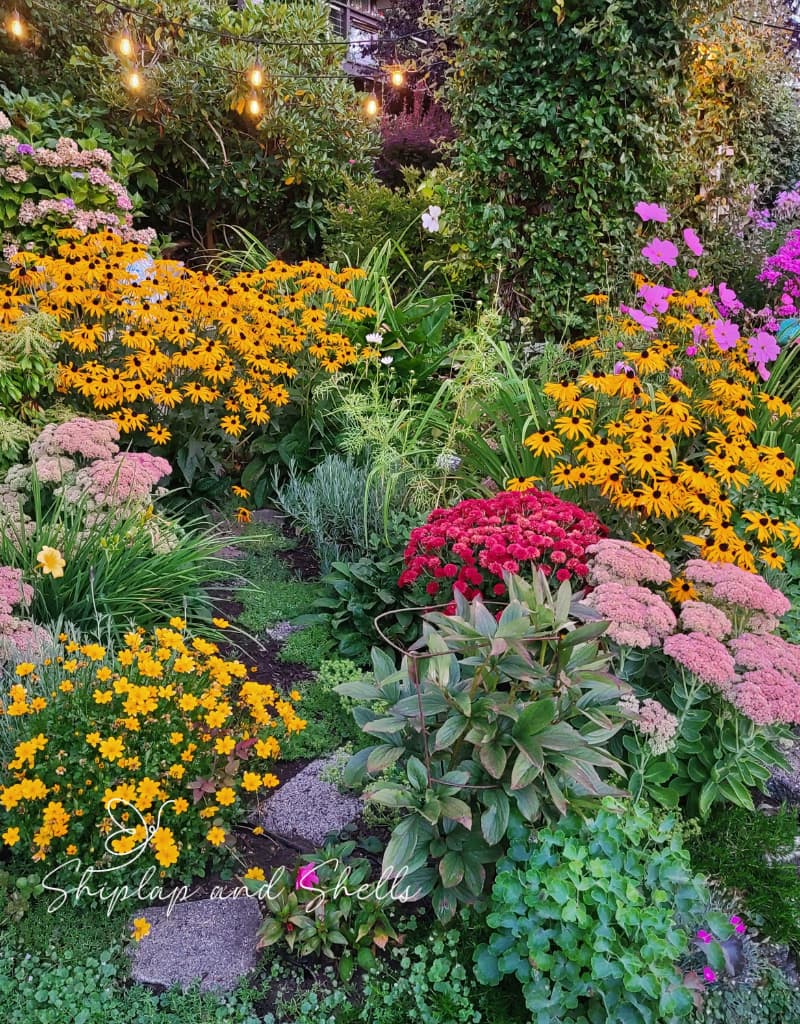
My 28-task fall checklist is the one I work from myself. It’s everything I do to put the flower garden to bed, from cutting back to feeding the soil to protecting tender plants so nothing slips through the cracks before the first hard frost.
Transition the Garden from Summer to Fall
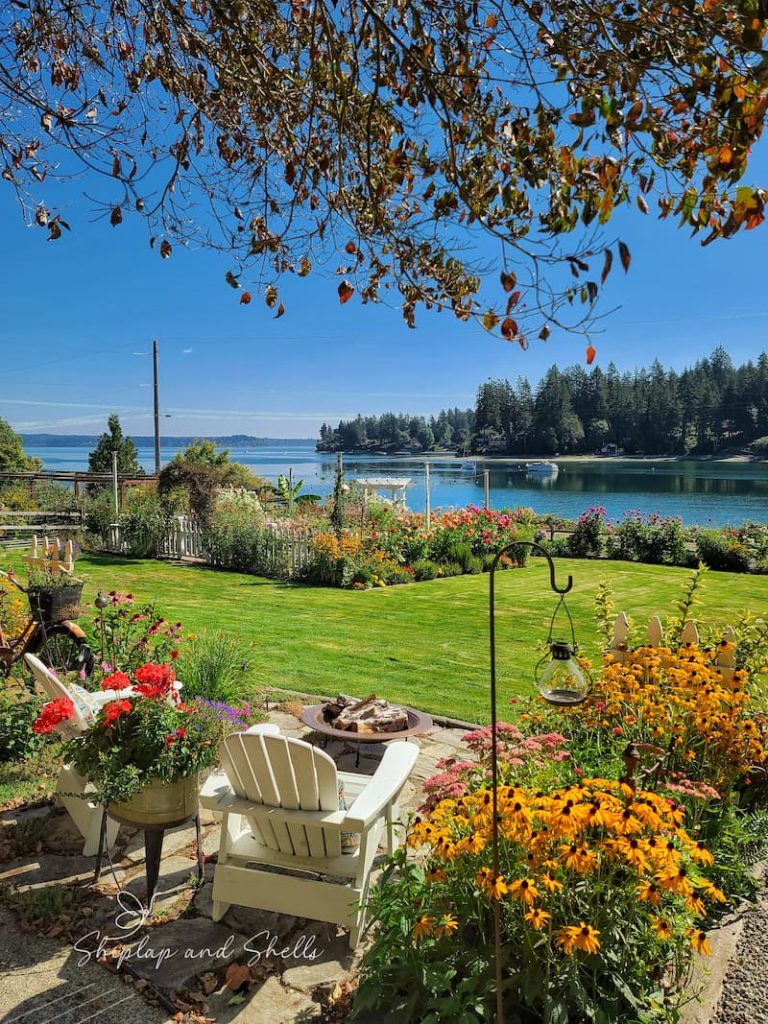
Not sure where to begin as summer fades? I’ve broken the changeover into 15 straightforward ways to move your garden into fall, plus 9 tips for keeping the flower garden looking good through the shift. Together, they cover the messy in-between weeks when the summer blooms are fading, and the fall garden hasn’t fully taken over yet.
Let Fallen Leaves Work for You

Before you bag up all those leaves, consider leaving them. I run the mower over mine and use the shredded leaves as a protective mulch, especially over the dahlias. Fallen leaves benefit your garden by buffering soil temperature, feeding the flower beds as it breaks down, and giving overwintering pollinators a place to shelter.
Overwinter Your Tender Plants
Some plants won’t make it through a Zone 8 winter on their own. The good news is that saving them is easier than replacing them every spring… and it’s saved me hundreds of dollars a year.
Store Dahlia Tubers
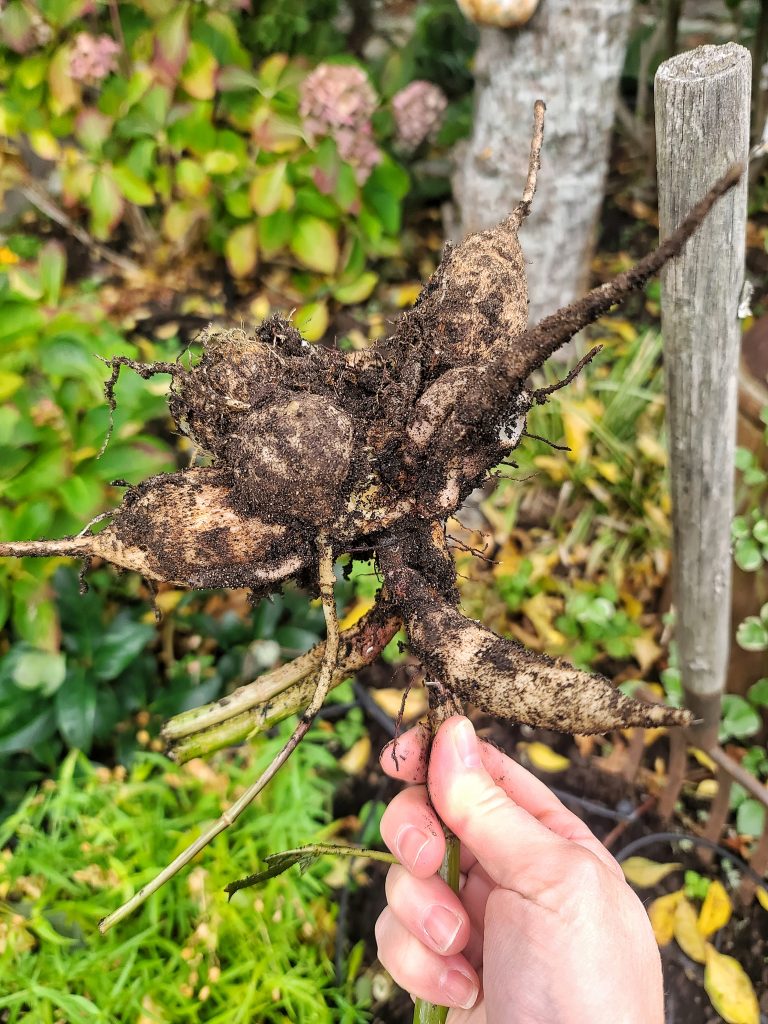
The question I get more than any other in fall: Should I leave the dahlia tubers in the ground, or dig them up? The answer depends on your garden. If you need to lift and store yours, I’ll walk you through digging, drying, and storing them safely until the frost danger passes next season.
Overwinter Your Geraniums
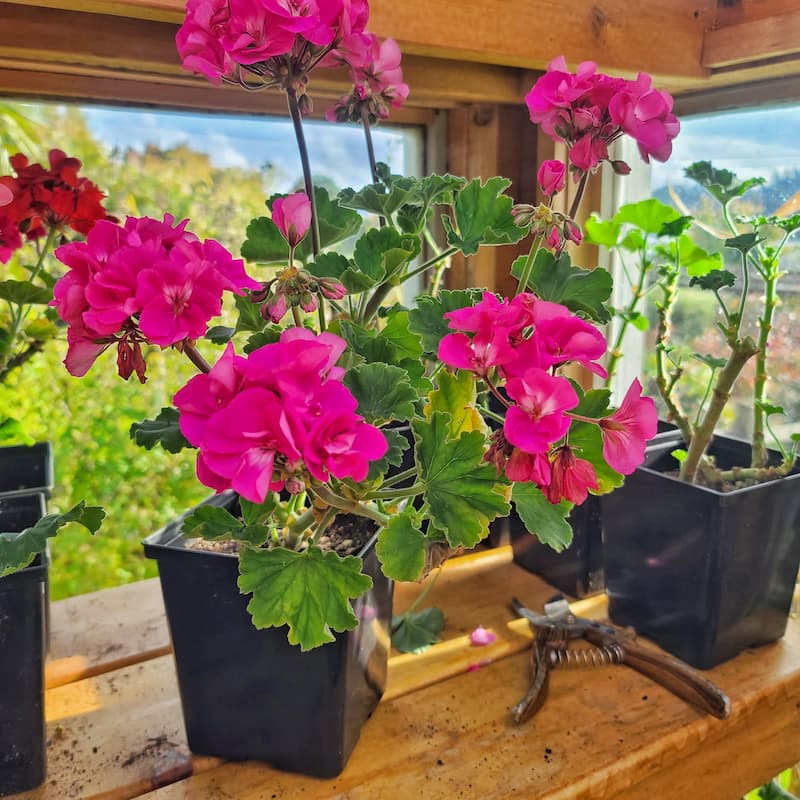
Geraniums fill most of my containers and window boxes, and I used to spend a small fortune replacing them every May. Not anymore. I move them into the greenhouse for the winter, but you don’t need a greenhouse to overwinter geraniums. I share four different ways to do it.
Take Geranium Cuttings
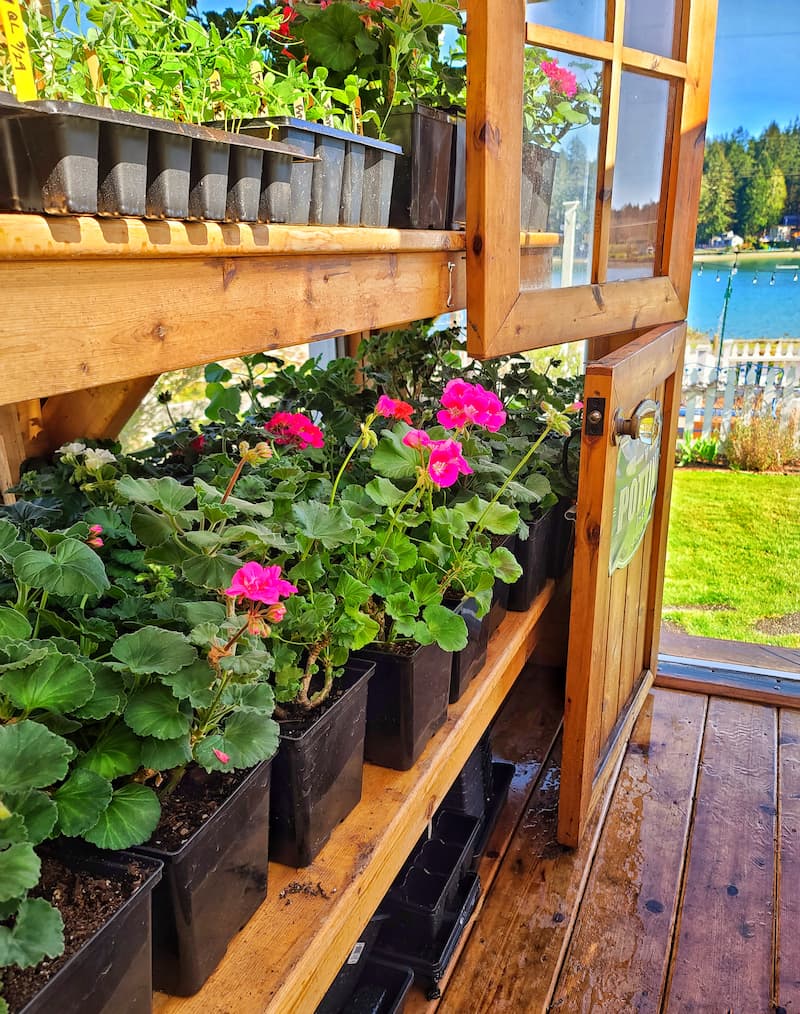
Geraniums aren’t just easy to overwinter. They’re easy to multiply. Starting new plants from stem cuttings is one of my favorite ways to stretch a few plants into many and cut next year’s annual budget down to almost nothing.
Garden Supplies and Tools
Check out my favorite garden supplies and tools for the growing season. Whether you’re looking for potting soil or deer repellent, you’ll find what I use in my own garden.
Keep Color in the Fall Garden
Putting the garden to bed doesn’t mean giving up on color. Some of the prettiest weeks happen right now, when deep fall tones show up, and the containers get a refresh.
Plant Fall Containers
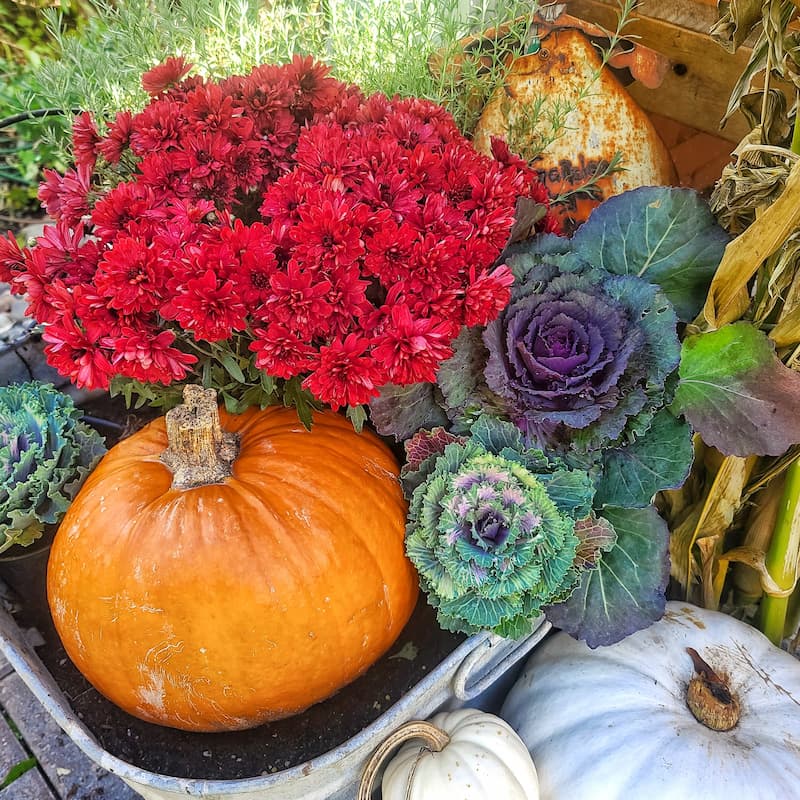
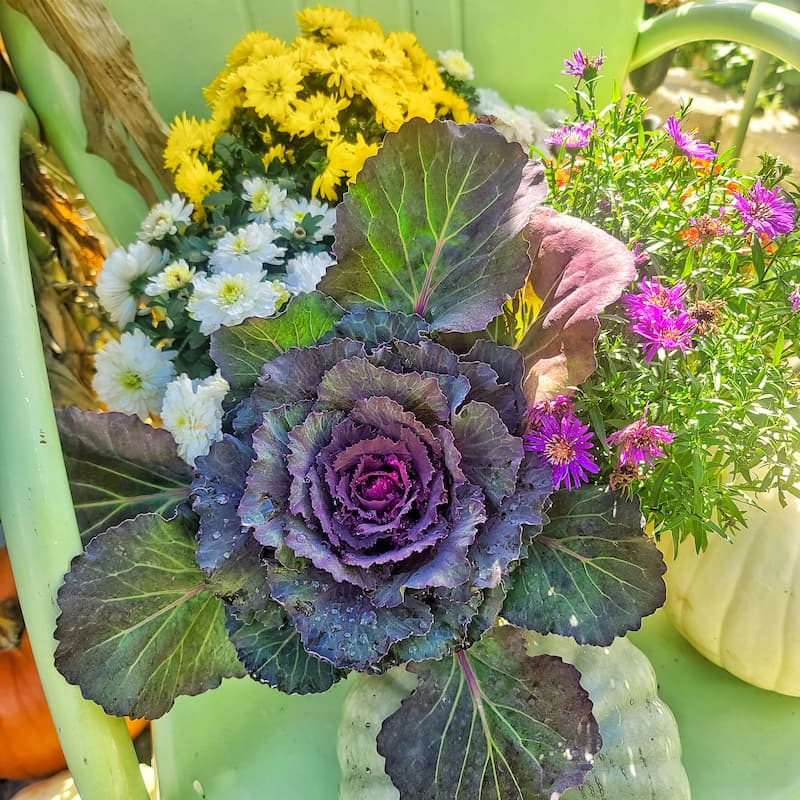
When summer annuals start to fade, a fresh fall container brings the garden back to life. Cool-season plants tucked in with a pumpkin or two fill the gaps and carry the color through the transition. Here are 12 of my favorite plants for fall containers.
Grow Fall Perennials for the Wow Factor
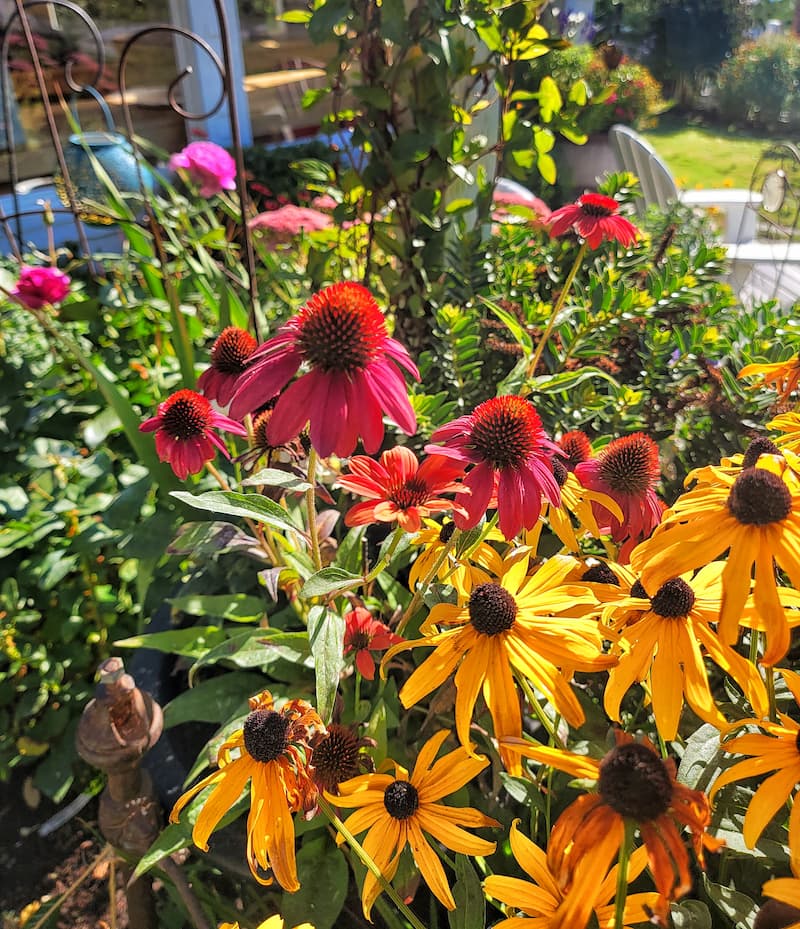
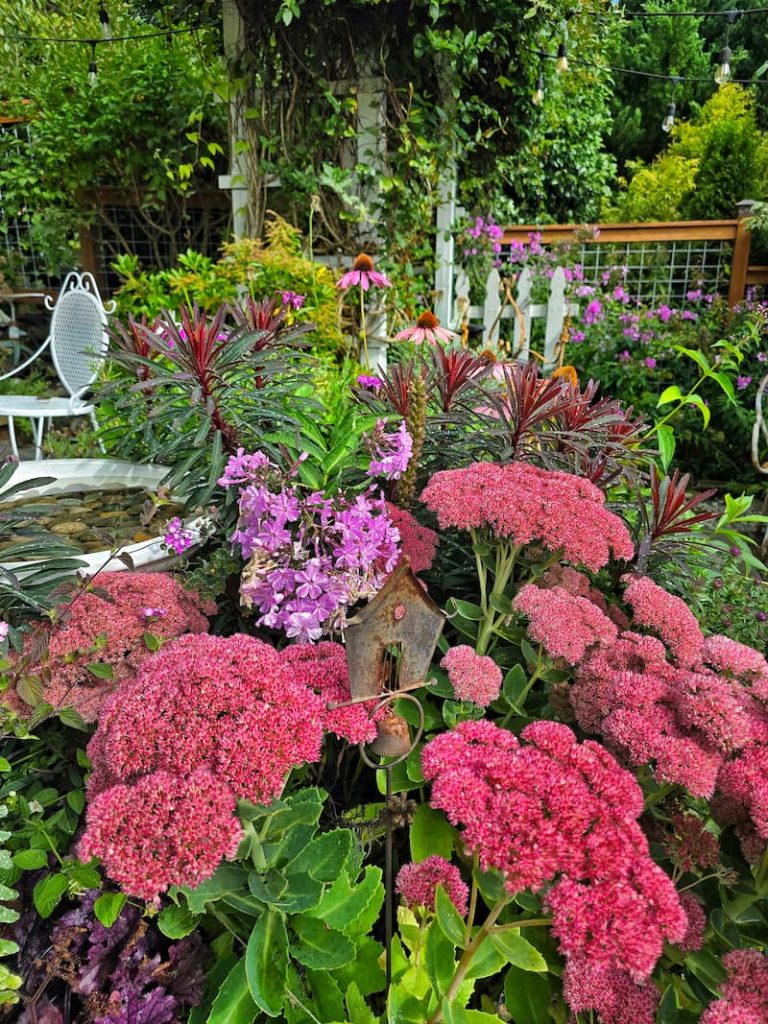
Perennials are the backbone of the fall garden. They bridge the gap between summer and autumn and feed the pollinators after the summer flowers are gone. These fall perennials give my cottage garden its late-season punch.
Fall Gardening Month-by-Month (Pacific Northwest)
Fall doesn’t happen all at once. September gardening tasks aren’t the same as those in November. If you’d rather follow the season week by week, here’s the rhythm I keep in my own Zone 8b garden:
September Gardening Tips and To-Dos: Phasing out of summer and starting the fall planting.
October Gardening Tips and To-Dos: The heart of bulb planting, tuber lifting, and cleanup.
November Gardening Tips and To-Dos: The last of the prep before winter settles in.
Fall Gardening FAQs
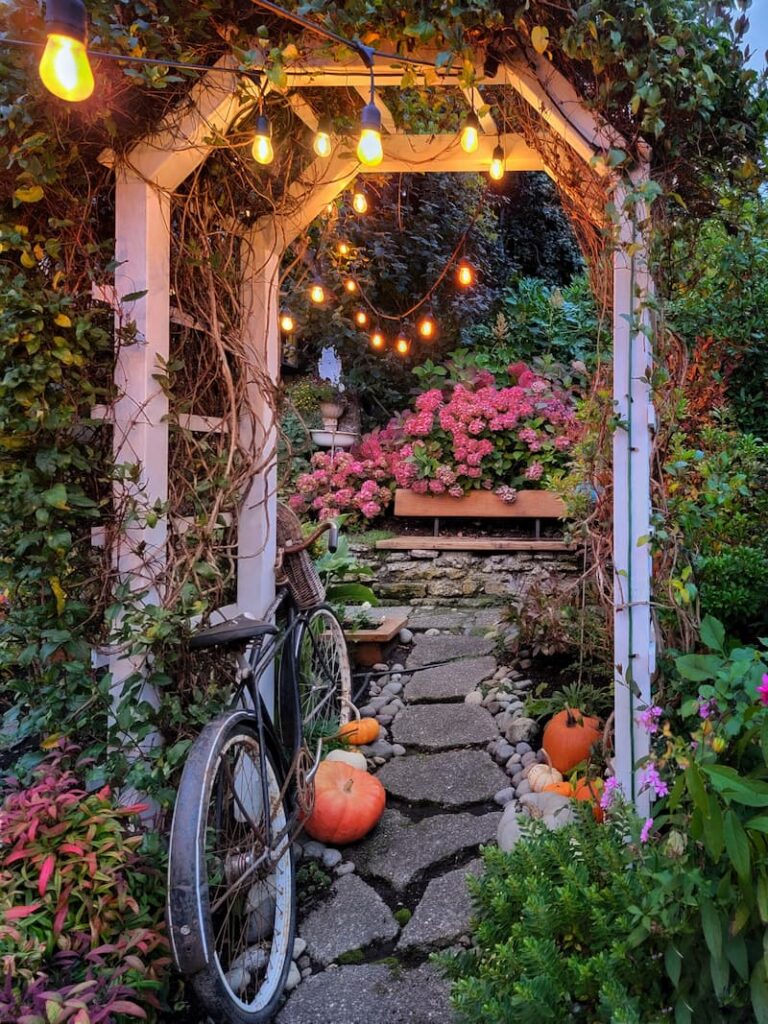
The core fall garden tasks are: planting spring-blooming bulbs, dividing crowded perennials, cutting back spent plants, mulching your beds (shredded leaves work well), lifting and storing tender bulbs like dahlias, overwintering plants such as geraniums, and refreshing your containers with cool-season plants. Doing this work now sets the garden up to thrive next spring.
In the Pacific Northwest, plant spring-blooming bulbs from mid-October through November, once the soil has cooled but before the ground freezes. The cool, moist fall soil gives roots time to establish before spring growth begins.
It depends on your climate. In colder zones where the ground freezes hard, dig up dahlia tubers after the first frost, dry them, and store them somewhere cool and frost-free until spring. In milder areas, like my own Zone 8b, a thick layer of mulch may be enough to leave them in the ground.
No. A greenhouse makes it easier, but you can overwinter plants like geraniums indoors near a bright window, by taking cuttings, or by storing them dormant in a cool basement or garage. There’s a method to fit almost any space.
Not necessarily. Shredded fallen leaves make an excellent free mulch. They insulate plant roots, feed the soil as they decompose, and shelter overwintering pollinators. Run a mower over them and spread them across your beds rather than bagging them for the curb.
Plan Next Year While This One is Fresh
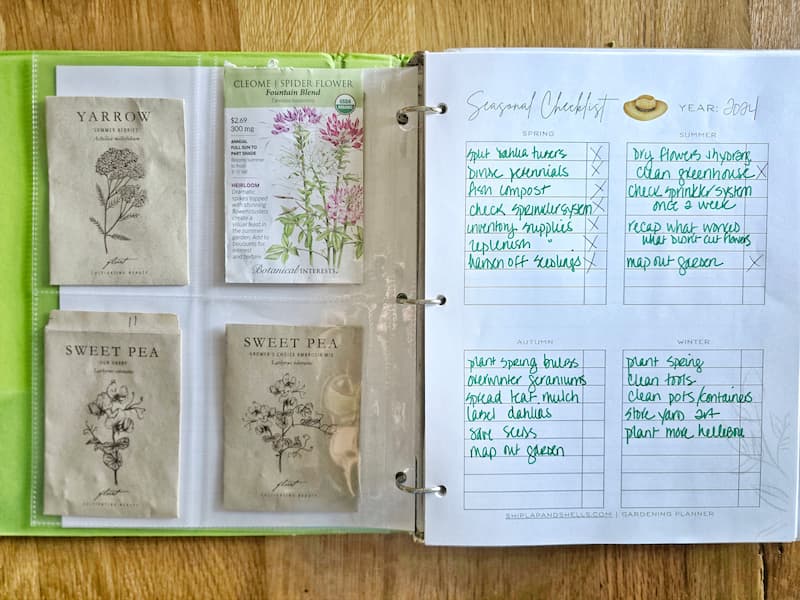
Fall is the best time to write things down. You’ve just watched a whole season play out, so you know exactly what thrived, what flopped, and what you swore you’d move next year. Come spring, none of that is as clear as it is right now.
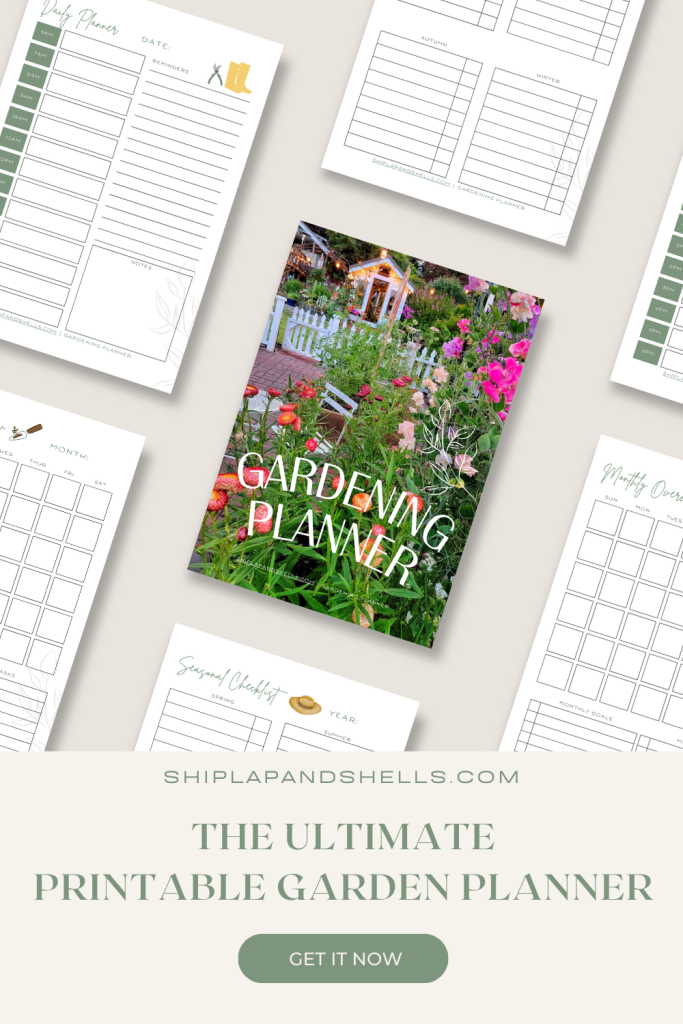
I keep track of it all in a garden journal: what I planted where, what the weather did, and which varieties earned their space. If you want to start one, here’s how I keep my gardening journal. And if you’d rather have the pages already laid out for you, my printable garden planner has spots for bloom records, planting dates, layouts, and next year’s wish list.
Let’s Plan Your Dream Garden With Our
Gardening Planner
Unlock Your Garden’s Potential.
Our 35-page Ultimate Garden Planner is designed to help you organize, track, and flourish in your gardening endeavors.
Get yours for $4.99
Start Where Your Garden Needs You
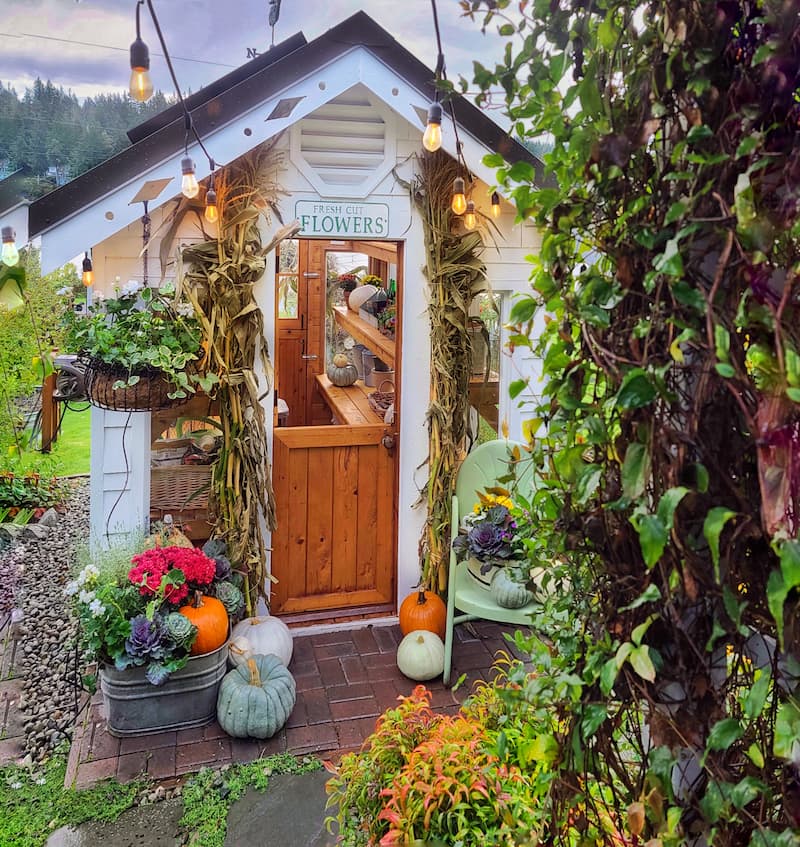
There’s no wrong place to begin. Some years I’m all about the bulbs. Other years it’s the dahlias and the leaves that get my attention first. Pick the section that matches where your garden is right now, and let the rest wait for the weekend.
If you have questions or your own fall tricks to share, leave them in the comments.
Until next time,
Happy Fall Gardening!

I’m a self-taught hobby gardener. Everything I share on my blog is my opinion and what has worked for me.
Our Favorite
Side Dish Recipes
Follow Me for More Inspiration


This post is incredibly helpful—I’ll definitely be referring back to it often! I’m eager to get a head start on transforming our backyard into a more kid-friendly space. Currently, we have large rocks and overgrown bushes that have been a bit of a hazard for our young grandkids—ah, the joys of grandparent life! These tips are fantastic, and as soon as our rent arrives, we’ll be ready to dive in!
I’m so glad you find these tips helpful! I wish you the best with your backyard transformation!
Such great tips Kim, I sure need them! I’m sharing them with my followers too this weekend as I include your post in my weekend round up!
These are great tips Kim thanks for sharing!