
13 Tips to Extend the Vase Life of Your Cut Flowers

You cut something beautiful from your garden. You bring it inside, arrange it in a vase, set it on the counter, and feel genuinely pleased with yourself.
Two days later, it looks like it gave up.
I’ve been there more times than I’d like to admit. Over the years of growing cut flowers at our cottage on Puget Sound, I’ve learned that vase life isn’t just luck. It’s a handful of simple, consistent habits. The good news is that none of them is complicated. Once they become part of your routine, you’ll wonder how you ever harvested flowers any other way.
Here are 13 tips that actually work.
As an Amazon affiliate, I earn a commission from qualifying purchases at no additional cost to you. My blog also features other affiliate links for your convenience. Click here to read my privacy policy.
How Long Do Cut Flowers Stay Fresh?
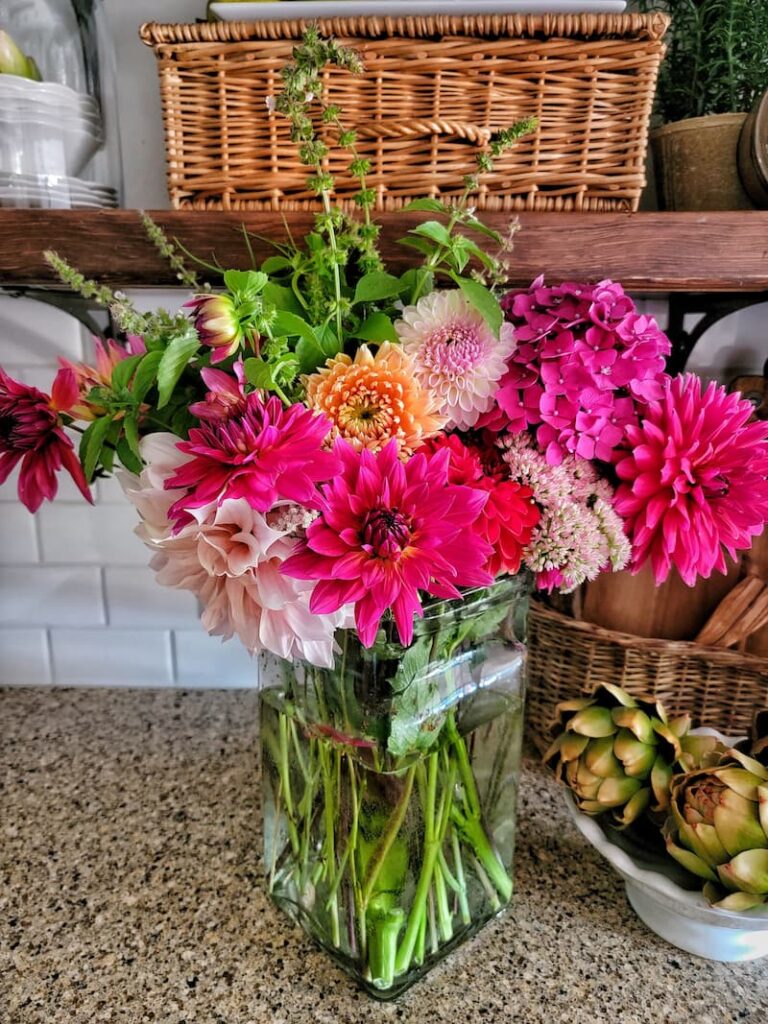
Most cut flowers last somewhere between 5 and 14 days with proper care. Some will push 2 weeks or more. Roses, chrysanthemums, and alstroemerias tend to be the long-haulers. Delicate things like sweet peas or poppies are more fleeting, regardless of what you do.
The type of flower matters, but so does what happens the first hour after you cut it. That window is where you win or lose the vase life game.
A Quick note about my garden
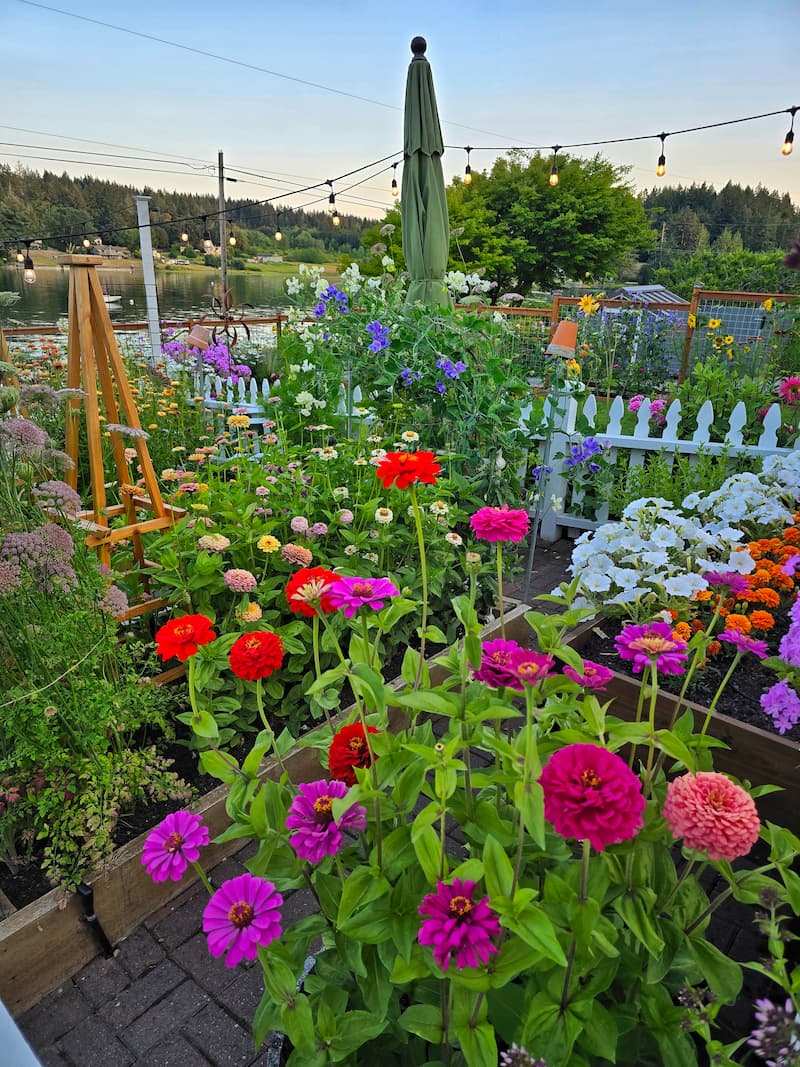
Most of the flowers I share here are grown from seed in our greenhouse and planted in raised beds and containers throughout our cottage garden.
13 Tips to Keep Cut Flowers Fresh Longer
1. Start with Clean Buckets and Vases
Before you cut a single stem, clean and sanitize whatever you’re putting the flowers into. Bacteria are the enemy of vase life, and they love a dirty bucket. A quick scrub with warm, soapy water and a rinse goes a long way.
Fill the clean buckets with cool water before you head outside. You want the stems going right from the plant to water, not sitting in open air while you look for the hose.
2. Harvest in the Early Morning
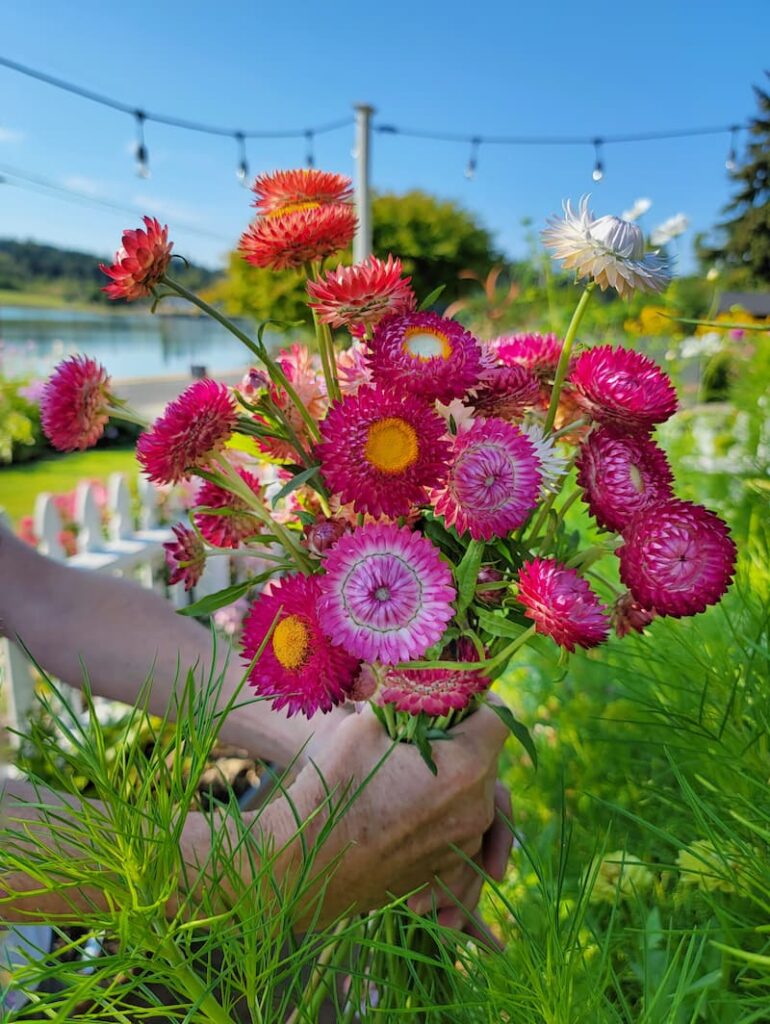
This one changed everything for me.
Cutting in the early morning, when temperatures are cool, and the plants have had a chance to rehydrate overnight, gives you the best possible starting point. The stems are firm, the cells are full of water, and the flowers aren’t already stressed from heat.
Avoid cutting in the middle of the day. Midday heat is hard on harvested flowers. If you forget and it’s already afternoon, at least wait until evening when things cool down again.
3. Harvest at the Right Stage
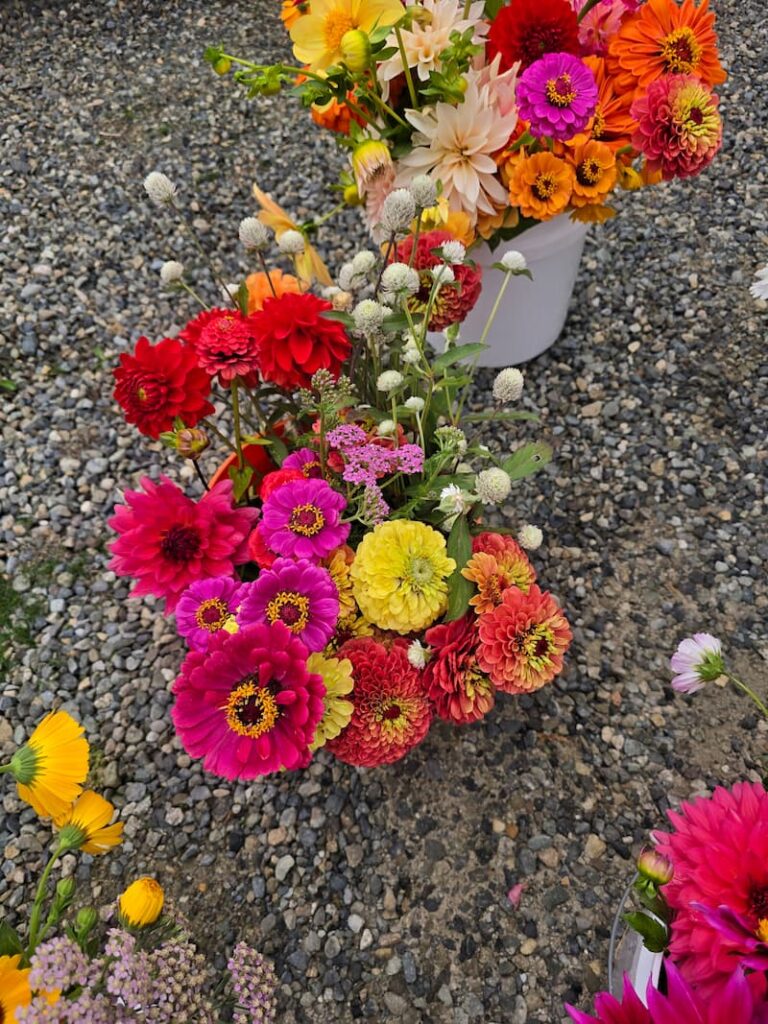
Timing the harvest correctly might be the most underrated tip on this list.
Cut too early, and the flowers don’t have enough stored energy to open properly. Cut too late, and they’re already past their peak.
For most flowers, the sweet spot is when the buds are just beginning to open or are showing good color but not yet fully open. They’ll finish opening in the vase, and you’ll get the full window of their bloom time.
4. Use Sharp, Clean Pruners and Cut at an Angle
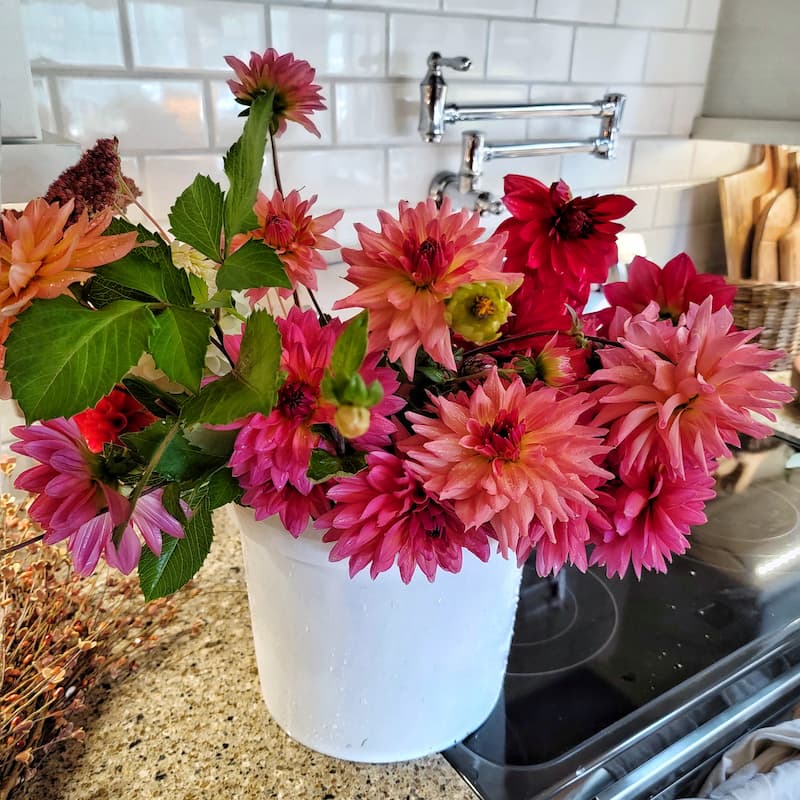
Dull scissors crush stem tissue. Crushed tissue can’t absorb water. It’s a simple equation with a frustrating result.
Always use sharp, clean pruners or shears. Make your cuts at a 45-degree angle, which increases the surface area available for water uptake and keeps the stem from resting flat against the bottom of the vase. Get the stems into water immediately after cutting. Immediately. Every second of air exposure matters.
Cold water between 35 and 50°F helps disperse air bubbles that can form in the stem. Most flowers prefer cold water. Bulb flowers like tulips, daffodils, and lilies are the exception and do better in cool, not ice-cold water.
Gardening Tips
Roses have guard petals that can be removed to allow your flowers to open up fully. These are the outermost 2 or 3 petals of the flower.
Putting a penny in a vase helps keep tulips from drooping.
5. Strip Foliage Below the Waterline
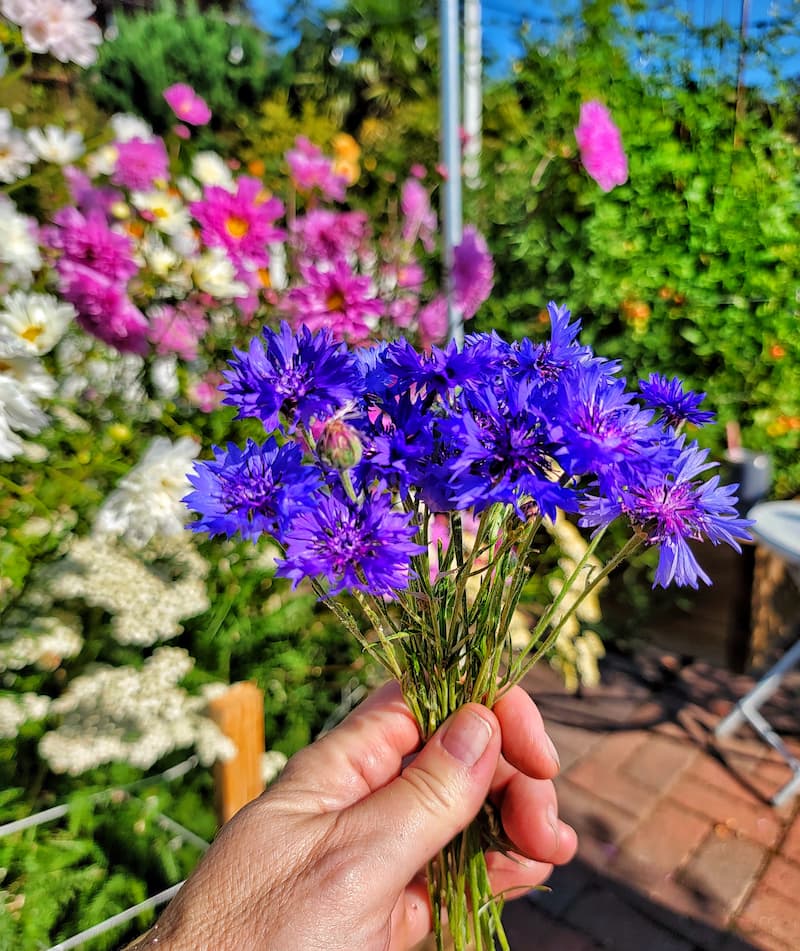
Any leaves sitting in the water will rot. Rotting foliage feeds bacteria, clouds the water, and significantly shortens vase life.
Strip everything below the waterline before the stems go in. It takes an extra minute, and it’s worth every second.
6. Let Flowers Rest Before Arranging
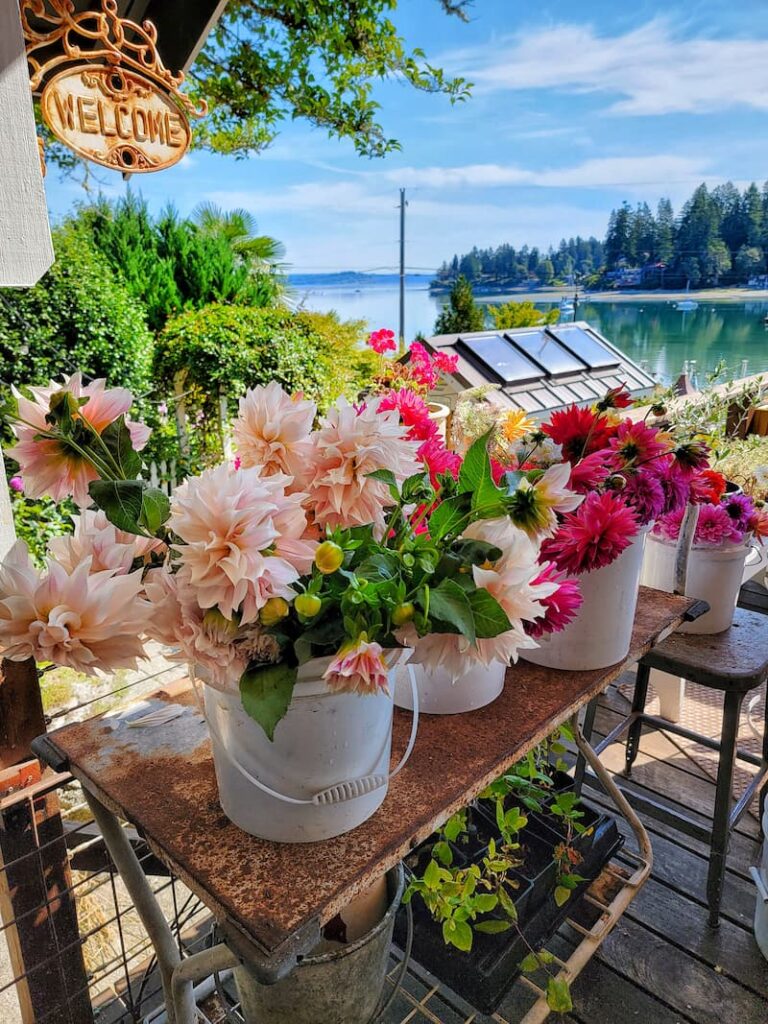
After harvest, bring the flowers into a cool, dark space and let them rehydrate for a few hours before you arrange them. This is the step most people skip, and it makes a real difference.
Think of it as giving the flowers a chance to recover from the transition before they go on display. A few hours of rest in a cool spot can add days to their vase life.
7. Use Flower Food
Those little packets of flower food that come with store-bought flowers? They work.
Flower food contains three things: citric acid to lower the pH of the water (making water uptake easier), a bleach component to inhibit bacterial growth, and sugar for a continued energy source now that the flower is no longer connected to the plant.
You can make a simple version at home. A common DIY flower food is one tablespoon of sugar, one tablespoon of white vinegar or a few drops of bleach, and a quart of water. It’s not an exact science, but it covers all three bases.
8. Change the Water Every 2 to 3 Days
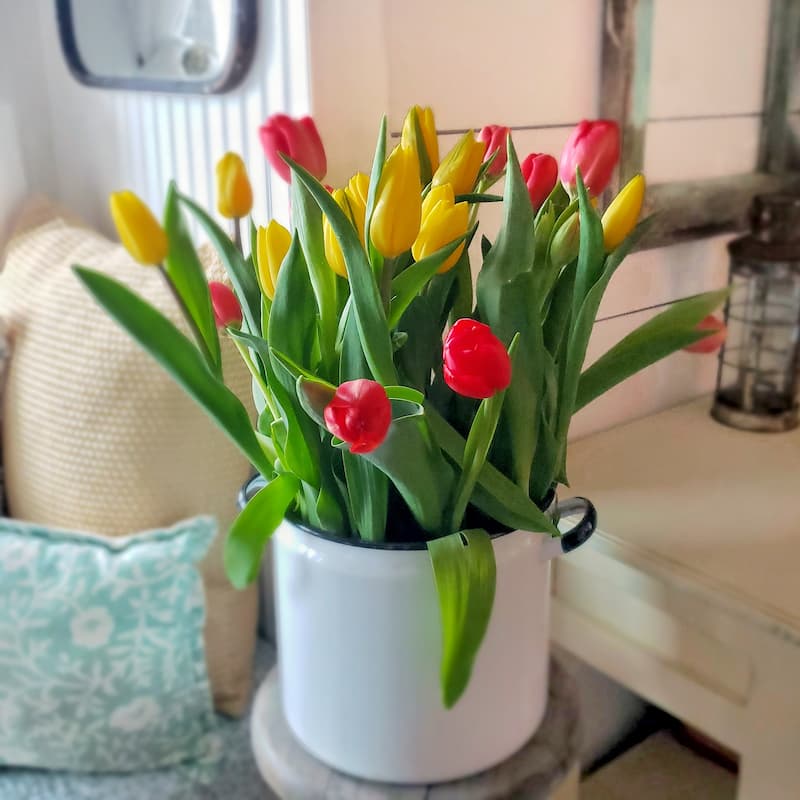
Keeping fresh water in your vessel is one of the easiest things you can do, and one of the most skipped. Every two to three days, dump the old water, rinse the vase, and refill with fresh cool water and more flower food.
While you’re at it, re-trim the stems. It takes maybe five minutes. Those five minutes can add several days to your arrangement.
9. Re-Cut Stems Regularly
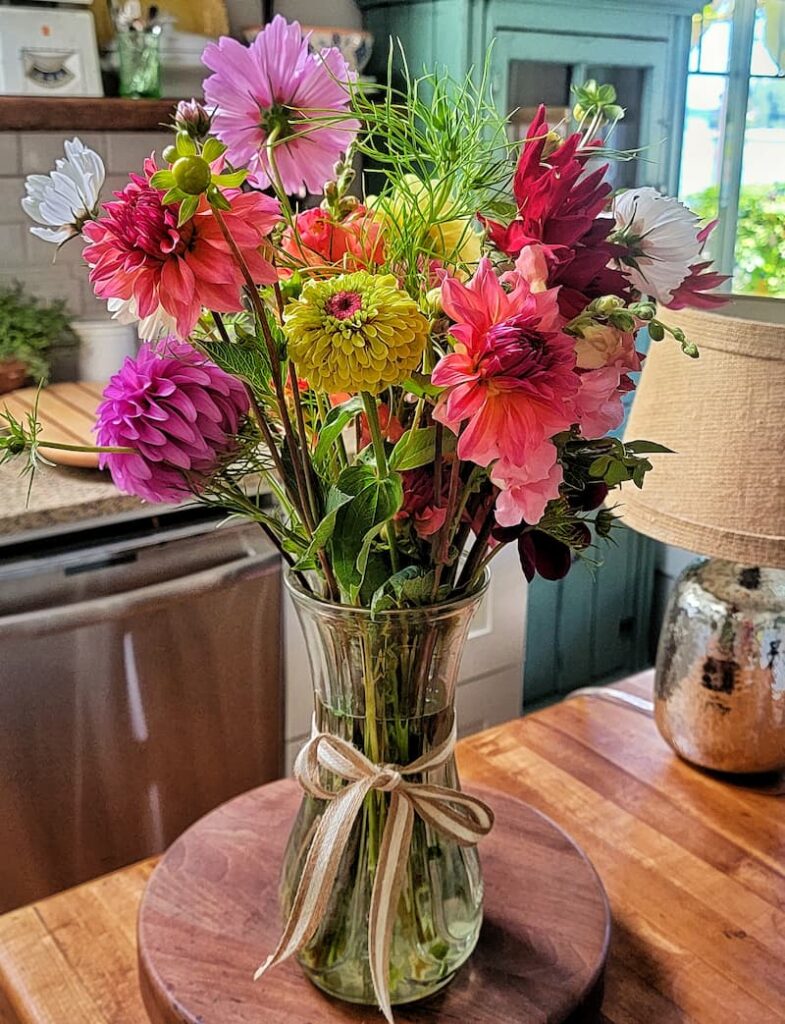
Stem ends get blocked over time. Air bubbles, bacteria, and cellular debris build up and limit water absorption. Re-cutting the bottom inch or two of each stem at a 45-degree angle every couple of days clears that blockage and gives the flowers a fresh pathway to water.
Do this every time you change the water, and you’ll notice a real difference in how long your arrangement holds.
10. Find the Right Spot in the House
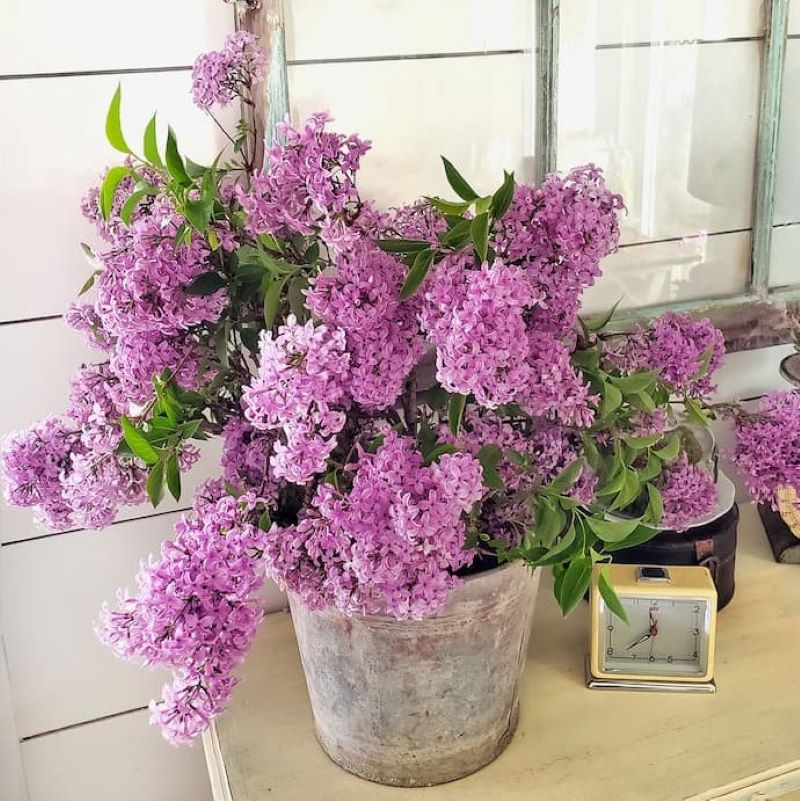
Where you put the vase matters more than most people realize. Cool temperatures and indirect light extend vase life. Direct sun, heating vents, fans, and appliances that throw heat all accelerate wilting.
Keep flowers away from fruit bowls, too. Ripening fruit releases ethylene gas, which triggers the aging process in flowers. Bananas, apples, and citrus are particularly active ethylene producers. A little distance goes a long way.
Tip
Do not store your cut flowers in a fridge with fruits and vegetables. They release toxins that will cause your flowers to wilt.
11. Refrigerate Overnight If You Can
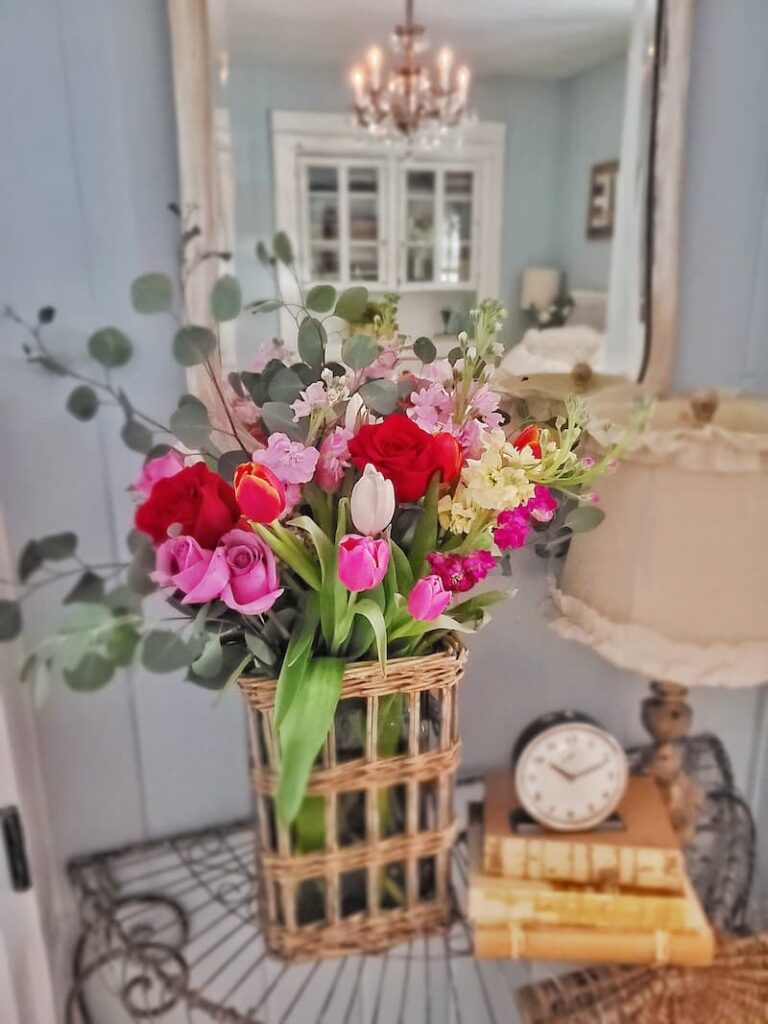
Florists do this for a reason. The cool, controlled environment of a refrigerator slows the aging process and reduces water loss.
Not every flower handles refrigeration equally. Some are sensitive to cold and can develop petal damage. And pulling them from cold air into a warm room can create condensation on delicate petals.
But for hardy flowers such as roses, alstroemerias, and chrysanthemums, a nightly chill can fully extend freshness.
12. Give Hydrangeas and Lilacs Extra Help
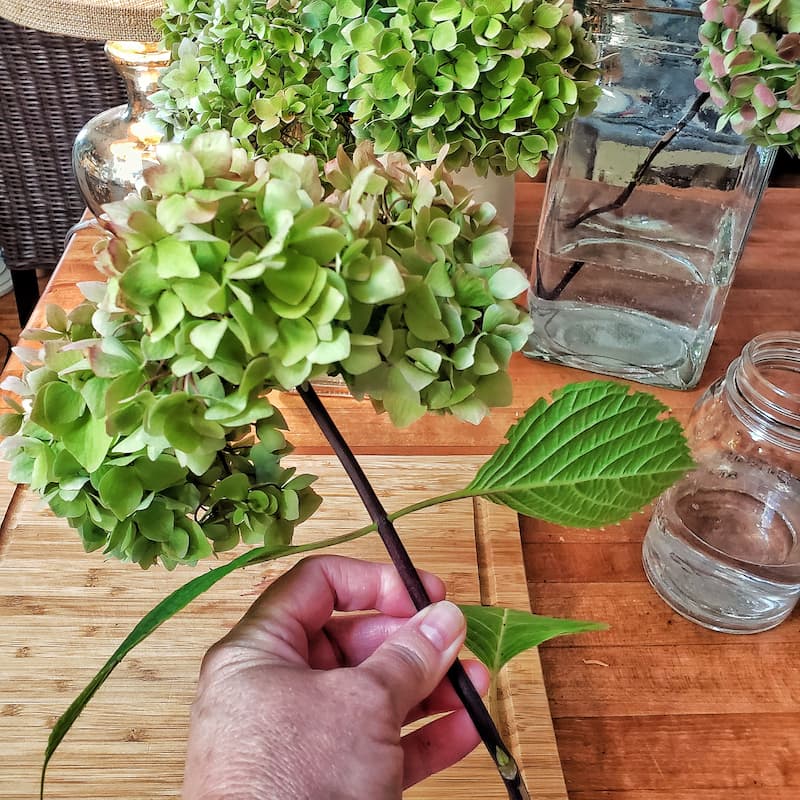
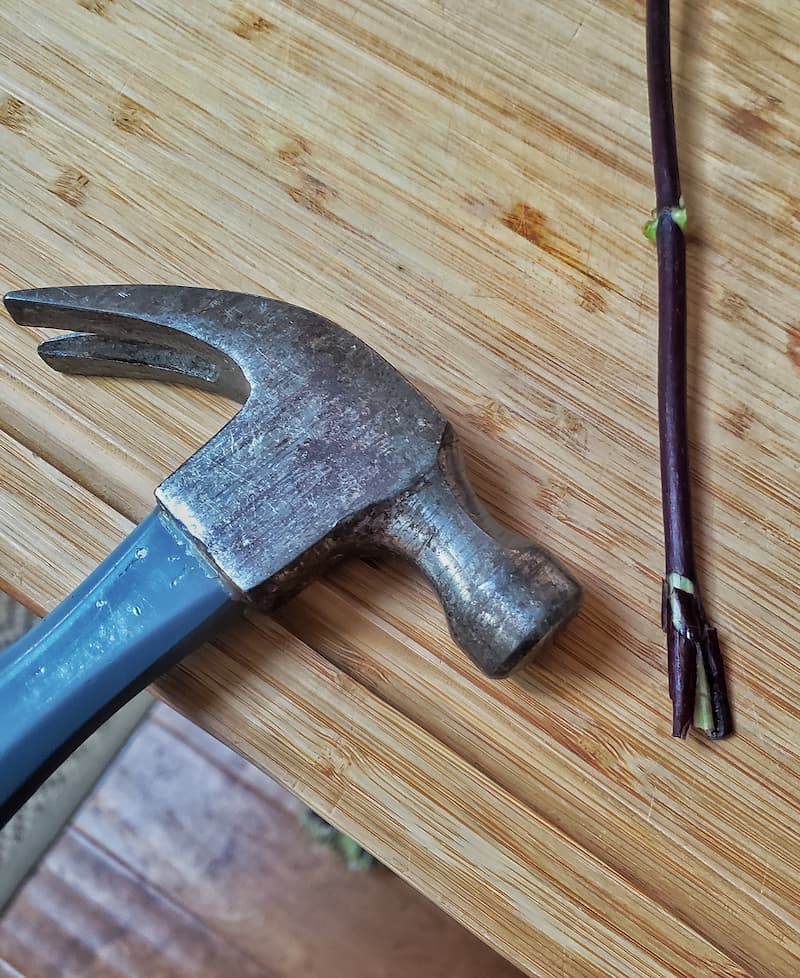
Beyond the standard angled cut, I smash the bottom inch or two of the stem with a hammer before putting these flowers in water. It sounds excessive, but it works.
The woody or thick stems of hydrangeas and lilacs don’t absorb water as efficiently as softer stems. Crushing them helps open up more surface area and gives them a better chance of staying hydrated.
13. Don’t Mix Certain Flowers
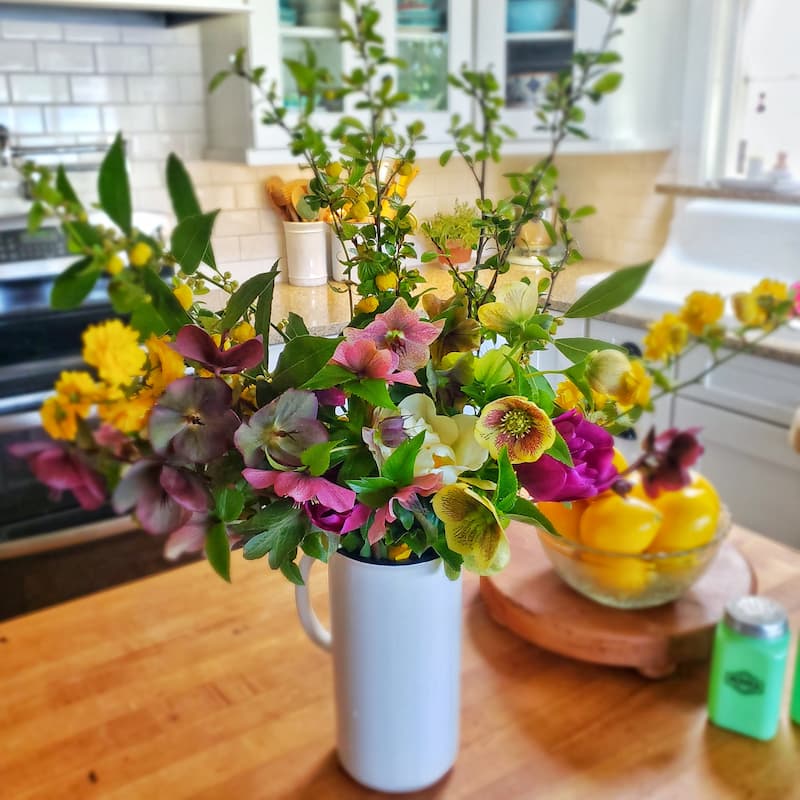
Some flowers are bad neighbors. Daffodils release a sap that can clog the stems of whatever’s sharing their vase, which is particularly hard on tulips. It’s best to condition daffodils in their own bucket first, or keep them in a separate vase entirely.
Some flowers produce ethylene gas as they age, which accelerates the decline of ethylene-sensitive flowers nearby. Roses, carnations, and lilies are the producers. Gerbera daisies, snapdragons, and certain orchids are more sensitive. If you’re mixing them, expect shorter vase life all around.
Common Questions About Cut Flower Care
What Can I Add to Vase Water to Keep Flowers Fresh?
Several household items can extend the vase life when added to the water in small amounts:
The most reliable combination is still sugar + acid + a small antibacterial component, which is exactly what commercial flower food provides.
Does Sugar Help Cut Flowers Last Longer?
Yes, with some nuance. Once a flower is cut, it can no longer produce its own sugars. Adding a small amount of sugar to the water gives the flowers an energy source, which can help buds open fully and extend the bloom period.
About 1-2 tablespoons per quarter of water is the right range. Too much sugar can encourage bacterial growth and offset any benefit.
Does Baking Soda Help?
No. Baking soda is alkaline, working against what flowers need. Most flowers prefer slightly acidic water for optimal water uptake. Baking soda pushes the pH in the wrong direction. Skip it.
Does White Vinegar Help?
Yes, in small amounts. White vinegar has mild antimicrobial properties and slightly acidifies the water, which helps with water uptake. About 1-2 tablespoons per quart is the right amount. Too much will damage the flowers.
What About Hairspray?
I’d avoid it. Hairspray can clog the stomata on flower petals, interfering with their natural processes. It also introduces chemicals into the water that the stems will absorb. There’s no real benefit for vase life, and there’s real potential for harm. It’s one of those garden myths that has outlasted its welcome.
A Few More Things Worth Knowing
Best Long-Lasting Cut Flowers to Grow
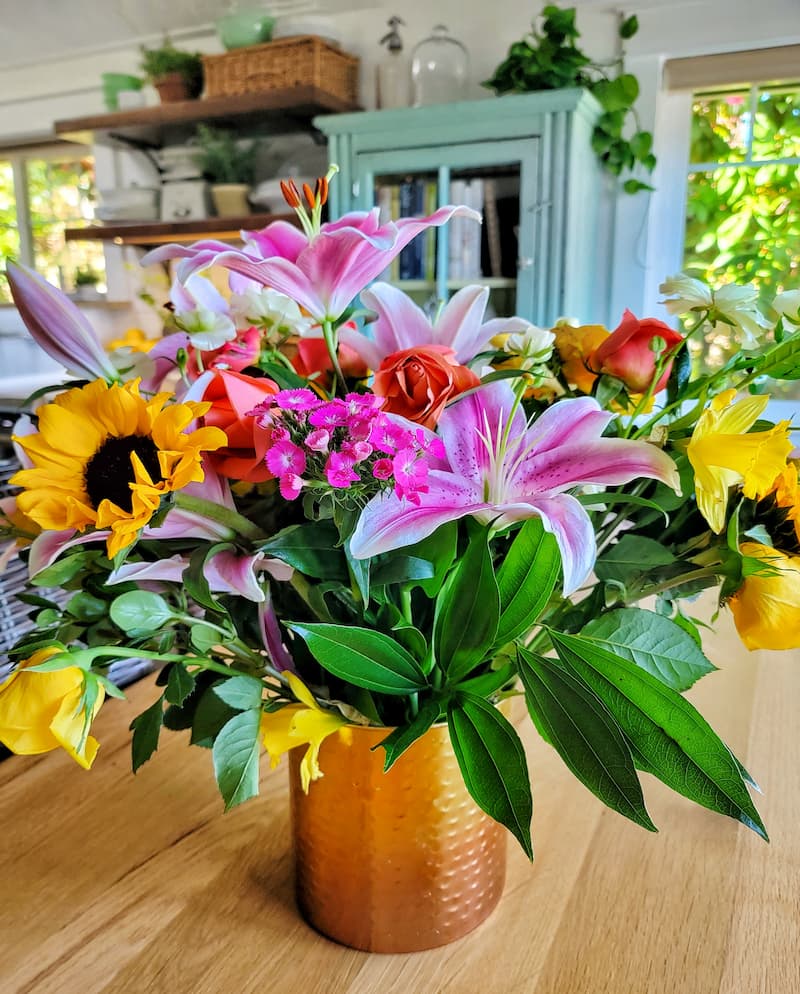
If you’re planning your cutting garden with longevity in mind, these tend to be the most reliable performers:
Flowers with Shorter Vase Lives
Some flowers are worth growing even though they don’t last long in a vase. You just enjoy them for what they are:
Final Thoughts on Extending Your Vase Life
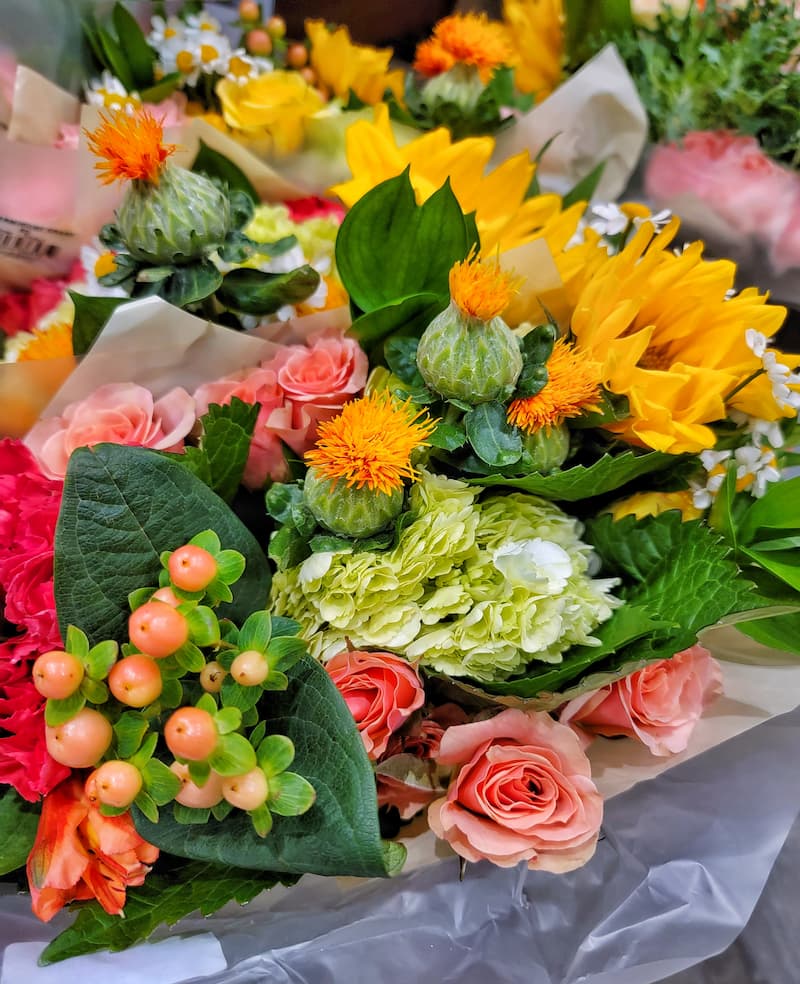
Most of this comes down to clean tools, cold water, good timing, and a little consistency. None of it’s hard once it becomes habit.
The harvest stage in that first hour of cutting makes the biggest difference. Get those two things right, and everything else is just refinement.
If you have any questions about a specific flower or something that hasn’t been working for you, leave it in the comments. I’m always happy to talk through what I’ve learned, including the mistakes that taught me most of it.
Until next time,
Happy Harvesting!

MORE POSTS
For You To Enjoy
Follow Me for More Inspiration

I have the worst time keeping my cut flowers fresh. In fact, sometimes I just don’t think it is even worth getting flowers since they quickly look terrible. I will definitely give some of these tips a try!
I had NO IDEA you could make your own flower food, Kim, that is so cool! I bring home flowers from the grocery store that look so good until I get them home and then I struggle to keep them fresh. It’s super frustrating! I had almost given up on being able to have pretty flowers until this post. Now I’m excited to try it again! Big hugs and thanks so much for always sharing your best, CoCo
You will have to let me know what you think after you make some flower food of your own CoCo.
OH I really needed this one. Thank you so much for a helpful and important post friend.
I’m so glad this post helped Chas!
This is so great and all your arrangements are gorgeous! I’m sharing with my followers in my weekend round up, “From My Neck of the Woods.” They will love it!
Thank you so much for sharing on your blog Kristin!
Great tips Kim. I can’t wait to try a few of these??
I’m so glad Ann. Let me know how they work for you.
Kim,
I’m loving these tips and have pinned for future reference!
I’m so glad Rachel. Thank you!
Thank you for all of your great tips Kim!
I’m so glad you liked them, Stacy! However, I know you don’t really need many. You are an expert!
These are such great tips, Kim. Thank you for sharing. I’m definitely going to be trying some of these. I’m also going to share a link to all of your tips with my readers tomorrow in my week in rewind post. I Hope you have a great weekend!
I really appreciate you sharing on your blog Jen. Thank you!