
15 Ways to Prepare Your Garden for the Fall Season Transition
There’s still so much the summer garden has to offer this time of year, but the first frost is coming, and a little prep now will make all the difference. Today I’m sharing the steps I take to move my garden from summer into fall.
Getting the garden ready for a new season is one of my favorite jobs. By September, the weather here in the Pacific Northwest is just about perfect for it. Here’s how I make the transition go smoothly.
As an Amazon affiliate, I earn a commission from qualifying purchases at no additional cost to you. My blog also features other affiliate links for your convenience. Click here to read my privacy policy.
Why Prepare Your Garden for Fall?
A little effort now gives your plants a head start on the cooler months ahead. Clearing out the garden keeps diseases from spreading and makes room for new growth. Cutting back tired plants lets them rejuvenate for next year. And feeding the soil now keeps everything healthy through the season change.
A Quick note about my garden
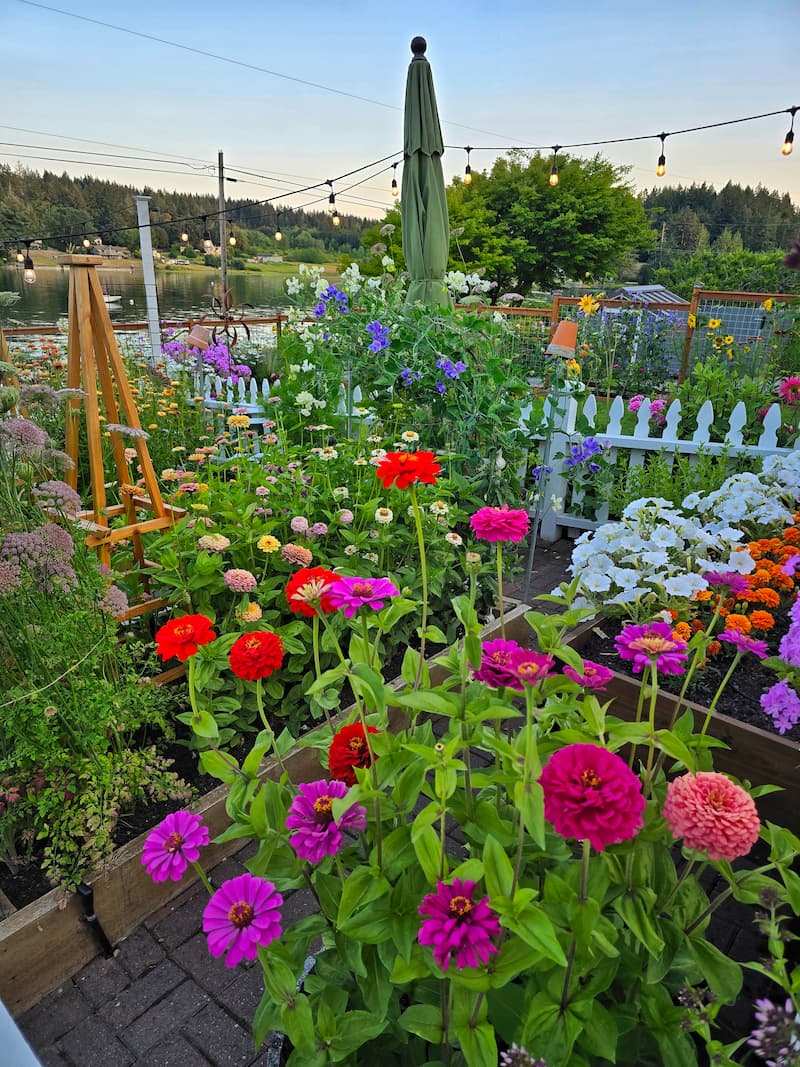
Most of the flowers I share here are grown from seed in our greenhouse and planted in raised beds and containers throughout our cottage garden.
When to Start Preparing Your Garden for Fall
The right time depends mostly on your climate. In milder regions, where warmth lingers into autumn, you have longer to enjoy summer blooms before making the switch. Where frost and cold winds come early, it pays to start sooner.
The general rule of thumb is to begin about 6 to 8 weeks before your average first frost date. That gives you time to trim fading perennials, clear out spent annuals, and think about what might thrive in the cooler weather ahead.
Favorite Fall Garden Prep Tools
Before you dig in, gather your basics: sturdy gloves, a rake for debris, a hand pruner or shears for cutting back, and a bin for what you clear out. These are the tools I reach for most:
15 Fall Garden Prep Tips to Transition Your Summer Garden
1. Assess Your Garden’s Needs
Start by walking the garden and taking stock. Are your summer flowers still healthy, or starting to droop? Any spots struggling with pests or disease? Sizing things up now tells you which plants stay, go, or just need a little extra care before problems spread.
2. Trim Back and Prune Perennials
Cut back any perennials that are fading or showing disease, using sharp, clean pruners. Depending on the plant, trim to just above healthy new growth or a few inches above the ground. It encourages fresh growth and stops disease from spreading. Removing spent flower heads also pushes more energy into blooms for the rest of the season.
3. Remove Spent Annuals
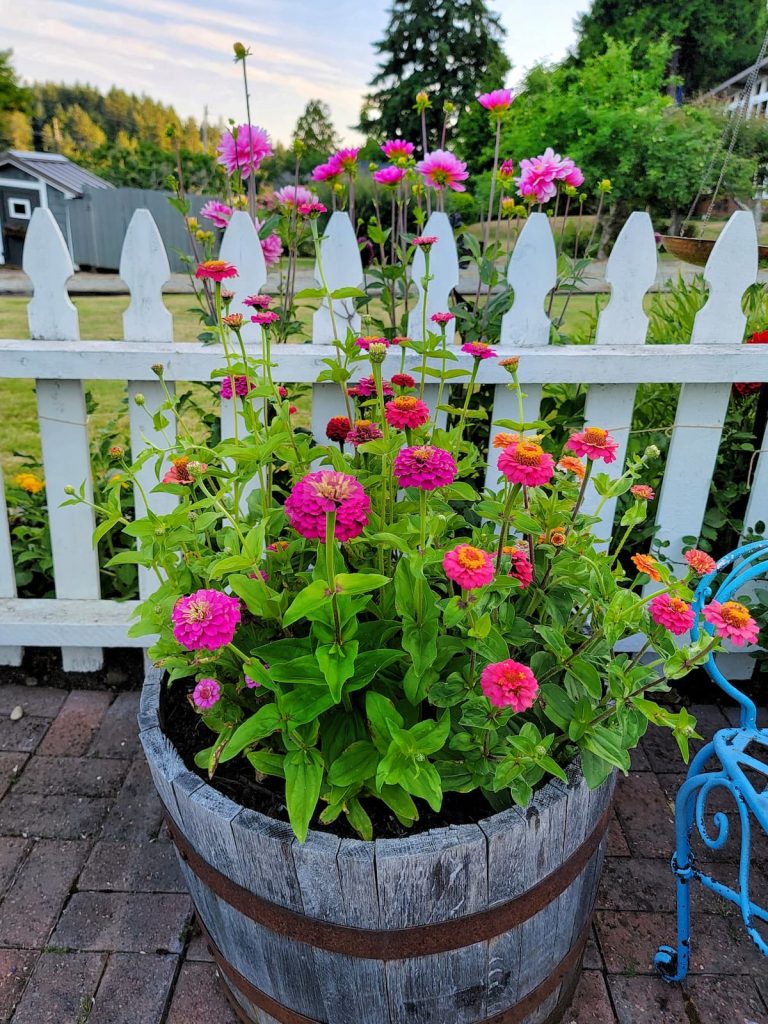
When an annual shows several of these signs together, it’s spent:
Gently pull them, roots and all, and shake off the soil. If they’re disease-free, they can go on the compost pile. Clearing spent annuals keeps disease, pests, and fungus from spreading, and replacing them with fresh fall plants keeps the garden looking vibrant.
4. Clean and Clear Out Garden Beds

Rake up fallen leaves, twigs, and debris that have collected in the beds. It’s one of the best things you can do for a fall garden: it tidies the space and cuts down on the hiding spots pests love.
5. Inspect for Diseases and Pests
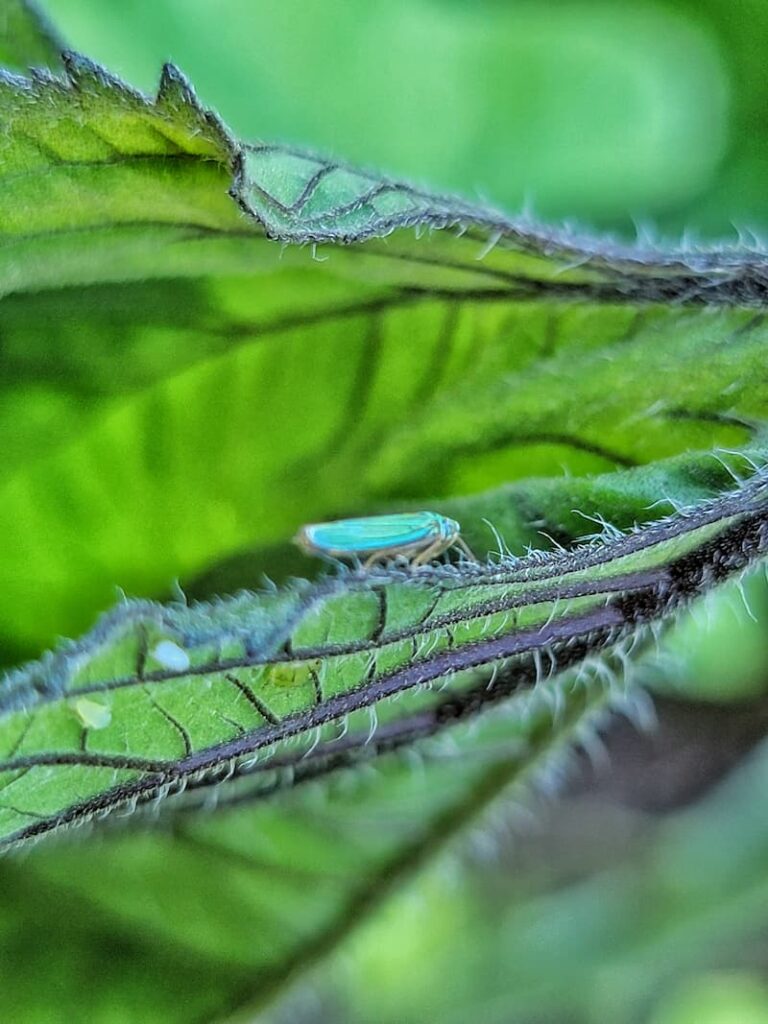
While you clean, keep an eye out for disease or pests. Remove any affected plants to stop the spread, and throw away diseased material rather than compost it. For more, see my guide to natural and organic pest control.
Let’s Plan Your Dream Garden With Our
Gardening Planner
Unlock Your Garden’s Potential.
Our 35-page Ultimate Garden Planner is designed to help you organize, track, and flourish in your gardening endeavors.
Get yours for $4.99
6. Add Mulch or Leaves to Your Beds
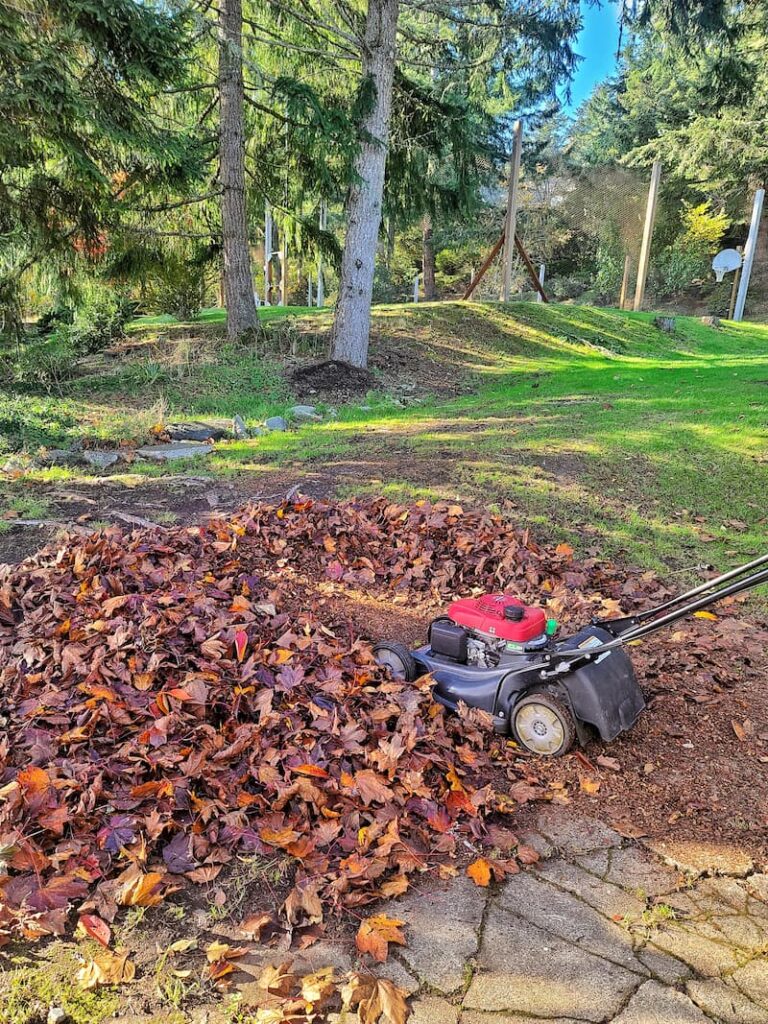
Once the beds are clear, refresh your mulch. A 2- to 3-inch layer blocks weeds, holds moisture, insulates the soil, and adds organic matter for a healthier spring garden. Fallen leaves make a great mulch substitute and feed the soil as they break down.
7. Water and Nourish the Soil
After clearing, water the beds well to settle the soil and help remaining plants recover. If you’re adding fall plants, work in some compost or organic fertilizer to feed the soil first.
8. Divide and Transplant Perennials
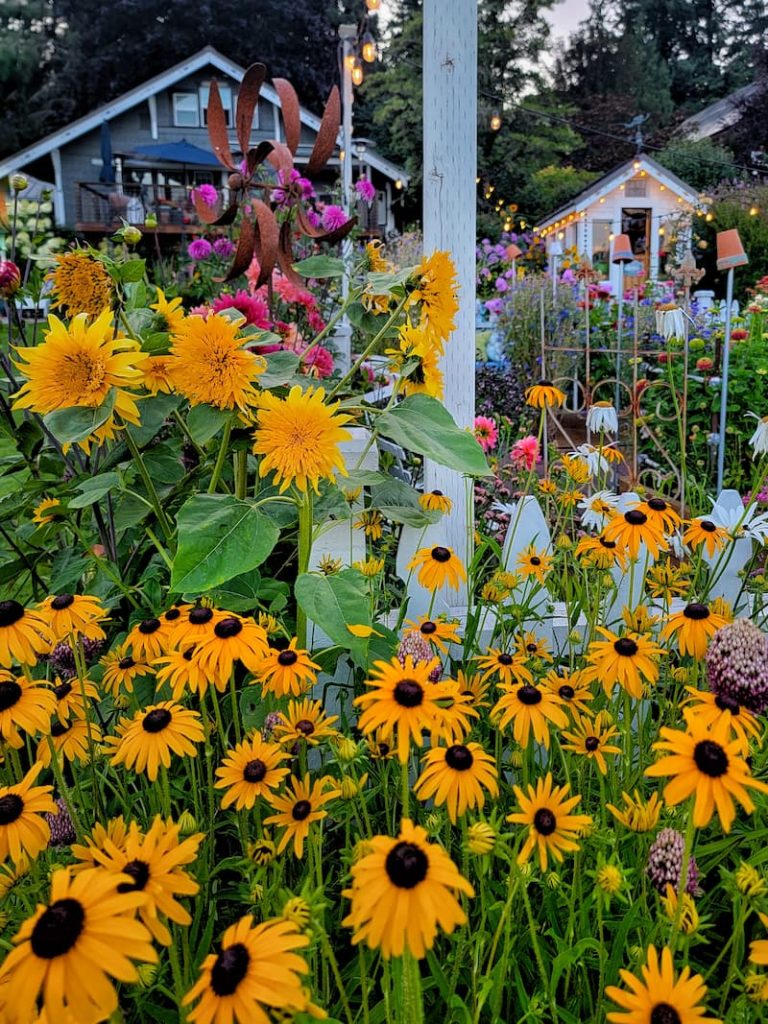
Once the summer heat breaks, divide any mature perennials that are crowding their space. Move the divisions elsewhere in the garden, or share them with friends and neighbors.
9. Keep Weeds Under Control
Stay on top of weeds through fall, since they steal water and nutrients from your plants. Keeping the beds mulched helps a lot by blocking the sunlight weeds need to sprout.
10. Replace Summer Annuals With Fall-Friendly Options
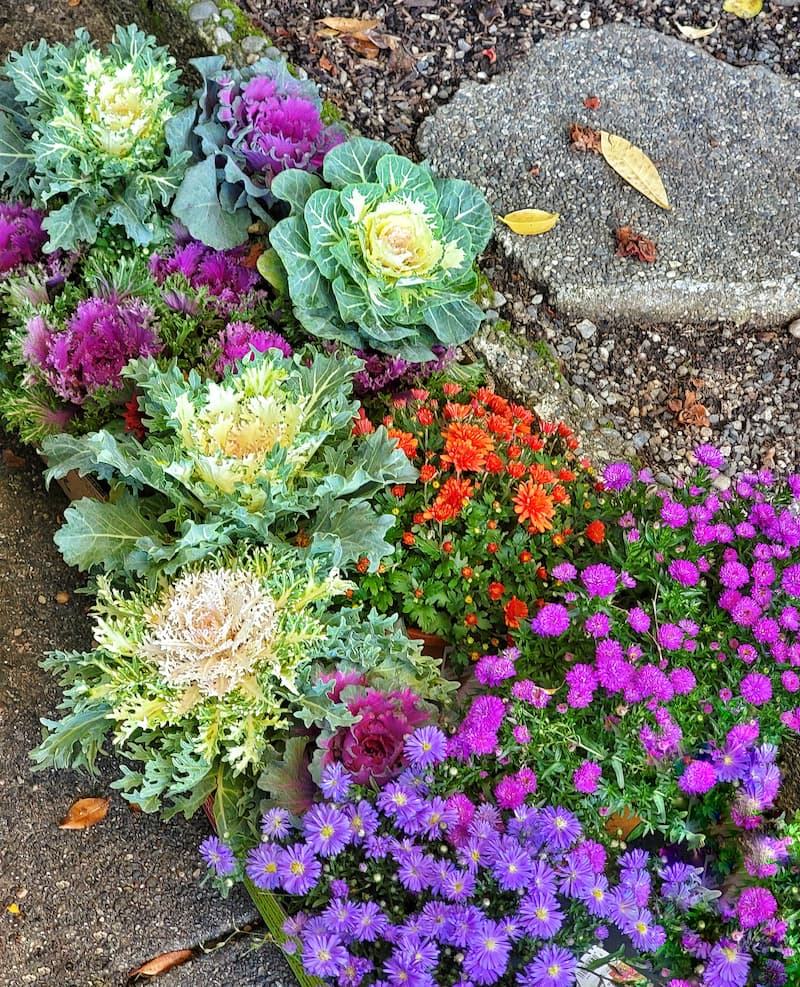
After pulling spent annuals, fill the gaps with autumn plants for uninterrupted color. Pansies, verbena, mums, cabbage, and flowering kale all work beautifully in container gardens. It’s usually too late to start these from seed now, but your local nursery will have plenty of fall annuals ready to go.
11. Plant Trees and Shrubs
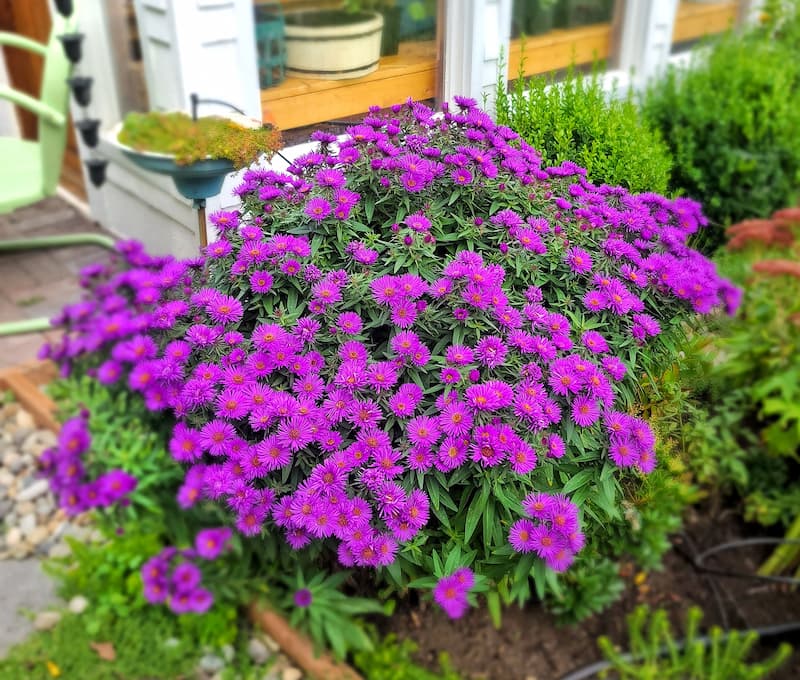
Fall is the ideal time to plant trees and shrubs. The soil is still warm enough for roots to establish, and planting well before the first frost gives them time to settle in before winter.
12. Plant Bulbs for Spring Flowers
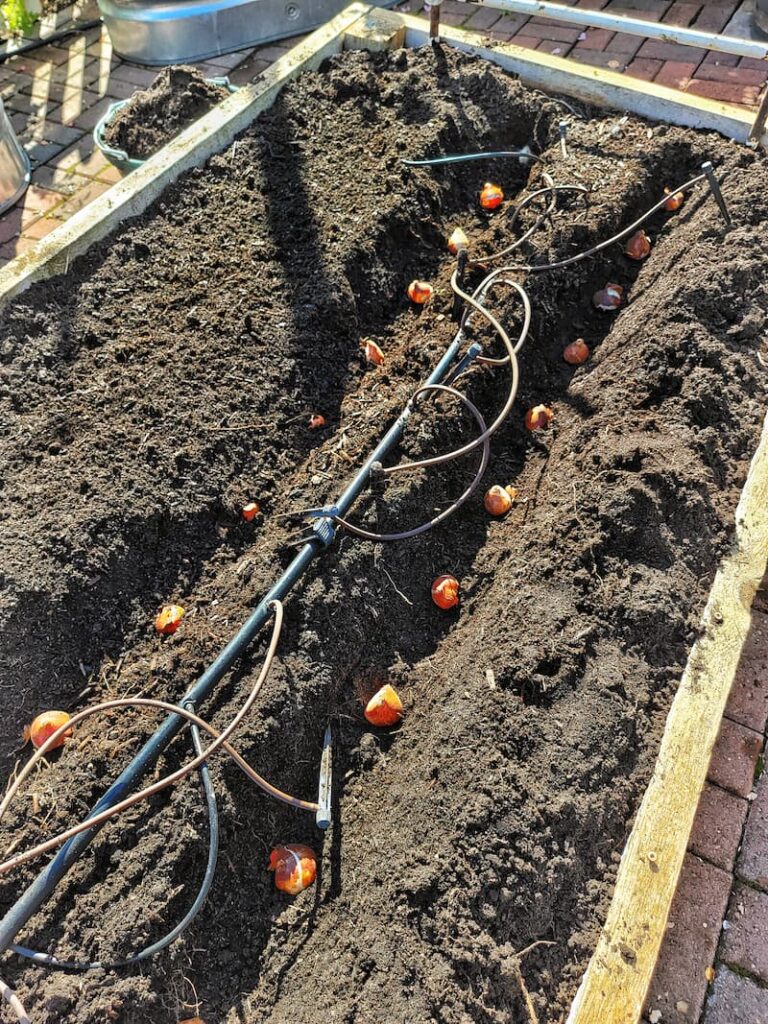
Fall is when you lay the groundwork for spring. Planting bulbs now is one of the easiest ways to guarantee a colorful spring garden.
13. Grow a Fall Vegetable Garden
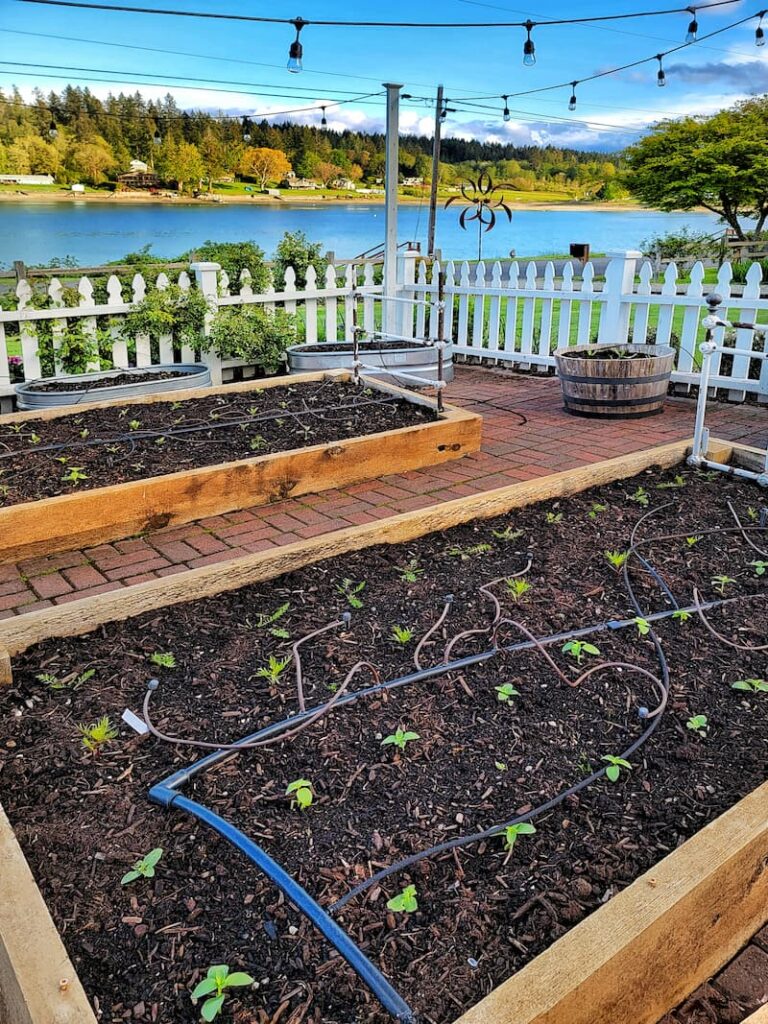
Leafy greens like lettuce, spinach, kale, and cabbage all take well to fall planting, as do root crops like carrots, beets, and radishes.
14. Protect Tender Plants
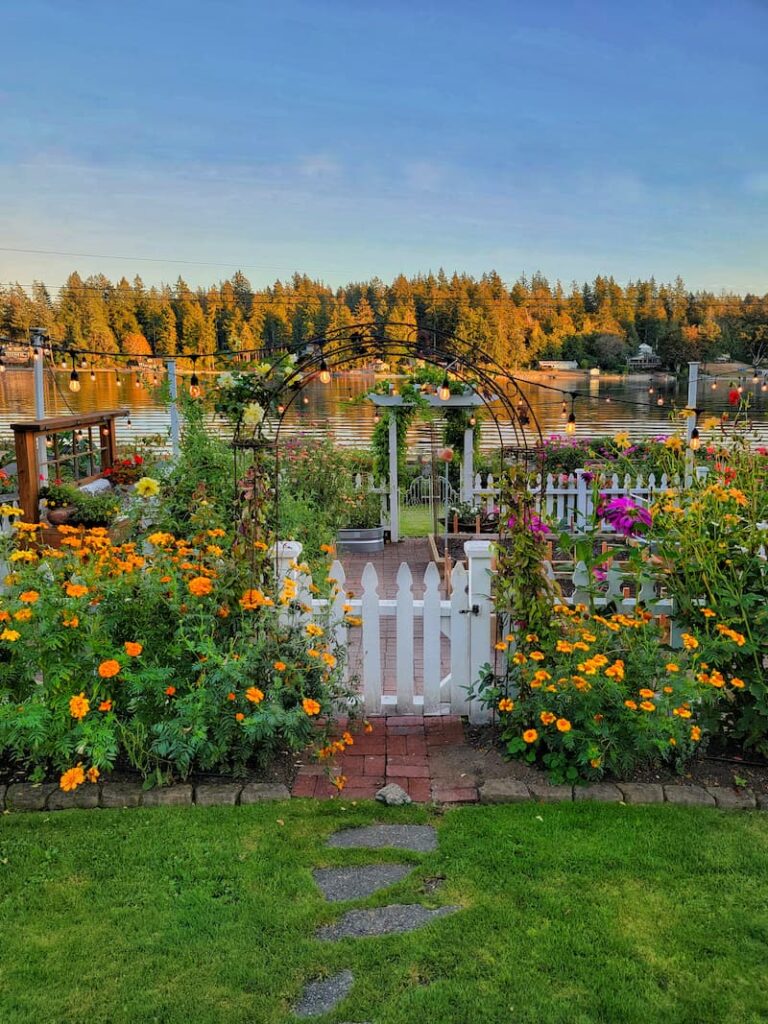
Shielding delicate plants from early frost is key to getting them through. A few ways to do it:
15. Plan and Make Notes for Next Year
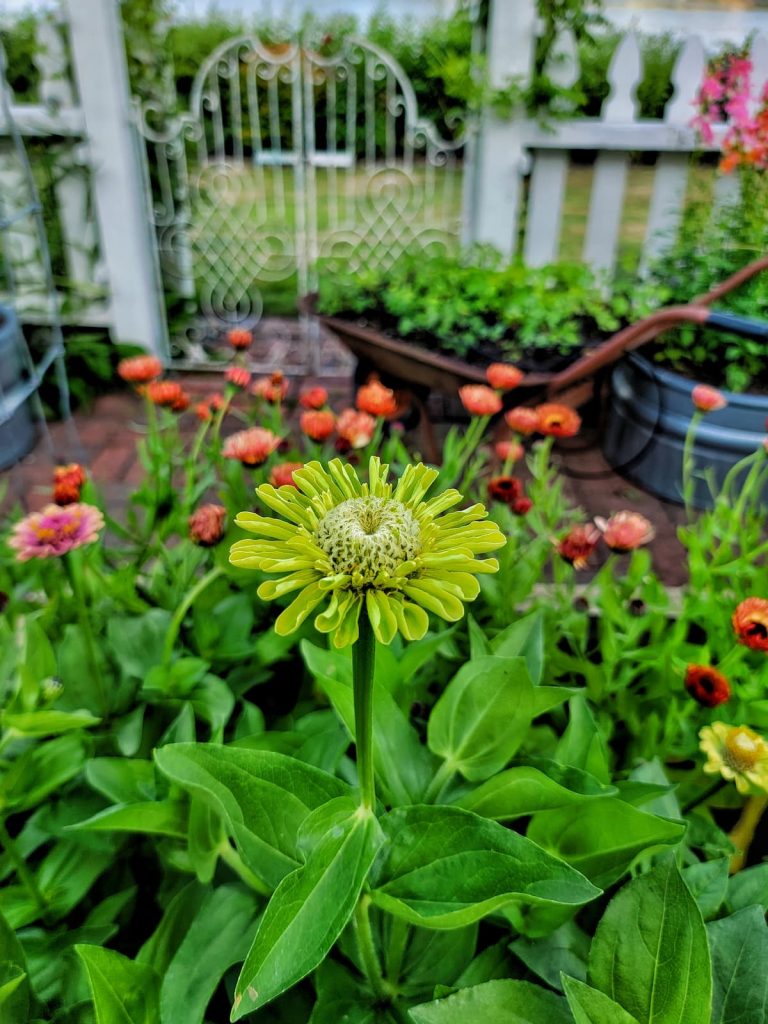
My goal is a garden that transitions seamlessly from season to season, one perennial fading as the next takes its place. That takes planning.
Now is the time to walk the garden and jot down what worked and what didn’t in your garden planner or journal. I photograph each area every season, so I can compare over the months, looking for holes, gaps in color, or two flowers planted side by side that didn’t complement each other. Those get moved next year.
Garden Supplies and Tools
Check out my favorite garden supplies and tools for the growing season. Whether you’re looking for potting soil or deer repellent, you’ll find what I use in my own garden.
Common Questions About Preparing Your Garden for Fall
It depends on your climate. If warm temperatures linger into autumn where you are, start about 6 to 8 weeks before your average first frost. In colder regions where frost arrives earlier, give yourself 8 to 10 weeks, since the growing season is shorter and you’ll want everything set before the chill.
Choose one that supports root growth and overall health heading into winter. A balanced fertilizer with equal or slightly higher nitrogen, phosphorus, and potassium (the N-P-K on the label) works well. Nitrogen feeds leafy growth, phosphorus builds roots and moves energy through the plant, and potassium boosts disease resistance and cold tolerance.
Organic options like compost or well-rotted manure are excellent too, enriching the soil and improving its structure. Apply a few weeks before the first frost, so plants have time to absorb the nutrients. Follow the package rates because moderation matters, since over-fertilizing harms both plants and the environment.
Ease off the nitrogen-heavy feeds and shift toward root development with slow-release or organic options. Timing and the specific plant matter, so adjust your approach to support the garden as it heads into the cooler months.
Start by clearing out plant debris, spent annuals, and weeds so you’re working with a clean bed. From there:
Test Your Soil
A soil test kit (or a sample sent to a lab) tells you your nutrient levels and pH, so you know what amendments the soil actually needs.
Add Organic Matter
Work compost, well-rotted manure, or leaf mulch into the top few inches with a fork or tiller. Improve structure, drainage, and nutrient retention.
Adjust pH if Needed
Based on your test, lime raises pH and sulfur or peat moss lowers it. Most plants like a slightly acidic to neutral range.
Mulch
A layer of straw or wood chips retains moisture, suppresses weeds, regulates soil temperature, and feeds the soil as it breaks down.
Rotate Crops
In a vegetable garden, moving crops to different spots each year breaks pest and disease cycles and keeps the soil healthy.
Avoid Compaction and Pooling
Stay off the garden beds when the soil is wet to prevent compaction, which restricts roots and water movement. Keep beds slightly raised so water drains rather than pools, which helps prevent root rot.
Final Thoughts on Preparing Your Garden for Fall
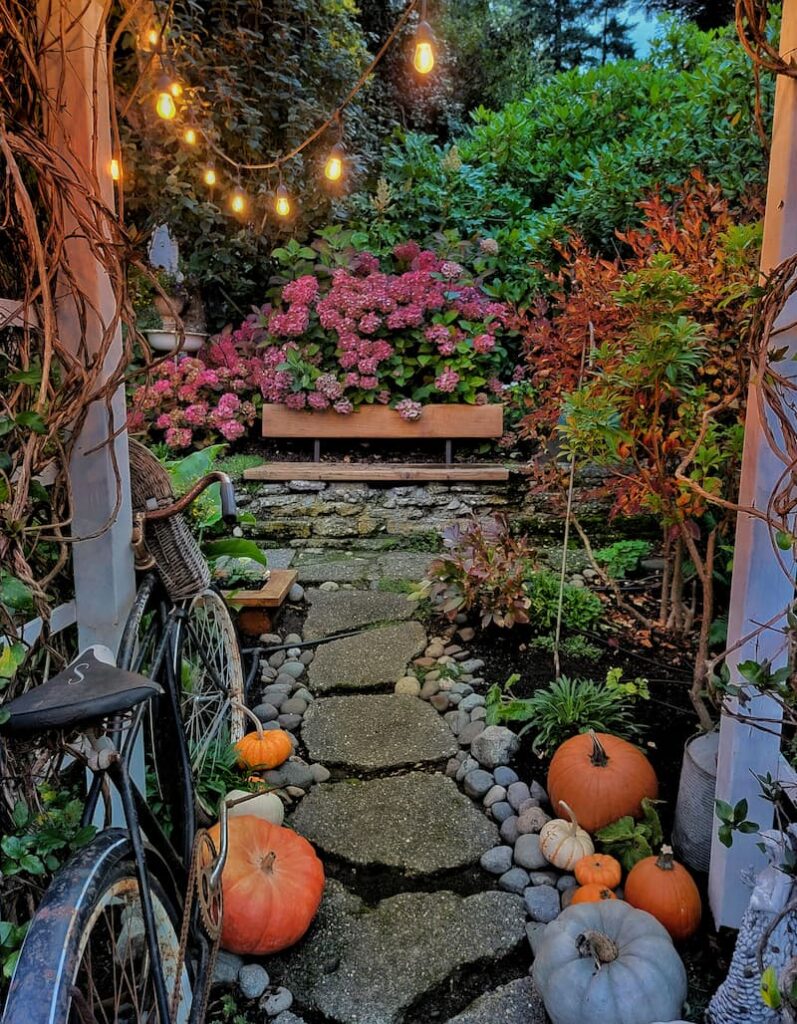
Prepping your garden for fall gives your plants the head start they need for the colder months, and sets next year’s garden up for success. I hope these ideas help you build a plan for your own space.
Have questions or tips of your own? Share them in the comments, and pass this post along to anyone who could use it.
Until next time,
Happy Gardening!

I’m a self-taught hobby gardener. Everything I share on my blog is my opinion and what has worked for me.
MORE POSTS
For You to Enjoy
Follow Me for More Inspiration


Kim,
These tips are so informative. Thanks for sharing. I’ll share a link on Sunday.
Great tips Kim!!! It’s been so hot here I’m looking forward to fall!
This post is such a great help for me Kim!! Thanks so much!!! I’m excited to share it with my followers in my weekend round up!
I live in Spanaway, not on the Sound, but close enough to receive the benefits of temperate winters. So you’re saying to mulch now, not after the first frost date (October 1-15, in my zone, 8b)? And that will prolong this year’s flowering season?
Hi Karen,
I would add mulch or mowed up leaves (that’s what I use, and they have much of the same benefits of mulch) before the first hard frost. I do this for my most vulnerable and sensitive plants to protect them from the winters cold. It has saved my dahlias, bulbs and other plants when we have had exceptionally cold winters and frost. I do not start doing this until the leaves start falling to the ground. You have plenty of time. Let me know if you have any other questions.
Oh your garden is so gorgeous Kim! I’m holding onto summer too, but your tips are a great way to transition to fall. I’m inspired! 🙂 Hope you have a lovely day!
These are perfect tips! I tend to neglect fall cleanup and always regret it! If you have time I would love to have you link up at Embracing Home and Family!
Thanks Jennifer! I will visit your party right now!
The dahlias look amazing!!! Your gardens are so beautiful Kim!!! ??
Thank you Stacy! I’m loving your garden too! So glad you are growing dahlias now! Sedum Autumn Joy is over of my favorites!