
How to Start and Keep a Gardening Journal for Your Garden Success

Have you ever walked out to the garden in spring and tried to remember what went so well in that one bed last year: the variety name, the planting date, when it started blooming? Or why has that corner had a slug problem every August?
Memory is unreliable. Six months is a long time, and the details that seem obvious in July are genuinely hard to reconstruct the following March when you’re staring at seed catalogs.
Keeping a garden journal is a single habit I’d recommend most to any gardener, whether you’re in your first season or your fourteenth. It doesn’t need to be elaborate. What matters is capturing the information while it’s fresh, so you have something real to work from when you’re planning ahead.
Here’s how to start one, what to put in it, and how to actually keep up with it.
As an Amazon affiliate, I earn a commission from qualifying purchases at no additional cost to you. My blog also features other affiliate links for your convenience. Click here to read my privacy policy.
What Is Garden Journaling?
The garden journal is simply a dedicated record of what happens in your garden: what you plant, when you plant it, how it performs, what the weather does, what pests show up, and what you’d do differently. It can live in a notebook, a binder, a digital app, or a combination.
The format matters less than the habit. A journal you actually use is more valuable than the beautifully designed one that sits on a shelf. I use a three-ring binder with printed pages, tucked with empty seed packets and plant labels. It works for me because it’s accessible, expandable, and holds everything in one place.
The entries themselves can be as brief as a few lines or as detailed as you want. What you’re building is a reference that grows more useful each season.
A Quick note about my garden
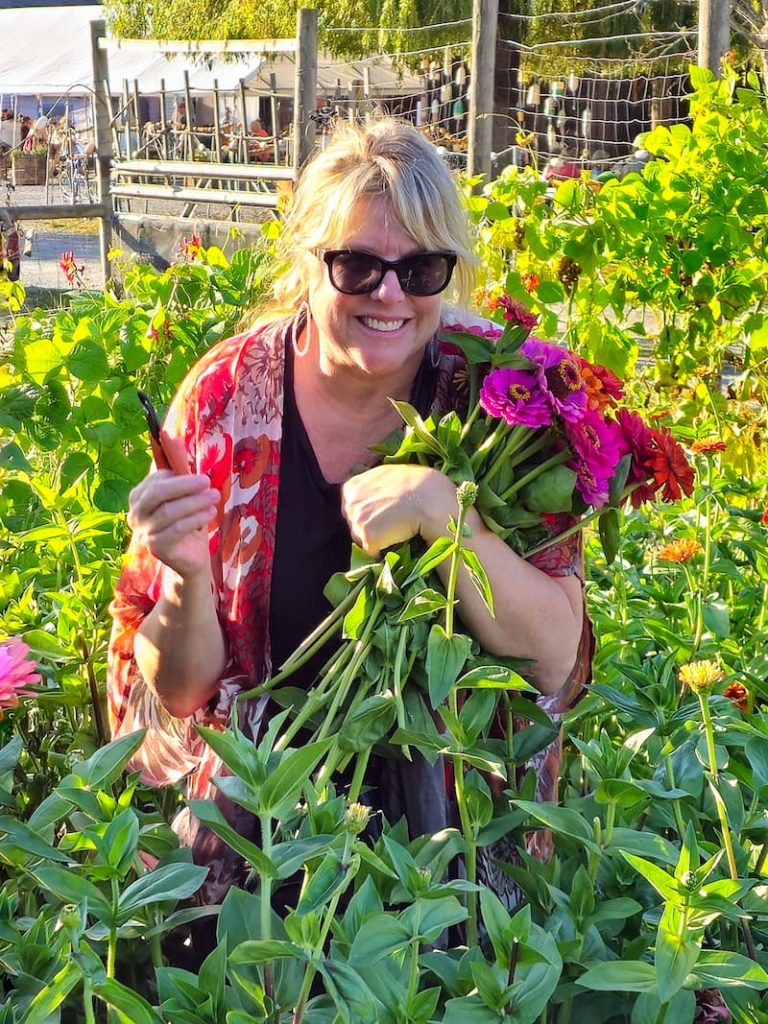
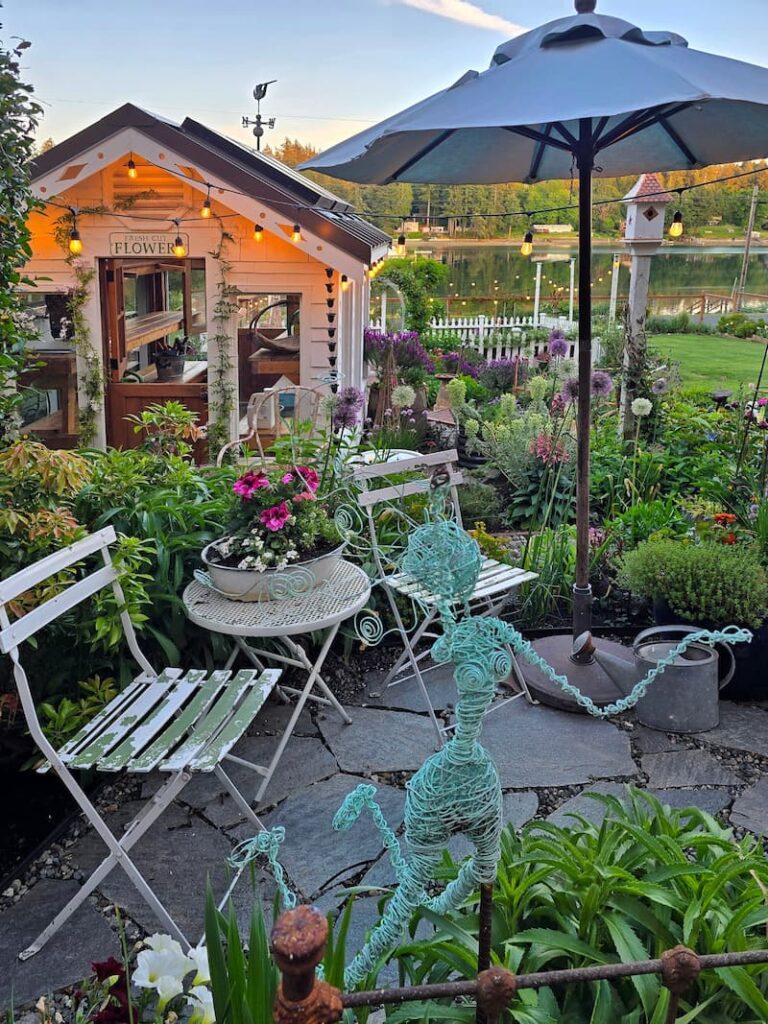
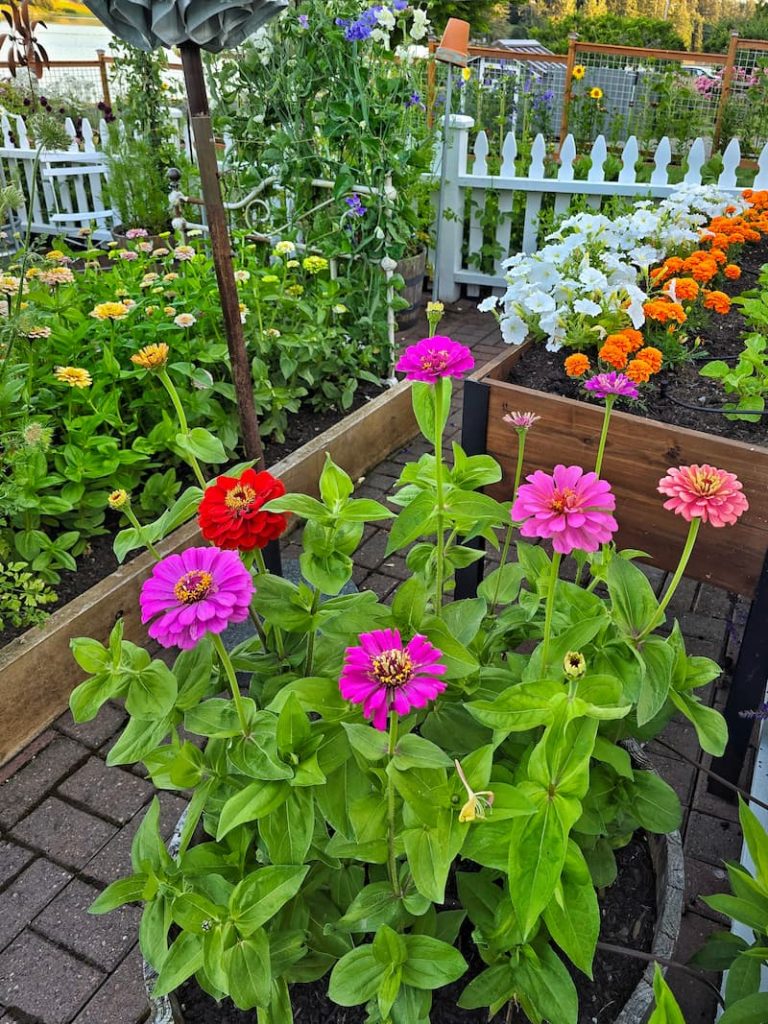
Most of the flowers I share here are grown from seed in our greenhouse and planted in raised beds and containers throughout our cottage garden.
Why Keep a Garden Journal?
The case for journaling is pretty simple: gardening is a long game, and a written record is the most reliable tool you have for improving year over year. Here’s what it actually does for you.
Tracks Progress You’d Otherwise Forget
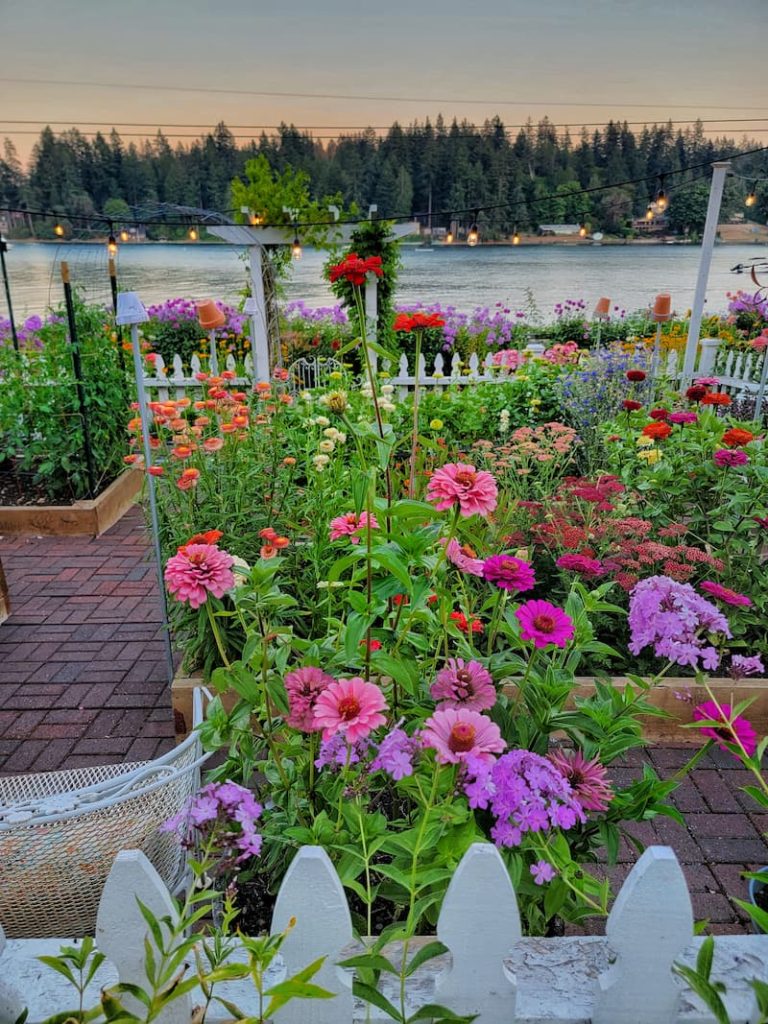
Planting dates, germination times, first bloom dates, peak harvest windows: these details feel obvious when you’re living them and genuinely difficult to remember six months later. A journal captures them in real time, so you have accurate information when you’re planning rather than approximate guesses.
Reveals Patterns Over Time
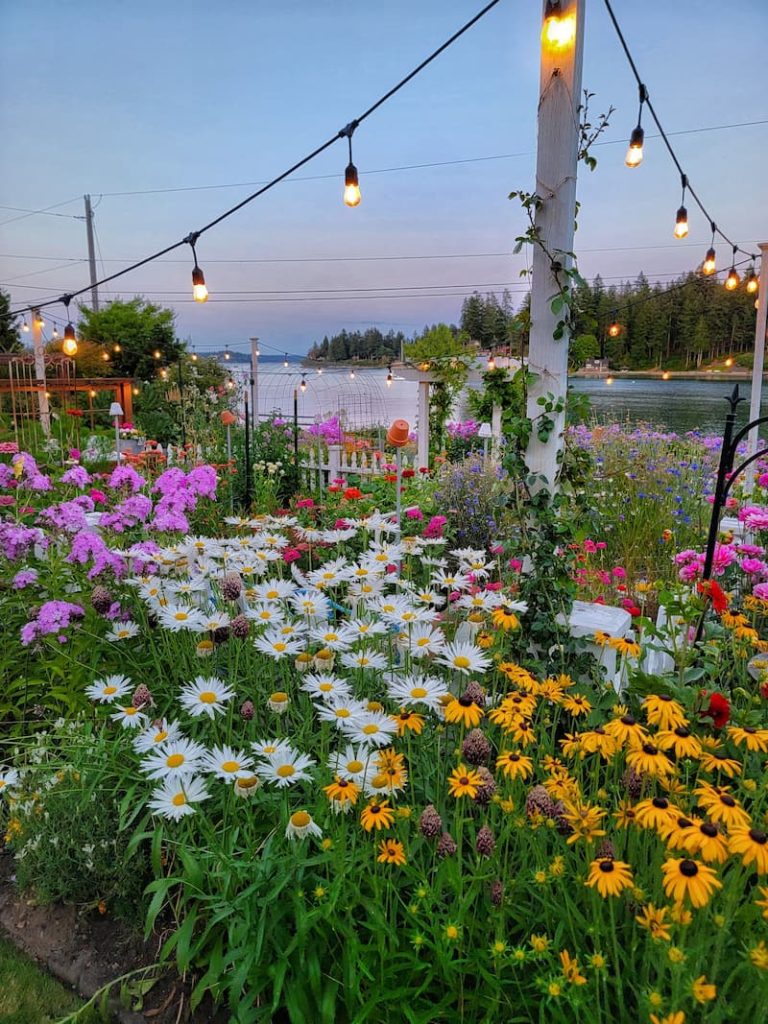
One season of notes is useful. Two or three seasons of notes start to show patterns that you wouldn’t notice otherwise: which bed tends to stay wet after heavy rain, which pest pressure peaks in mid-July, which variety consistently outperforms on that south-facing slope.
That kind of accumulated knowledge is what makes experienced gardeners effective.
Helps You Learn from Mistakes
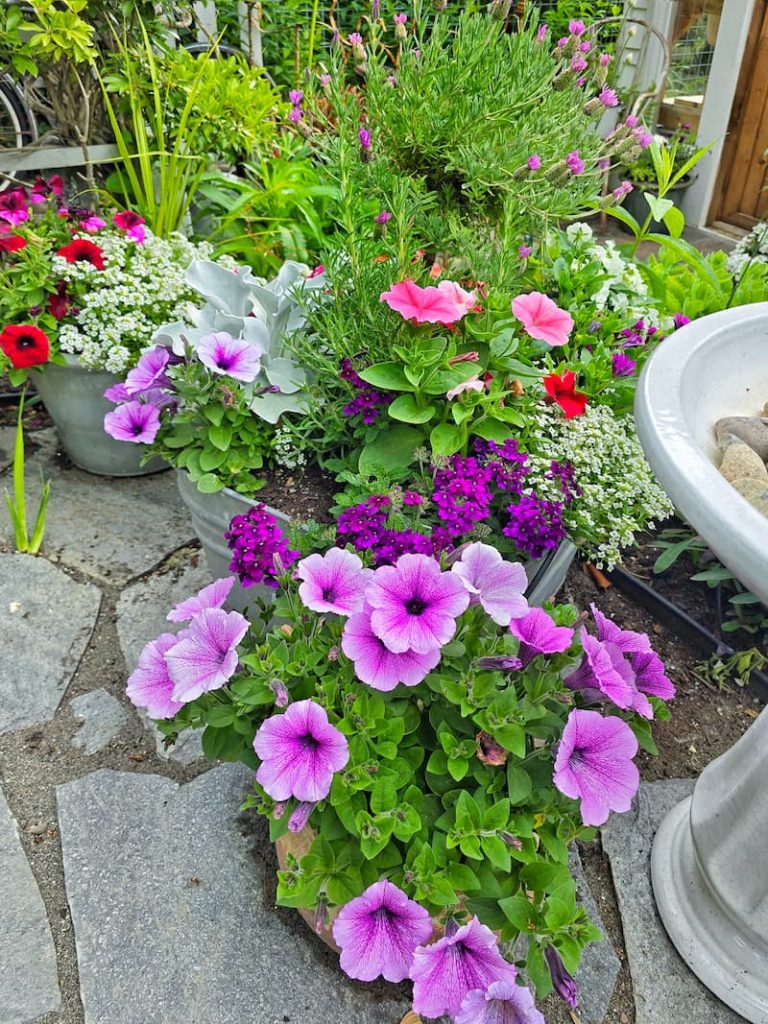
When something goes wrong (and it will), having a record of what you did makes it much easier to understand why. Was the plant already stressed before the pest arrived? Did the drainage problem start after you amended that bed? Was the timing off because of a late frost? A journal gives you that context to answer these questions rather than guessing.
I’ve made mistakes in my cut flower beds that I would almost certainly have repeated if I hadn’t written them down. The year I had a serious slug damage, I noted exactly which beds were affected, what the soil moisture had been like, and when the damage started. The following year, I had the iron phosphate bait out before it became a problem.
Saves Money
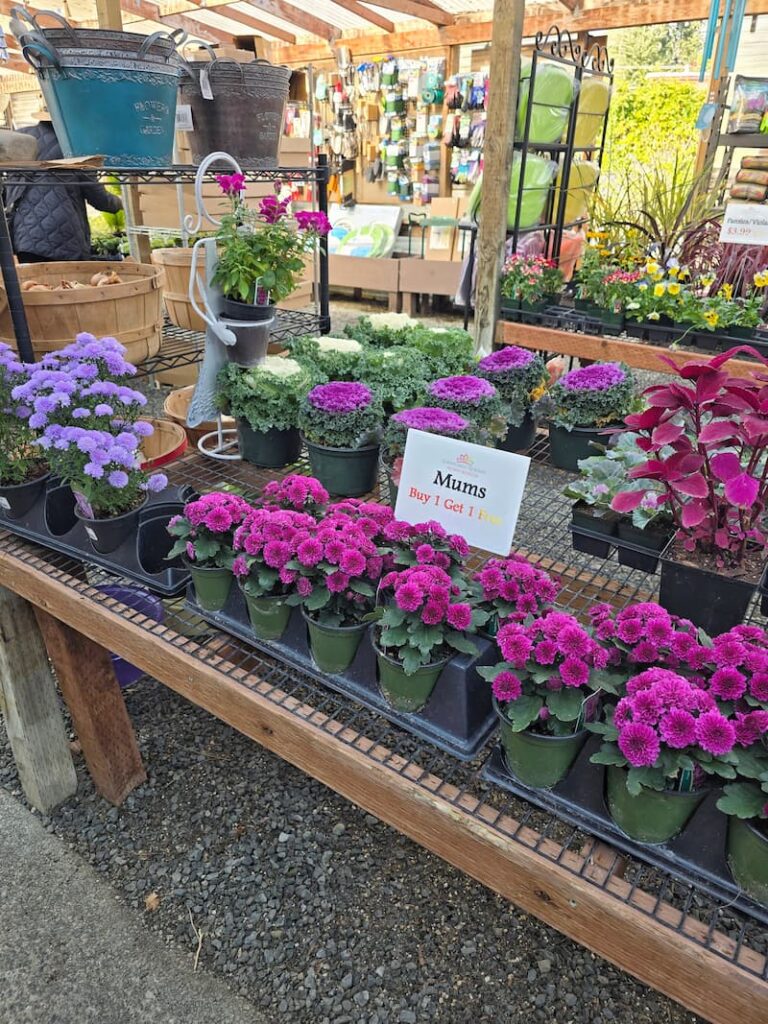
A seed inventory prevents you from buying varieties you already have. Notes on what didn’t thrive in certain spots prevent you from spending money on replacements for the wrong plant in the wrong place. Understanding which soil amendments actually make a difference helps you spend on what works rather than guessing.
Improves Garden Planning
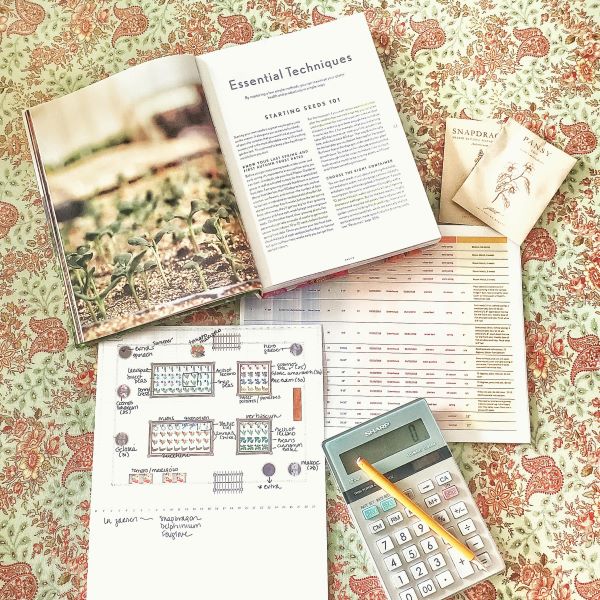
When you sit down in January to plan next season, having last year’s journal in front of you is worth more than any catalog or gardening book. You know what actually happened in your specific garden, in your specific climate, with your specific growing conditions. That’s information that no general guide can give you.
Becomes a Meaningful Record
There’s something very gratifying about flipping back through several years of garden notes. You can see how your beds have evolved, which plants have become fixtures, what you experienced with and also abandoned, and how your gardening has become more confident and intentional over time.
Pressed flowers, photos, sketches: these make the journal something worth keeping beyond its practical value.
Types of Gardening Journals
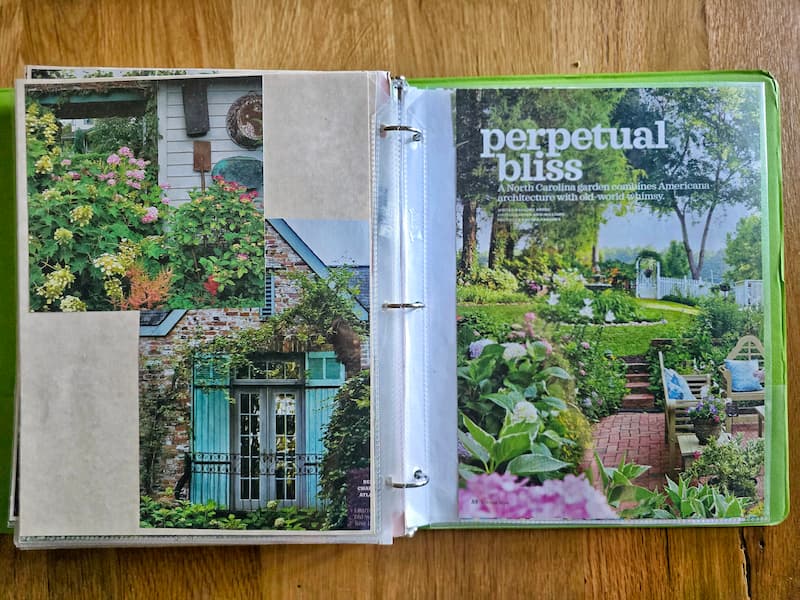
The best journal format is the one you’ll actually use. Here’s a quick overview of the main options.
Traditional Notebook or Spiral Notebook
Simple, portable, and completely flexible. You write what you want, when you want, without any imposed structure. Good for gardeners who prefer a free-form approach and don’t mind creating their own organizational system. The limitation is that it can be harder to find specific information later unless you index as you go.
Three-Ring Binder
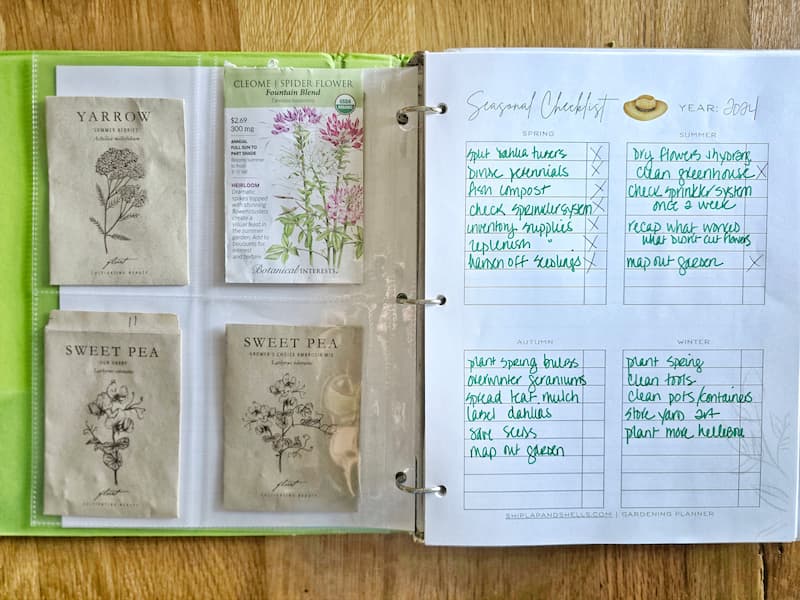
My personal setup. A binder lets you add, remove, and rearrange pages, which matters when you’re adding new sections mid-season or printing fresh templates each year.
Tuck in seed packets, plant labels, receipts, and catalog pages alongside your notes. If you use a printable planner (see below), the binder is the natural home for it.
Let’s Plan Your Dream Garden With Our
Gardening Planner
Unlock Your Garden’s Potential.
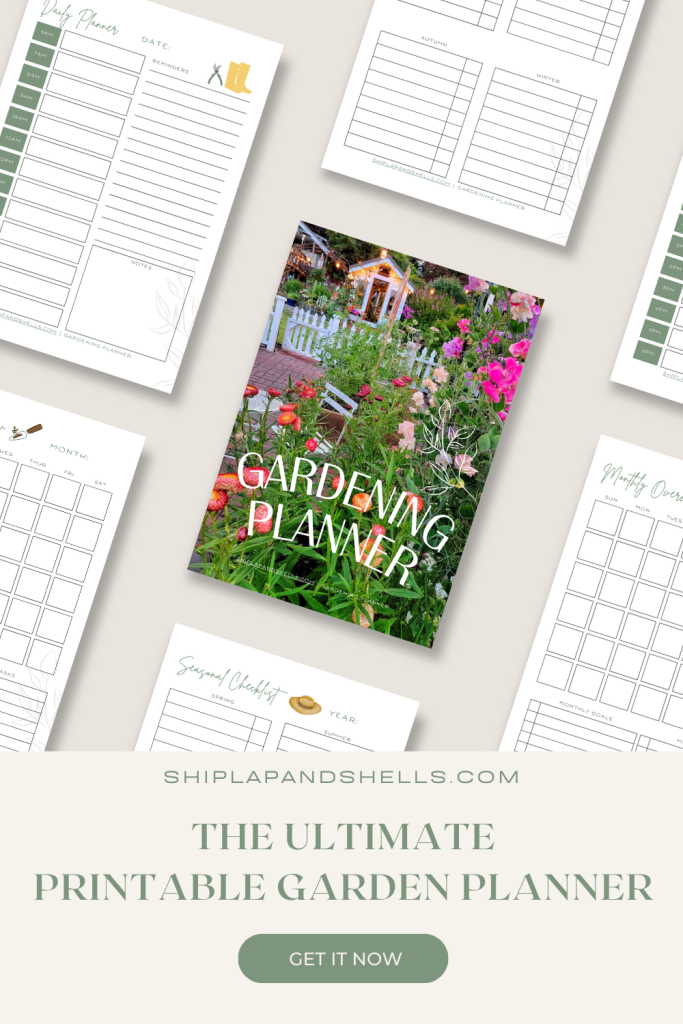
Our 35-page Ultimate Garden Planner is designed to help you organize, track, and flourish in your gardening endeavors.
Get yours for $4.99
Pre-Formatted Gardening Journal
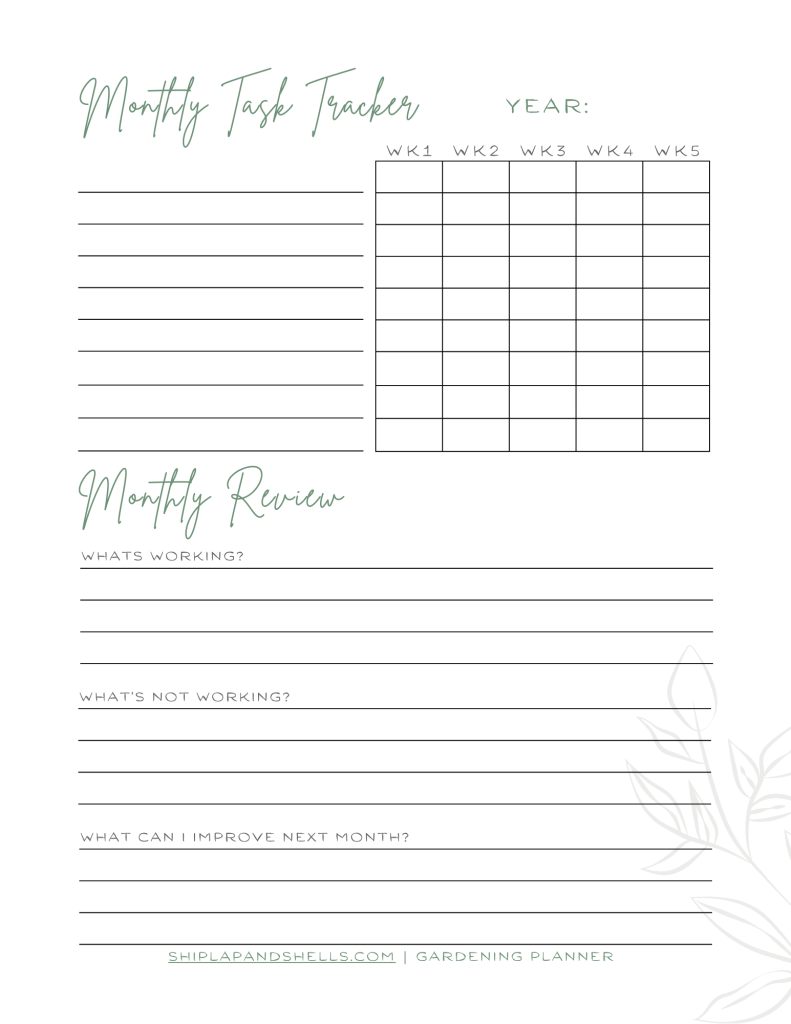
Structured journals with dedicated sections for planting logs, weather records, pest tracking, and seasonal checklists. Good for gardeners who want guidance on what to record and don’t want to design their own system from scratch. Particularly helpful in the first season or two before you’ve developed your own preferences.
Digital Journal or App
Apps and software designed for garden tracking offer searchable entries, photo upload, automatic weather data, and cloud backup. Convenient for gardeners who prefer typing to writing and want easy access across devices. The trade-off is that it’s less tactile. You can’t tuck a seed packet in a digital file, but for some people, the search function alone makes it worth it.
Bullet Journal
A dot-grid notebook used with the bullet journal method, which is highly customizable, creative, and well-suited to gardeners who enjoy designing their own layouts. You can create calendars, plant profiles, habit trackers, and sketches all in one place. Requires a bit more upfront effort to set up, but becomes a genuinely personal system.
Photo Journal
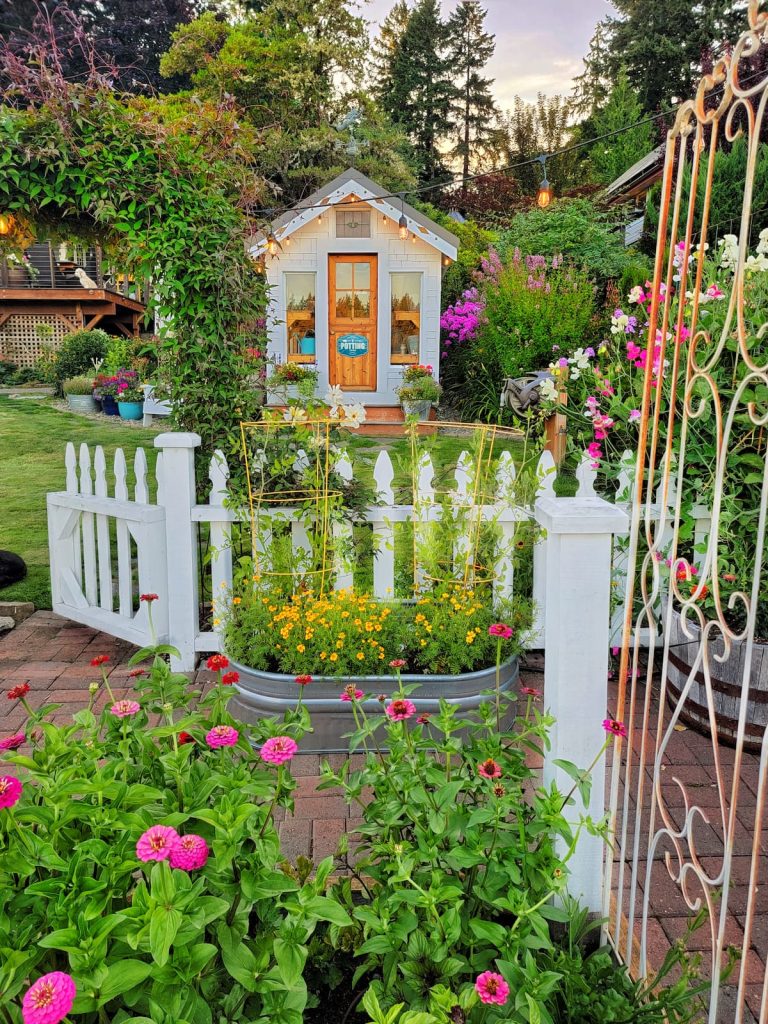
A visual record: a physical photo album or digital platform that captures your garden’s appearance through the seasons. Brief notes or captions alongside the photos provide context. Works well as a companion to a written journal rather than a replacement for one, since photos alone don’t capture planting dates, pest notes, or soil amendments.
Printable Garden Planner
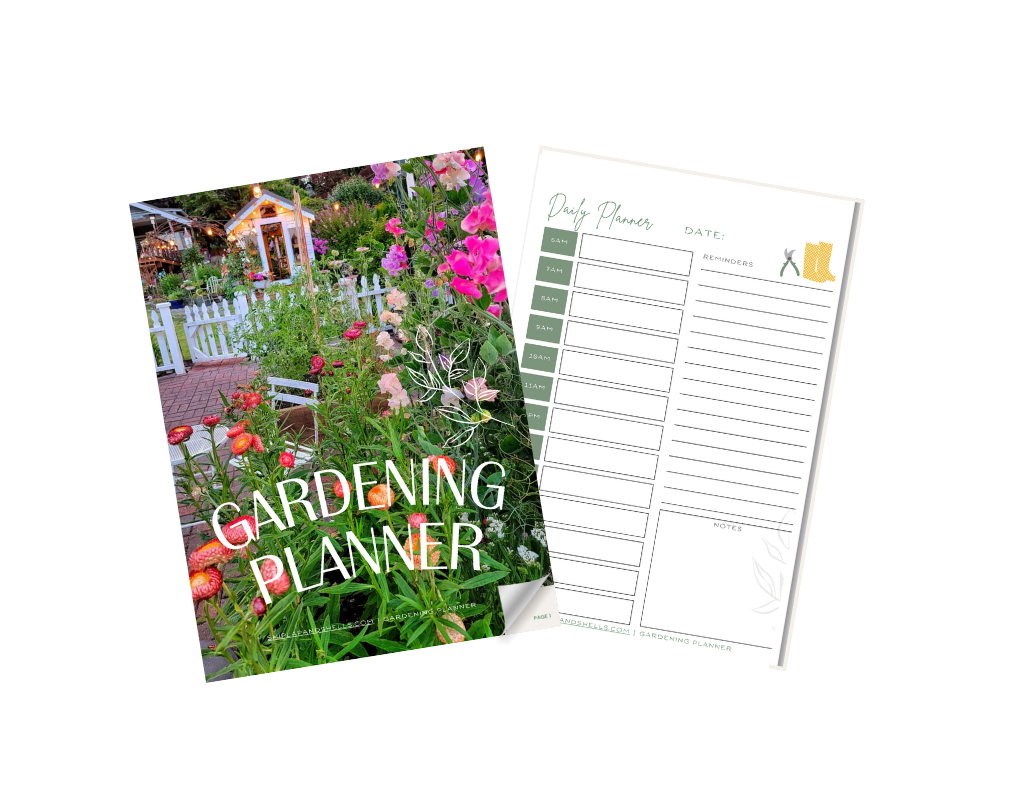
Digital products are available online and come pre-formatted with sections for every aspect of garden journaling: seed inventory, plant profiles, seasonal checklists, expense logs, layout sketches, pest tracking, and more. You print what you need, organize it in a binder, and can reprint pages as needed. The design work is done for you, and the sections cover information you might not have thought to track on your own.
I use my printable planner as the backbone of my binder-based system. The combination of pre-designed pages plus the flexibility of a binder hits the right balance between structure and adaptability for me.
Combination Journal
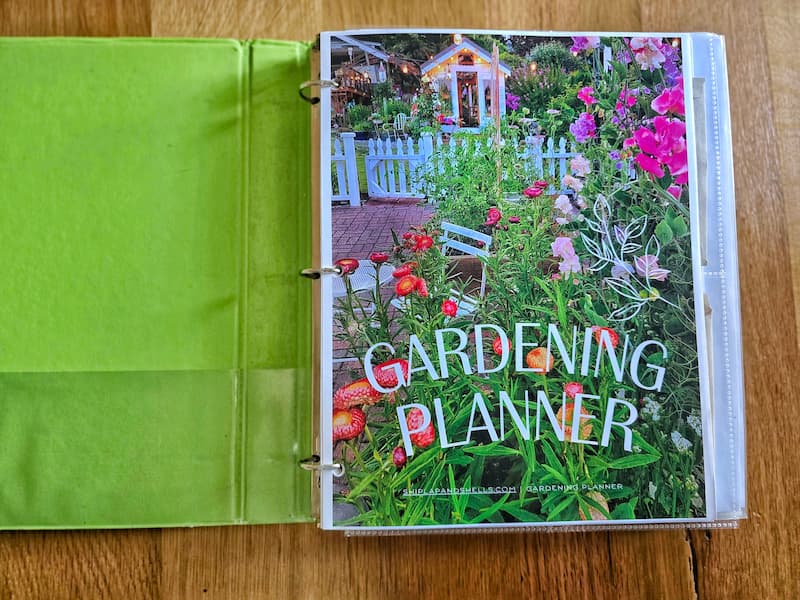
Most experienced gardeners end up with some version of a combination system: printable pages in a binder, supplemented by a photo album on the phone, with quick daily notes jotted in a small spiral notebook kept in the garden bag. Use different formats for what they’re each best at, and don’t feel like everything has to live in one place.
What to Include In a Gardening Journal
You don’t need to track everything from day one. Start with the categories that feel most useful for where you are right now, and add more as the habit develops. Here’s what’s worth including.
Calendar and Planting Schedule
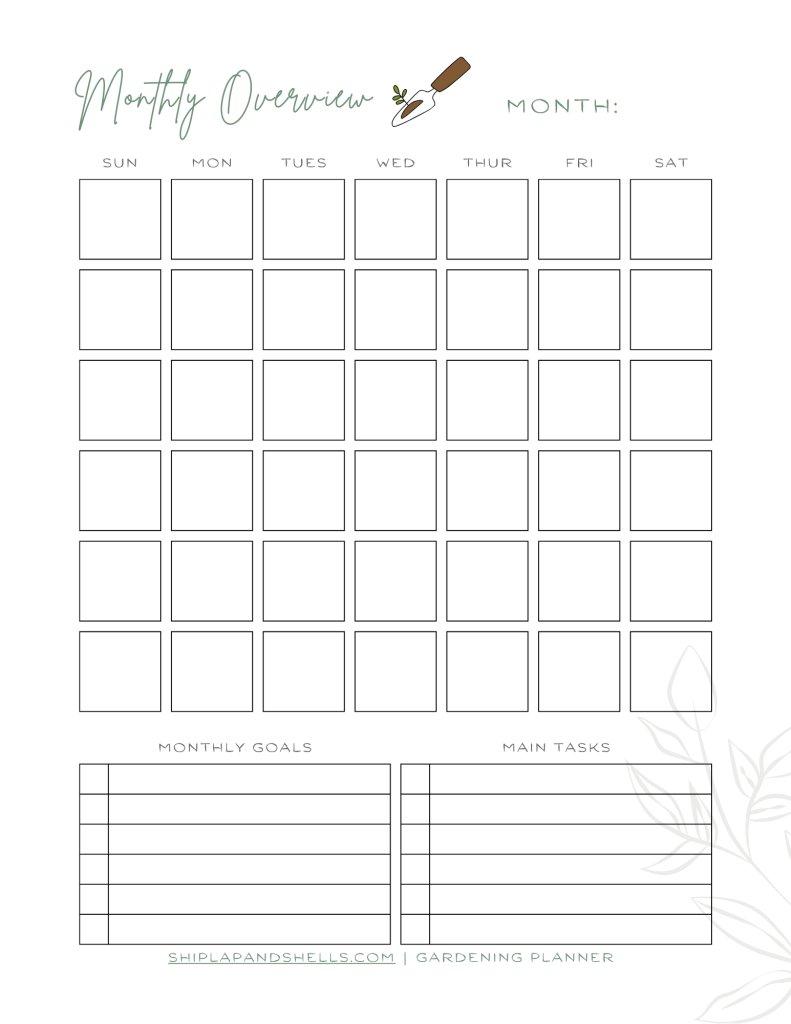
A calendar lets you map out planting dates, transplanting windows, expected bloom times, and key care tasks across the whole season at a glance. It’s useful for planning succession plantings, tracking when to start seeds indoors relative to your last frost date, and noting which tasks are coming up.
In practice, I use the calendar pages more for planning what I intend to do and less for tracking what happened. The daily or weekly logs capture what actually happens.
Daily and Weekly Logs
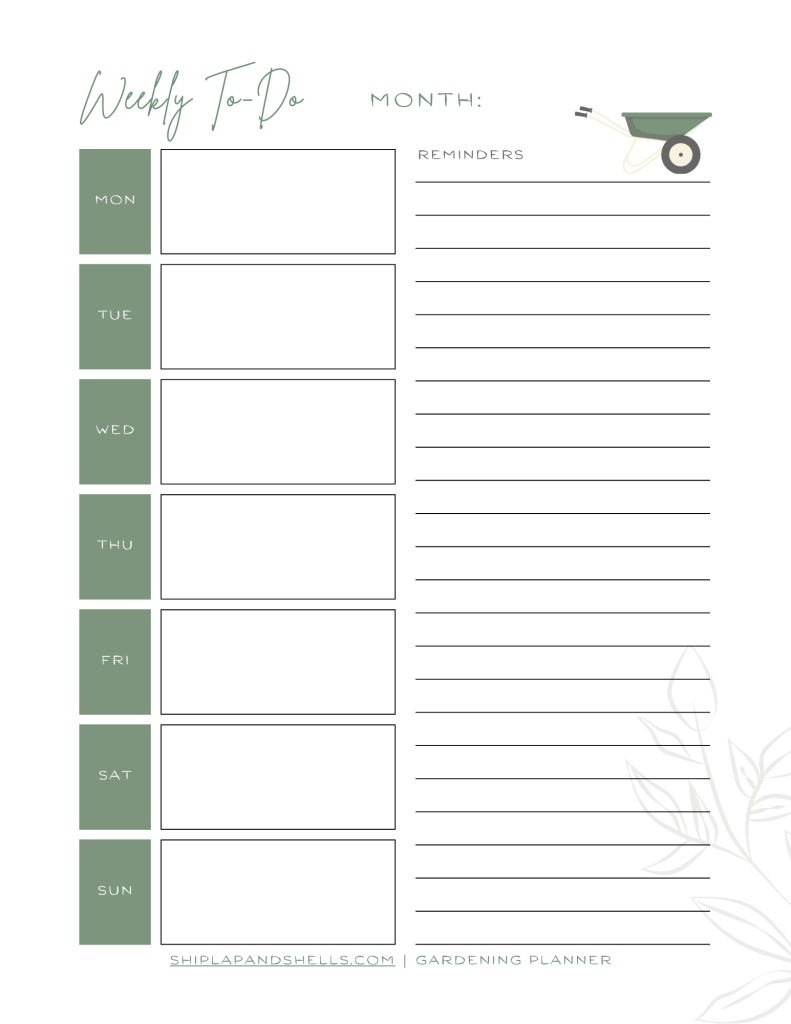
This is the heart of the journal. Regular entries capture what you did, what you noticed, and what changed. They don’t need to be long: a few lines about what was watered, what was deadheaded, what’s starting to bloom, and what looks off is plenty for most days.
Seasonal Checklists
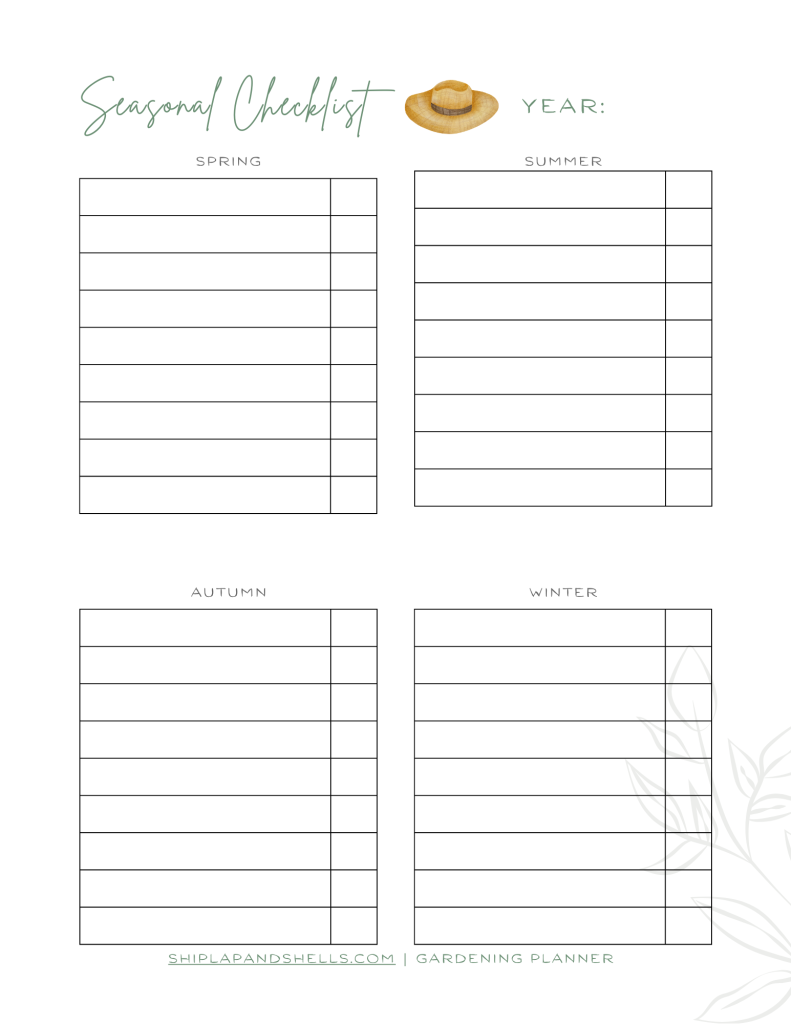
A season-by-season checklist helps you prepare for each phase of the gardening year without missing anything.
Location Details and Climate Notes
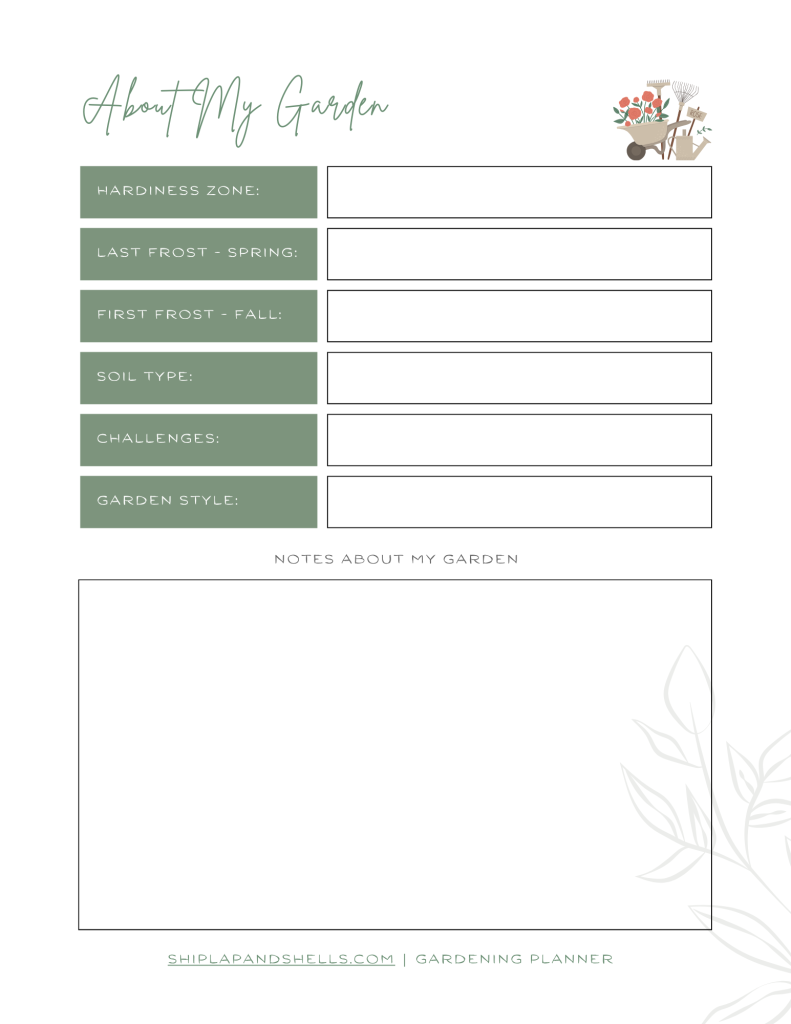
Record your USDA Hardness Zone, average first and last frost dates, and any microclimates within your garden: spots that stay wetter, areas that get afternoon shade, and corners that catch more wind. These details are worth noting once and then referencing when you’re making planting decisions.
In Zone 8b on the Pacific Northwest coast, I also track our weather anomalies: the last frost that caught me off guard, the heat wave that came three weeks earlier than expected, and the unusually wet June that led to powdery mildew in the snapdragons. These events are what the journal captures that no general gardening guide can account for.
Seed and Plant Inventory
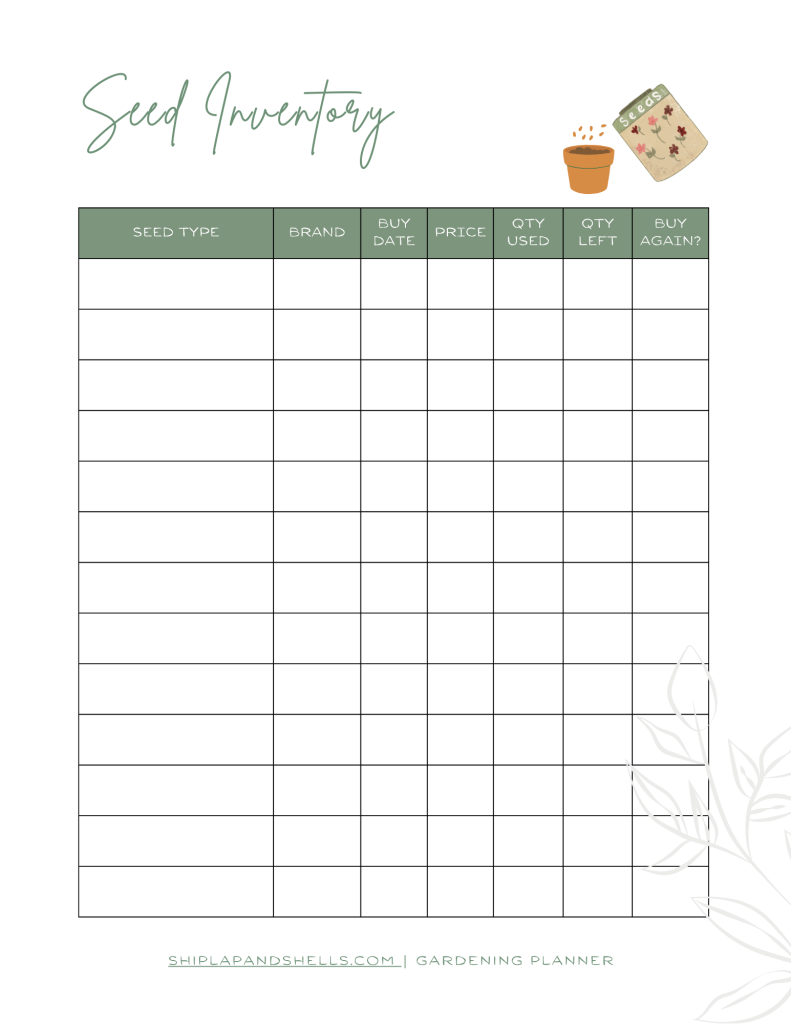
A running list of everything you have, including seeds on hand, perennials on the ground, and new additions from the nursery. This helps prevent duplicate purchases and gives you a clear picture of what you’re working with each season. Record variety names, sources, the date purchased or planted, and any germination rate notes.
This section becomes especially useful for seeds saved from one year to the next. Knowing that your cosmos seeds are from two seasons ago helps you decide whether to order fresh or test germination before planting.
Plant Profiles
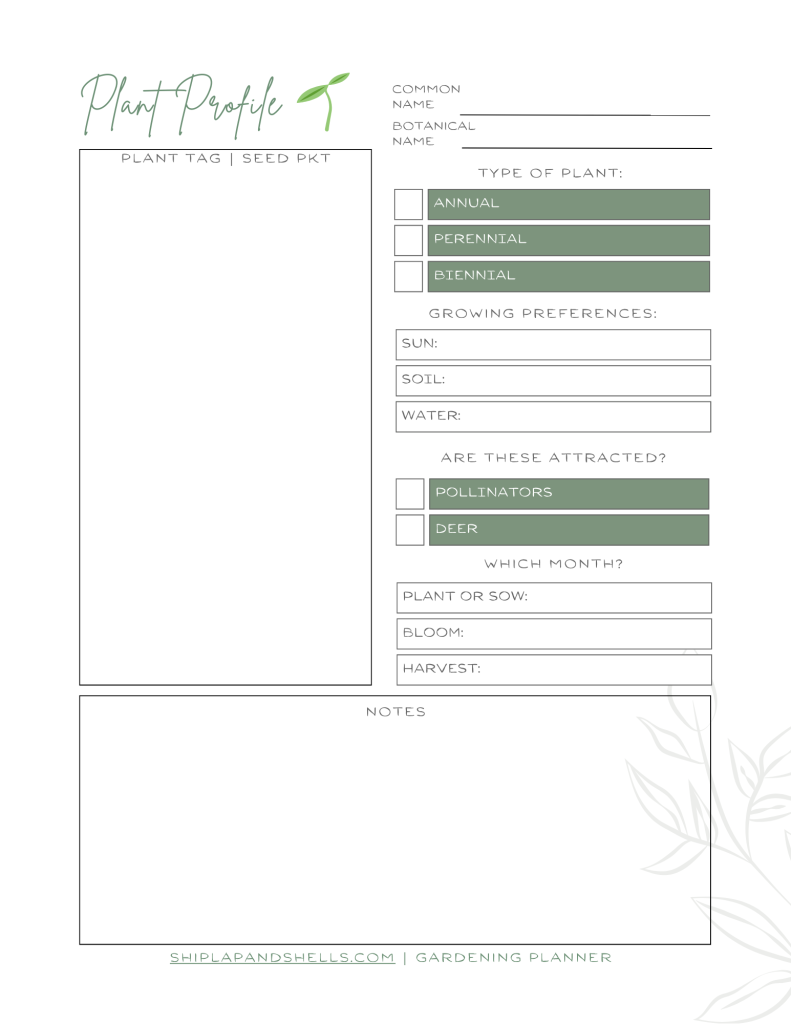
A dedicated page or section for each variety you grow: including planting date, light and water needs, bloom time, how it performed, and notes on what you’d do differently. Over several seasons, a good plant profile tells you more about how a variety behaves in your specific garden than any catalog description.
For cut flowers, bloom time and stem length notes are valuable for planning cutting garden successions.
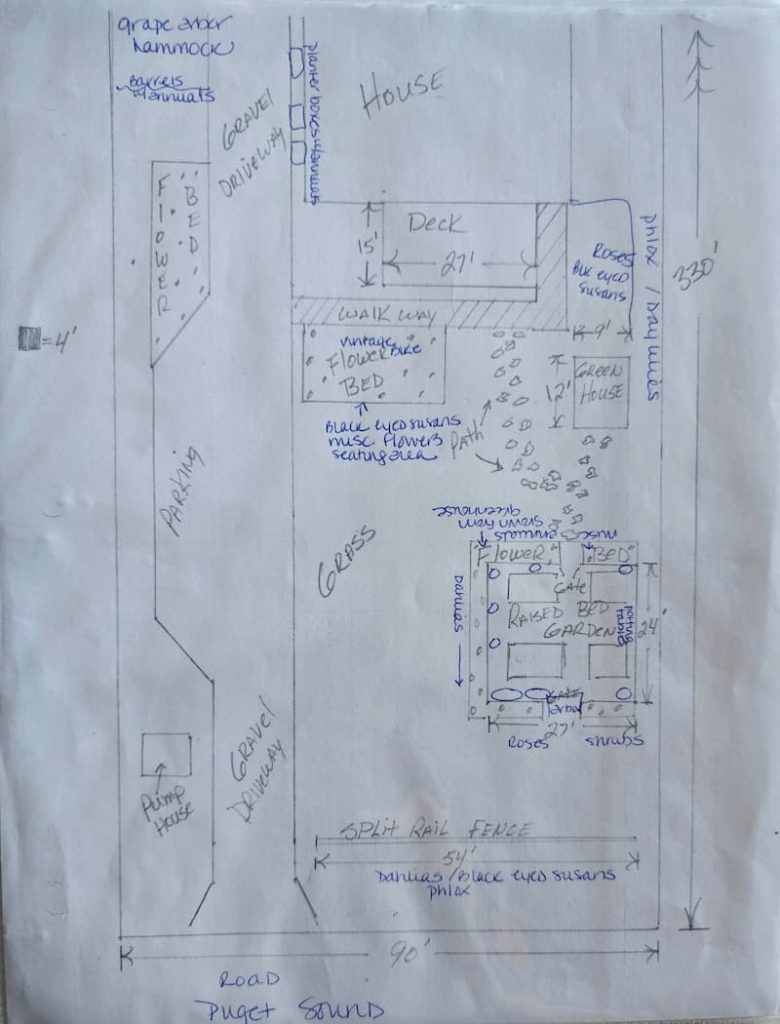
Garden Sketch and Bed Layout
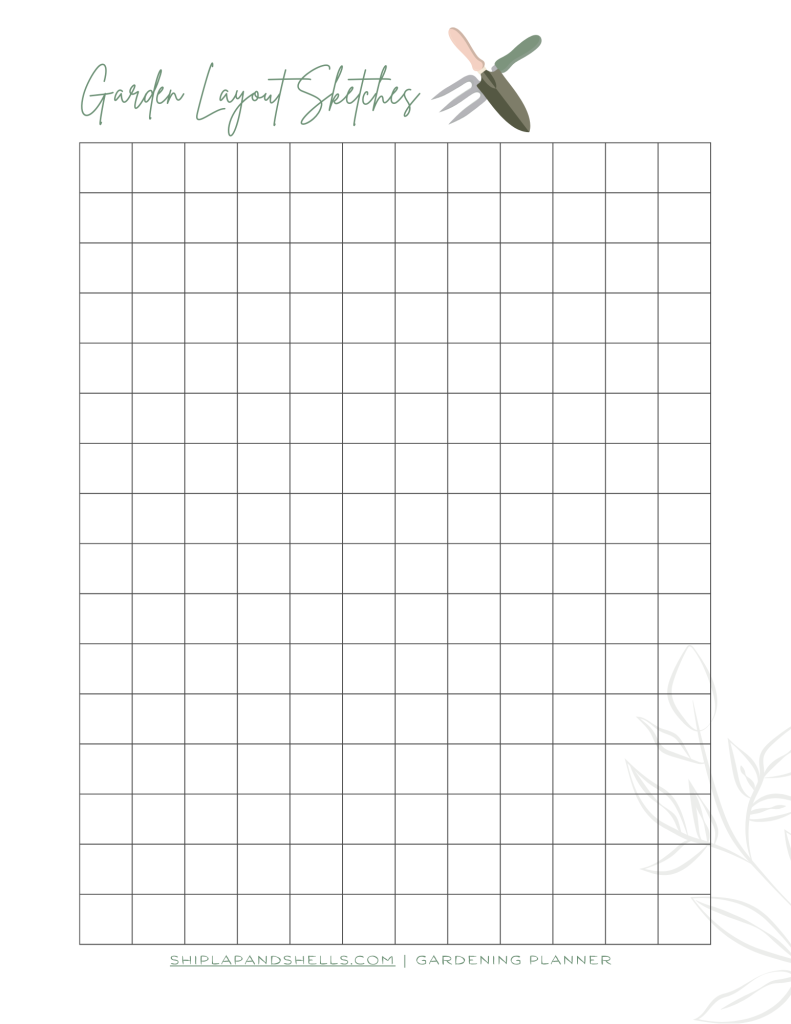
A rough sketch of your garden with bed locations and plant placement helps you track crop rotation, remember what was planted where (crucial when you’re looking at unmarked soil in spring), and plan changes for next season. It doesn’t need to be precise, just accurate enough to be useful.
I sketch my cut flower beds each spring before planting and update them as things go in. By the end of the season, I can see at a glance what worked in which location.
Photographs
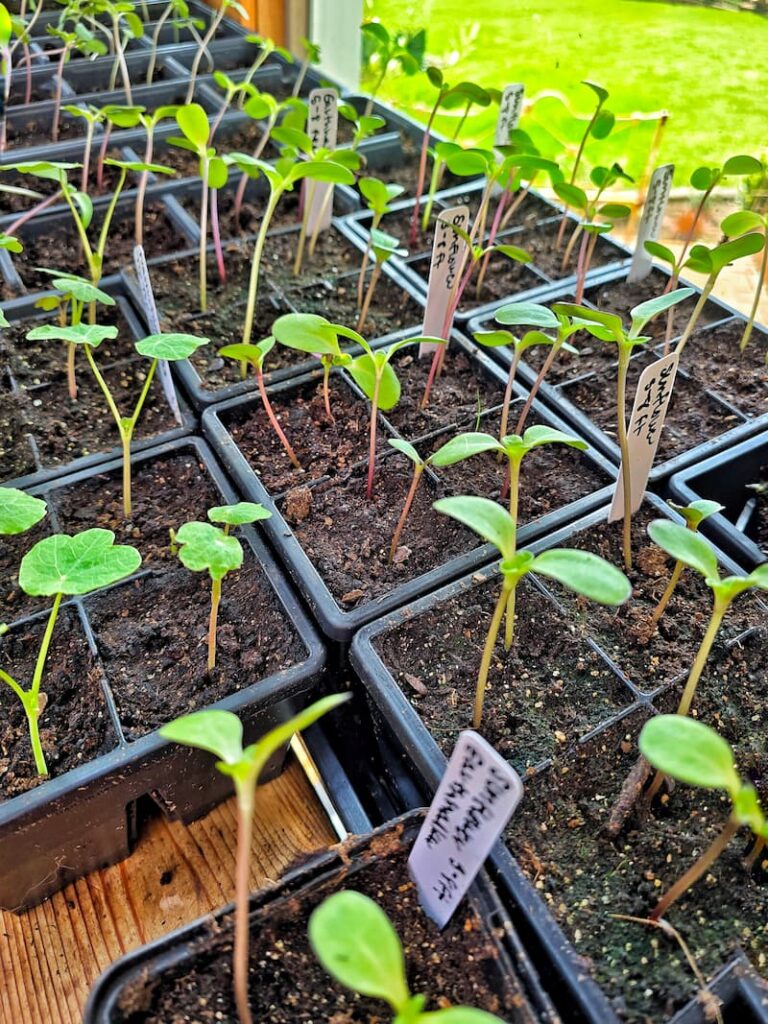
Photos capture what written notes can’t…the actual appearance of a plant at a certain stage, what disease or pest damage looks like, and how the beds look at peak bloom. Dated photos are especially useful for comparing the same bed or plant across multiple seasons.
I keep a running photo album organized by month. Nothing elaborate, just the habit of photographing anything worth remembering while I’m out there.
Pest and Disease Log
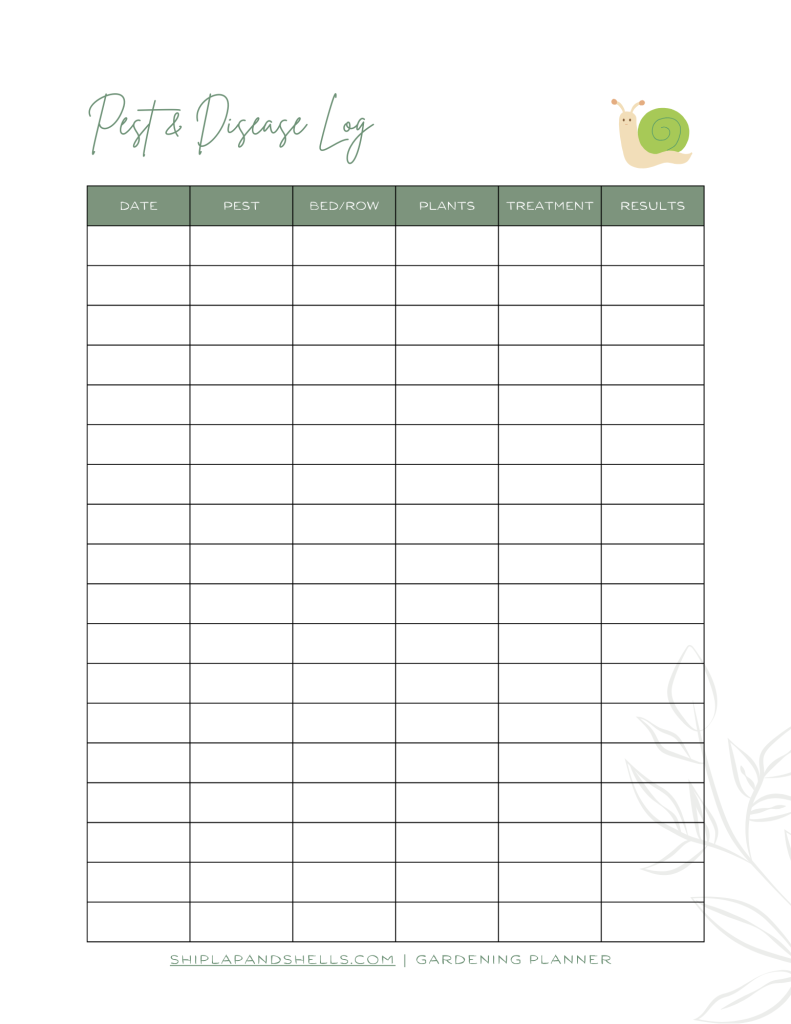
Note what appeared, when you first noticed it, which plants were affected, and what you did about it. Over time, this section reveals patterns: pests that reliably appear under certain conditions, plants that are consistently vulnerable, treatments that work, and ones that don’t.
This is also the section that pays off most directly in prevention. Knowing that slugs hit a specific bed hard every year in mid-June means I’m putting out bait in late May, rather than waiting for damage to appear.
Weather Log
Temperature, rainfall, heat waves, late frosts, and unusually wet stretches: weather shapes everything in the garden, and it’s worth tracking. You don’t need to log every day, but noting significant events and their effects gives you context for understanding why certain things happen the way they did.
Bloom Times
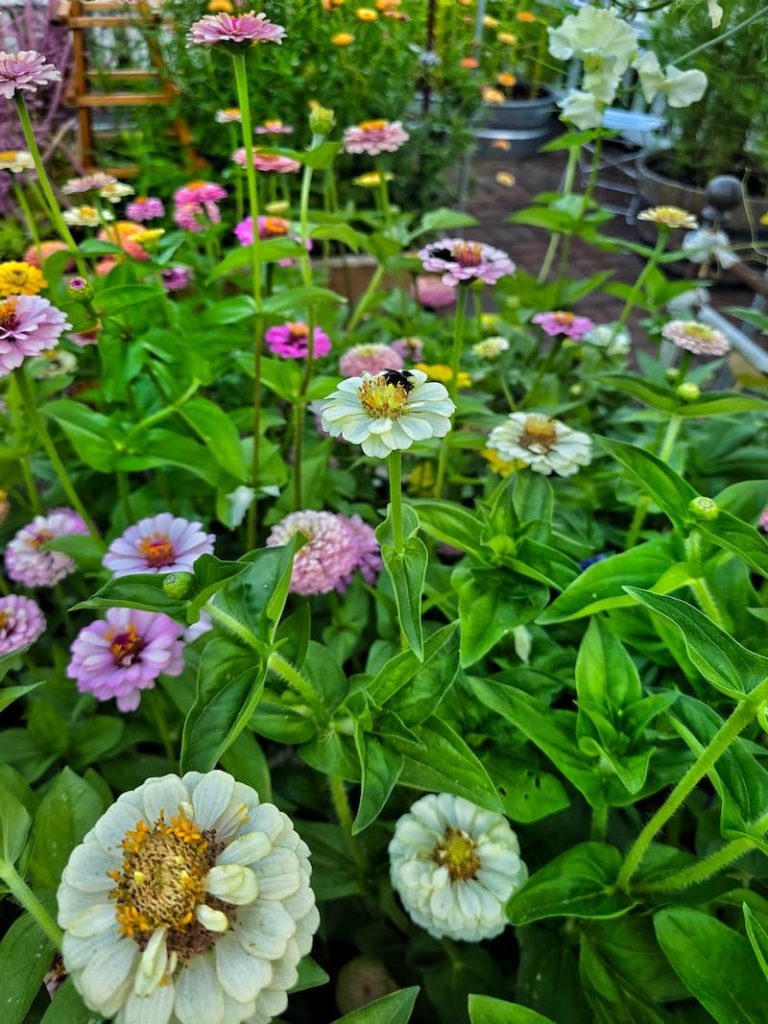
Recording when each plant first opens and when it finishes blooming helps you plan for continuous color and succession cutting.
Over several seasons, you’ll know exactly when to expect your first ranunculus, when the dahlias hit their peak, and when the zinnias usually carry you through to frost. This is the section that makes cut flower planning feel much less like a guess.
Expense Log
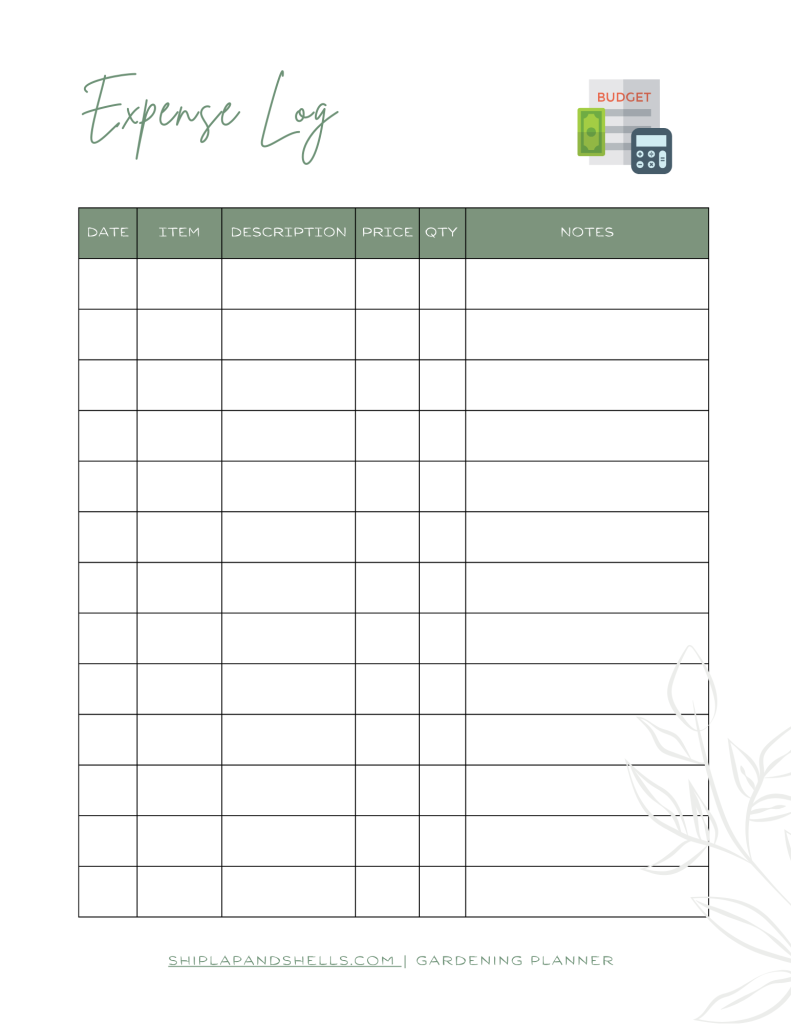
Seeds, transplants, amendments, tools, irrigation supplies: it’s easy to lose track of what you’re spending on the garden. A simple expense log lets you see where the money goes and make smarter decisions about where to save and where it’s worth spending more.
Successes and Challenges
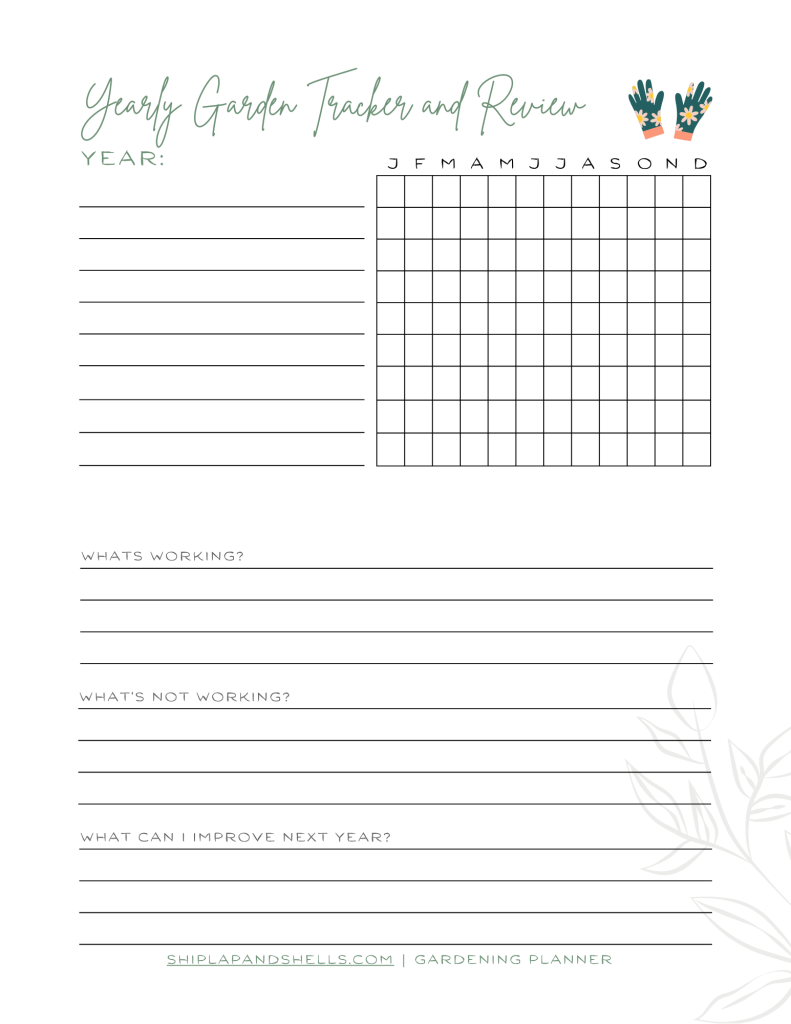
An honest end-of-season assessment: what exceeded expectations, what struggled, and what you’d do differently. This is the section you’ll reference most heavily when planning the following year.
Keep it specific: ‘the Benary’s Giant zinnias in bed three were spectacular; the Purity cosmos and bed one flopped after the heat wave in August, and I wouldn’t plant them there again’ is more useful than ‘zinnias were good, cosmos were mixed.’
Garden Memories
The first bloom of the season. The dahlia that comes in bigger than any you’d grown before. A morning in the garden with an ice latte when everything was at its peak. Pressed flowers, sketches, notes about what you were thinking or trying. This section is the one that turns a functional record into something worth keeping for its own sake.
Shop for Garden Journals and Accessories
How to Start a Garden Journal
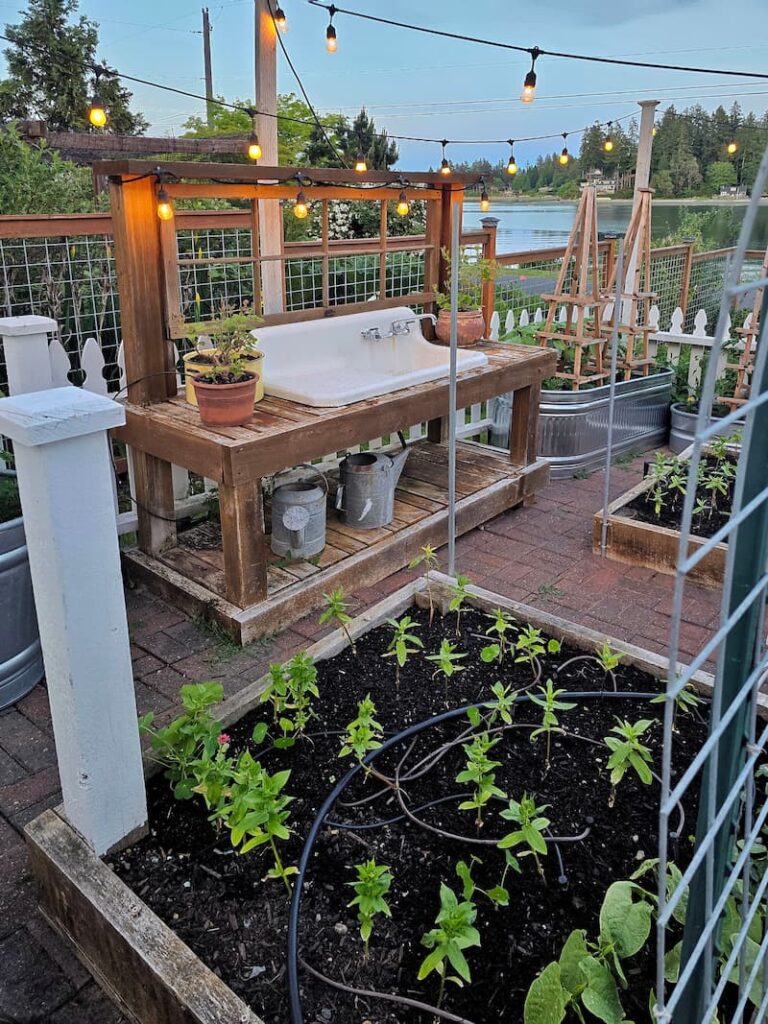
The most important thing is to begin before you feel ready. You’ll figure out what works as you go. Here’s a simple approach.
Choose a Format That Fits How You Work
If you’re someone who carries a notebook everywhere, a traditional or spiral notebook is a natural fit. If you want structure handed to you, a pre-formatted journal or printable planner is worth the small investment. If you’re already on your phone in the garden, a digital app might work better than a paper system.
Try not to overcomplicate it at the start. A simple notebook and a pen are enough to begin.
Set Up Basic Sections
You don’t need to create every section at once. Start with a few that feel immediately useful:
Add more sections as the season progresses, and you discover what you actually need to track.
Make the First Entry Today
Start with whatever is currently happening in the garden. What’s blooming, what’s just been planted, what’s looking off, what the weather’s been like. Don’t wait for the right moment or the perfect format… just start.
Write Regularly, Not Perfectly
A short entry three times a week is more valuable than a detailed entry once a month. Consistency is what makes the record useful. Keep the journal somewhere accessible. Leave it near the door you go out through, or in your garden bag, so it’s easy to add a note when you come in from the garden.
Add Visual Elements
Tuck in seed packets when you open them. Press a flower or two. Add a photo when something looks especially good or especially bad. These small additions make the journal richer and more useful as a reference.
Review It Before Each Season
The journal’s value compounds when you read it. Before planting season, sit down with last year’s notes and look for patterns, reminders, and lessons. Which varieties did you want to repeat? Which beds need attention before planting? What timing adjustments did you note at the end of the season?
That review is when the habit pays off most clearly.
Garden Supplies and Tools
Check out my favorite garden supplies and tools for the growing season. Whether you’re looking for potting soil or deer repellent, you’ll find what I use in my own garden.
Frequently Asked Questions
What Should I Write in a Garden Journal?
Start with planting dates, weather observations, and what you notice about your plants each week. Add pest and disease notes, bloom times, and an honest end-of-season assessment of what worked and what didn’t. Over time, you’ll develop a sense of which categories are most useful for the way you garden.
How Often Should I Write in My Garden Journal?
A few times a week is ideal during the active growing season. Even brief notes like what was watered, what you deadheaded, what looks off, add up to a useful record. A daily entry doesn’t need to be long; a couple of sentences is enough. Off-season, monthly notes on planning and ordering seeds keep the habit going.
What’s the Best Type of Garden Journal for Beginners?
A pre-formatted journal or printable planner gives you structure without requiring you to design your own system from scratch. It tells you what to record and gives you a space to do it. Once you’ve used a structured format for a season or two, you’ll have a clear sense of what you actually need and can customize from there.
Do I Need a Separate Journal for Each Garden Bed?
Not necessarily. Most gardeners find it easier to keep one journal with sections for different beds or a sketch showing which plant went where. Separate journals per bed tend to create more friction than what it solves. The bed sketch, combined with detailed plant profiles, usually covers what you need.
Can I Use My Phone Instead of a Paper Journal?
Yes, and for some gardeners it works better. A dedicated app offers searchable entries, easy photo storage, and access from multiple devices. The limitation is that you can’t tuck a seed packet or a pressed flower into a phone. A hybrid approach: quick notes and photos on the phone, organized into a paper binder at the end of the week, is what some gardeners find most practical.
Is a Garden Journal Worth It If I Only Have a Small Garden?
It’s especially worth it. Smaller gardens are often more intensively planted, which means more information to track in a concentrated space. And the habit of close observation that journaling encourages is genuinely useful regardless of garden size. You’ll notice things you’d miss otherwise, and you’ll have a real record to work from when planning each new season.
Final Thoughts About Garden Journaling
A garden journal is not complicated. It’s just the habit of writing down what happens, while it’s happening, so you have something real to work from when the next season comes around.
I started keeping detailed notes after a couple of seasons of repeating the same mistakes, and the improvement was immediate. Not because the journal changed what I did in the garden, but because it changed what I understood about what was happening there.
Start with a notebook and a pen. Write down what you planted today, what it looks like, and what the weather has been. That’s enough for now. Everything else follows.
Until next time,
Happy Gardening!

I’m a self-taught hobby gardener. Everything I share on my blog is my opinion and what has worked for me.
MORE POSTS
For You To Enjoy
Follow Me for More Inspiration

Such a brilliant idea! Starting a gardening journal is a fantastic way to track progress and reflect on your gardening journey!
It really is! I forget things so easily and it’s so nice to look back to see what you did or how a plant performed the year before. Thank you for your comment!
Kim thanks for all the tips you share. I look forward to your post each week.
I have a question about the pulls you mentioned briefly this week.
I have man David’s pulls (white). I find eventually people hey go purple.
I don’t want purple! I want white, they are lovelyi in the dark!!!!
Yes, the butterflies and humming birds like them.
Now to the question.
In the fall, I allow them to stand, not Bull by them out ornpruning.
The birds use what is left during the winter.
I will cut to the ground in April.
By June they are almost 4 ft tall.
By mid July they are 5 ft tall with buds ready to open.
When should I be pruning? To what height?
Ever grateful for your response.
Hi Nan, Thanks so much for your question. I’m not sure which flower you are talking about. Can you confirm so I can answer your question accurately? Thank you my friend.