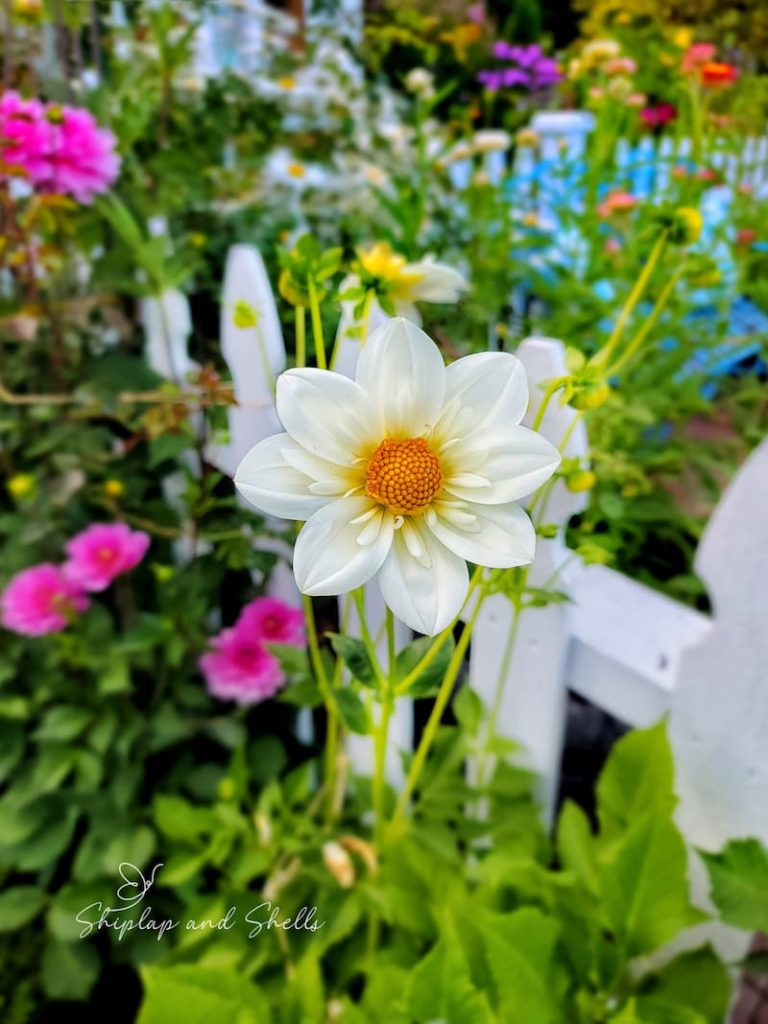
How to Grow and Care for Cosmos in the Garden

Cosmos are one of the easiest and most cheerful flowers to grow in the garden. Once they settle in and start blooming, these airy plants flower nonstop through the warm summer months.
Their delicate, daisy-like blooms and soft, feathery foliage bring a relaxed cottage garden feel to flower beds, raised beds, and cutting gardens. With long stems and a steady supply of blossoms, they’re also one of those flowers you’ll find yourself cutting for bouquets again and again.
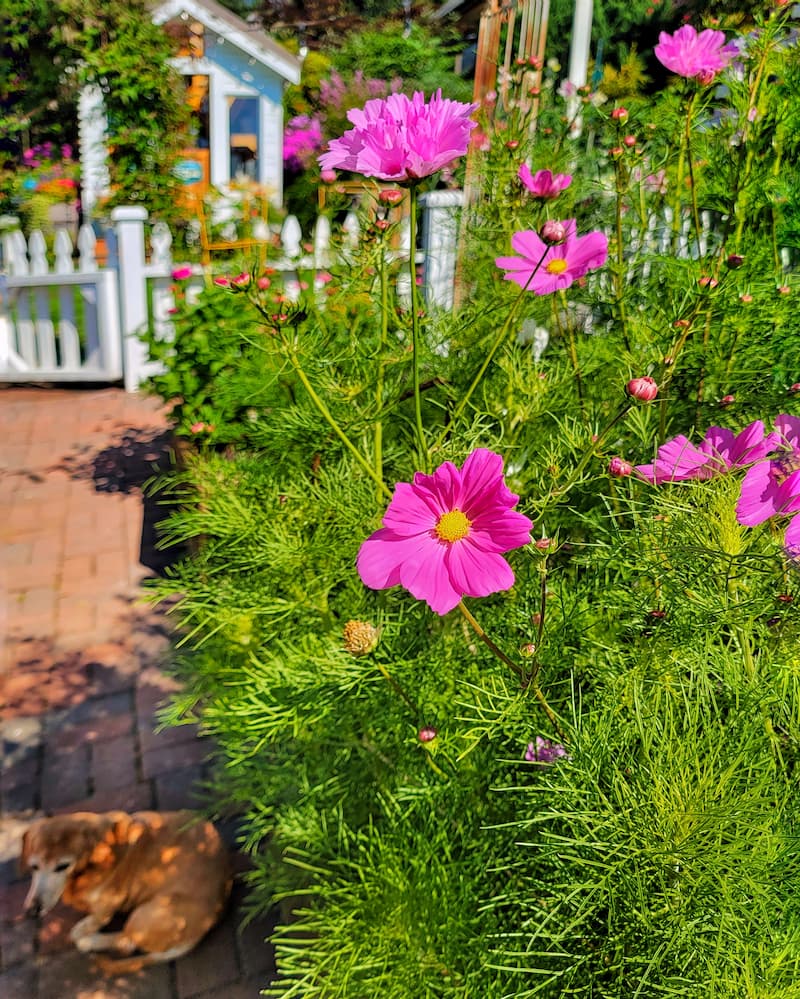
By mid-summer in my garden, cosmos tend to weave themselves between the other flowers, adding height, color, and a little movement to the beds.
In this guide, I’ll walk you through how to grow and care for cosmos in the garden so they stay healthy, upright, and blooming beautifully all season long.

As an Amazon affiliate, I earn a commission from qualifying purchases at no additional cost to you. My blog also contains other affiliate links for your convenience. Click here to read my privacy policy.
Starting Cosmos from Seed
Cosmos are easy flowers to grow from seed, and many gardeners, like me, choose to start them indoors to get an earlier start on the growing season. Beginning seeds indoors allows young plants to develop strong roots before they’re transplanted into the garden in spring.
If you’d like to grow your own cosmos from seed, you can read my full step-by-step guide on how to start cosmos seeds indoors. In the post, I walk through the process of sowing seeds, caring for seedlings, and preparing them for the garden.
Ideal Growing Conditions for Cosmos

Cosmos are very easygoing plants, but giving them the right growing conditions helps them thrive and produce the most blooms throughout the season.
Sunlight Needs
Cosmos thrive in full sun and grow best when they receive at least 6-8 hours of direct sunlight each day. Plenty of sunshine encourages strong stems, healthy foliage, and the steady stream of blooms these flowers are known for.
While cosmos can tolerate a little light shade, plants grown in lower light conditions often produce fewer flowers and may develop weaker, leggier stems.
Soil Needs
One reason cosmos are such beginner-friendly flowers is that they don’t require rich soil to grow well. In fact, they often bloom best in moderately fertile, well-draining soil.
Too much fertilizer or overly rich soil can cause plants to produce lots of leafy growth but fewer flowers. If your soil feels heavy or compacted, mixing in a bit of compost can help improve drainage.
Plant Spacing
Cosmos benefit from having enough space to branch and grow. Most varieties should be spaced about 12-18 inches apart, depending on how large the plants will become.
Proper spacing also improves airflow between plants, reducing the risk of powdery mildew later in the season.
A Quick note about my garden
Most of the flowers I share here are grown from seed in our greenhouse and planted in raised beds and containers throughout our cottage garden.

Caring for Cosmos Throughout the Growing Season
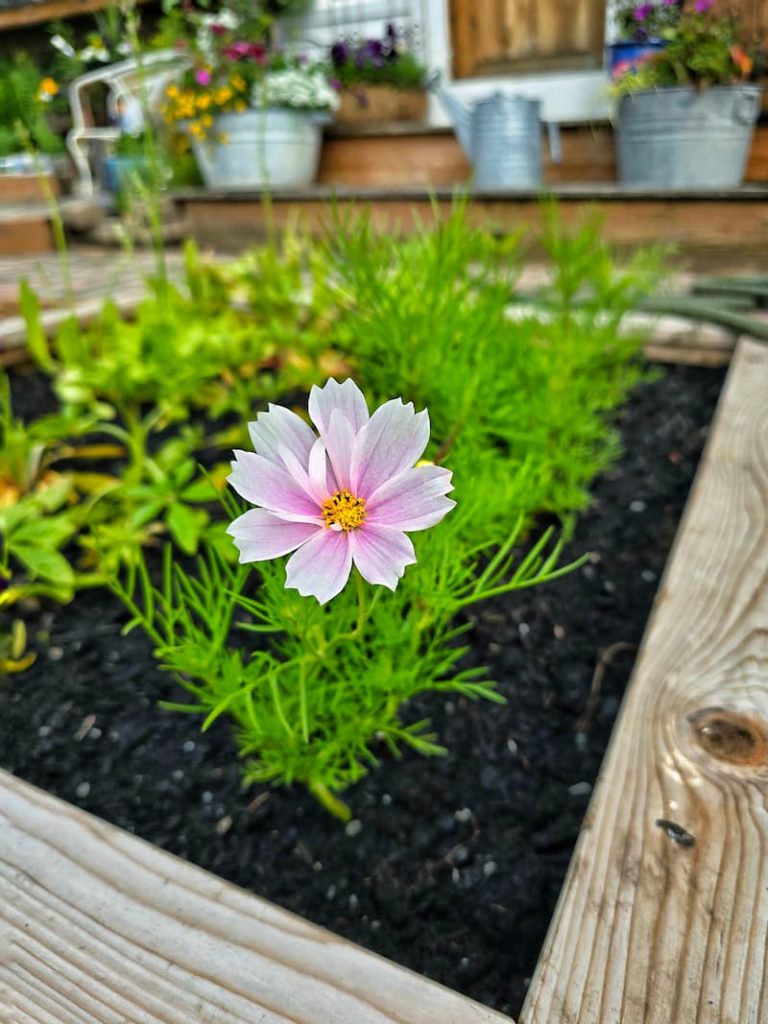
Once cosmos are established in the garden, they quickly become one of the easiest flowers to care for. With plenty of sunshine and a little space to grow, these plants really take care of themselves while producing a steady supply of blooms.
Do Zinnias Need Fertilizer?

Cosmos aren’t heavy feeders and perform best in moderately lean soil. Too much fertilizer, especially if it’s high in nitrogen, can lead to tall plants with lots of foliage but fewer blooms.
If you’re dealing with poor soil in the garden, apply a light feeding of balanced fertilizer once or twice a week during the season.
Let’s Plan Your Dream Garden With Our
Gardening Planner
Unlock Your Garden’s Potential.
Our 35-page Ultimate Garden Planner is designed to help you organize, track, and flourish in your gardening endeavors.
Get yours for $4.99
Compost or worm castings are also a gentle way to provide nutrients without encouraging excessive leafy growth.
How to Support Tall Cosmos
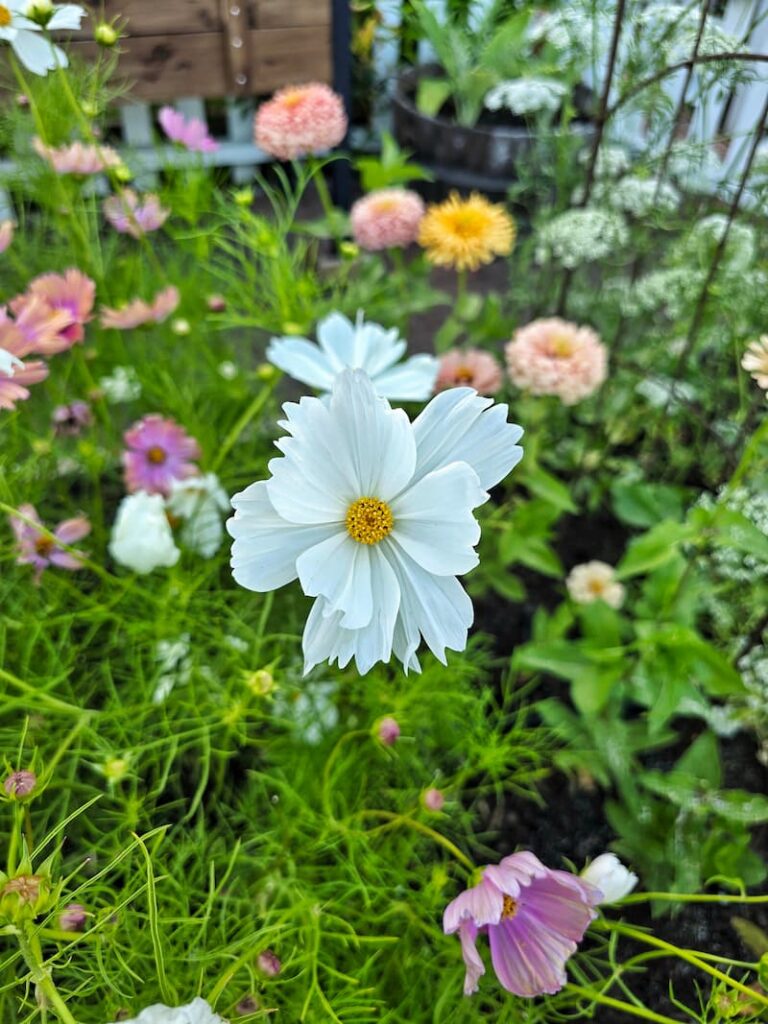
Many cosmos varieties grow quite tall, reaching 3-5 feet during the growing season. In windy areas or gardens with rich soil, the stems can occasionally lean or fall over as the plants mature.
Providing support early helps keep the plants upright. Simple stakes, garden netting, or a twine “corral” around the outside of a planting bed can help support the stems while still allowing the flowers to move naturally in the breeze.
Watering Cosmos
Once established, cosmos are fairly drought-tolerant, but young plants still need consistent watering as they settle into the garden.
Water deeply at the base of the plants rather than spraying the foliage. Soaker hoses, drip irrigation, or a watering wand all work well for this.
Cosmos prefer well-drained soil. Allow the soil to dry slightly between waterings.
Deadheading and Harvesting Cosmos for Cut Flowers
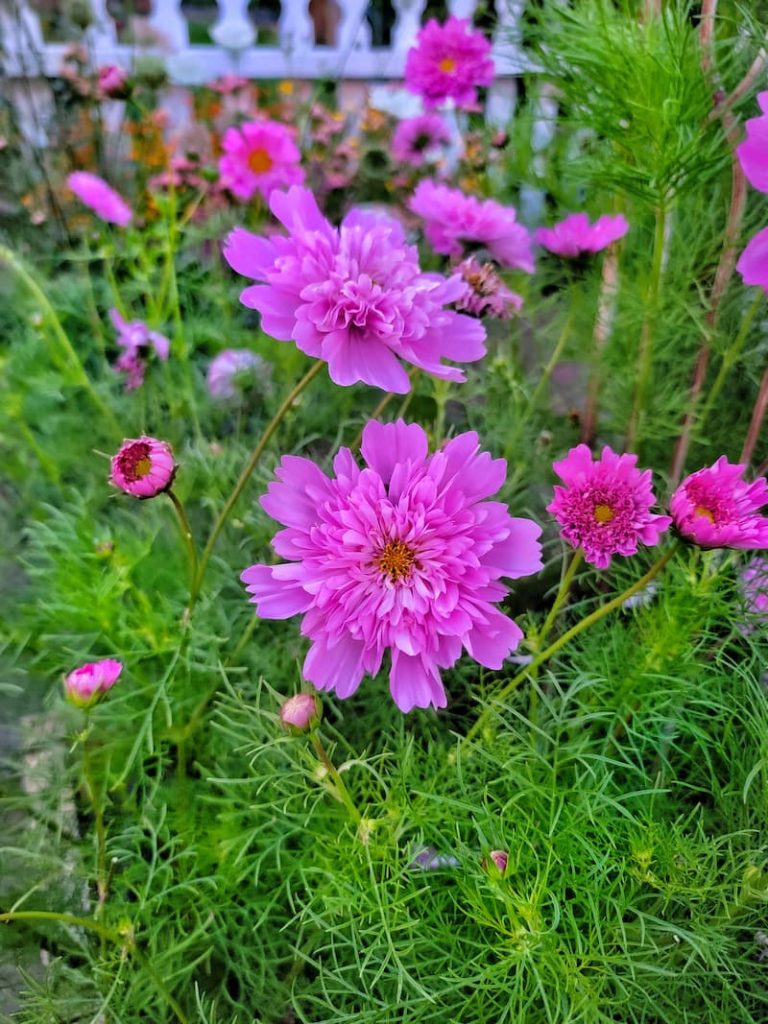
One of the best things about growing cosmos is how generously they bloom. The more you cut them, the more flowers they tend to produce.
Regularly harvesting stems for bouquets encourages the plants to produce new growth and continue blooming through much of the summer. If you’re cutting flowers, harvest them when the buds have just begun to open for the longest vase life.
Deadheading spent blooms works the same way, helping the plants focus their energy on producing new flowers rather than forming seeds.
Starting Zinnias Indoors From Seed: A Simple Guide
Starting seeds indoors is easier than you think and has so many benefits!
Common Cosmos Growing Mistakes
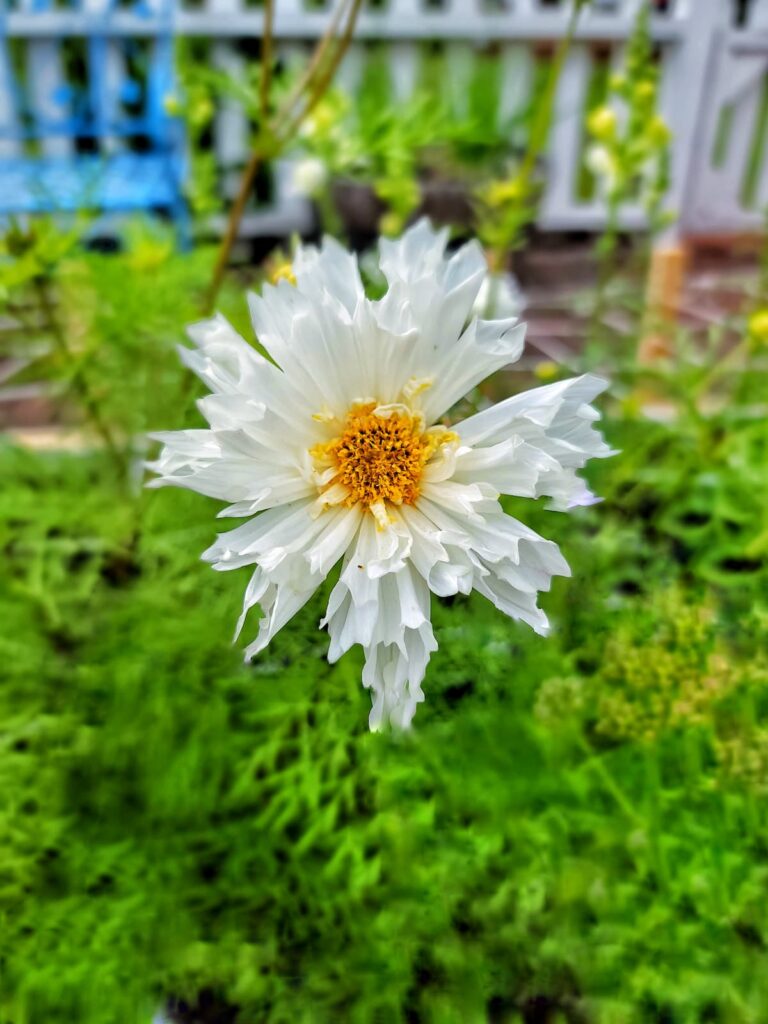
Cosmos are wonderfully easy to grow, which is part of what makes them such a favorite in cottage gardens and cut flower beds. But a few small missteps can keep them from reaching their full blooming potential.
The good news is that most of these issues are easy to fix once you know what to watch for.
Planting in Too Much Shade
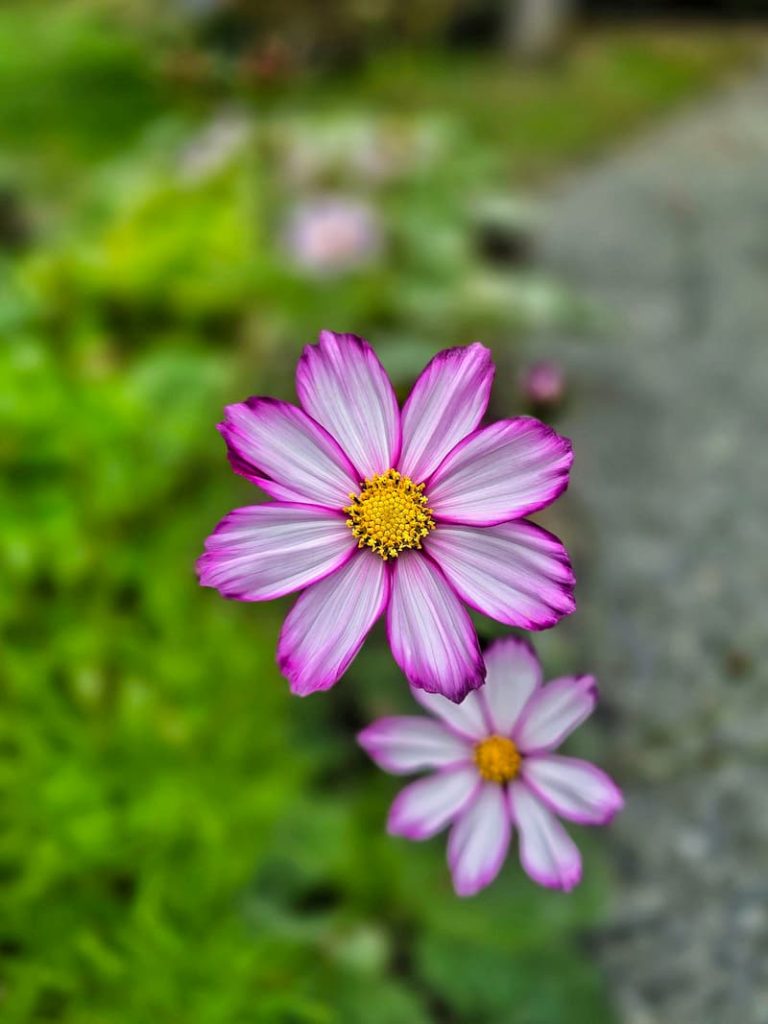
Cosmos thrive in full sun. If plants are growing in an area that receives only partial sunlight, they may produce fewer flowers and develop weaker stems.
For the best blooms, plant cosmos where they will receive at least 6-8 hours of direct sunlight each day.
Over-Fertilizing
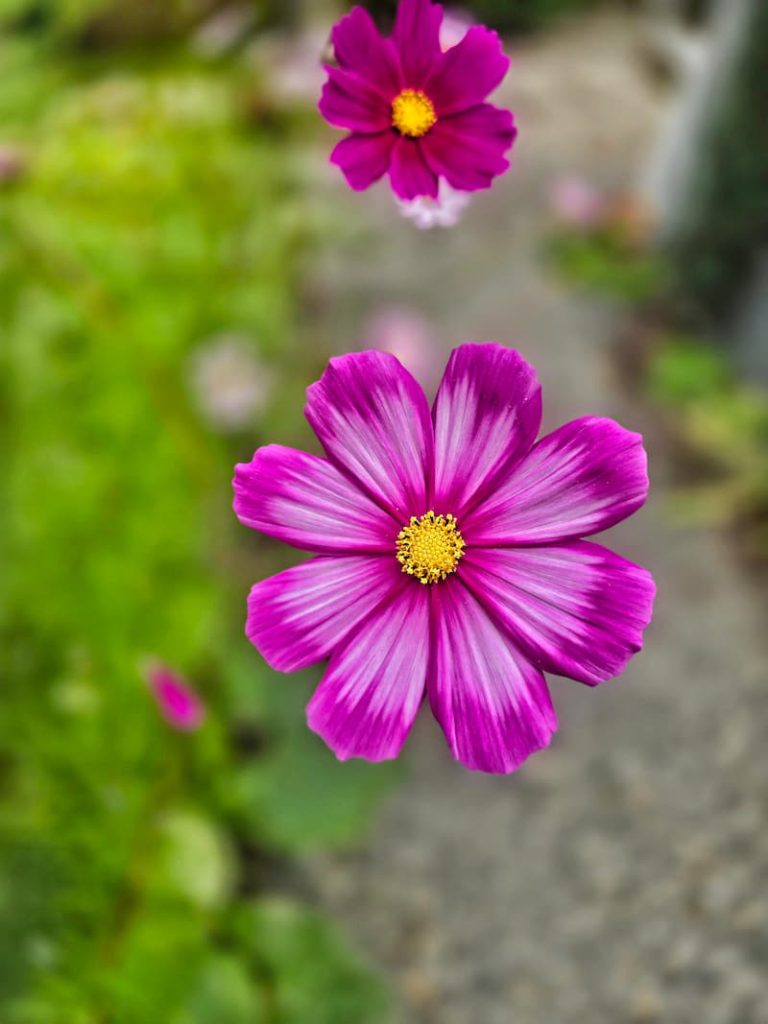
It might seem like adding extra fertilizer would encourage more flowers, but cosmos actually prefer moderately lean soil. Too much fertilizer, especially high in nitrogen, can lead to lots of leafy growth with very few blooms.
Planting Too Close Together

Cosmos need some breathing room as they grow. When plants are spaced too closely, airflow becomes limited and the risk of powdery mildew increases.
Spacing plants about 12-18 inches apart allows them to branch naturally and helps keep air moving through the foliage.
Garden Supplies and Tools
Check out my favorite garden supplies and tools for the growing season. Whether you’re looking for potting soil or deer repellent, you’ll find what I use in my own garden.
Forgetting to Pinch Young Plants
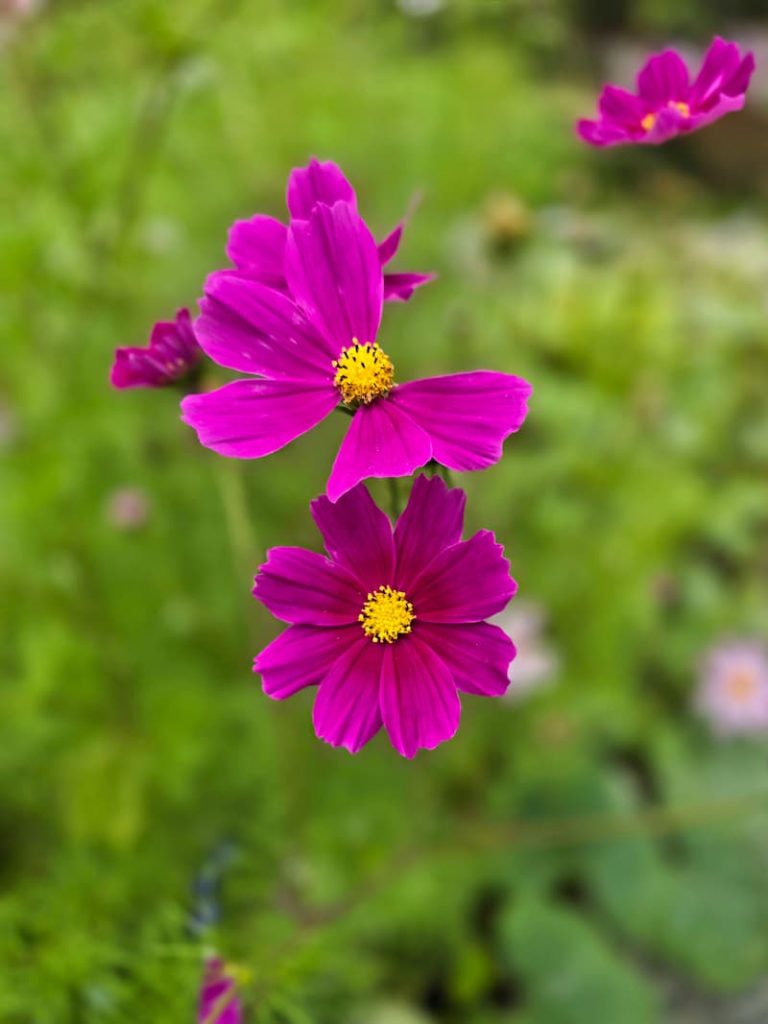
Pinching may seem like a small step, but it can make a noticeable difference in how cosmos grow.
Removing the top few inches of growth when plants are still young encourages branching and produces fuller plants with more flowering stems. Without pinching, plants often grow tall and narrow with fewer blooms.
Common Questions About Growing Cosmos from Seed Indoors
Final Thoughts on Growing Cosmos in the Garden
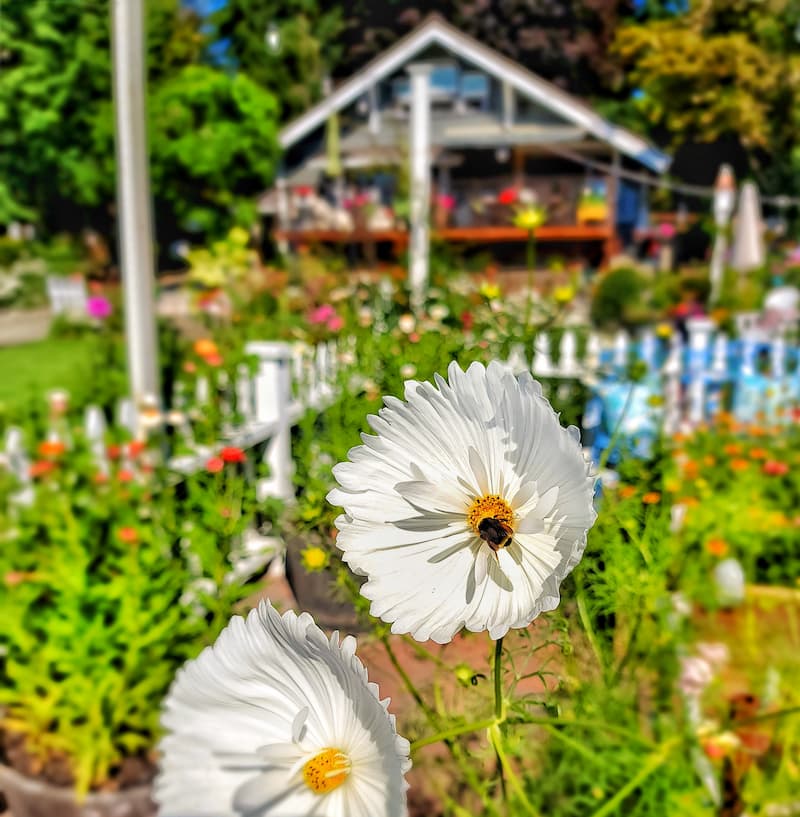
Cosmos are one of those flowers that seem to make themselves right at home in the garden. With plenty of sunshine and a little space to grow, they quickly fill flower beds with soft foliage and cheerful blooms that last through much of the summer.
Once established, cosmos are easy to care for. Watering during dry stretches and regular cutting for bouquets are usually all they need to keep producing flowers week after week.
In my garden, cosmos are always a flower I reach for first when bringing a summer arrangement inside. Their airy stems mix beautifully with so many other blooms and somehow make every bouquet feel a little more relaxed and natural.
If you found this post helpful, feel free to share it with a fellow gardener who’s planning their summer flower garden.
Until next time,
Happy Gardening!

I’m a self-taught hobby gardener. Everything I share on my blog is my opinion and what has worked for me.
MORE POSTS
For You To Enjoy
Follow Me for More Inspiration