
How to Dry Orange Slices for Your Fall and Winter Holiday DIY Projects

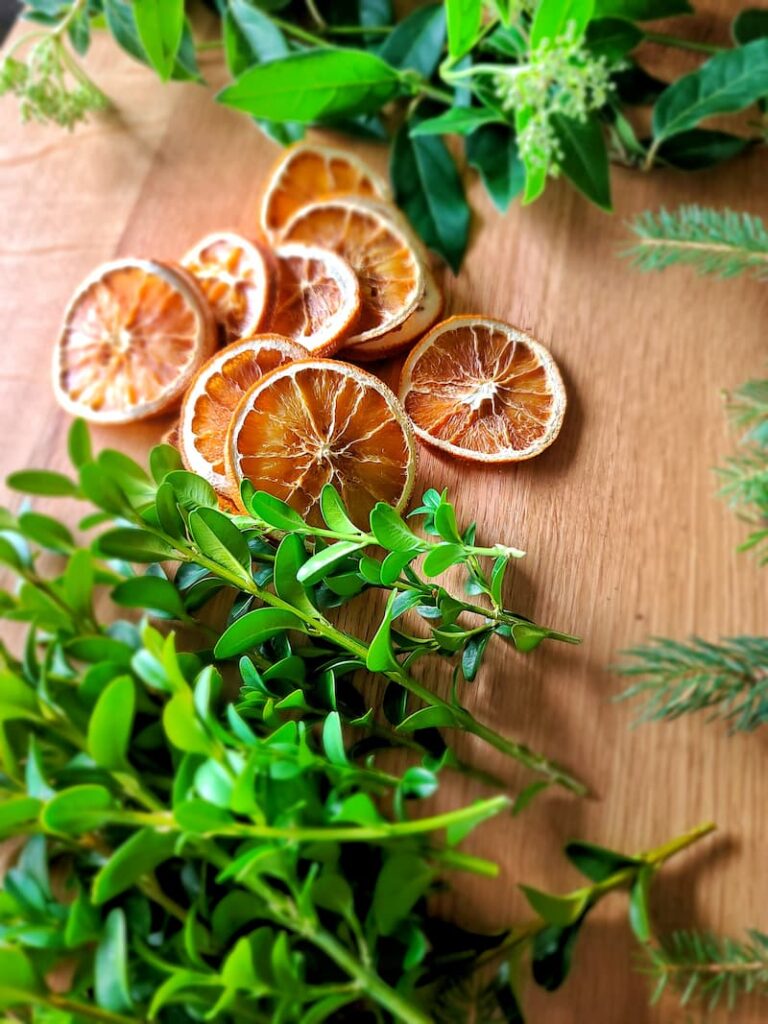
Dried orange slices are one of the easiest natural touches you can add to your holiday decor, and I reach for them every year. This is my tested method for drying them at home, plus the three other ways I’ve tried and what I learned from each.
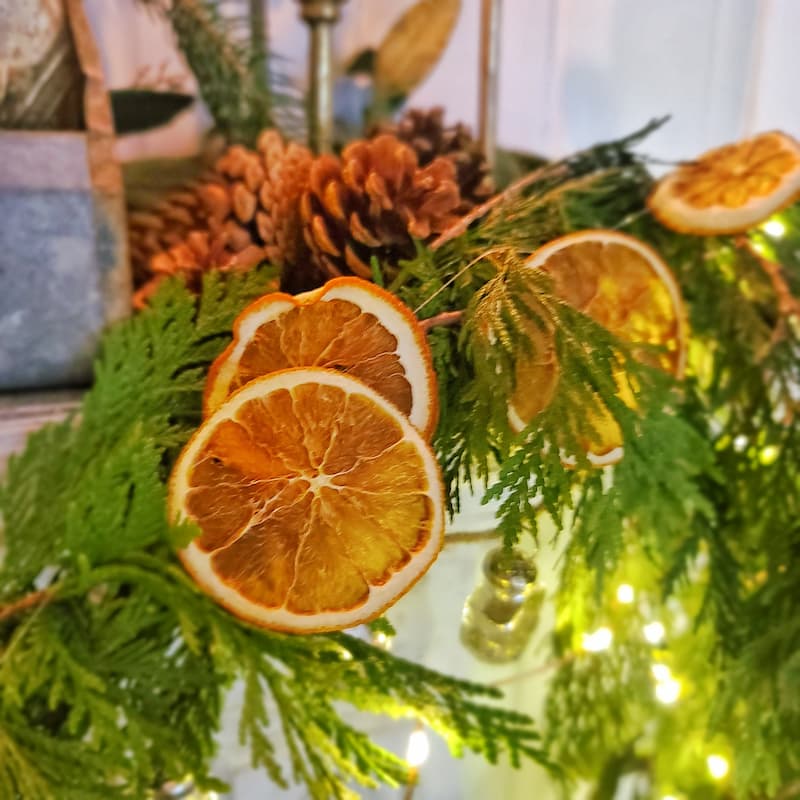
I keep tucking them into garlands, wreaths, and centerpieces once the season turns. They bring a warm, rustic feel to a room and a faint hint of citrus that lingers throughout our home.
I’ve dried a lot of oranges over the years. Through a few crispy, oven-baked failures, I’ve landed on a method that works every time. Whether you’ve made these before or you’re starting from scratch, I’ll walk you through it. Once you see how simple it is, you’ll want dried oranges on everything.
As an Amazon affiliate, I earn a commission from qualifying purchases at no additional cost to you. My blog also features other affiliate links for your convenience. Click here to read my privacy policy.
How Do You Dry Orange Slices at Home?

Dry orange slices by cutting them into thin, even rounds and drying them slowly at low heat until they’re leathery rather than sticky. The oven is the most reliable method for most people, though a dehydrator, air fryer, or microwave will also work depending on your time and tools.
I’ve tried all of them. I always come back to the oven. It gives me the most consistent, picture-perfect slices, and everything I need is already in the kitchen.
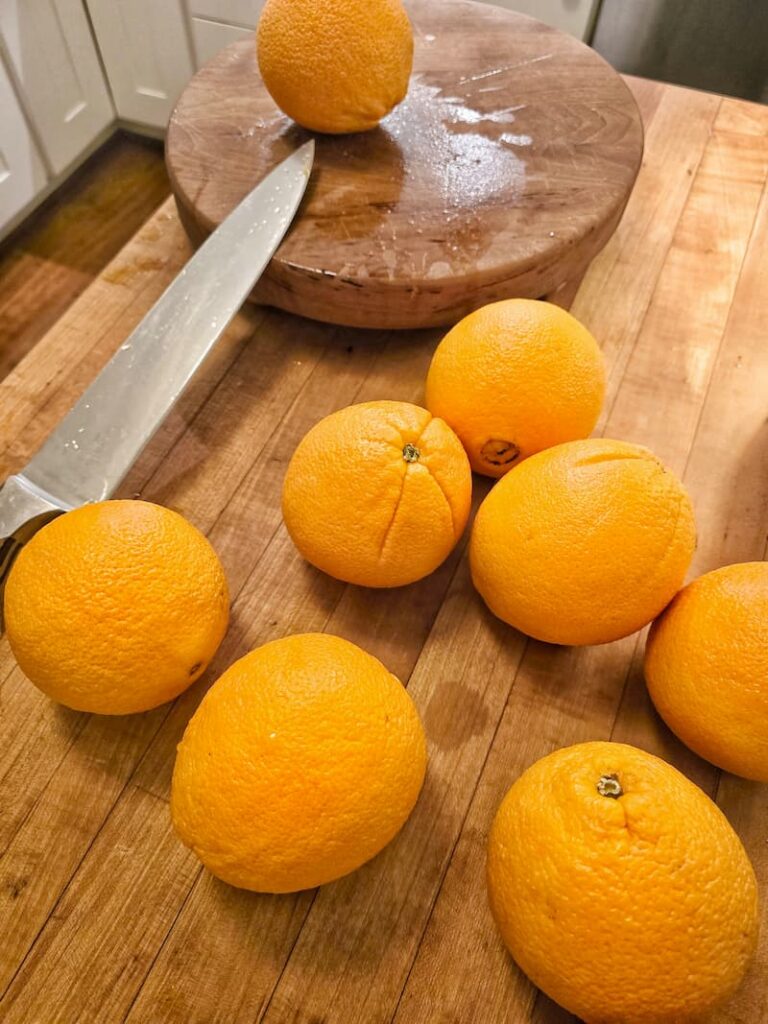
Supplies for Drying Orange Slices
How to Dry Orange Slices in the Oven, Step by Step
After some trial and error, and a few singed batches, I fine-tuned this into a process that gives me good results every time.
- Preheat Your Oven
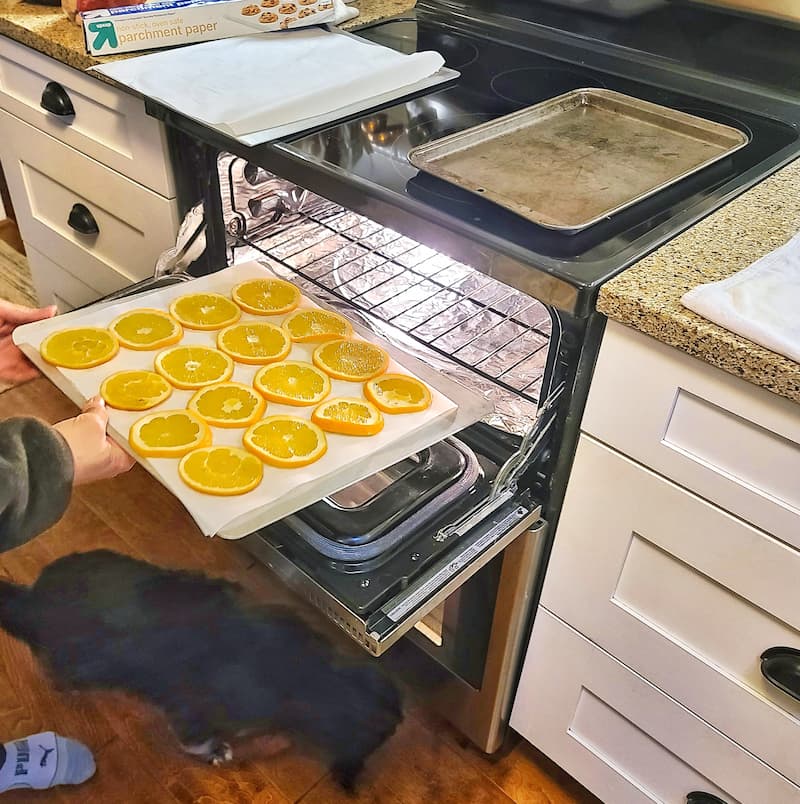
Set your oven to 200° F (90°C). Low and slow is the whole trick. You want to dry the slices, not bake them.
- Slice the Oranges
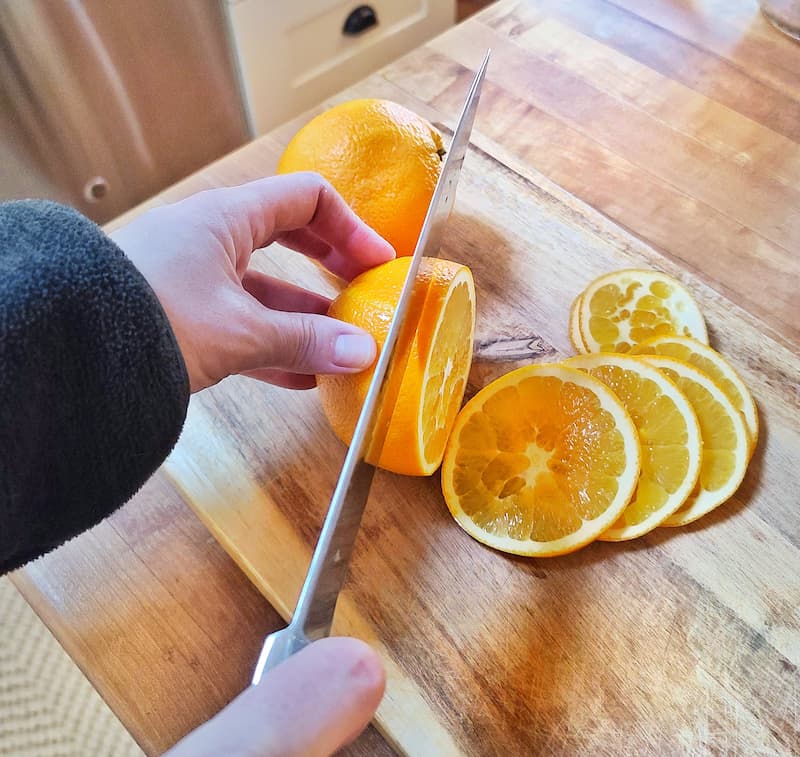
Using a sharp knife or mandoline, cut the oranges into even rounds about ¼-inch thick.
How thick should you cut oranges for drying? A quarter inch is the sweet spot. Thinner slices dry faster, but if they’re too thin, they turn brittle and tear. Keep them uniform so they dry at the same rate, though a little variation here-and-there only adds character.
- Prepare the Baking Sheets
Line your baking sheets with parchment paper or a silicone mat. This keeps the slices from sticking and makes cleanup painless.
- Blot the Slices
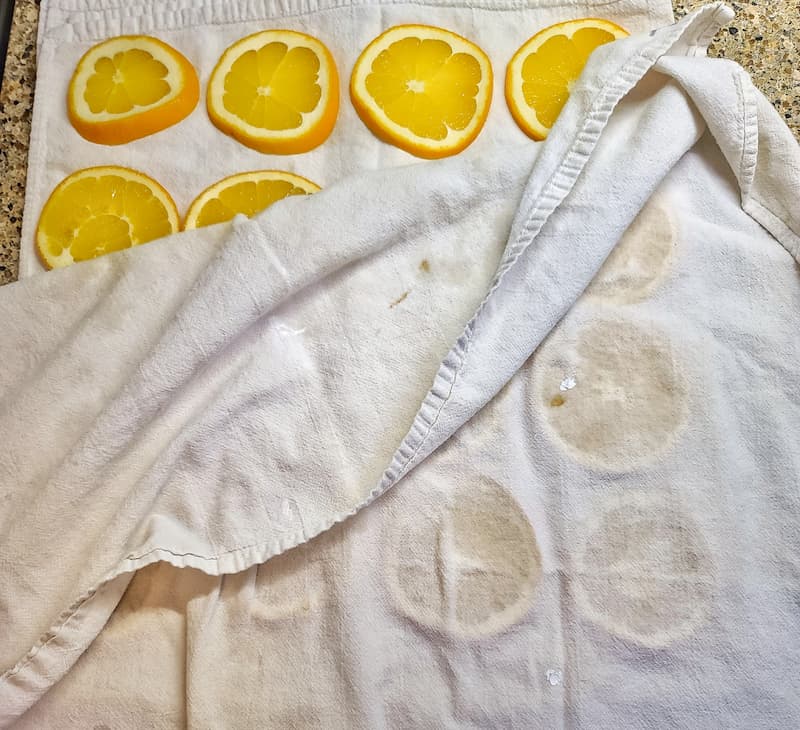
Press a clean dish towel over the slices to blot out the excess juice. Skipping this step is one of the fastest ways to end up with sticky oranges, so don’t rush it.

- Arrange the Slices
Lay the slices in a single layer with a little more space between each one. That gap lets air move around them, promoting even drying and preventing sticking.

- Dry in the Oven
Bake at 200°F for 3-4 hours, turning the slices every 30 to 45 minutes, to dry evenly. If your oven allows it safely, prop the door open a crack and let moisture escape.
How Do You Know When Dried Oranges Are Done?
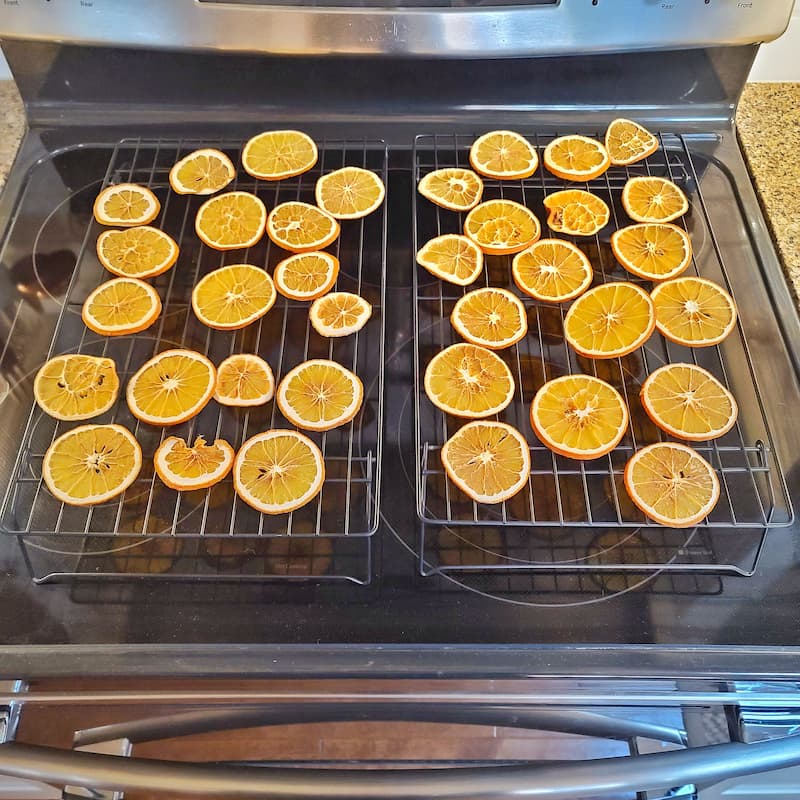
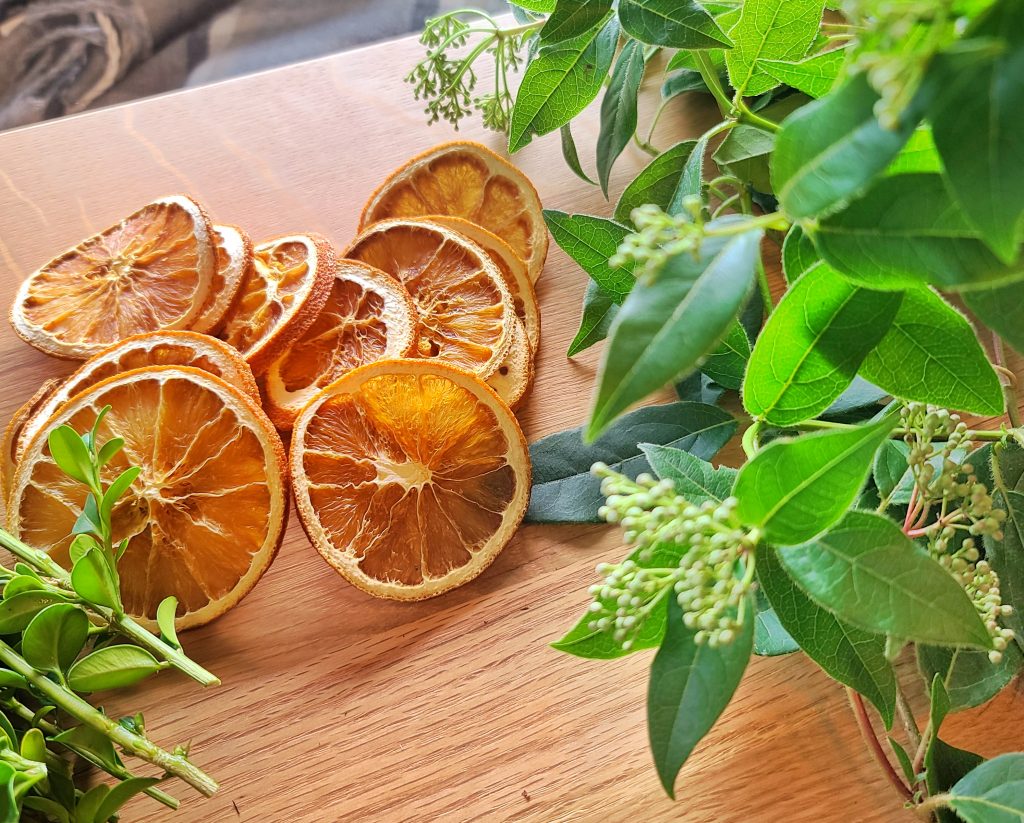
Drying time depends on slice thickness and how juicy the oranges were. Your slices are ready when they feel dry to the touch but still bend slightly, leathery rather than brittle. If you’re not sure, let one cool for a few minutes, and check the texture again.
- Turn Off the Oven and Let Them Rest
Turn off the oven and leave the slices inside until everything cools. Move them to a wire rack and let them finish drying overnight. Once they’re fully dry, store them in an airtight container or use them right away.


Other Ways to Dry Orange Slices
Can You Dry Oranges in an Air Fryer?
Yes. An air fryer is handy for small batches when you don’t want to heat the whole oven. The basket is smaller, so you’ll likely work in rounds. Dry the slices for 30 minutes to an hour, flipping halfway through, and keeping an eye on them. Air fryers run hot and can brown the edges before you know it.
Can You Dry Oranges in the Microwave?
You can, but this method needs close attention to avoid burning or uneven results. It’s best for small batches when you’re short on time.
Lay the slices in a single layer on a microwave-safe plate lined with a paper towel, then lay another paper towel on top. Microwave at medium power for 30-second intervals, checking and flipping after each one. Keep going for 4 to 5 minutes total, depending on the slice thickness and your microwave’s wattage.
Can You Use a Dehydrator to Dry Orange Slices?
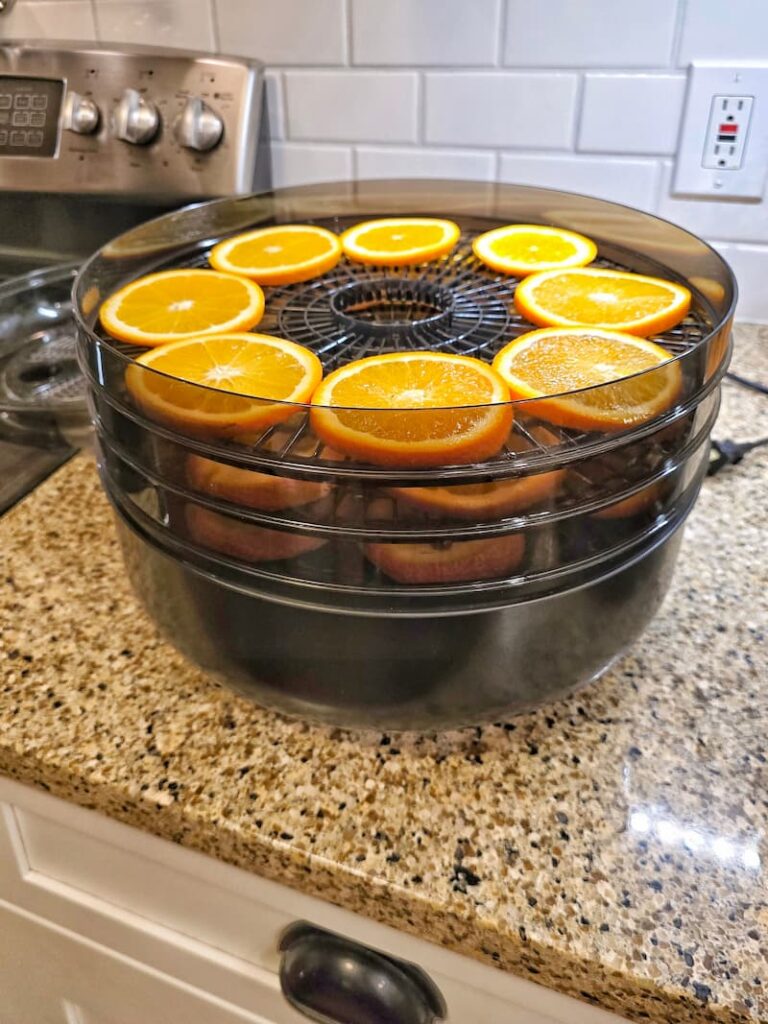
Absolutely, and it’s about as hands-off as it gets. A dehydrator circulates warm air evenly, so once the trays are loaded, you can mostly walk away.
Arrange the slices in a single layer without overlapping. If your dehydrator has a fruit or citrus setting, use it. If you set the temperature yourself, aim for 125°F to 135° F (50°C to 57°C). Most guides suggest 8 to 12 hours. I let mine go a full 48 hours and check on them along the way, but I like them thoroughly dry for long-lasting decor.
Common Questions About DIY Dried Orange Slices
Burning usually comes down to heat that’s too high or slices left unattended, and the oven and air fryer are the usual culprits since they’re less predictable. Lower the temperature, flip the slices as they dry, and check them often. A little babysitting is the difference between amber rounds and scorched edges.
Sticky slices almost always mean they haven’t finished drying. A few common reasons:
Not enough drying time: If you pull them too early, the centers hold onto moisture and stay tacky instead of leathery.
Temperature too low: Low heat prevents burning, but if it’s too low without adding time, the slices only partly dry.
Humidity: Moisture in the air slows everything down. Good air circulation or a propped oven door helps.
Slices too thick: Anything thicker than a 1/4-inch cut stays sticky even after hours.
Natural sugars: Oranges are sweet, and their sugars can feel tacky even when the slice is nearly done.
How to fix sticky orange slices:
Keep drying: Return them to the oven or dehydrator, checking them every 30 minutes until they feel dry and leathery.
Store them correctly: If they’re only slightly tacky, cool them completely and store them with a silica gel pack in an airtight container.
Air-dry longer: Lay them on a rack in a well-ventilated spot for a few hours to finish off any remaining stickiness.
Dried orange slices that are dried thoroughly and stored properly can last 1 to 2 years. Dry them completely, keep them in an airtight container, and you’ll have them ready season after season.
They can, when the dried oranges contain leftover moisture or are stored poorly. To keep pests away, dry the slices all the way through, and store them in airtight containers or resealable bags with silica packs. For outdoor decor, consider a sealing spray or a spot less likely to have insects.
Yes, if they aren’t fully dried or they’re stored somewhere damp. Moisture invites mold, so thorough drying is your best prevention.
You can, especially when they’ve been dried well and stored carefully. That durability makes them useful for crafting, decorating, and even a few kitchen uses year after year.
How to Use Dried Orange Slices

Dried oranges are an inexpensive, sustainable way to bring warmth and a little fragrance into your home and your projects. Here’s where I put them to work.
Home Decor
Crafts
Culinary Uses
Fragrance
Gifts
Let’s Plan Your Dream Garden With Our
Gardening Planner
Unlock Your Garden’s Potential.
Our 35-page Ultimate Garden Planner is designed to help you organize, track, and flourish in your gardening endeavors.
Get yours for $4.99

Final Thoughts on Drying Oranges

Here’s what I love most about dried orange slices: they cost almost nothing, and they last. A few dollars of oranges turn into holiday crafts you’ll reach for year after year.
So, grab a bag of naval oranges and make a batch. This has become a small seasonal ritual for me around the holidays.
If you have questions or ideas of your own, leave them in the comments below, and share this post with anyone who might find it helpful.
Until next time,
Happy Drying!

MORE POSTS
For You To Enjoy
Follow Me for More Inspiration



Seriously so excited to try this, Kim! You always decorate in the most amazing ways with orange slices from garlands to wreaths to your gorgeous tree. Can’t wait to pin and will share on an upcoming post. They’re so pretty and I love that you can use them in multiple seasons too. Hugs and thanks for the comprehensive guide too. It helps so much, CoCo
Thanks you so much CoCo! And thank you for sharing it on your blog. That means a lot. Wishing you the very best for 2025!
Hi Kim, I love oranges and just finished making some for this Christmas. I’m going to share this post in my next upcoming post on the blog! Happy Holidays!