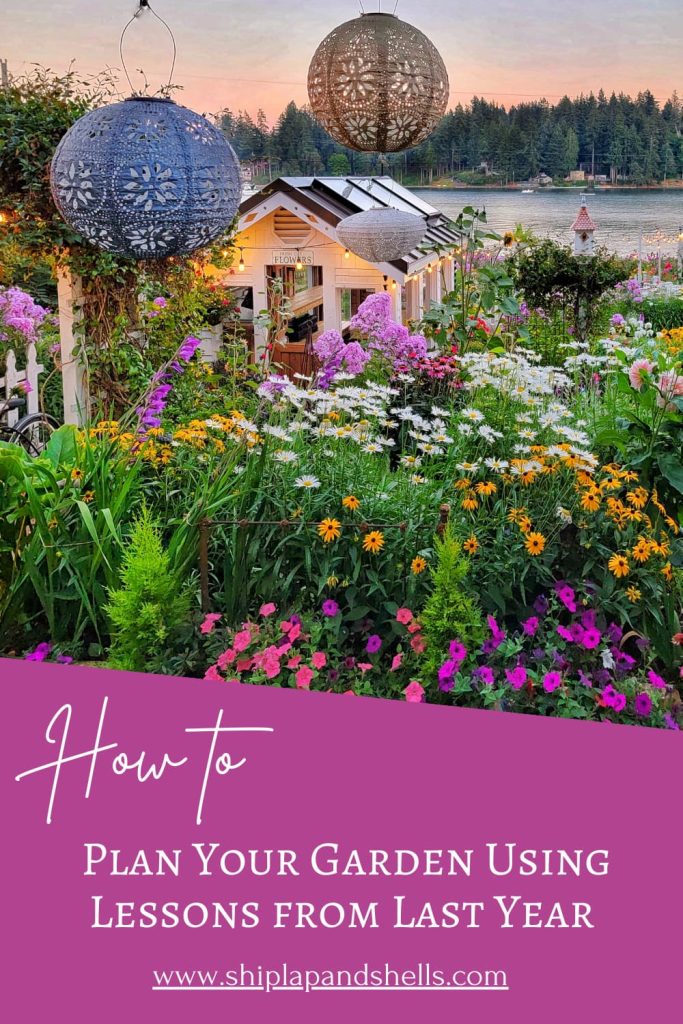
How to Improve Your Garden Using Last Year’s Lessons

Every season teaches you something. Sometimes it’s a pleasant surprise, like a variety you almost didn’t plant that outperformed everything else. Sometimes it’s a hard-won lesson, like the summer I lost a round to plants to root rot because I assumed wilting in a heat wave always meant dehydration.
Either way, those experiences are some of the most useful planning tools you have.
Taking a little time at the end of the season or right at the start of the next one to review what actually happened in the garden can make a real difference in how the coming year goes. Not in a complicated way, but an honest look at what worked, what didn’t, and what you’d do differently.
This post walks through the process: the review, the goal setting, the soil prep, the planting schedule, and the habits that keep a garden healthy all season long. Pull out your garden journal if you have one. If you don’t, now is a good time to start.
As an Amazon affiliate, I earn a commission from qualifying purchases at no additional cost to you. My blog also features other affiliate links for your convenience. Click here to read my privacy policy.
How to Do an End-of-Season Garden Review
Before you start ordering seeds or drawing up new layouts, spend some time with last season’s garden. This doesn’t have to be formal. A few honest notes are enough.
Start With the Wins

What exceeded your expectations? Which plants were more productive than you anticipated? Which varieties performed better than last year?
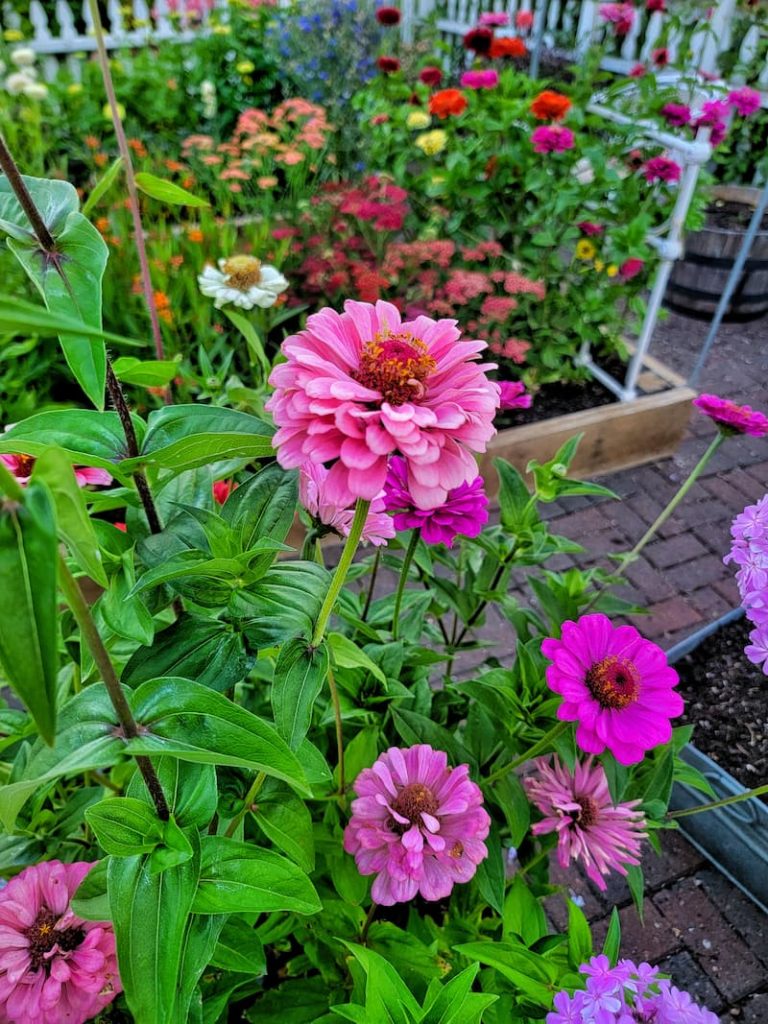
Write these down. They’re easy to forget by the time seed catalogs show up in January, and your wins are some of the most valuable pieces of information you have. If a certain zinnia variety attracted pollinators all summer, or a particular dahlia bloomed from August through frost, that’s worth noting and repeating.
Think about why those plants did well. Was it a specific spot in the garden? A change in how you watered or fed them? Did you amend that bed differently? The more specifically you can identify what contributed to a success, the easier it is to repeat it.
Then Look at the Challenges
Now the honest part. What struggled? What did you lose, and why? Were there pest problems, disease issues, drainage problems, or spots that just never got enough sun?
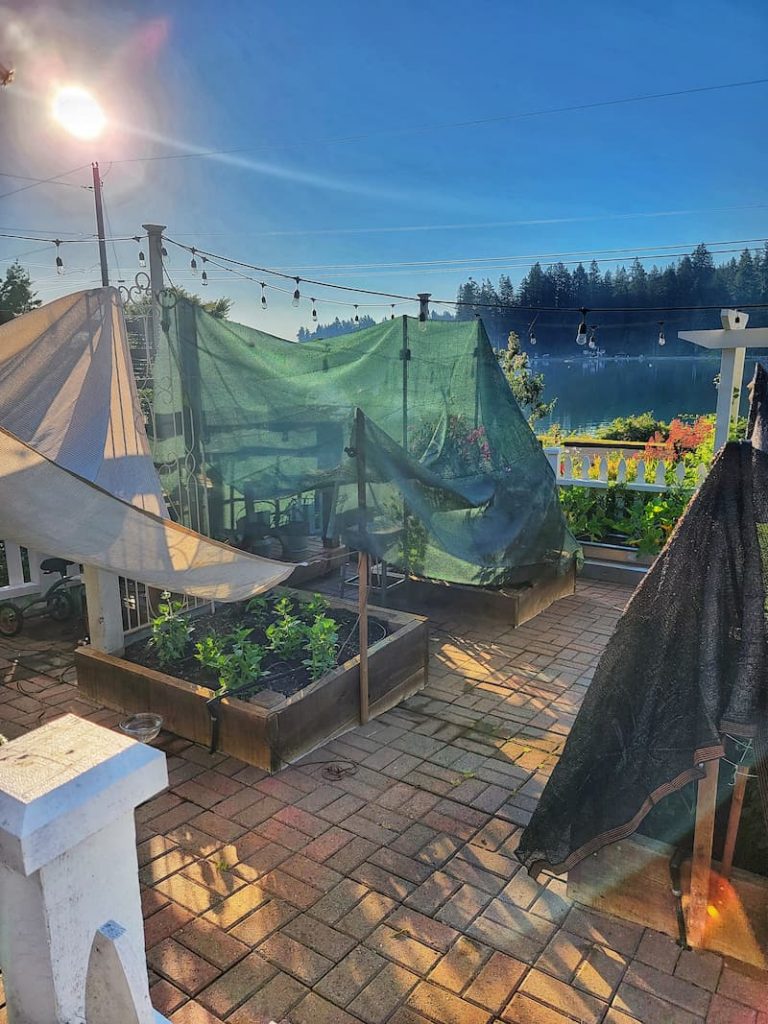
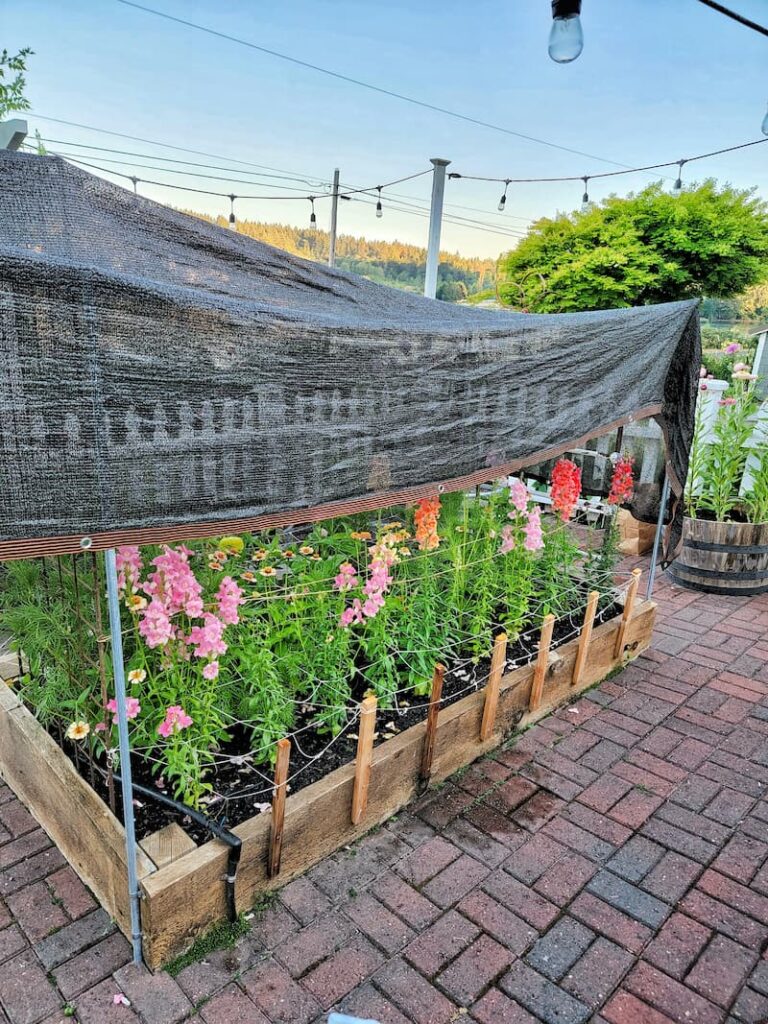
This is also where unexpected weather events belong. One summer, I dealt with three days of 100°F+ temperatures at the end of June… something that had never happened before in all my years gardening on Puget Sound. I didn’t think to put up shade cloth until day two, and I lost some plants to scorch. Others I tried to compensate for by overwatering, which led to root rot. Two separate lessons from one heat wave.
Noting these things isn’t about dwelling on what went wrong. It’s about building a more complete picture of your garden, one that includes the weather, the timing, and your own decisions, so next year goes a little more smoothly.
Identifying What to Change
Once you’ve noted your wins and challenges, ask yourself: What would have the biggest impact if I changed it? Not every lesson needs to become an action item.
Pick the two or three things that matter most: a drainage problem in a bed that’s been disappointing for two years, a pest that keeps showing up because of where you’ve been planting, a variety that sounds beautiful in a catalog but never thrives for you.
Those are the priorities for the coming season.
Let’s Plan Your Dream Garden With Our
Gardening Planner
Unlock Your Garden’s Potential.
Our 35-page Ultimate Garden Planner is designed to help you organize, track, and flourish in your gardening endeavors.
Get yours for $4.99
Setting Goals for the Coming Season
Goals give your garden planning some direction. Without them, it’s easy to add plants impulsively without thinking about how they fit together, or to keep doing what you’ve always done without asking whether it’s actually working.
Define What You Want from This Season
A few common gardening goals that are worth thinking through:
Your goals might be a mix of these or something entirely different. What matters is writing them down before you start planning so they actually shape your decisions rather than getting lost once seed-ordering season begins.
What Kind of Garden Do You Want?
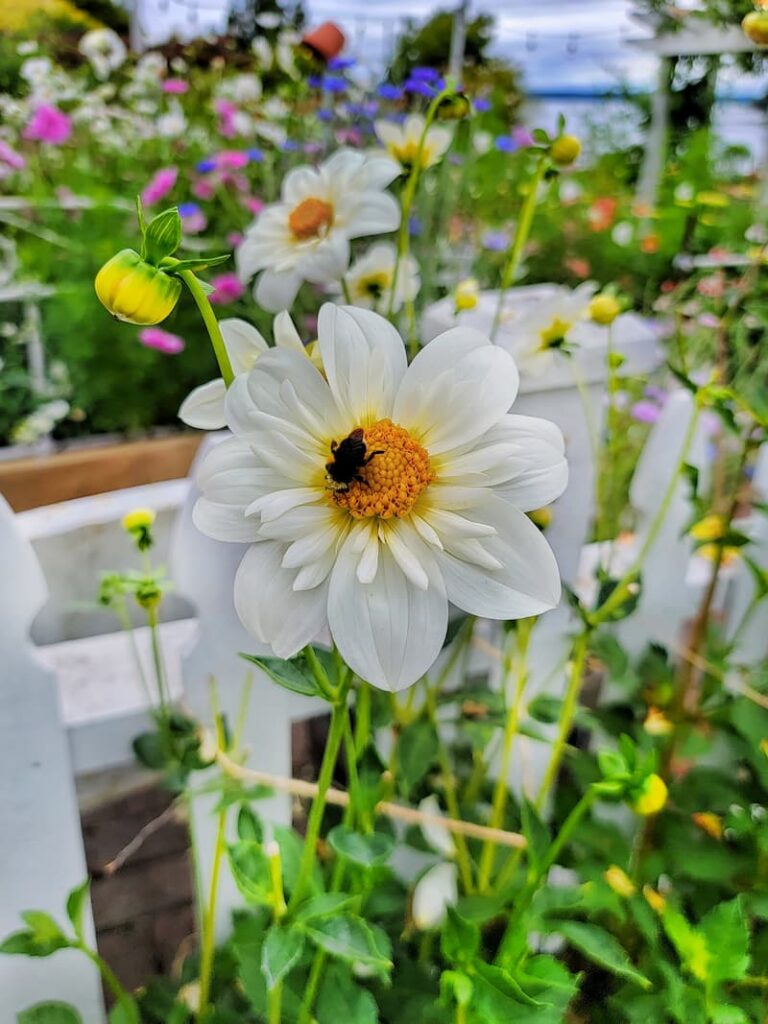
Is this primarily a cut flower garden, a cottage perennial border, a mix of vegetables and flowers, or something else? The answer shapes everything from plant selection to bed layout to the amount of weekly maintenance you’re signing up for.
If you’re leaning toward cut flowers, you’ll want to think about bloom succession: what opens first, what carries through midsummer, and what gives you something to cut in September. If your priority is low maintenance, a higher ratio of perennials to annuals makes a real difference.
Be Honest About Your Resources
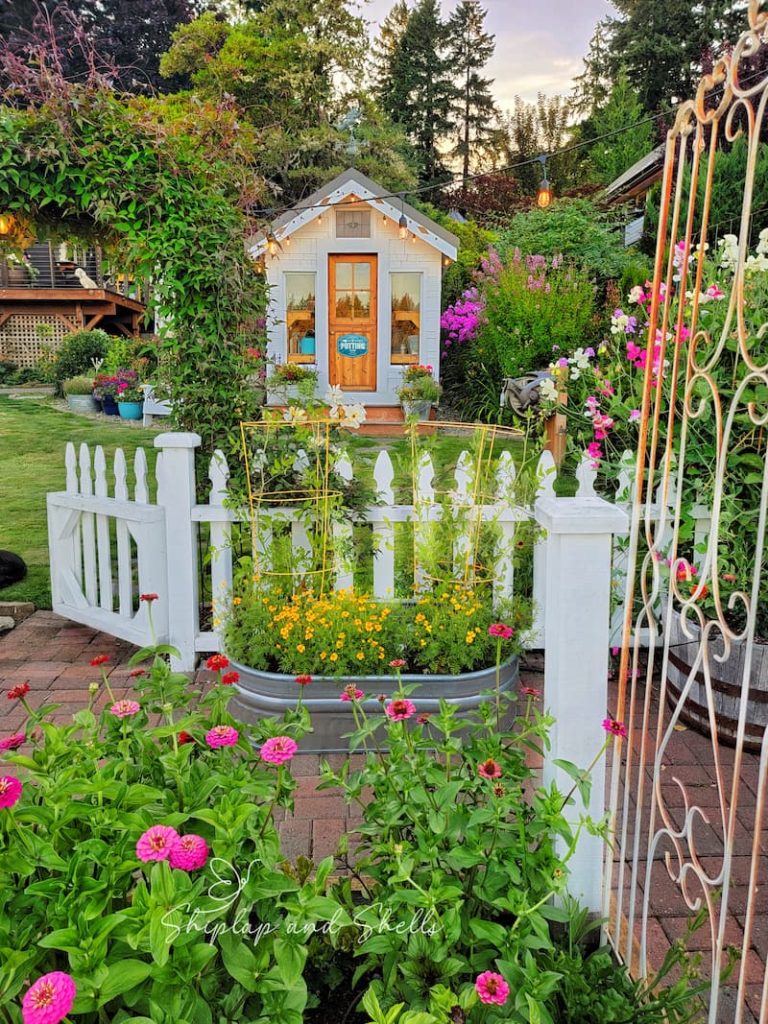
Before finalizing plans, check in with your actual constraints:
Overplanning is one of the most common ways gardeners set themselves up for frustration. A smaller, well-tended garden is more satisfying than an ambitious one that feels like a burden by August.
Garden Supplies and Tools
Check out my favorite garden supplies and tools for the growing season. Whether you’re looking for potting soil or deer repellent, you’ll find what I use in my own garden.
Selecting Plants and Varieties
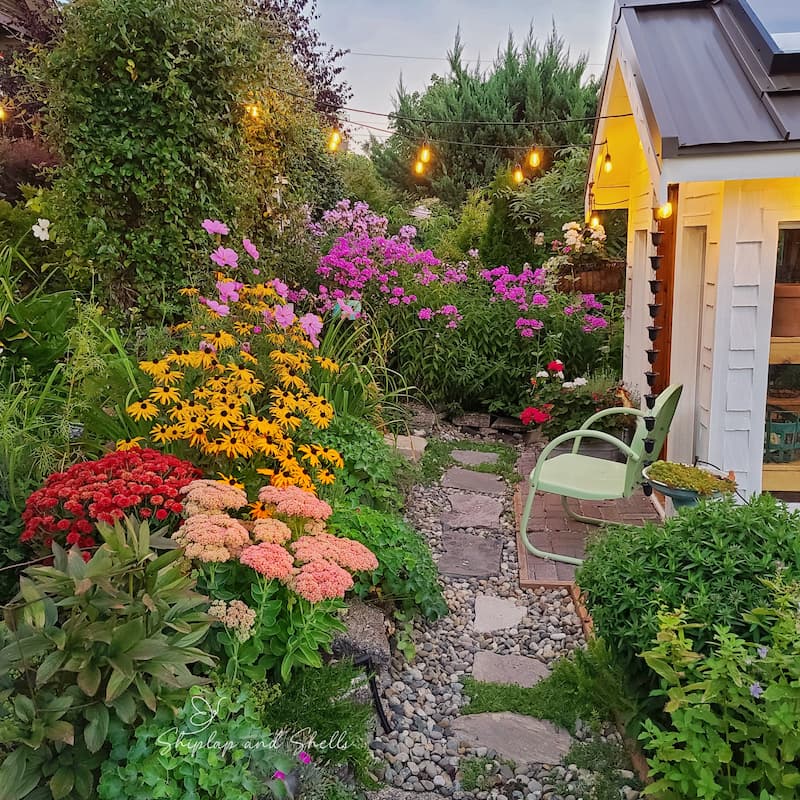
This is where last year’s notes become directly useful. You already know which plants thrived in your specific conditions and which ones didn’t earn their space. Use that.
Choose Plants Suited to Your Climate
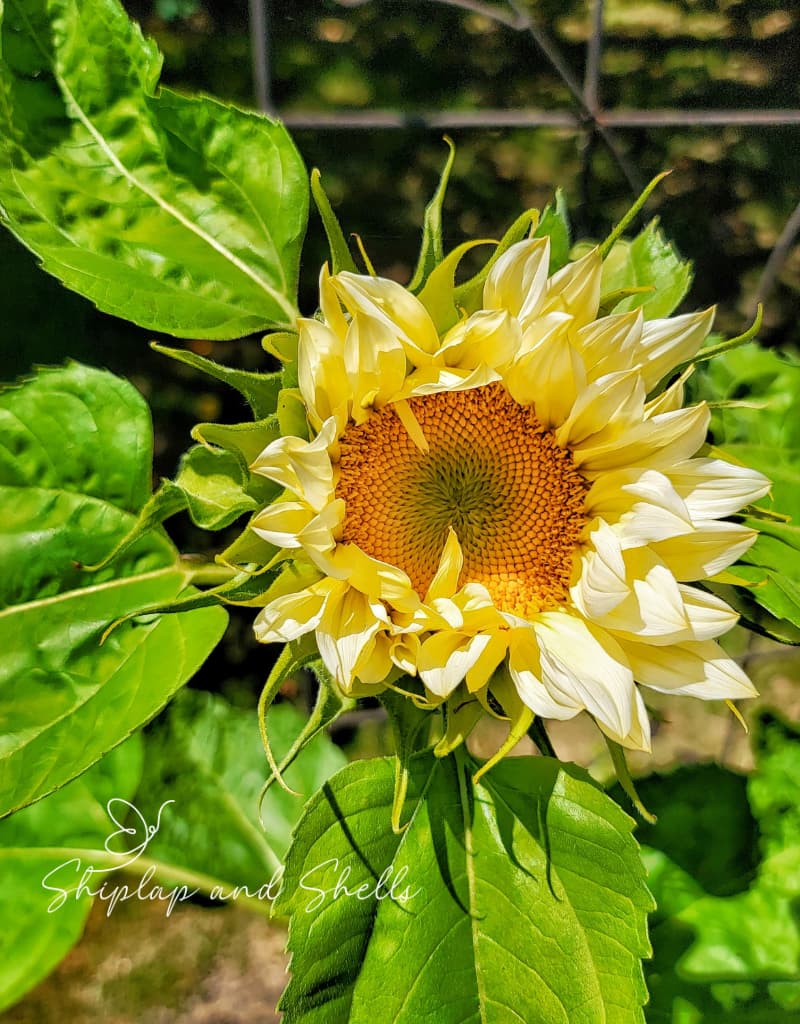
Your USDA hardiness zone provides a baseline for what will overwinter in your area, but local microclimates matter too. Here in Zone 8b on the Pacific Northwest coast, I grow things that wouldn’t survive in inland Zone 8 gardens, and struggle with some things that inland gardeners find easy.
Your local extension office, a good independent nursery, or the WSU Master Gardener program (for Washington gardeners) can be genuinely useful for understanding what grows well in your specific area beyond what the zone map tells you.
Add Diversity By Trying New Varieties
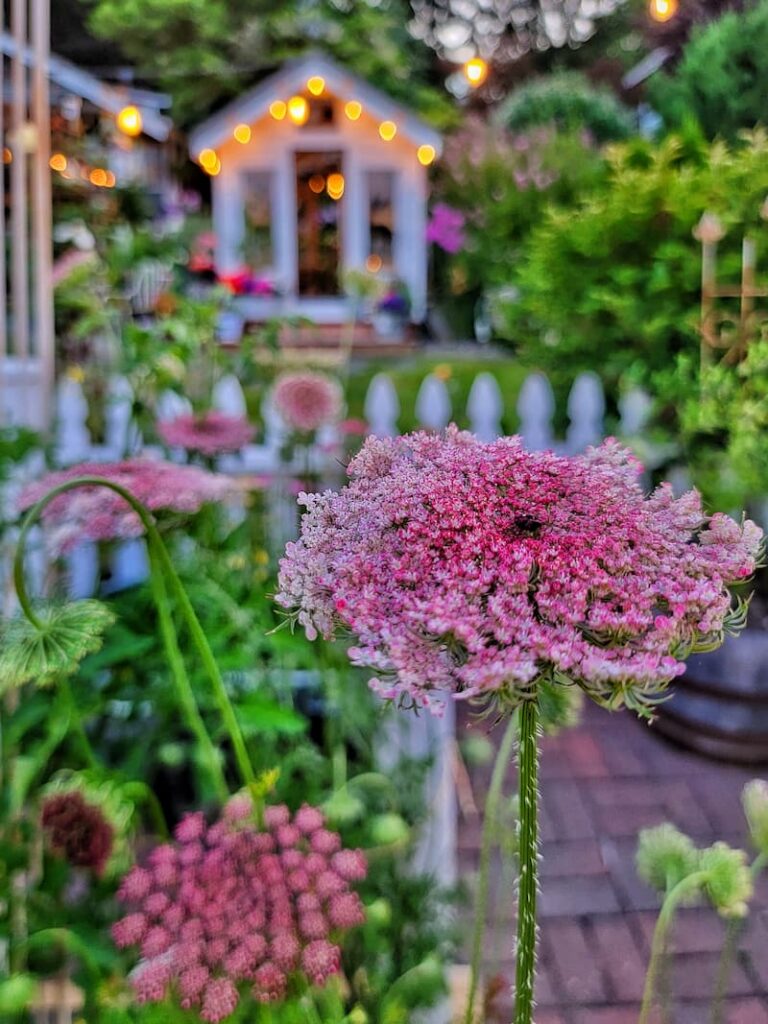
Trying a few new varieties each season is one of the most enjoyable parts of gardening, and it’s also useful. You won’t know what performs exceptionally well in your garden until you try it. One or two new additions per season keep things interesting without overwhelming your planning.
Match Plants to Your Space and Goals
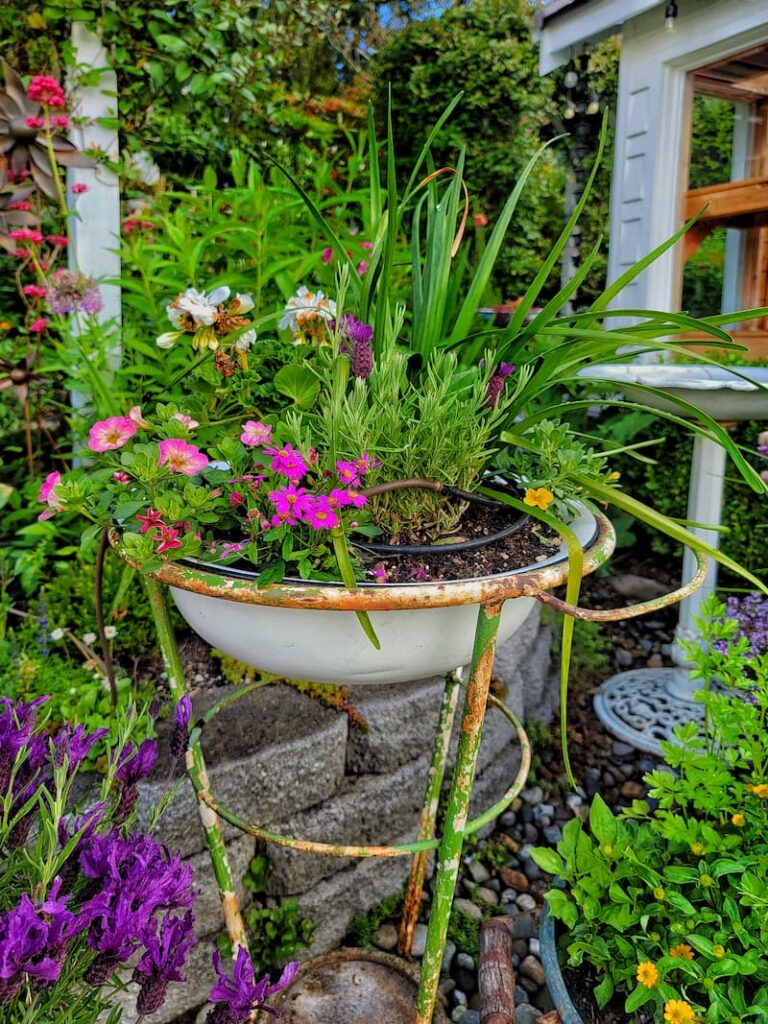
If you’re working with raised beds and cut flower goals, think about succession planting: what goes in first (snapdragons, sweet peas), what fills in for midsummer (zinnias, cosmos, dahlias), and what carries things through to fall (strawflowers, asters). If you have limited space, prioritize plants that give you the most blooms per square footage.
For any space, consider the mature size of what you’re planting. It’s easy to underestimate how much room dahlias need by August, or how quickly a cosmos can shade out a shorter neighbor.
Planning the Garden Layout
A little planning on paper before you start digging saves real frustration later.
Sketch It Out
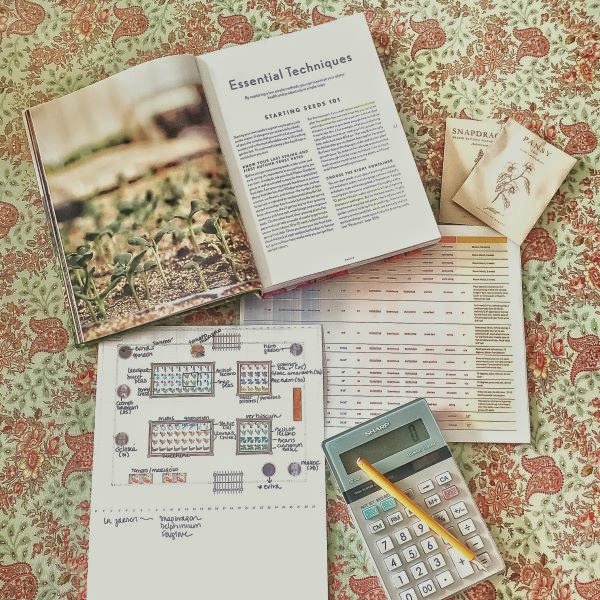
You don’t need anything elaborate… graph paper and a pencil are plenty. Mark your beds, note which direction is south (for tracking the sun), and sketch in where different plants will go.
This helps you spot problems before they’re in the ground: a tall plant that would shade shorter neighbors, beds that are too wide to weed from the sides, and pathways that don’t quite work.
Think About Companion Planting
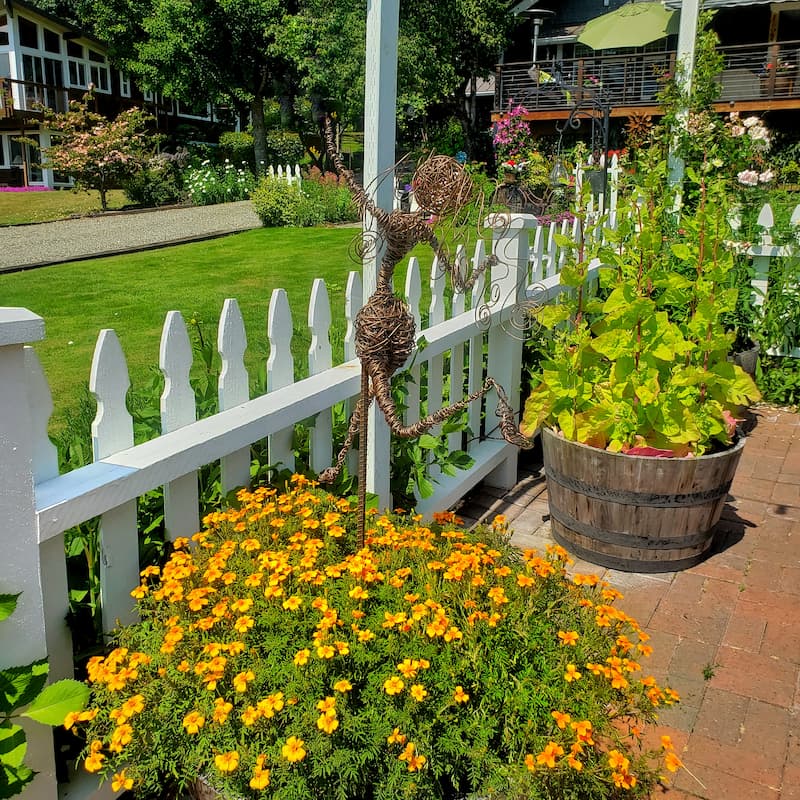
Some plants genuinely benefit from being near each other. Marigolds near vegetable beds or in the cut flower garden help deter aphids. Tall dahlias can provide afternoon shade for plants that struggle with direct summer heat. Sweet alyssum tucked along bed edges attracts beneficial insects. These aren’t complicated arrangements, just thoughtful placement that makes the garden work a little harder.
Sun, Spacing, and Access
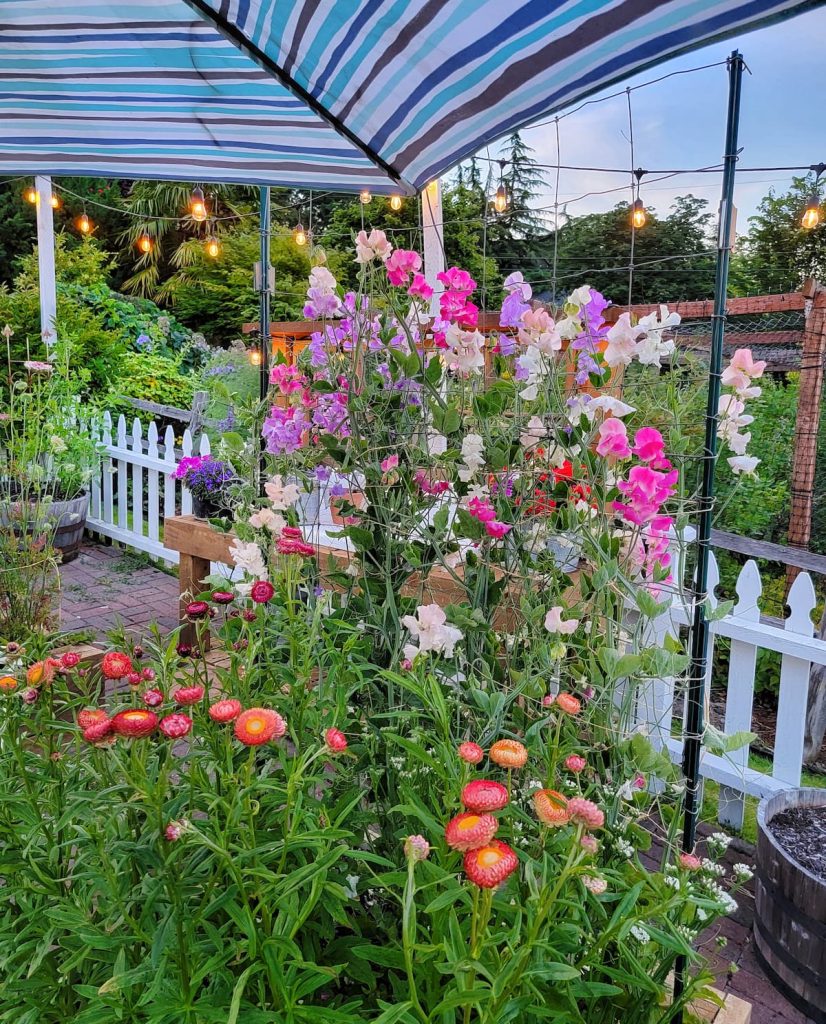
Most flowering plants want at least 6-8 hours of full sun. Before you plant, watch where the shade falls at different times of the day, especially in spring when the sun angle is different from that in midsummer.
Leave enough room between plants for good air circulation, which reduces fungal disease. And plan your pathways so you can reach every part of the bed without stepping into it. Compacted soil in flower beds is a real problem, and it’s easily avoided.
How to Improve Your Soil Before the Season Starts
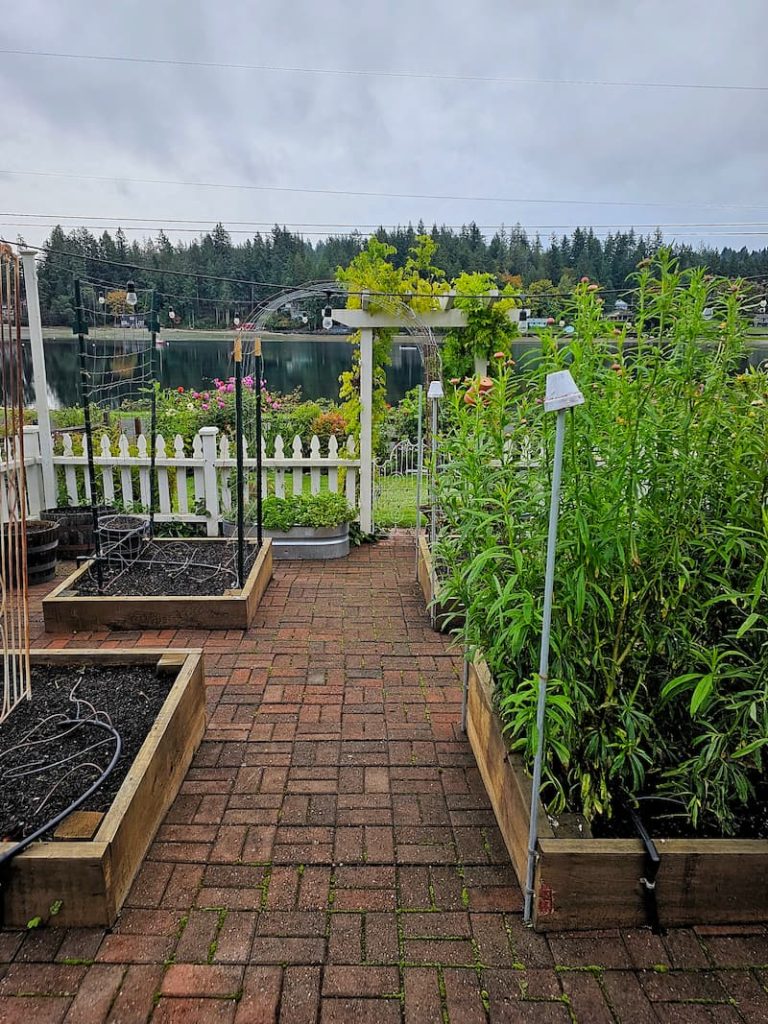
Healthy soil is the foundation. Plants growing in rich, well-structured soil are more vigorous, more disease-resistant, and more productive than the same plants in depleted ground.
Test First
Before adding amendments, know what you’re working with. A soil test tells you pH, nutrient levels, and organic matter content, and it tells you what to add rather than having you guess. DIY kits from a garden center are a reasonable starting point, but the WSU Soil Lab or your local extension office will give you more detailed results.
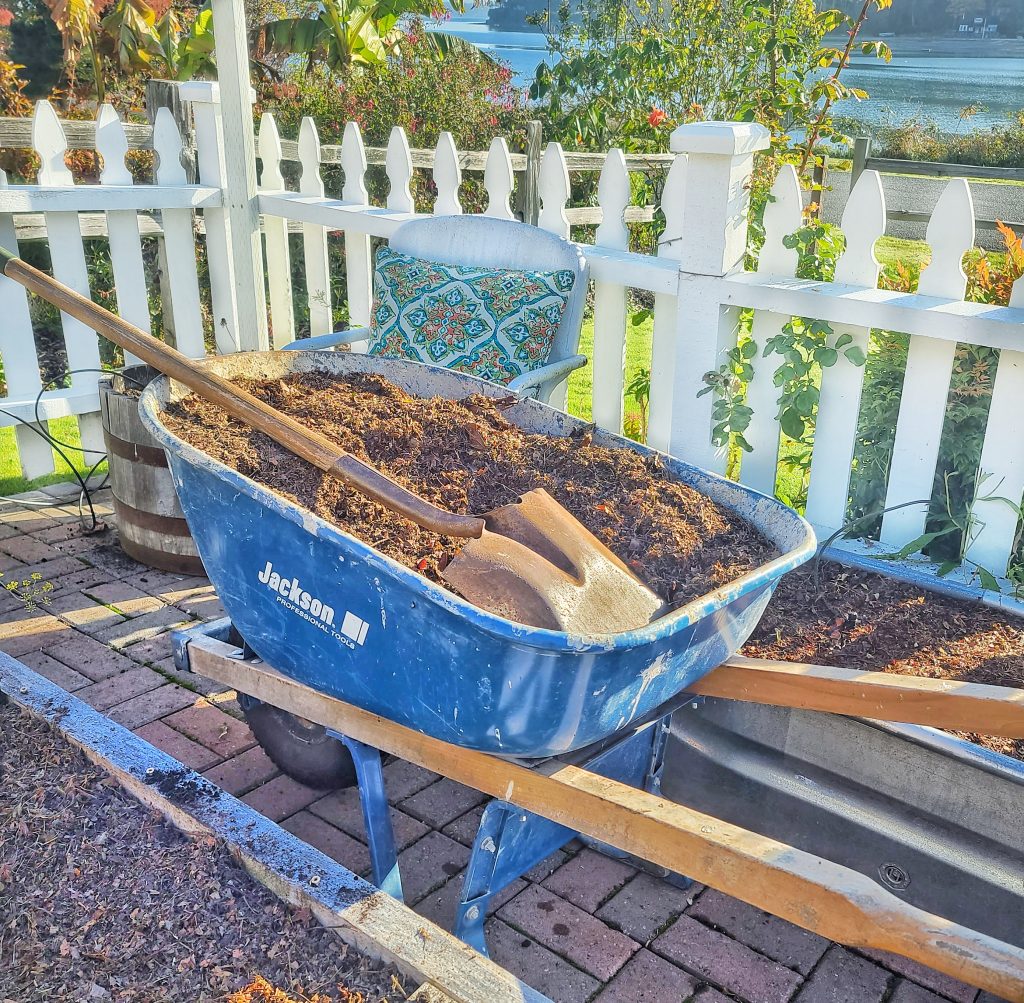
Common Soil Amendments Worth Knowing
Preparing the Bed
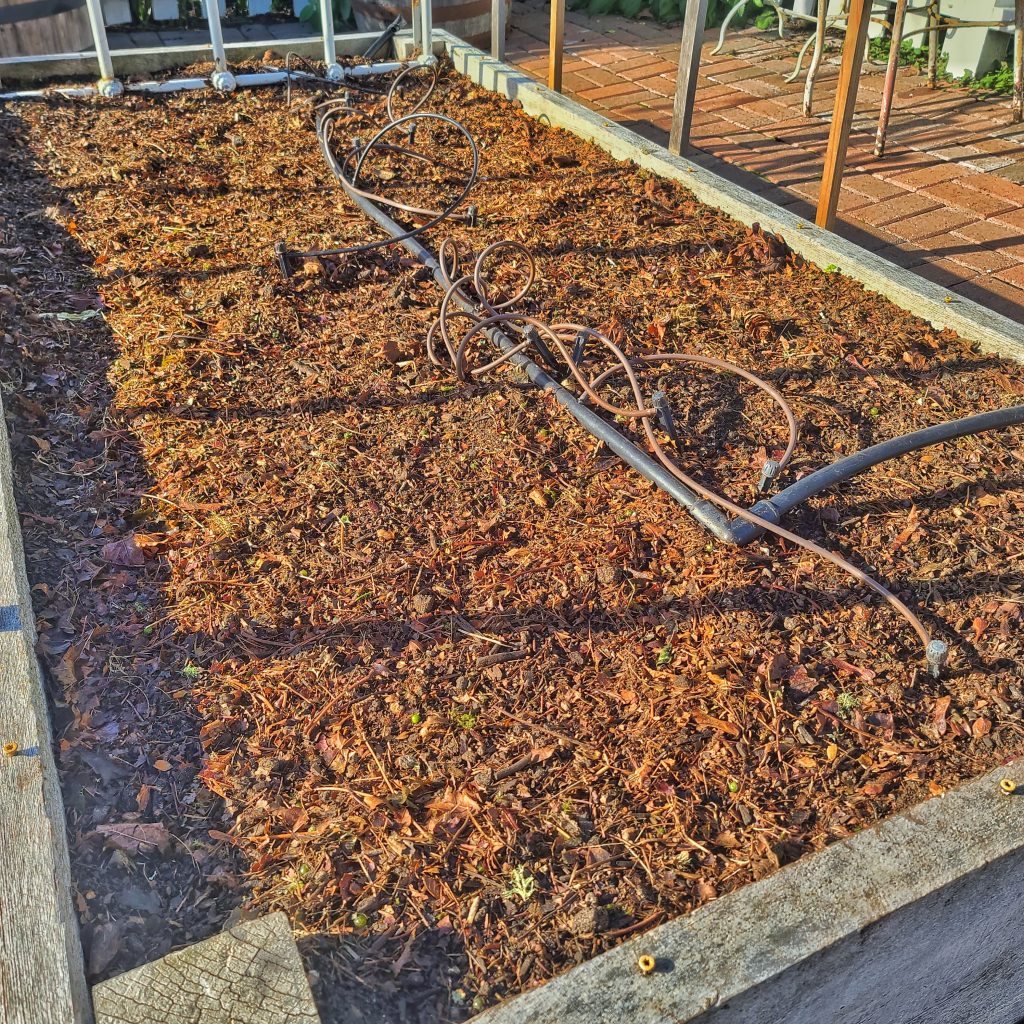
Before working amendments in, loosen the soil to at least 6-12 inches deep. Break up any compacted areas. Spread amendments evenly and work them in with a garden fork. For raised beds, topping off with 1-2 inches of fresh compost each season usually does most of the work.
Creating a Planting Schedule
Timing matters more than most gardeners realize in the early years. Planting too early in cold soil or starting seeds indoors at the wrong time can set you back weeks. A simple planting calendar keeps everything on track.
Know Your Zone’s Frost Dates
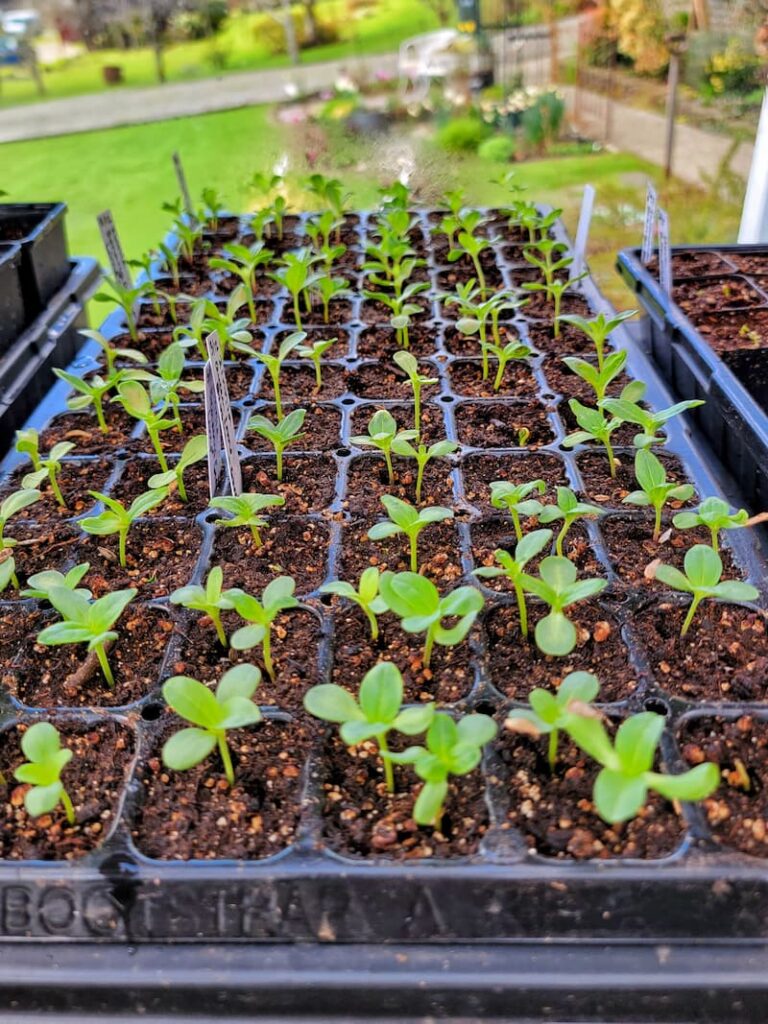
Your last spring frost date and first fall frost date define your growing window. In my part of the Pacific Northwest, our last frost is typically mid-March, and we often don’t see our first fall frost until October or November, which means a long, generous season if you plan for it.
Build a Simple Planting Calendar
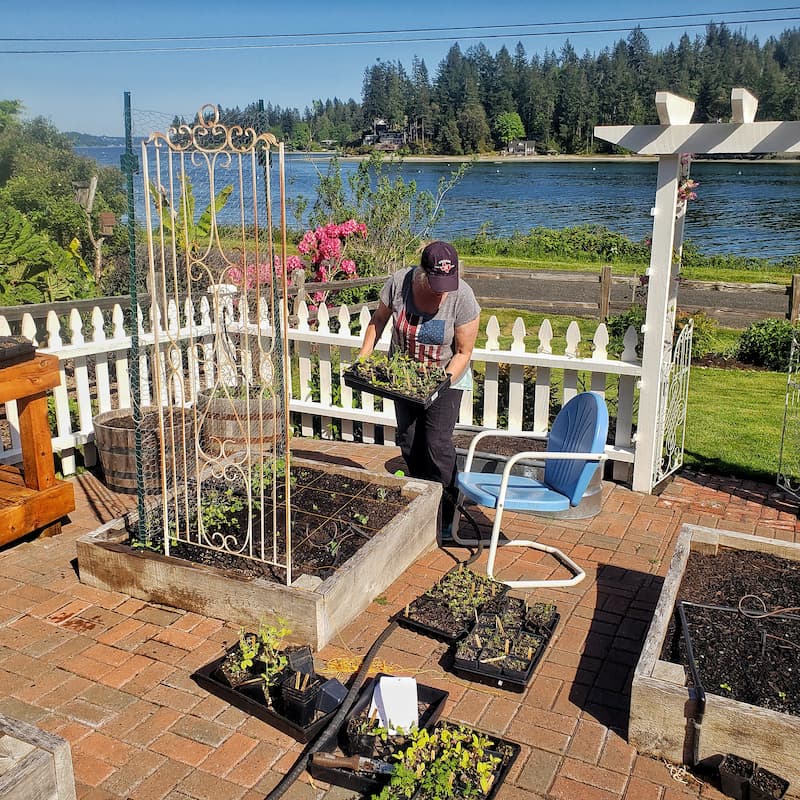
List every variety you plan to grow. For each one, note whether it goes directly in the ground or starts indoors, and count backward from your last frost date to figure out when seeds need to go under lights.
Track succession plantings on the same calendar like a new round of cosmos every few weeks, for example, rather than one big sowing that all blooms at once and then is done.
Plan for Succession
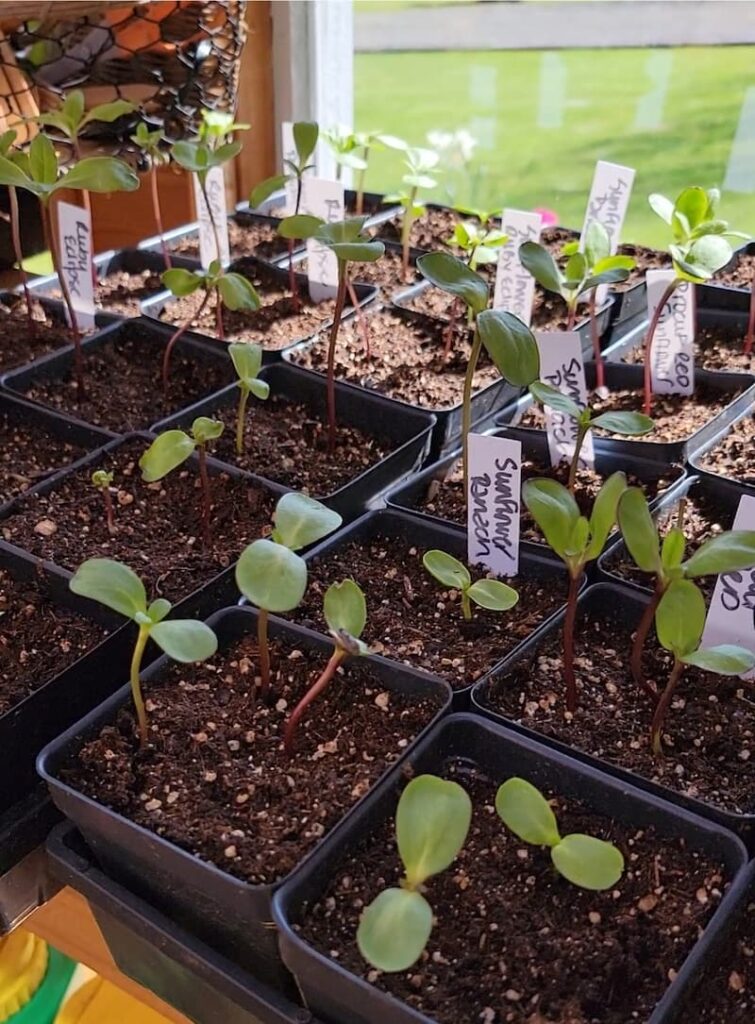
Staggered plantings give you a more continuous harvest and bloom season. Rather than starting all your sunflowers at once, try starting a new batch every two to three weeks from late March through early May.
The same principle applies to zinnias, cosmos, and any direct-sown annuals. It takes a little more planning up front, but it dramatically extends what you have to cut and enjoy.
Pest and Disease Prevention
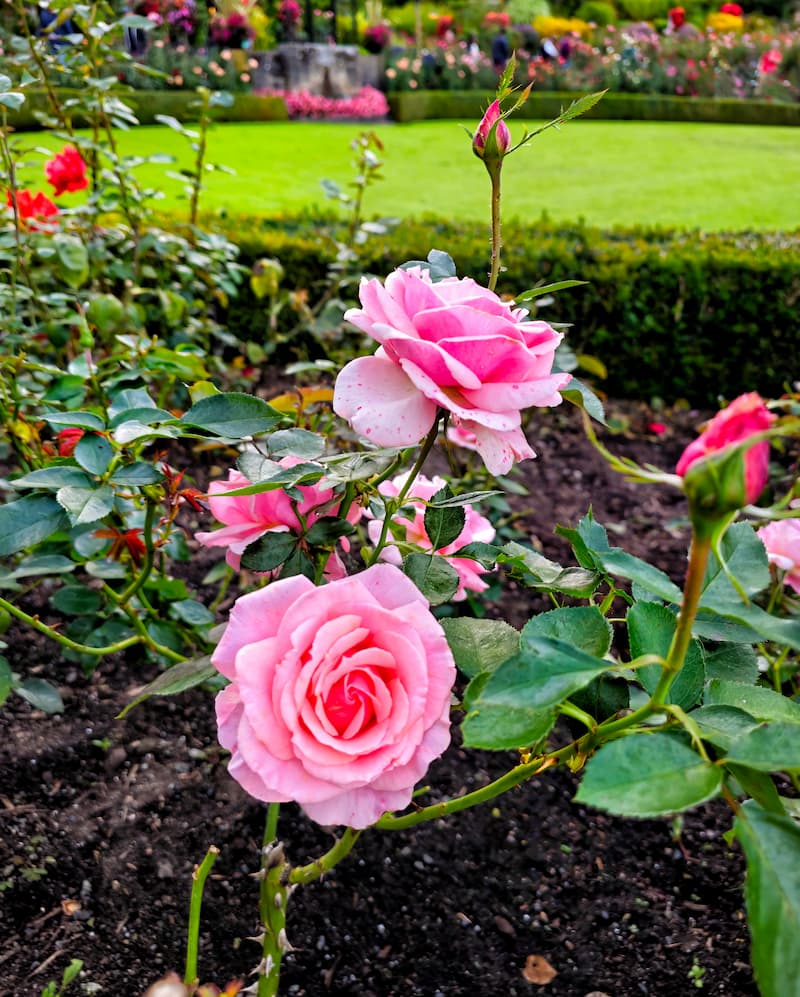
Prevention is far easier than treatment, and most of what prevents problems in the garden comes down to good basic habits.
Know What to Watch For
Aphids, slugs, caterpillars, and powdery mildew are among the most common issues in Pacific Northwest gardens. Learn what early signs look like so you can catch problems before they spread. Your local extension office is a good resource for identifying what’s specific to your area.
Preventive Practices That Actually Work
When Problems Appear Anyway
Even with good prevention, things come up. Neem oil, insecticidal soap, and beneficial nematodes are effective organic options for many common issues.
The key is catching problems early and treating them before they spread. I use an integrated pest management approach: monitoring regularly, acting when needed, and avoiding chemical pesticides that would harm the beneficial insects I’m trying to attract.
Watering and Irrigation
Effective watering is one of those things that seems simple until you start having problems, and then you realize how much it matters.
Match Watering to Plant Needs
Annuals of newly transplanted seedlings need consistent moisture, especially in the first few weeks. Established perennials are much more drought-tolerant. Dahlias want regular, deep watering but shouldn’t sit in soggy soil.
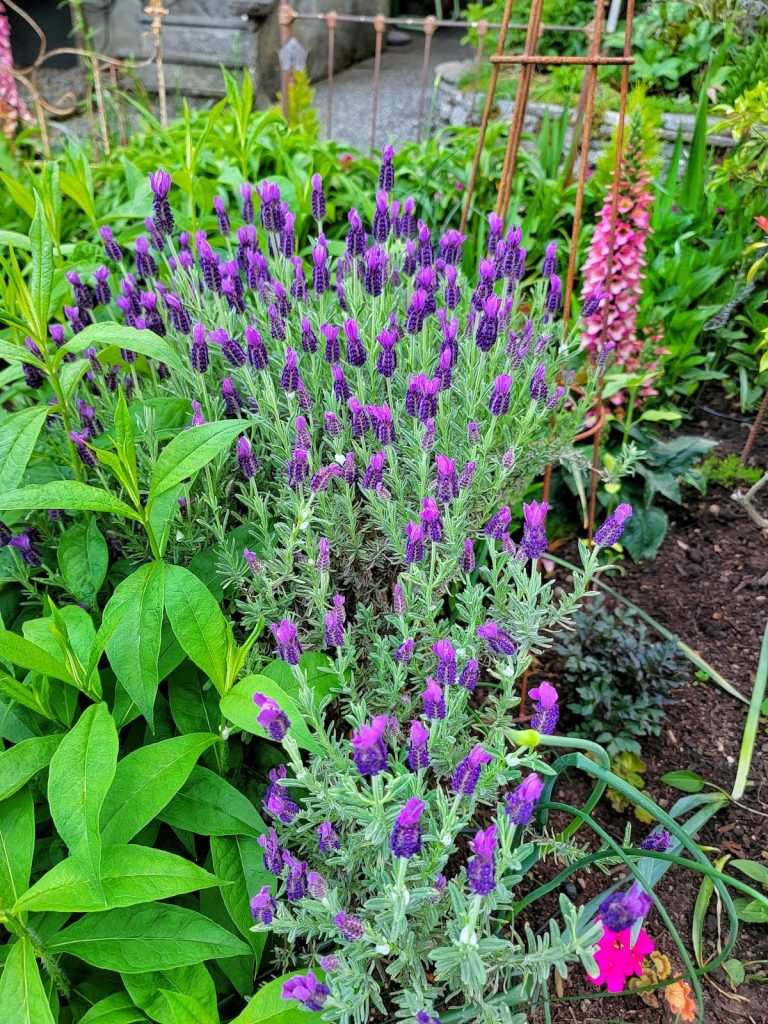
Lavender would rather go dry between waterings than stay wet.
When in doubt, check the soil. The best method is the simplest. Stick a finger in near the root zone. If it’s dry an inch or two down, it’s time to water. And if it’s still moist, wait.
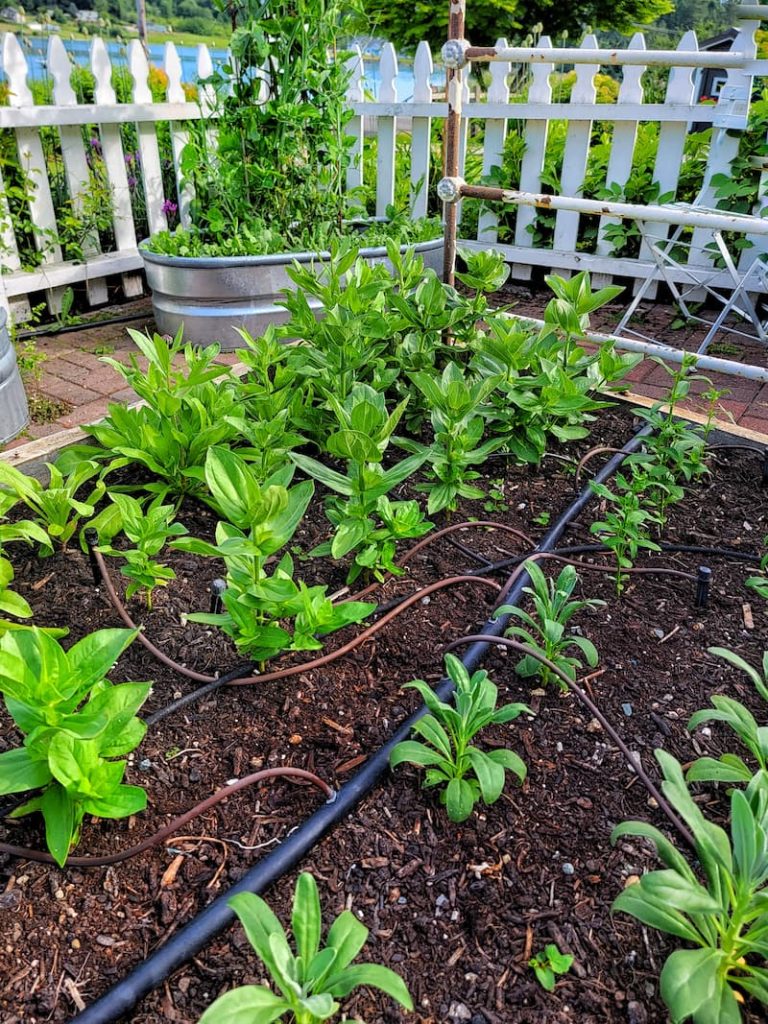
Choose the Right Irrigation Method
Adjust With the Season
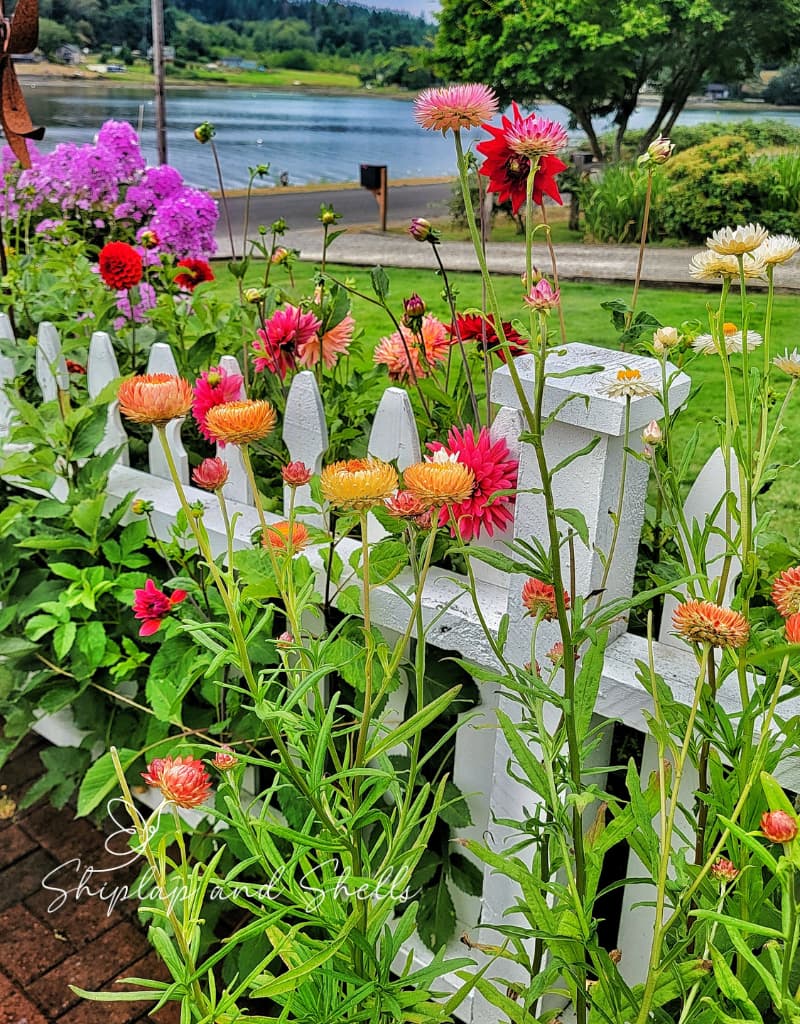
Early morning is the best time to water. It gives plants time to absorb moisture before the heat of the day, and foliage dries quickly. Adjust your schedule when heavy rain comes or when temperatures drop. Overwatering is a real risk, especially in spring when the soil is already saturated from winter.
Building a Maintenance Routine
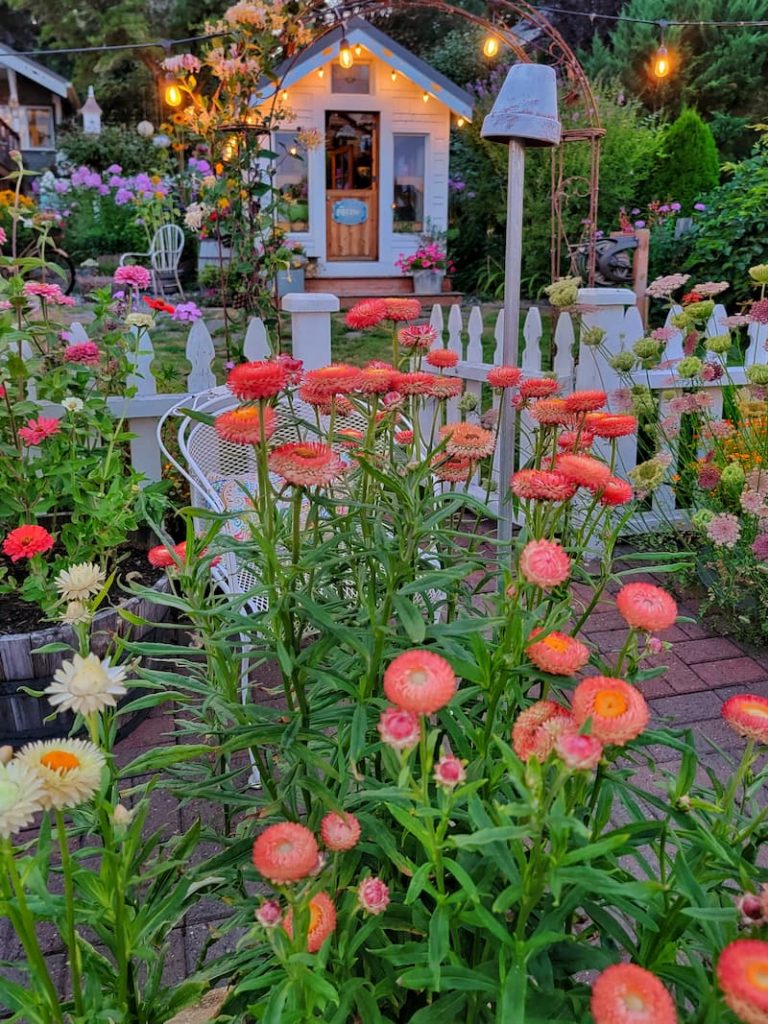
A garden that gets a little consistent attention stays manageable. One that gets ignored for three weeks at a stretch usually has a much longer to-do list when you come back to it.
Regular Tasks Worth Scheduling
Keeping a Garden Journal
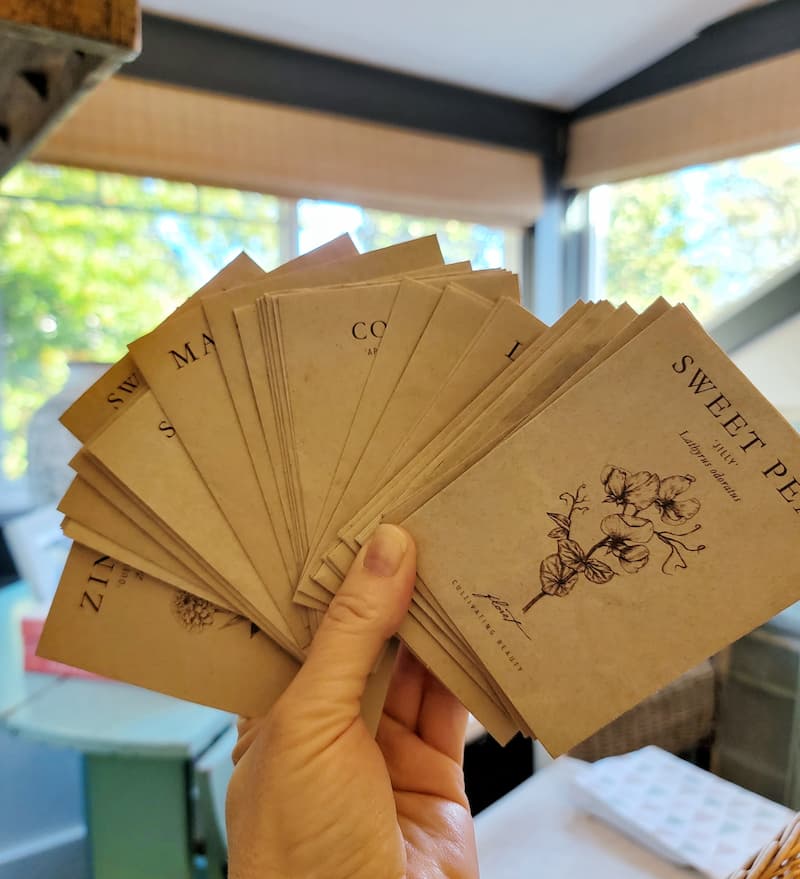
A garden journal is the simplest tool I know for improving year over year. It doesn’t need to be elaborate: a notebook, a binder, a notes app on your phone. What matters is that you’re writing things down while they’re happening rather than trying to reconstruct the season from memory in November.
What to Record
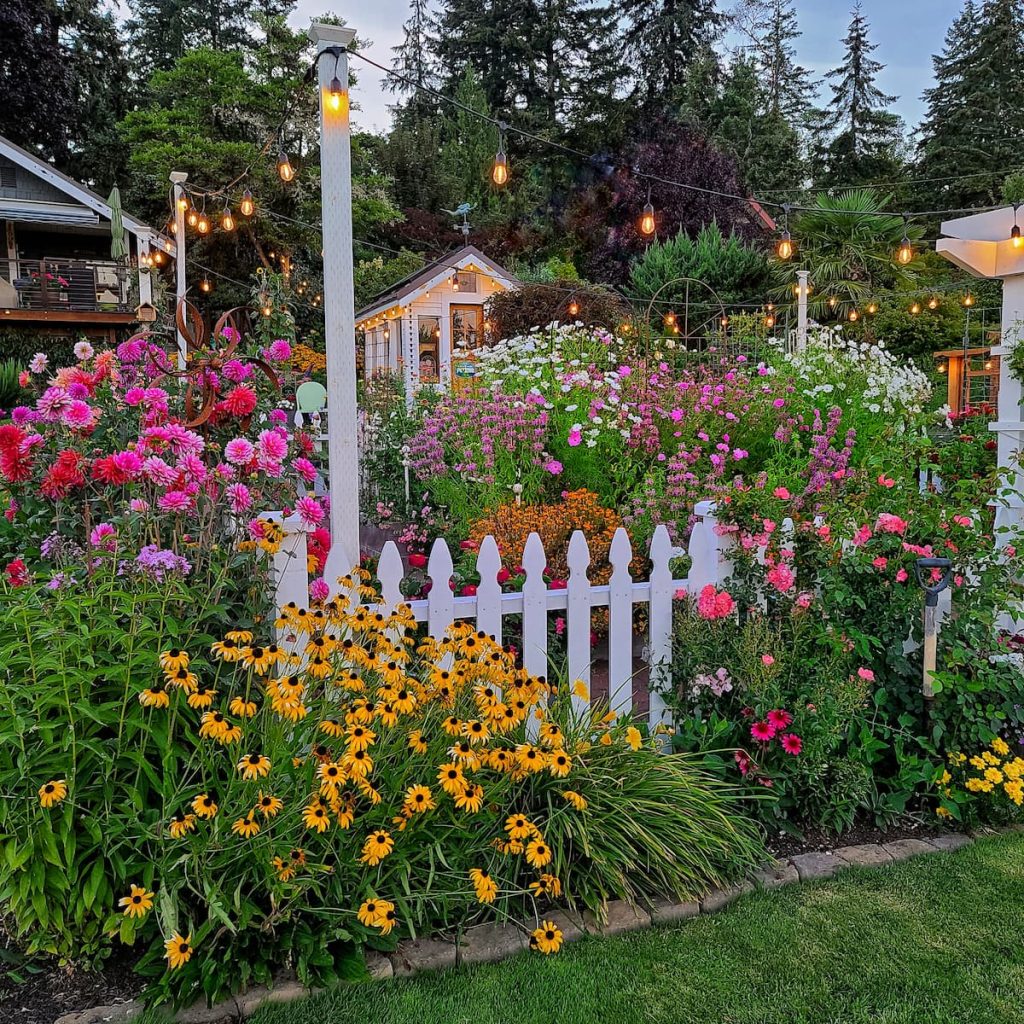
Photos are worth including too, either tucked into a physical journal or organized in a phone album by date. Seeing what the garden looked like at the same point last year is genuinely useful when you’re planning.
Using Your Journal to Plan
The journal’s value compounds over time. After two or three seasons of consistent notes, you start to see patterns: the beds that always need drainage attention, the varieties that perform better in one spot than another, the weeks when pest pressure typically peaks.
That kind of accumulated knowledge makes you a more effective gardener than any single tip or technique.
Frequently Asked Questions
When is the Best Time to Do an End-of-Season Garden Review?
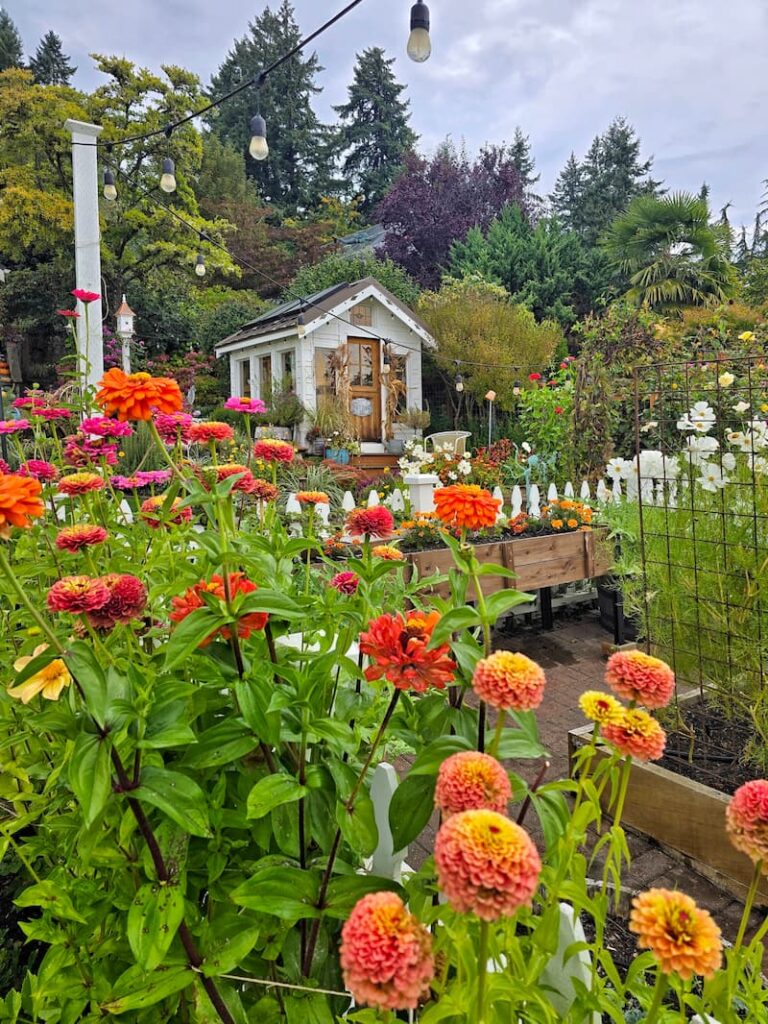
Late fall, after the main growing season has wound down, is ideal, while everything is still fresh. But if you didn’t do it then, early winter or even just before seed-ordering season is still valuable. The key is doing it before you start making plans for the coming year, so last season’s lessons can actually shape your decisions.
How Do I Know What to Change in My Garden?
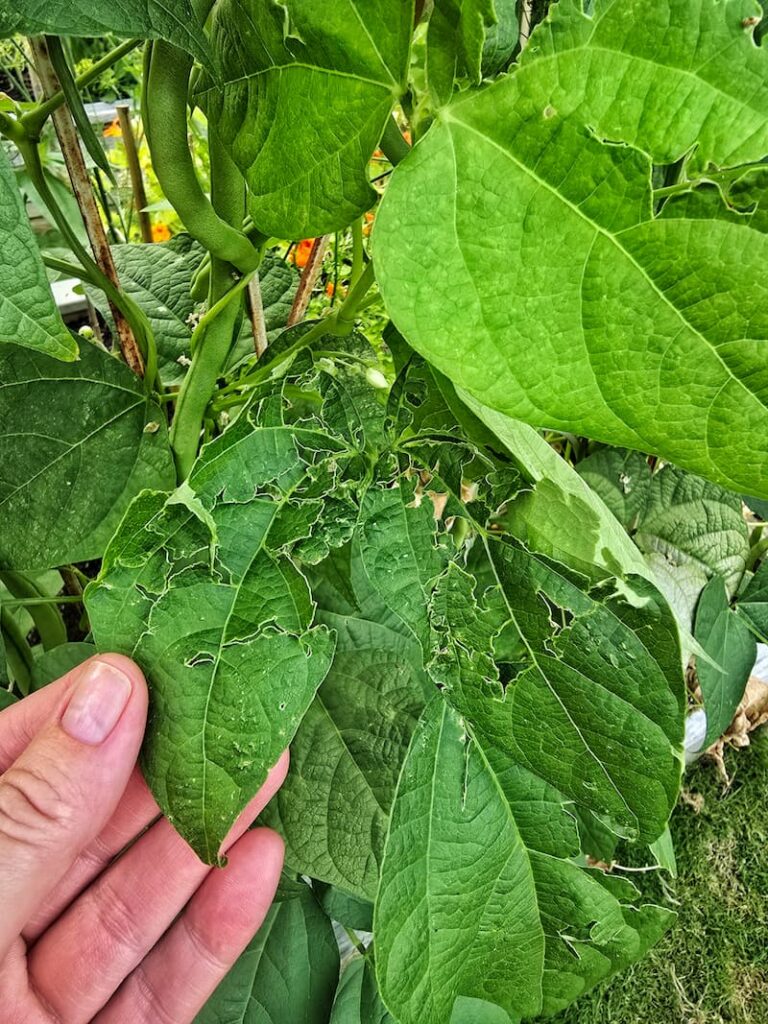
Start with what frustrated you most. A bed that underperformed for two years in a row, a pest problem that keeps coming back, a plant that looked beautiful in the catalog but never did well for you. Those are all your highest-priority changes.
You don’t need to overhaul everything at once. One or two meaningful adjustments per season, consistently applied, make a real difference over time.
How Do I Make My Soil Better from Year to Year?
Consistent additions of compost are the single most impactful thing most gardeners can do. A 1 to 2-inch layer worked in each spring, combined with mulching throughout the season, builds soil structure and fertility over time. A soil test every few years helps you identify specific deficiencies and avoid guessing about amendments.
Is a Garden Journal Really Necessary?
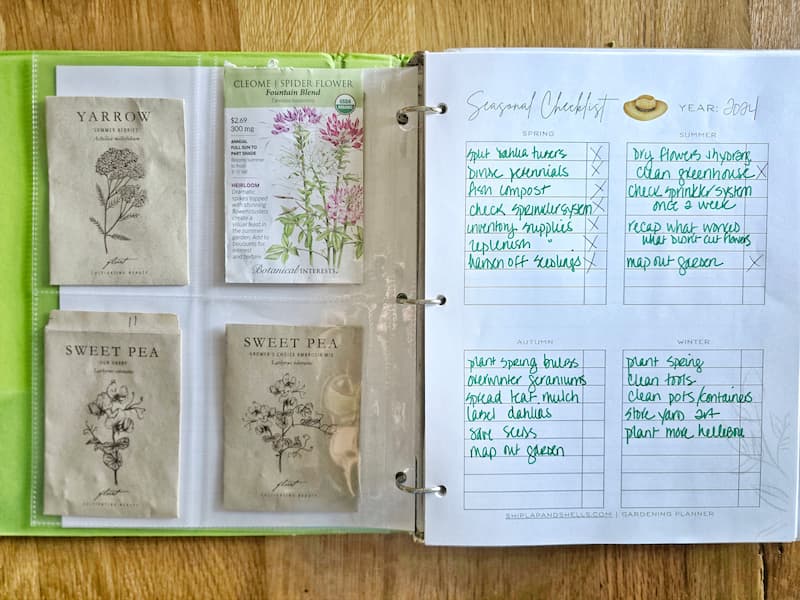
Not strictly, but it’s one of the most useful habits you can build. Even a few notes per season about what went in, what worked, and what didn’t gives you something concrete to work from the following year. Memory is unreliable, especially six months later when you’re staring at seed catalogs. A simple notebook or phone app is all you need.
How Do I Keep My Garden from Feeling Overwhelming?
Size it to your actual capacity. A well-tended small garden is more satisfying than an ambitious one that gets ahead of you by July. Choose a higher proportion of low-maintenance perennials if time is limited.
Build maintenance routines that are short and frequent rather than long and occasional. And be willing to say no to plants that consistently create more work than they’re worth.
Seed Starting Supplies
Check out my favorite supplies and tools for starting seeds indoors. Whether you’re looking for grow lights or a seed starting mix, you’ll find what I use in my own greenhouse.
Final Thoughts on Planning a Garden Using Last Year’s Notes
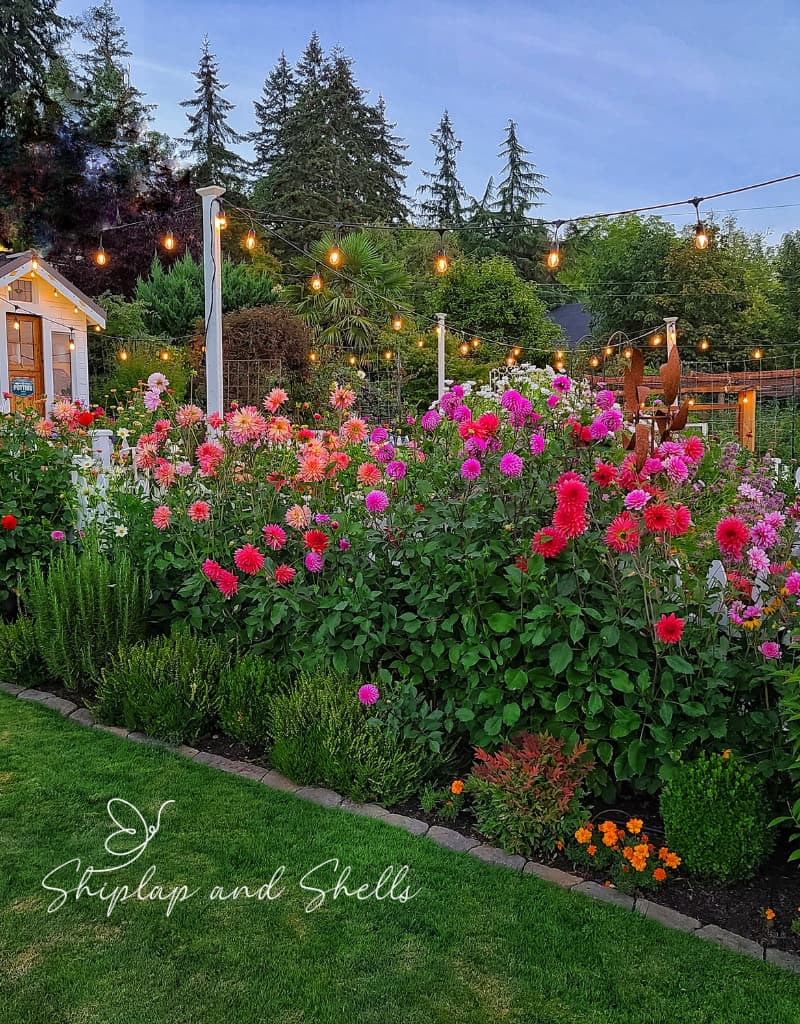
The garden you want next season is built on what you know from the one that just ended. The varieties that surprised you. The beds that disappointed. The timing that worked and the timing that didn’t.
None of it requires perfect conditions or perfect execution, just a willingness to pay attention, take a few notes, and apply what you learned. That habit, more than any specific technique or product, is what makes your garden better year after year.
I hope this gives you a useful framework for heading into the next season with a little more intention and a little less guesswork.
Until next time,
Happy Gardening!

I’m a self-taught hobby gardener. Everything I share on my blog is my opinion and what has worked for me.
MORE POSTS
For You To Enjoy
Follow Me for More Inspiration