
July Gardening Tips and To-Dos for the Pacific Northwest
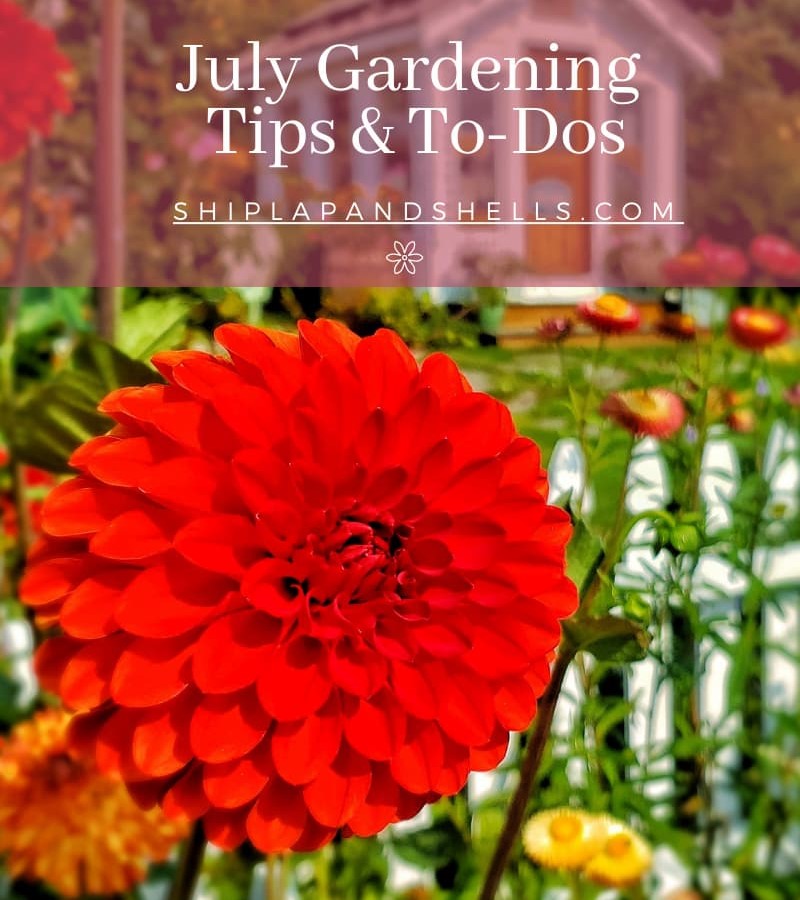
July gardening in the Pacific Northwest always feels like a reward for all those springtime chores. The dahlias are opening up one by one, the snapdragons are hitting their stride, and I can hear the hum of bees every time I step outside.
Most mornings, I wander through the garden, checking on what’s blooming and what needs a little extra attention.
As much as I’d love to just admire the view, there’s still plenty on the July to-do list. Here’s what I’m working on in my own Zone 8b garden right now.
Catching Up? Here’s what was on the list in June.
As an Amazon affiliate, I earn a commission from qualifying purchases at no additional cost to you. My blog also features other affiliate links for your convenience. Click here to read my privacy policy.

Assess Soil Moisture and Watering
July in the Pacific Northwest usually means plenty of sunshine, so keeping an eye on soil moisture is key.
I check my garden beds regularly, especially during those long dry stretches. New plantings and container gardens dry out even faster in the summer heat, so they need a little extra attention.
If you haven’t already, this is a great time to set up soaker hoses or drip irrigation. They deliver water right where it’s needed, at the base of the plants, which encourages deeper root growth and cuts down on waste. It also saves me from standing out there with a hose when I’d rather be on the patio with my iced latte.
Morning is still the best time to water, giving plants time to soak it up before the heat of the day. If evening is your only option, aim for the roots and keep the foliage dry to help prevent disease and mildew.
SHOP for soaker hoses or drip irrigation systems.
A Quick note about my garden
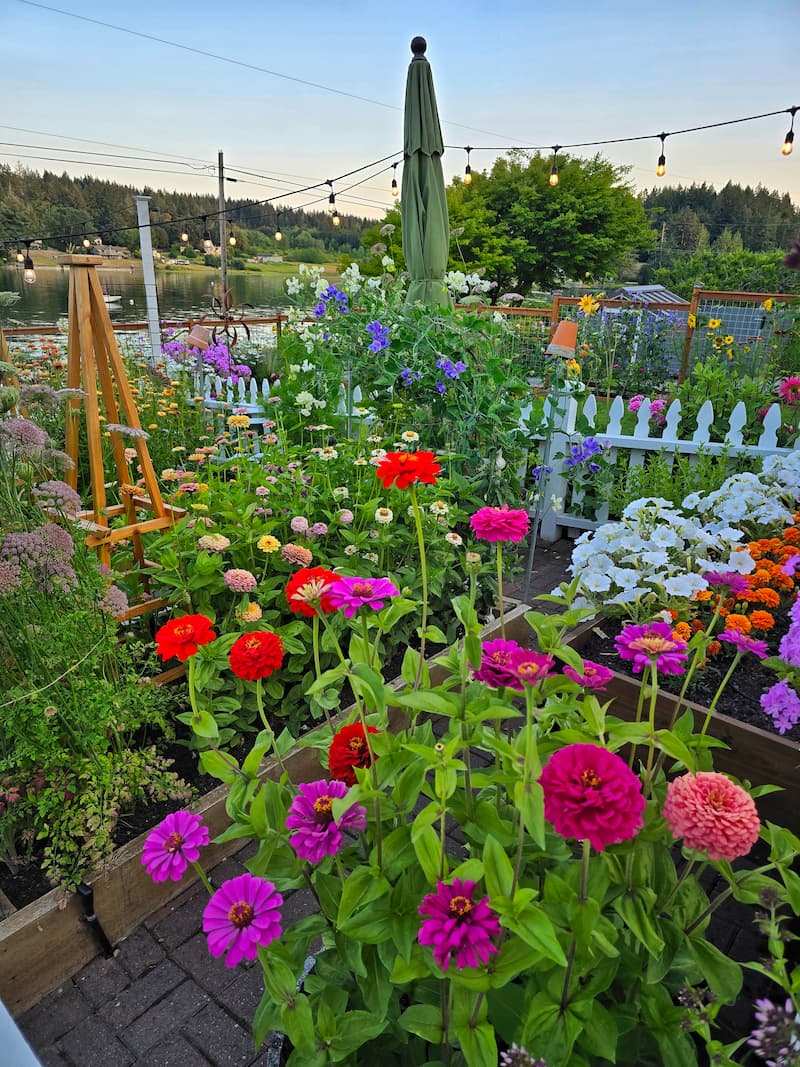
Most of the flowers I share here are grown from seed in our greenhouse and planted in raised beds and containers throughout our cottage garden.
Flower Maintenance

By July, I’m in full-on maintenance mode out in the garden. A little regular care keeps everything blooming as the season goes on.
Roses
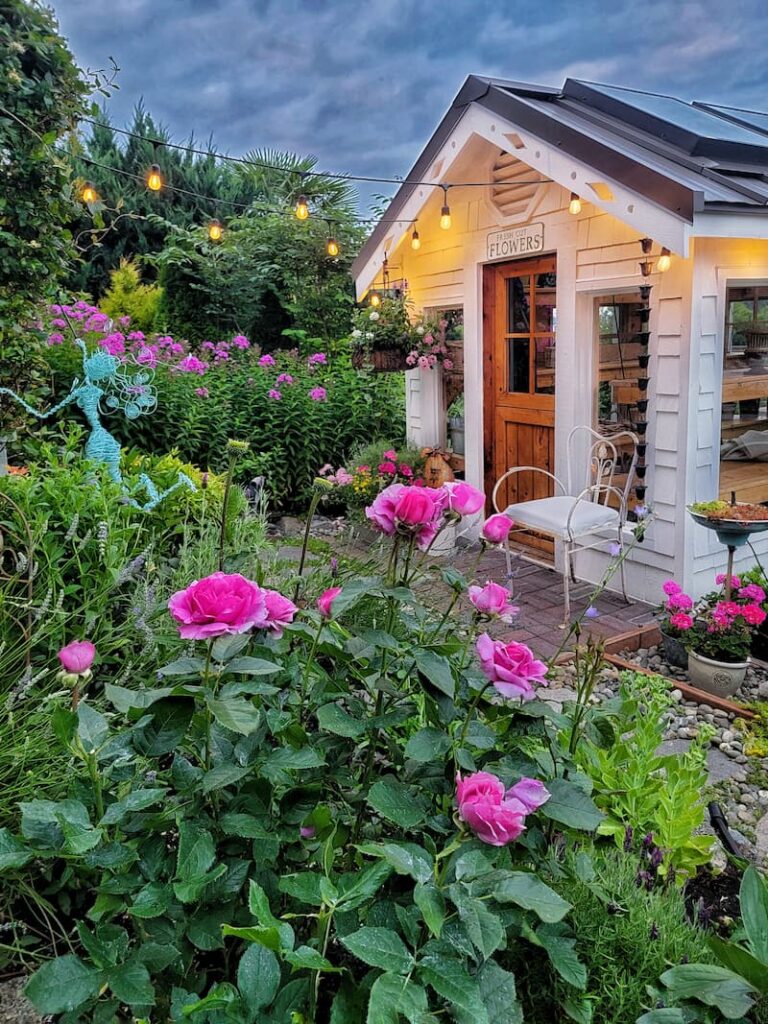
I’m always checking my roses this time of year. Deadheading spent blooms with clean pruners keeps them producing fresh flowers, and a monthly dose of rose fertilizer keeps them happy and productive.
I love watching those fresh buds start to open again.
SHOP clean pruners and rose fertilizer.
Freshen Up Garden Annuals
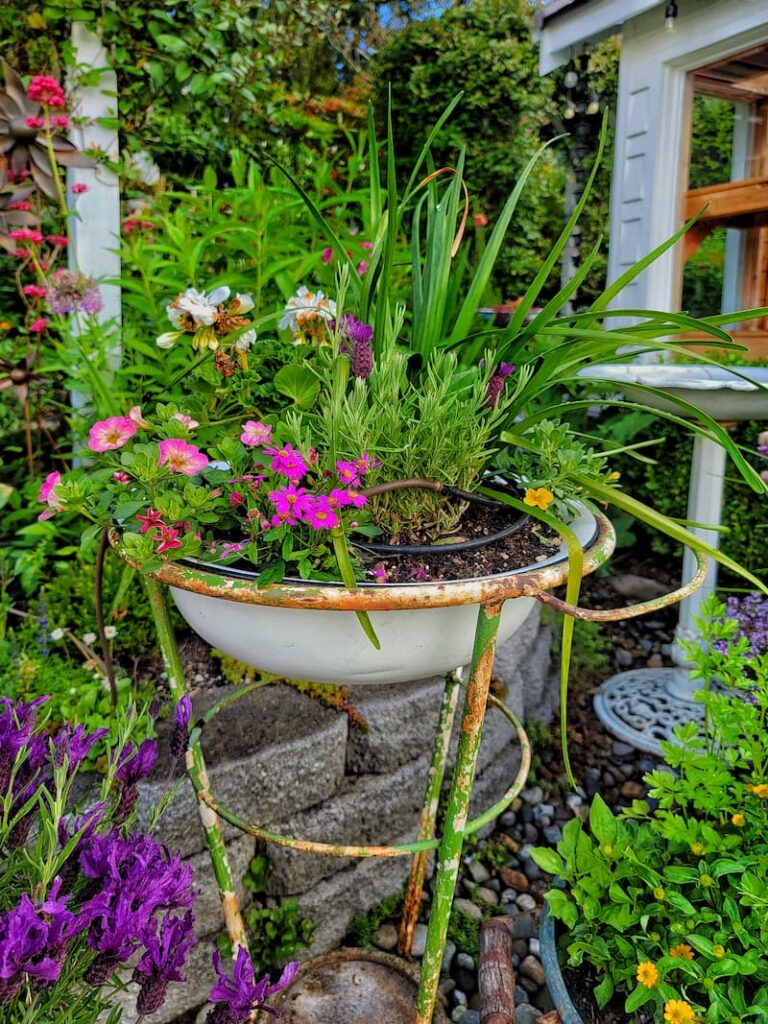
Annuals can be a bit high-maintenance in the summer heat. I deadhead them regularly to keep new blooms coming, but even with the best care, slugs, dehydration, or a hot spell can take their toll.
If an annual fades or completely gives up, don’t hesitate to replace it with a fresh plant. It keeps the garden looking vibrant all season.
Let’s Plan Your Dream Garden With Our
Gardening Planner
Unlock Your Garden’s Potential.
Our 35-page Ultimate Garden Planner is designed to help you organize, track, and flourish in your gardening endeavors.
Get yours for $4.99
Prune, Cut Back, and Harvest in July
Spring-Flowering Bulb Foliage
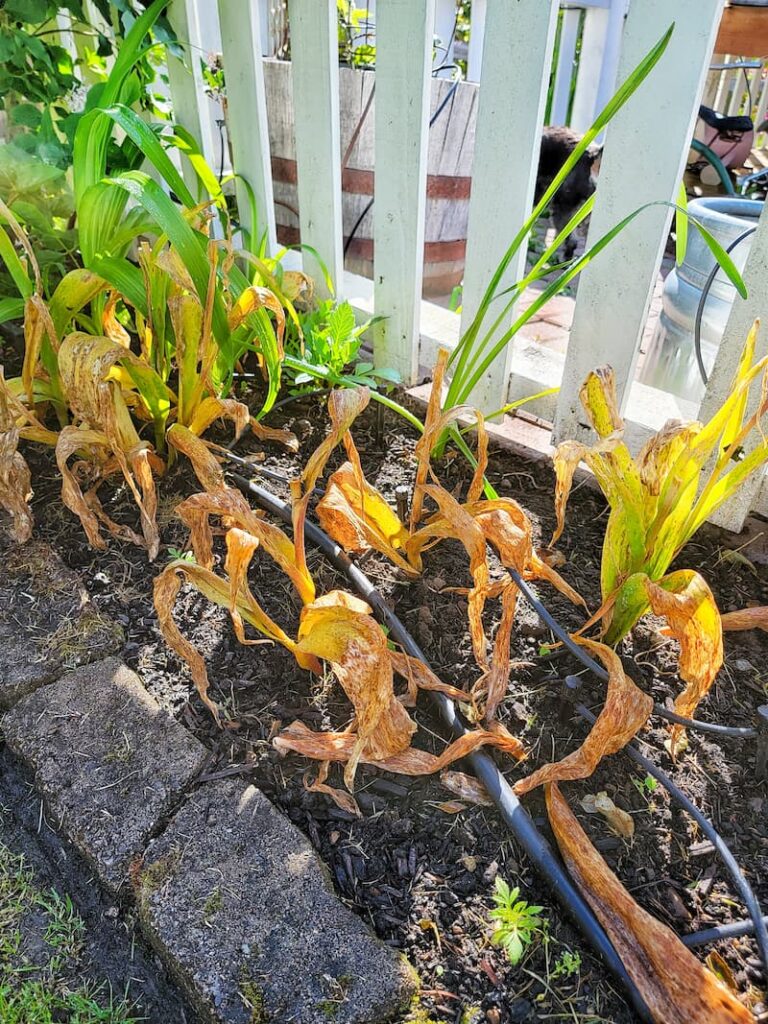
Once the foliage on your spring bulbs (like daffodils and tulips) has browned and dried up, it’s safe to cut it back. I pulled most of mine in June, but there are always a few stragglers I’m still cleaning up in early July.
Delphiniums and Phlox
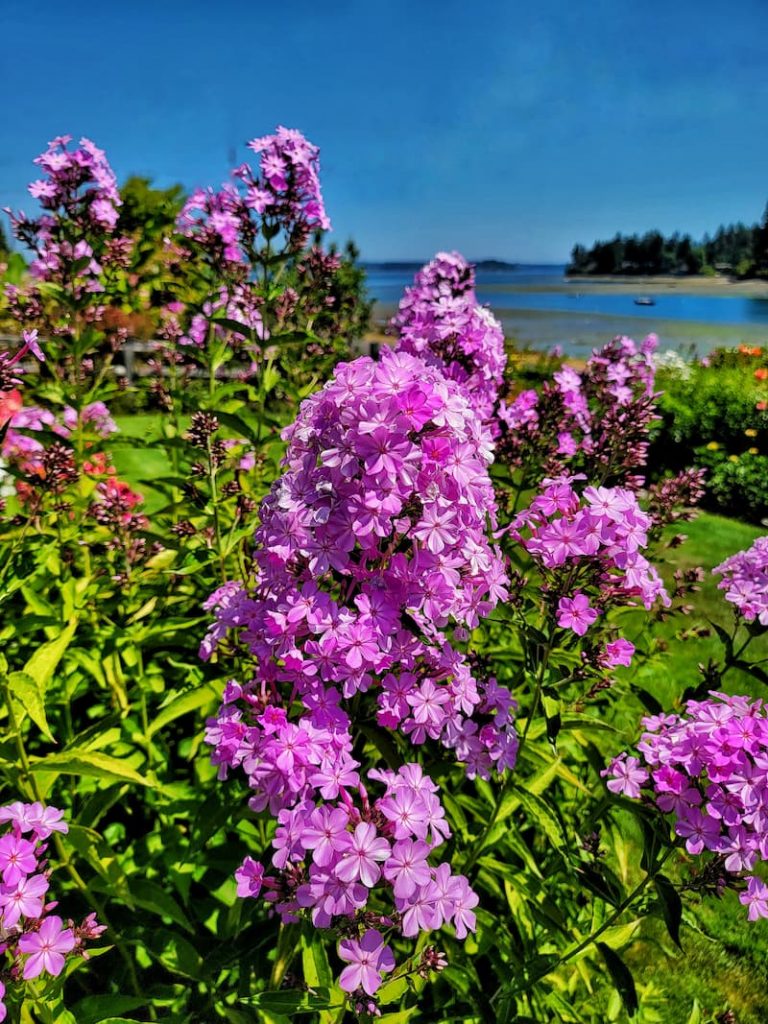
After their first big bloom, I give my delphiniums and phlox a light fertilizer and cut back the spent flowers. With a little luck, they’ll reward me with the second round later in the season.
Fruit Trees
Keep an eye out for suckers growing from the base or trunk of your fruit trees. I pull the smaller ones by hand or clip them off with pruners to keep the energy focused on healthy fruit.
SHOP garden pruners or gardening shears.
Harvest Fruits, Vegetables, and Flowers
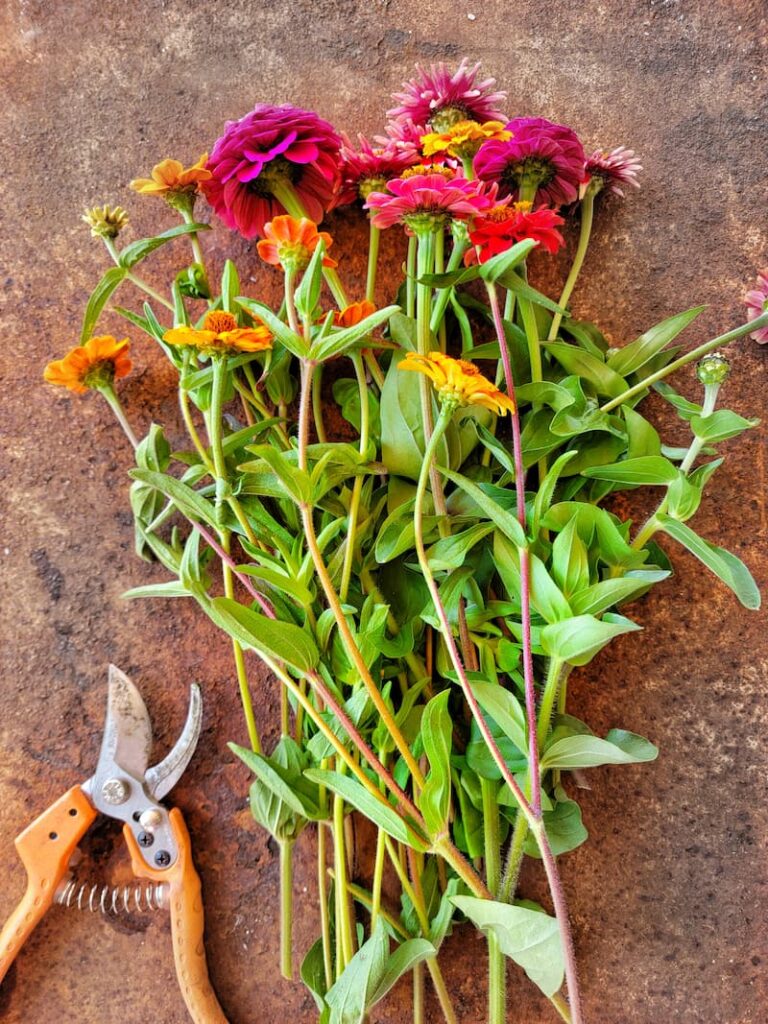
Keep harvesting. Regularly picking fruits, veggies, and cut flowers keeps your garden tidy, encourages new growth, and helps prevent disease.
I try to harvest veggies when they’re just ripe. They taste so much better before they get overly mature and lose their flavor.
Prune Summer-Blooming Shrubs
After your summer-blooming shrubs finish flowering, lightly prune and shape them. I remove dead or damaged branches at the same time to keep them healthy going into late summer.
Keep Weeds Under Control
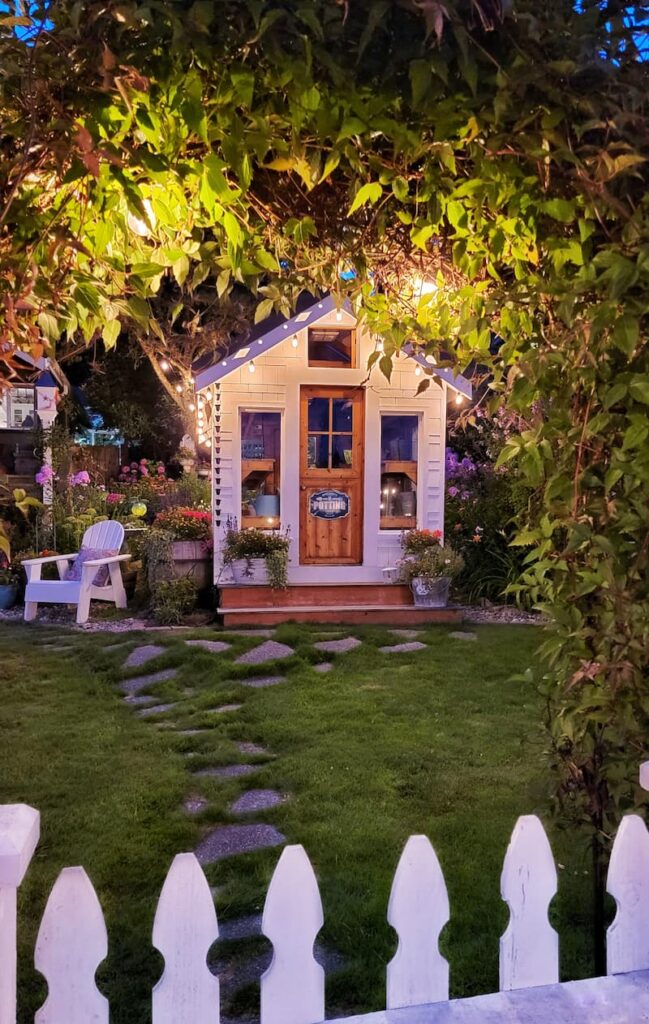
Weeding isn’t my favorite summer task, but it’s one of the most important. In July, weeds seem to pop up overnight, and if you don’t stay on top of them, they’ll happily steal water and nutrients from your flowers and veggies.
One thing that’s made my life a lot easier is adding a layer of mulch around the garden. It holds moisture in during hot stretches and does a pretty good job of keeping weeds from taking over.
If you’ve got a big weeding session ahead, tackle it after a good rain or give the area a deep watering first. Wet soil makes it so much easier to pull weeds out, roots and all. Short on time? At least snip off the top before they go to seed and make the problem worse.
Monitor for Common Pests and Diseases
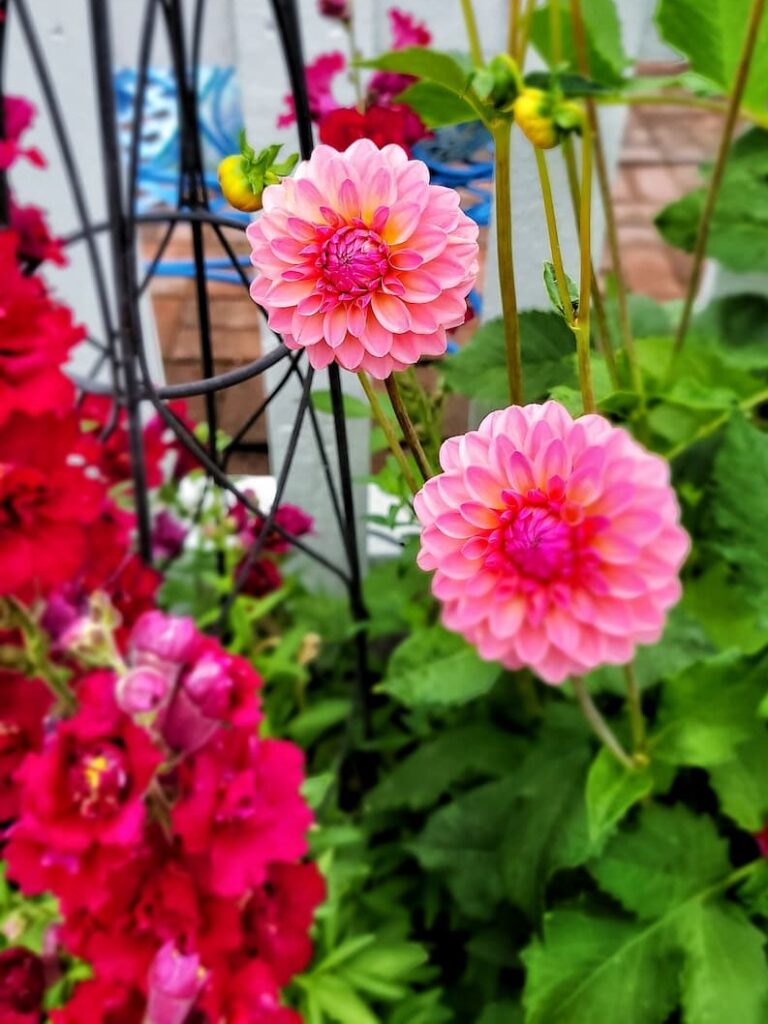
July gardening in the Pacific Northwest isn’t all sunshine and blooms. This is also when pests and diseases show up, right when you’re trying to enjoy your hard work. I walk through the garden every morning or evening to keep an eye out for anything unusual.
Be on the lookout for aphids, spider mites, powdery mildew, black spot on roses, tomato hornworms, and Japanese beetles. The sooner you spot them, the easier they are to control.
I stick with organic methods when I can. Insecticidal soap works well for smaller pests, and beneficial bugs like ladybugs naturally keep pest populations in check.
SHOP insecticidal soap spray.
Slug Control
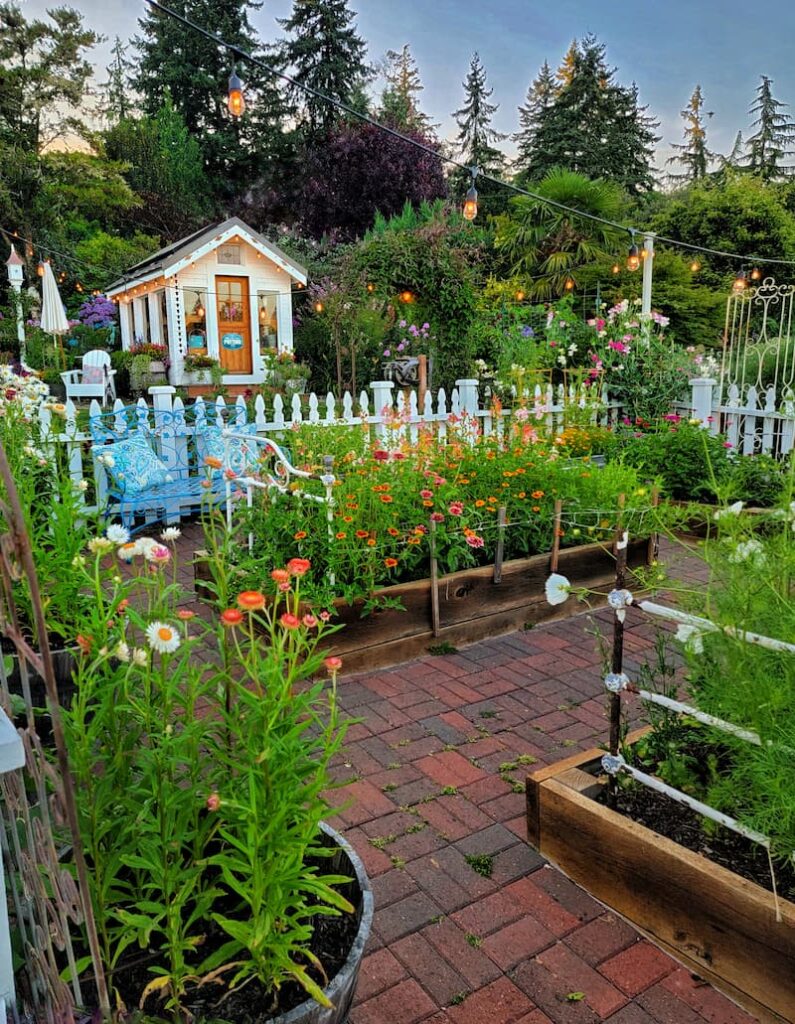
And then there are the slugs. They love our PNW gardens just a little too much, especially with all the moisture we get. I check under flower pots, rocks, dense foliage, and those big dahlia leaves where they hide during the day.
As soon as the sun goes down, they come out for dinner.
I stay on top of slug control by regularly applying bait. I use Sluggo because it’s safe for pets and wildlife. But there have been plenty of evenings when you’ll find me out there with a flashlight and a trusty pair of tongs, doing a little slug hunting. If you’ve got the patience, a small dish of beer works too. They can’t seem to resist it.
Garden Supplies and Tools
Check out my favorite garden supplies and tools for the growing season. Whether you’re looking for potting soil or deer repellent, you’ll find what I use in my own garden.
Promote Air Circulation
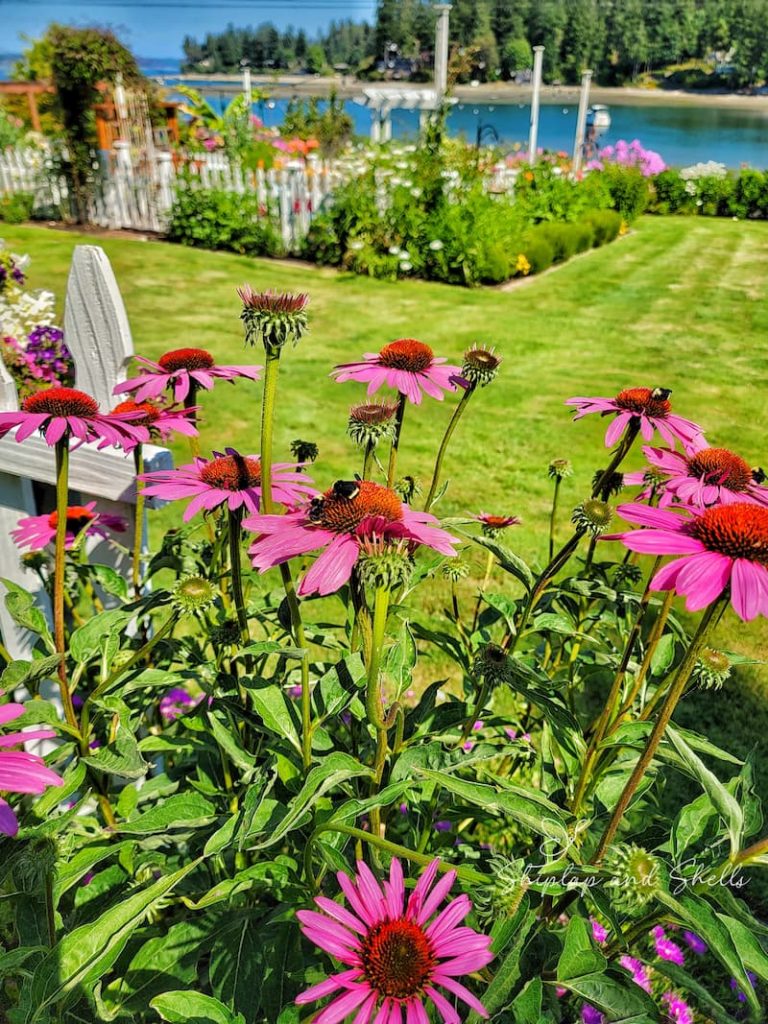
One thing I’ve learned over the years is that good air circulation makes a huge difference in keeping the garden healthy, especially once we hit those warm summer days.
I trim and prune plants as needed to keep some breathing room between them. It reduces the risk of fungal diseases and makes the garden look a little tidier.
If I spot any leaves that look questionable (yellowing, spotted, or mildewed), I remove them right away to keep things from spreading.
July Garden Maintenance
Check Sprinklers and Drip Systems
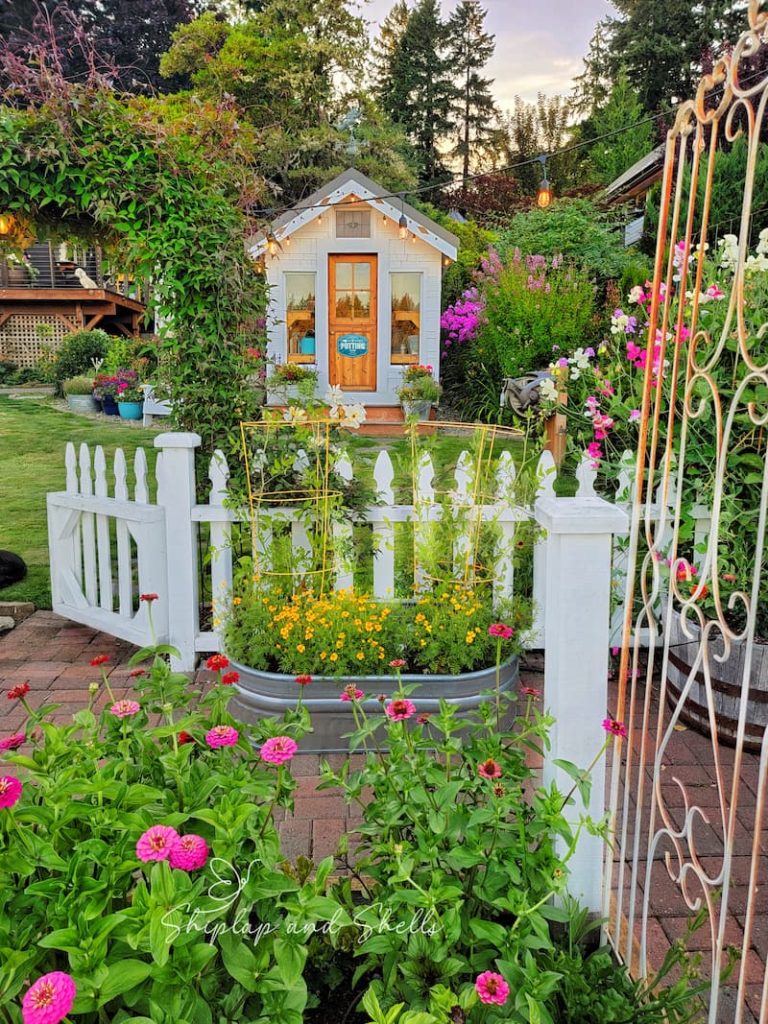
If you’re using a sprinkler or drip irrigation system, give everything a once-over. I check mine regularly to make sure no emitters are clogged and that water is reaching every plant that needs it.
A quick adjustment here and there saves a lot of headache (and wilted plants) later.
SHOP sprinkler or drip irrigation system.
Support Tall Garden Flowers
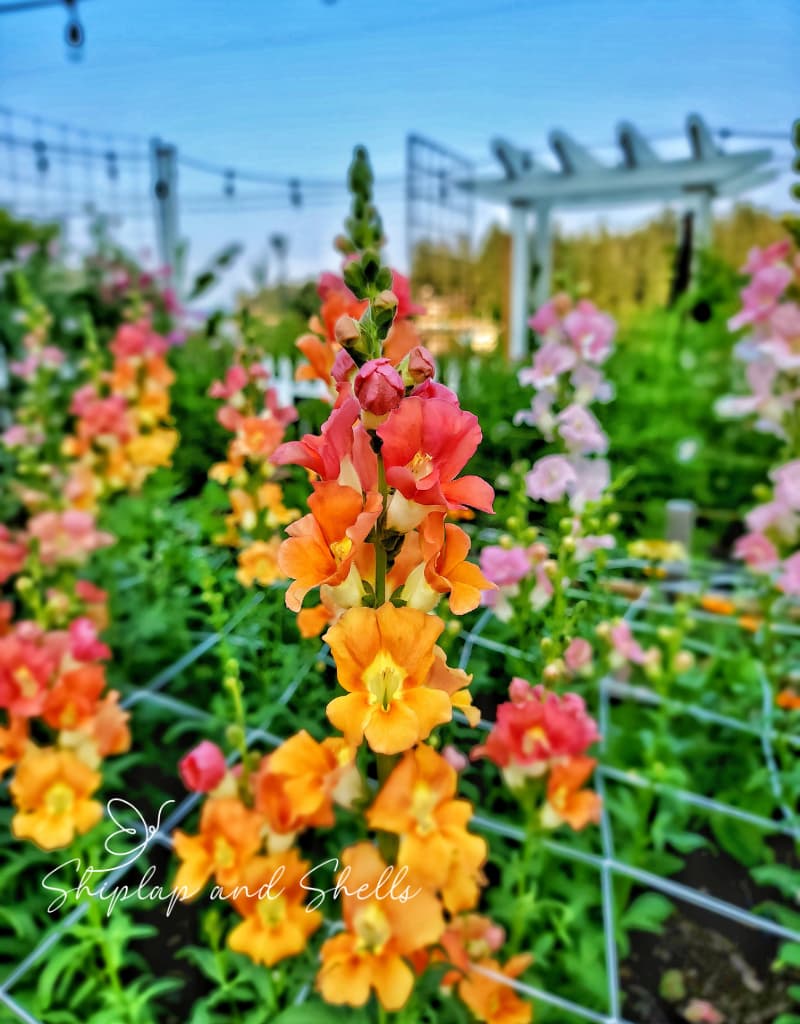
If you haven’t already, now’s the time to support those tall summer bloomers like dahlias, sweet peas, and snapdragons.
Nothing’s worse than coming out after a heavy rain to find your flowers flopped over. A simple stake or support keeps them standing tall through surprise wind gusts and heavy rain.
Divide Bearded Irises
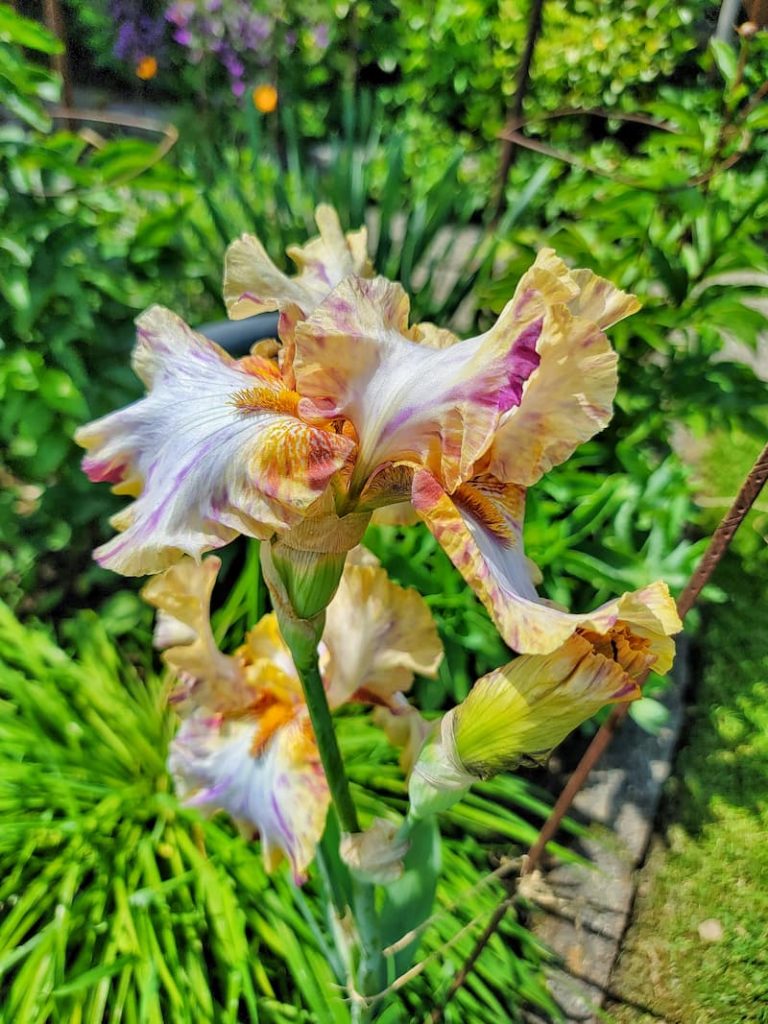
After your bearded irises finish their spring show, July is the perfect time to divide any crowded clumps. They bloom best on newer growth, so dividing keeps them flowering year after year.
Here’s how I handle mine:
It’s a little bit of work, but it pays off next spring when the blooms come back even better.
What to Plant and Sow in July
Just because it’s midsummer doesn’t mean planting season is over. There’s still plenty you can sow and prep for in the July garden.
Plant Warm-Weather-Loving Vegetables and Herbs
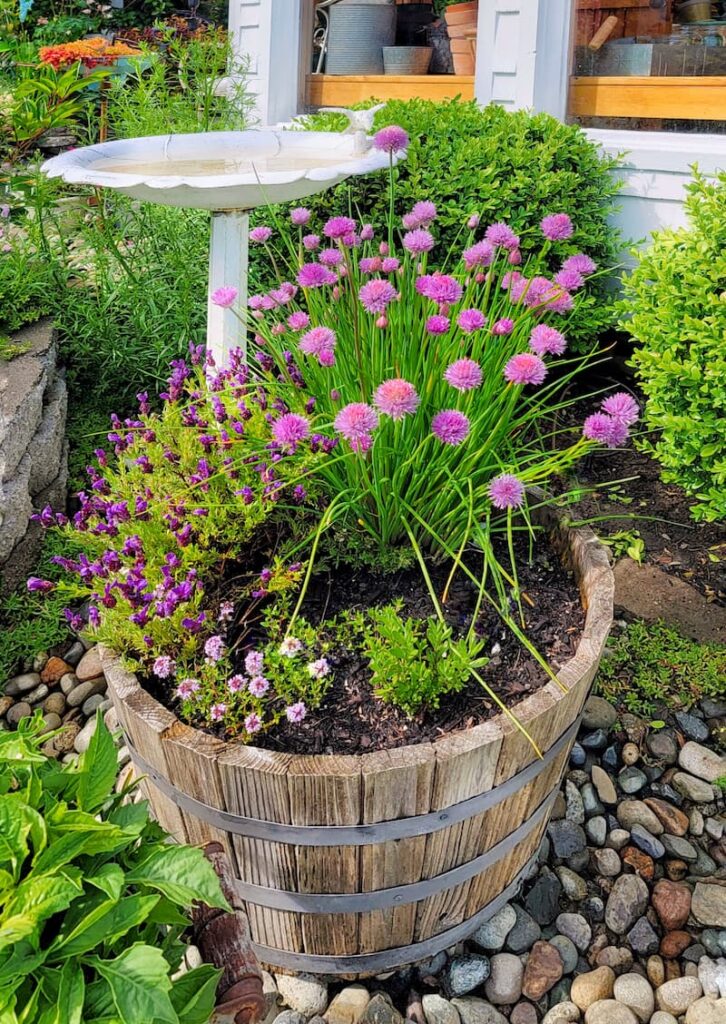
I keep things going with succession planting, especially quick growers like carrots, herbs (chives, basil, parsley), and slow-to-bolt salad greens like Red Cross and Jericho. This way I can keep harvesting well into late summer.
When the heat really kicks in, I’ll sometimes use shade cloth to keep my carrots, radishes, and other tender veggies from getting stressed. A little extra protection goes a long way during those hot July stretches.
SHOP for shade cloth.
Sow Seeds for Cool-Season Crops
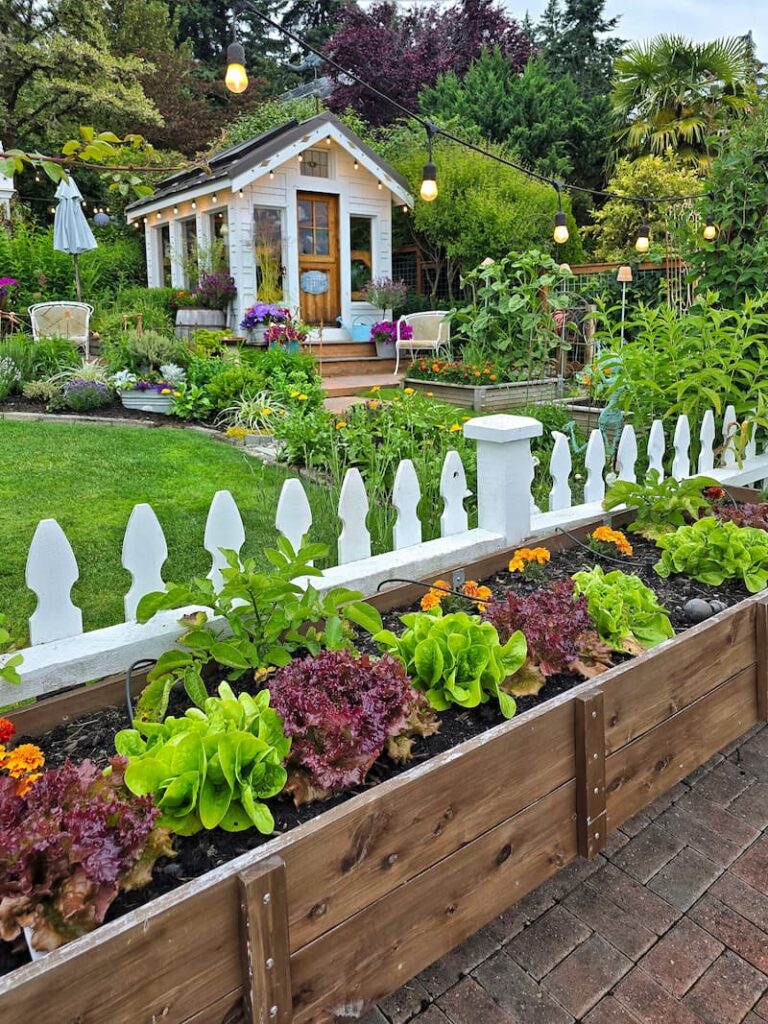
Believe it or not, now is also the time to think ahead to cool-season crops. I try to get my cool-weather seeds directly sown by mid-July, so they have time to establish before the weather shifts.
These include leafy greens, root veggies, and even sweet peas if you have a long enough fall season.
Order Spring Bulbs to Plant in the Fall
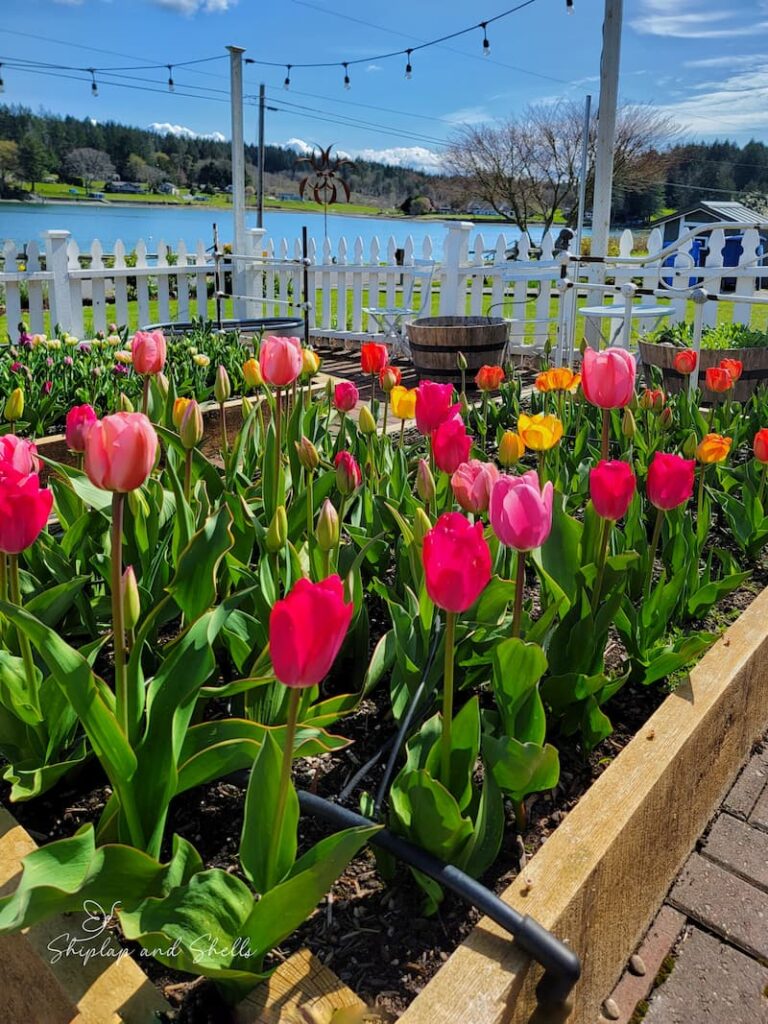
This is my little PSA for anyone who, like me, has learned the hard way. Go ahead and order your spring bulbs now.
The most popular variety sells out fast, and ordering in July means your bulbs are reserved and ready for the fall planting season.
Start Fall Garden Planning
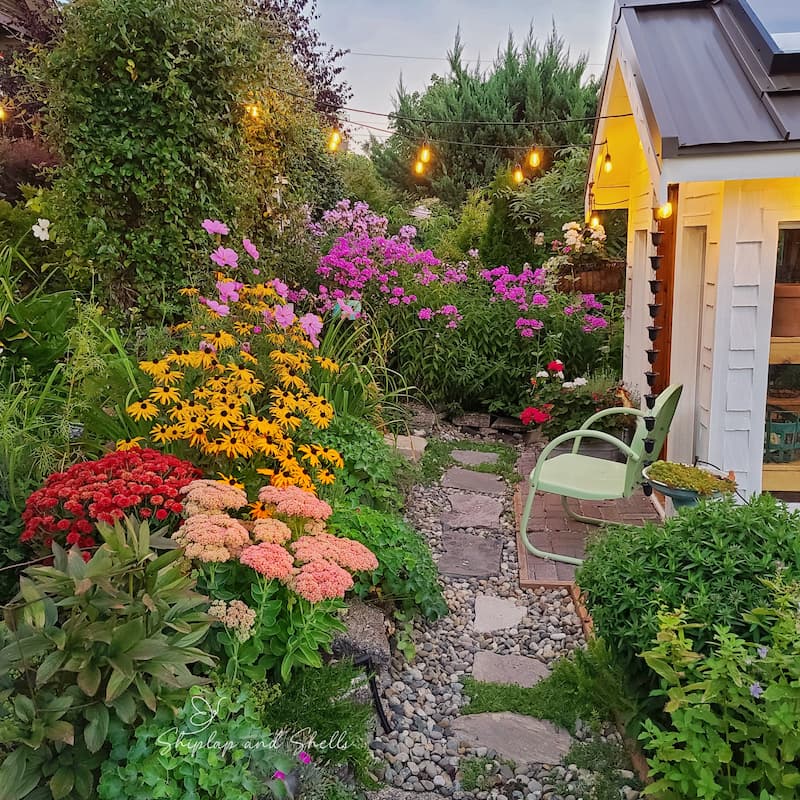
Late July is a great time to start mapping out your fall garden plan.
I take a walk through my beds and make a list of what’s worked, what hasn’t, and what spaces will open up once summer crops finish.
Then I prep the soil with a good mix of compost or organic matter to keep the beds healthy, improve moisture retention, and give my fall plantings a strong start.
July Gardening FAQs for the Pacific Northwest
What Can I Still Plant in July in the Pacific Northwest?
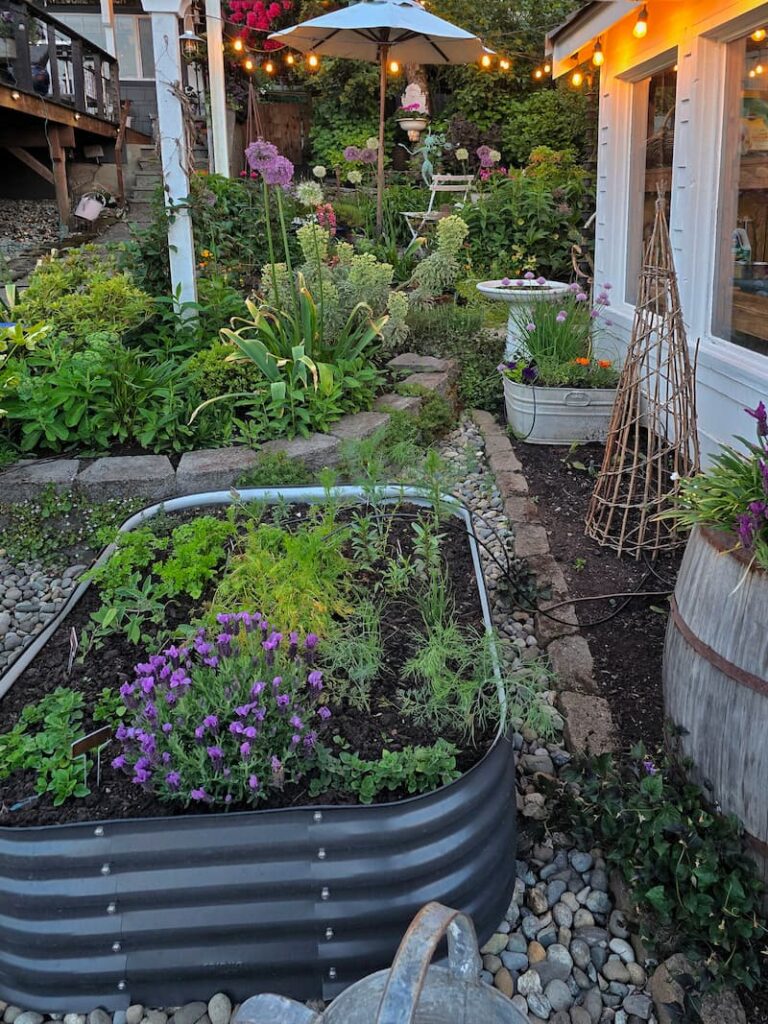
You can still plant plenty. Successional sow quick-growers like carrots, salad greens, and herbs, and start cool-season crops like leafy greens and root vegetables by mid-July. You can also replace tired annuals with fresh plants for color through fall.
How Often Should I Water My Garden in July?
Check soil moisture every day or two during dry stretches rather than watering on a fixed schedule. Water deeply in the morning at the base of plants, and remember that containers and new plantings dry out much faster than established beds.
When Should I Divide Bearded Irises?
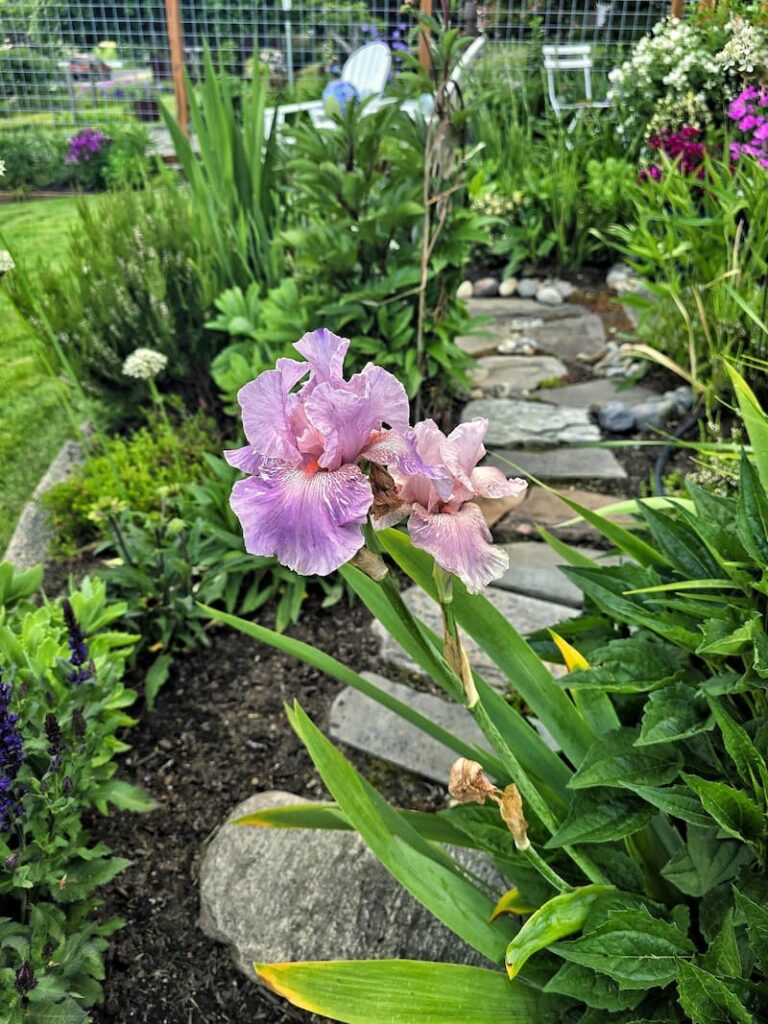
Divide in July, after the blooms are spent and the foliage starts to brown. Irises flower best on newer growth, so dividing crowded clumps every few years keeps them reliably blooming each spring.
Final Thoughts on July Gardening
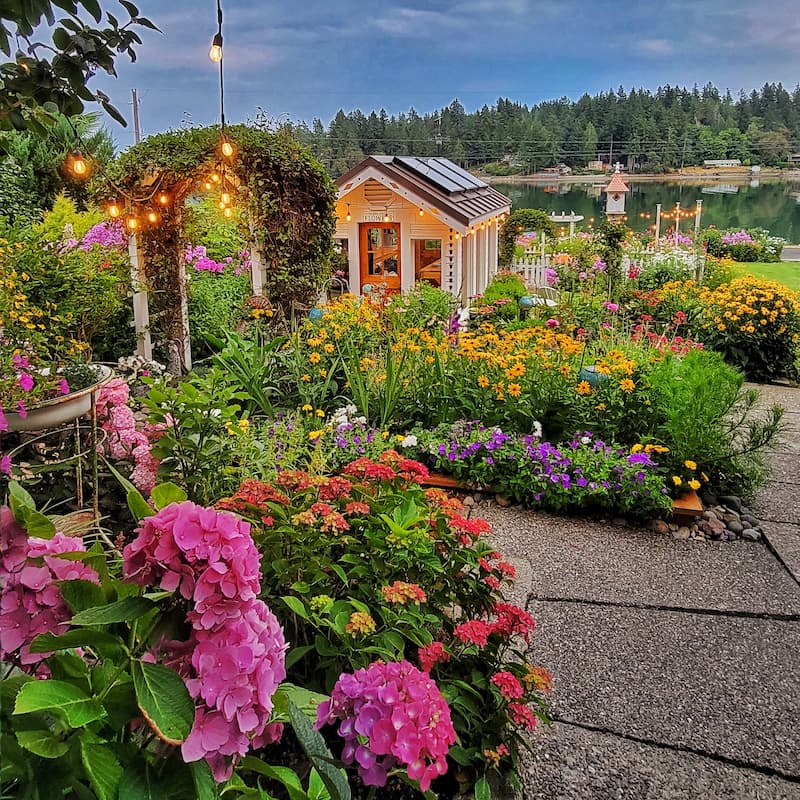
July really is one of my favorite times of the garden, when all the hard work from spring starts to pay off and there’s something new to enjoy every day.
By staying on top of a few simple July tasks, you’ll keep the blooms and harvests coming and set your garden up for success heading into fall.
Want to plan ahead? Here’s what’s coming in August.
If you have any questions or want to share what’s happening in your own garden this month, I’d love to hear from you in the comments. And if you know a fellow gardener who’d find these tips useful, pass this post along.
Until next time,
Happy Gardening

I’m a self-taught hobby gardener. Everything I share on my blog is my opinion and what has worked for me.
MORE POSTS
For You To Enjoy
Follow Me for More Inspiration


This was so helpful! I feel like we live near each other (I’m near Belfair) and it helps having some tips and tricks from someone in a similar weather situation. My garden needs a lot of help right now so I’m researching everything I can. I planted such a huge amount of flower this year and only a few are coming up and only in a few areas. This is only my second time gardening here so I’m still learning. Thanks for your tips!!
I’m so glad to hear that this was helpful for you! If you have any questions about the flowers not coming up, email me at [email protected] especially since we are practically in the same area.
These were all such helpful tips, Kim, thank you! We’ve been having a hard time with slugs on our hydrangeas. It’s crazy hot here so I guess they’re digging down in our container gardens. We also have some really weird black spots on the leaves too so I really appreciate all the different ways you educate us on healthy plants. I need it! Big hugs, CoCo
Great tips Kim! I just cut all of my spring flowering bulbs back about a week or so ago! They were looking like a hot mess. Not anymore! Gardens look gorg! xo
Doesn’t it feel good when the last spring bulb foliage is cut back and your garden looks clean again? Sadly, I am still waiting on some of them to cut back.