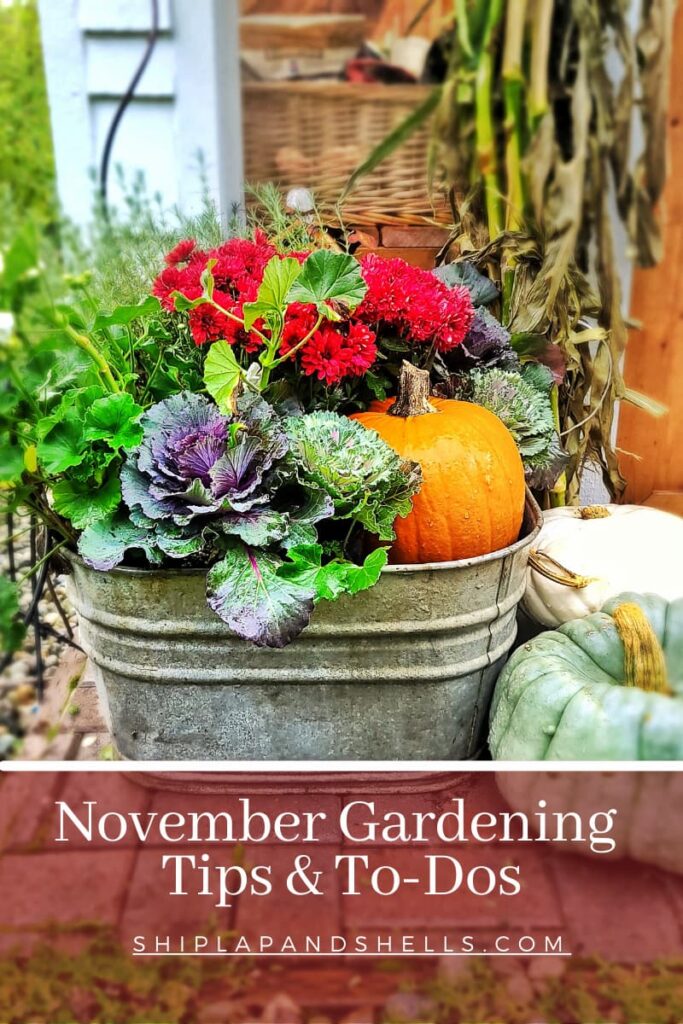
November Gardening Tips and To-Dos for the Pacific Northwest
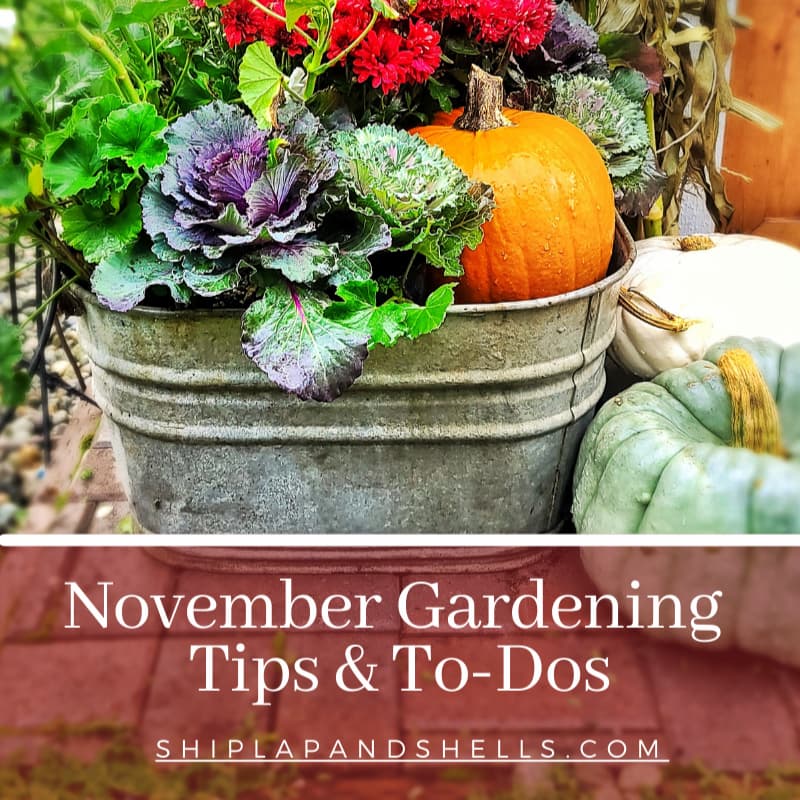
The rain is back. The days are short enough that I’m turning on lamps by four, and the bay out front has gone from summer blue to that soft November gray. The garden isn’t done yet, though. It’s just quieter.
November is the month for tucking things in. A few hours of work now (mulching beds, digging or protecting dahlias, draining the irrigation lines) save real headaches in February. And the bulbs you plant this month are the daffodils and tulips you’ll be cutting in March and April.
Here is my November garden-to-do list for the Pacific Northwest, written from our Zone 8b cottage garden on Puget Sound. If you missed last month, start with my October gardening tips for the Pacific Northwest.
As an Amazon affiliate, I earn a commission from qualifying purchases at no additional cost to you. My blog also features other affiliate links for your convenience. Click here to read my privacy policy.
Quick November Garden Checklist for the Pacific Northwest
Short on time? These are the tasks that matter most this month:
A Quick note about my garden
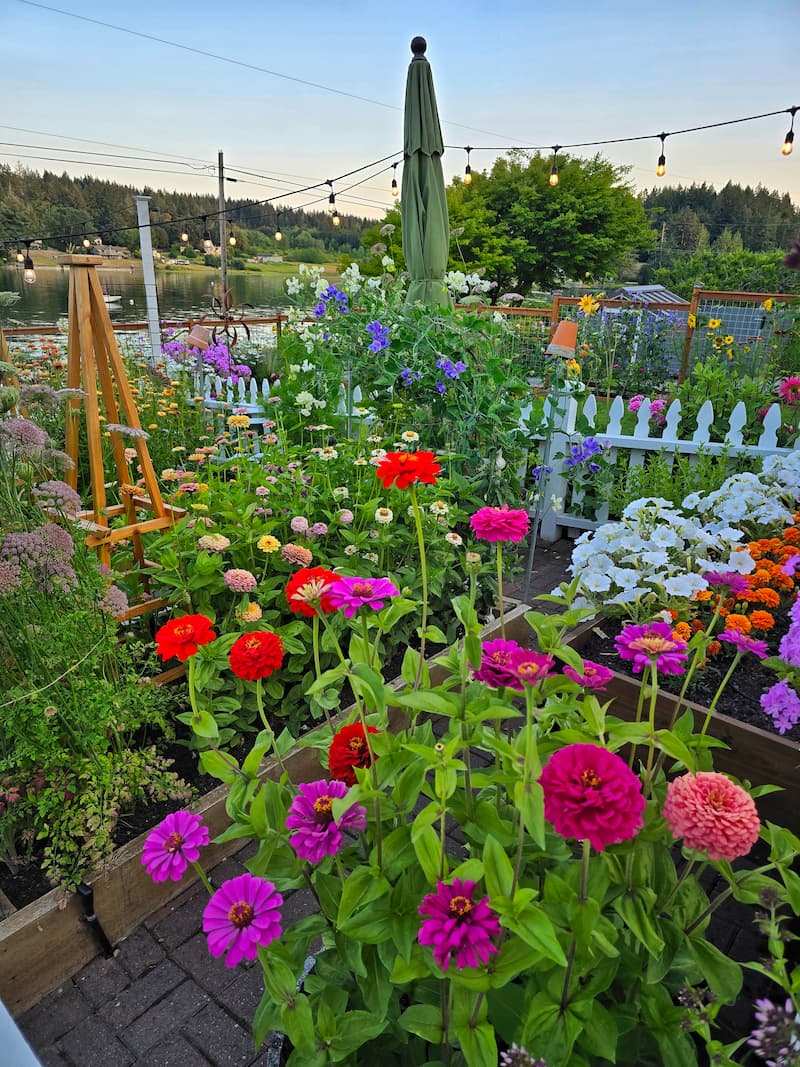
Most of the flowers I share here are grown from seed in our greenhouse and planted in raised beds and containers throughout our cottage garden.
What to Plant in November in the Pacific Northwest
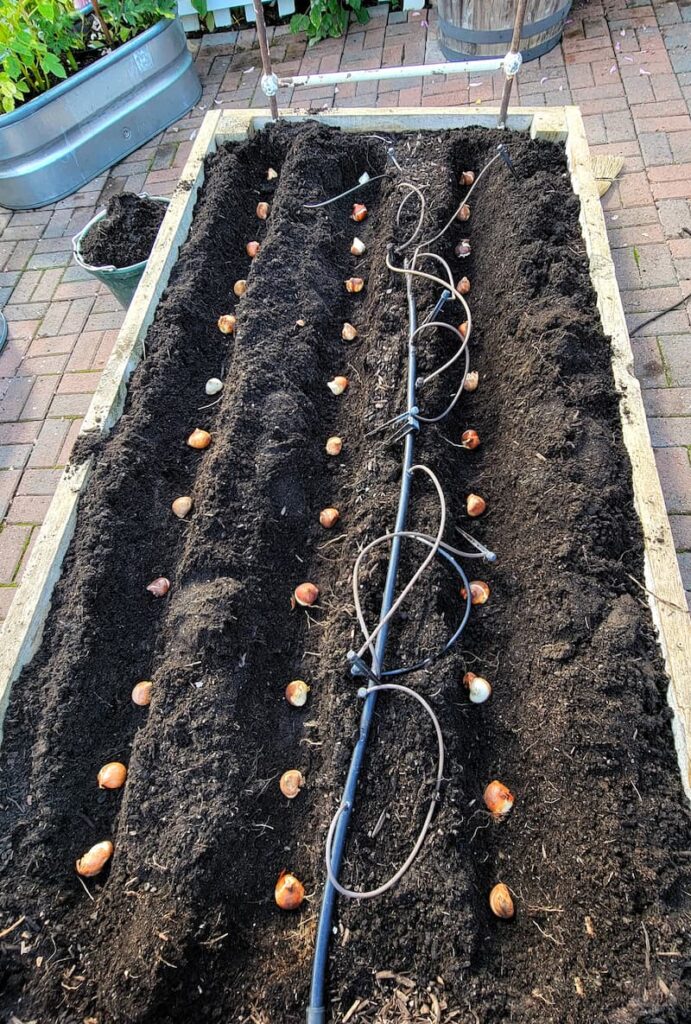
Finish Planting Spring Bulbs
In our mild maritime climate, you can keep planting spring bulbs well into November. Tulips actually do better planted a little later here, once the soil has cooled. The real deadline isn’t frost. It’s when the beds turn to soup.
For the full rundown on bulb care after they bloom, see Growing Tulips from Bulbs.
Plant Garlic
Plant garlic now so it can grow roots over winter. Separate the cloves right before planting, set them 2 inches deep and 6 inches apart, and cover with a light layer of straw or shredded leaves.
Order Bare-Root Roses, Fruit Trees, and Shrubs
Order bare-root plants in November while the best varieties are still available. Most nurseries ship them from January through March, which is when they should go in the ground here. Ordering early means you get first pick.
Take Hardwood Cuttings
Once leaves drop, you can take hardwood cuttings from hydrangeas, roses, and other woody shrubs. Cut pencil-thick stems about 8 inches long, just below a leaf node, and stick them in a pot of gritty soil in a sheltered spot. Some will root by spring and some won’t. That’s fine. Take more than you need.
How to Protect Dahlias and Tender Plants Over Winter
Dig or Mulch Your Dahlias
In Zone 8b, the cold usually isn’t what kills dahlia tubers. Wet soil is. A tuber sitting in waterlogged ground from November to April can rot.
I personally leave my dahlia tubers in the ground through the winter with a layer of mulched leaves on top to protect them from winter temperatures.
Bring Geraniums and Tender Plants Inside
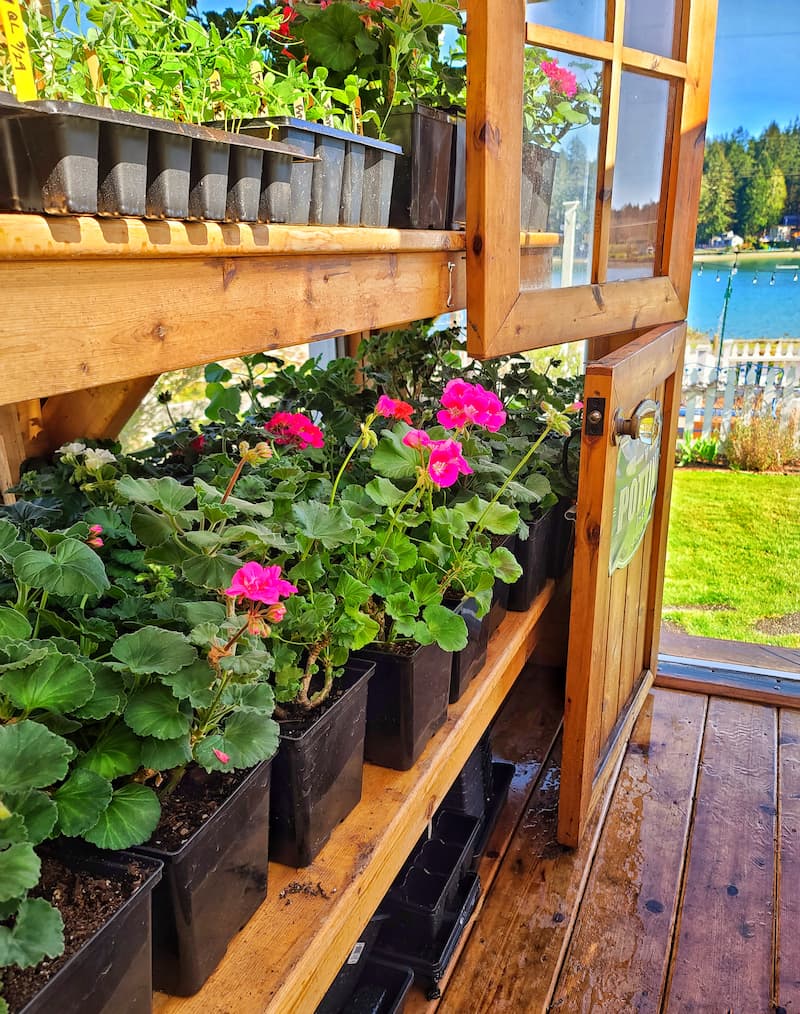
Geraniums, fuchsias, and other tender perennials need to come in before the first hard freeze. Mine spend the winter in the greenhouse. A bright, cool window works too. Here are 4 easy ways to overwinter geraniums, depending on how much space you have.
November Greenhouse Tasks
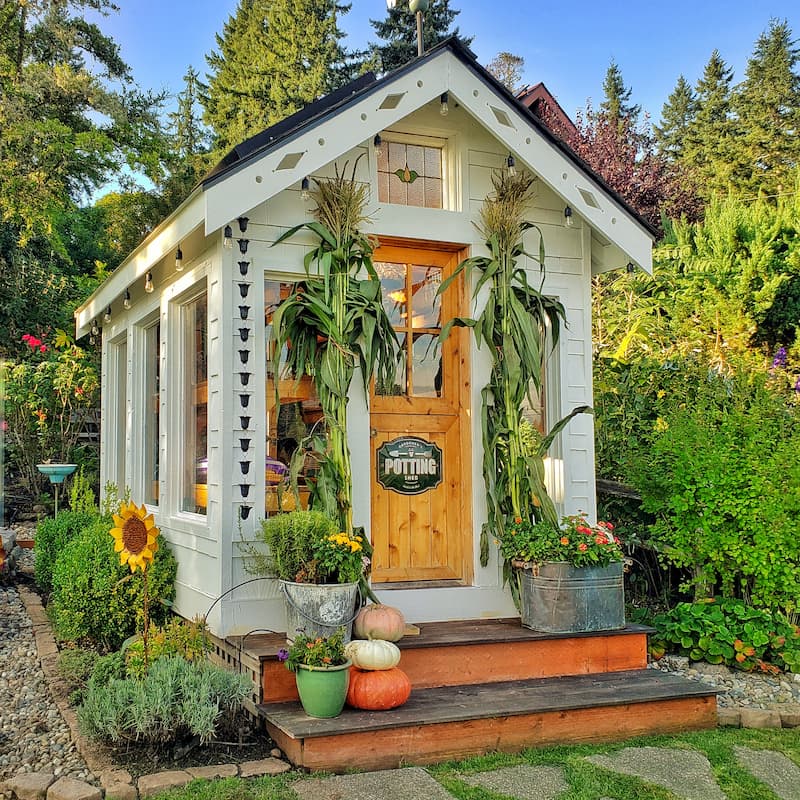
The greenhouse changes jobs in November. It stops being a growing space and becomes a winter shelter.
More on how I use mine through the seasons in Everything You’ve Wanted to Know About My Greenhouse.
Fall Garden Cleanup: What to Cut Back and What to Leave
You don’t need a perfectly tidy garden when heading into winter. Your garden soil and beneficial insects benefit from some mess.
Clean Up
Leave Standing
Watch for Slugs
Mild, wet November weather is slug season in the Pacific Northwest. Check under boards and pots, and protect anything newly planted. A little slug control now means fewer eggs hatching in spring.
Mulch Garden Beds with Fallen Leaves
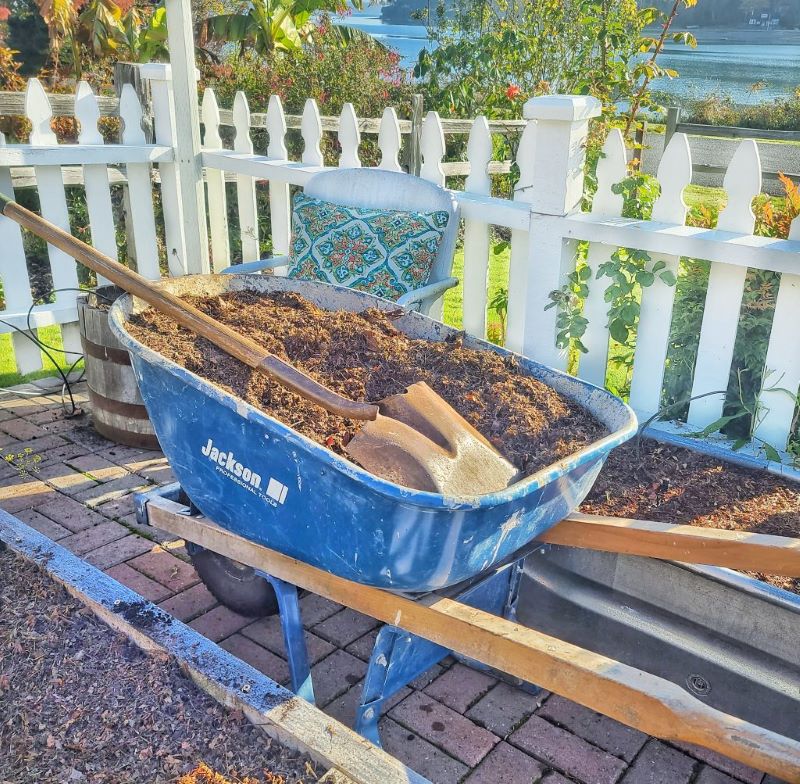
Fallen leaves are free mulch, and we have plenty of them. Bare soil gets pounded and compacted by winter rain. A layer of shredded leaves protects it, feeds the earthworms, and breaks down into rich organic matter by spring.

Read more on the benefits of leaf litter mulch and mulching your garden beds.
Winterize Irrigation, Hoses, and Drainage
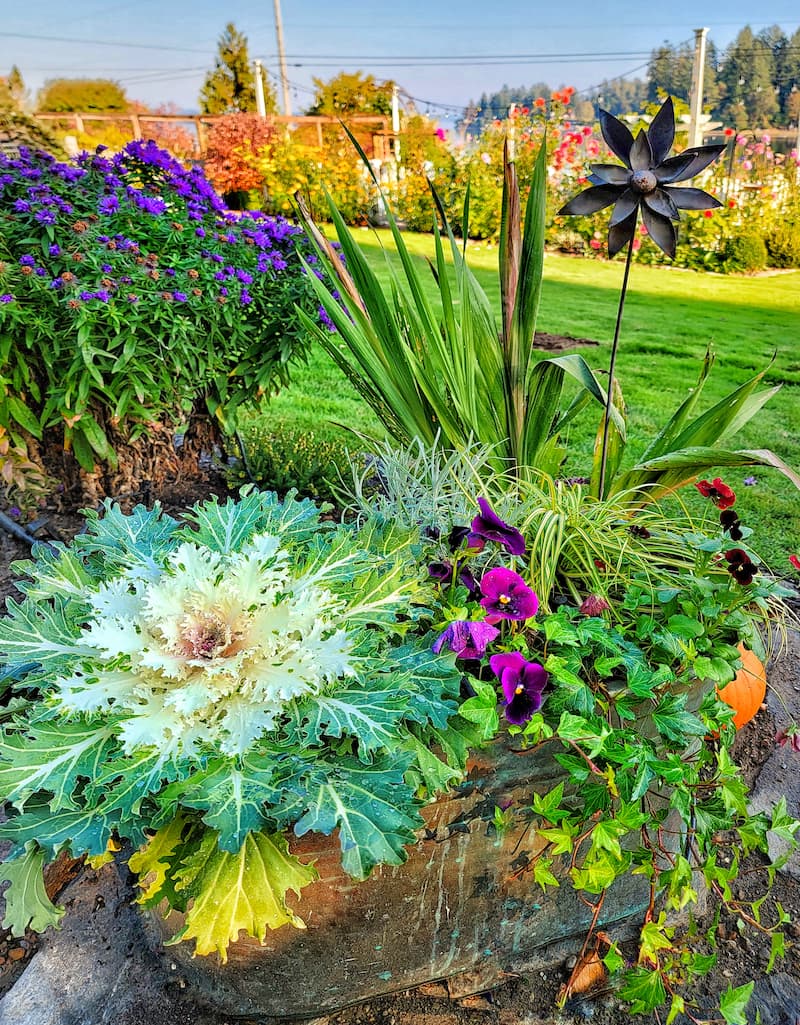
Frozen pipes are no fun in January. Take care of them now while it’s still mild.
Irrigation and Hoses
Gutters and Drainage
Clean and Store Garden Tools
A little maintenance now saves frustration in March.
Plan Next Year’s Garden
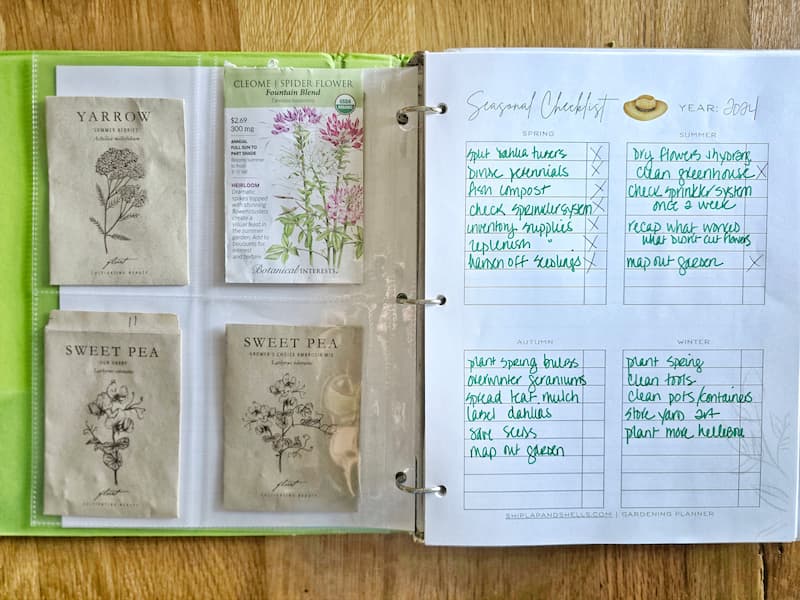
This is my favorite November job. I get to be indoors, with my latte and a stack of seed catalogs.
- Pull out your garden journal and write down what worked and what didn’t while it’s still fresh
- Check your seed stash against my flower seed viability chart before ordering more
- Start your wish list. Popular cut flower varieties often sell out soon after the new year
- Sketch out beds using How to Plan a Cut Flower Garden Layout
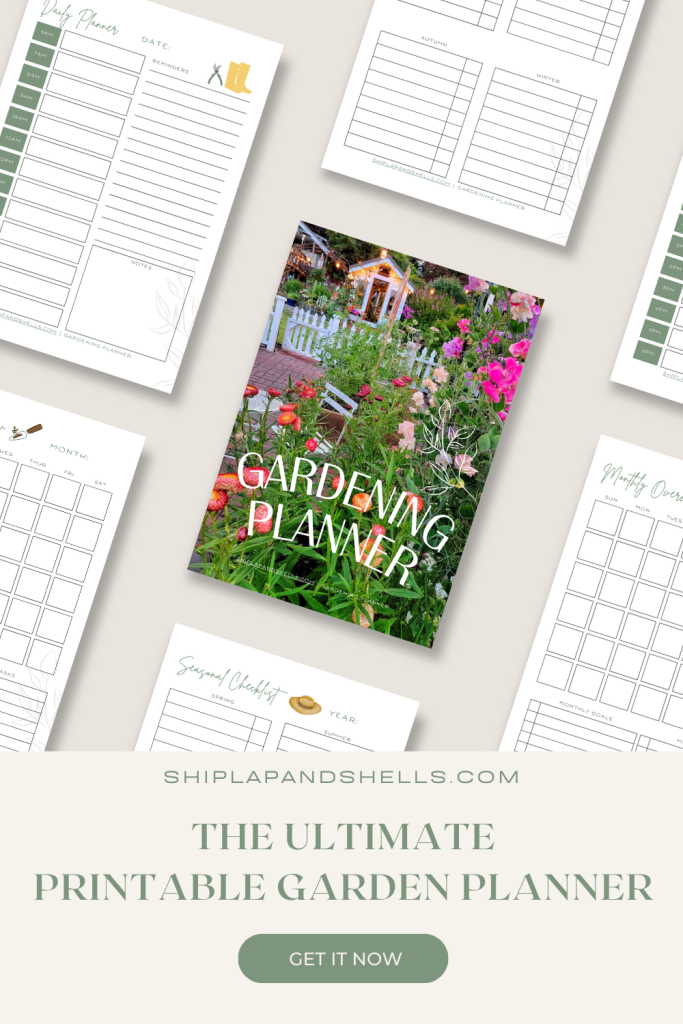
Pro tip: If you like tracking bloom times, seed-starting dates, and layouts in one place, my Digital Garden Planner was made for exactly this time of year.
Let’s Plan Your Dream Garden With Our
Gardening Planner
Unlock Your Garden’s Potential.
Our 35-page Ultimate Garden Planner is designed to help you organize, track, and flourish in your gardening endeavors.
Get yours for $4.99
November Gardening FAQ for the Pacific Northwest
No. In Western Washington and Oregon, you can plant tulips through November and often into December, as long as the soil isn’t frozen or waterlogged. Tulips need 12 to 16 weeks of cold, and our winters provide that easily.
It depends on your soil. Dahlias can survive Zone 8b winters in the ground if the bed drains well and is covered with 4 to 6 inches of mulch. In heavy or wet soil, dig and store them, since rot is a bigger threat than cold.
Along Puget Sound, the first frost usually arrives between late October and mid-November, with hard freezes more common in December. Inland and higher-elevation gardens often see frost earlier.
Both work. Cut back anything diseased or floppy now, and leave sturdy stems and seed heads standing until winter late winter. They feed birds, shelter beneficial insects, and protect the crown from cold.
Yes, ideally shredded. Shredded leaves protect the soil from heavy winter rain, feed earthworms, and break down into organic matter. Keep thick layers off the crowns of plants and off the lawn.
Garlic, spring-blooming bulbs (tulips, daffodils, alliums, crocus), and hardy perennials can all go in during November. Sweet peas can be fall-sown in milder coastal gardens, and bare-root plants can be ordered now for late-winter planting.
Final Thoughts
November is the last big push in the garden before the rain settles in for good. Plant the bulbs, sort the dahlia tubers, and drain the hoses. Then, cut a few berry branches, bring them inside, and let the garden rest.
If you need more ideas for this time of year, my list of 28 fall gardening tasks to prepare a flower garden for winter covers even more ground. I have more tips available in my winter-blooming plants for Zone 8 guide.
Until next time,
Happy Gardening

I’m a self-taught hobby gardener. Everything I share on my blog is my opinion and what has worked for me.
MORE POSTS
For You To Enjoy
Follow Me for More Inspiration