
13 Easy Steps to Improve Your Flower Garden Soil
If your flowers aren’t performing the way you hoped, it might not be the plants. It’s probably the dirt.
I learned this the hard way, my first spring as a flower gardener. I planted seedlings with all the optimism in the world, then watched certain beds barely bloom while others took off. It wasn’t until I started paying attention to what was happening below the surface that things clicked. The soil in my most productive raised beds looks, smells, and feels completely different from the soil in my worst-performing ones.
Whether you’re growing in the ground, raised beds, or containers, learning how to improve flower garden soil is one of the most worthwhile things you can do: stronger roots, healthier stems, more blooms all season long. And here in the Pacific Northwest, where our clay-heavy native soil and persistent rain create their own particular challenges, a little attention to your soil goes a long way.
The good news is it doesn’t have to be complicated or expensive. Here are 13 steps that actually work.
As an Amazon affiliate, I earn from qualifying purchases at no extra cost to you. My blog also contains other affiliate links for your convenience. Click here to read my privacy policy.
What Is the Best Soil for Flower Gardens?
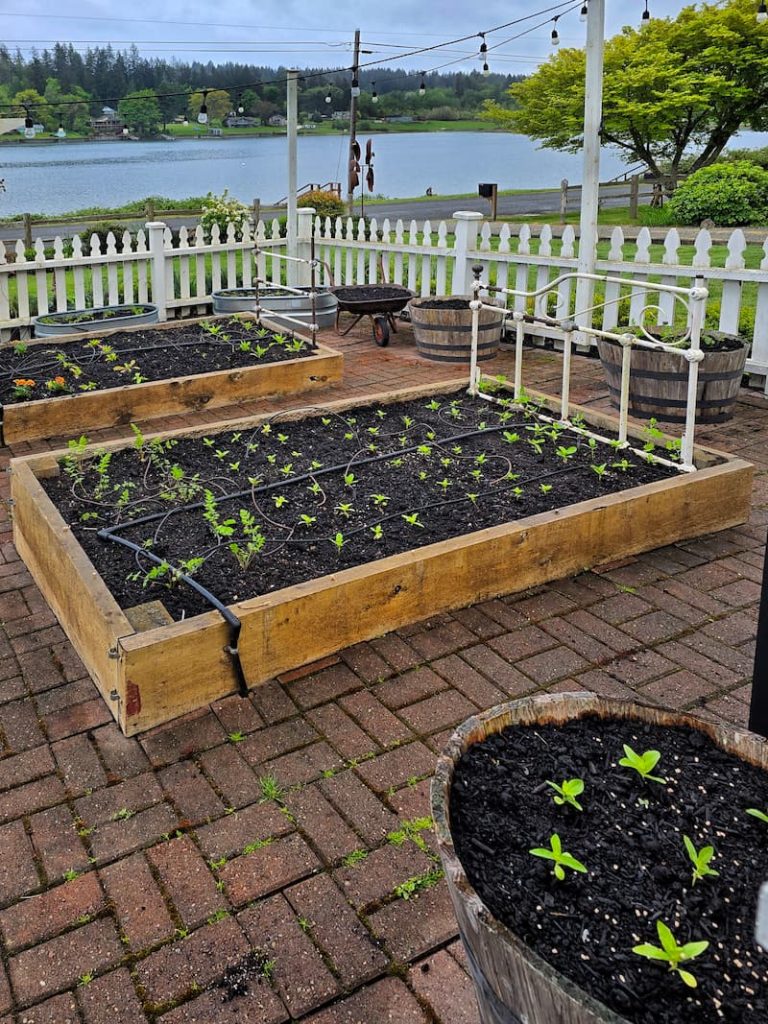
Good soil is more than just dirt. It’s a living ecosystem: full of nutrients, organic matter, beneficial microbes, air pockets, and the right balance of moisture.
The best soil for flower gardens is:
A healthy garden bed should feel slightly crumbly when moist, smell rich and earthy, and be easy to work with by hand. When I dig into my best beds, the soil practically falls apart. When I dig into a problem bed, it either clumps like clay or falls apart dry as dust.
Why Soil pH Matters
Most flowering plants grow best in slightly acidic to neutral soil, with a pH between 6.0 and 7.0.
When soil tips too far in either direction, nutrients become less available to your plants, even if they’re technically present. You can feed all season and still end up with yellowing leaves and stunted growth if the pH is off.
A simple soil test is the fastest way to know where you stand.
Let’s Plan Your Dream Garden With Our
Gardening Planner
Unlock Your Garden’s Potential.
Our 35-page Ultimate Garden Planner is designed to help you organize, track, and flourish in your gardening endeavors.
Get yours for $4.99
How to Tell if Your Soil Needs Improvement
Before adding anything to your beds, it helps to read what’s already there.
Signs of Healthy Soil
Signs Your Soil Needs Help
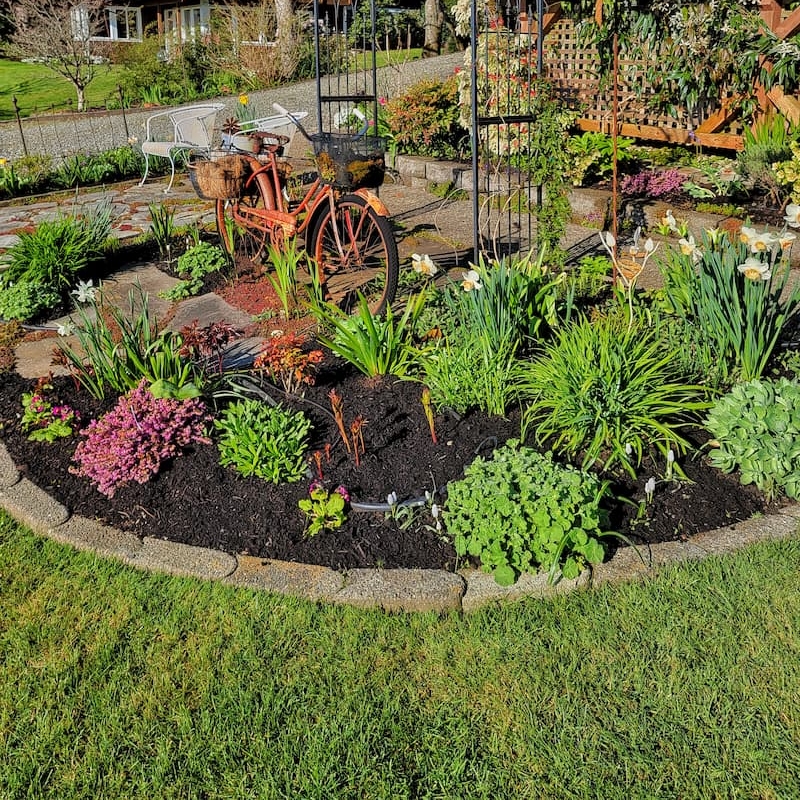
Here in the Pacific Northwest, spring rain has a way of quickly revealing which areas need drainage help. If you’ve got standing water in a bed after good rain, that’s the soil telling you something.
Soil Testing: The Best Place to Start
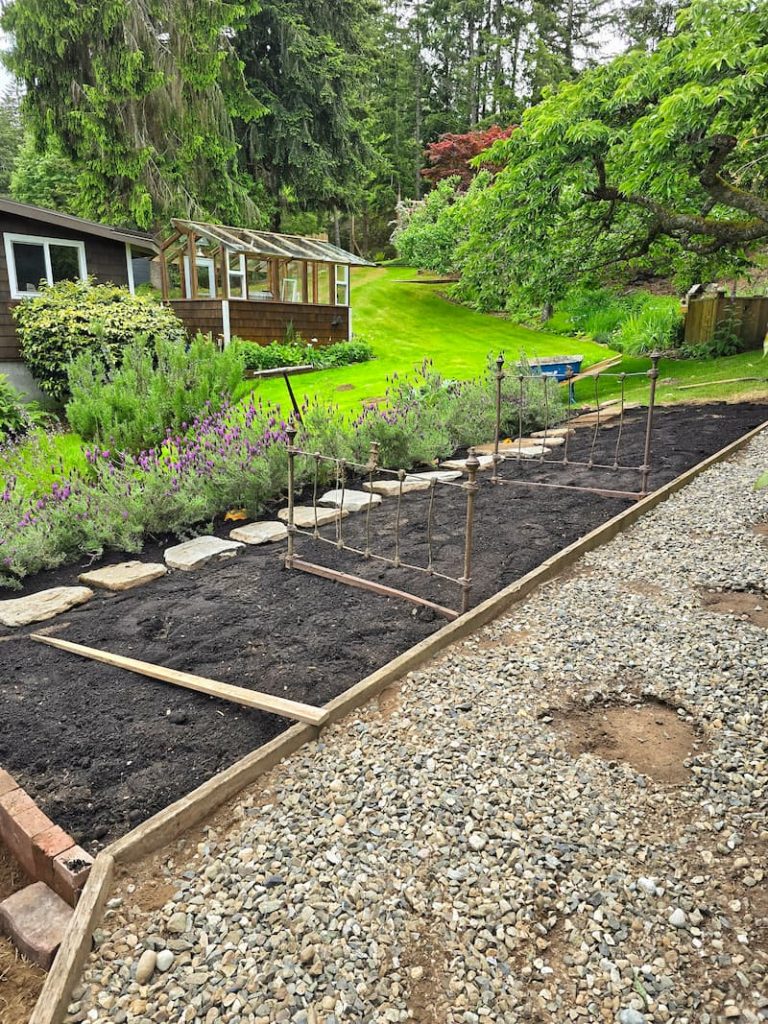
If you’re serious about improving your flower garden soil, a soil test is one of the smartest first steps. Think of it as a check-up for your garden. Before you start adding amendments, you want to know what you’re actually working with.
A soil test tells you:
You can pick up a DIY kit at any garden center, but I always recommend sending a sample to your local extension office for the most reliable results. Washington State University Extension offers testing through its soil lab. It’s worth the small fee for accurate numbers.
How to Test Your Soil
Testing every 2-3 years is usually enough, unless you’re starting a new bed from scratch.
13 Steps to Improve Your Flower Garden Soil
Here are my favorite ways to build healthier beds and stronger blooms, season after season.
1. Add Compost
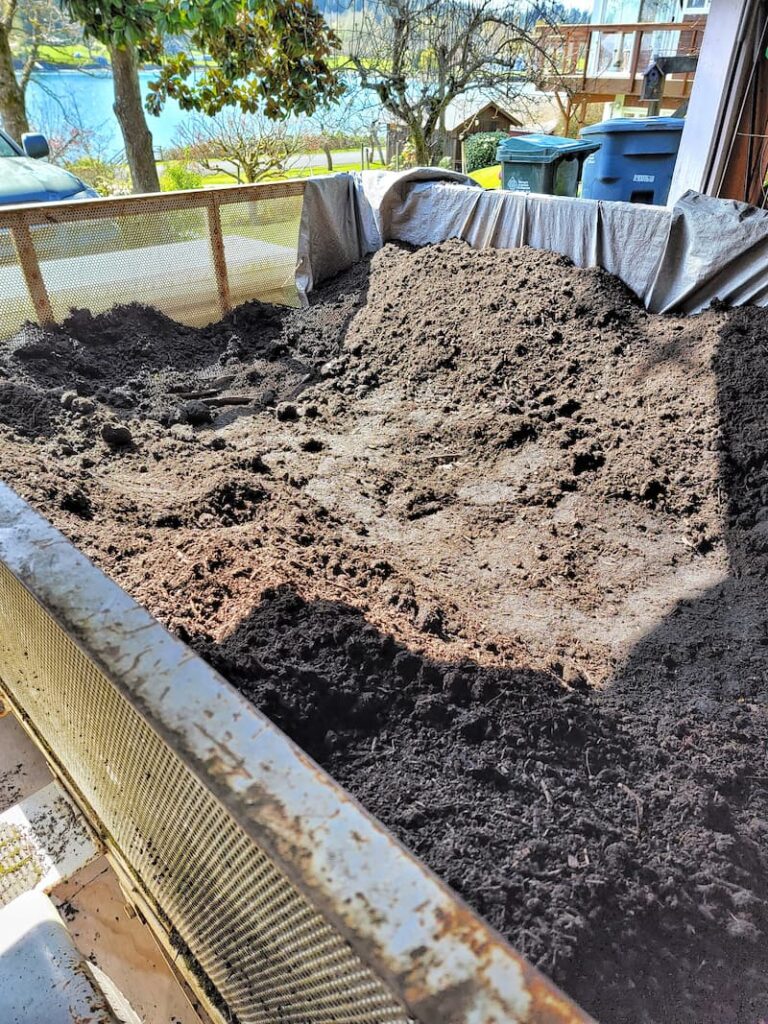
Compost is the single best thing you can do for your soil. It improves texture, adds nutrients, and encourages the kind of beneficial microbial activity that makes everything else work better.
A 1 to 2-inch layer added each spring or fall can make a remarkable difference. In my own garden, I always notice the biggest jump in bloom performance after I’ve refreshed the raised beds with a fresh load of fish compost in early spring.
2. Use Mulch
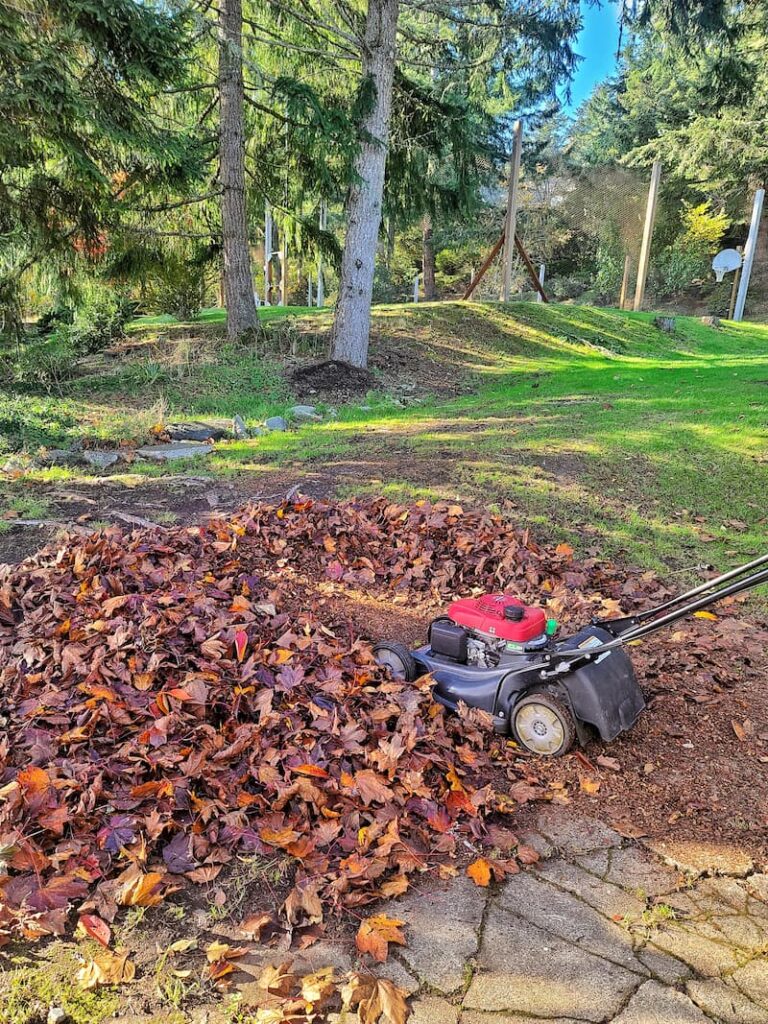
Mulch helps retain moisture, suppresses weeds, and slowly improves soil as it breaks down. Natural mulches like bark chips, straw, shredded leaves, or untreated grass clippings work beautifully.
In the fall, I run my lawnmower over the fallen leaves and spread them across the flower beds. By spring, they’ve started to break down and feed the soil.
3. Add Organic Matter
Beyond compost, well-rotted manure, worm castings, and leaf mold all help improve soil structure and fertility. This is especially worth doing if your soil feels heavy and clay-like or if it dries out almost immediately after watering.
4. Improve Garden Drainage for Flowers
If spring rain tends to sit in your beds (a common issue in our part of the Pacific Northwest), gently loosen the soil with a garden fork and mix in compost, grit, or coarse perlite. Healthy roots need both moisture and airflow. Waterlogged soil is one of the fastest ways to lose plants you worked hard to grow.
5. Prevent Soil Compaction
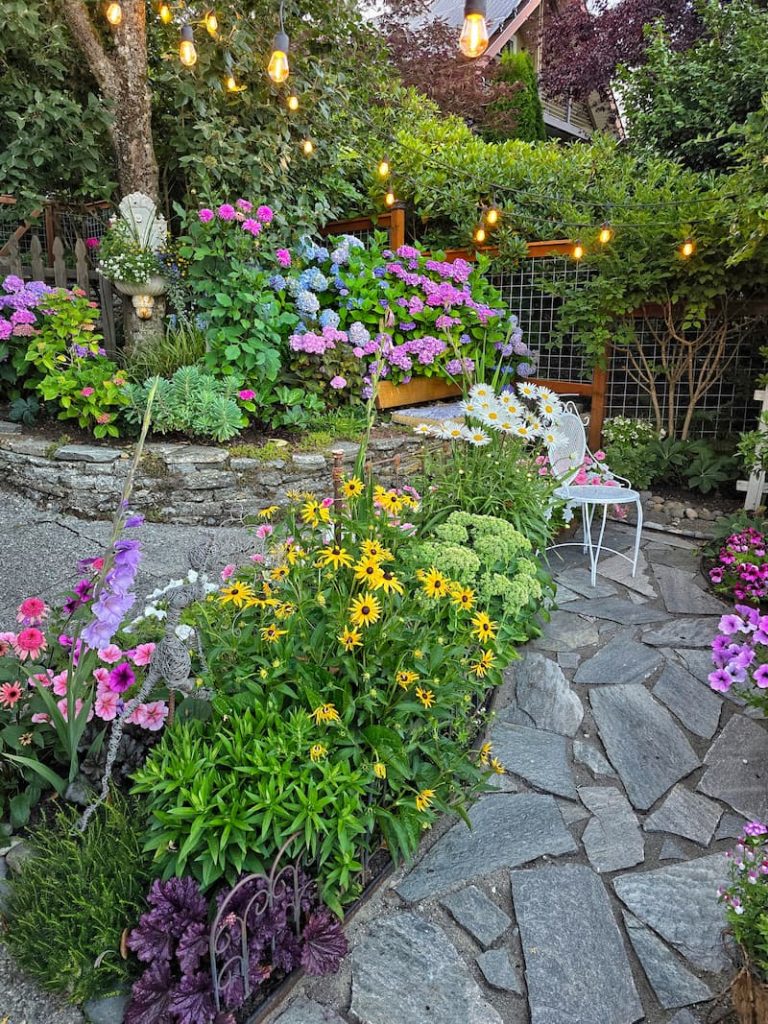
Try not to step directly into your flower beds. Compacted soil makes it harder for roots to spread and absorb nutrients. Stepping stones or clearly defined pathways make a big difference and save you from working against yourself.
6. Grow Cover Crops
In beds you’re resting over winter, a cover crop of clover, rye, or buckwheat can help improve soil health, reduce erosion, and add nutrients back into the bed before you plant again in spring.
7. Rotate Flower Types
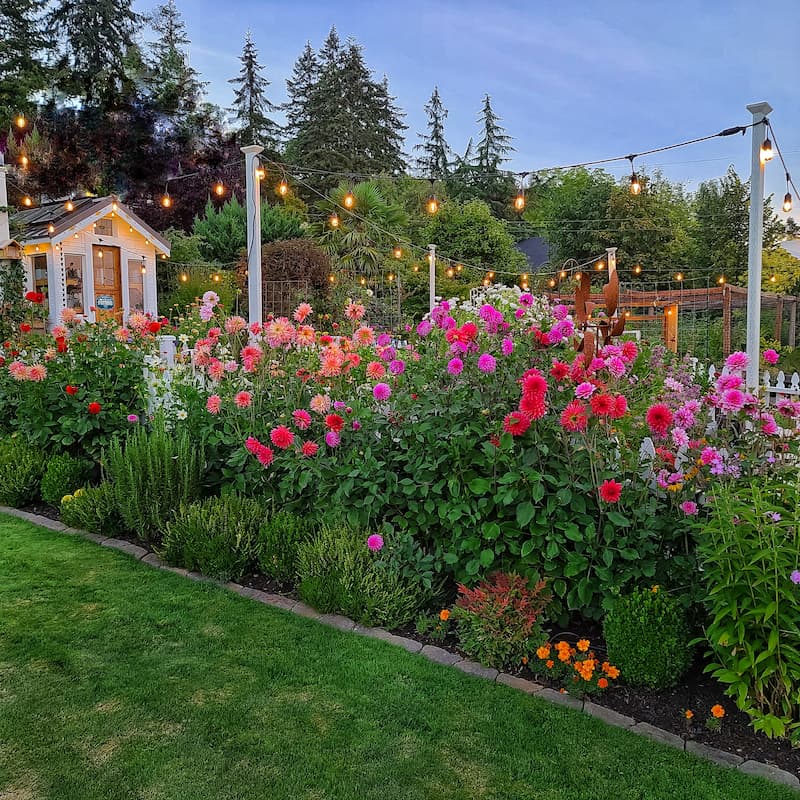
Heavy feeders like dahlias and sunflowers do best when they’re not planted in the same spot year after year. Rotation helps maintain nutrient balance and reduces the buildup of pests and disease.
8. Use the Right Soil Amendments for Flower Beds
The best amendments for your flower beds depend on what your soil test reveals and what you’re growing. A few common ones:
I don’t add amendments blindly. I go by what the soil test says. It’s easy to over-correct and create a new problem.
9. Remove Weeds and Stones
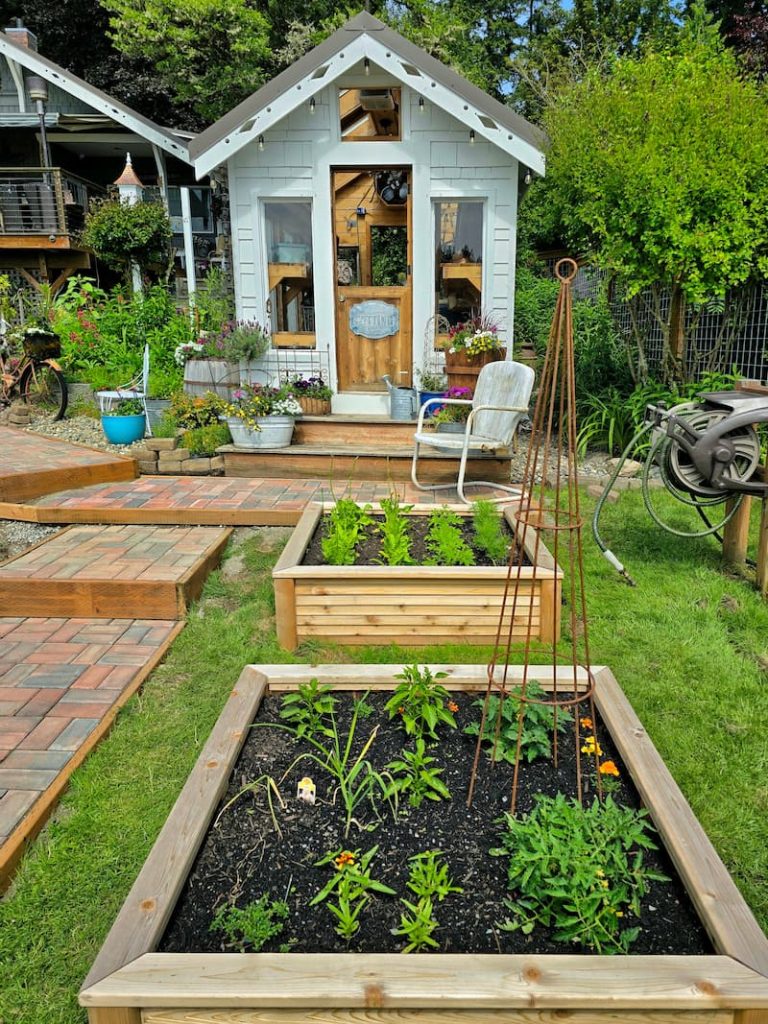
Weeds compete directly with your flowers for nutrients and moisture. Stones can impede root development. A thorough cleanup at the start of the season sets you up for a lot less frustration later.
10. Feed the Soil Naturally
Fish emulsion, kelp meal, and alfalfa meal are wonderful organic options for giving the soil a nutrient boost throughout the growing season. I use fish emulsion regularly during peak bloom season and can see the difference in how the plants respond.
11. Water Deeply

Watering the soil deeply, rather than giving the surface a light sprinkle, encourages roots to grow down into the soil rather than staying shallow. Shallow-rooted plants are the first to struggle in a heat wave or a dry stretch. Deep watering is one of those small habits that pays off all season.
12. Encourage Earthworms
Earthworms naturally aerate the soil and help break down organic matter. Anytime I spot worms while planting or turning a bed, I take it as a good sign. If you’re adding compost regularly and keeping the soil moist and undisturbed, worms tend to follow.
13. Add Leaf Mold
Leaf mold is nothing but decomposed leaves, and it’s one of my favorite lightweight soil conditioners. It improves moisture retention, adds organic matter, and introduces wonderful microbial life. If you have trees on your property, you’re sitting on free soil amendment every fall.
Garden Supplies and Tools
Check out my favorite garden supplies and tools for the growing season. Whether you’re looking for potting soil or deer repellent, you’ll find what I use in my own garden.
Raised Bed Soil Tips
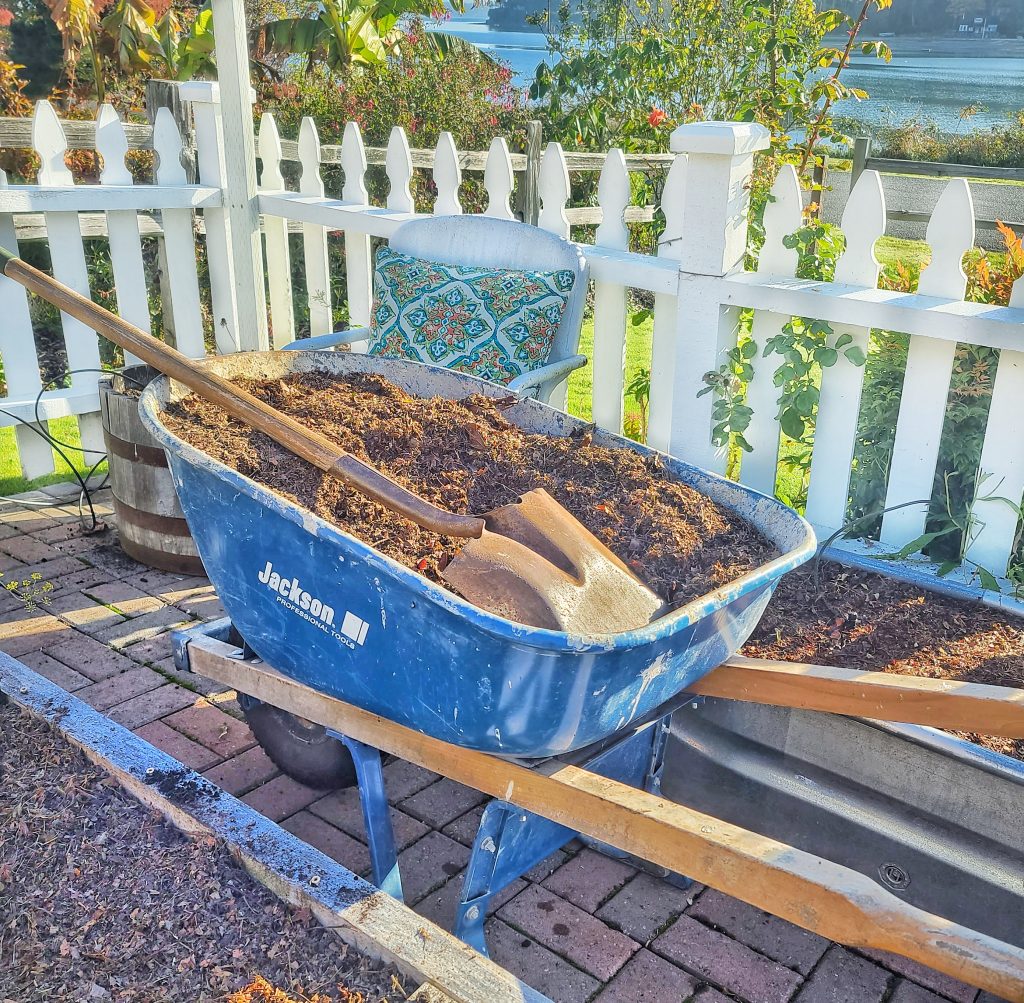
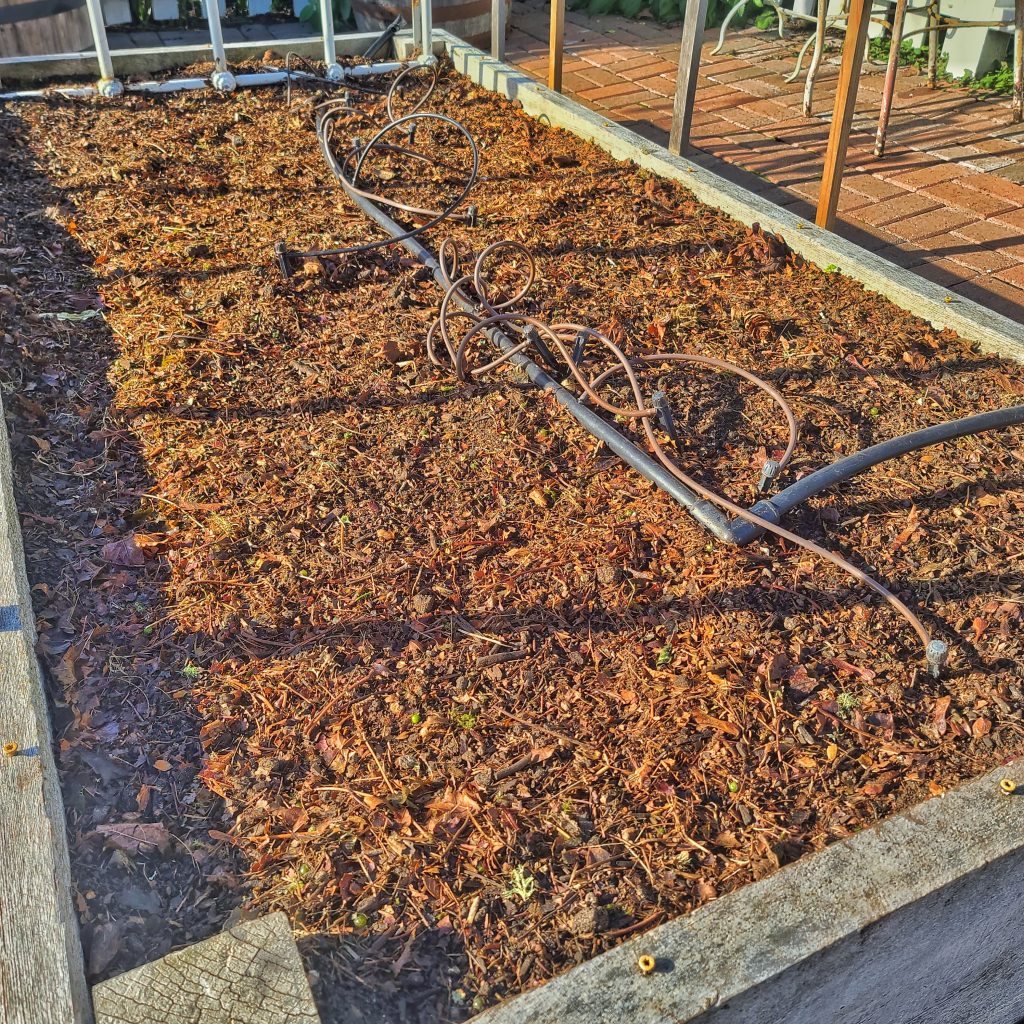
Raised beds lose nutrients faster than in-ground beds, so they need yearly refreshing. The best mix for raised flower beds is loose, well-draining, and rich in organic matter.
A solid starting ratio:
Each spring, before planting begins, I top off my raised beds with a fresh layer of compost. It takes about twenty minutes and makes a noticeable difference by midsummer.
Container Flower Garden Soil Tips
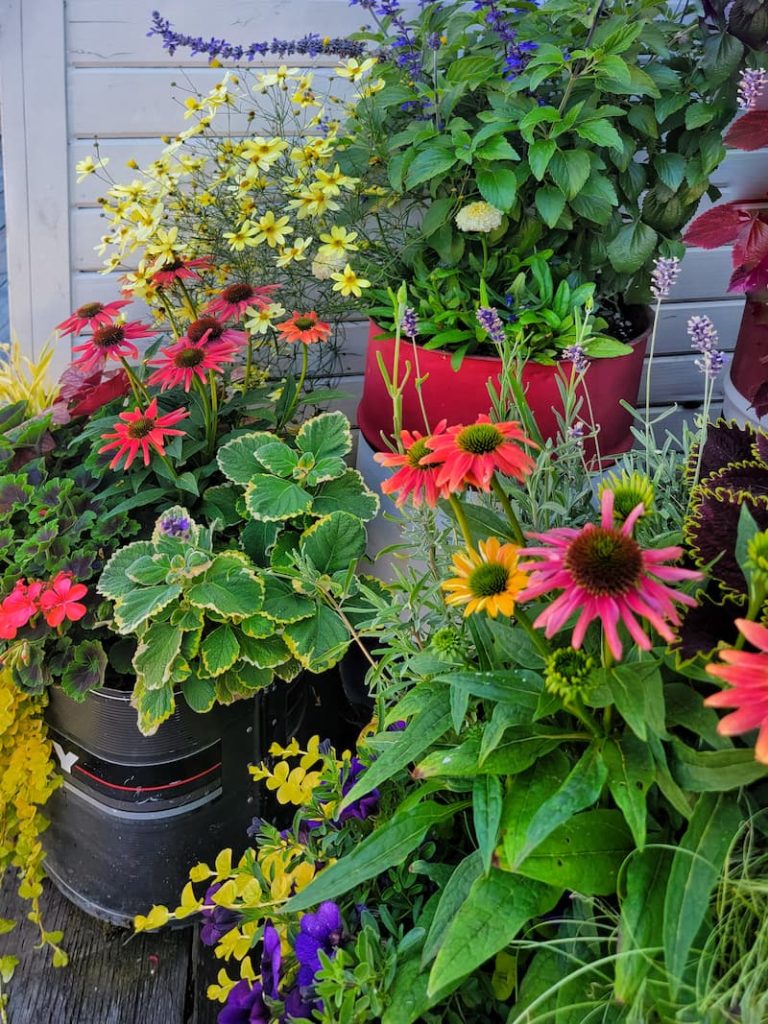
Container flowers have their own soil needs. Always use a quality potting mix rather than garden soil, which is usually too dense for pots and doesn’t drain the way containers require.
If needed, mix in:
Containers also need more frequent feeding throughout the season. Because they’re watered more often, nutrients flush out faster than in beds.
Frequently Asked Questions
What Is the Best Soil for Flower Gardens?
The best soil for flower gardens is loose, nutrient-rich, and well-draining, with a good amount of organic matter and a pH between 6.0 and 7.0. A loamy mix that holds moisture without becoming waterlogged is ideal for most flowering plants.
How Do I Know If My Soil Needs Compost?
If your plants are yellowing, growth is slow, or the soil feels hard and compacted, adding compost is almost always a good first step. A soil test will confirm which nutrients are missing, but compost is generally safe to add in any season.
How Often Should I Add Compost to Flower Beds?
Once or twice a year is typically enough, once in spring before planting and optionally again in fall. For raised beds that get heavy use, you may want to top off more frequently, especially if you notice the soil level dropping.
How Do I Improve Clay Soil In My Flower Beds?
Clay soil benefits from regular additions of compost, leaf mold, and coarse organic matter. Work it in gradually rather than trying to fix everything at once. Over a season or two of consistent amending, clay soil can become much easier to work with. Avoid tilling when wet, which will compact the soil further.
Can I Use Garden Soil in Raised Beds or Containers?
In raised beds, a quality garden soil can work as part of a mix, but it needs to be blended with compost and a drainage material like perlite. In containers, garden soil is too heavy and dense. It will compact in pots, restricting root growth. Always use a potting mix designed for containers.
What are the Best Organic Soil Amendments for Flowers?
Compost, worm castings, fish emulsion, kelp meal, and leaf mold are all excellent organic options. Which one you reach for depends on what your soil needs. A soil test helps you choose the right amendment rather than guessing.
Final Thoughts on Improving Flower Garden Soil
Healthy soil is the foundation. Once you start paying attention to what’s happening below the surface, the results above ground follow pretty quickly: stronger stems, better foliage, more blooms.
Even small changes make a difference. Refreshing one raised bed with compost in early spring, improving drainage in one soggy corner, and adding leaf mold to a bed that dries out too fast. These aren’t big projects, but they add up over a season.
The garden rewards you for working with the soil. I’ve found that the beds I’ve put the most attention into over the years are now the easiest to maintain. It’s one of those investments that pays back year after year.
If you found this post helpful, I’d love for you to share it with a fellow gardener who’s trying to figure out why their flowers aren’t quite thriving yet.
Until next time,
Happy Gardening!

I’m a self-taught hobby gardener. Everything I share on my blog is my opinion and what has worked for me.
MORE POSTS
For You To Enjoy
Follow Me for More Inspiration