22 Flower Gardening Mistakes Beginners Make (And What to Do Instead)
Starting a flower garden is one of the most rewarding things you can do with a patch of dirt and a little ambition. But if you’re new to it, a few missteps along the way are basically guaranteed. I know because I’ve made most of them myself.
The good news? Most flower gardening mistakes are completely avoidable once you know what to look for. I’m sharing 22 of the most common ones, along with practical, honest advice for what to do instead. No fluff. Just the stuff that actually matters.
As an Amazon affiliate, I earn from qualifying purchases at no extra cost to you. My blog also contains other affiliate links for your convenience. Click here to read my privacy policy.
Quick List: 22 Common Flower Gardening Mistakes

- Choosing the Wrong Plants
- Planting in the Wrong Location
- Not Cleaning and Prepping Your Beds
- Not Starting Seeds Indoors
- Not Improving Your Soil
- Overcrowding Your Plants
- Forgetting About Companion Planting
- Planting Too Soon or Too Late
- Planting Out of Sight
- Not Paying Attention to Sun Needs
- Planting Far from a Water Source
- Overwatering or Underwatering
- Not Feeding Your Plants
- Using Too Much Fertilizer
- Forgetting About Pollinators
- Not Controlling Weeds
- Skipping Mulch
- Overlooking Pests and Diseases
- Not Staking Tall Plants
- Neglecting Deadheading and Pruning
- Not Harvesting Enough
- Not Taking Notes
A Quick note about my garden
Most of the flowers I share here are grown from seed in our greenhouse and planted in raised beds and containers throughout our cottage garden.
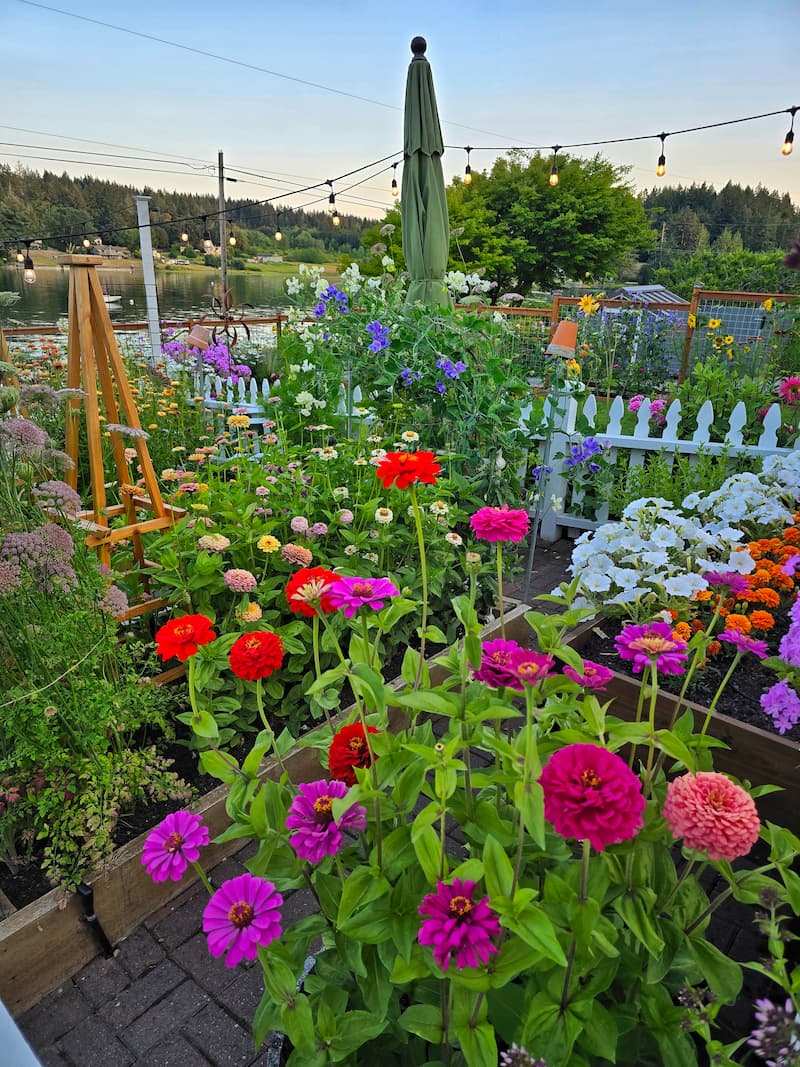
Choosing the Wrong Plants
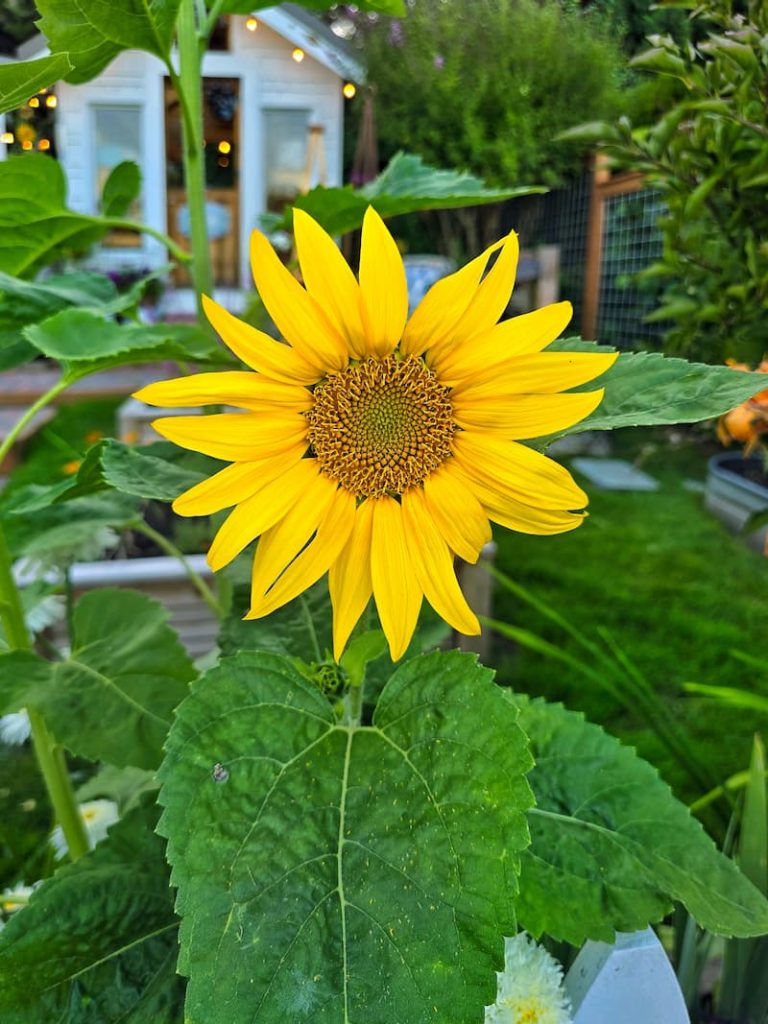
The biggest mistake I made when I first started? Falling in love with something at the nursery and bringing it home without checking if it could actually grow in my garden. Raise your hand if you’ve done this too.
Choosing flowers that don’t suit your climate, soil, or sun exposure leads to frustration and, sadly, wasted money.
What to Do Instead
Start by finding your USDA hardiness zone. Here in the Pacific Northwest, I garden in Zone 8B, which tells me what perennials can survive our winters and what annuals will actually have time to bloom. Then determine how much sun your bed gets throughout the day, because it changes everything.
Pick plants that will thrive when you’re planting them, not just the ones that look pretty under the nursery lights. You will thank yourself later.
Planting in the Wrong Location
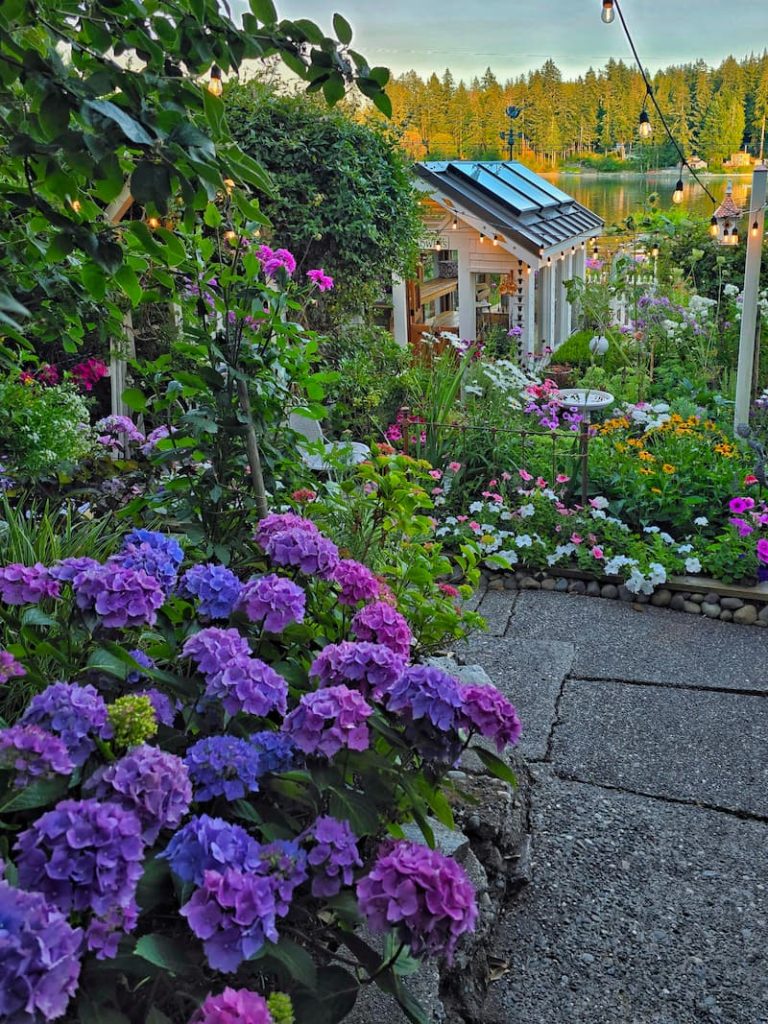
It’s tempting just to dig in wherever there’s space, but flowers are particular about where they grow best. Wrong spot, wrong results.
Some flowers need full sun all day. Others will wilt in the same heat and would much rather be tucked into partial shade.
Soil type matters too. Heavy clay and nutrient-poor soil can work against even the most sun-happy plants.
What to Do Instead
Watch your garden throughout the day before you plant. A spot that looks sunny at 9 a.m. might be in shade by noon. Note where you have 6+ hours of direct light (full sun), and where you have filtered or partial sun.
If your soil is heavy and compacted, consider amending it with compost or building a raised bed. Containers are another great option when you need full control over soil and placement.
Not Cleaning and Prepping Your Beds

It’s easy to get excited about planting the minute the weather warms up. But skipping bed prep is a mistake you’ll feel all season. Old debris, overwintered weeds, and compacted soil all get in the way of healthy root growth.
What to Do Instead
Clear out any dried stems, leaves, and weeds left from last year. Then loosen the soil with a fork or shovel to improve drainage and give roots room to move. For new beds, remove sod, outline the space, and work in compost or organic matter before you plant anything.
Think of this step as setting the stage. A few extra hours of prep at the start of the season saves a lot of frustration later.
Not Starting Seeds Indoors
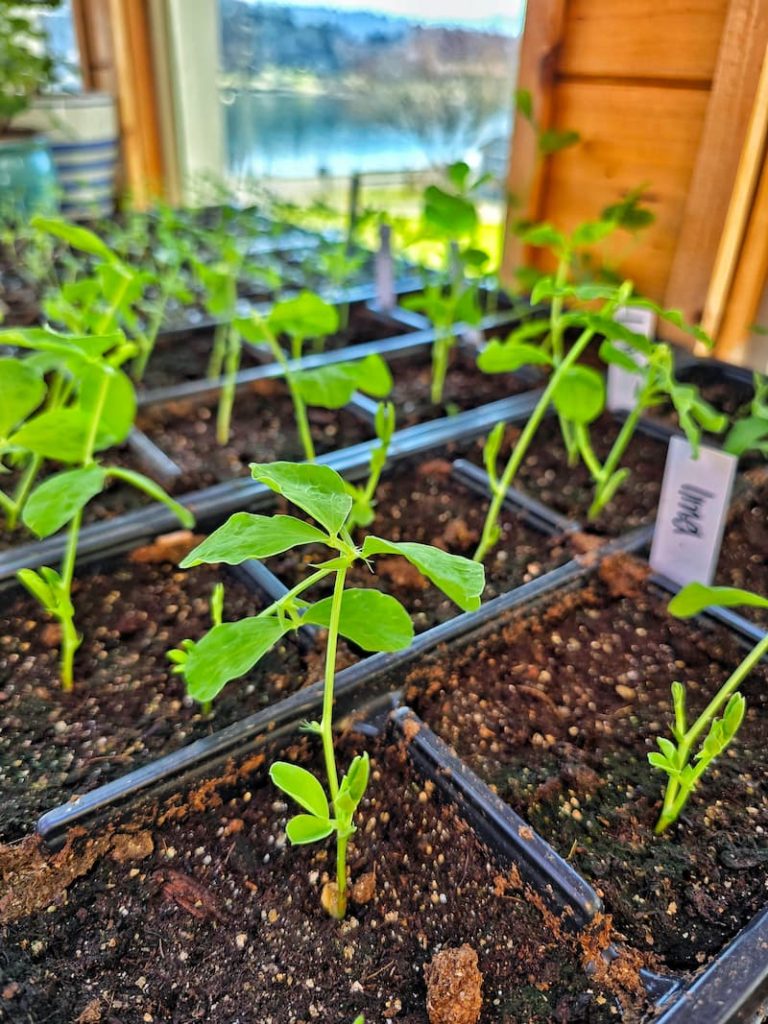
Skipping indoor seed starting is one of the easiest ways to shorten your bloom season, especially in climates like ours, where the growing season has a real beginning and end.
Some flowers need a head start under lights to have any chance of blooming beautifully before fall. If you wait to direct sow everything, you might miss your window.
What to Do Instead
Find your last frost date and count backwards using seed packet instructions. Most annuals, like snapdragons, cosmos, and zinnias, need to be started 4-10 weeks before the date. Use seed trays near a bright window or under grow lights. Keep the soil moist but not soggy, and give seedlings good airflow to prevent damping off.
Starting from seed also opens up a whole world of varieties you’ll never find at the nursery. That alone is reason enough.
Not Improving Your Soil

You can choose the perfect plants and water faithfully, but if your soil isn’t healthy, your flowers won’t reach their potential. Most of us aren’t working with ideal soil to begin with, and that’s okay. But you have to work with what you have.
What to Do Instead
Test your soil. Inexpensive kits at garden centers will tell you your pH and basic nutrient levels. From there, amend with compost, aged manure, or organic conditioners to improve structure and fertility. Sandy soil needs moisture-retaining amendments. Heavy clay needs compost and grit to drain.
Healthy soil is the foundation on which everything else is built. It’s worth spending time here.
SHOP soil test kits
Overcrowding Your Plants
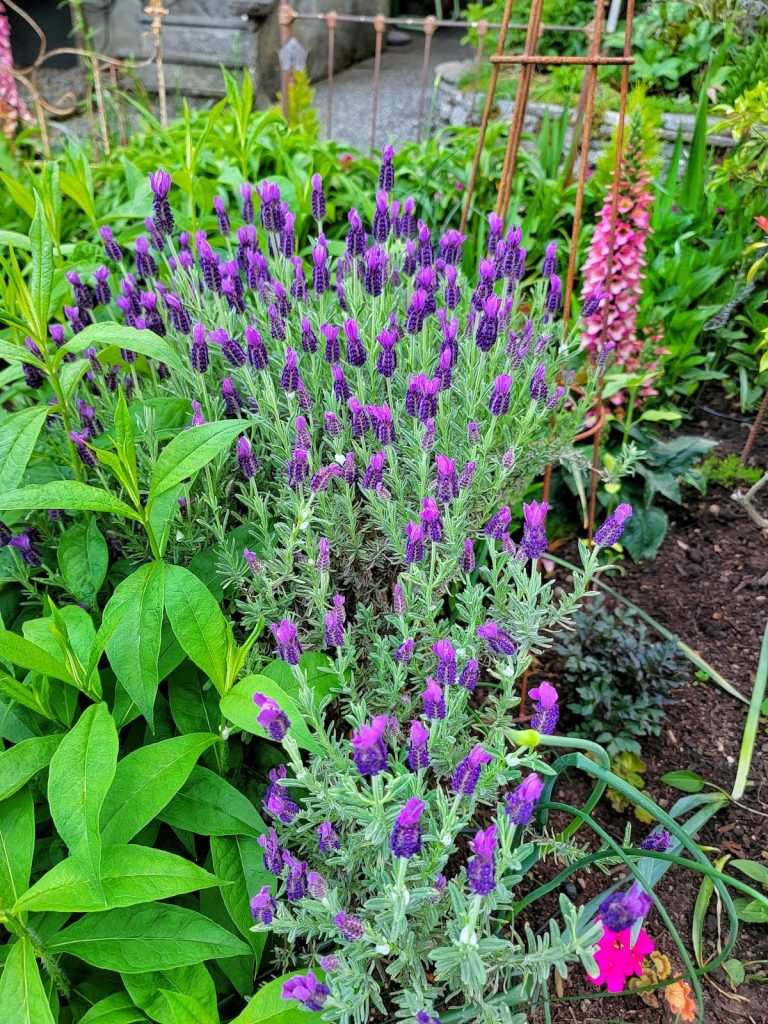
Those little seedlings look small and full of potential.
It’s so tempting to fit in just one more. But overcrowding is one of the most common mistakes in a flower garden, and the one that causes the most downstream problems.
When plants are too close together, they compete for sunlight, water, and nutrients. In damp climates like the Pacific Northwest, reduced airflow also invites powdery mildew and other fungal issues.
What to Do Instead
Follow the spacing on your seed packets or plant tags, even when it looks like too much space. Zinnias, cosmos, and dahlias can get large fast. Give them room.
Thin the seedlings once they sprout. It’s hard to pull healthy little plants, but it’s better for the whole bed. Spacing wisely now means fewer problems and more blooms all season.
Forgetting About Companion Planting
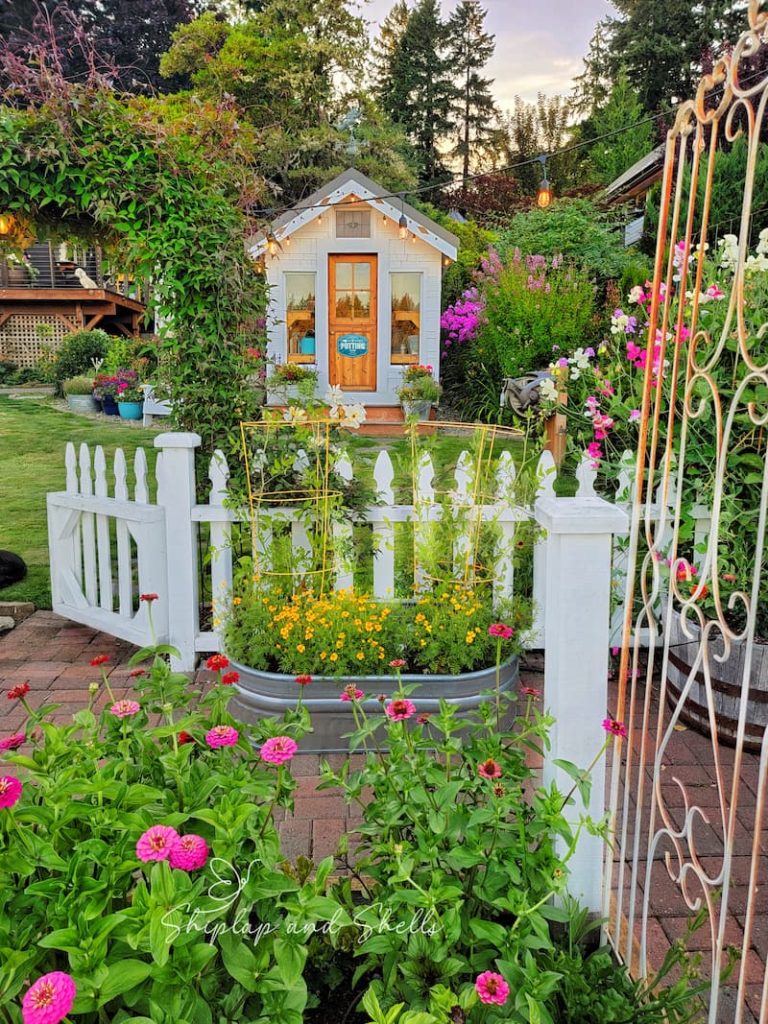
When we’re planning a flower garden, we tend to think about color combinations and bloom times. But there’s another layer worth considering: how your plants interact with one another.
What to Do Instead
Try pairing flowers that benefit each other. A few reliable companions:
Mixing annuals like cosmos, calendula, and zinnias into vegetable beds also brings pollinators and beneficial insects that help your whole garden. A little strategy goes a long way.
Planting Too Soon or Too Late
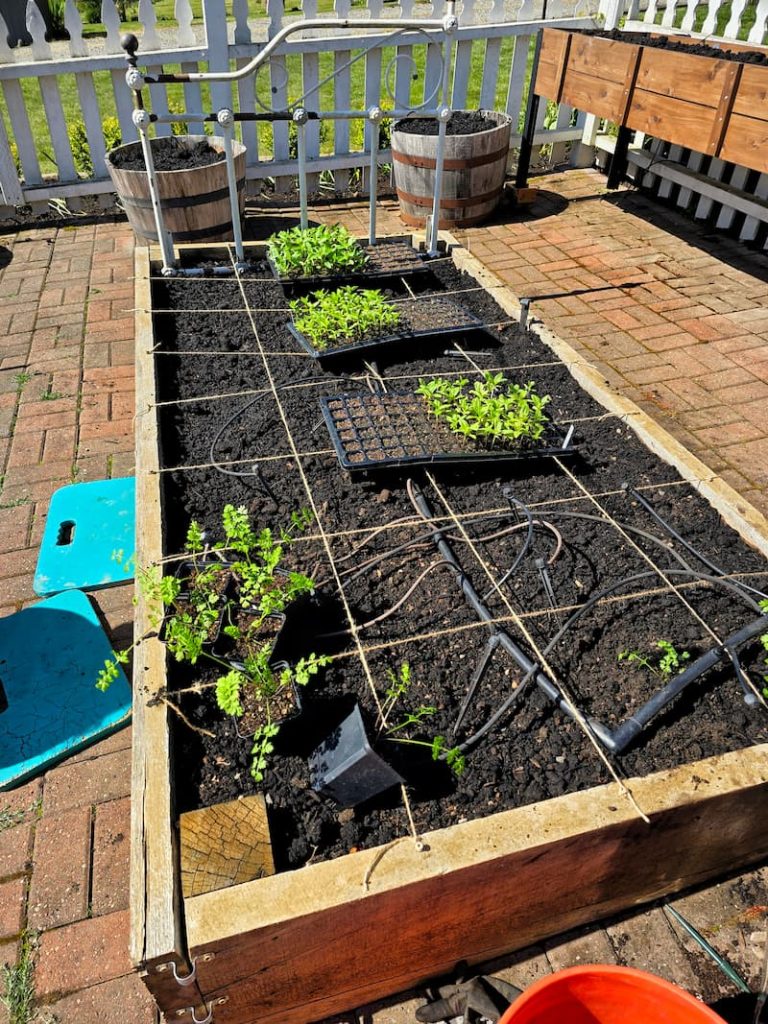
Waiting is hard, especially after a long winter. But planting tender seedlings before your last frost is a gamble that rarely pays off. On the other hand, delaying heat-loving flowers can cut your bloom time short.
What to Do Instead
Know your frost dates and plan around them. A few general rules:
A simple garden calendar or planner helps map out when to start seeds, direct sow, and transplant. That one small habit makes a real difference.
Planting Out of Sight
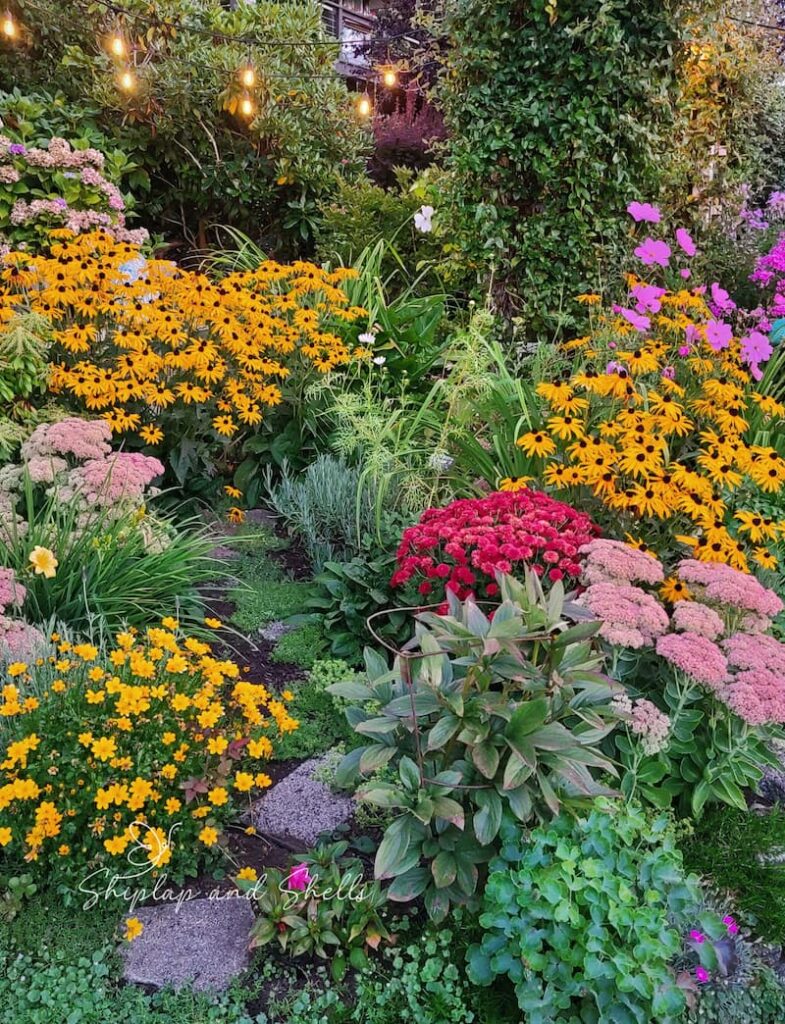
Out of sight, out of mind is real in the garden. If you plant in a spot you don’t walk past regularly, it’s easy for that area to get neglected. Watering gets skipped. Deadheading doesn’t happen. Pests move in quietly.
What to Do Instead
Be intentional about placement. Choose spots that are visible from your windows, deck, or main walkways… places you pass by every day. When you regularly see your garden, you notice what it needs.
If you do plant somewhere less visible, choose lower-maintenance varieties and set a reminder to check in a couple of times a week.
Not Paying Attention to Sunlight Needs
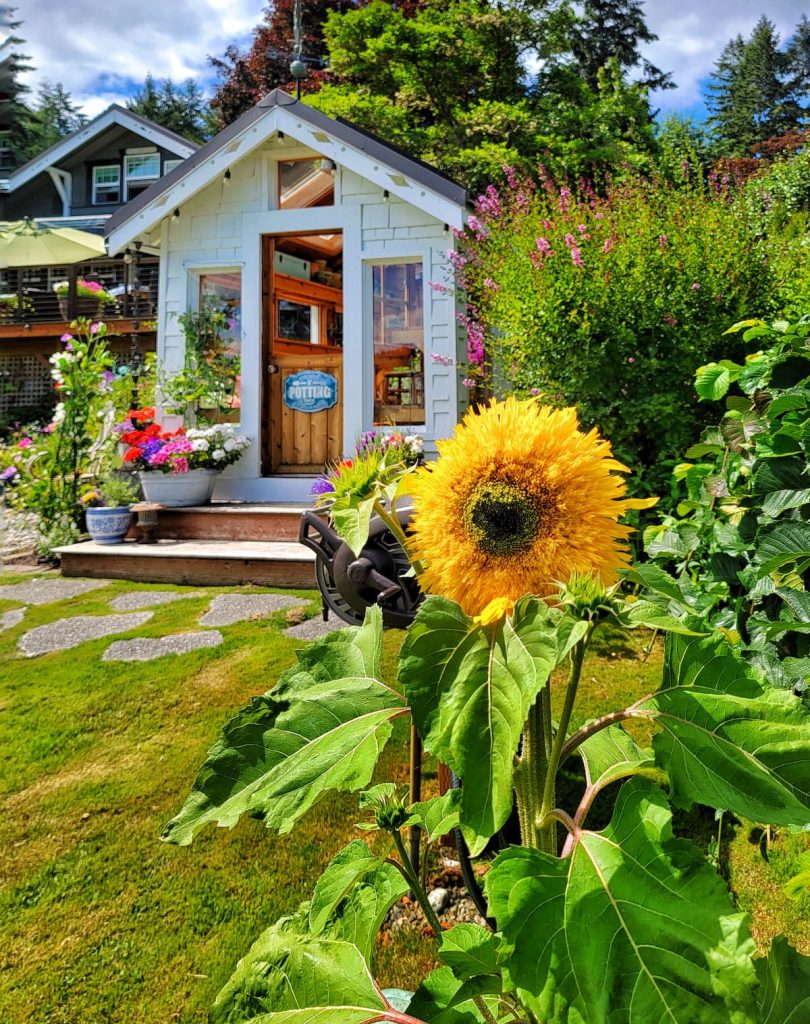
Sunlight is one of the most critical factors in how well your flowers grow, and one of the easiest things to overlook. If you’ve ever had plants that looked leggy and sad all summer, there’s a good chance they weren’t getting the light they needed.
What to Do Instead
Observe your garden throughout the day before you commit to a planting spot. Most seed packets and plant tags will indicate:
A few examples of light needed:
Matching plants to what your garden actually offers is one of the simplest ways to set yourself up for a good season.
Planting Far from a Water Source
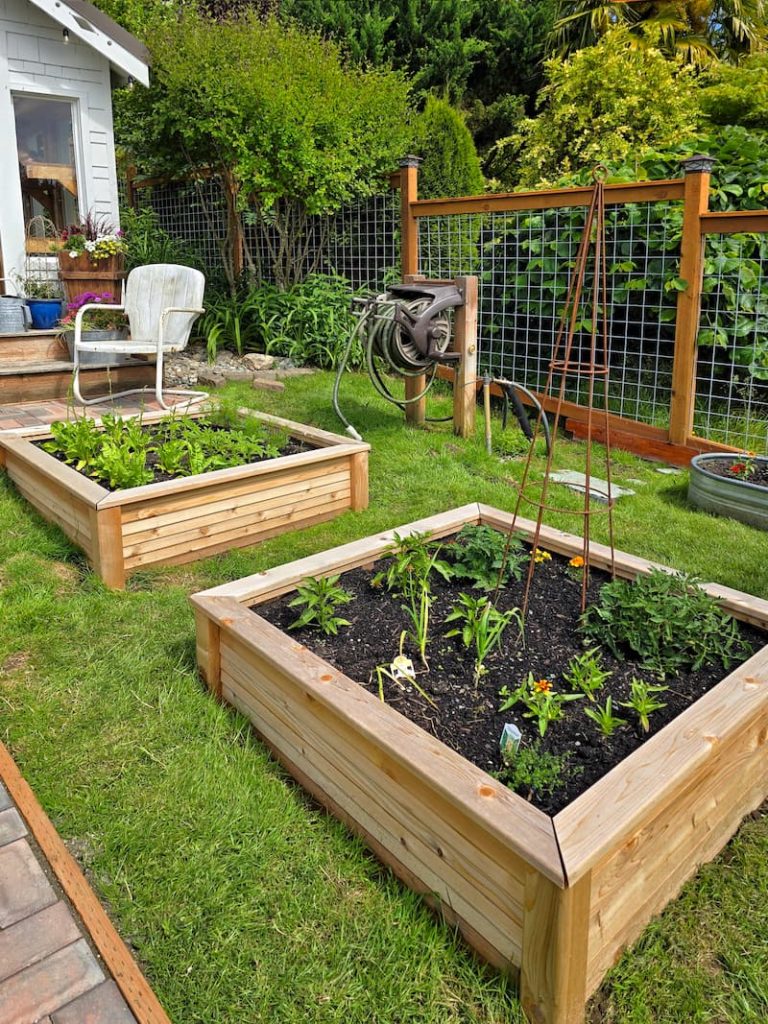
If watering feels like a hassle, it starts getting skipped. And when flowers don’t get consistent water, they let you know.
What to Do Instead
Plan your beds with water access in mind. If you’re laying out a new area, try to stay within reach of the hose. For existing gardens further out, consider soaker hoses, drip irrigation, or a rain barrel. Watering during the cooler parts of the day helps, too, for your plants and for your sanity.
Overwatering or Underwatering
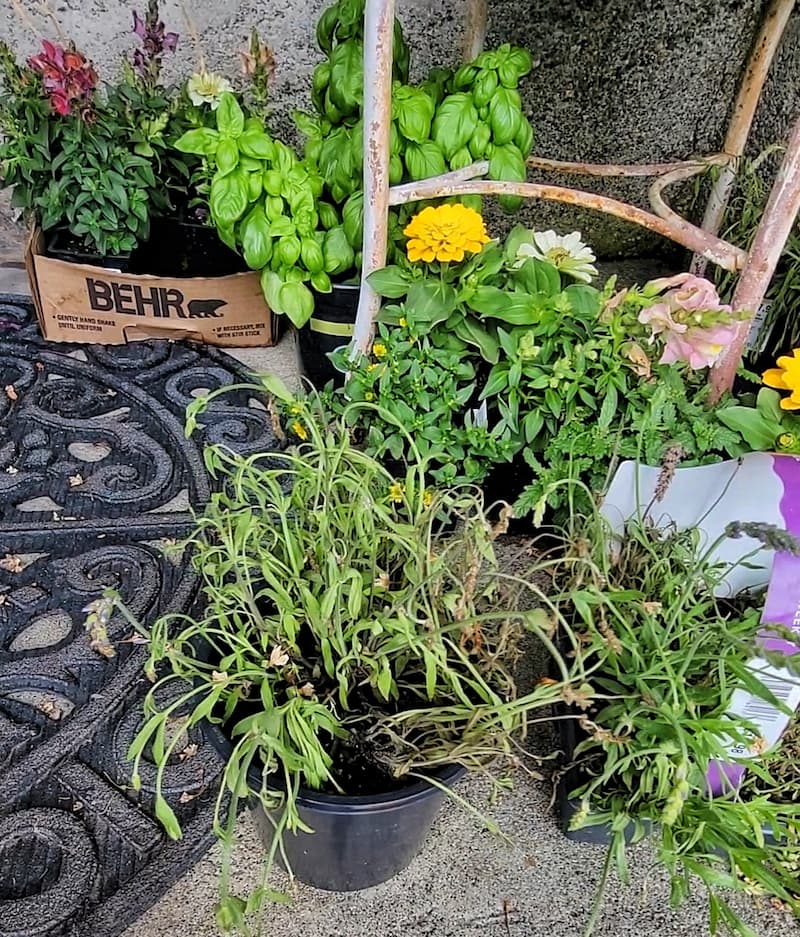
Watering seems like it should be the easy part. It’s actually where a lot of new gardeners go wrong. Too much and you drown the roots. Too little and you’re watching things wilt during a heatwave.
What to Do Instead
Get to know your soil type. Sandy soil dries out fast. Clay holds moisture longer. Containers dry out faster than in-ground beds.
A general guideline: most flower beds need 1 inch of water per week, including rainfall. Deep and infrequent is better than a light splash every day.
Stick your finger into the soil. If it’s dry an inch or two down, it’s time to water. If it’s still damp, wait another day. A soaker hose or deep irrigation setup takes the guesswork out of it entirely.
Not Feeding Your Plants
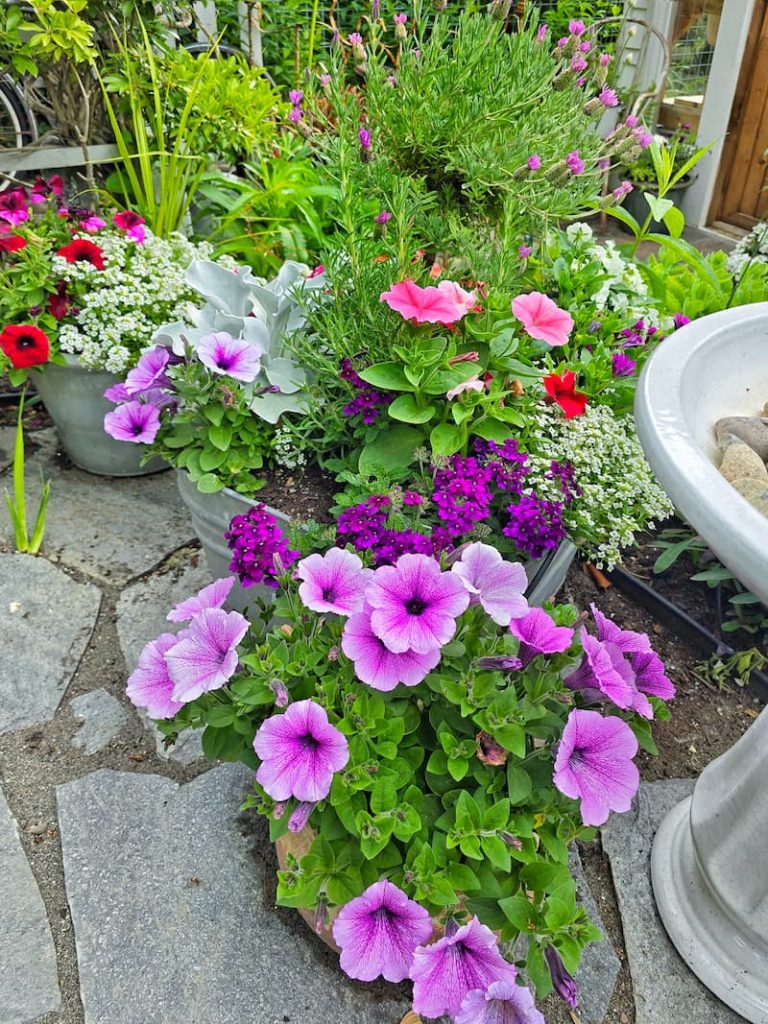
If your flowers look a little lackluster and not blooming the way they should, they might just be hungry. Nutrients in your soil get used up over the course of the season, especially with heavy-blooming annuals.
What to Do Instead
Start with healthy, compost-amended soil, then feed during the growing season to keep things going. A balanced fertilizer, such as 5-10-5 or 10-10-10, used according to package instructions, works well. For organic options, fish emulsion, liquid seaweed, and compost tea are all effective and gentle.
Signs your plants need a feeding: yellowing leaves, slow growth, or noticeably fewer blooms than expected.
Using Too Much Fertilizer
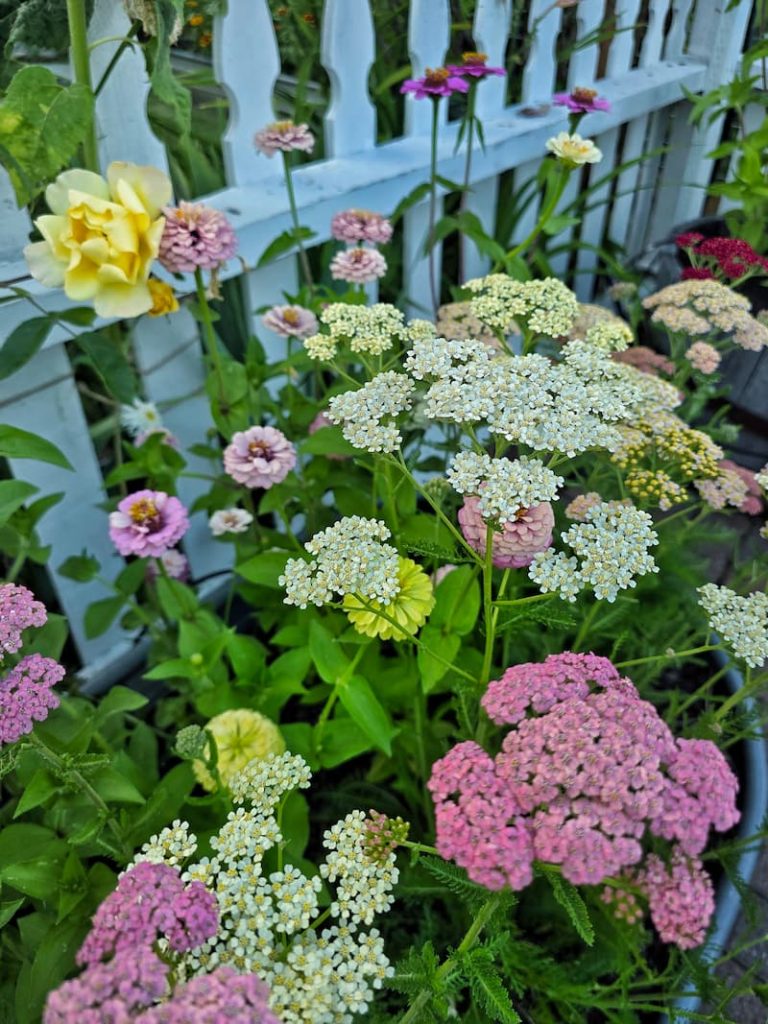
Overfeeding is just as problematic as underfeeding. Too much fertilizer, especially synthetic types, can burn plants, encourage lots of leafy growth with very few flowers, and, over time, damage your soil health.
What to Do Instead
Follow the instructions on the package. Moore is not better here. If you’ve already amended the soil with compost, you may need significantly less fertilizer than you think. When in doubt, slow-release or organic fertilizers feed gently over time and are harder to overdo.
Forgetting About Pollinators
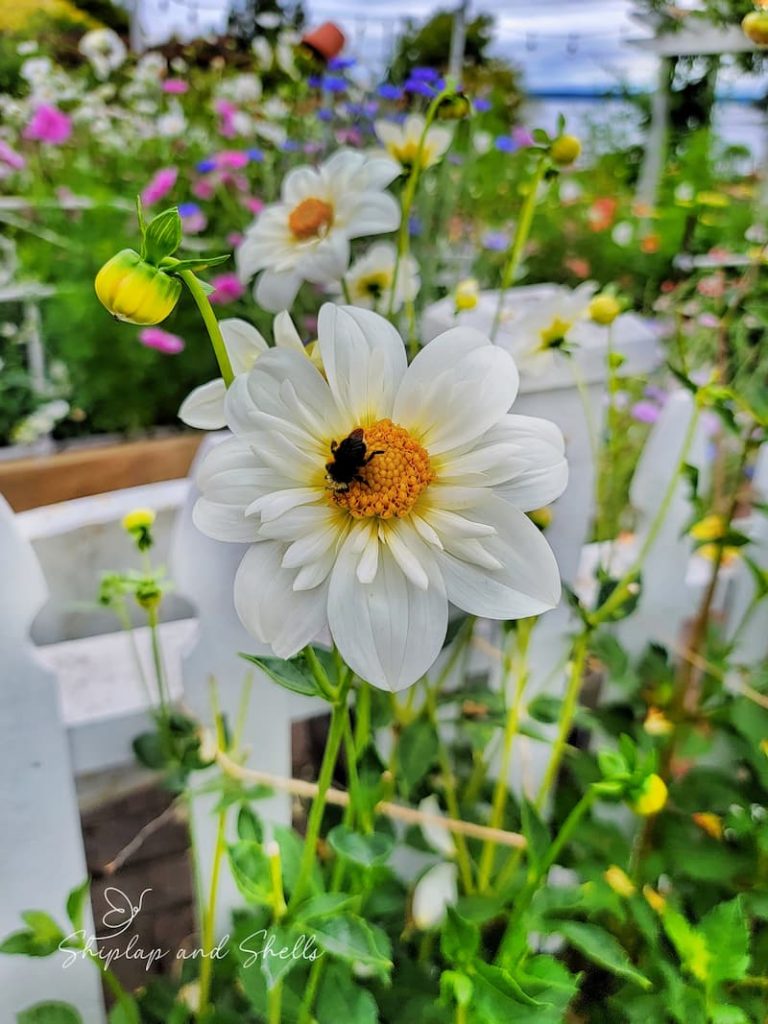
Your flower garden isn’t just for you. It’s a buffet for bees, butterflies, hummingbirds, and other beneficial insects. Without them, many plants struggle to set seed or bloom fully.
What to Do Instead
Include a variety of pollinator-friendly flowers that offer nectar and pollen the entire season. Some great beginner-friendly options:
Try to have something blooming from early spring through fall. And avoid pesticides that harm bees and beneficial insects. Once they stop visiting, you’ll notice it.
Not Controlling Weeds
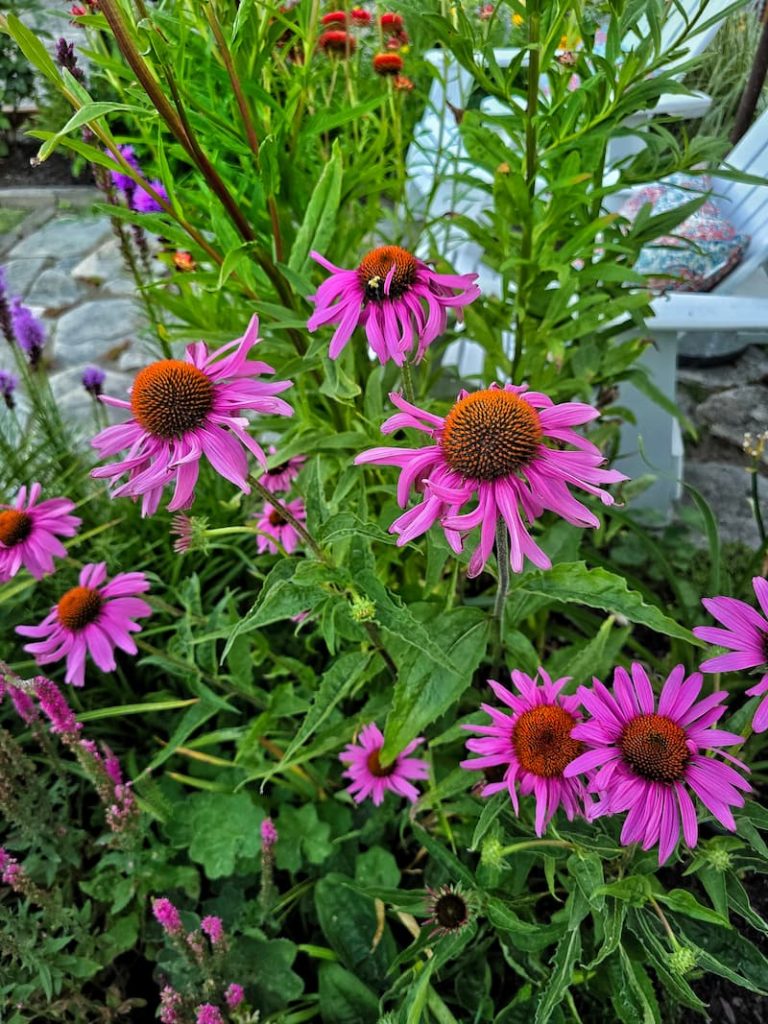
A few weeks here and there seem harmless at first. But left unchecked, they take over fast, stealing water and nutrients from your flowers and making the whole garden feel like work, rather than joy.
What to Do Instead
Make weeding a short, regular habit. 10 or 15 minutes a few times a week is far easier than an hour-long battle once things get out of hand. Weeds pull most easily when the soil is moist, and they’re still small.
A 2 to 3-inch layer of mulch around your plants does a lot of the heavy lifting by blocking light from reaching weed seeds. For new beds, landscape fabric or a thick layer of newspaper under mulch helps suppress weeds while plants establish.
Skipping Mulch
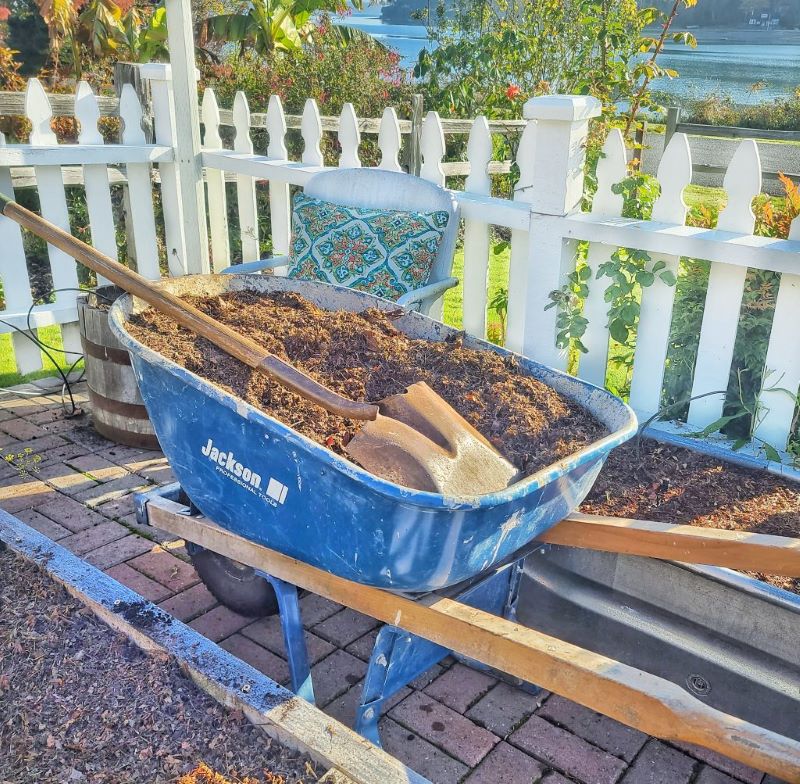
If you’ve never mulched your flower beds, you might not realize how much work you’re making for yourself. Bare soil dries out quickly, compacts easily, and gives weeds a clear invitation.
What to Do Instead
Once your plants are in the ground and the soil has warmed, add a 2 to 3-inch layer of mulch, keeping it a few inches away from the plant stems to avoid rot.
Mulch retains moisture, regulates soil temperature, suppresses weeds, and, if you’re using something organic like compost, leaf litter, or leaf mold, slowly improves soil over time.
Good options include shredded bark, straw, compost, or mulch leaves. The garden looks more finished, too, which doesn’t hurt.
Overlooking Pests and Diseases
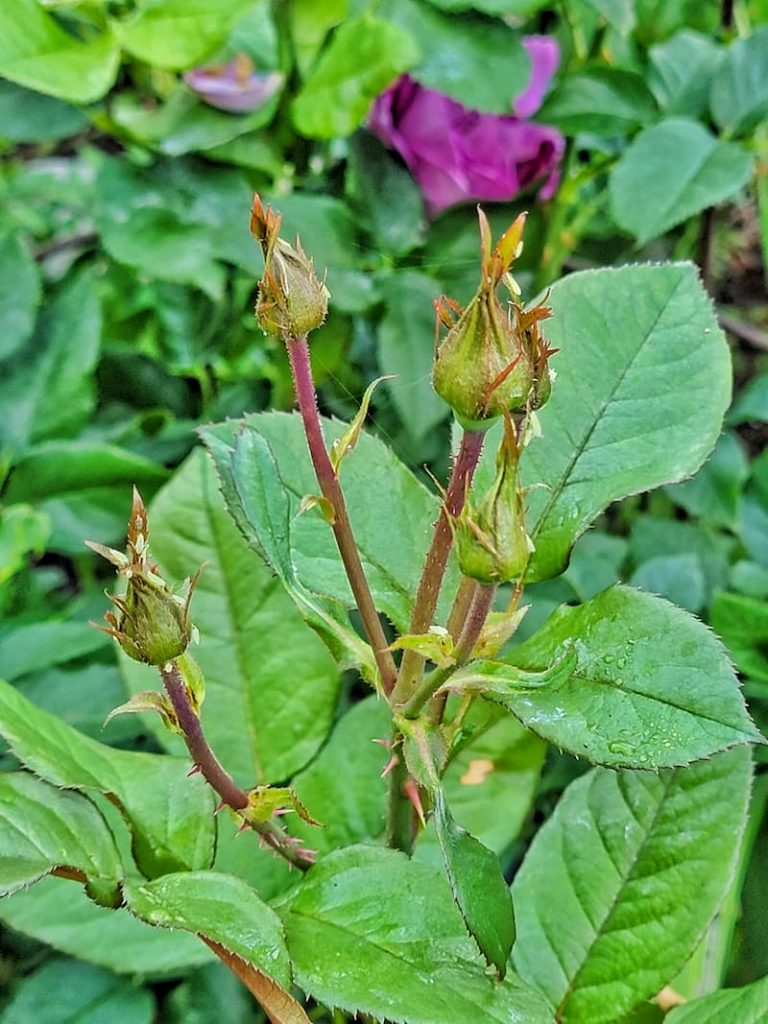
Pests and diseases can sneak up fast. One day everything looks fine, and the next you’re noticing holes in leaves, sticky residue on stems, or entire plants drooping. By the time visible symptoms show up, things can already be out of hand.
What to Do Instead
Walk your garden a few times a week and actually look at the plants. Check under leaves. Pay attention to anything that seems off. Common culprits in the Pacific Northwest flower garden include aphids, slugs (especially after rain), powdery mildew, and botrytis blight.
At the first sign of trouble, act. Remove affected leaves or blooms, use organic sprays like neem oil or insecticidal soap, and attract beneficial insects like ladybugs and lacewings to help manage pests naturally. Prevention is always easier than recovery.
Not Staking Tall Plants
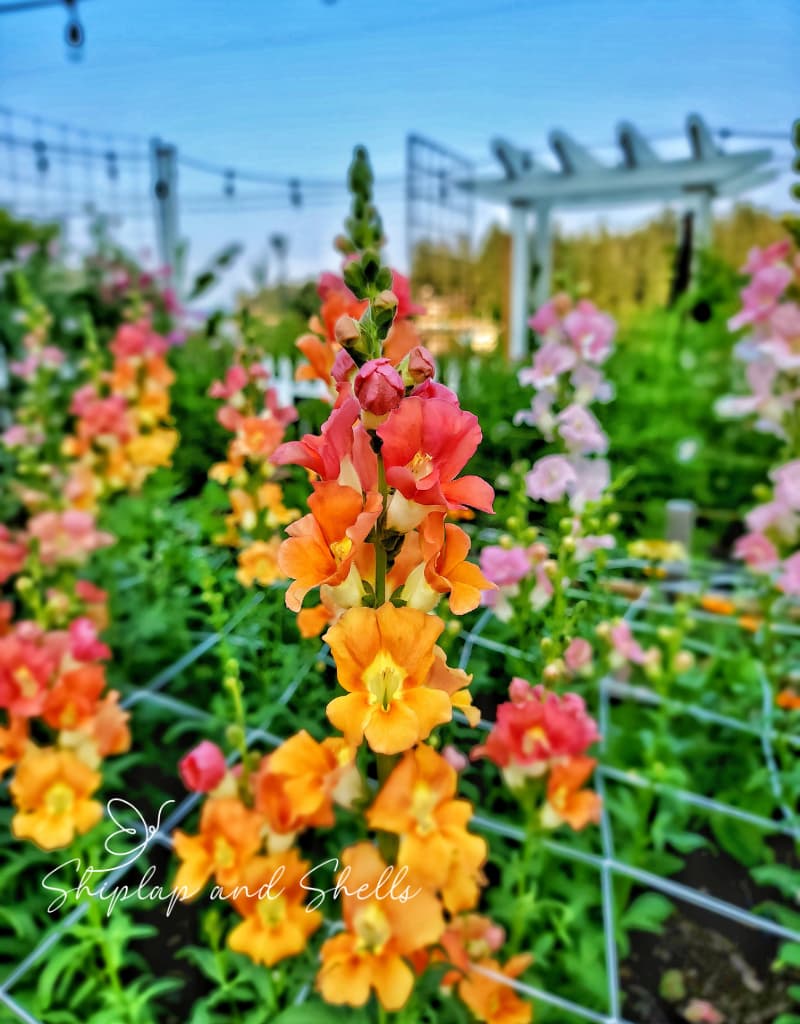
Few things are more frustrating than watching your tall, beautiful flowers topple over after a summer storm. Dahlias, delphiniums, cosmos, and snapdragons all grow tall and top-heavy in full bloom, and they need support.
What to Do Instead
Stake early, when plants are still small and easy to work around. A few options
It feels like an extra step, but staking is one of those things you’ll be very glad you did when the wind picks up.
Neglecting Deadheading and Pruning
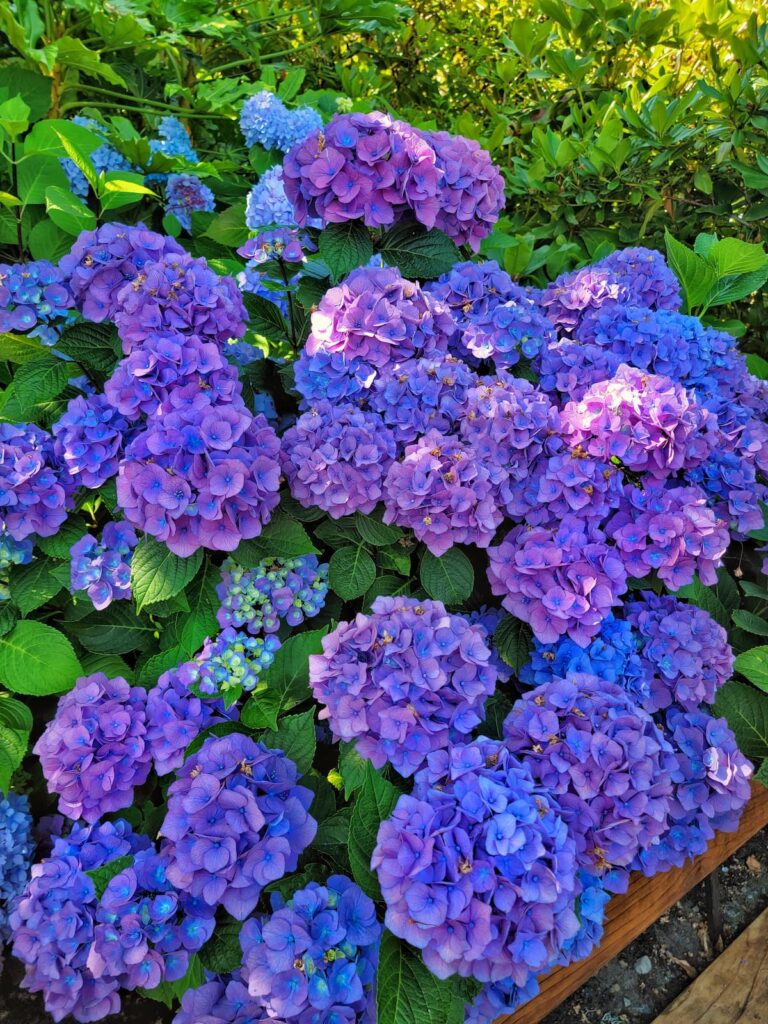
Once flowers start blooming, it’s easy to assume your work is done. But regular deadheading and light pruning make a real difference in how long your garden keeps producing and how it looks.
When spent flowers are left in place, the plant shifts energy into seed production. Less seed production means more blooms for you.
What to Do Instead
Deadheading means removing faded or dying flowers just above a healthy set of leaves or a new bud. It takes a few minutes and adds up to more blooms over the course of the season. Flowers that respond best include zinnias, cosmos, marigolds, geraniums, and dahlias.
Cutting back certain perennials, like salvia or coreopsis, after their first flush can also trigger a second round of flowering. Keep sharp, clean snips nearby and make it part of your regular garden walk.
Not Harvesting Enough
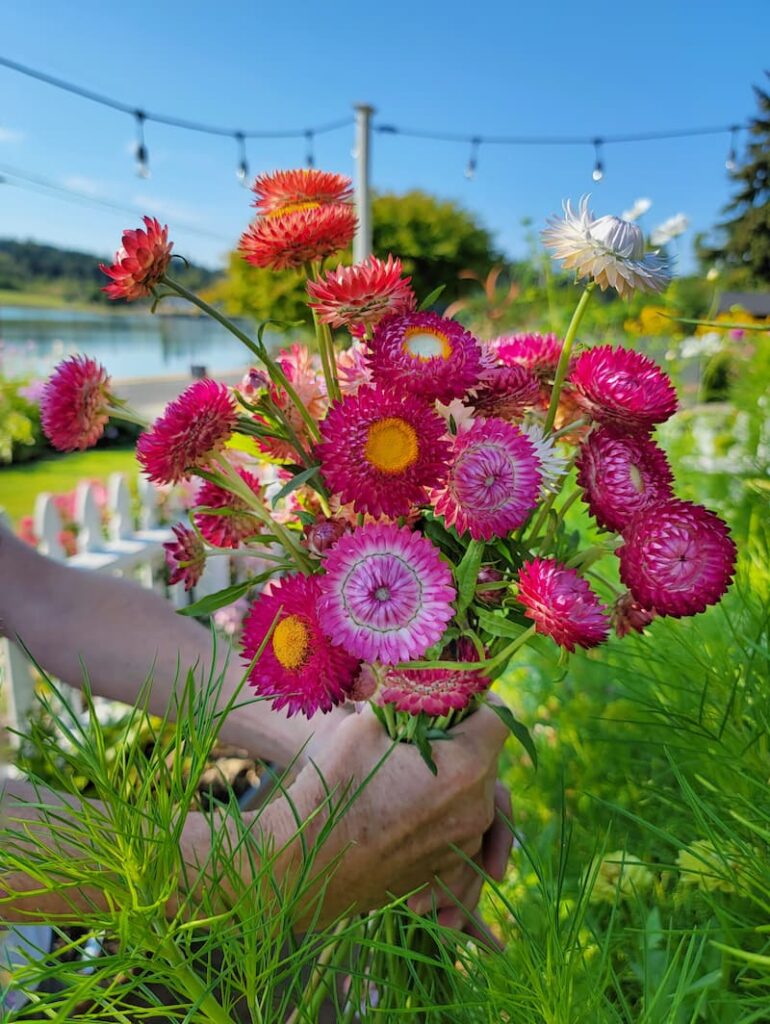
If you’re growing flowers to enjoy inside (and why wouldn’t you), one of the biggest mistakes is not cutting enough. It feels counterintuitive, but many flowers bloom more the more you cut them.
When flowers are left on the plant too long, they start to go to seed, which signals the plant that its work is done. Regular harvesting keeps them producing.
What to Do Instead
Be generous with your clippers. Harvest at peak, usually just before the flower fully opens, and do it consistently every few days if you can.
Harvest in the cooler parts of the day, use clean, sharp snips, and get stems straight into the water. Flowers that love regular cutting include dahlias, zinnias, cosmos, snapdragons, and sweet peas.
More cutting means more flowers on the plant, and more bouquets for your home. It’s a good problem to have.
Not Taking Notes
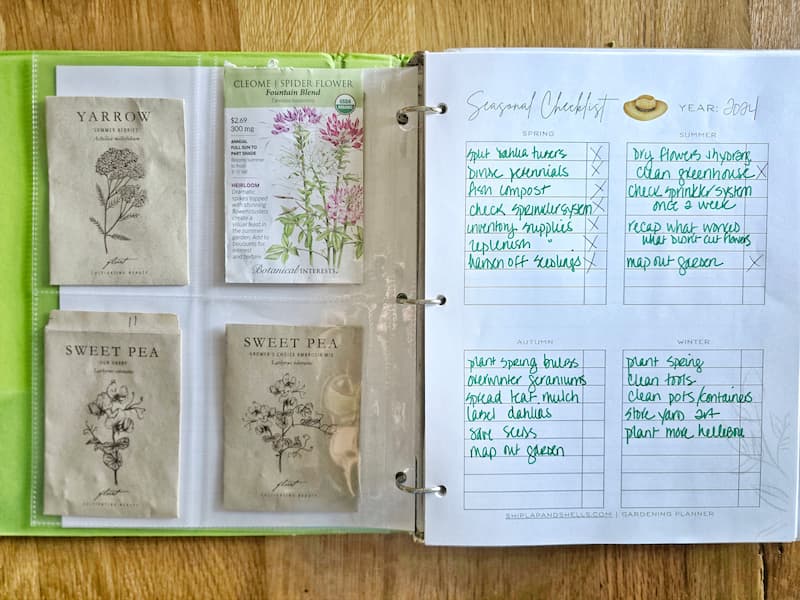
In the thick of the season, you think you’ll remember everything: where you planted your favorite zinnia variety, when the slugs showed up, which cosmos combination looked best. You won’t. The details slip, and the next season you’re starting from scratch.
What to Do Instead
Keep a simple garden journal. It doesn’t have to be elaborate… a spiral notebook, bullet journal, or a gardening app all work. Jot down what you planted and where, when you started seeds, what bloomed well (and what didn’t), when pests appeared, and anything else that stood out.
Over time, those notes become one of the most useful gardening tools. You’ll plan smarter, troubleshoot faster, and it’s genuinely satisfying to look back and see how much you’ve learned.
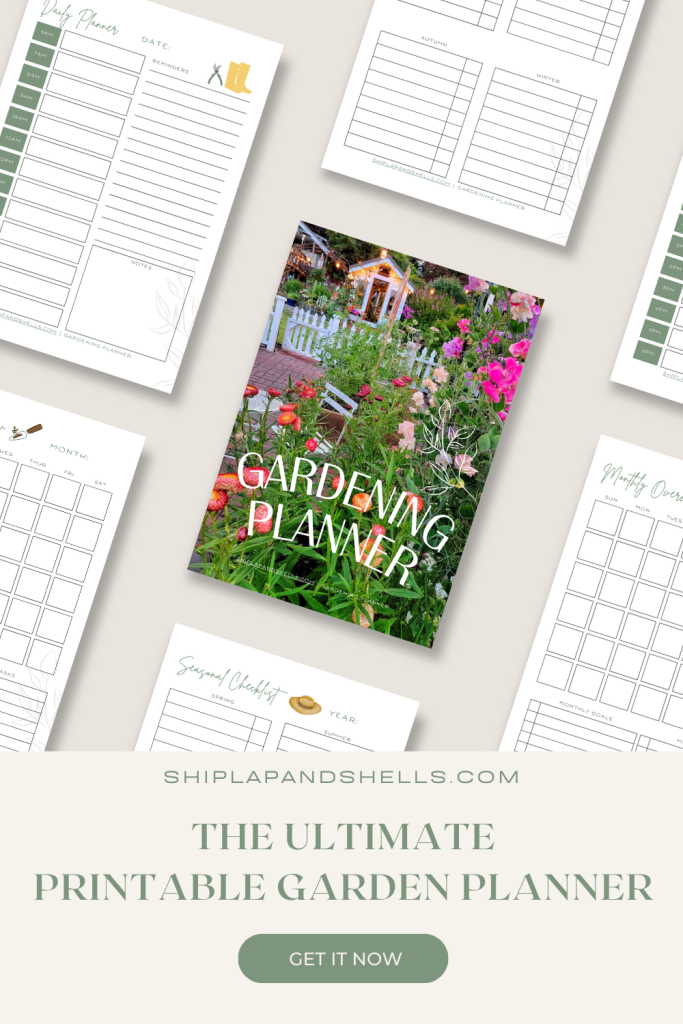
Let’s Plan Your Dream Garden With Our
Gardening Planner
Unlock Your Garden’s Potential.
Our 35-page Ultimate Garden Planner is designed to help you organize, track, and flourish in your gardening endeavors.
Get yours for $4.99
Common Questions About Flower Gardening Mistakes
What is the Most Common Mistake of First-Time Gardeners?

Choosing the wrong plants for their location. It’s easy to fall in love with a flower at the garden center without checking if it matches your garden’s sun, soil, or climate.
Learning your USDA hardiness zone and what conditions your space actually offers will solve most problems before they start.
Why Do Most Gardens Fail?
Usually, a combination of poor planning and inconsistent maintenance: planting at the wrong time, watering erratically, ignoring early signs of pests or diseases, or starting with poor soil.
Most of these are fixable with a little knowledge and a consistent routine.
What Should I Avoid In Garden Soil?
Compacted, poorly draining, or nutrient-depleted soil is a problem for most flowers. Heavy clay or overly sandy soil both cause issues, as does soil treated with synthetic weed killers.
Testing your soil and amending it with compost, aged manure, or leaf mold gives you a much better foundation to work from.
How Can I Make My Flower Garden More Successful?
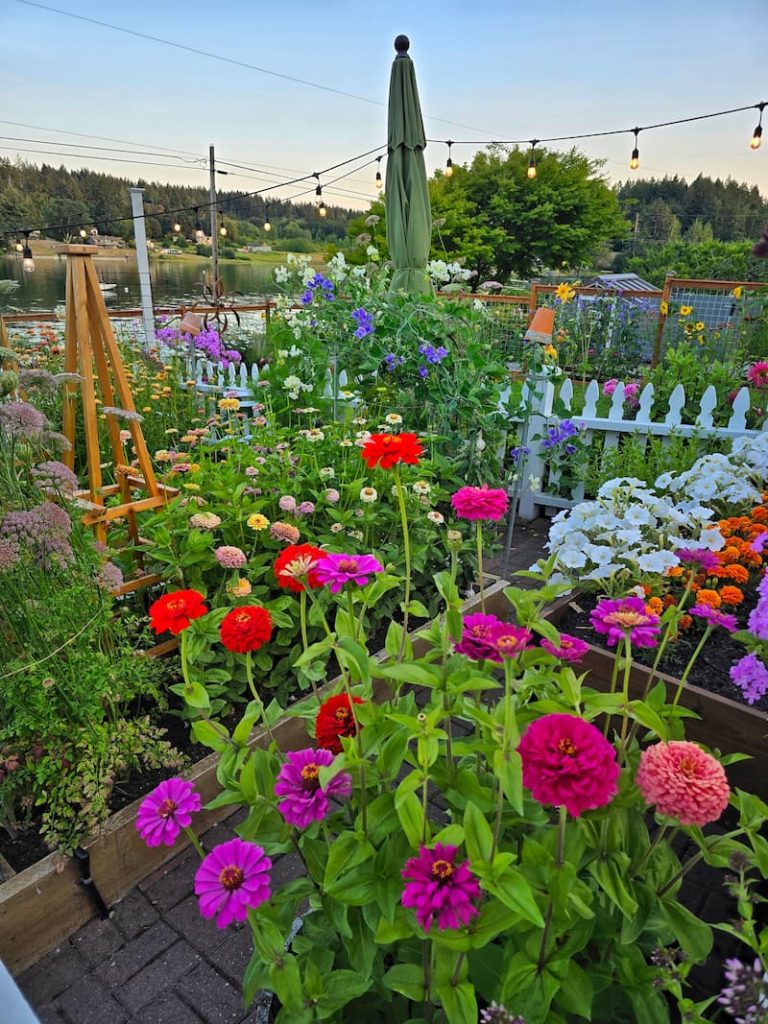
Start small, and set yourself up well from the beginning:
And give yourself some grace. Every season teaches you something. That’s the whole point.
Garden Supplies and Tools
Check out my favorite garden supplies and tools for the growing season. Whether you’re looking for potting soil or deer repellent, you’ll find what I use in my own garden.
Final Thoughts on Flower Gardening Mistakes to Avoid
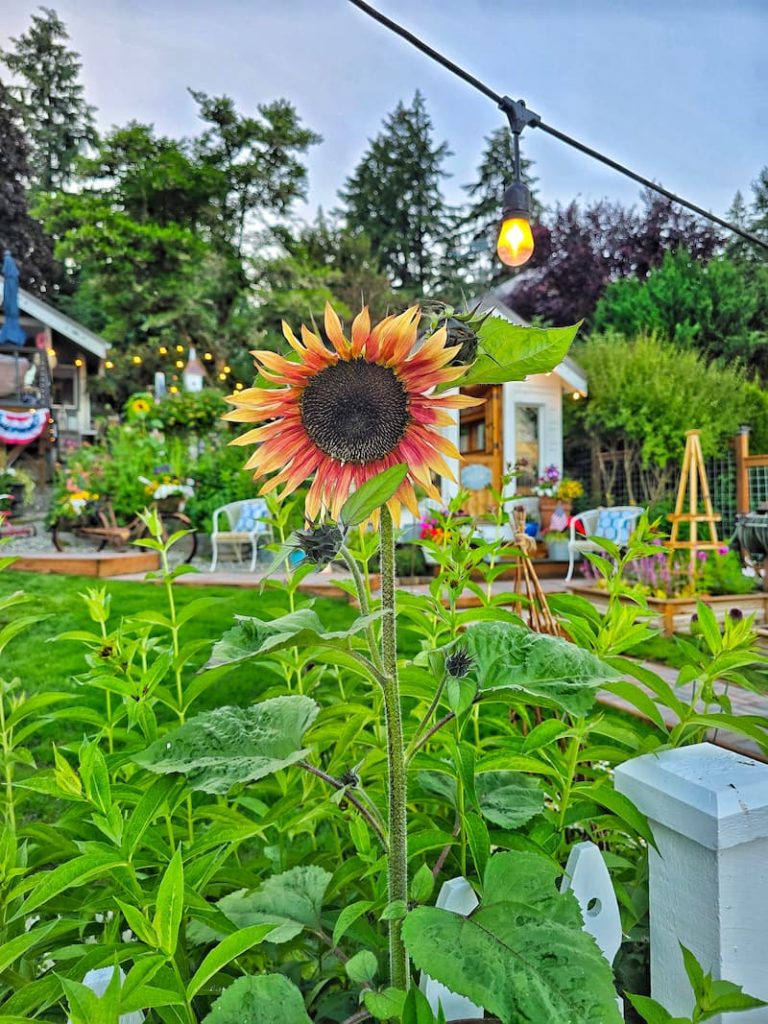
Every flower garden has a learning curve, especially in the beginning. I’ve made most of the mistakes on this list at some point or another, and I’ve learned something useful from every single one of them.
The goal isn’t a perfect garden. It’s a better garden than last year, and a little more confidence along the way.
Keep planting. Keep paying attention. And celebrate every bloom.
Have you made any of these flower gardening mistakes? I’d love to hear what you’ve learned in the comments below.
Until next time,
Happy Gardening!

I’m a self-taught hobby gardener. Everything I share on my blog is my opinion and what has worked for me.
MORE POSTS
For You To Enjoy
Follow Me for More Inspiration