Creating a Cut Flower Garden: Summer Seed Collection
Are you dreaming of growing a cut flower garden from seed this year? I’ve officially finished selecting my 2026 summer cut flower seed collection, and I couldn’t be more excited to share what I’ll be growing in the garden this season.
If you’re anything like me, planning the garden is half the fun, especially during the quieter months when seed catalogs are stacked on the counter, and spring still feels a little far away. Choosing seeds is where the dreaming starts, and it’s one of my favorite parts of the gardening year.
Each winter, I sit down with a cup of coffee, last year’s garden notes, and a growing pile of seed packets, narrowing down what worked, what I want to grow again, and what new varieties I can’t wait to try. This year’s cut flower seed lineup is a mix of tried-and-true favorites and a few new additions, and I’m counting the days until planting time.
Whether you’re starting your very first cut flower garden or planning your next season with intention, I hope my 2026 seed selections inspire you and offer a few ideas to add to your own garden plans.
Let’s dig in!
As an Amazon affiliate, I earn a commission from qualifying purchases at no additional cost to you. My blog also features other affiliate links for your convenience. Click here to read my privacy policy.
About My Cut Flower Garden
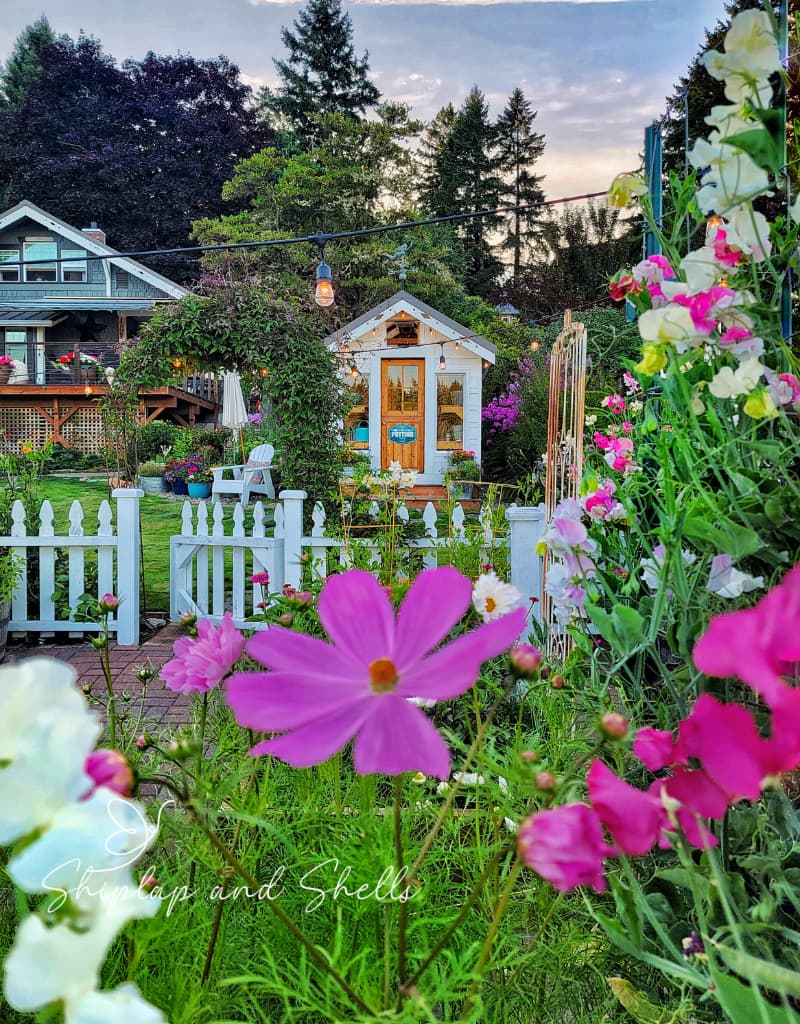
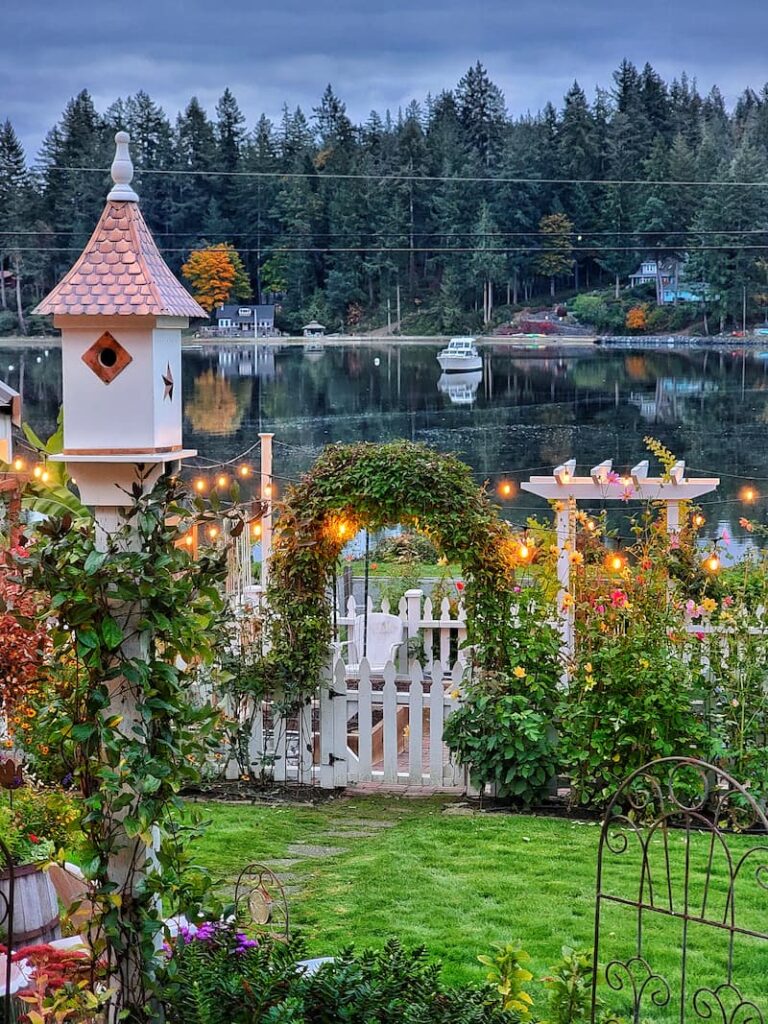
For me, gardening is more than a hobby. It’s a creative outlet and one of the most rewarding parts of the season. Growing a cut flower garden, especially from seed, is something I genuinely look forward to every year.
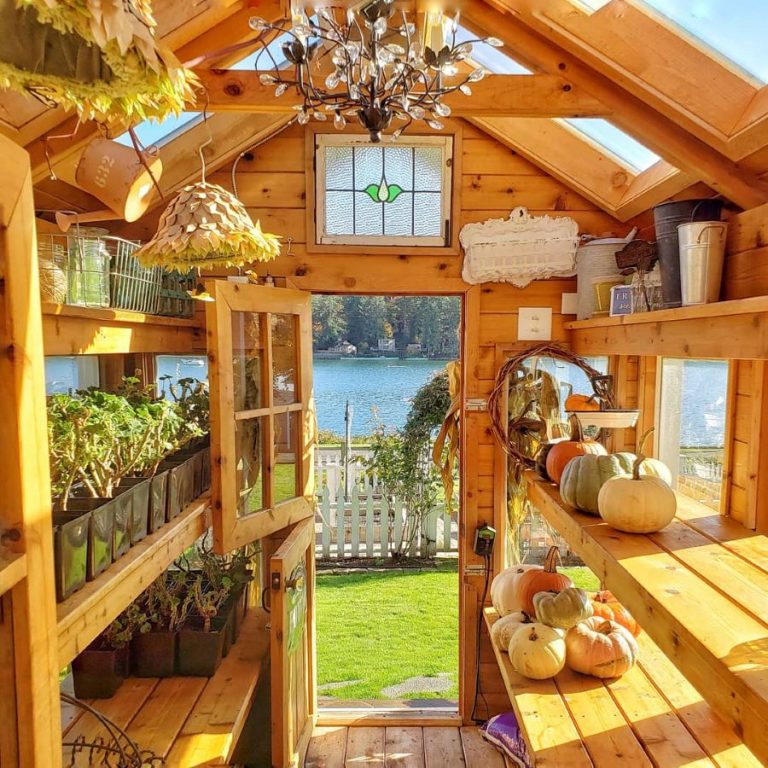
Each winter, I start planning and sowing my summer annuals in the greenhouse, pulling from the mix of tried-and-true favorites and a few new varieties I’m excited to experiment with. Some flowers earn their spot year after year, while others rotate in depending on what caught my eye (or took over my seed cart) during planning season.
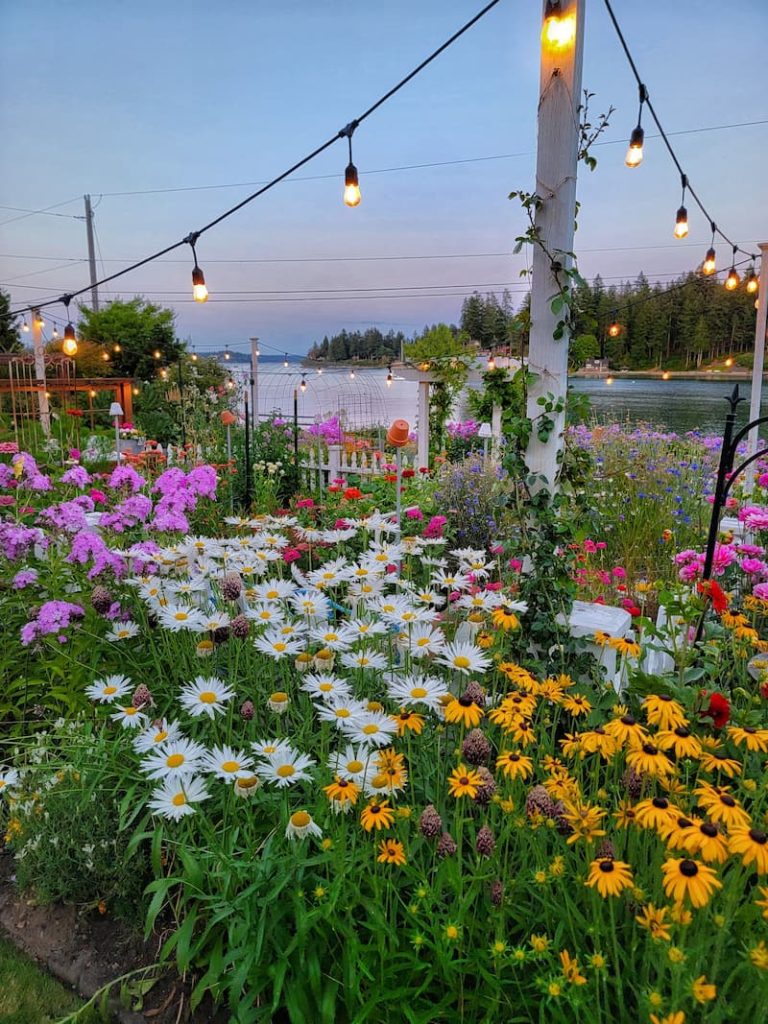
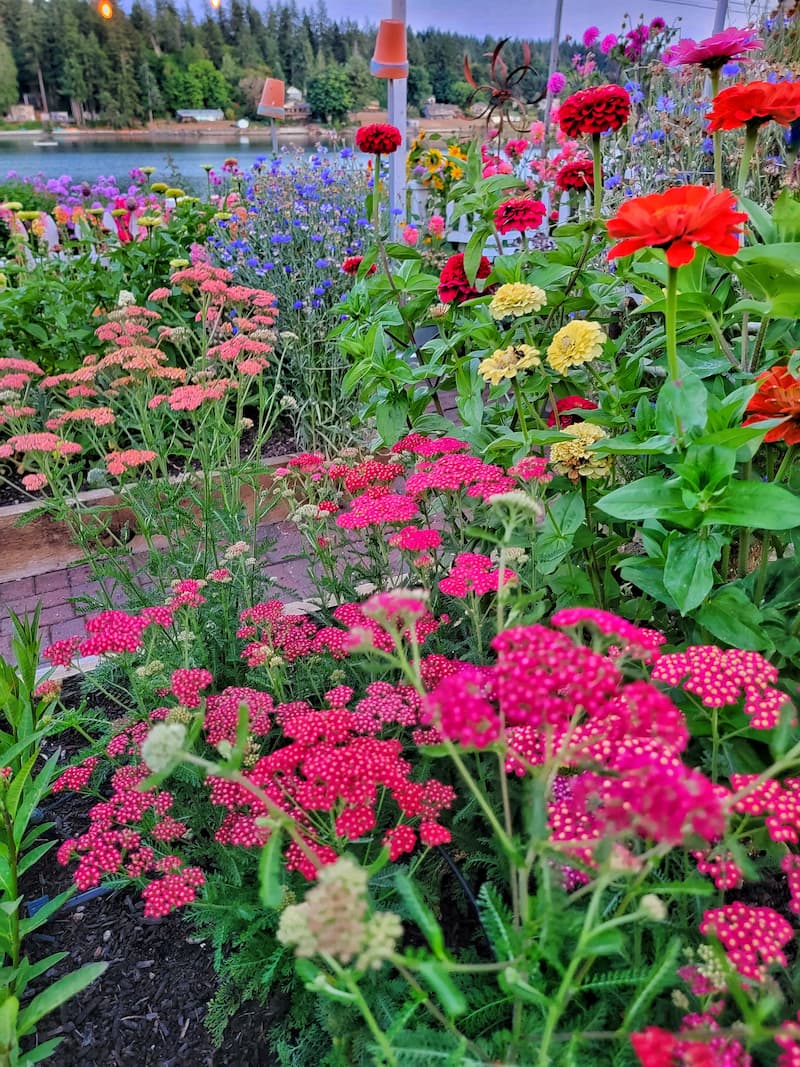
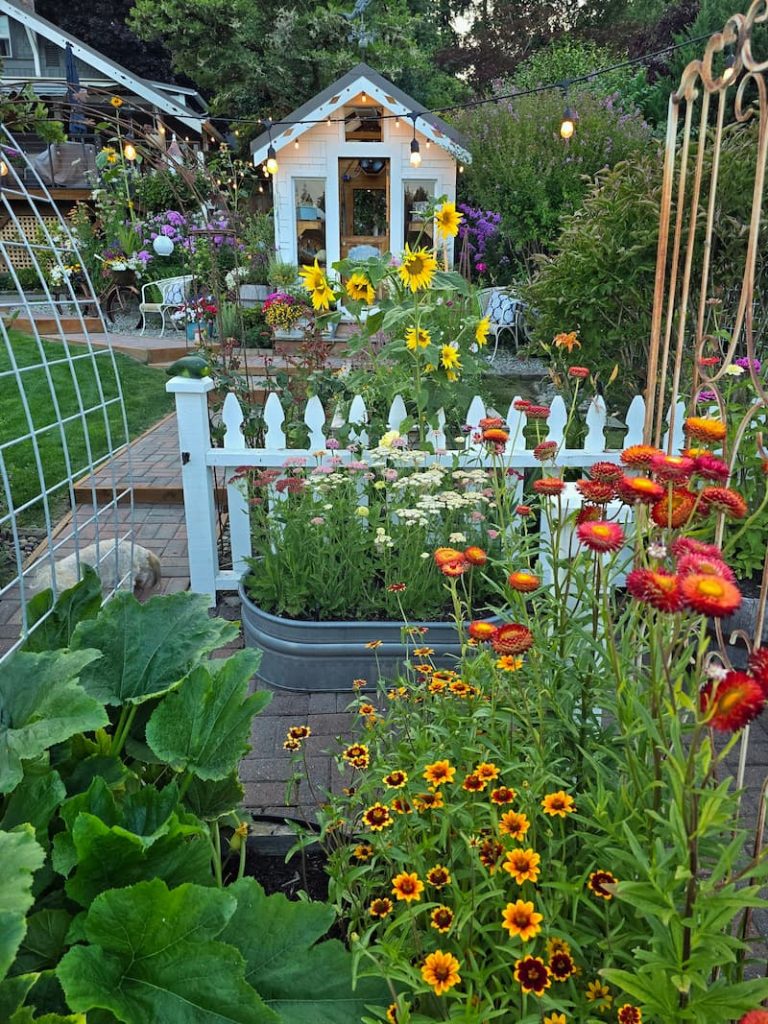
My cut flower garden is a colorful blend of classics like cosmos, zinnias, and sweet peas, with a strong focus on cut-and-come-again varieties. These are my favorites because the more you harvest, the more they bloom. These are perfect for keeping fresh bouquets coming all summer long.
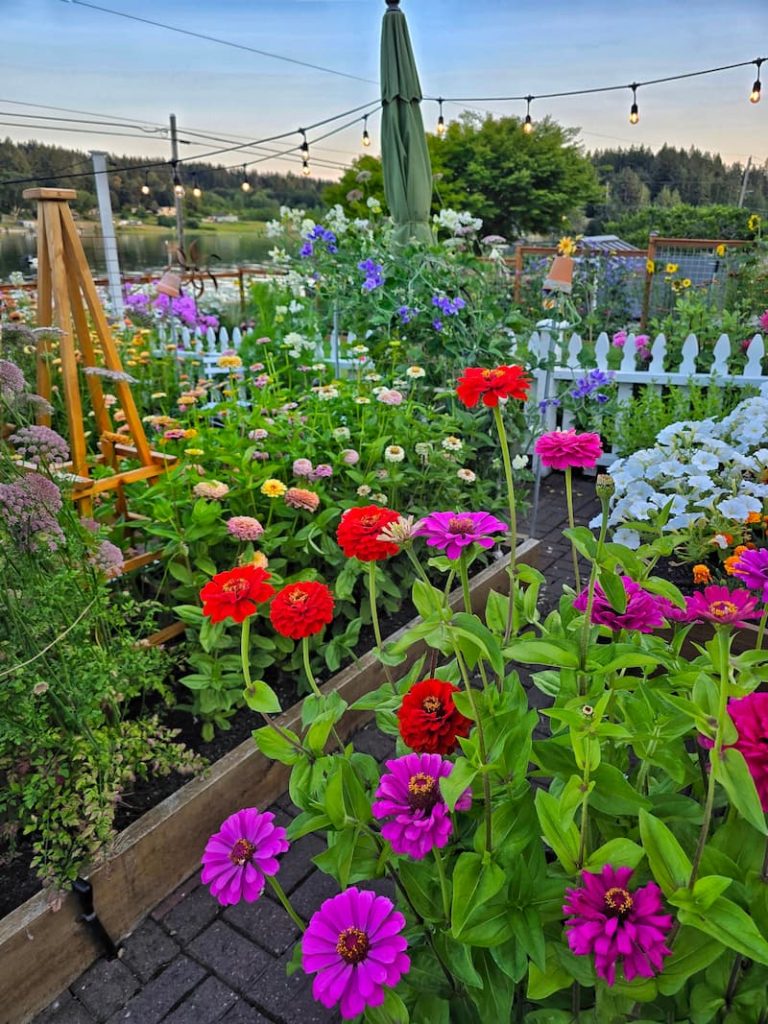
I also like to strike a balance of bold “thrillers” and softer “fillers”, so there’s always an easy mix ready for casual arrangements around the house. Nothing fancy, just armfuls of flowers clipped on a morning garden walk.
A few helpful notes about my garden setup before we dive into the seed list:
If you’re planning your own cut flower garden, be sure to check your hardiness zone and adjust timing based on your climate. What works beautifully here in the Pacific Northwest may look different where you garden, and that’s part of the fun.
Let’s Plan Your Dream Garden With Our
Gardening Planner
Unlock Your Garden’s Potential.
Our 35-page Ultimate Garden Planner is designed to help you organize, track, and flourish in your gardening endeavors.
Get yours for $4.99
2026 Cut Flower Seed Selection
For many years, most of my annual cut flower seeds came from Floret Flower Farm. Their seeds were a big part of my early cut flower garden, and I always looked forward to building my seasonal plans around their collections.
These last couple of years have looked a bit different. Floret has shifted its focus and now offers a smaller selection, primarily zinnia and celosia varieties. Because of that change, I’ve expanded the sources of my seeds, and it’s been a fun opportunity to explore new varieties and trusted seed companies.
For 2026, I’m purchasing most of my cut flower seeds from Botanical Interests, along with a mix from Johnny’s Selected Seeds, Eden Brothers, and Renee’s Garden. Each of these companies offers reliable germination, thoughtful variety selections, and seeds that perform well in my Zone 8b garden.
Below are my 2026 cut flower seed selections. Later in the post, I’ve also included a complete list of cut flowers I’ve grown in my garden over the years, along with notes on how they performed and why I continue to grow many of them season after season.
2026 Flower, Vegetable, and Herb Bundles from Botanical Interests
Treat Yo Self Seed Bundle
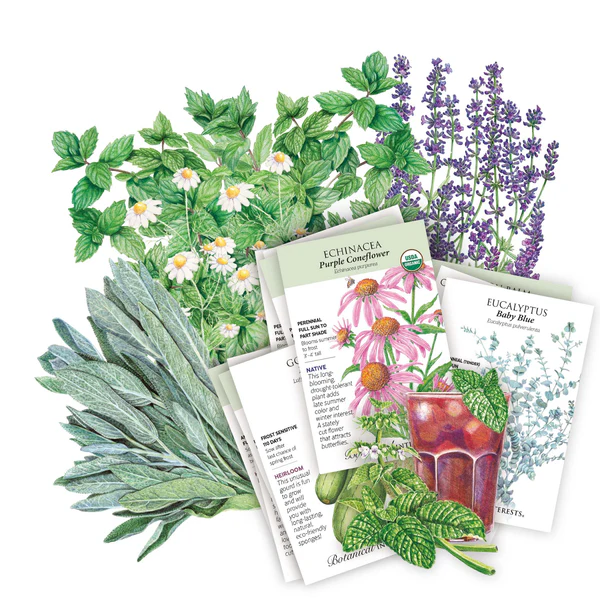
This bundle contains ‘treat–yourself seeds‘ for gardeners who love a little self-care.
This fun seed bundle that blends gardening and self-care in the best way. You’ll grow calming herbs, soothing flowers, and plants that feel just as good to grow as they do to use.
This collection is all about slowing down and savoring small moments in the garden. The seeds are perfect for growing your own herbal teas, simple skincare ingredients, and spa-inspired plants that make everyday routines feel a little more special.
It’s a thoughtful gift idea for gardeners, friends who love wellness, or anyone who could use a gentle reminder to pause and enjoy what they’ve grown.
Included in the bundle:
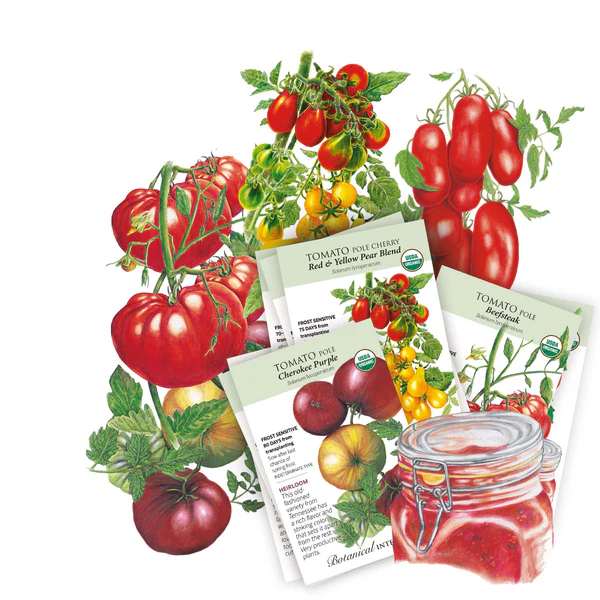
Heirloom Tomato Seed Bundles
This collection brings together time-honored tomato varieties that have been grown and shared for generations. You’ll find rich, full-flavored slicers, sweet little cherry tomatoes, and classic sauce tomatoes.
If you love tomatoes that don’t all look the same but taste amazing, this is the kind of bundle that makes growing your own feel extra rewarding.
Included in the bundle:
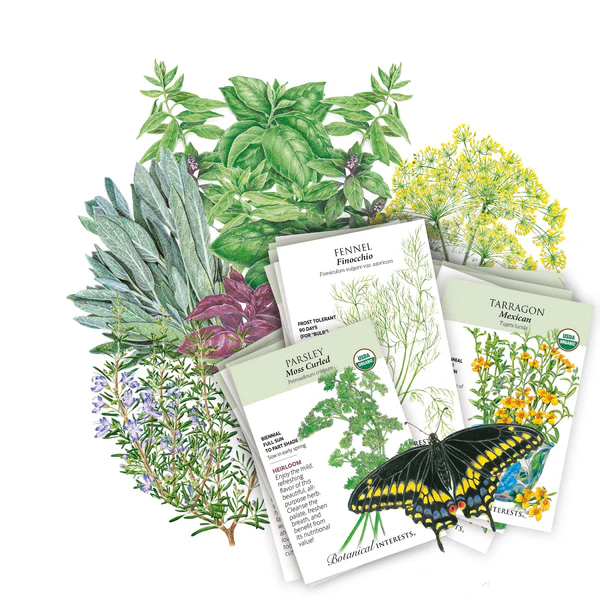
Chef’s Herb Garden Seed Bundle
This collection focuses on the essential herbs that show up again and again in everyday recipes, from simple roasted vegetables to fresh sauces and finishing garnishes.
These are the herbs you always reach for, and growing them at home means they’re always within arm’s reach…no last-minute grocery runs required.
Whether you’re new to herb gardening or already confident in the kitchen, this bundle makes it easy to grow a practical, productive herb garden that actually gets used.
Included in the bundle:
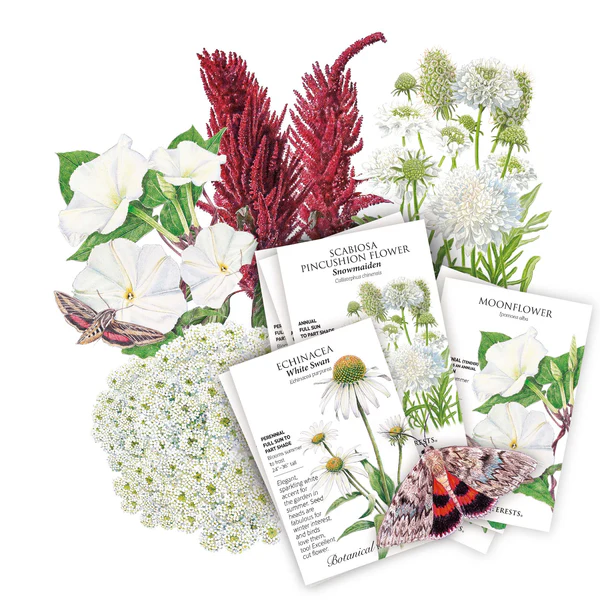
The Moon Garden Seed Bundle
Create a moon garden that comes alive after dark.
This collection focuses on pale flowers and silvery foliage that reflect moonlight and glow gently in the evening. Many of the plants open or release their fragrance later in the day, turning your garden into a peaceful nighttime retreat.
Whether planted near a porch, along a pathway, or outside a bedroom window, a moon garden invites you to enjoy your outdoor space in a whole new way.
Included in the bundle:
2026 Cut Flower Selections
Bachelor’s Button Varieties
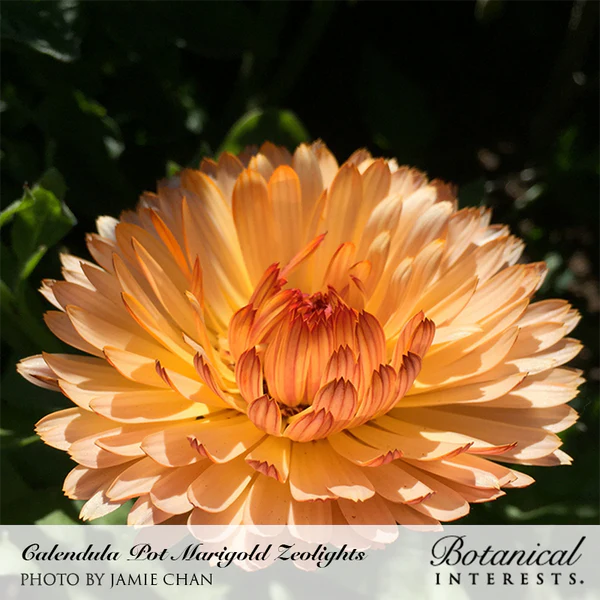
Calendula Varieties
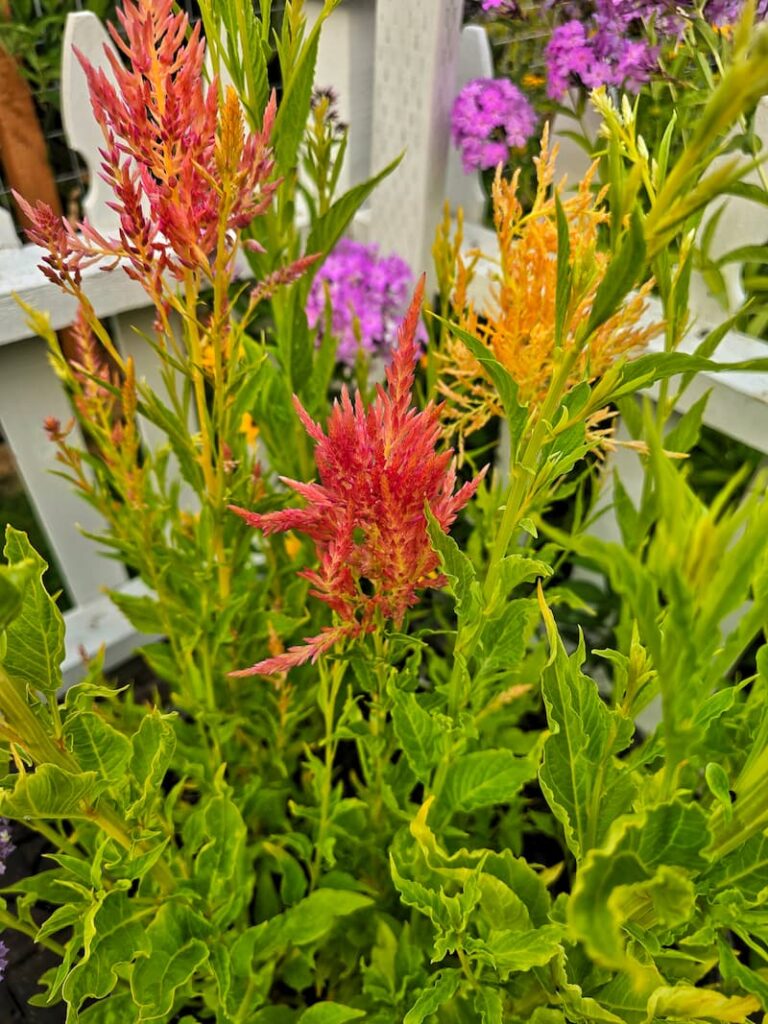
Celosia Varieties
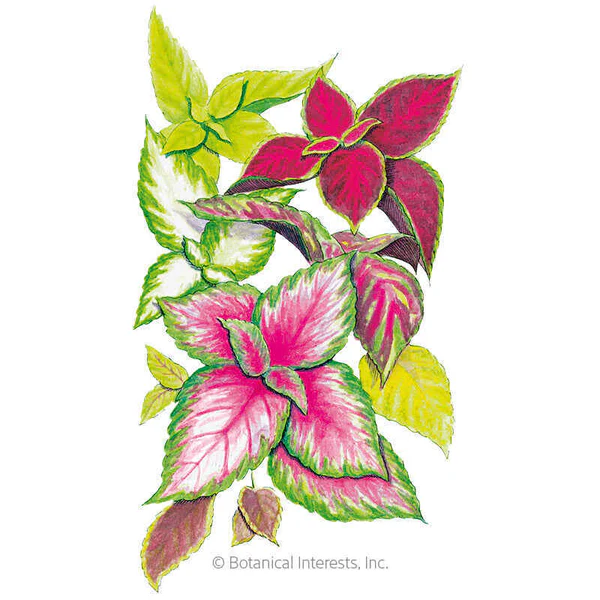
Coleus Varieties
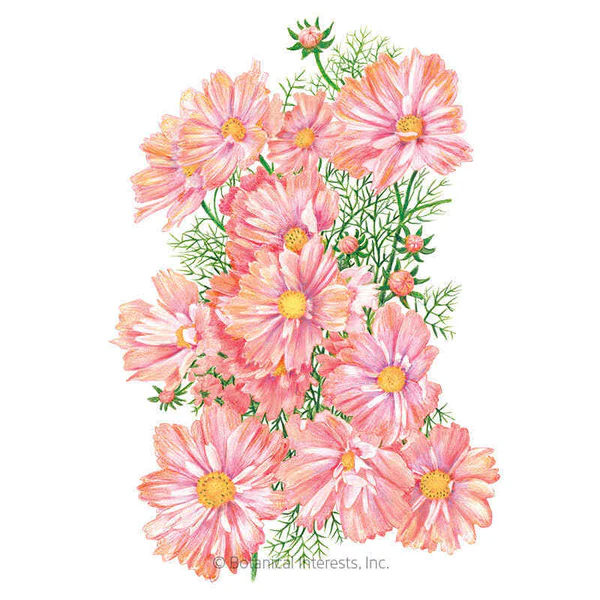
Cosmos Varieties
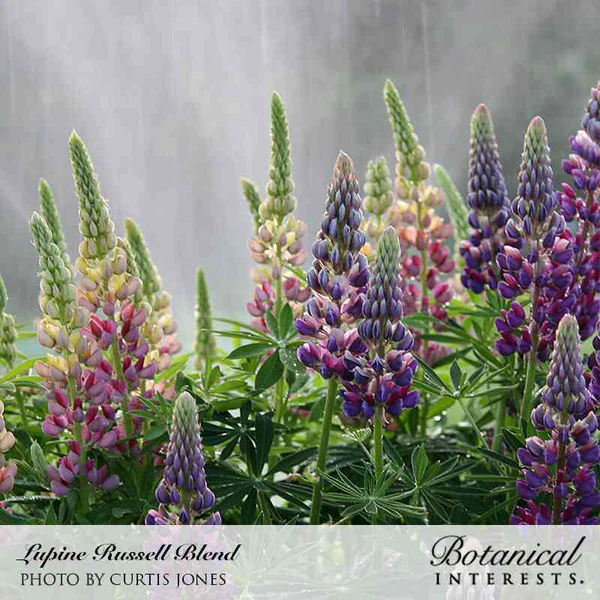
Lupine Varieties
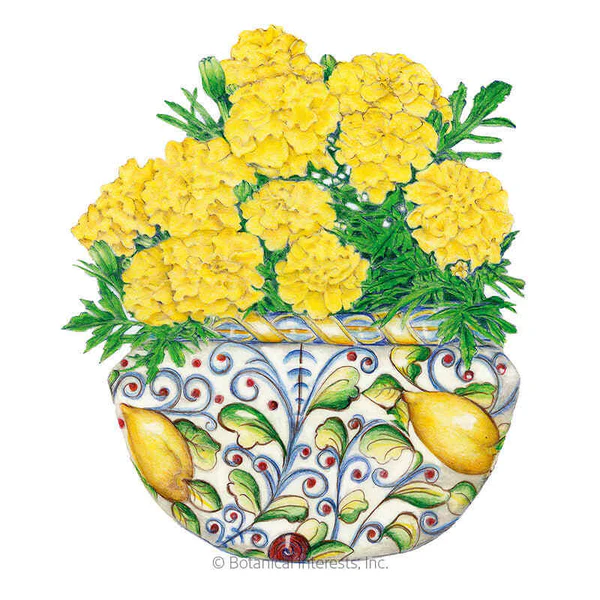
Marigolds Varieties
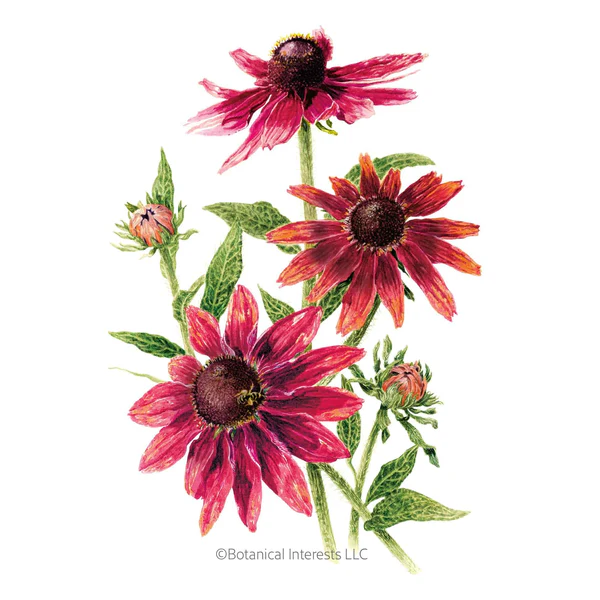
Rudbeckia (Black-Eyed Susan Varieties
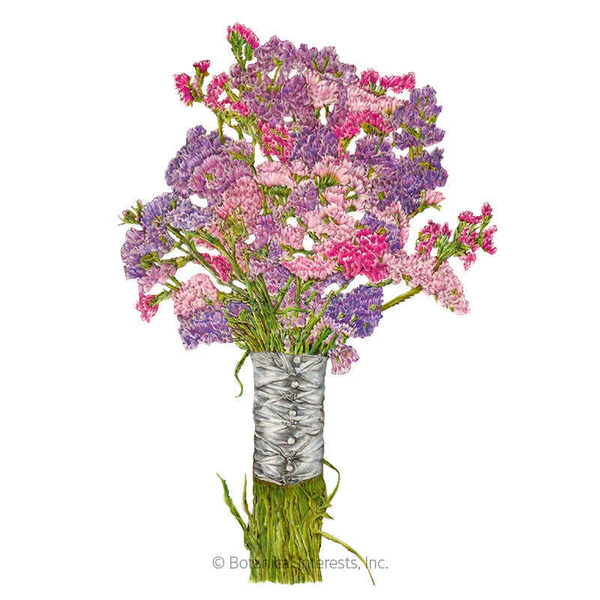
Statice Varieties
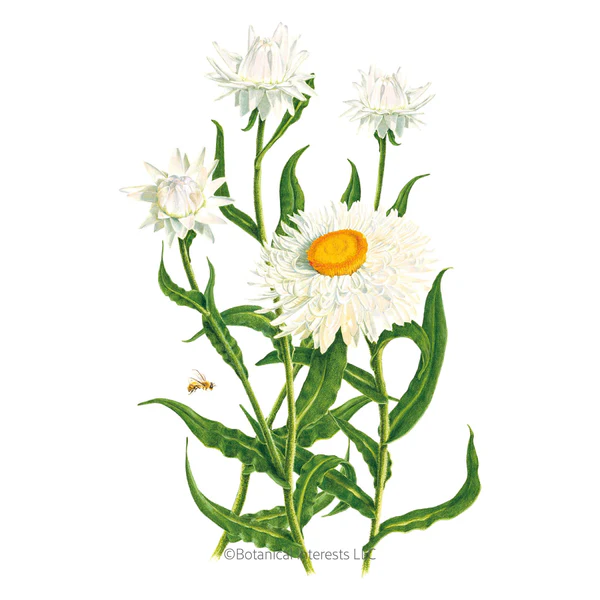
Strawflowers Varieties
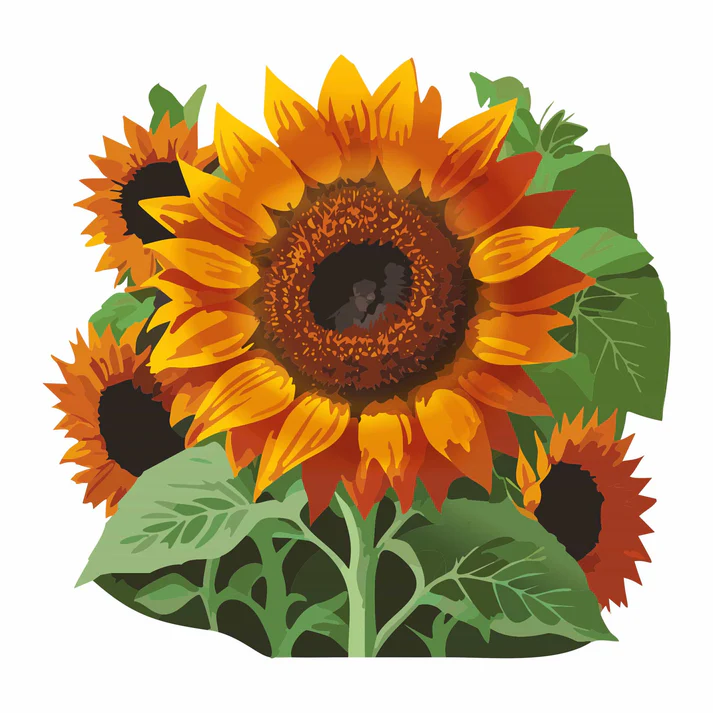
Sunflowers Varieties
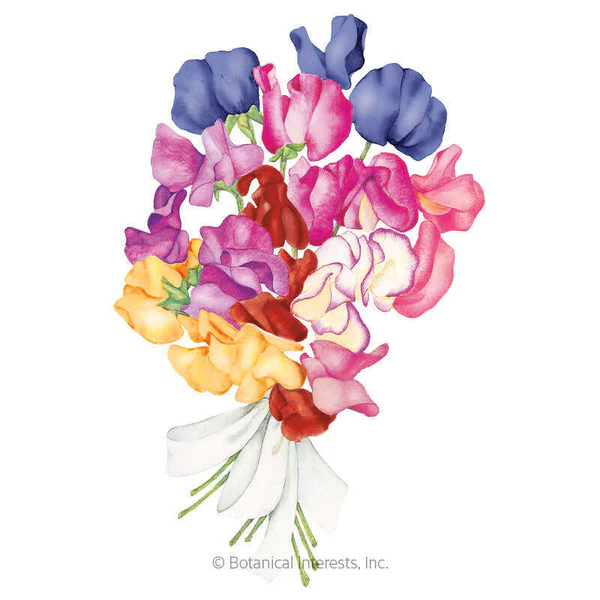
Sweet Pea Varieties
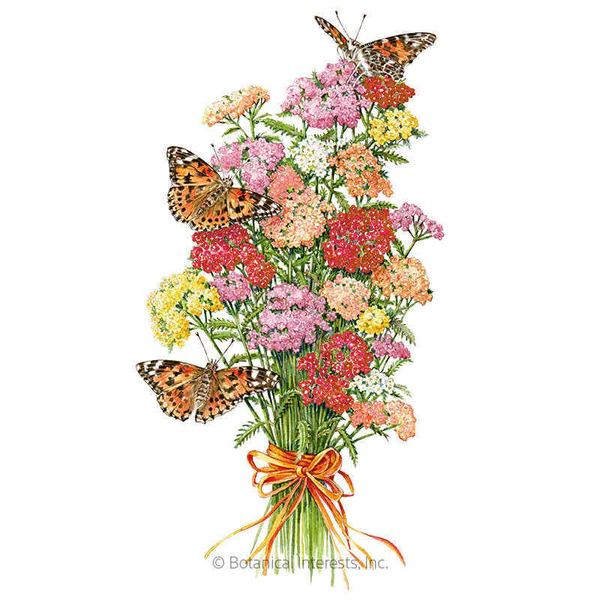
Yarrow Varieties
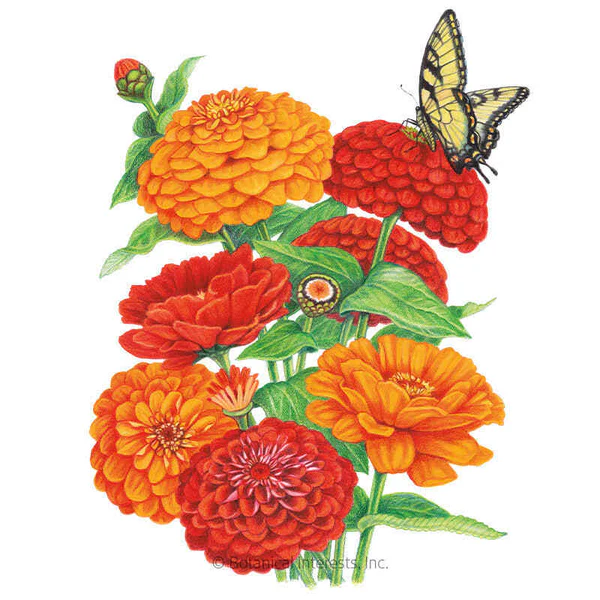
Zinnias Varieties
Seed Starting Supplies
Check out my favorite supplies and tools for starting seeds indoors. Whether you’re looking for grow lights or a seed starting mix, you’ll find what I use in my own greenhouse.
Cut Flowers I’ve Grown in My Garden Over the Years
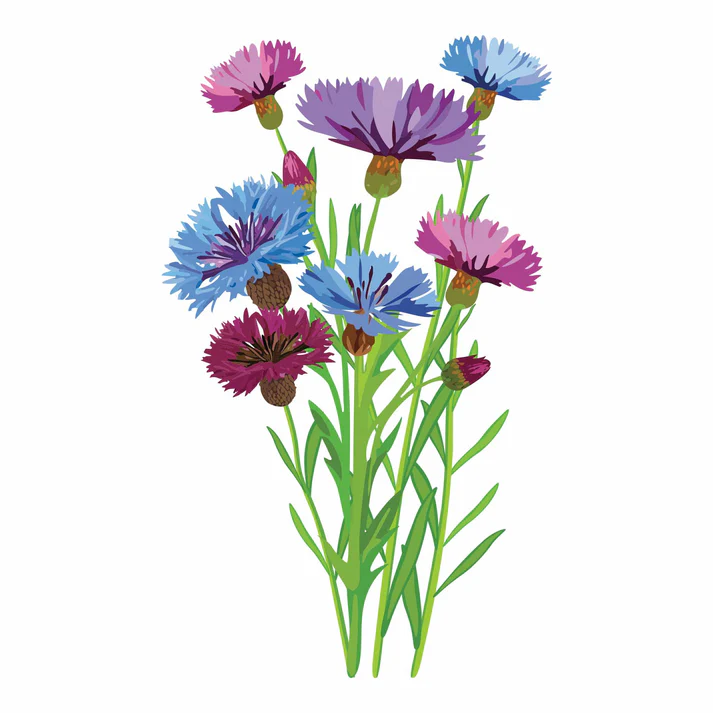
Bachelor’s Button (Cornflower)
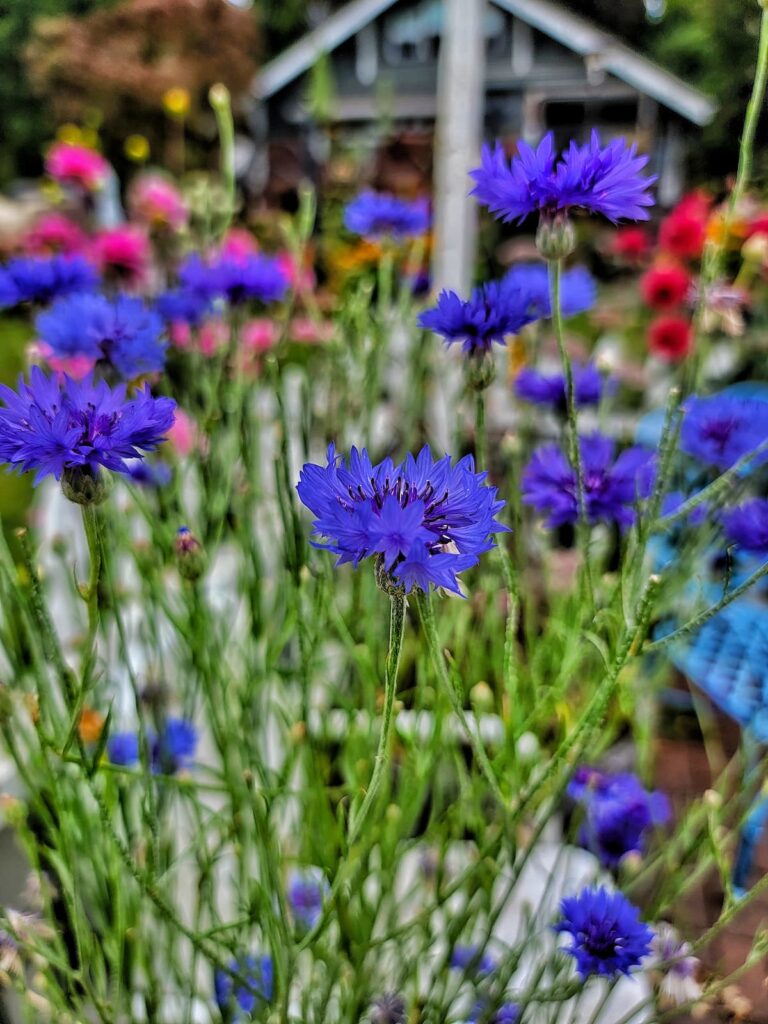
Also known as cornflower, bachelor’s button is drought-tolerant and needs little maintenance. These flowers are great for cutting or drying, and the edible petals are beautiful when sprinkled on a salad.
The flowers self-sow for another crop the following season, and the birds love the seedheads. Bachelor’s button attracts pollinators and beneficial insects to the garden and is deer-resistant.
Bachelor’s Button (cornflower) | Velvet Dawn
How to Grow
Basil (Ocimum basilicum)
Cut Flower Filler | Fragrant | Pollinator-Friendly
Why I Grow It
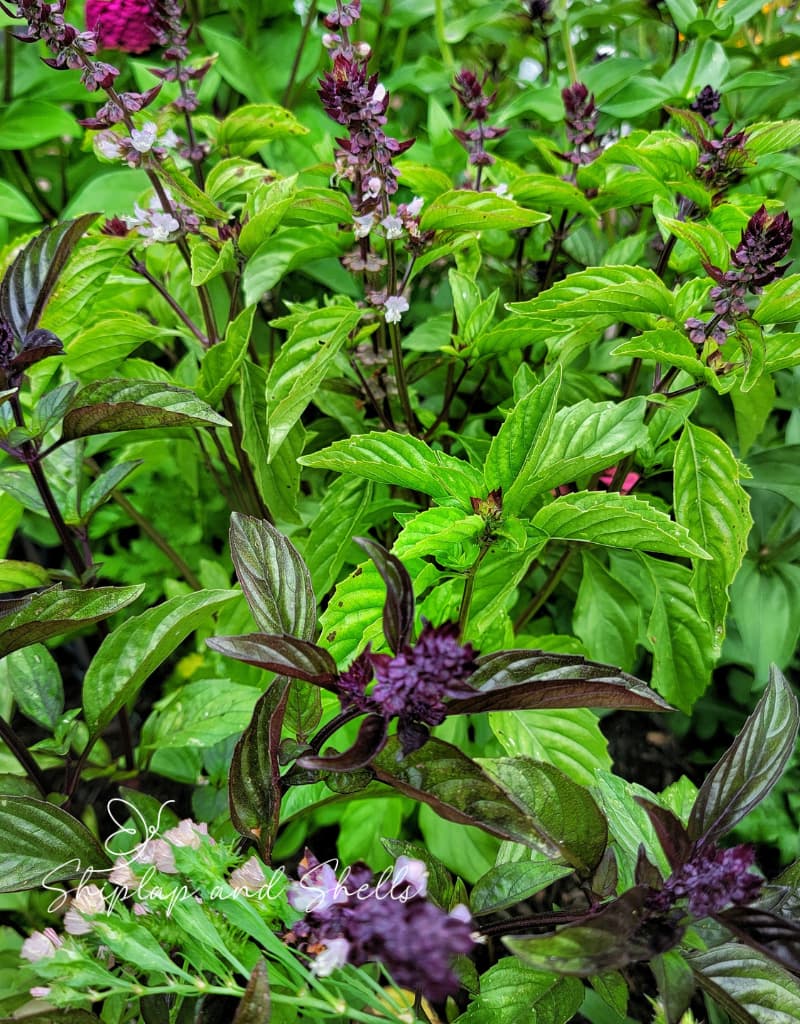
Growing basil as a filler for summer flower arrangements adds both texture and fragrance. It also attracts beneficial pollinators like bees, butterflies, and hummingbirds to the cut flower garden.
Basil doubles as a companion plant, helping deter pests while acting as a natural, organic insect repellent.
I’ve grown several varieties over the years, but I always come back to cinnamon basil. The dark purple flowers, green leaves, and chocolate-colored stems add incredible contrast, and it smells amazing.
How I Use It
Growing Notes
Varieties I’ve Grown
Quick Tip
Basil wilts easily in the heat. Harvest during the coolest part of the day and place stems directly intowater for a few hours before arranging.
Black-Eyed Susan ( Rudbeckia)
Reliable Bloomer | Pollinator Favorite | Cut Flower Staple
Why I Grow It
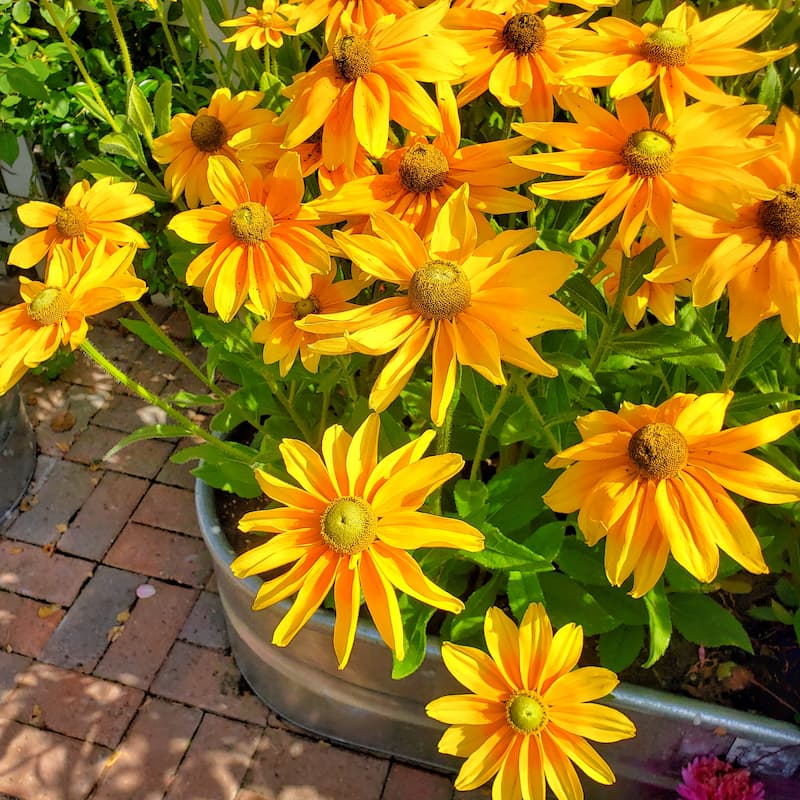
Black-eyed Susans bring an instant dose of sunshine to the garden with their golden-yellow petals and bold, dark centers. They’re one of those flowers that feel cheerful no matter where they’re planted, and pollinators love them just as much as gardeners do.
I appreciate how dependable they are. Once established, they’re low-maintenance, easy to grow, and generous with blooms, even during the heat of summer when some flowers start to slow down.
How I Use Them
Their long-lasting blooms hold up well in fresh arrangements and pair beautifully with softer fillers and airy grasses.
Growing Notes
Varieties I’ve Grown
Quick Tip
Black-eyed Susans are incredibly forgiving plants. If you’re newer to growing cut flowers or want something reliable that blooms steadily through summer, this is a great one to include in your garden.
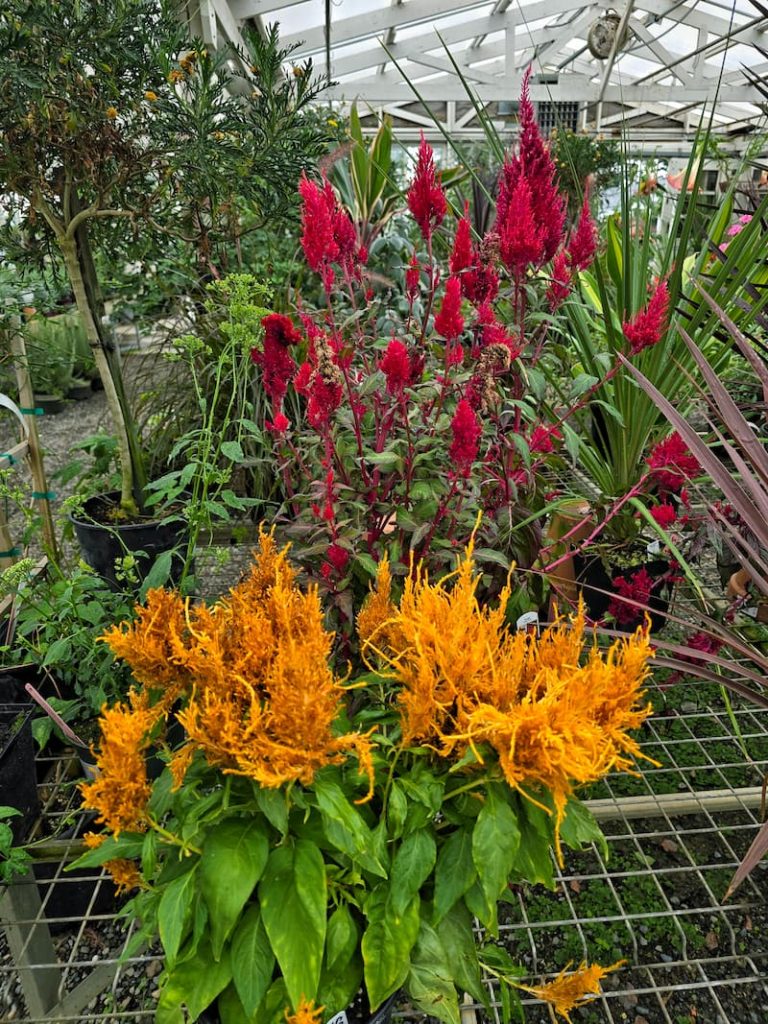
Celosia
Heat Lover | Long-Lasting Cut Flower | Easy to Grow
Why I Grow It
Celosia is one of those flowers that earns its place in the garden every single year. It’s low-maintenance, incredibly productive, and adds bold color and texture to summer arrangements.
I also love how long celosia lasts once it’s cut, often up to two weeks in a vase, which makes it especially satisfying to grow for bouquets. And because it blooms steadily through summer and into fall, it helps extend the season when other flowers start to fade.
How I Use It
Celosia works beautifully on its own or paired with softer fillers, especially when you want something that holds its shape and color.
Growing Notes
Celosia thrives in warm weather and really takes off once summer heat settles in.
Varieties I’ve Grown
Quick Tips
Celosia loves heat. If your garden tends to warm up slowly in spring, wait until soil temperatures rise before planting. It will reward you with faster growth and better blooms.
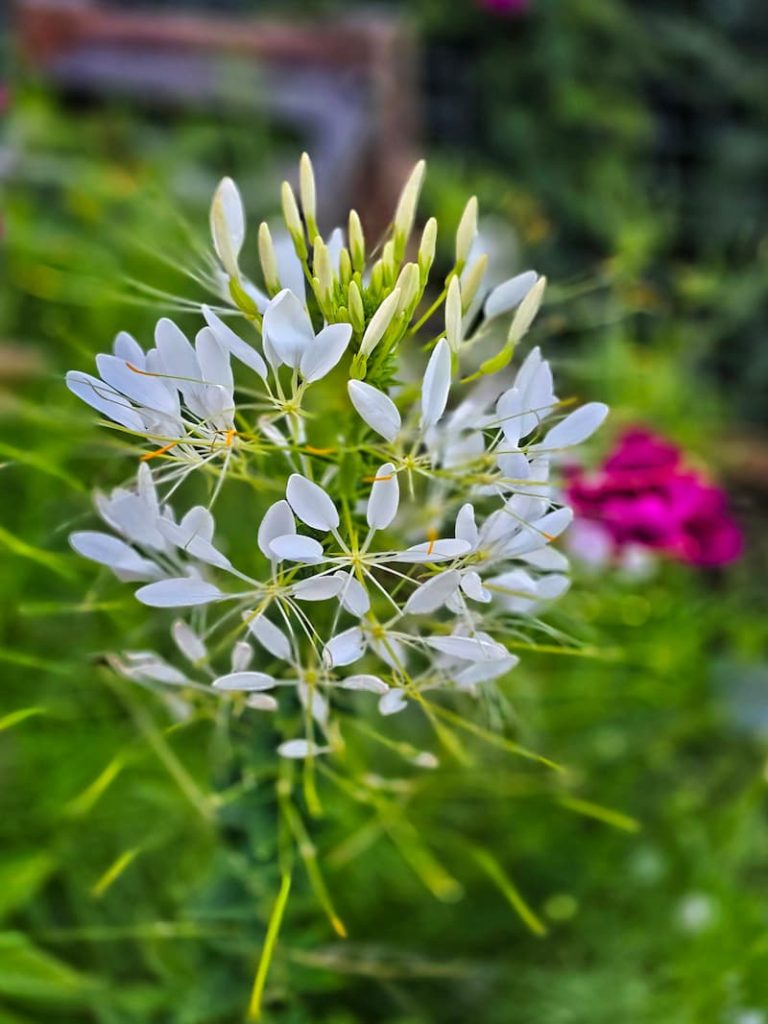
Cleome Spider Flower
Tall Accent | Pollinator Magnet | Heat Tolerant
Why I Grow It
Cleome is one of those flowers that instantly adds height and drama to the garden. Between the large, airy flower clusters, interesting seed pods, and palm-like foliage, it brings a bold, architectural look that stands out in both garden beds and arrangements.
I also appreciate how unfussy Cleome is. It tolerates heat well, requires very little care once established, and reliably blooms through the warmest part of summer. The flowers are lightly fragrant and a favorite of butterflies and hummingbirds, which is always a bonus.
How I Use It
Cleome pairs especially well with shorter, softer flowers. It creates contrast without overpowering everything else.
Growing Notes
Cleome is also naturally deer- and rabbit-resistant, which makes it a dependable choice in many gardens.
Varieties I’ve Grown
Quick Tip
Cleome doesn’t love being transplanted, so direct sowing tends to work best. Give plants space, and let them do their thing. They’re surprisingly self-sufficient once established.
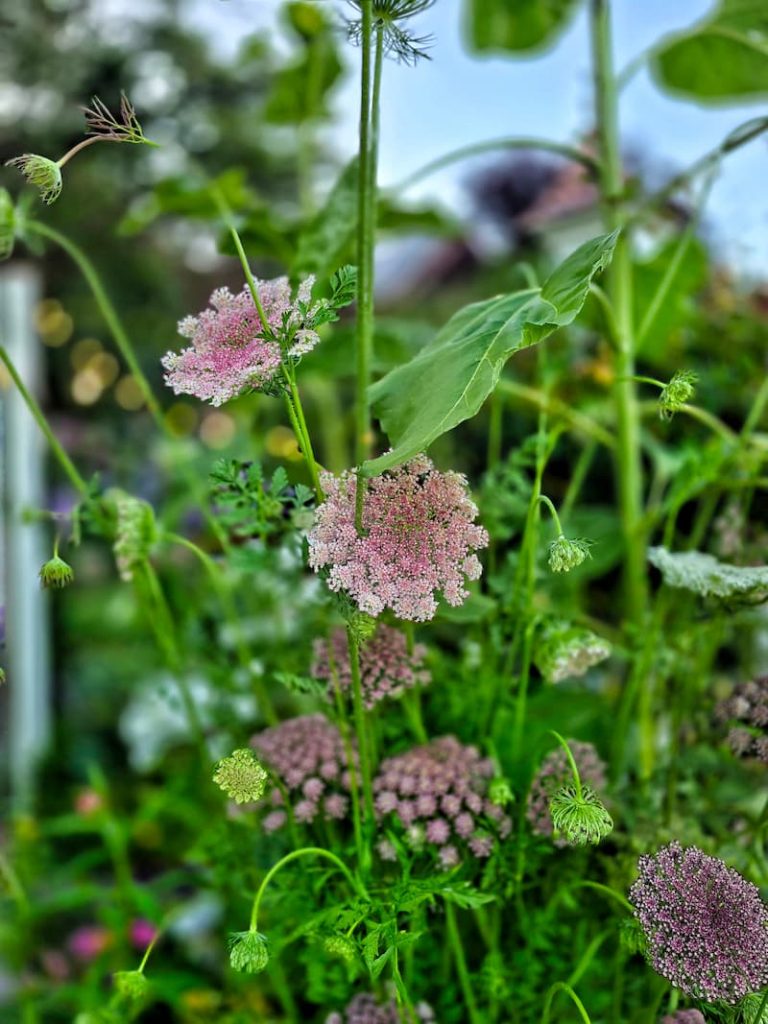
Chocolate Laceflower (Dara)
Airy Filler | Moody Color | Long-Blooming
Why I Grow It
Chocolate laceflower is one of those flowers that seems to work with almost everything. The rich burgundy-to-chocolate tones add depth and contrast. while the lacy, Queen Anne’s lace-style blooms keep arrangements feeling light and airy.
I especially love that oneplanting will bloom for most of the summer. It’s dependable, productive, and brings a slightly moody edge to bouquets without overpowering brighter focal flowers.
How I Use It
The umbels vary in size and shade, which adds movement and visual interest; even simple bouquets feel elevated with a few stems mixed in.
Growing Notes
Varieties I’ve Grown
Quick Tips
Chocolate laceflower pairs especially well with pastels and soft whites. It’s one of my go-to fillers when I want arrangements to feel a little more romantic and garden-inspired.
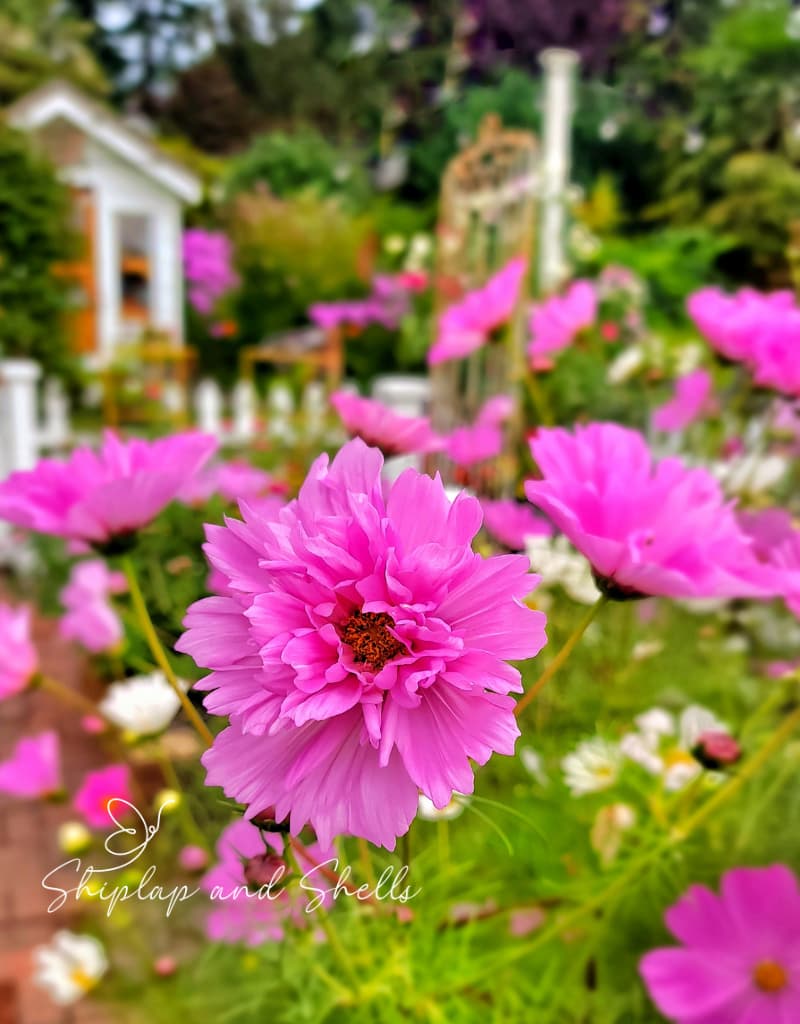
Cosmos
High Producer | Easy Care | Cut-and-Come-Again Favorite
Why I Grow It
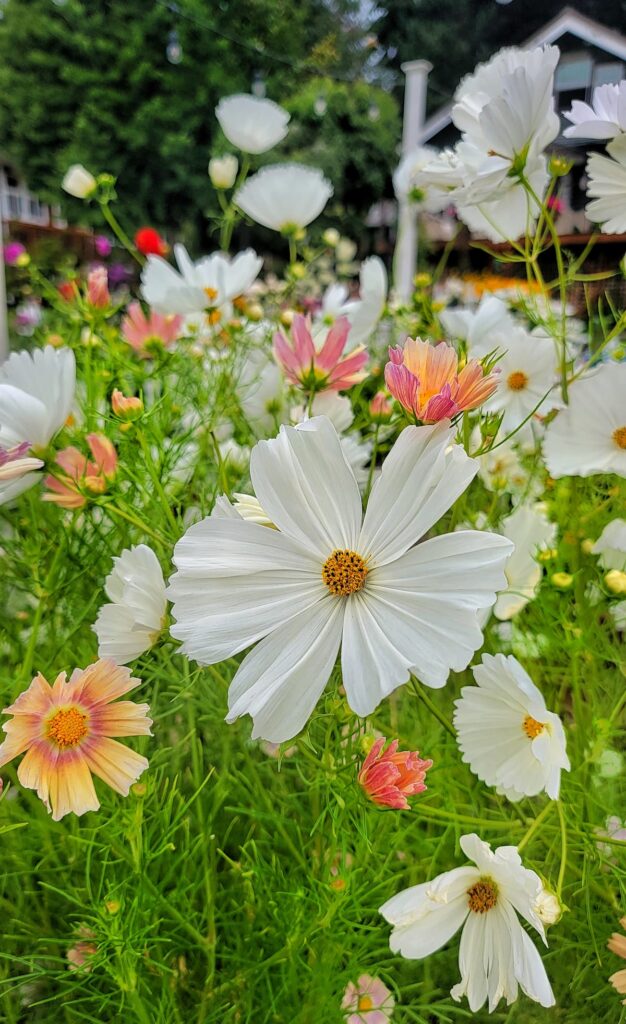
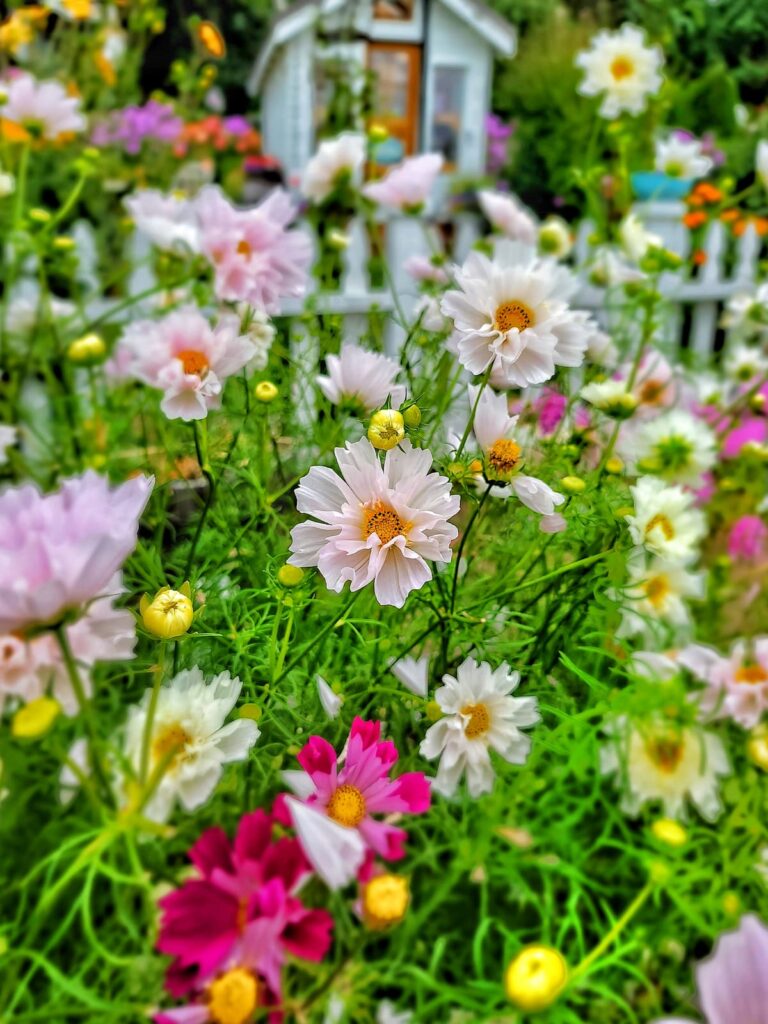
Cosmos are one of the most productive cut flowers you can grow, especially considering how little space they take up. Their large, airy blooms in shades of pink, purple, and white add instant color and movement to the cut flower garden.
They’re incredibly easy to grow and require very little maintenance once established. That combination, easy care, and high production, makes cosmos a must-have in my garden every year.
How I Use It
Cosmos also have asurprisingly long vase life for such delicate-looking flowers, which makes them even more satisfying to grow for arrangements.
Growing Notes
One thing to note: once cosmos are in fullbloom, they do require regular deadheading. It’s a bit of work, but the reward is a steady supply of fresh blooms all season long.
Varieties I’ve Grown
Quick Tip
Harvest cosmos often. The more you cut and deadhead, the more blooms the plants will produce.
Globe Amaranth (Gomphrena)
Long-Lasting | Heat Lover | Fresh + Dried Favorite
Why I Grow It
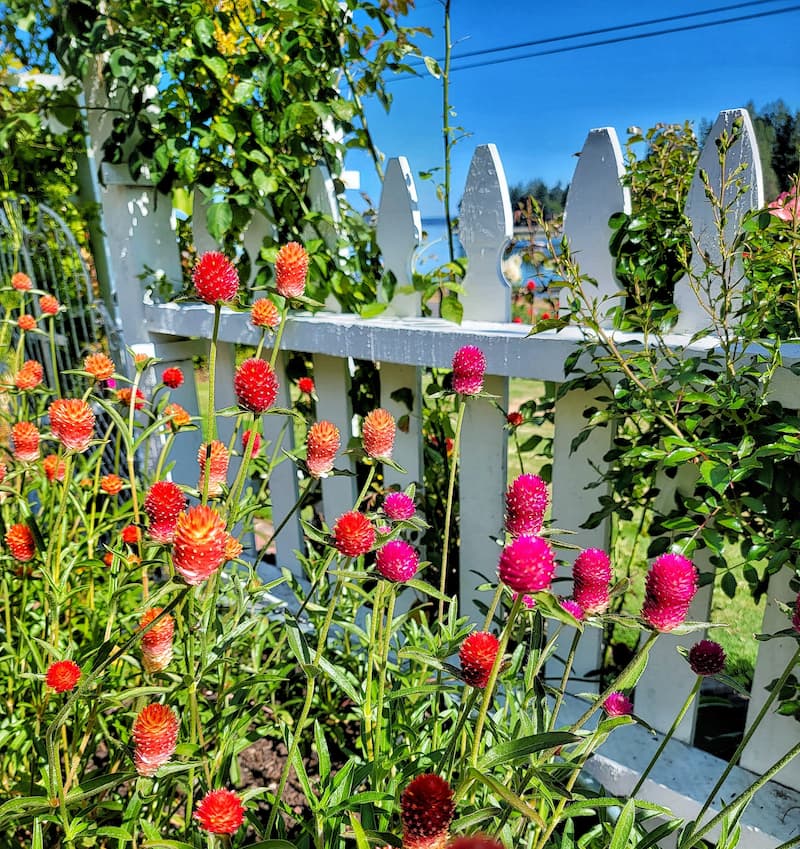
Globe amaranth is one of those flowers that just keeps going. In ideal conditions, the blooms can last for weeks, sometimesup to two months, making it incredibly rewarding to grow in a cut flower garden.
I love how well it handles heat, especially during the hottest part of summer when other flowers can start to struggle. The bright, button-like blooms attract hummingbirds and butterflies, and they hold their color beautifully whether used fresh or dried.
Globe amaranth is also usually one of the last cut flowers to bloom in my garden, carrying arrangements right into early autumn when I’m especially grateful for fresh color.
How I Use It
It’s one of those flowers that looks just as good weeks later as it does the day you cut it.
Growing Notes
Varieties I’ve Grown
Quick Tip
Harvest globe amaranth when blooms feel firm and fully formed. For drying, hang stems upside down in a warm, dry space to preserve color.
Larkspur
Cool-Season Bloomer | Tall Spikes | Easy to Grow
Why I Grow It
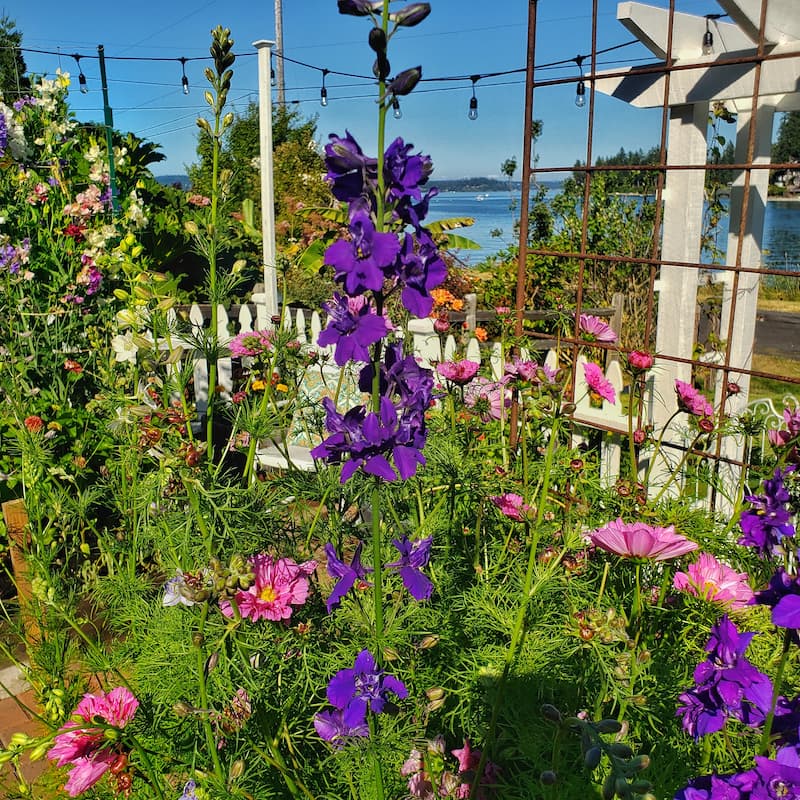
Larkspur is one of the easiest cut flowers to grow, especially if you’re looking for something that thrives in cooler weather. It’s cold-tolerant, early to bloom, and brings tall, colorful spikes to the spring garden when most flowers are just getting started.
I love having larkspur early in the season. It adds height and color at a time when the garden still feels a little sparse.
How I Use It
Fresh or dried, larkspur has a light, airy look that works well with both bold and delicate flowers.
Growing Notes
Larkspur prefers cooler conditions and doesn’t love heat, so getting it planted early makes all the difference.
Varieties I’ve Grown
Quick Tip
If your spring warms up quickly, larkspur will bloom fast and finish early. Planting it as soon as the soil can be worked helps extend its bloom time.
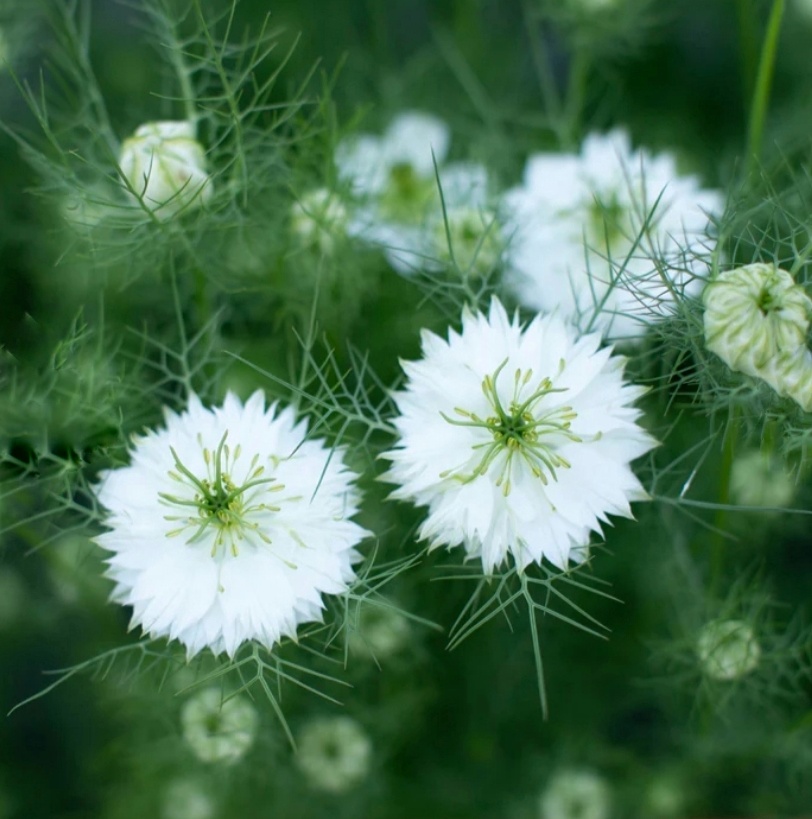
Love-in-a-Mist (Nigella)
Airy Filler | Easy Care | Seed Pod Star
Why I Grow It
Love-in-the-mist is one of those flowers that quietly steals the show. It’s incredibly easy to grow, requires very little maintenance, and still looks delicate and special in the garden.
I love how versatile it is. It works beautifully as both a cut flower and an ornamental plant, and the fine, feathery foliage adds softness wherever it’s planted. In bouquets, it’s one of my favorite fillers…light, airy, and effortlessly garden-inspired.
How I Use It
Once the flowers fade, the seed pods are just as lovely and can be used fresh or dried.
Growing Notes
Love-in-a-mist is happiest when it’s planted early and left alone to do its thing.
Varieties I’ve Grown
Quick Tip
If you love interesting seed pods, let a few plants go to seed instead of pulling them early; they add texture to bouquets long after the flowers fade.
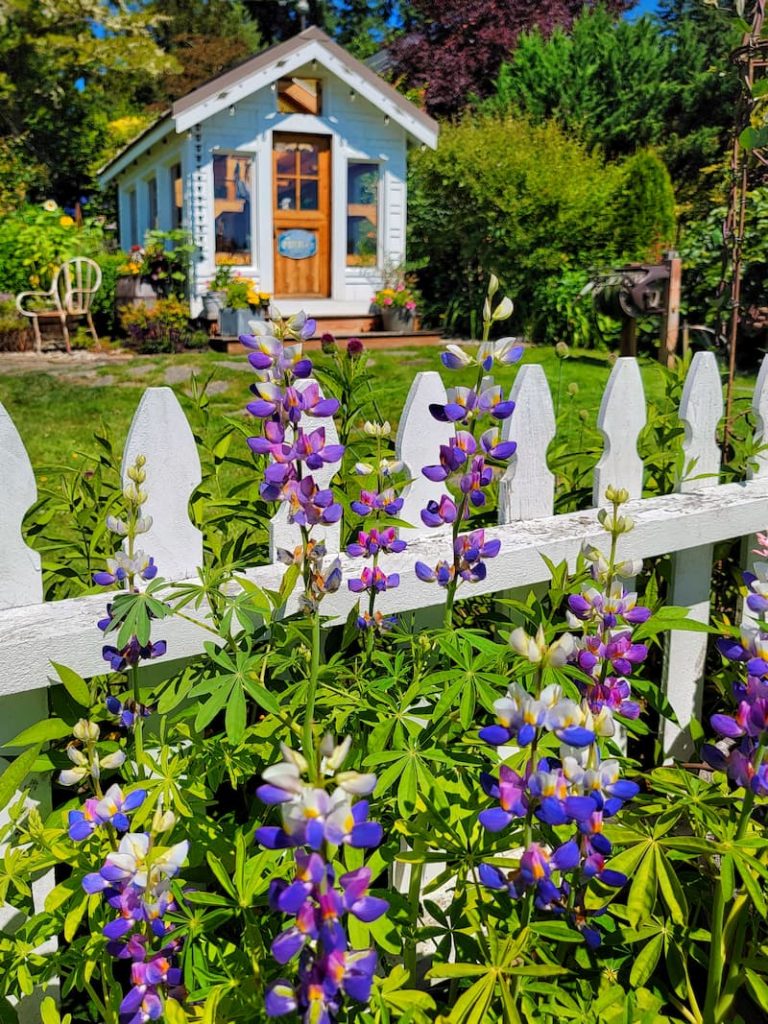
Lupine
Early Bloomer | Fragrant | Pollinator Favorite
Why I Grow It
Lupine adds beautiful vertical interest to the cut flower garden, with tall spires that resemble Texas bluebonnets. The soft lavender, white, and buttery yellow tomes feel fresh and classic, especially in early summer arrangements.
One of my favorite things about lupine is the subtle, sweet fragrance; it reminds me of cherry blossoms in bloom. Pollinators love it, too, which always earns it a spot in my garden.
Growing Notes
Lupine prefers cooler conditions and benefits from early-season planting.
Varieties I’ve Grown
Quick Tip
Harvest lupine early in the morning while the stems are firm. Cutting regularly helps keep plants blooming and encourages new flower spikes.
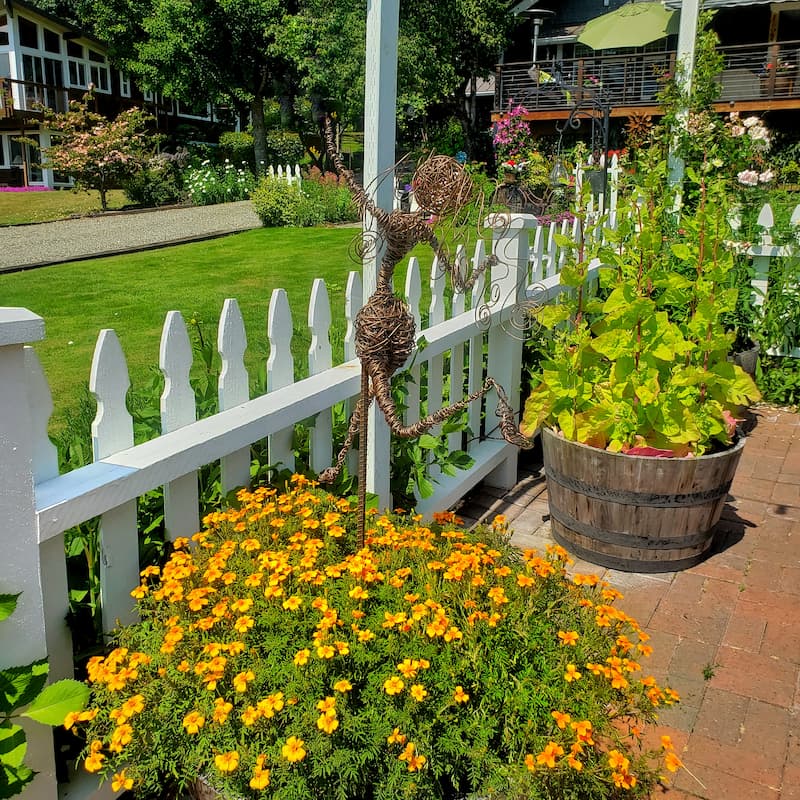
Marigolds
Long Blooming | Productive | Arrangement-Friendly
Why I Grow It
Marigolds bring bold color and surprising elegance to cut flower arrangements, especially the smaller-flowered varieties. This vibrant mix blooms well into fall and keeps producing even as many other flowers are starting to slow down.
I love how generous each plant is. With multiple branching stems and loads of penny-sized blooms, marigolds are incredibly productive and easy to tuck into bouquets. The ferny foliage is just as pretty as the flowers and holds up well after cutting, which makes them even more useful in arrangements.
How I Use It
Growing Notes
Marigolds are easygoing plants that settle in quickly and keep blooming with minimal fuss.
Varieties I’ve Grown
Quick Tip
Harvest marigolds when blooms are fully open. Regular cutting encourages more branching and an even longer bloom season.
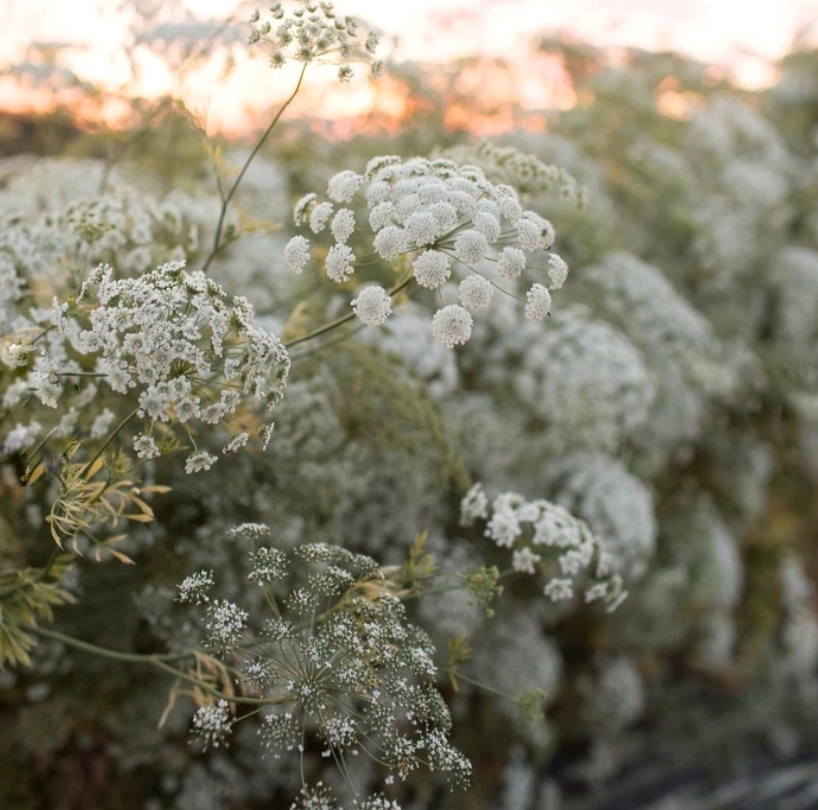
Queen Anne’s Lace (Ammi)
Essential Filler | Long Vase Life | Early Bloomer
Why I Grow It
Quen Anne’s lace is one of the most useful and productive filler flowers you can grow from seed. Blooming from late spring into early summer, it fills that important gap in the cutting garden before the heat-loving annuals really take off.
I rely on it for its airy texture, generous bloom habit, and long vase life. In the right conditions, stems can last up to two weeks in arrangements, which makes them especially valuable during the busy early season.
How I Use It
It’s one of those flowers that quietly pulls everything together without stealing the spotlight.
Growing Notes
Queen Anne’s lace is tough, reliable, and easy to grow, everything you want in a filler flower.
Varieties I’ve Grown
Quick Tip
Harvest stems when most florets are open but still fresh. Cutting regularly encourages continued bloom and keeps plants productive.
Snapdragons
Cut Flower Classic | Tall Spikes | Long Vase Life
Why I Grow It
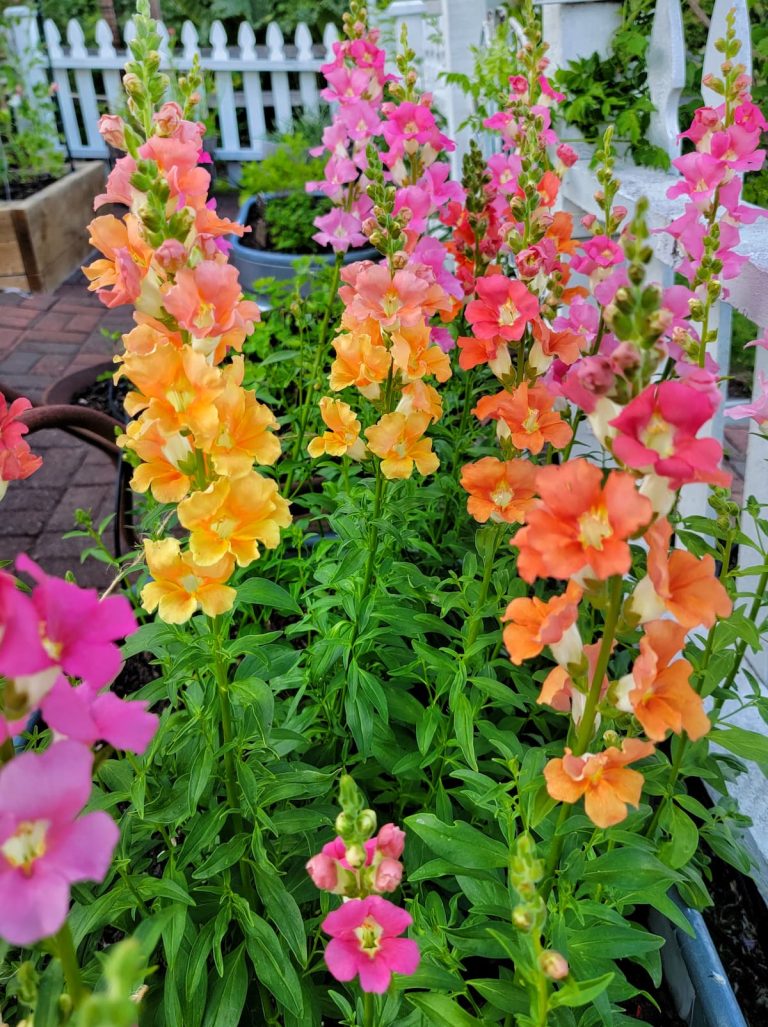
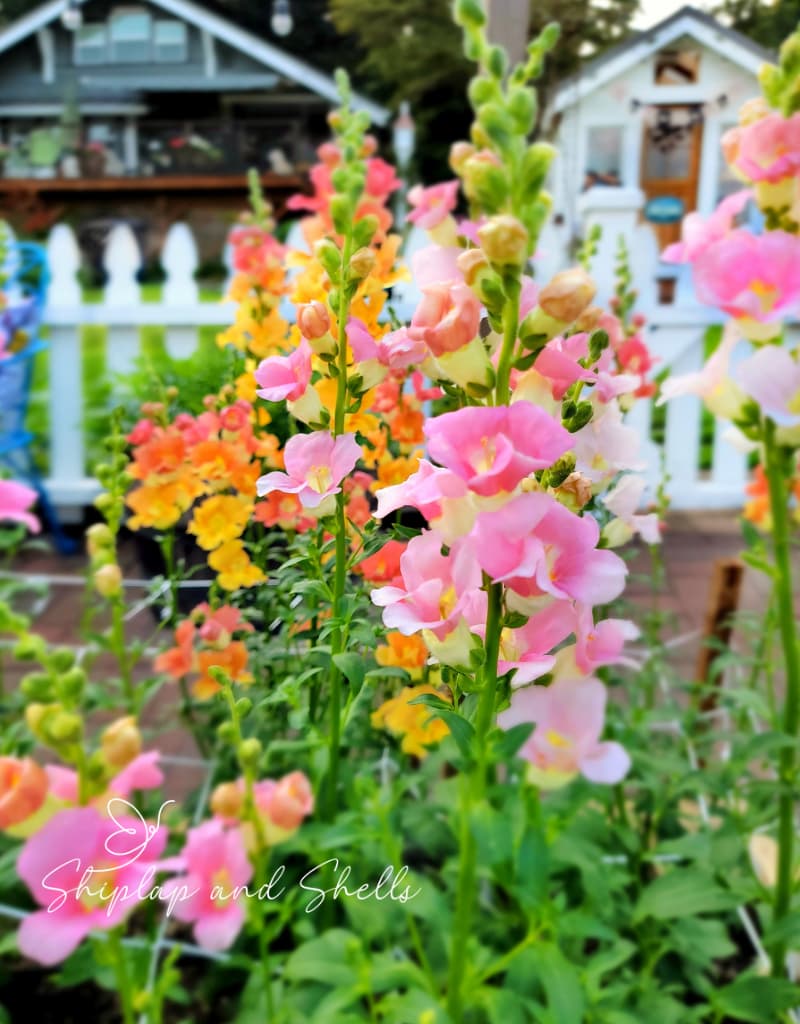
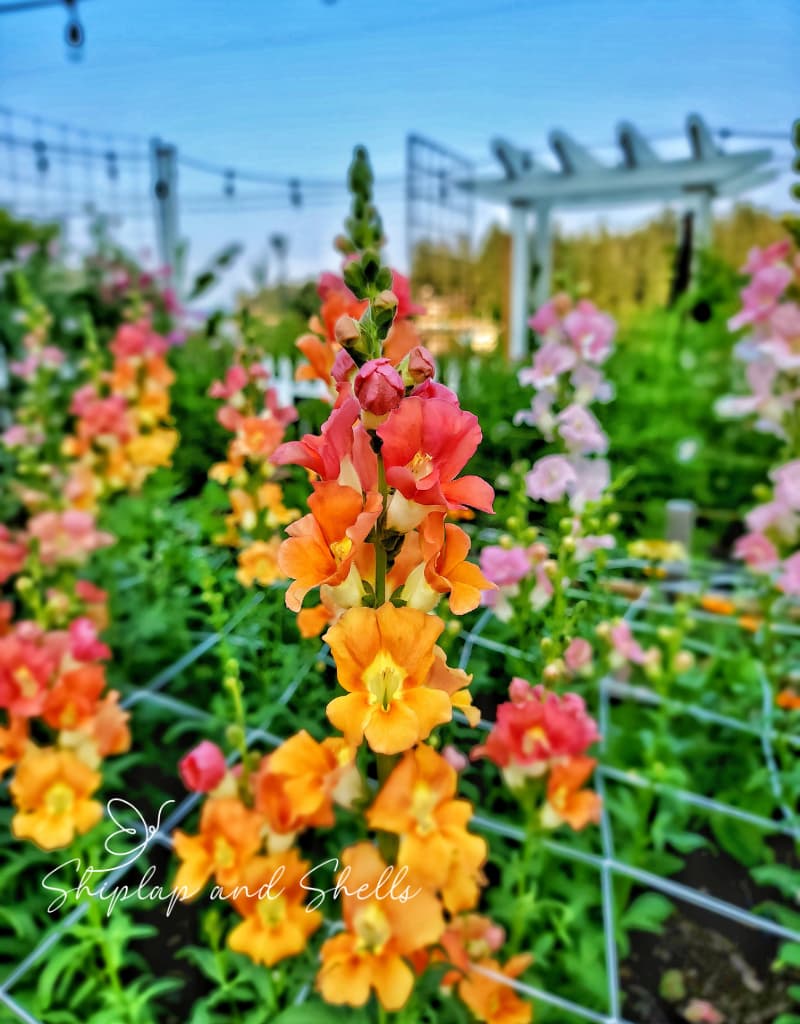
Snapdragons are the one cut flower I’ve grown every single year since creating my garden space, and for good reason. They’re reliable, productive, and add instant height and structure to bouquets.
I love the wide range of colors snapdragons offer, but the Chantilly mixes are especially beautiful. The softer tones blend easily with just about everything, making them incredibly versatile in arrangements.
Don’t let the tiny seeds fool you. These snapdragons, grown from seed, are tall varieties bred specifically for cutting. The compact plants you usually see at nurseries or garden centers are much shorter and not nearly as useful for bouquets.
How I Use It
Snapdragons also have an excellent vase life, often looking fresh for several days after harvesting.
Growing Notes
Snapdragons thrive in cooler temperatures and appreciate a bit of extra support as they grow.
Quick Tip
Pinching early makes a big difference. It encourages branching, stronger stems, and more blooms throughout the season.
Statice
Drying Favorite | Long-Lasting | Drought Tolerant
Why I Grow It
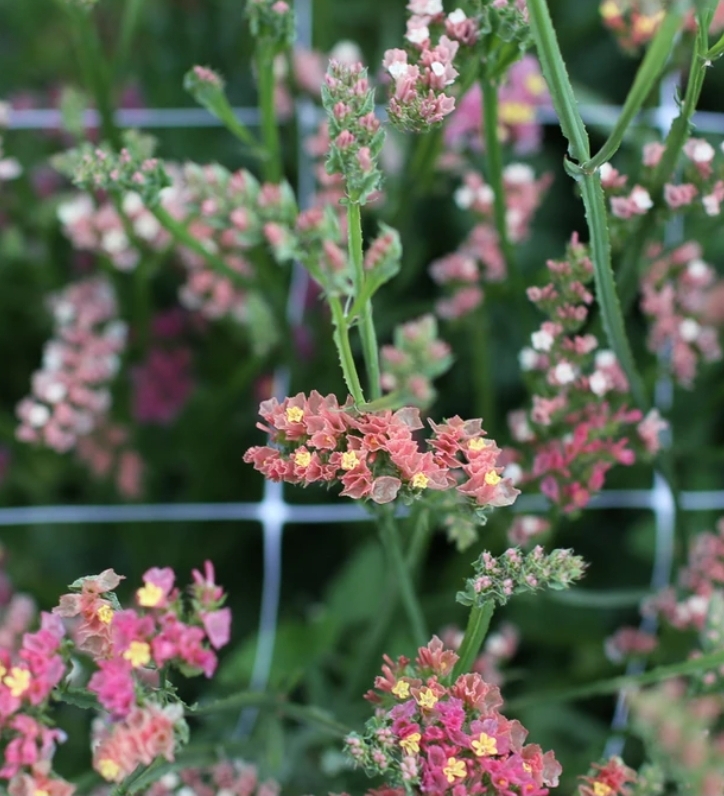
Statice is one of the very best cut flowers to grow if you love drying flowers. Its papery blooms last an incredibly long time, both fresh and dried, and the plants produce steadily over an extended bloom period.
I also appreciate how easy statice is to grow. It’s drought-tolerant, low-maintenance, and dependable, which makes it especially useful during the warmer months when some flowers need extra attention.
How I Use It
Statice holds its color beautifully, making it a staple for dried bouquets, wreaths, and seasonal arrangements.
Growing Notes
Once established, statice is very forgiving and continues producing with minimal effort.
Varieties I’ve Grown
Quick Tip
For drying, harvest statice when blooms are fully open but still vibrant. Hang stems upside down in a dry, airy space to preserve color.
Stock
Fragrant Blooms | Cool-Season Favorite | Garden Classic
Why I Grow It
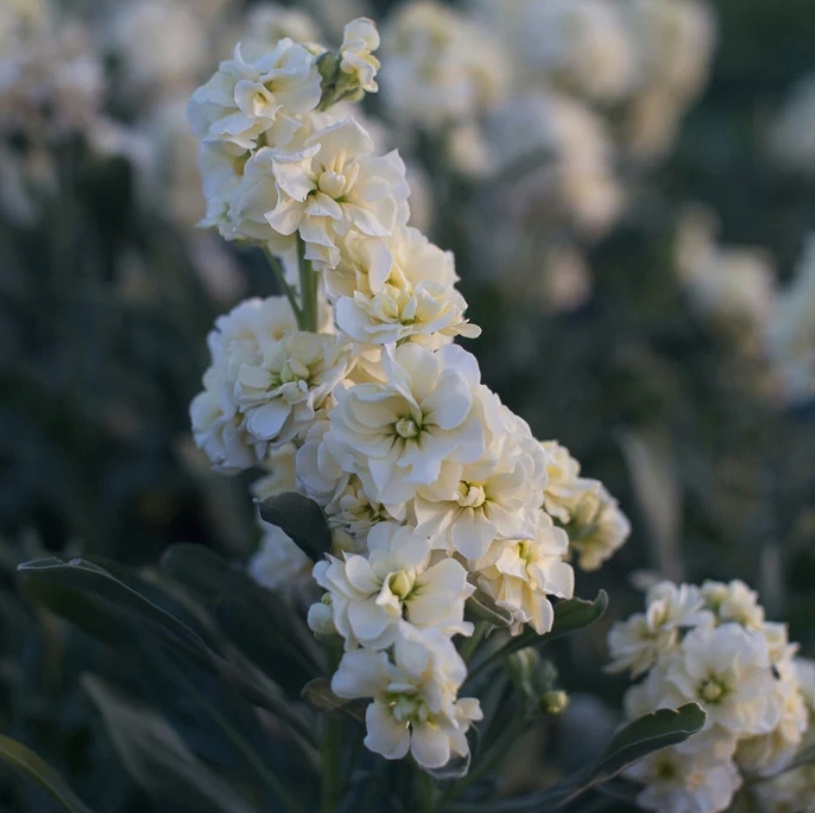
Stock adds a beautiful, old-fashioned charm to the cut flower garden, along with one of the most lovely fragrances you can grow from seed. Just a few stems can scent an entire room, which makes it especially rewarding to grow for bouquets.
I also appreciate how low-maintenance stock is once it’s established. It doesn’t require much deadheading, and the plants bloom steadily with very little fuss.
How I Use It
Stock pairs beautifully with airy fillers and early-season blooms, especially when you want arrangements to feel gentle and garden-inspired.
Growing Notes
Stock prefers cooler temperatures and performs best when planted early in the season.
Strawflower
Drying Essential | Long-Lasting | Pollinator Favorite
Why I Grow It
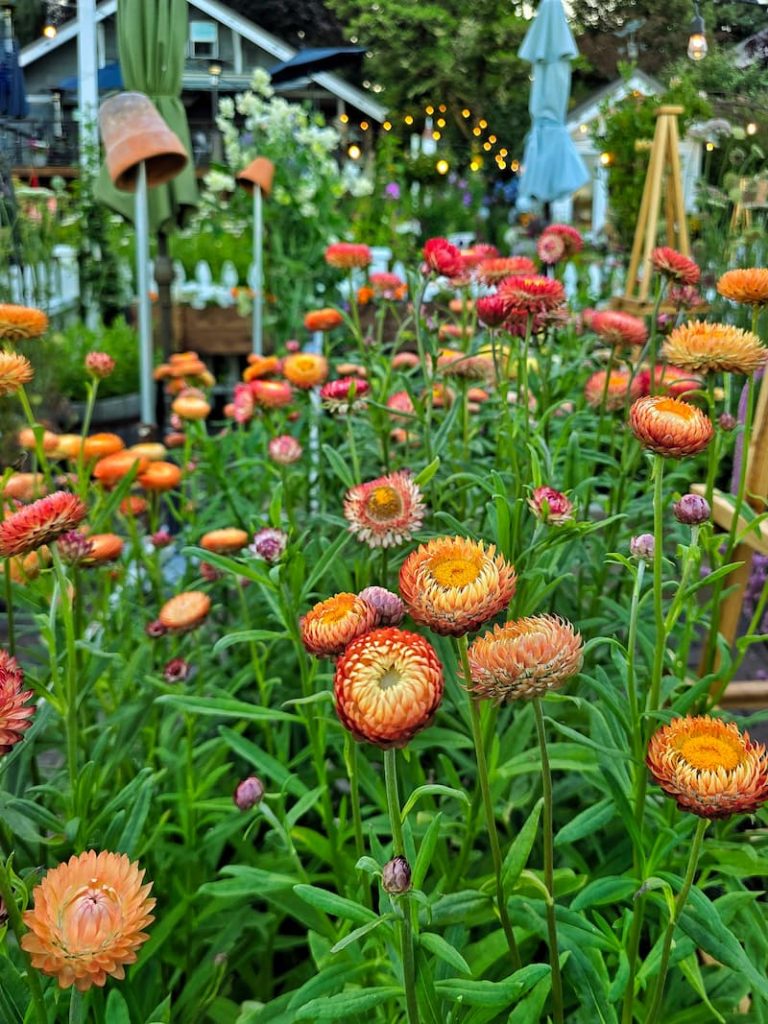
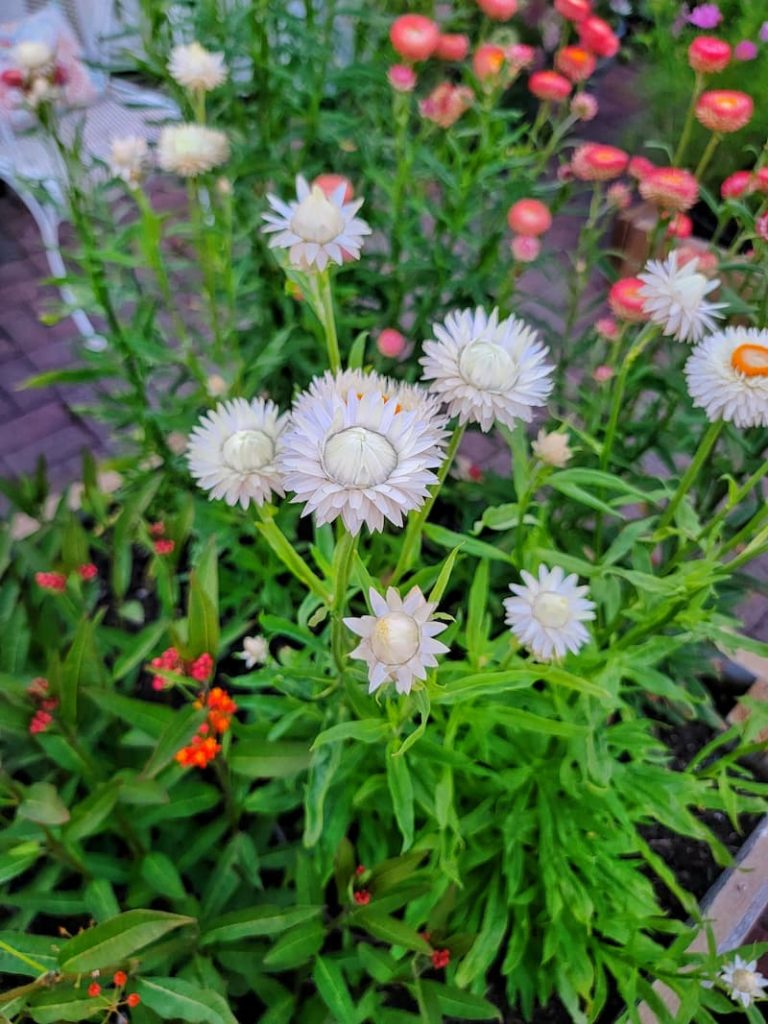
Strawflowers are one of those flowers that feel almost magical. The papery blooms hold their color and shape indefinitely when dried, making them incredibly satisfying to grow.
They’re also long-lasting when used fresh, making them perfect for arrangements that need to look good for days or even weeks. Pollinators love them, and once established, strawflowers are easy to grow and surprisingly low-maintenance.
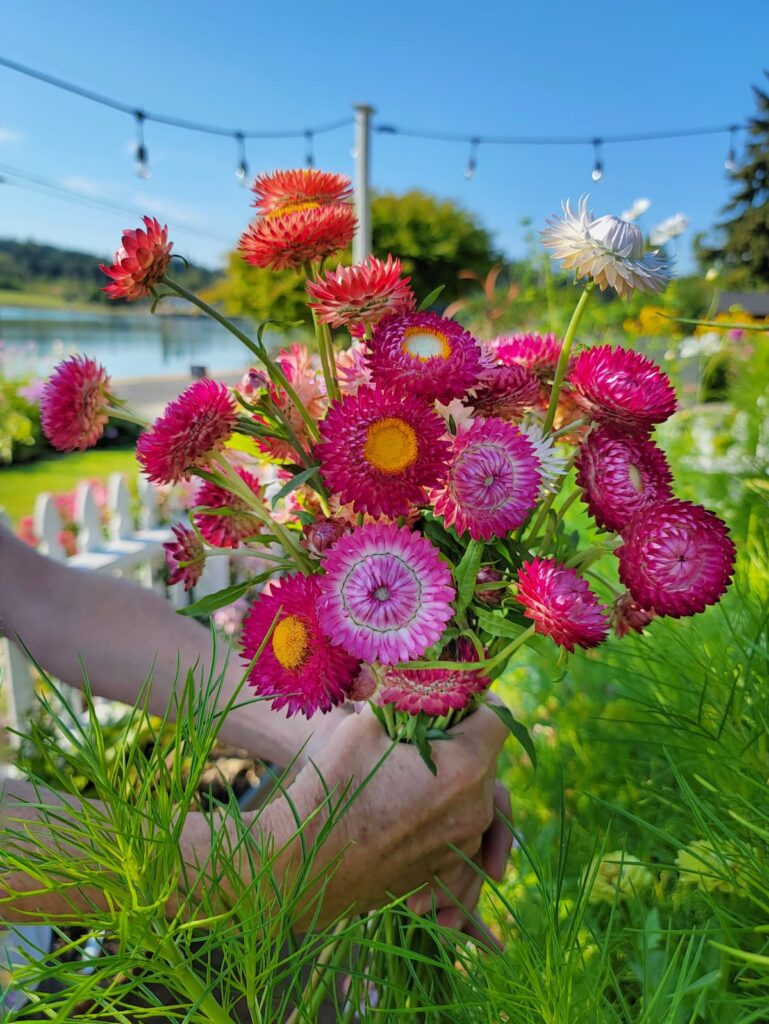
I grow strawflowers every year and usually include two to four varieties. They’re a true favorite in my cut flower garden and always earn their place.
How I Use It
Strawflowers work beautifully in both casual garden bouquets and more styled arrangements, fresh or dried.
Growing Notes
Once they get going, strawflowers are incredibly reliable and forgiving.
Varieties I’ve Grown
Quick Tips
For drying, harvest strawflowers when the petals feel firm and papery, and the centers are still tight. This helps preserve their color and shape in the long term.
Sunflowers
Garden Showstopper | Easy to Grow | Cut Flower Favorite
Why I Grow It
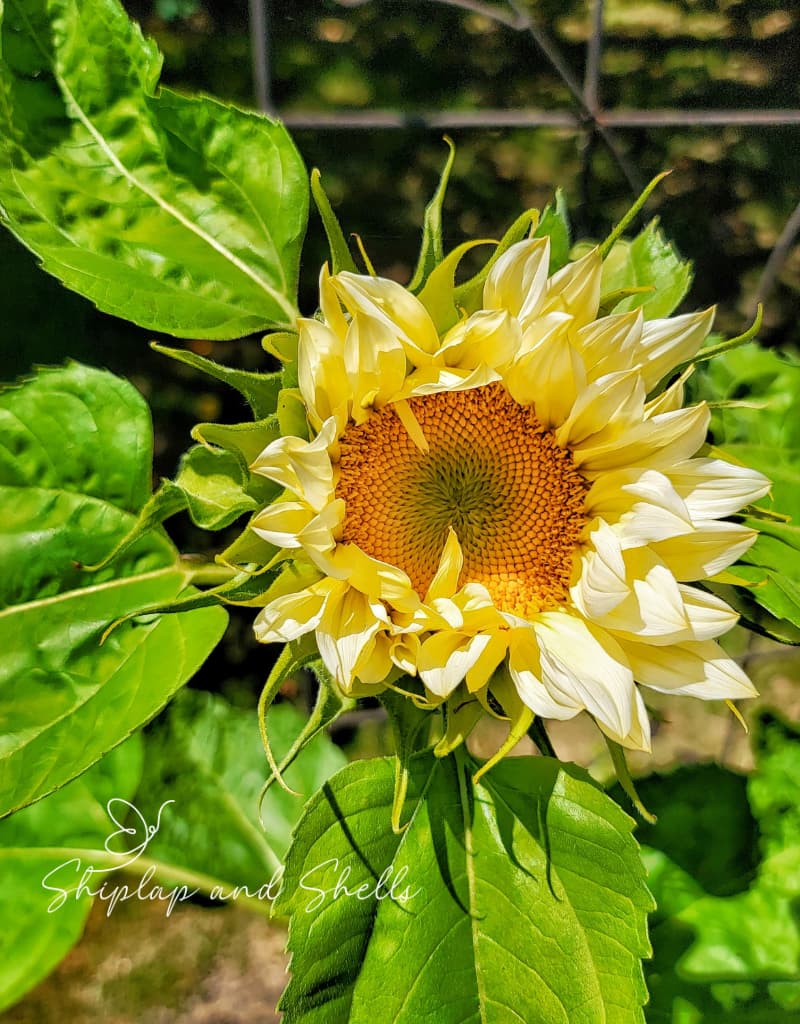
Sunflowers are always a standout in the cut flower garden. They’re tall, vibrant, and incredibly easy to grow, bringing immediate impact wherever they’re planted.
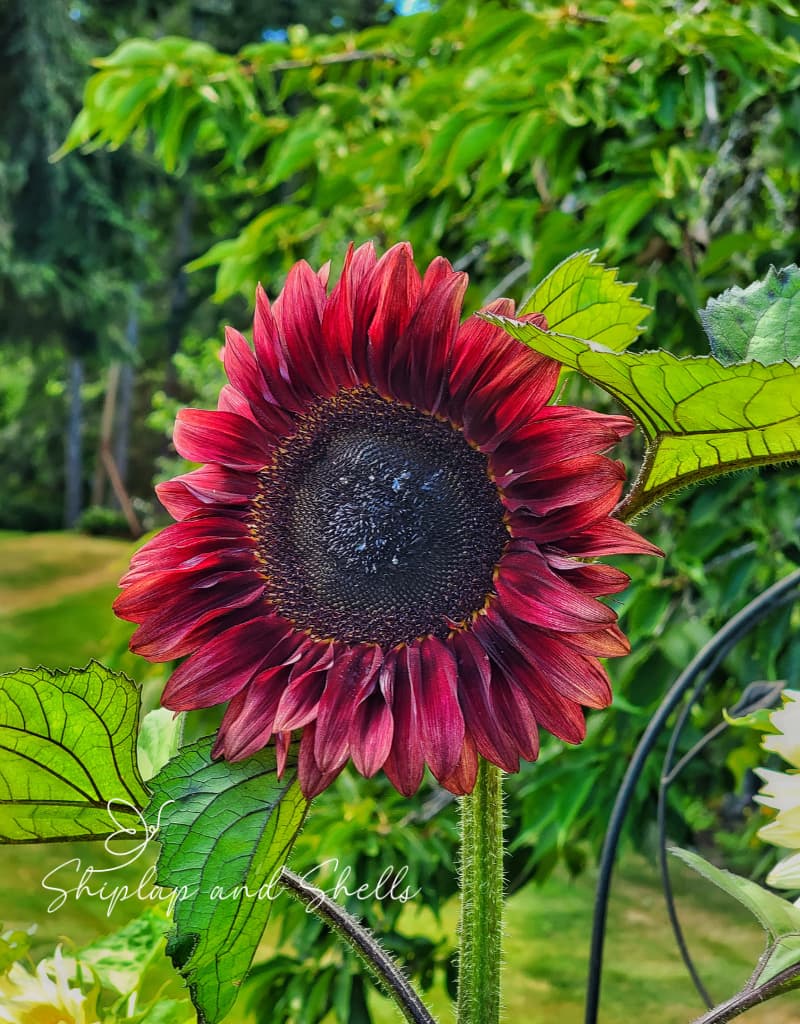
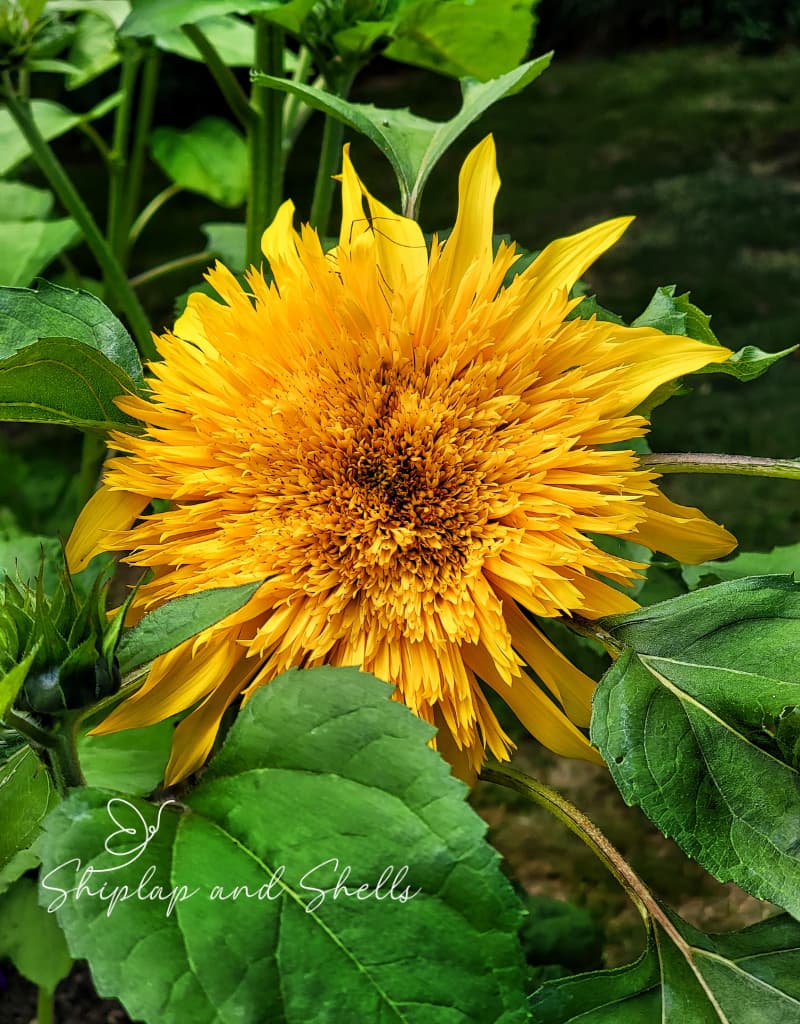
I used to think sunflowers only came in classic yellow, until I started growing them myself. Cream, blush, deep ruby, and even chocolate-toned varieties quickly became my favorites, and now I rarely stick to just one color.
When I first tried growing sunflowers, I sowed the seeds straight into the garden. The birds ate almost every single one. After a season or two of frustration, I started sowing sunflower seeds in the greenhouse and transplanting them once the plants were big enough to defend themselves. Problem solved.
How I Use It
Sunflowers are strong on their own but also pair beautifully with softer fillers and grasses.
Growing Notes
Starting sunflowers indoors also gives you a head start on blooms and helps avoid hungry birds.
Varieties I’ve Grown
Quick Tips
If birds are a problem in your garden, start sunflowers indoors or protect direct-sown seeds with netting until seedlings are established.
Sweet Peas
Fragrant Favorite | Vertical Grower | Garden Classic
Why I Grow It
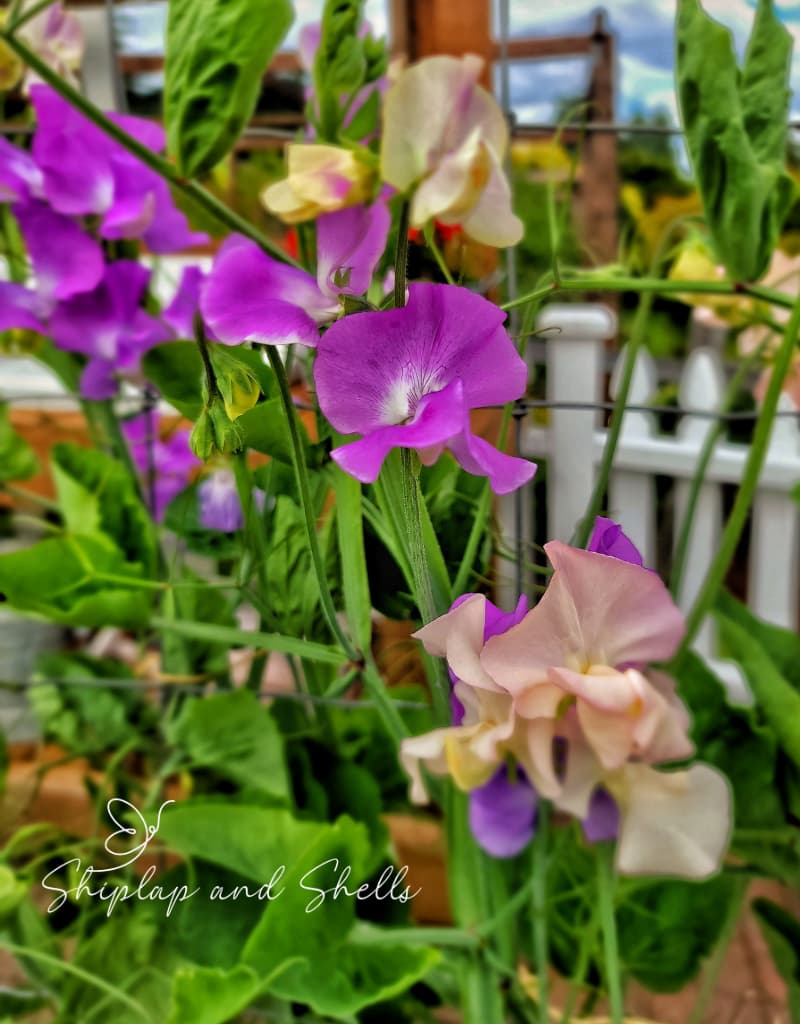
Sweet peas are my absolute favorite cut flower to grow, and the one I look forward to sowing every year. They’re easy to work with, quick to germinate (especially if you soak the seeds first), and incredibly rewarding once they start climbing.
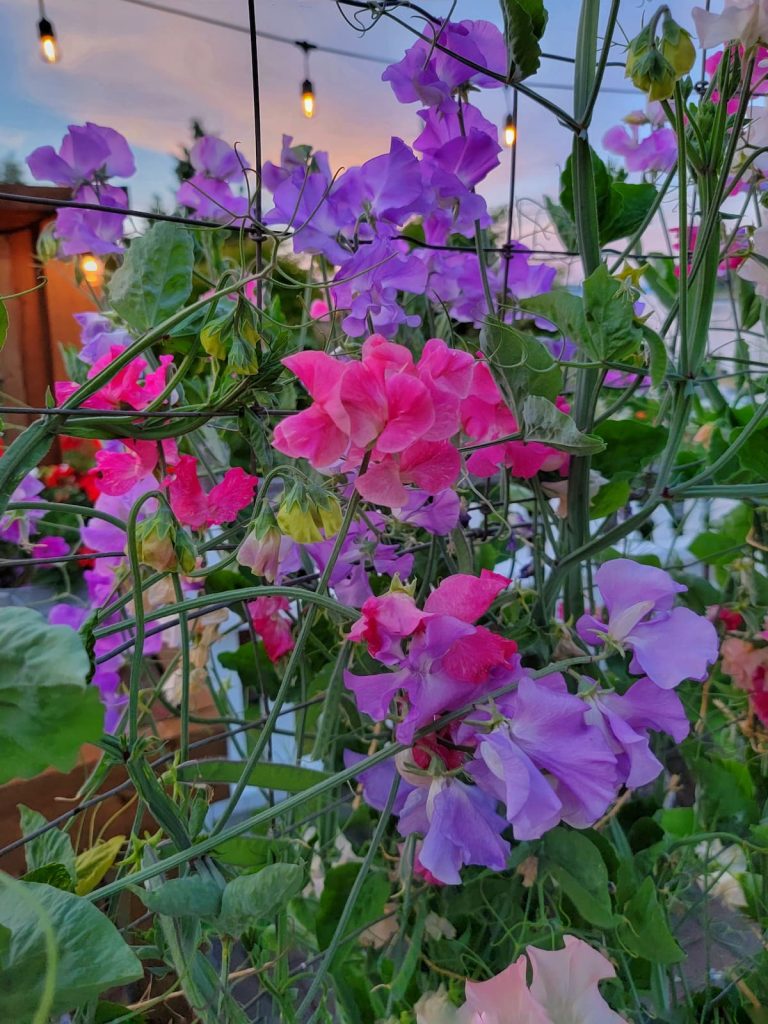
These old-fashioned flowers are loved for their delicate blooms and unforgettable fragrance. Just a handful of stems can scent an entire room, which is one of the reasons I never limit myself to just one variety.
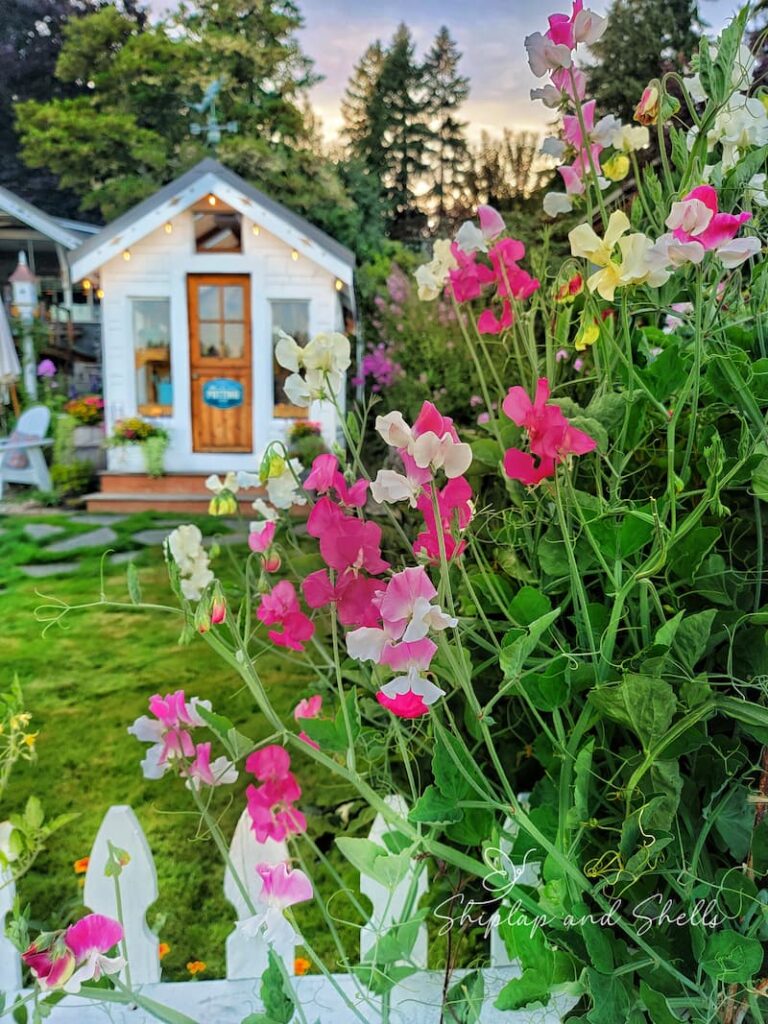
Their natural vining habit makes sweet peas perfect for vertical gardening. Watching them climb trellises and fences while producing armfuls of blooms is one of my favorite parts of the spring garden.
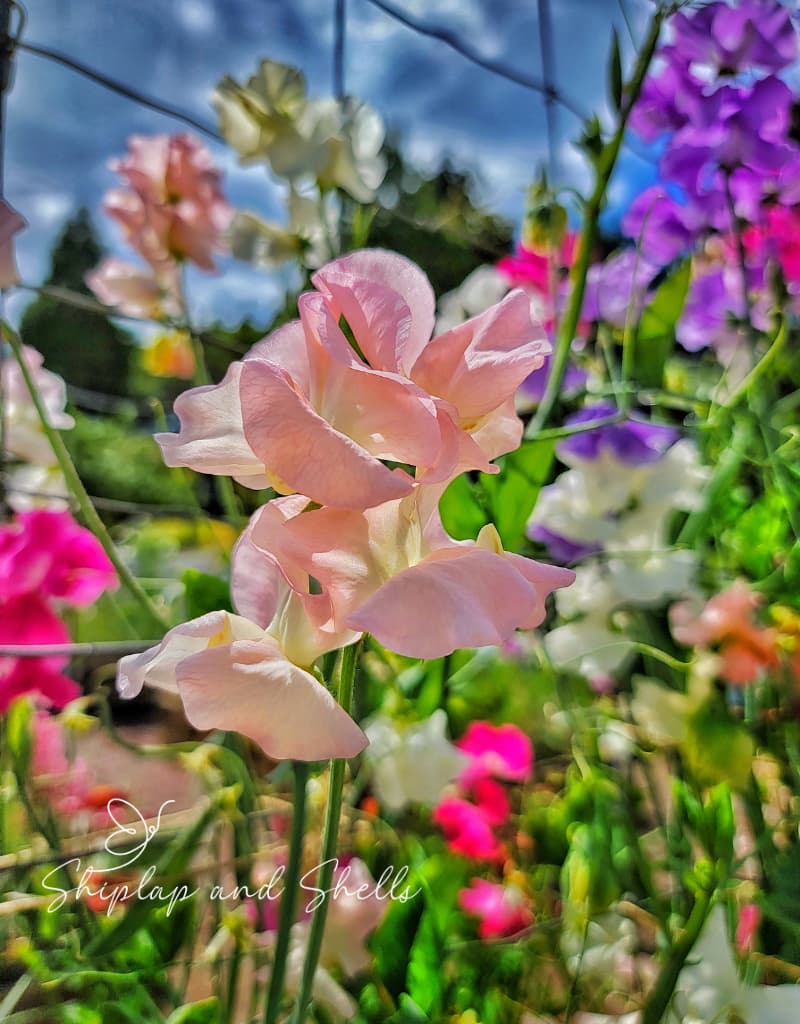
I love sweet peas so much that I usually grow four or more varieties each year, and honestly, I’ve never met one I didn’t like. Even after flowering, the seed pods can be dried, used in arrangements, or saved to grow the following season.
How I Use It
Sweet peas bring romance, scent, and softness to arrangements as very few other flowers can.
Growing Notes
Soaking seeds before planting helps speed up germination and gives seedlings a strong start.
Varieties I’ve Grown
Quick Tip
Harvest sweet peas often. Cutting regularly keeps vines productive and encourages more blooms, plus, it’s the best way to enjoy their fragrance indoors.
Yarrow
Long-Lasting | Textural Filler | Easy Care
Why I Grow It
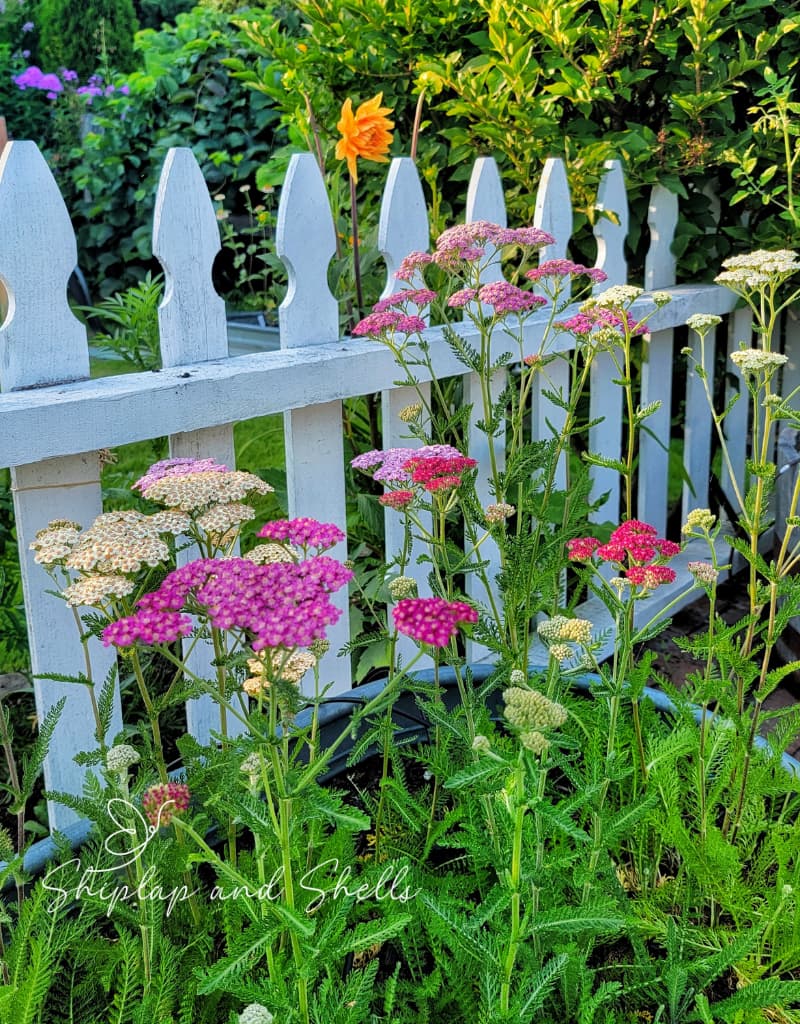
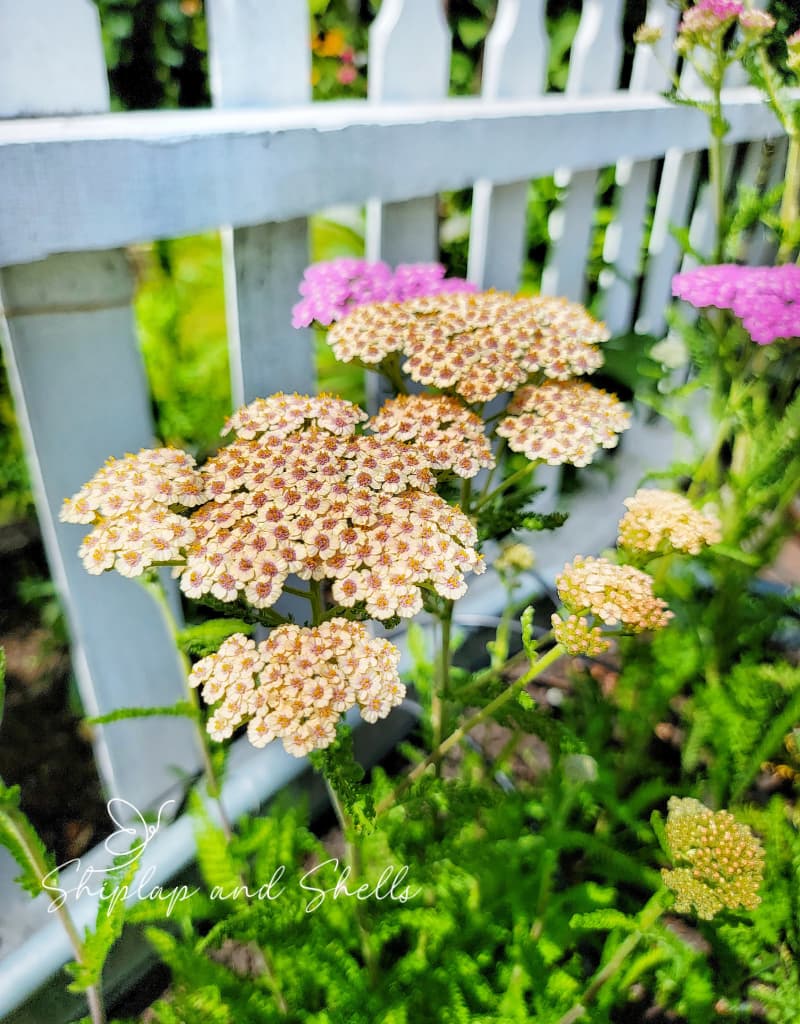
Yarrow is one of those flowers that works hard in the garden and in arrangements. The blooms last up to two weeks in a vase, and the soft, ferny foliage adds texture and depth to bouquets without competing with focal flowers.
It’s also incredibly easy to grow. Once established, yarrow requires very little maintenance and brightens the garden with steady blooms throughout the season, making it a reliable addition to any cut flower lineup.
How I Use It
Yarrow blends beautifully with bold blooms and more delicate flowers, helping tie arrangements together.
Growing Notes
Yarrow thrives in full sun and is very forgiving once plants are established.
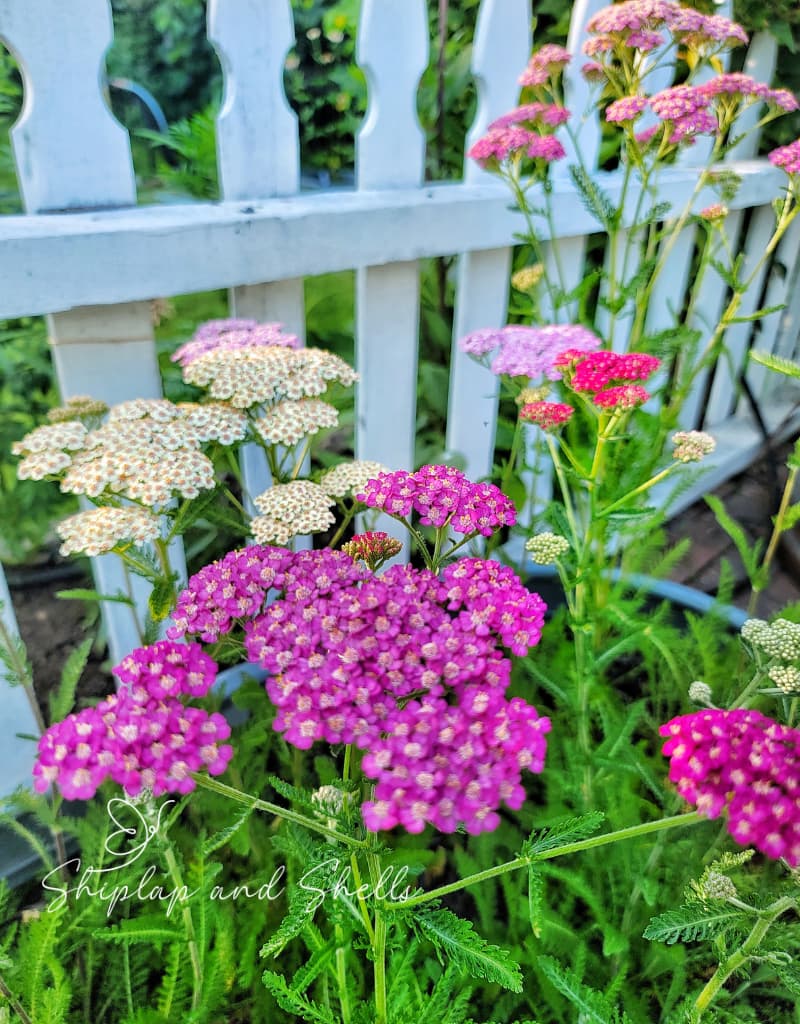
Varieties I’ve Grown
Quick Tip
Harvest yarrow when most blooms are open but still fresh. Cutting regularly helps encourage continued flowering and keeps plants looking tidy.
Garden Supplies and Tools
Check out my favorite garden supplies and tools for the growing season. Whether you’re looking for potting soil or deer repellent, you’ll find what I use in my own garden.
Zinnias
Heat Lover | Pollinator Magnet | Cut-andCome-Again Classic
Why I Grow It
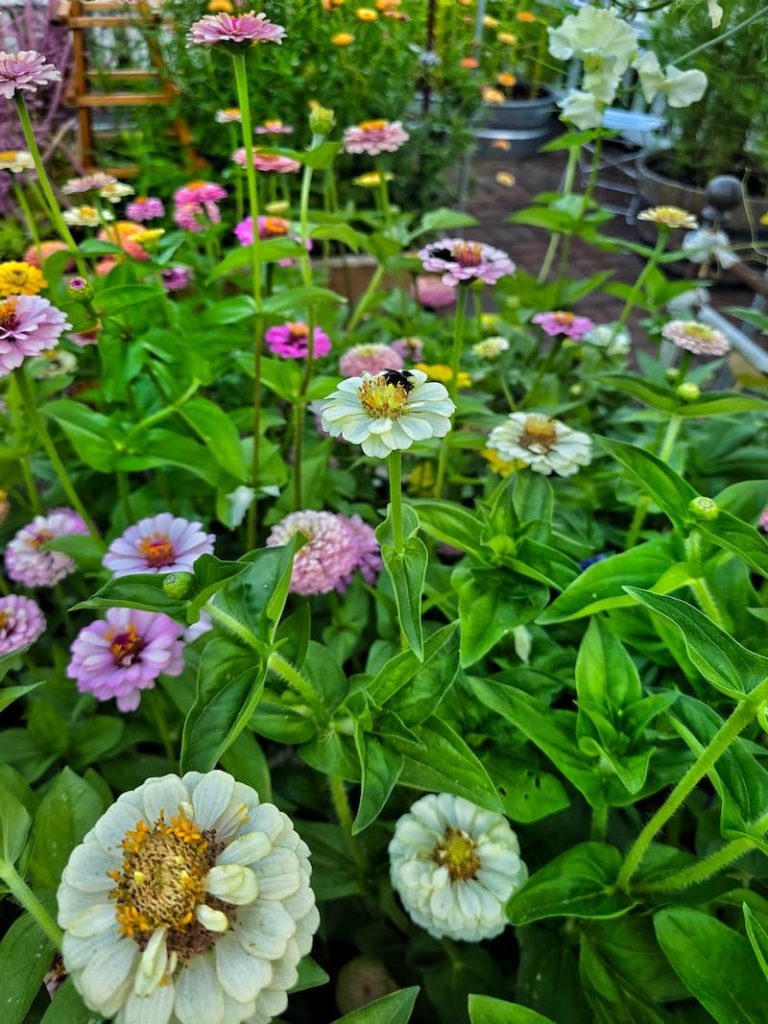
Zinnias are one of the easiest annual flowers to grow in the cutting garden, and they absolutely shine during the hottest part of summer. Because they’re heat-loving and drought-tolerant once established, they’re a reliable choice even when the garden feels especially alive during peak bloom season.
Another reason zinnias always earn a spot in my garden? Pollinators adore them. Bees, butterflies, and hummingbirds are constant visitors, which makes the garden feel especially alive during peak bloom season.
Zinnias germinate quickly, often in just a few days, and bloom steadily from mid-summer through fall. They’re generous, forgiving, and incredibly rewarding to grow.
How I Use It
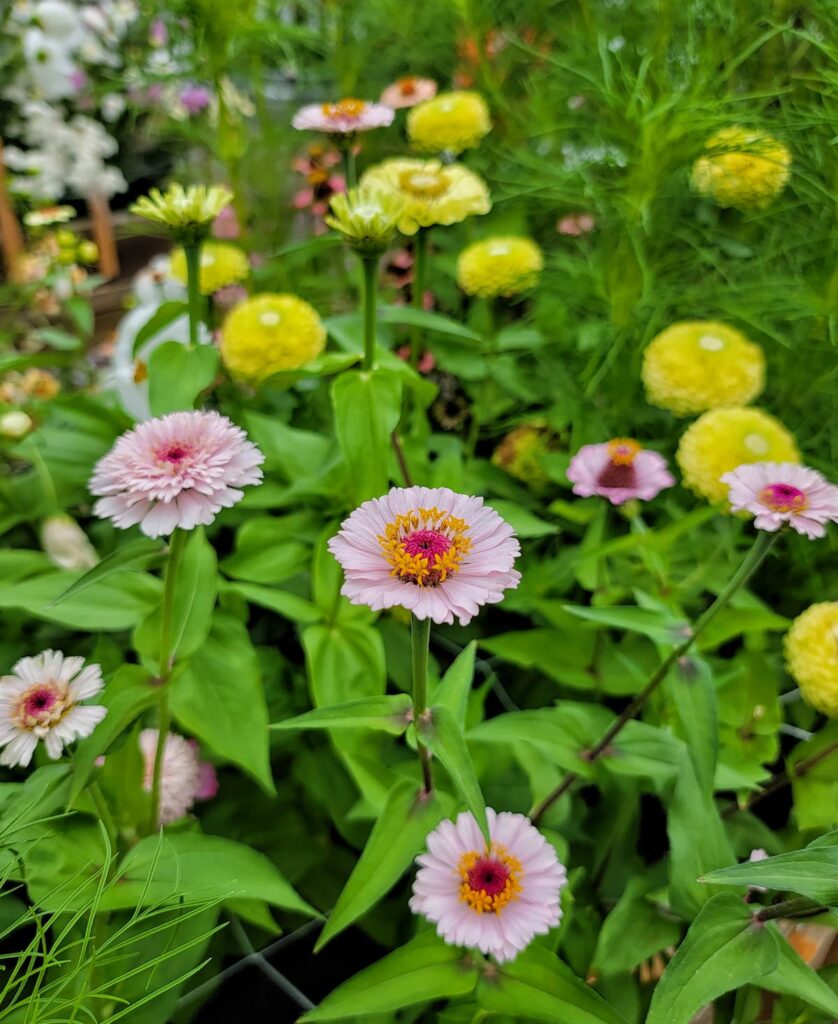
The more you cut zinnias, the more they bloom, making them a workhorse in any cut flower garden.
Growing Notes
Zinnias thrive in full sun and warm soil and are happiest once summer really settles in.
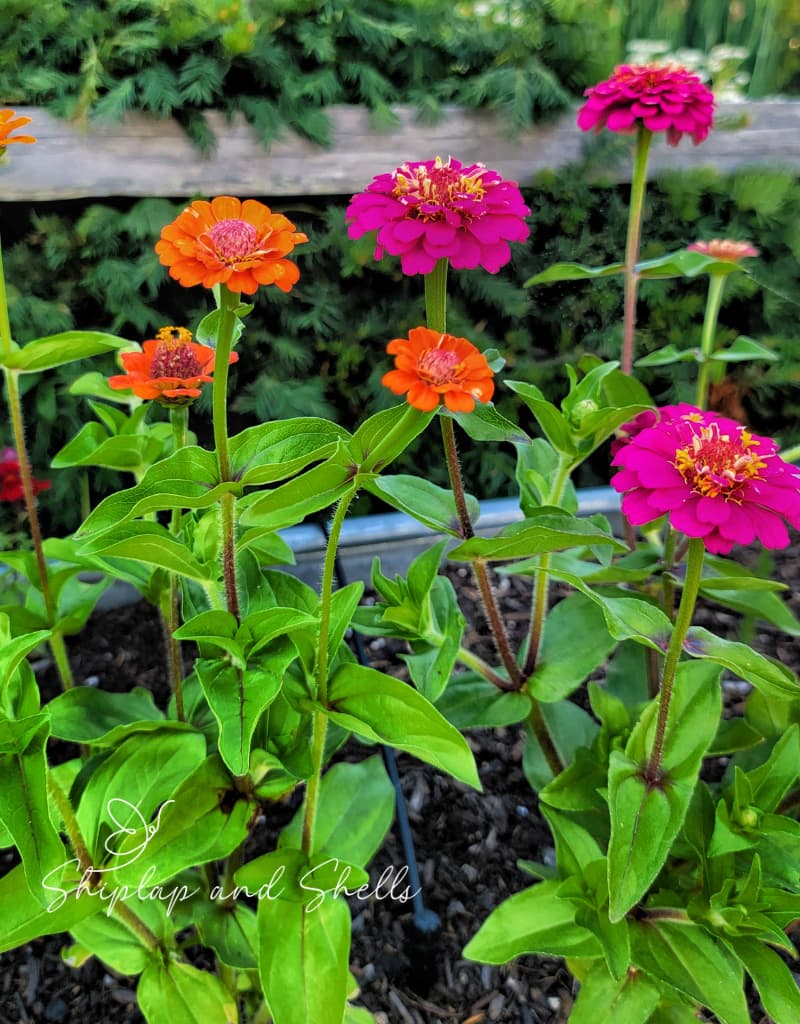
Varieties I’ve Grown
Quick Tip
For the healthiest plants and best blooms, always cut zinnias above a leaf node. Regular harvesting keeps plants branching and blooming well into fall.
Final Thoughts on Summer Cut Flower Seed Selection
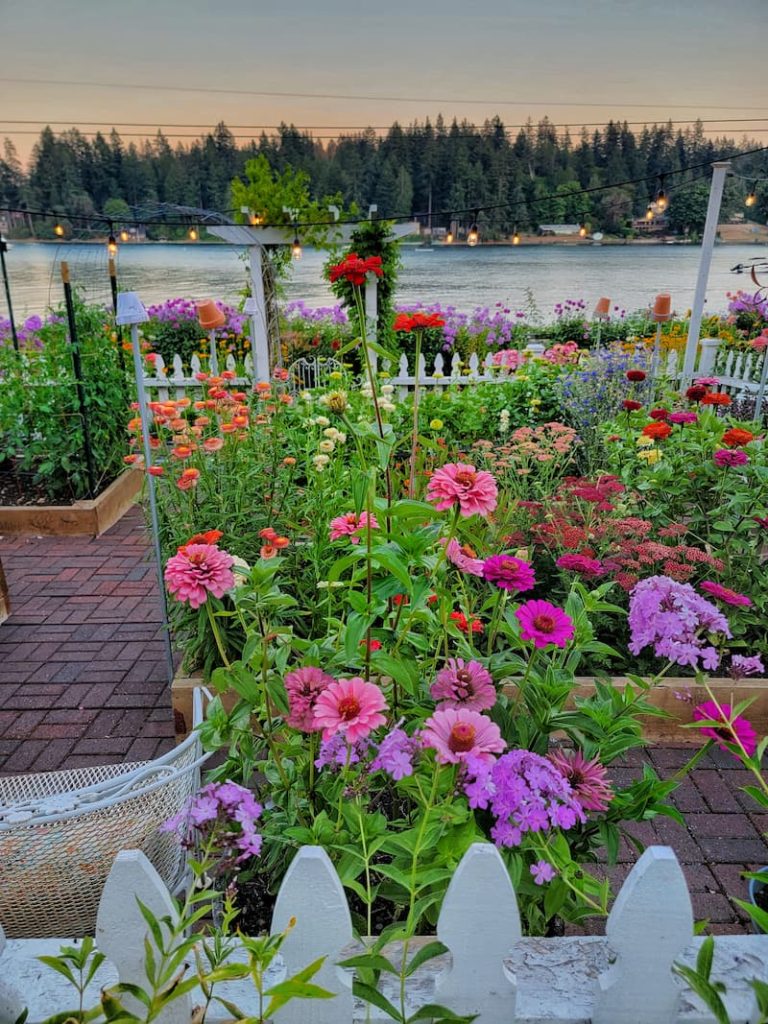
Choosing cut flower seeds each year feels a little like planning happiness ahead of time. Every packet holds the promise of color, fragrance, pollinators buzzing through the garden, and armfuls of flowers headed indoors all summer long.
Some of these blooms earn their keep by flowering nonstop, while others steal the show in arrangements, and a few are there to make the garden feel joyous when you walk through it with your morning coffee. Together, they create a cut flower garden that’s productive, beautiful, and endlessly inspiring.
Whether you’re growing your very first bouquet or adding a few new favorites to an established garden, I hope this seed collection gives you ideas, confidence, and plenty of excitement for the season ahead.
If you found this post helpful, share it with a fellow gardener who’s already dreaming of summer flowers, and if you have questions or favorite varieties of your own, I’d love to hear about them in the comments below.
Until next time,
Happy seed sowing!

I’m a self-taught hobby gardener. Everything I share on my blog is my opinion and what has worked for me.
MORE POSTS
For You To Enjoy
Follow Me for More Inspiration