
9 Tips For a Fabulous Flower Garden When Transitioning to Fall
A fall flower garden can be every bit as full and colorful as your summer one. The trick is knowing how to make that handoff between seasons: the right plants, a few design swaps, and some steady care through the shorter days. Do that, and your beds keep looming long past Labor Day.
I’ll be honest, this is the hardest stretch of the year for me. After all those hours last fall and this spring, the summer garden has paid me back every single morning. My iced latte and a slow walk through the cutting beds, then evenings out among the flowers while the light goes gold over the water. It’s the reward for the digging and the weeding and the waiting.
And then the days get shorter, the air turns crisp, and the garden starts whispering, “See you next year.”
Here’s the good news. Fall doesn’t have to be the end. A garden is like a good story, and autumn is just the next chapter. You need a few of the right plants and a handful of seasonal changes, and the whole thing keeps going.
As an Amazon affiliate, I earn a commission from qualifying purchases at no additional cost to you. My blog also features other affiliate links for your convenience. Click here to read my privacy policy.
How to Transition Your Garden to Fall
1. Replace Spent Summer Flowers With Fall Perennials
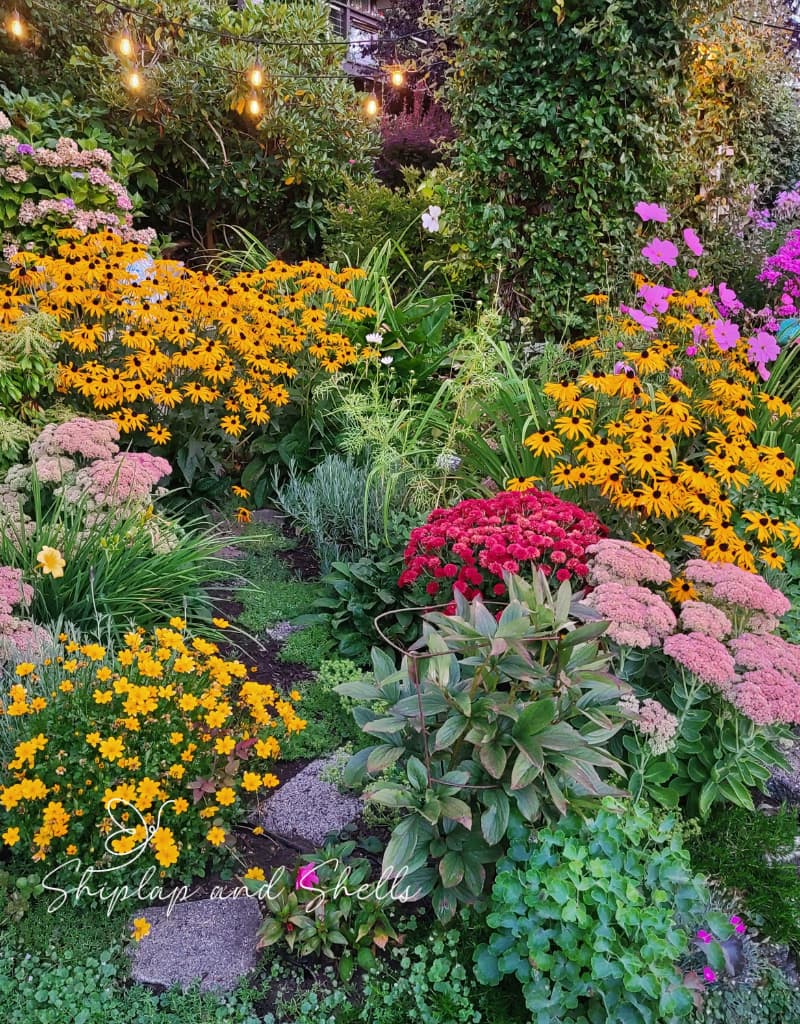
When your summer annuals fizzle, swap them for fall-blooming perennials that shrug off cooler nights and shorter days. A few of my go-to favorites:
One thing I’ve learned the hard way: check your hardiness zone before the plant so you know what will actually survive your winter. I garden in Zone 8b, so I choose accordingly. What thrives here may not make it a few zones colder.
A Quick note about my garden
Most of the flowers I share here are grown from seed in our greenhouse and planted in raised beds and containers throughout our cottage garden.
2. Fill Gaps With Cool-Season Annuals
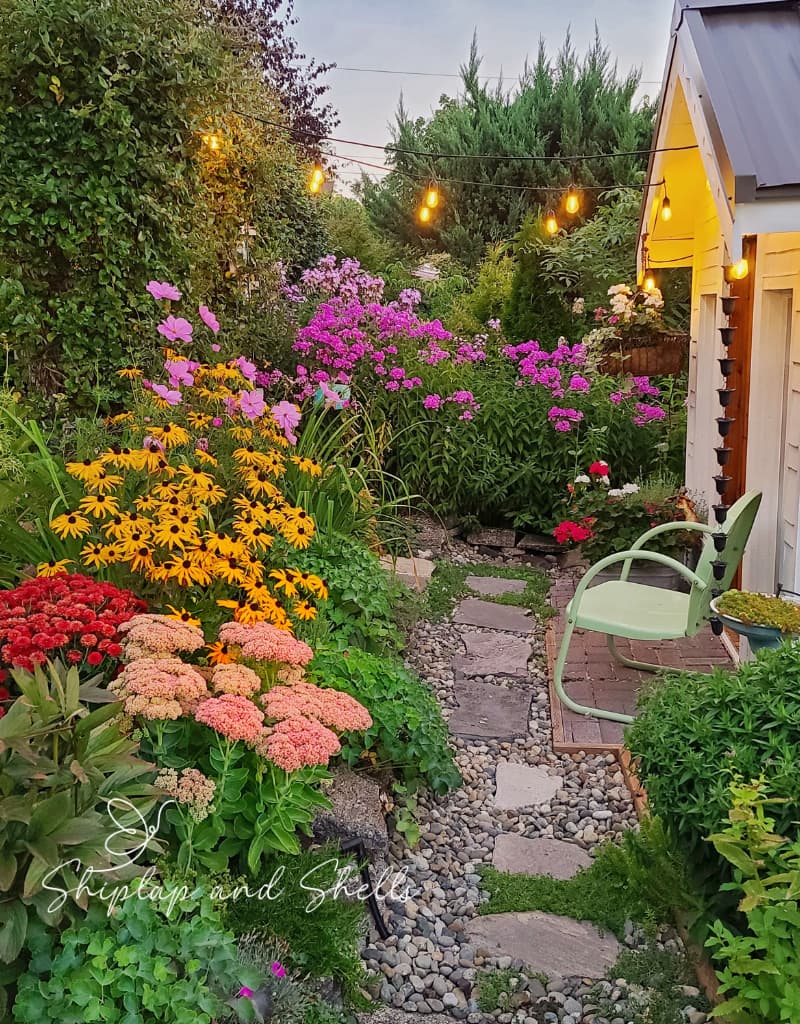
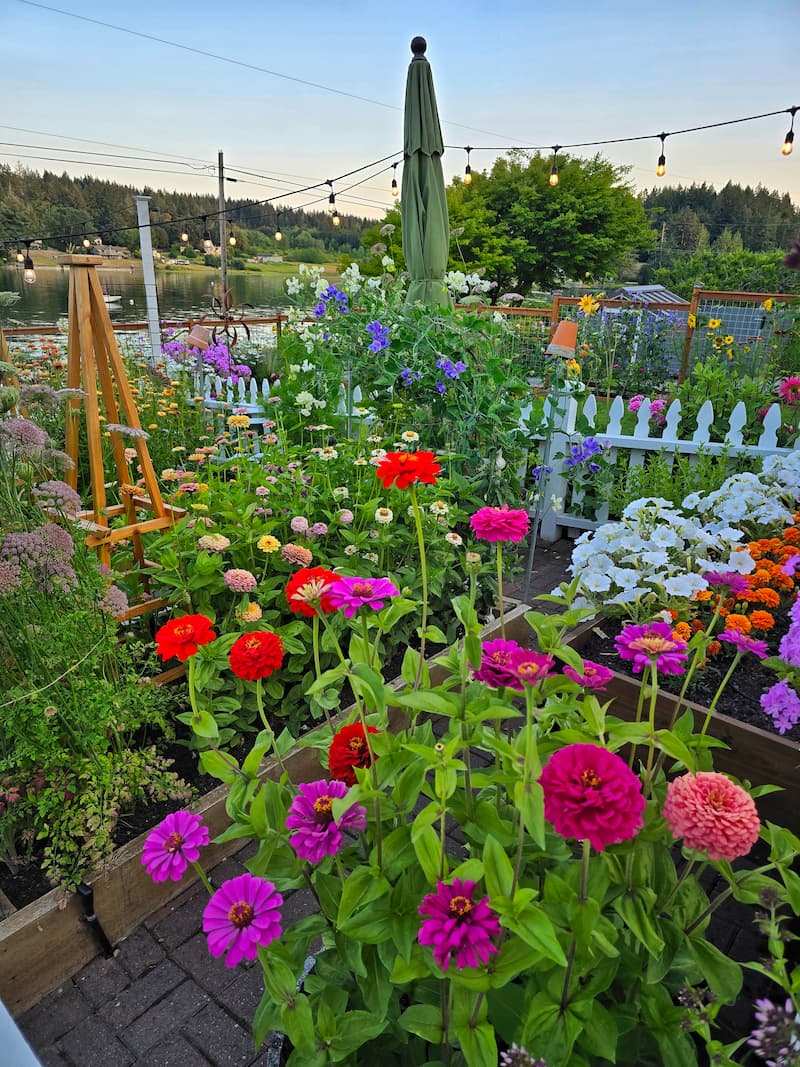
Perennials do the heavy lifting, but cool-season annuals fill the bare spots left by fading summer blooms. When I’m mapping out my cut flower garden in spring, I always leave room for annuals that will carry me right up to the first frost.
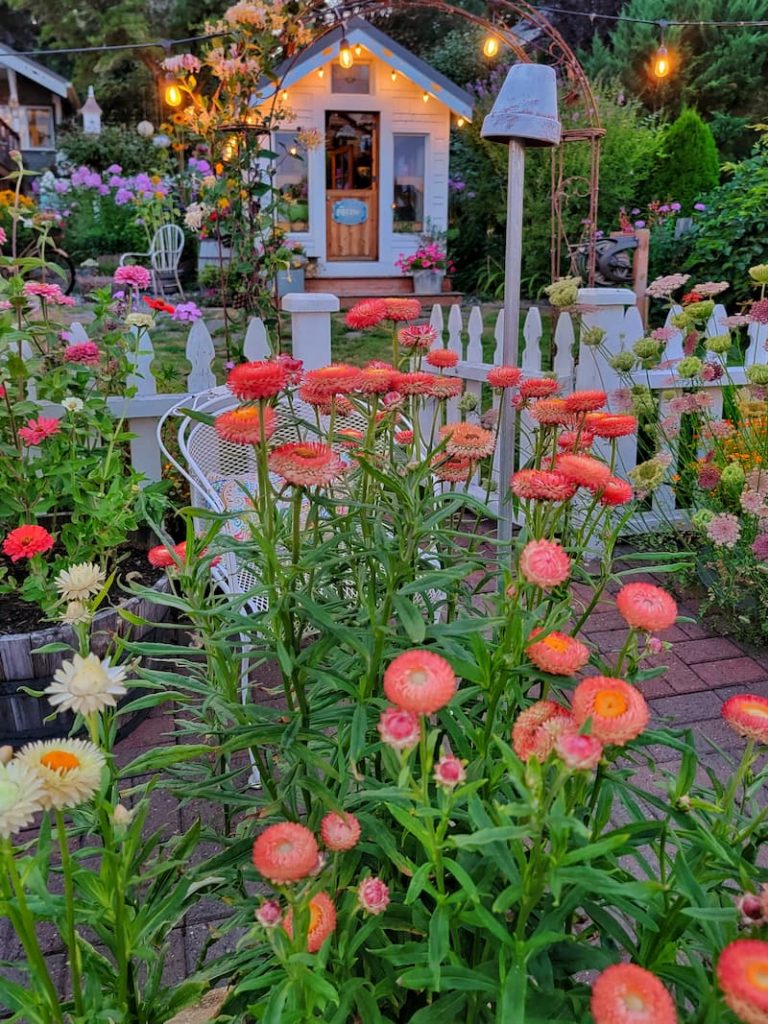
This year my cutting beds are full of:
They’ll keep the garden colorful well into October, and half of them end up in a vase on my kitchen counter.
3. Add Fall Annuals and Ornamentals to Containers
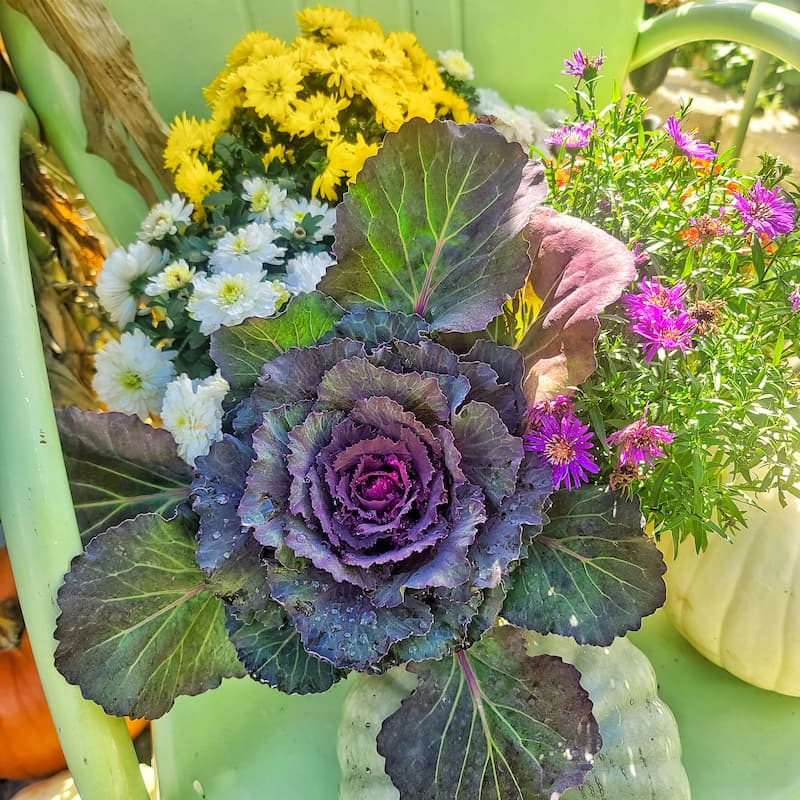
When the beds start looking tired, I turn to pots and containers for instant color. It’s the fastest fix I know.
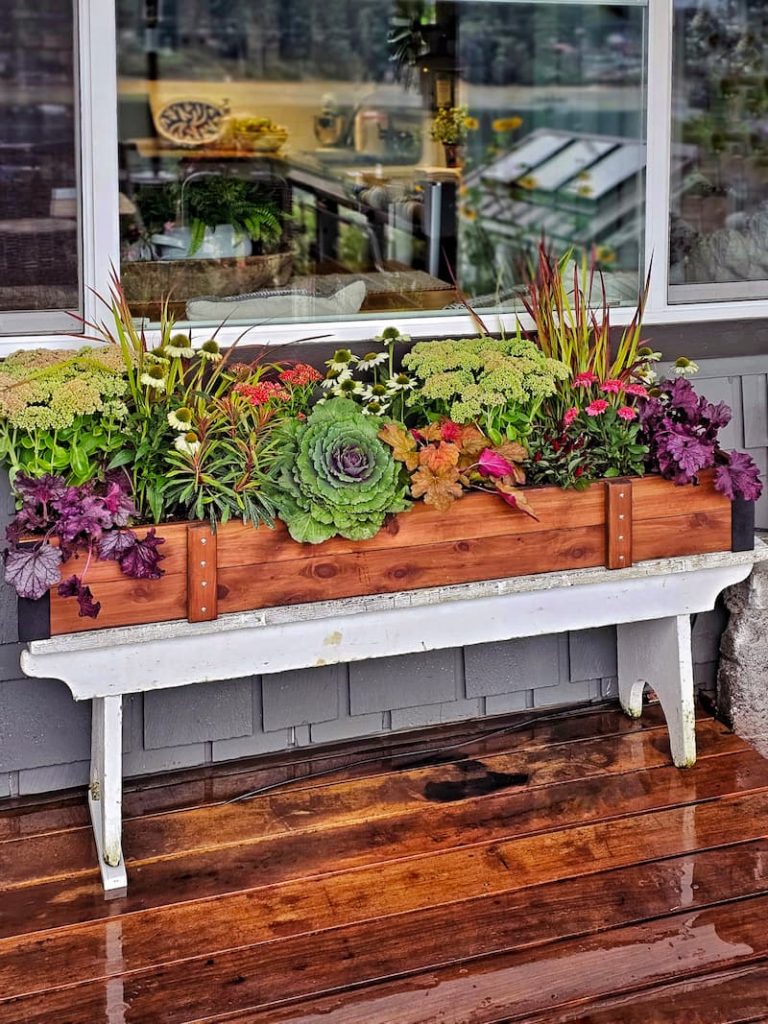
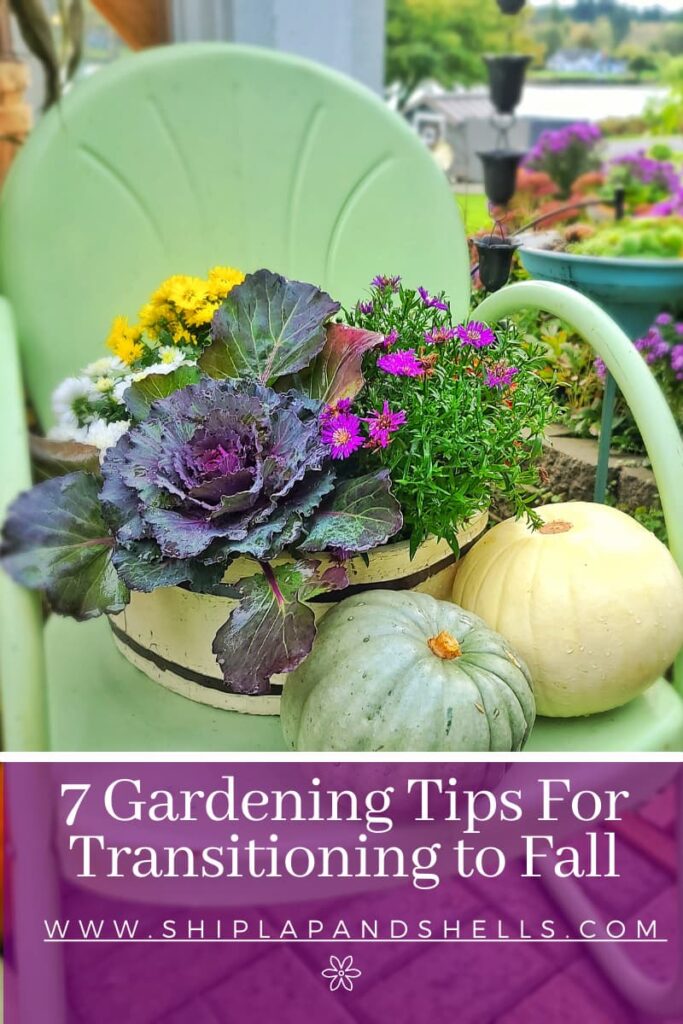
Pull the spent petunias and marigolds, and swap in fall favorites: pansies, violas, and ornamental kale or cabbage. They handle a chill without blinking, and the kale actually gets prettier as the nights get colder.
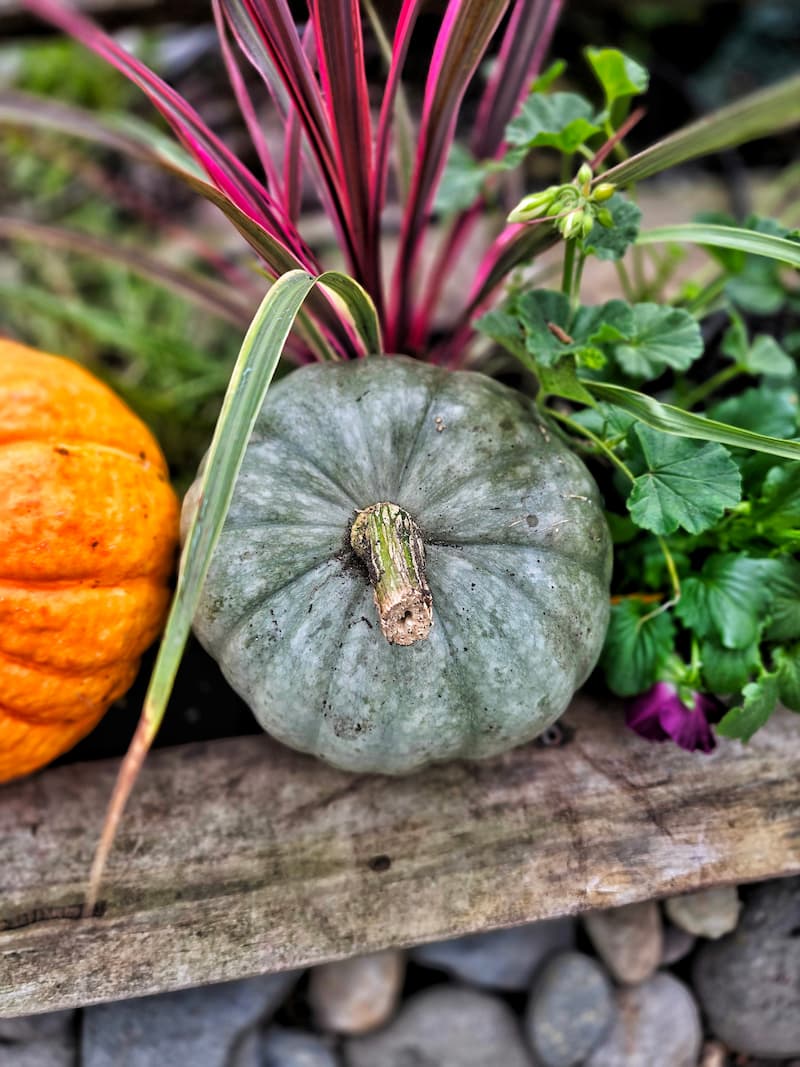
Don’t be afraid to mix in a few non-flowering elements either. A small pumpkin tucked into a container makes it feel fuller, cozier, and unmistakably fall. It’s a two-minute trick that reads like effort.
4. Create Areas of Interest Around the Garden
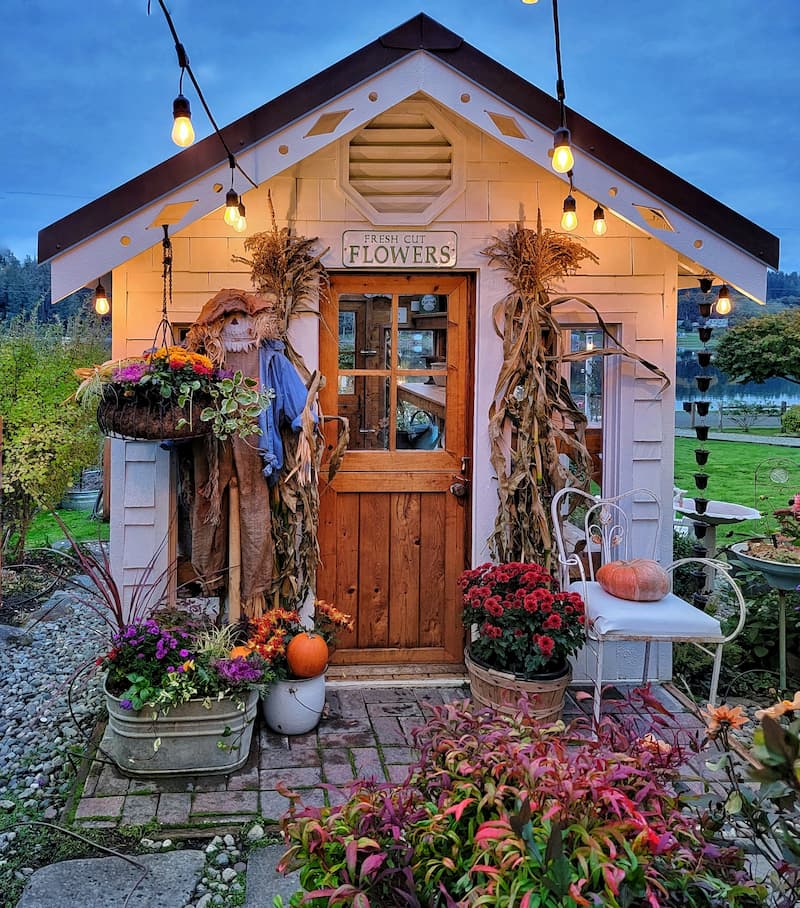
Fall is the season to give your outdoor space a little personality. A few seasonal touches go a long way:
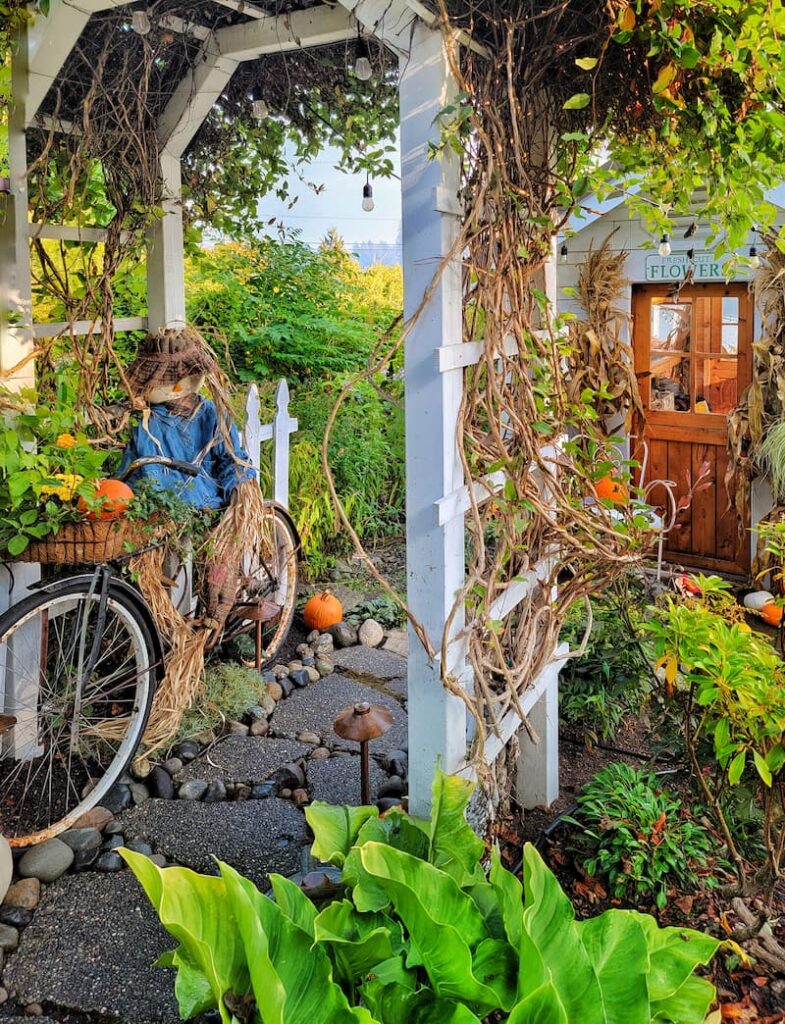
These are the small moments of charm that make an autumn garden feel cared for, not just left to fade.
Let’s Plan Your Dream Garden With Our
Gardening Planner
Unlock Your Garden’s Potential.
Our 35-page Ultimate Garden Planner is designed to help you organize, track, and flourish in your gardening endeavors.
Get yours for $4.99
5. Update Your Porch for Fall
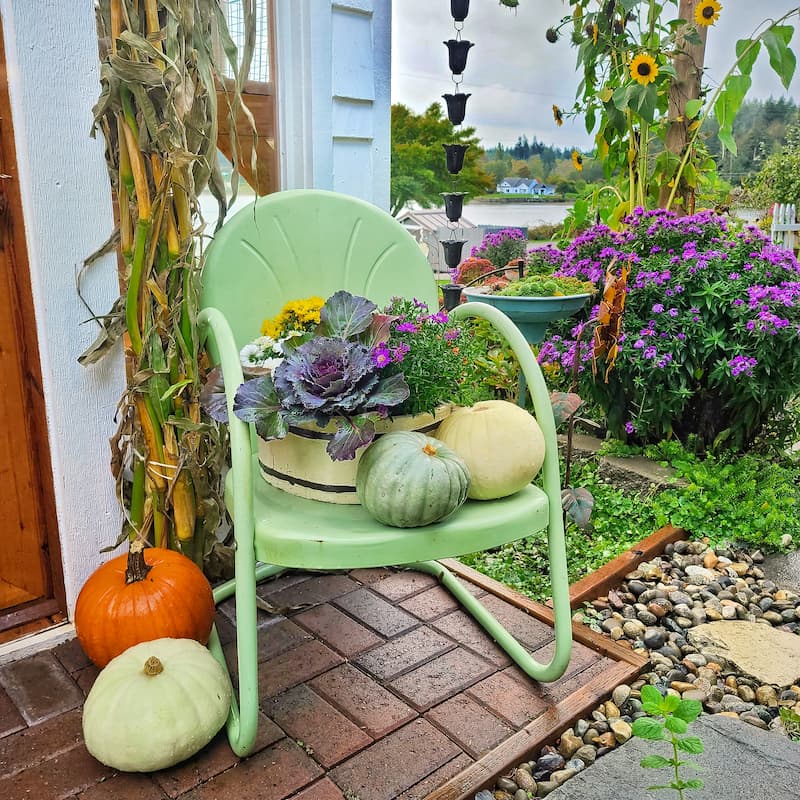
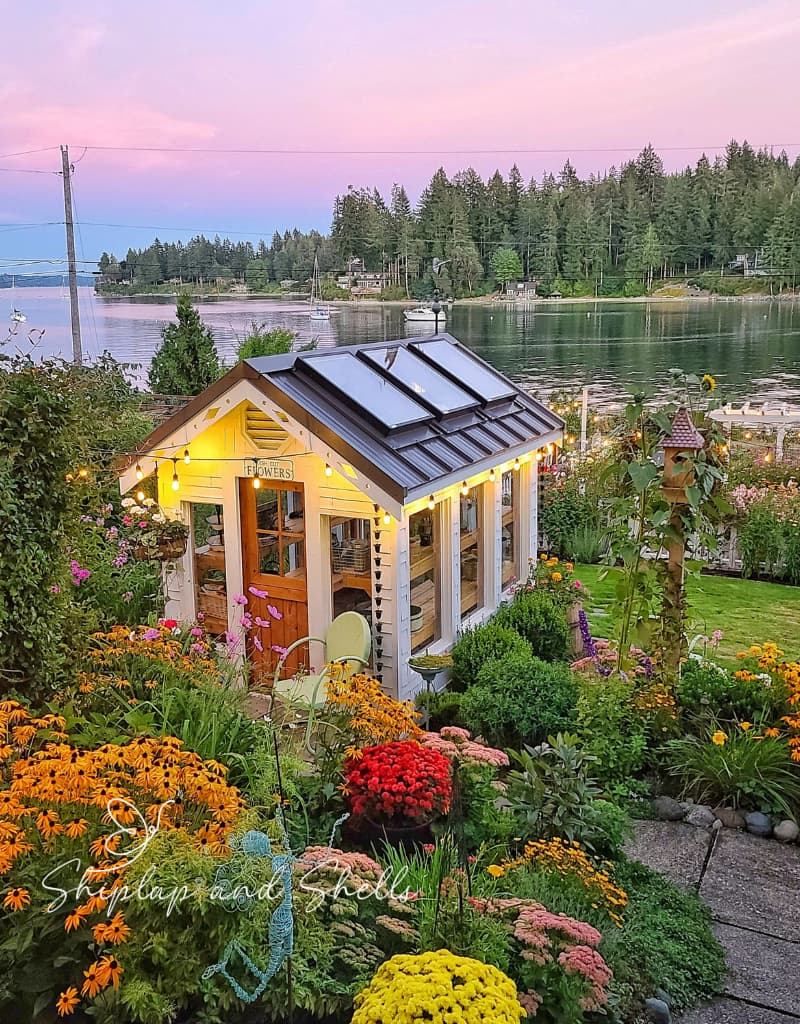
I don’t have a traditional front porch, but the greenhouse porch fills in beautifully this time of year. A few easy updates:
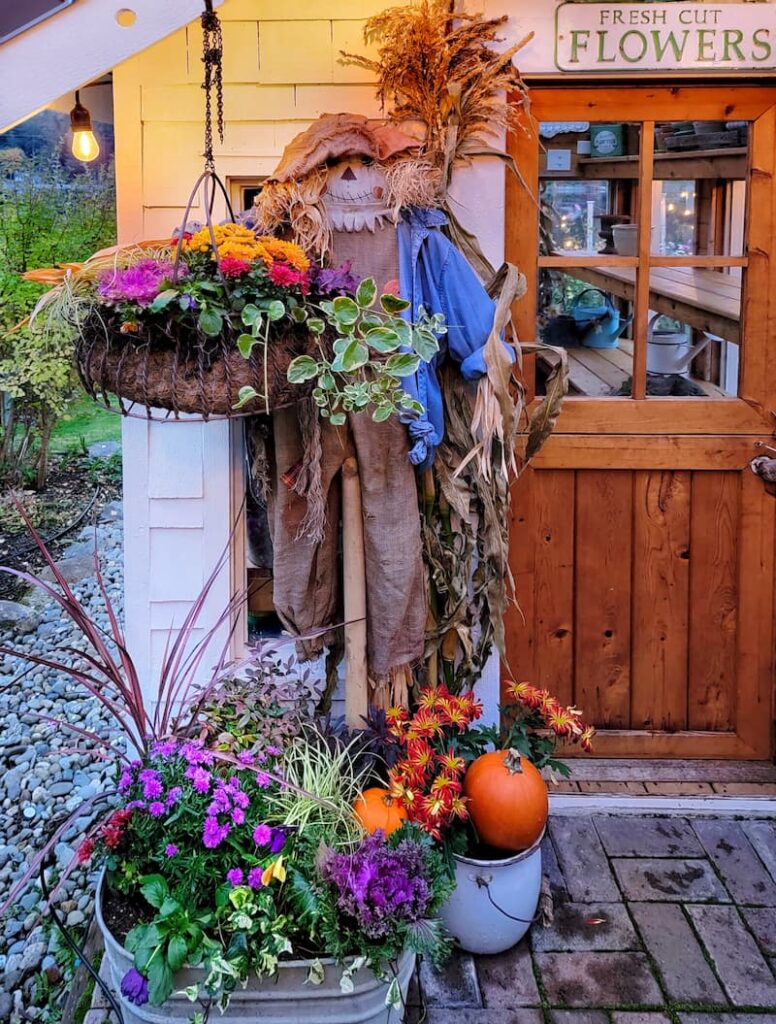
Even a tiny porch, or no porch at all, can hold a welcoming display. Work with whatever square footage you’ve got.
6. Keep Watering Through Fall
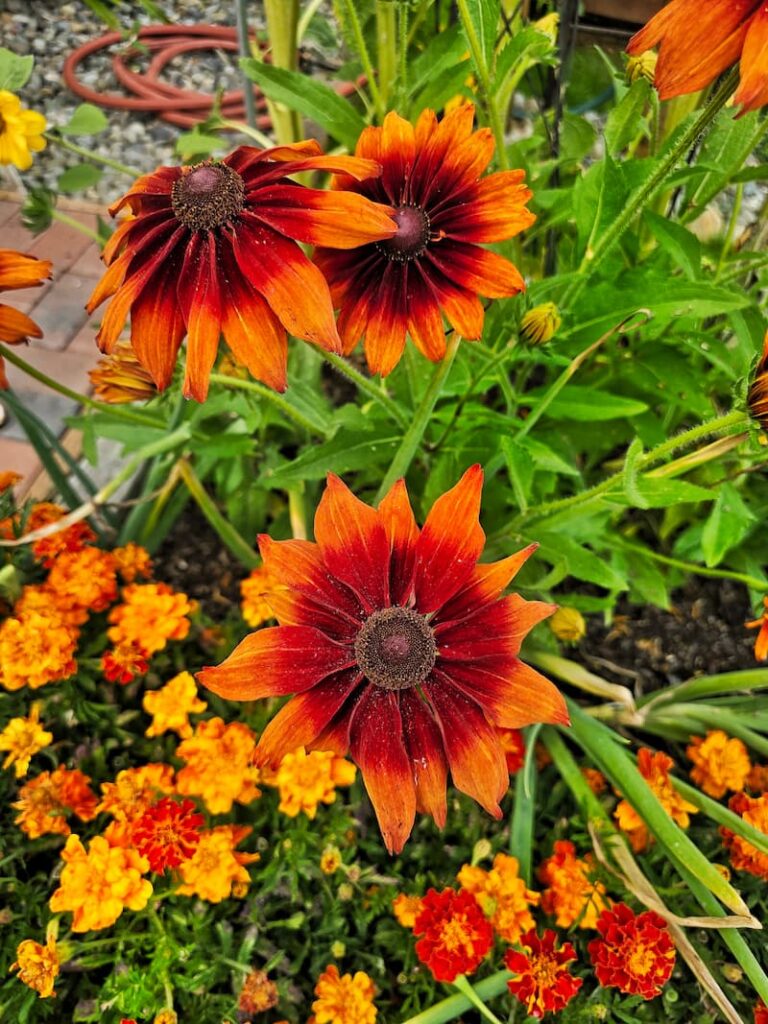
Cooler weather doesn’t let your garden off the hook. New plantings, especially anything in a container, need steady moisture until the roots take hold. Even established perennials want a drink when the rain goes quiet. I keep watering until the ground freezes.
Nothing sours a gardener’s mood faster than losing a favorite plant over winter simply because it went thirsty in October. I’d rather run the hose one more week than be sorry come spring.
7. Keep Up With Garden Maintenance
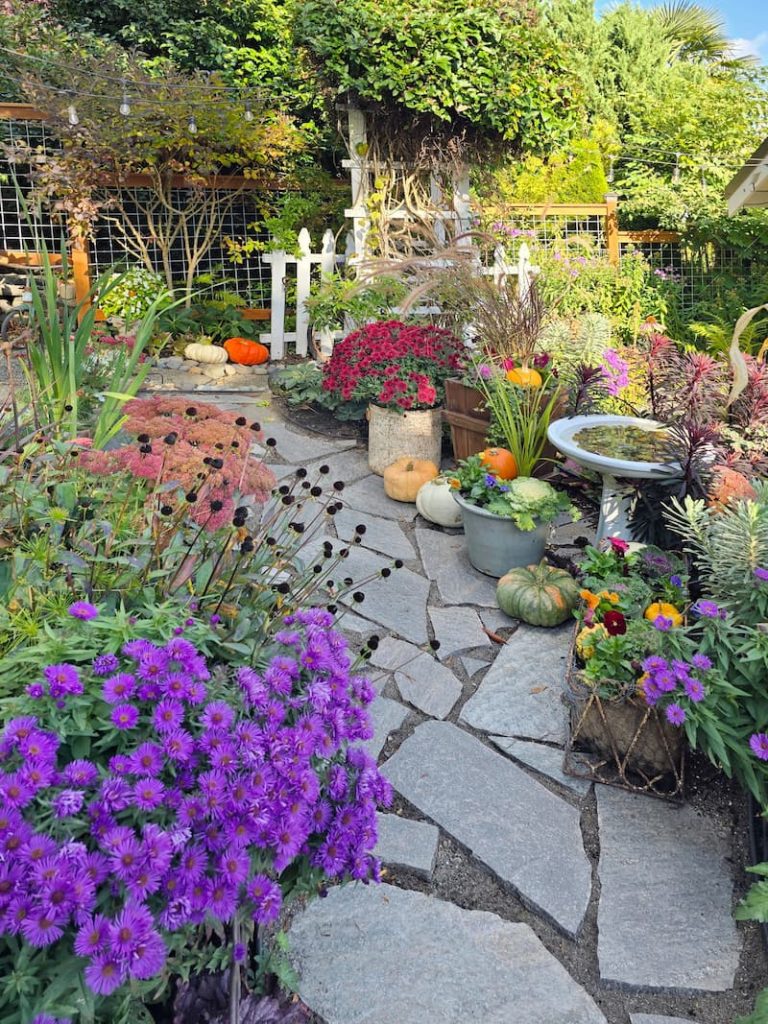
The more you tend the garden now, the happier it’ll be in spring. A little fall maintenance helps keep things tidy and heads off problems down the road. On my task list right now:
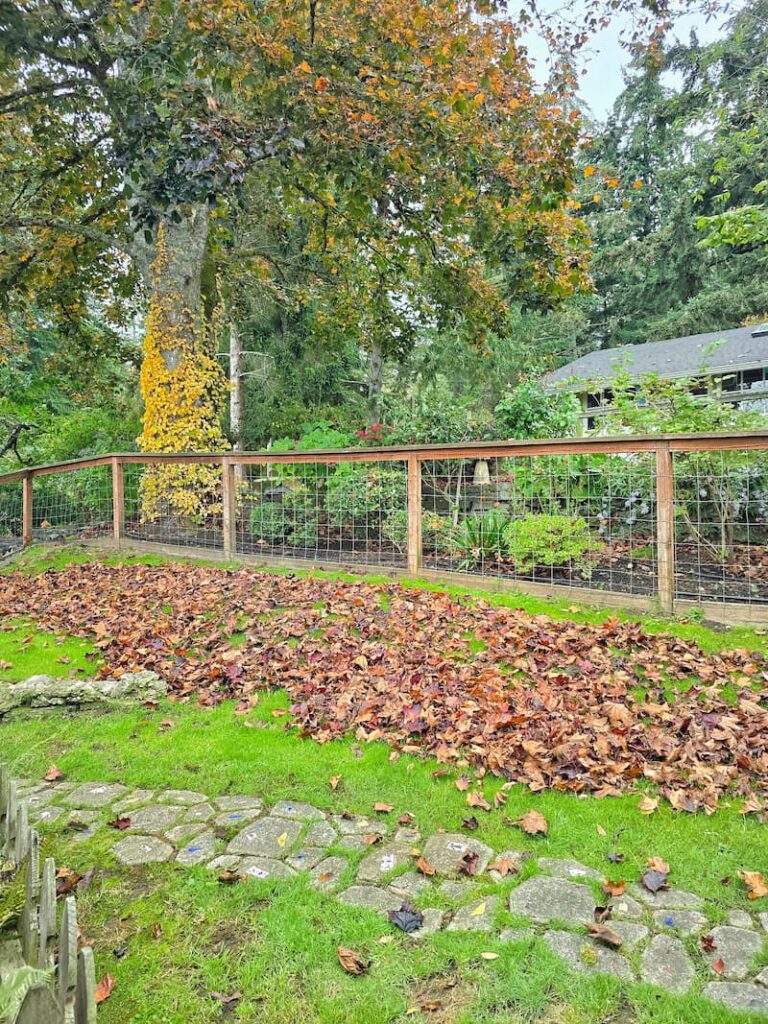
Think of it as tucking the garden in before winter. The small jobs now save you the big ones later.
8. Add Lighting for Shorter Days
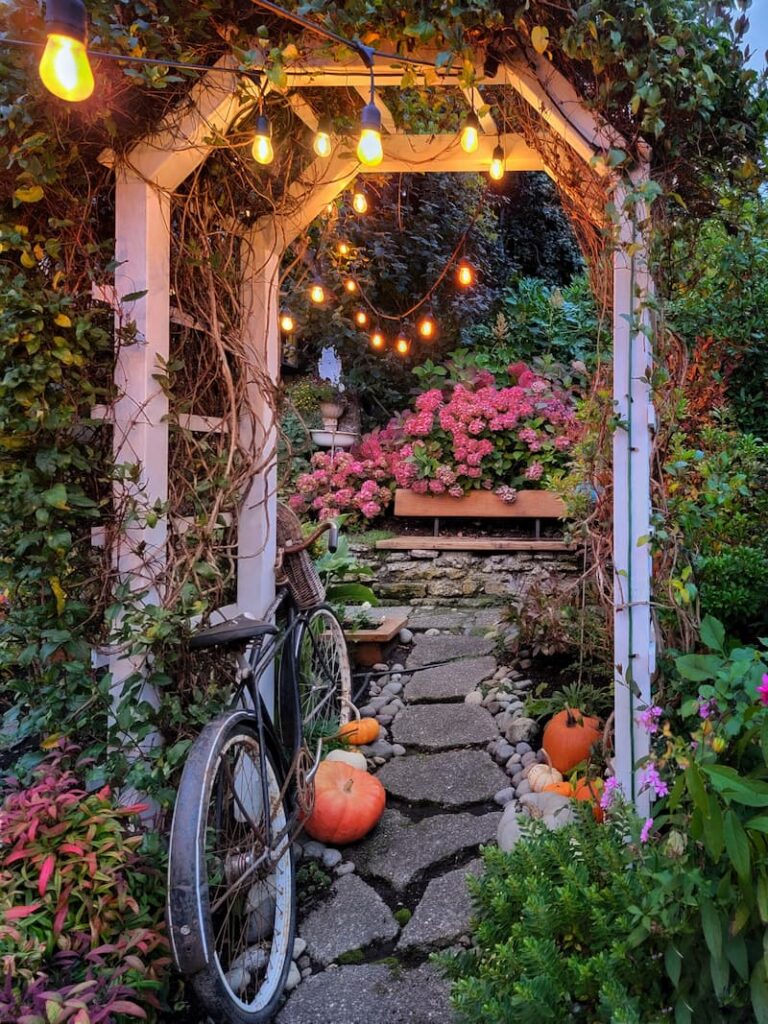
Once the light starts fading by late afternoon, a little glow goes a long way. String bistro lights through an arbor, line a path with solar lanterns, or drop a few battery candles into lanterns for the deck. It stretches those cozy autumn evenings out just a bit longer, which is exactly when I don’t want to go inside yet.
Garden Supplies and Tools
Check out my favorite garden supplies and tools for the growing season. Whether you’re looking for potting soil or deer repellent, you’ll find what I use in my own garden.
9. Bring the Garden Indoors
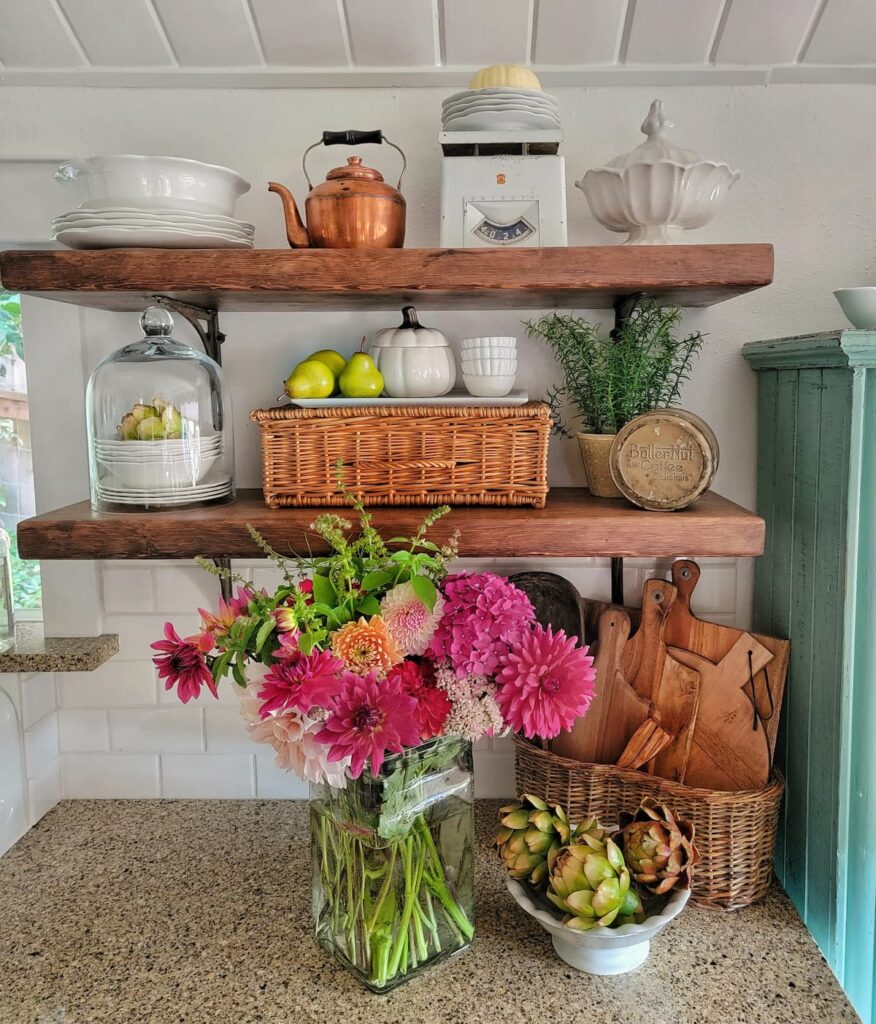
When frost finally shows up in the forecast, go out and cut a few last bouquets. Dahlias, zinnias, and late-season cosmos look gorgeous in a fall arrangement mixed with branches, berries, and seed pods.
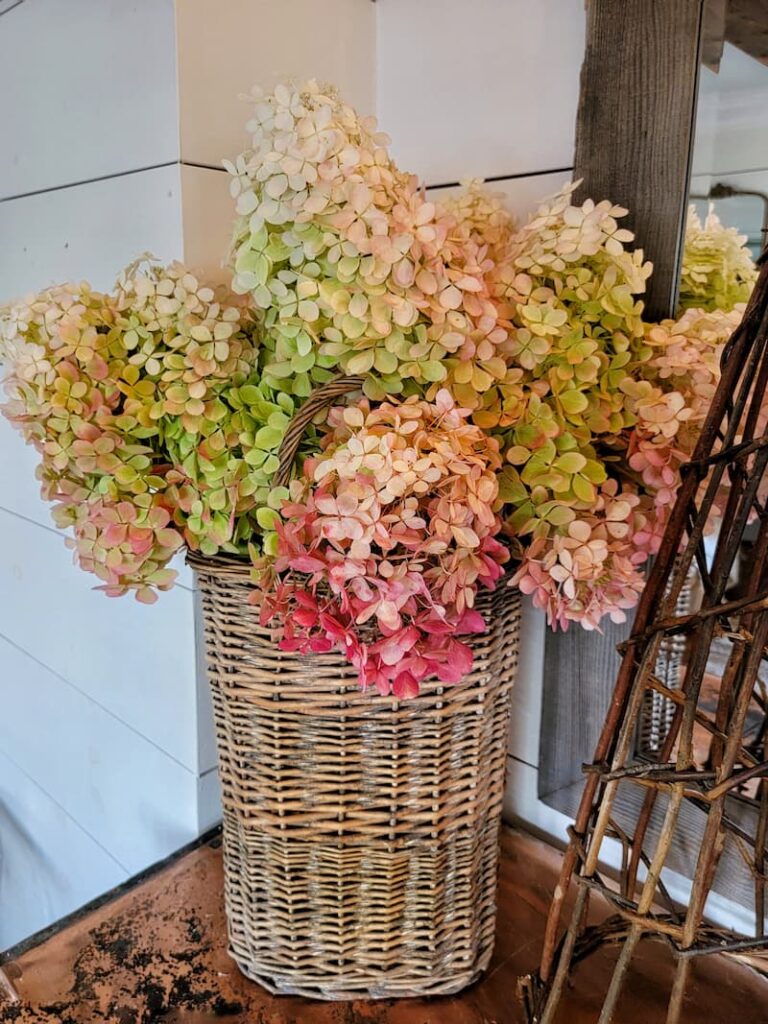
You can also dry flowers like hydrangeas and strawflowers so little of the garden lasts all winter on a shelf or in a basket. It’s my favorite way to hold onto the season a while longer.
Fall Garden FAQs
Start when your summer annuals begin to fade, and nighttime temperatures start dropping, usually late August into September in the Pacific Northwest. Swapping in fall perennials and cool-season annuals then gives them time to settle in and bloom before the first hard frost.
Sedum ‘Autumn Joy’, black-eyed Susans, asters, Japanese anemones, and mums carry the perennial side. On the annual side, cosmos, strawflower, globe amaranth, pansies, and violas all keep going well into fall, some right up to a hard frost.
Yes. New plantings and containers need consistent moisture until their roots are established, and established perennials still want water when rain is scarce. Keep watering until the ground freezes to avoid losing plants over winter.
Pull weeds before they seed, remove diseased or pest-infested plants, rake and compost or shred leaves for mulch, and divide overgrown perennials while the soil is still warm. These few jobs now mean a healthier, tidier garden in spring.
Absolutely. Pansies, violas, and ornamental kale or cabbage thrive in cool weather and give you instant color. Tuck in a small pumpkin or two and the container instantly reads as fall.
Final Thoughts On Transitioning Your Garden to Fall
Fall isn’t the end of the story for your garden. It’s a new chapter with its own colors and its own kind of charm. With a few simple swaps and the right plants, you’ll have a flower garden that keeps giving long after summer says goodbye.
If you have a favorite trick for keeping the garden going into fall, leave it in the comments. I always love hearing what’s working in other gardens. And pass this along to a fellow gardener who could use a little autumn inspiration.
Until next time,
Happy Gardening!

I’m a self-taught hobby gardener. Everything I share on my blog is my opinion and what has worked for me.
MORE POSTS
For You To Enjoy
Follow Me for More Inspiration


Kim,
I’m hoping to add so of these suggestions. Thanks for sharing.