Must-Have Mid-Summer Flowers for the Cottage Garden
Late July hits and the garden shifts. Spring’s soft pastels are long gone, and suddenly everything is bold, full-tilt, and racing toward fall. This is the stretch I love the most.
Our Pacific Northwest garden peaks in late July and into August, and midsummer is when the cut-flower beds are the most beautiful. If things are looking a little tired in your garden right now, these are the flowers worth planting more of… the ones that handle heat, keep blooming without much fuss, and look great in a vase.
Here are my tried-and-true picks for midsummer color, including several that are staples in my cut flower garden every year.
As an Amazon affiliate, I earn a commission from qualifying purchases at no additional cost to you. My blog also contains other affiliate links for your convenience. Click here to read my privacy policy.
Why Mid-Summer Flower Blooms
There’s a gap that happens in a lot of gardens around June or early July. Spring bulbs are finished, fall perennials aren’t there yet, and if you haven’t planned for it, things can look sparse at exactly the moment summer really gets going. These flowers close the gap and carry the garden through to frost.
A Quick note about my garden
Most of the flowers I share here are grown from seed in our greenhouse and planted in raised beds and containers throughout our cottage garden.
My Favorite Mid-Summer Flowers
Dahlias
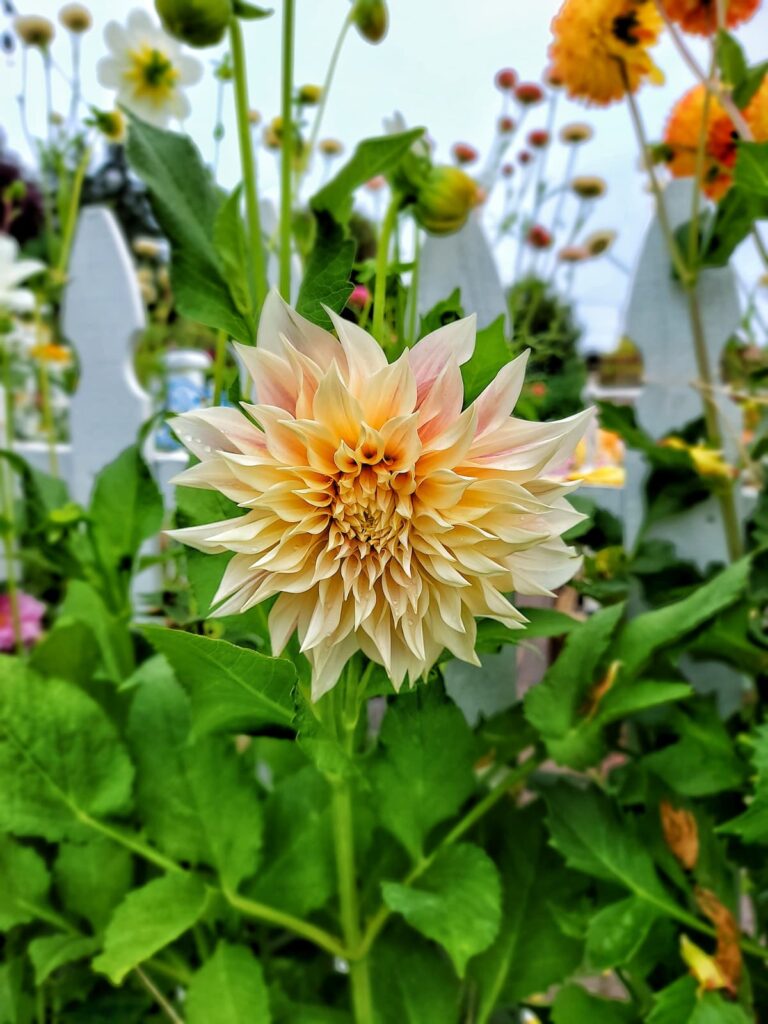
If I had to pick one flower that defines midsummer to me, it’s dahlias. I grow everything from small pompons to dinner-plate varieties, and they bloom from midsummer right through the first frost. The color range is ridiculous. You’ll never run out of combinations to try.
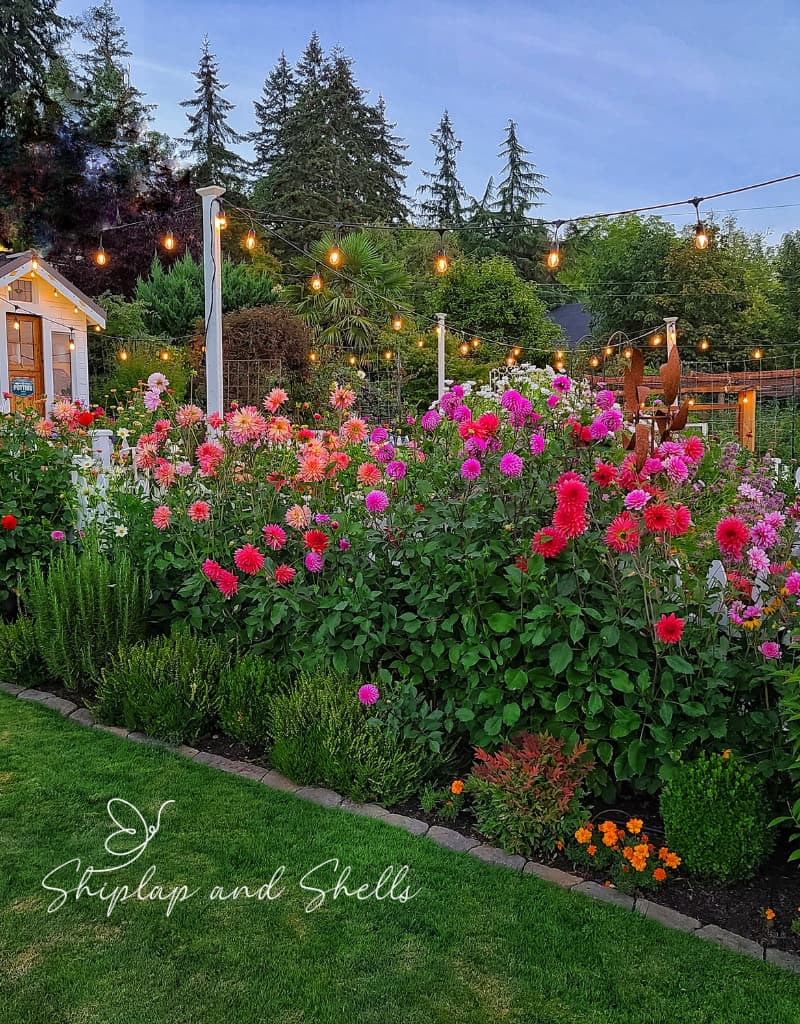
I use corral staking to keep the tall ones upright, and I leave my tubers in the ground year-round with a good layer of mulch over the top. In Zone 8b, that works fine. If you’re in a colder zone, you’ll want to dig and store them.
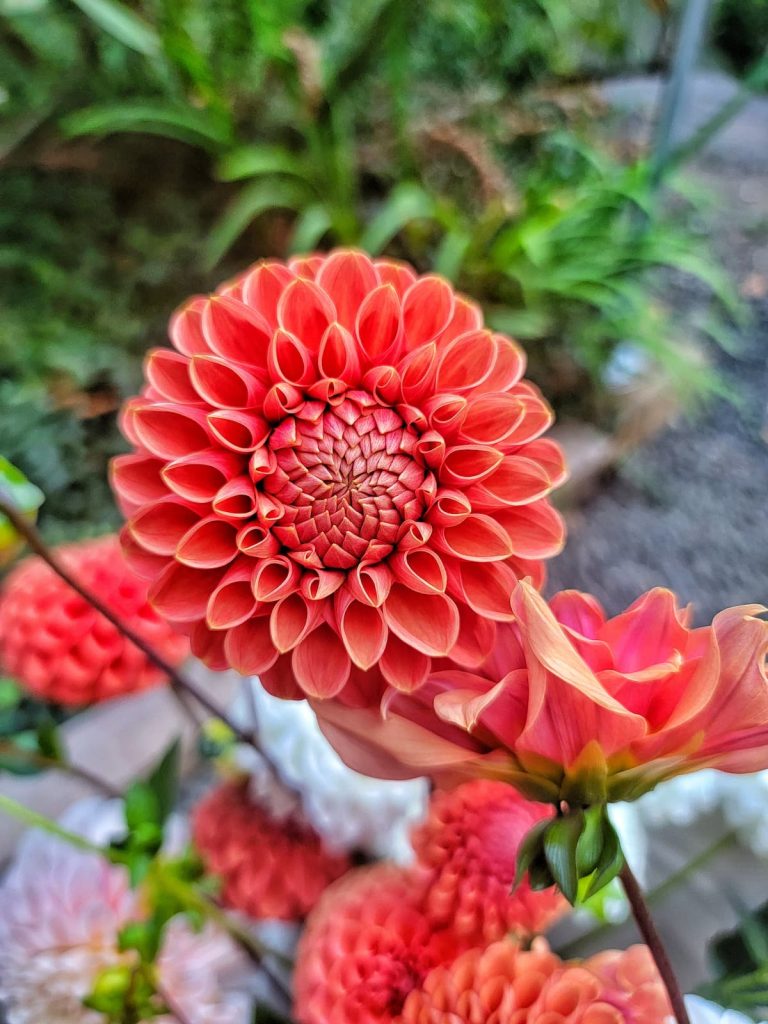
Care tip: Full sun, rich soil, and regular deep watering. Stake early before they need it, not after they’ve flopped.
Shasta Daisies
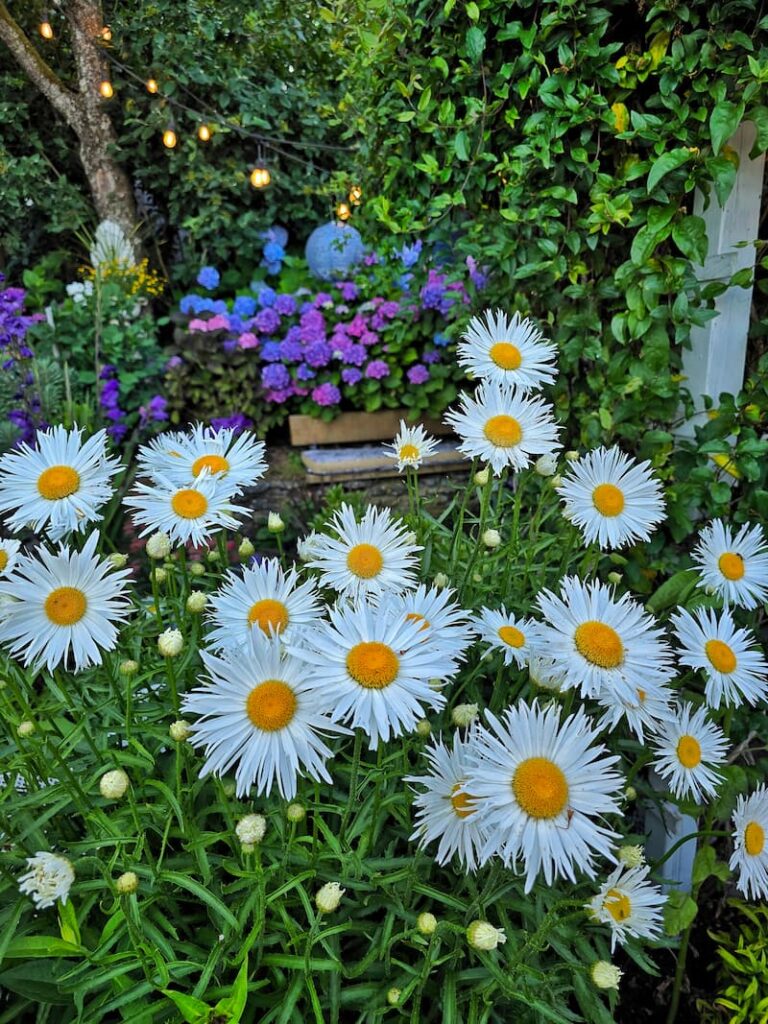
These are some of the earliest midsummer bloomers in my garden, and they’re the kind of dependable perennial you stop worrying about.
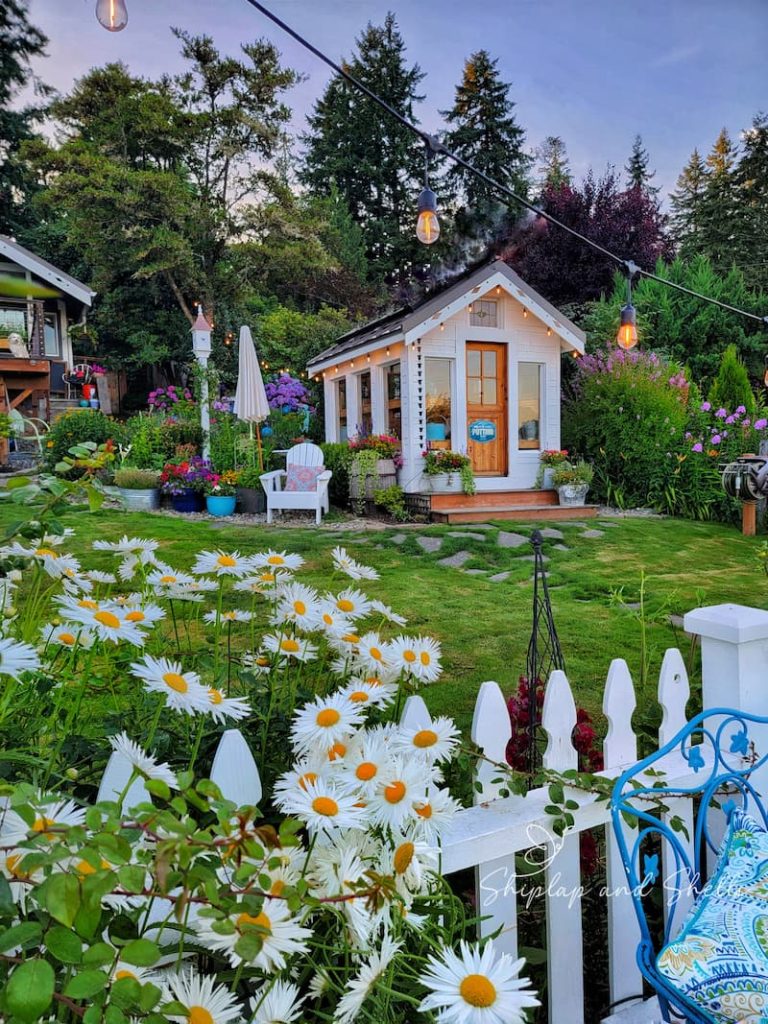
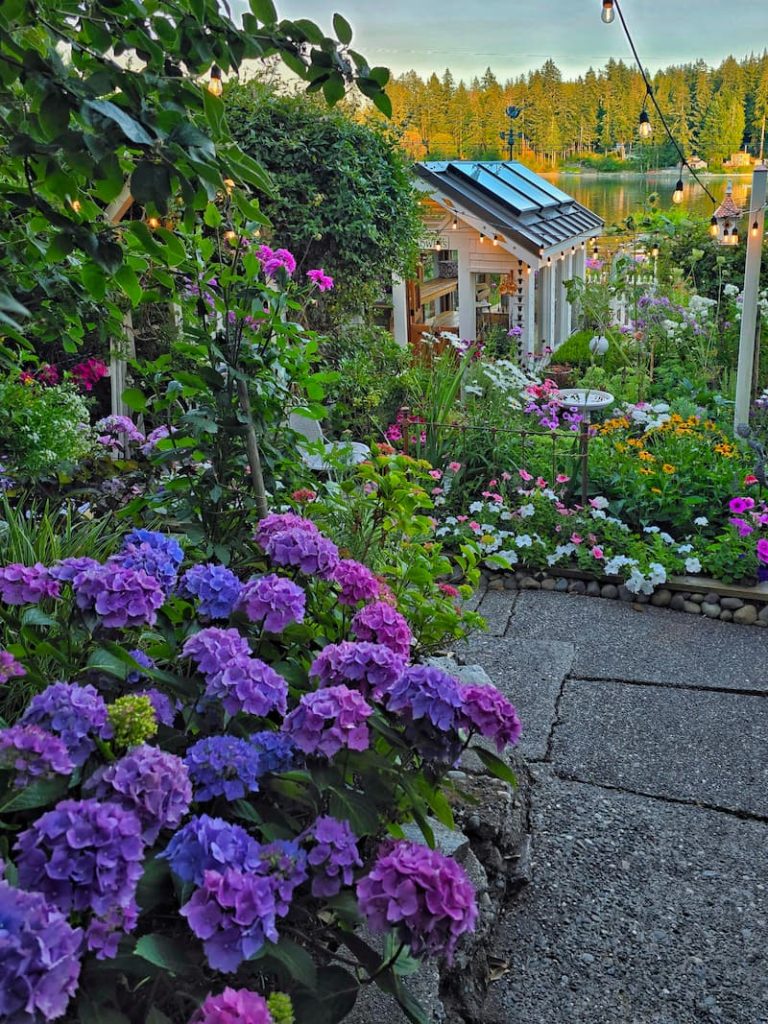
White petals, sunny yellow centers, and they pair with everything. I especially love them next to the hydrangeas.
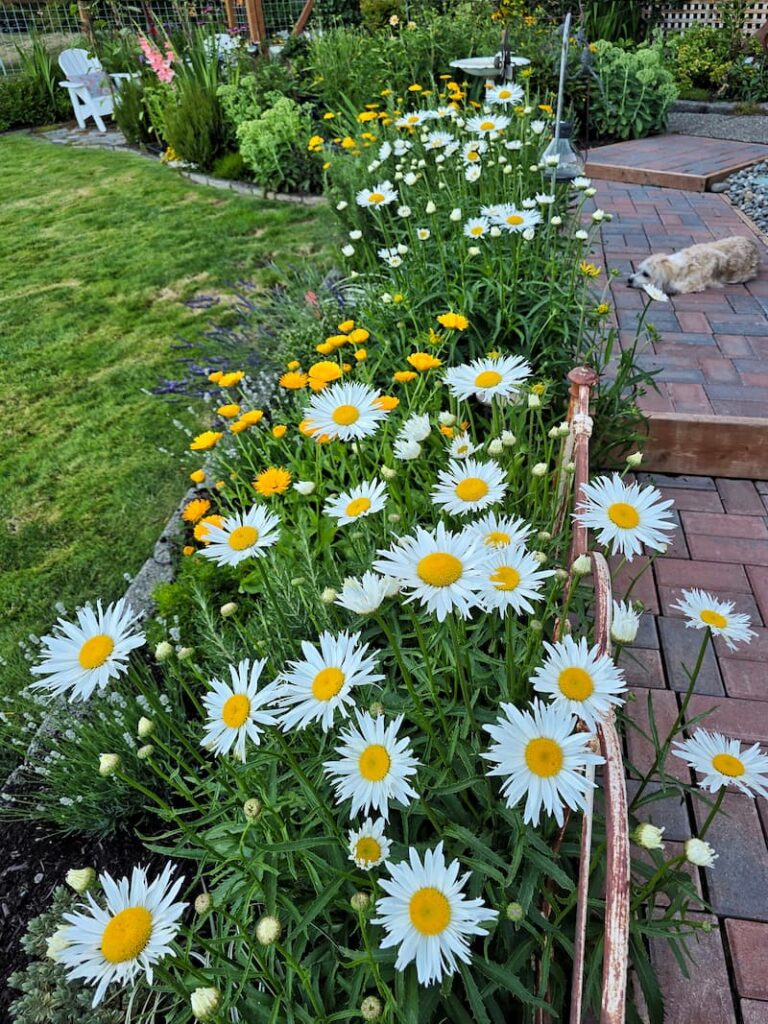
Care Tip: Deadhead regularly. That’s really all they need. They bloom from late June into August in Zone 8b.
Coneflowers (Echinacea)
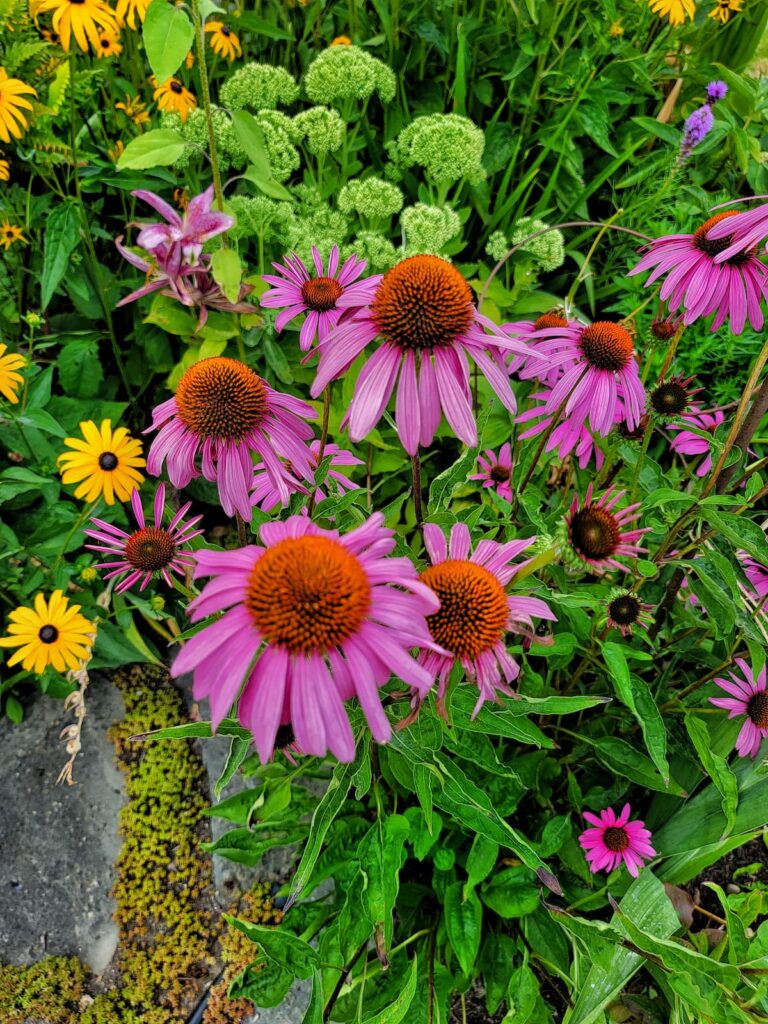
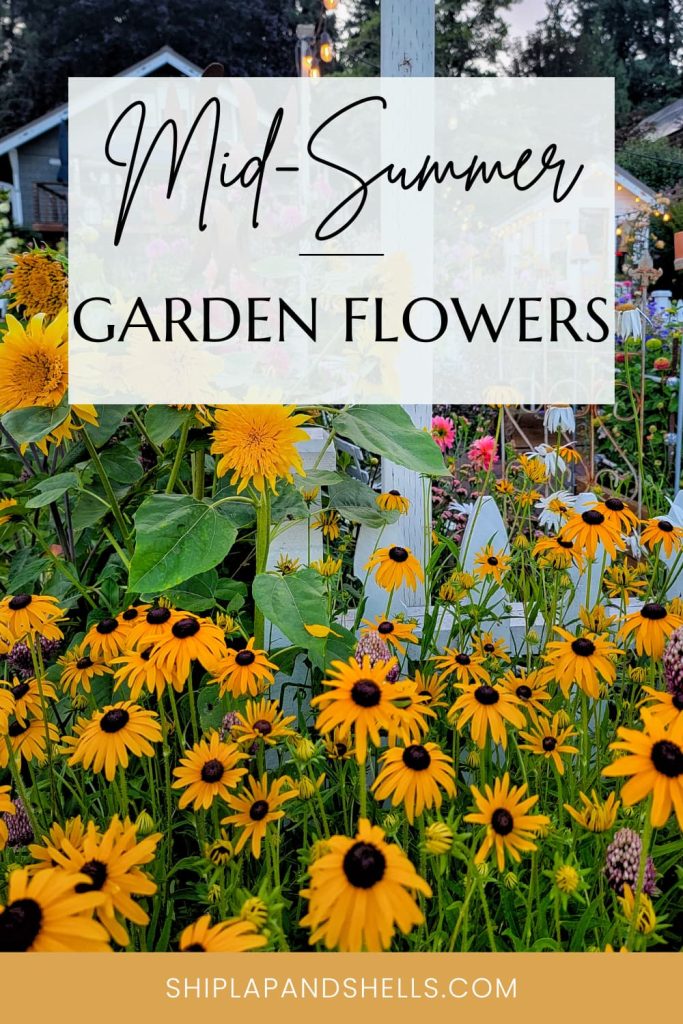
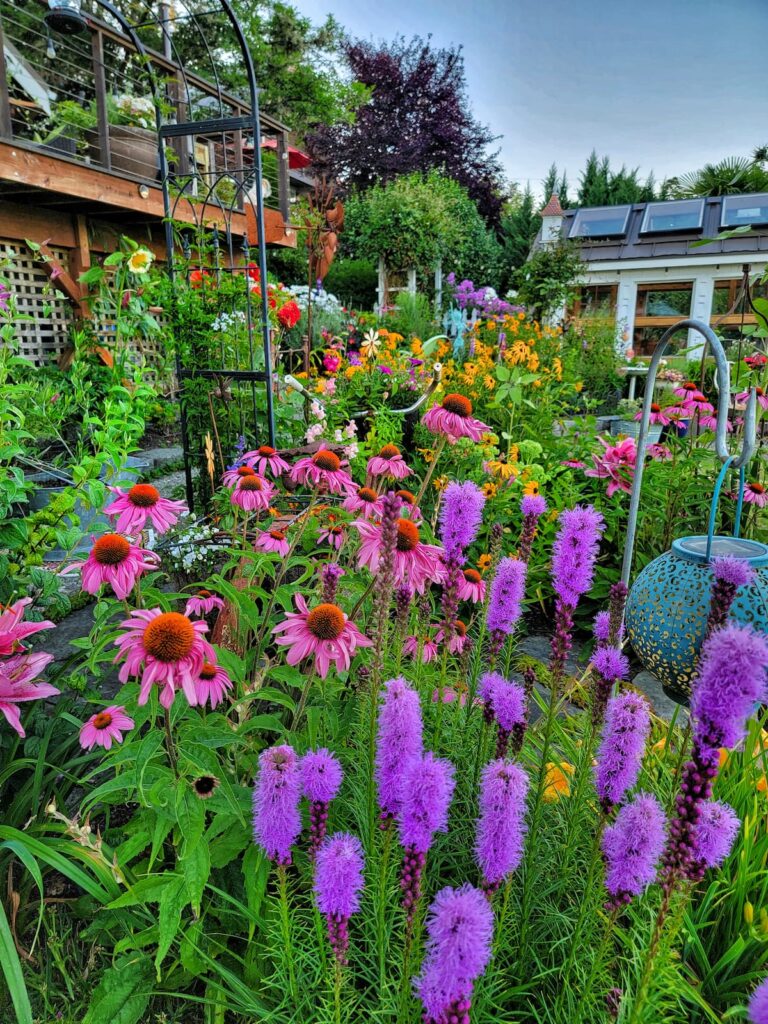
Coneflowers have become a cottage garden staple for good reason. They’re tough, they bloom from midsummer to frost, and every bee in the neighborhood finds them.
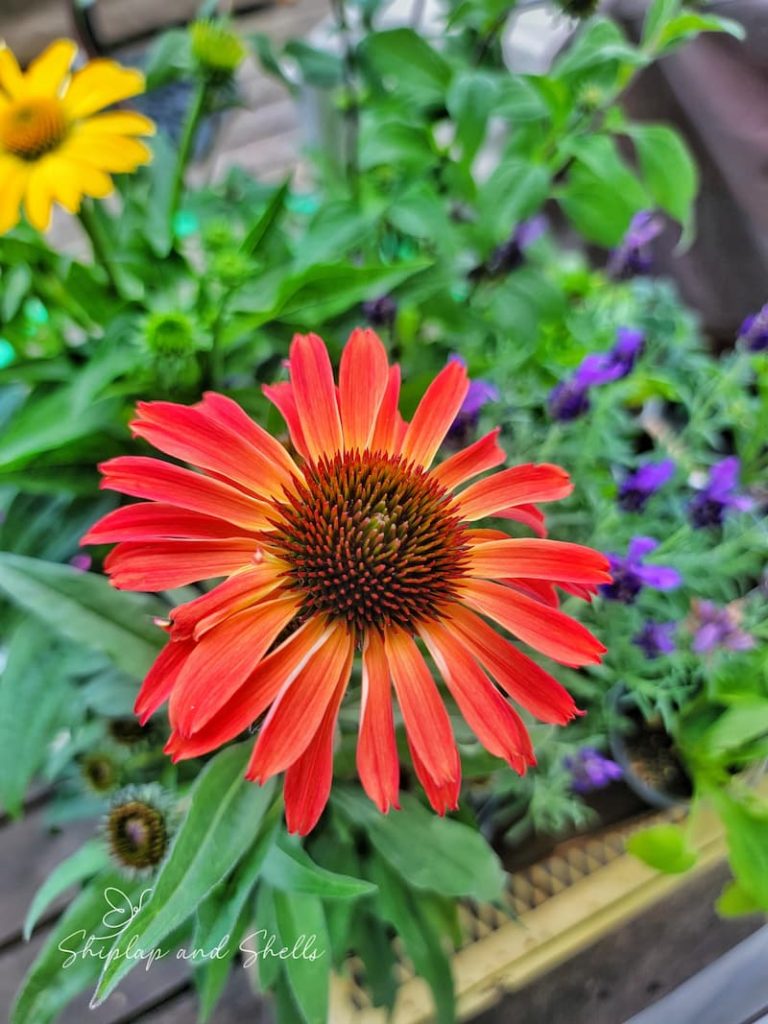
I grow the classic purple, but the newer varieties and orange, white, and deep rose are worth trying too.
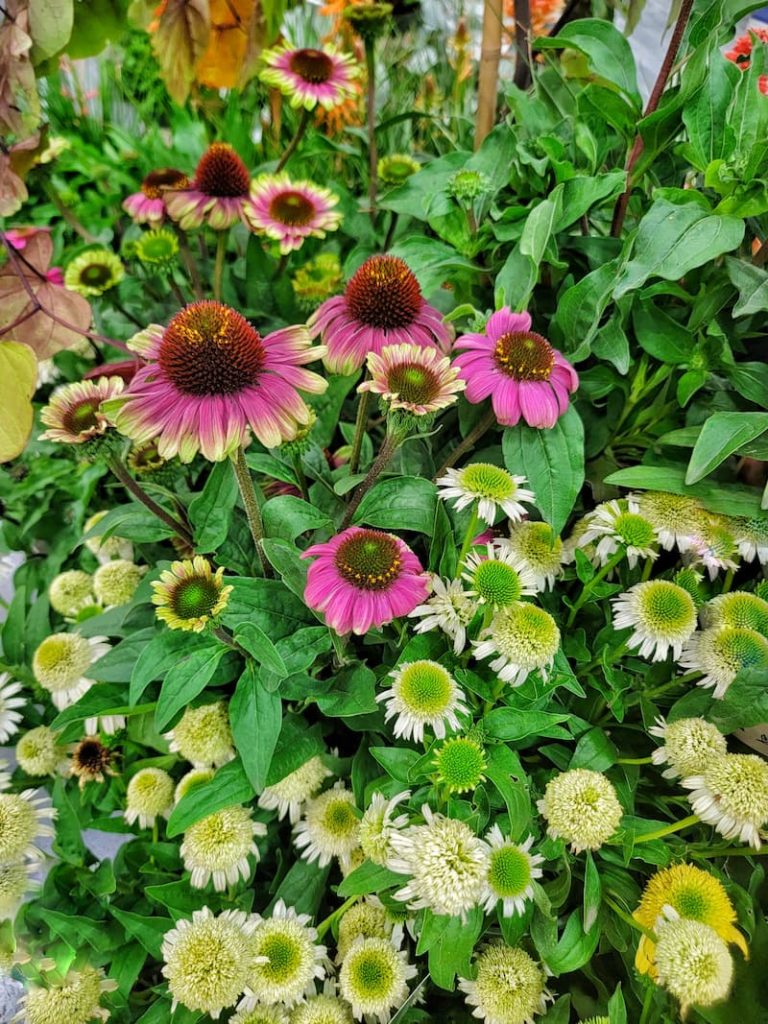
Care tip: Don’t pamper them. Lean soil, full sun, minimal water once established. Rich soil actually makes them floppy.
Black-Eyed Susans (Rudbeckia)
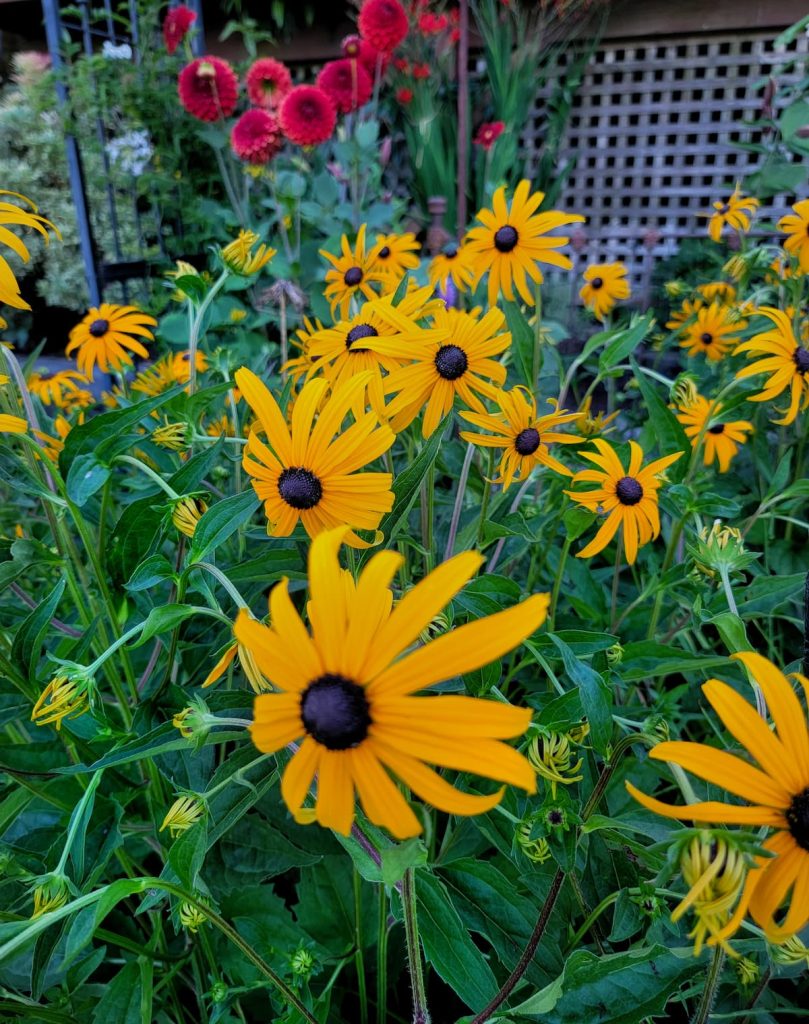
Golden yellow with dark centers, cheerful and tough. They naturalize beautifully, mix well with coneflowers and ornamental grasses, and you can practically ignore them once they’re in.
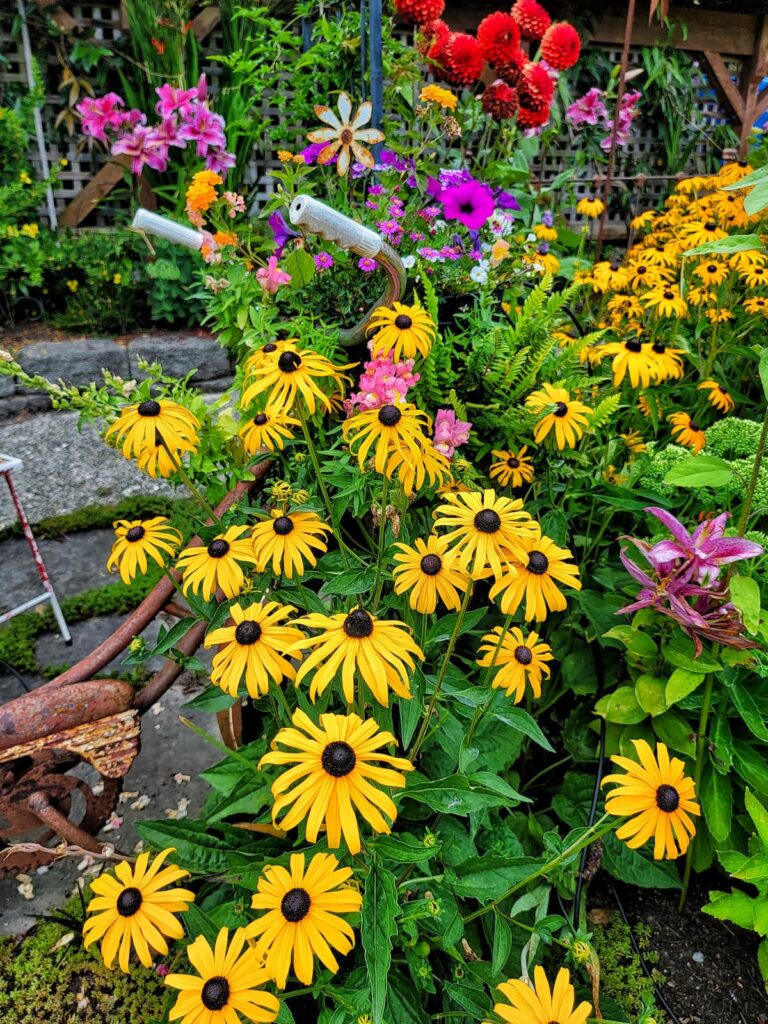
I’ve had clumps that have been in the same spot for years without any intervention.
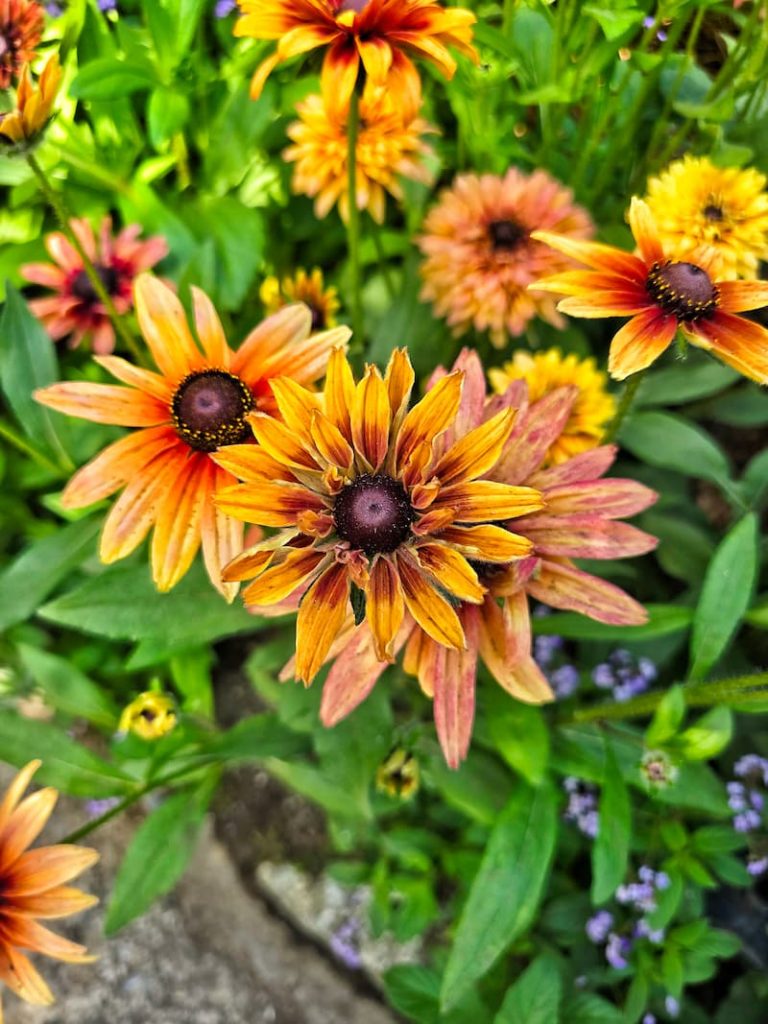
Care tip: Water until established, then step back. Full sun, drought-tolerant, and they reseed if you let them.
Zinnias
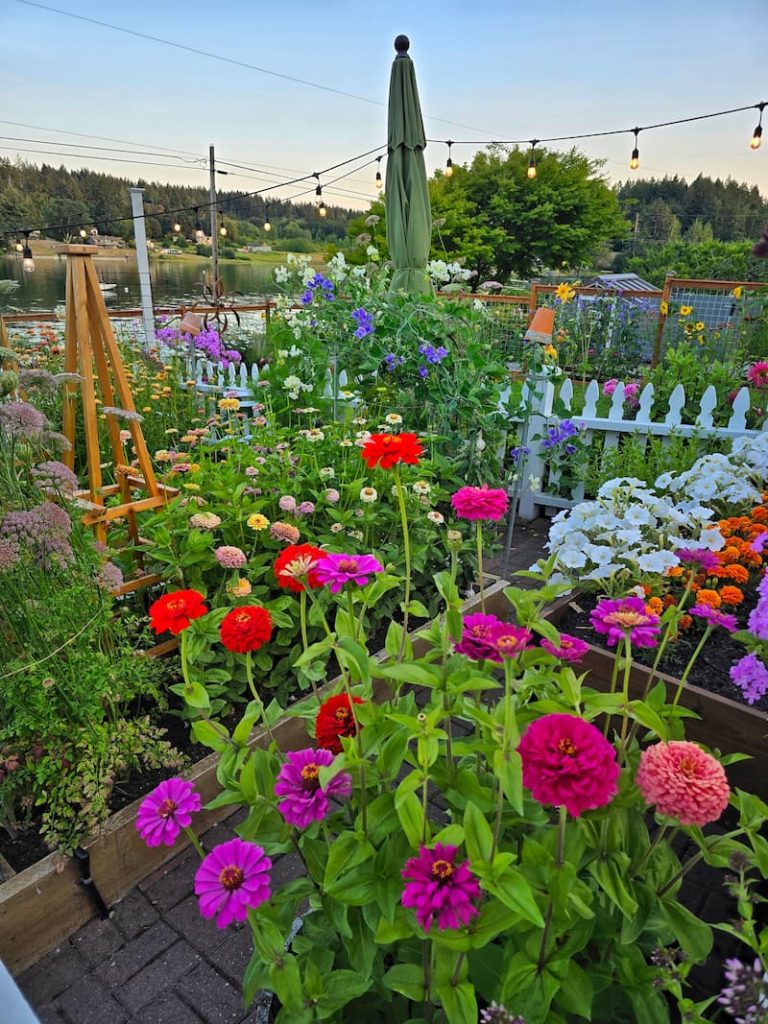
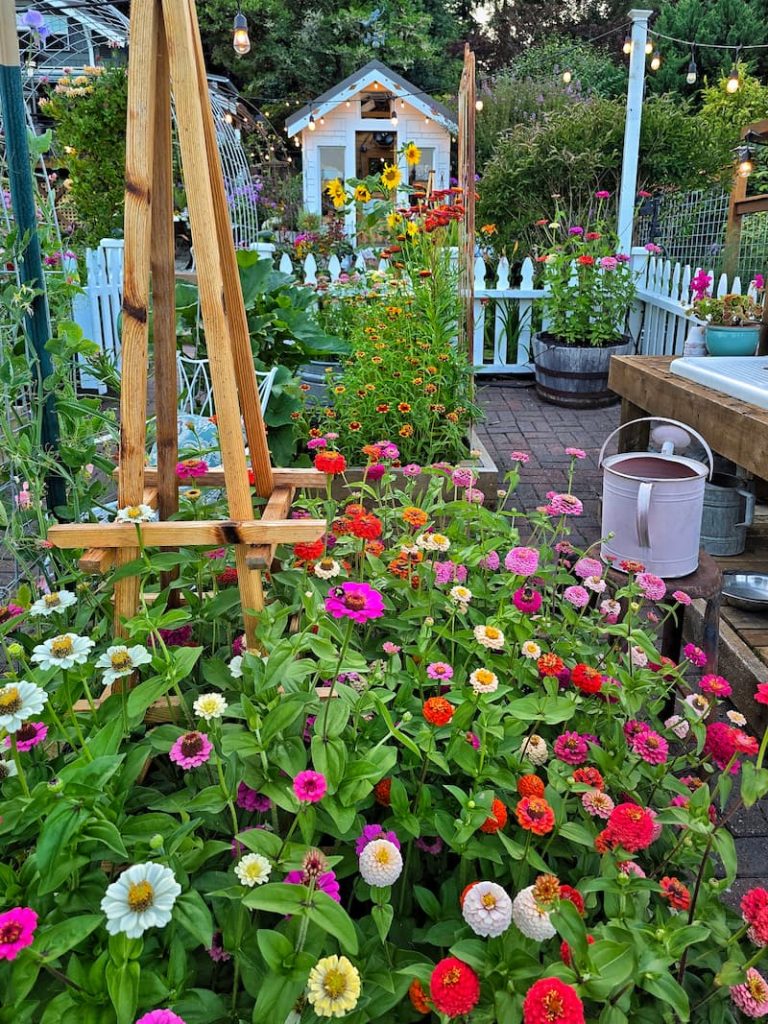
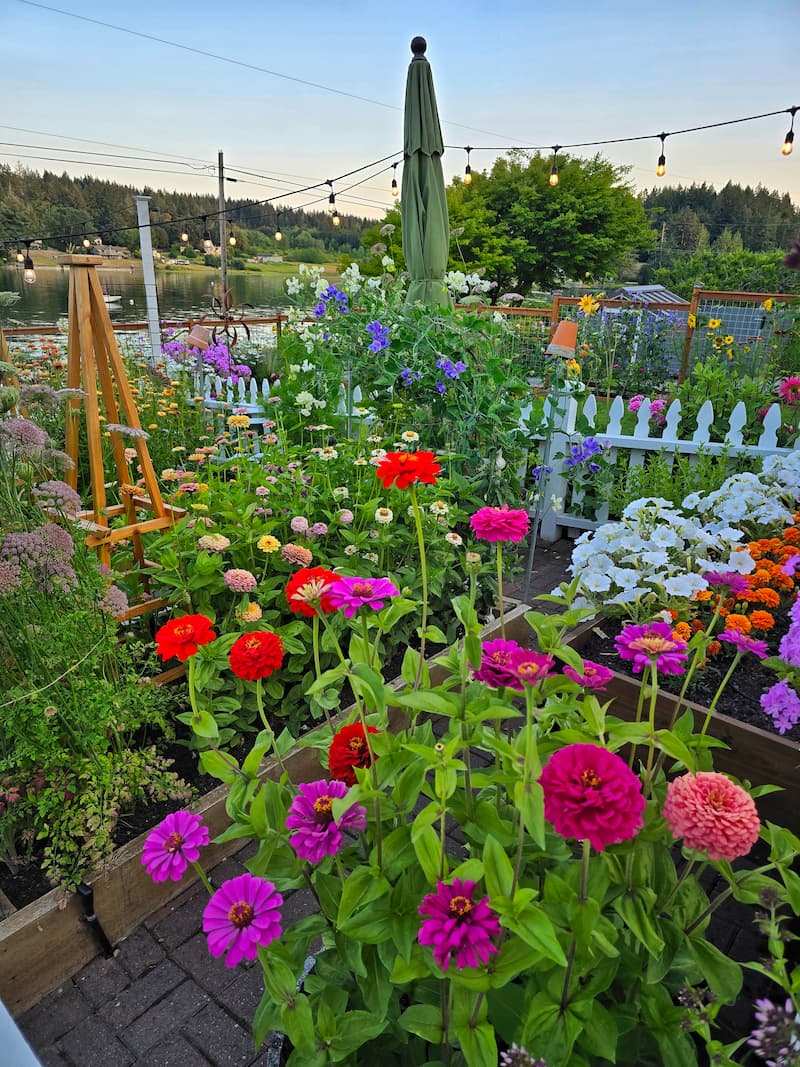
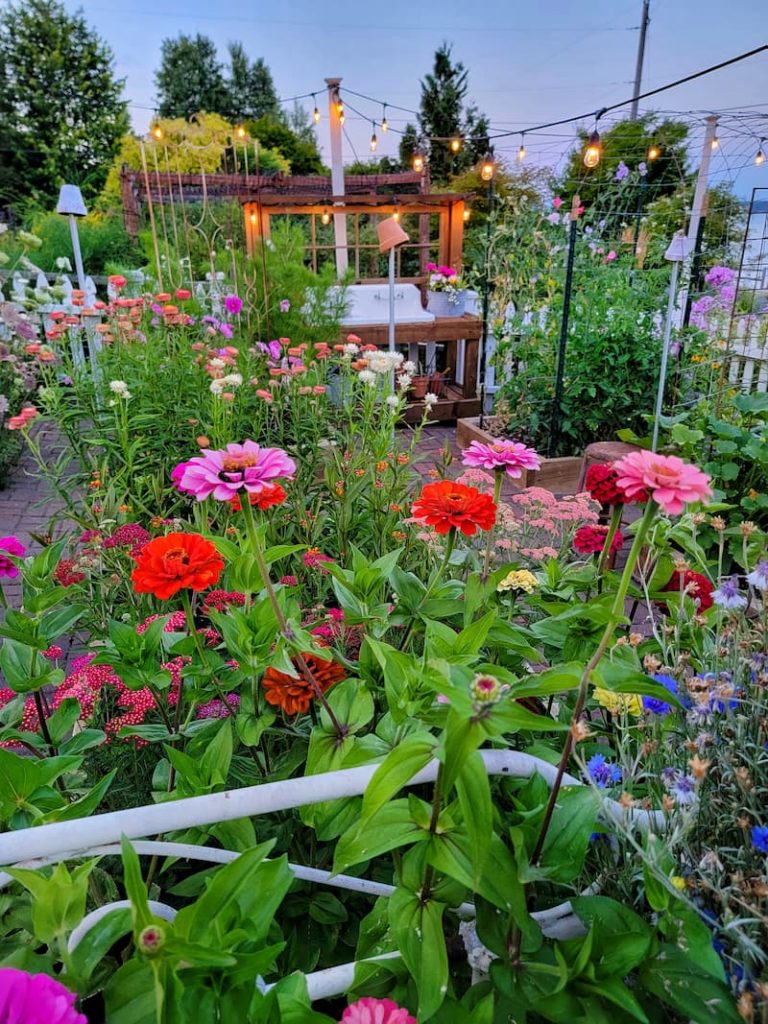
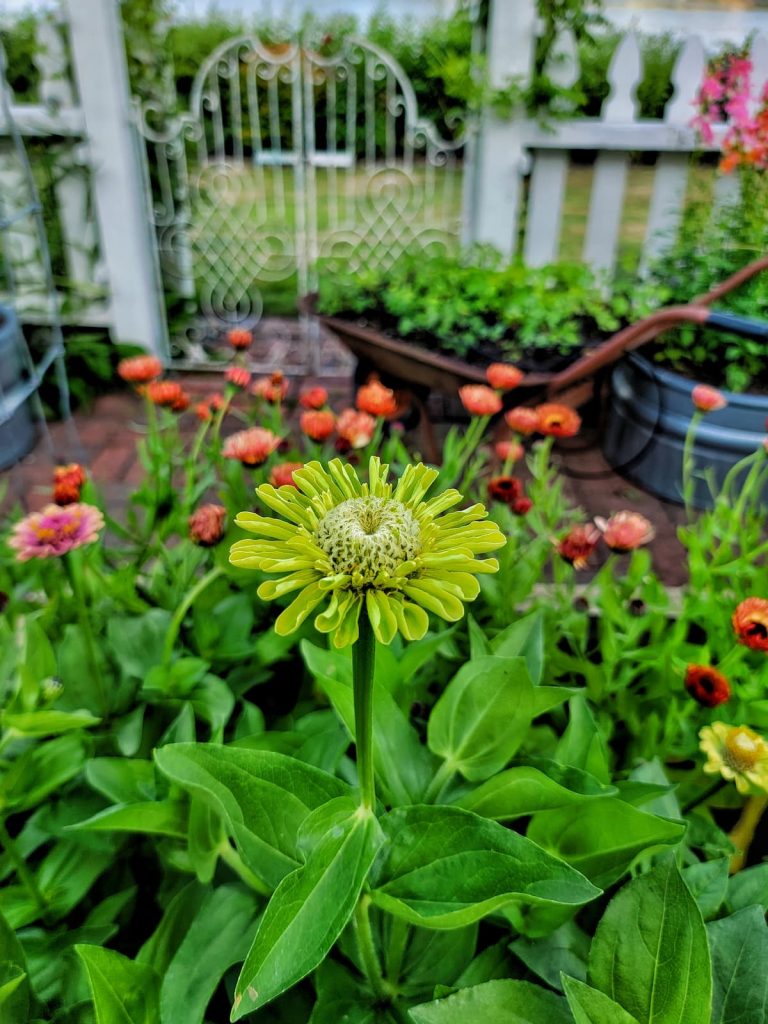
I direct-sow zinnias every year and have since I started the cut-flower garden. They are the definition of cut-and-come-again.
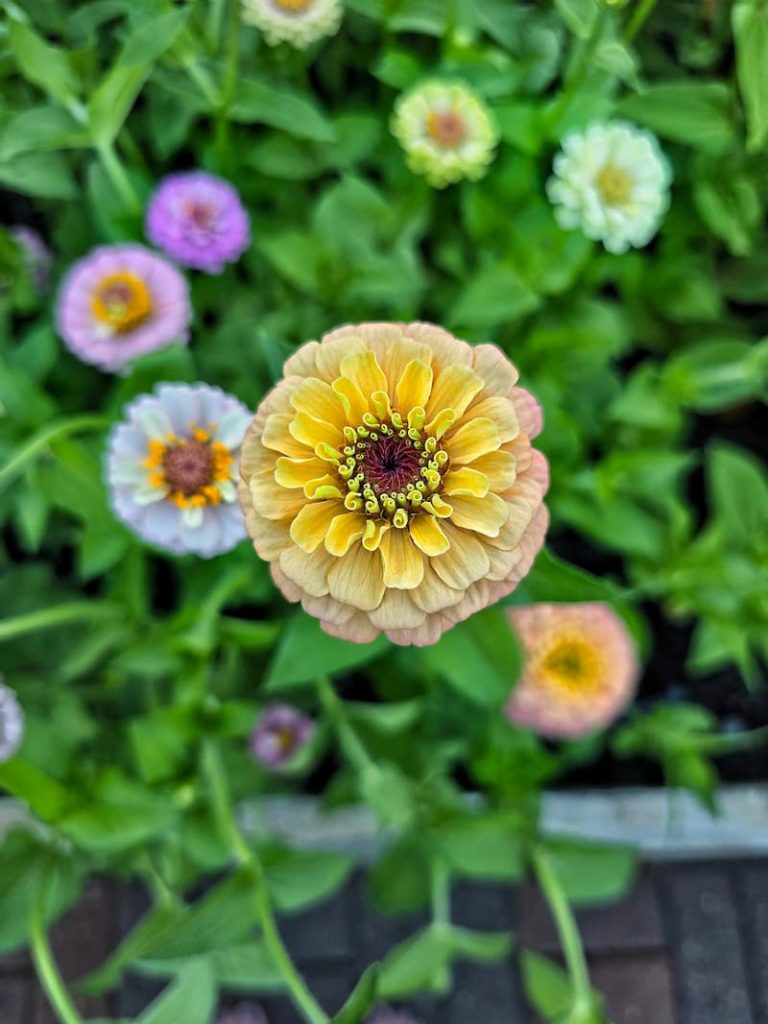
The more you harvest, the more they produce. I use neem oil and slug bait every season to get ahead of the pests, and they are usually very healthy.
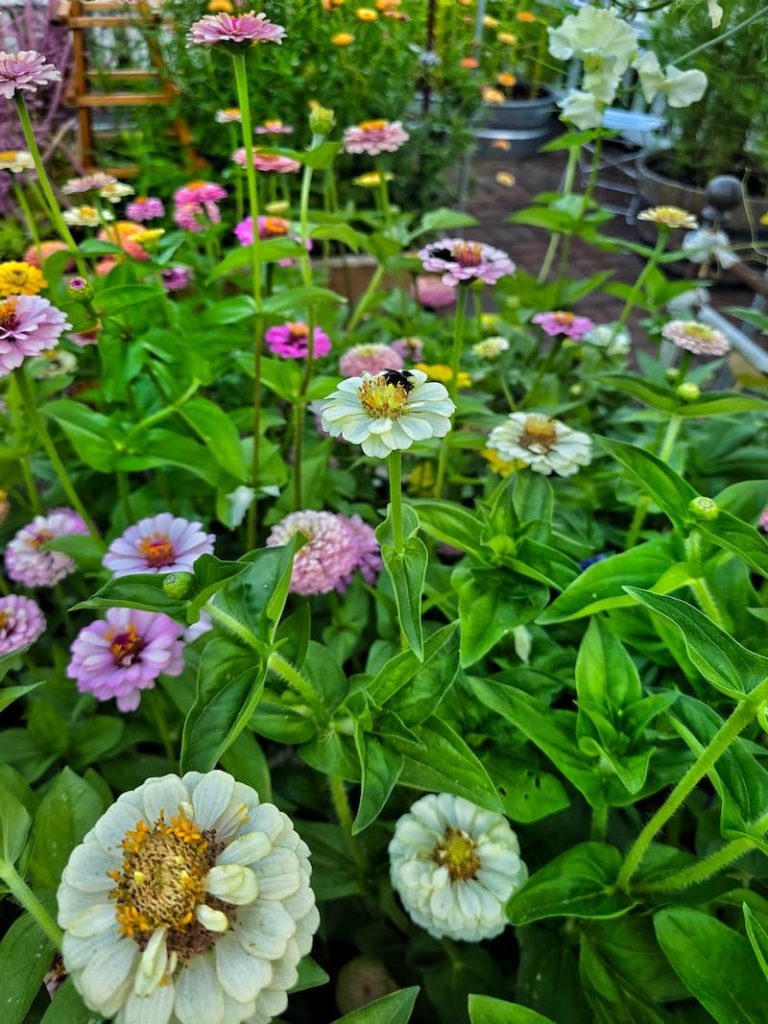
The Queen series is my reliable standby, but there are so many varieties worth trying. I haven’t met one I’d skip.
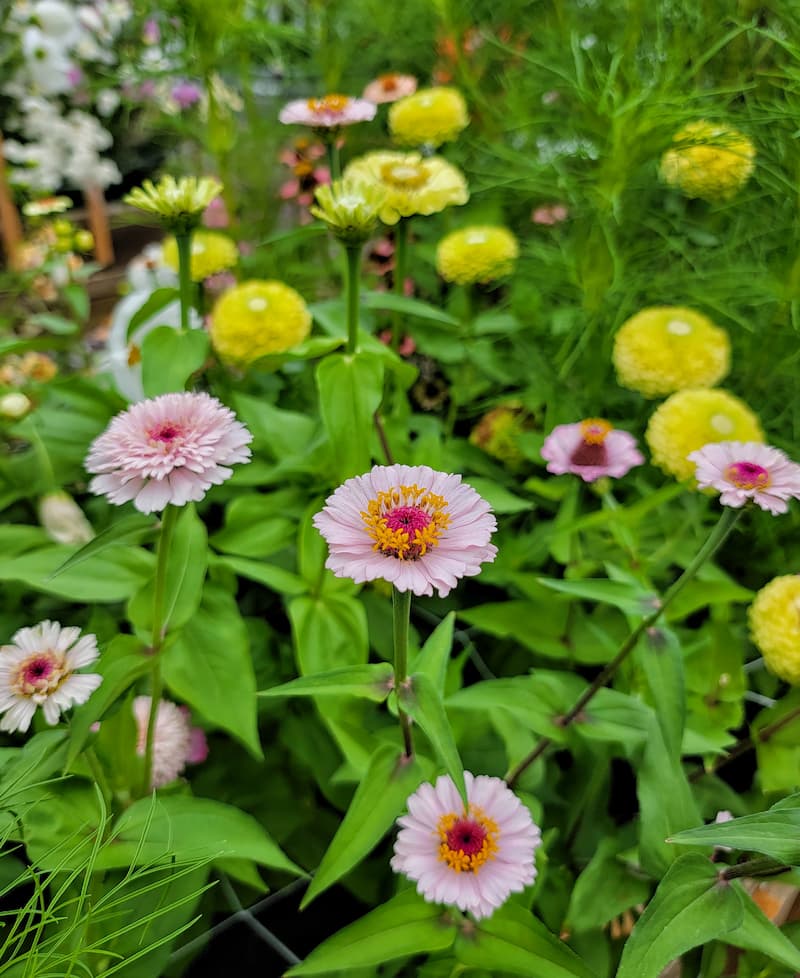
Care tip: Full sun, room for air circulation, and deadhead constantly. Pinch the first bloom on young plants to encourage branching.
Sunflowers
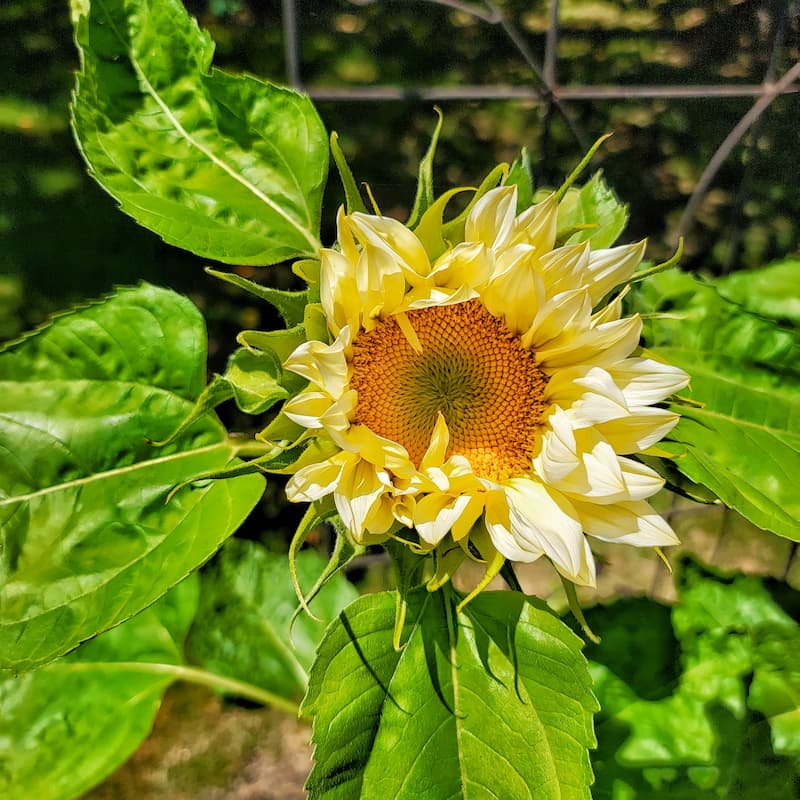
Sunflowers give the garden vertical drama, and they go up fast. I grow both branching varieties for cutting and single-stem types depending on what I need. The Pro Cut series is good for cut flowers because they’re pollen-free and last well in a vase.
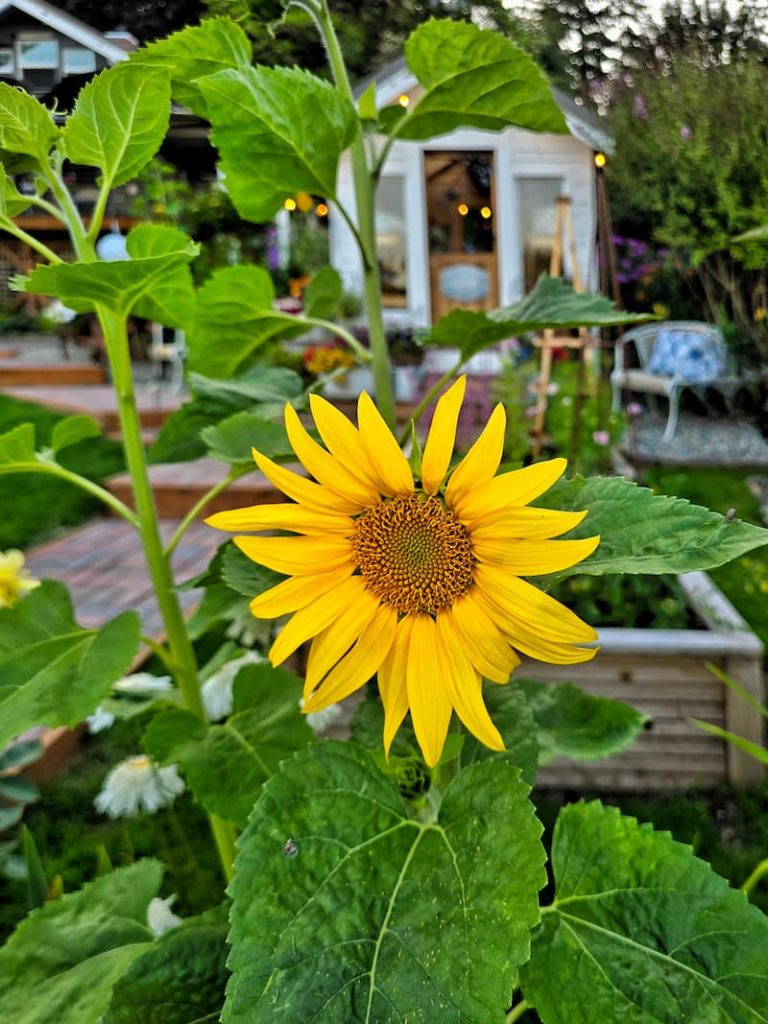
I start mine indoors because the birds around here have strong opinions about seeds left in the ground.
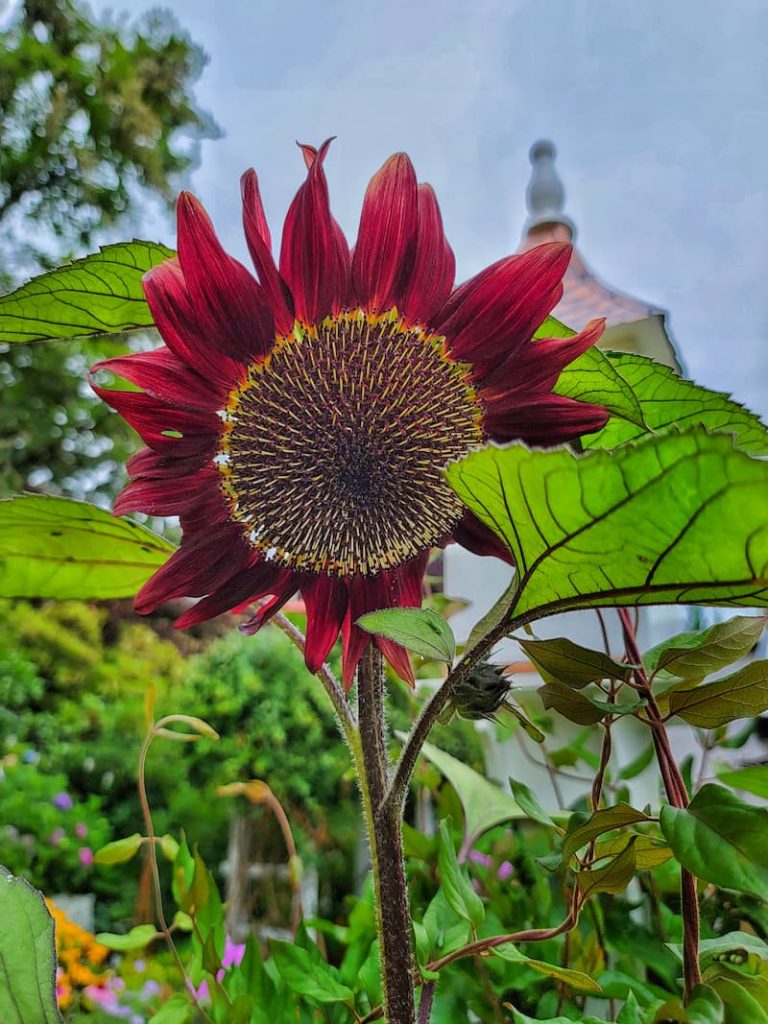
Care tip: Stake taller varieties on our windier days. They’ll track the sun when young, so plant where you want them facing and let them do their thing.
Calendula
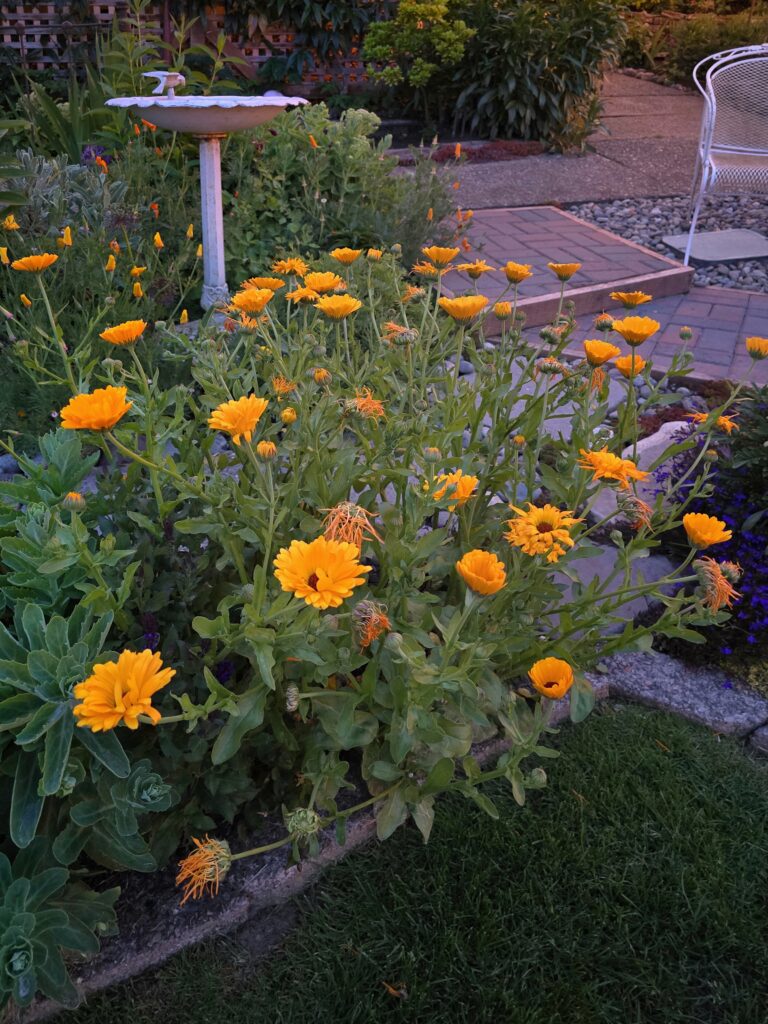
Calendula is underrated. Warm yellow and orange blooms, edible, easy to grow from seed, and they self-seed in milder climates, so you often get a second round without doing anything. They also attract beneficial insects, which help the whole garden.
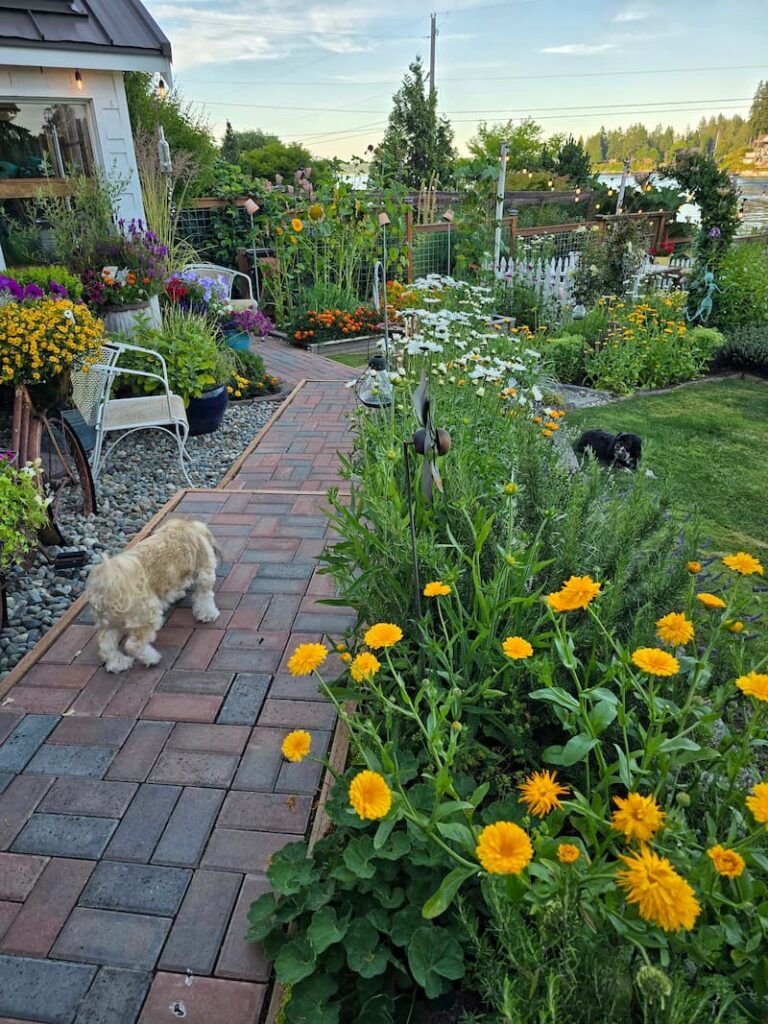
Care tip: Deadhead regularly to keep them producing. Let a few go to seed at the end of the season, and you may have volunteers next spring.
Phlox
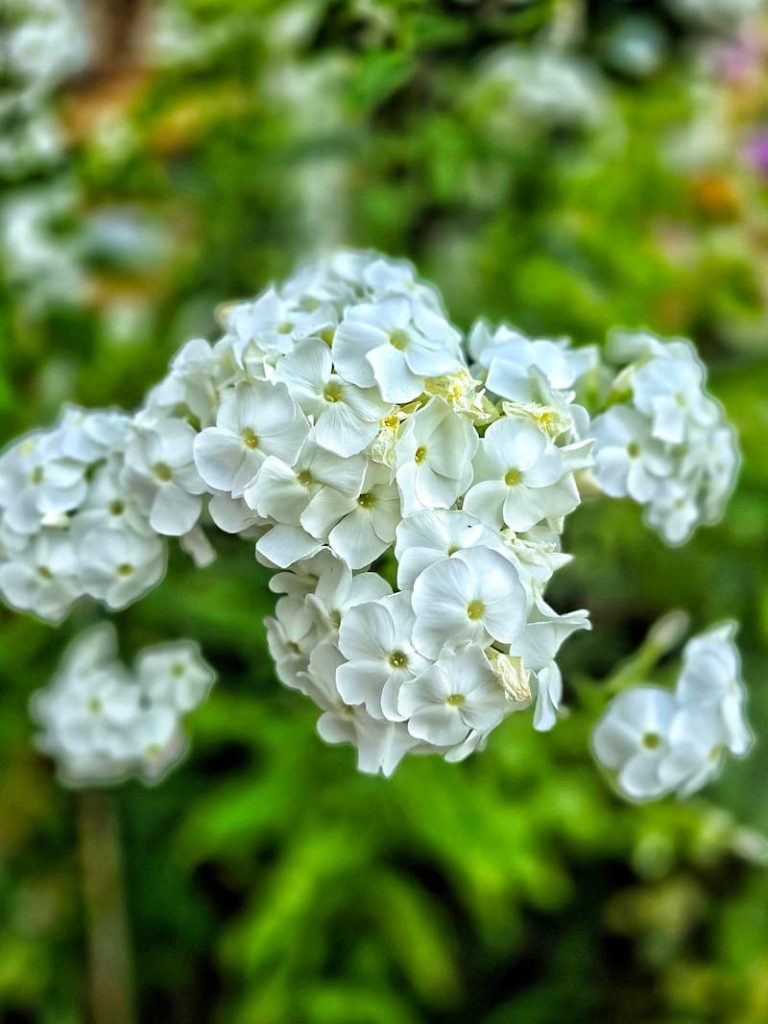
Garden phlox has a softness that fits perfectly in a cottage-style bed. The blooms are fragrant. They cluster and add height to the middle of a border. I have both white and purple, and they look great together with the daisies nearby.
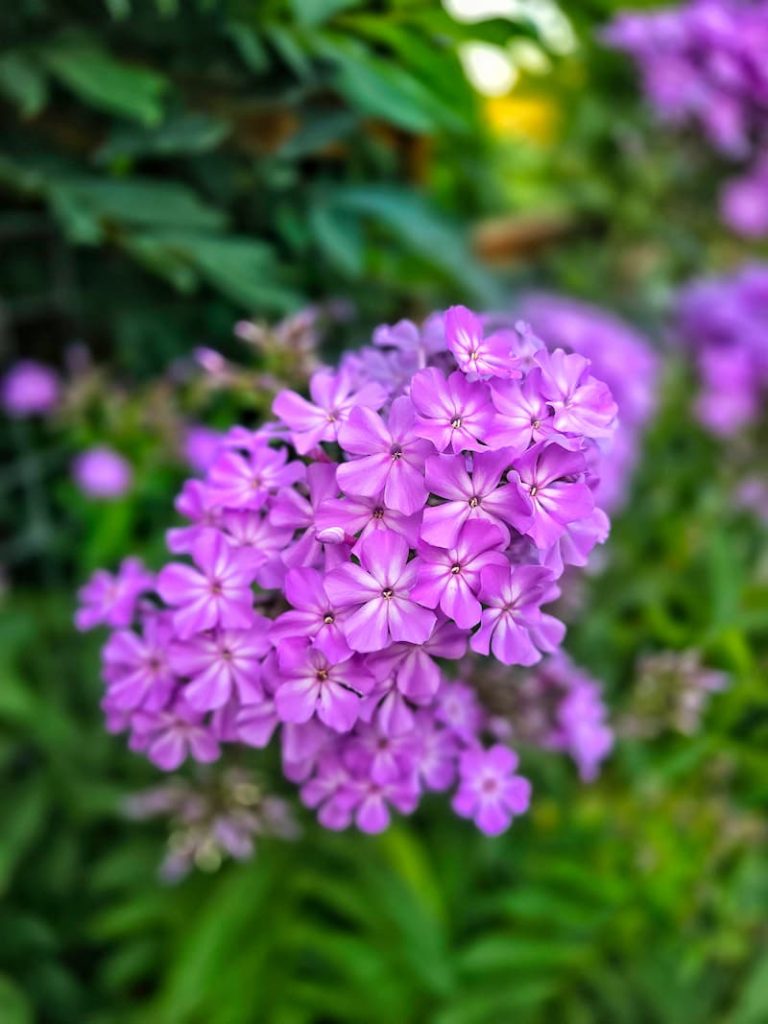
Care tip: Look for mildew-resistant varieties. Give them good air circulation and avoid overhead watering if you can.
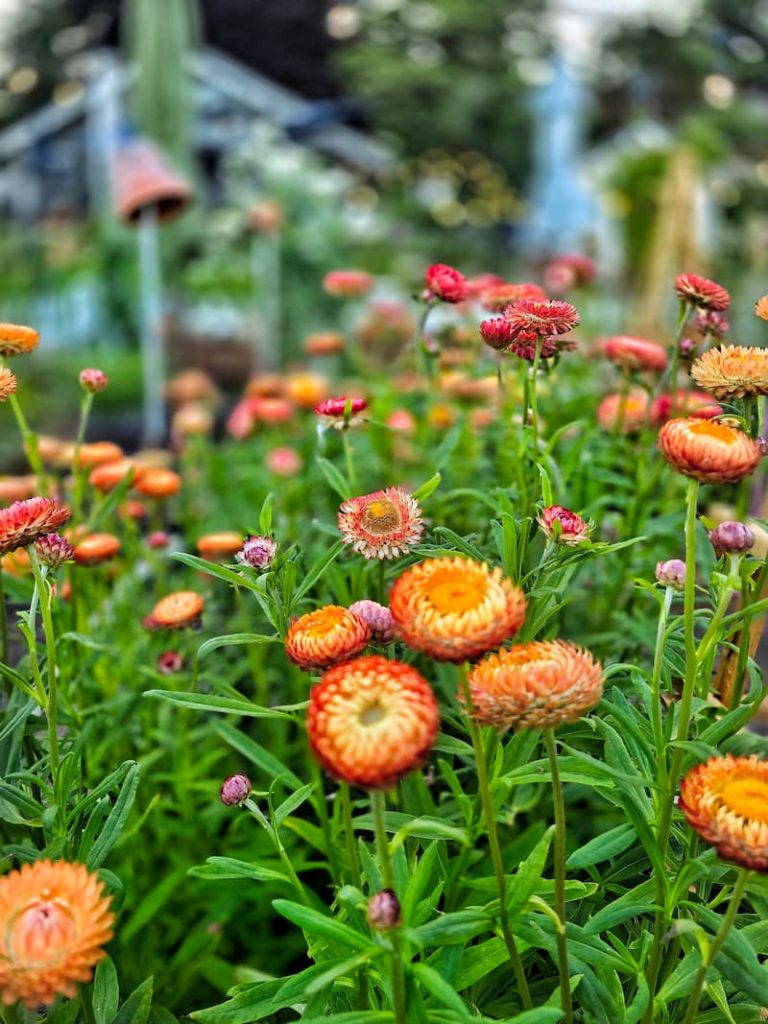
Strawflowers
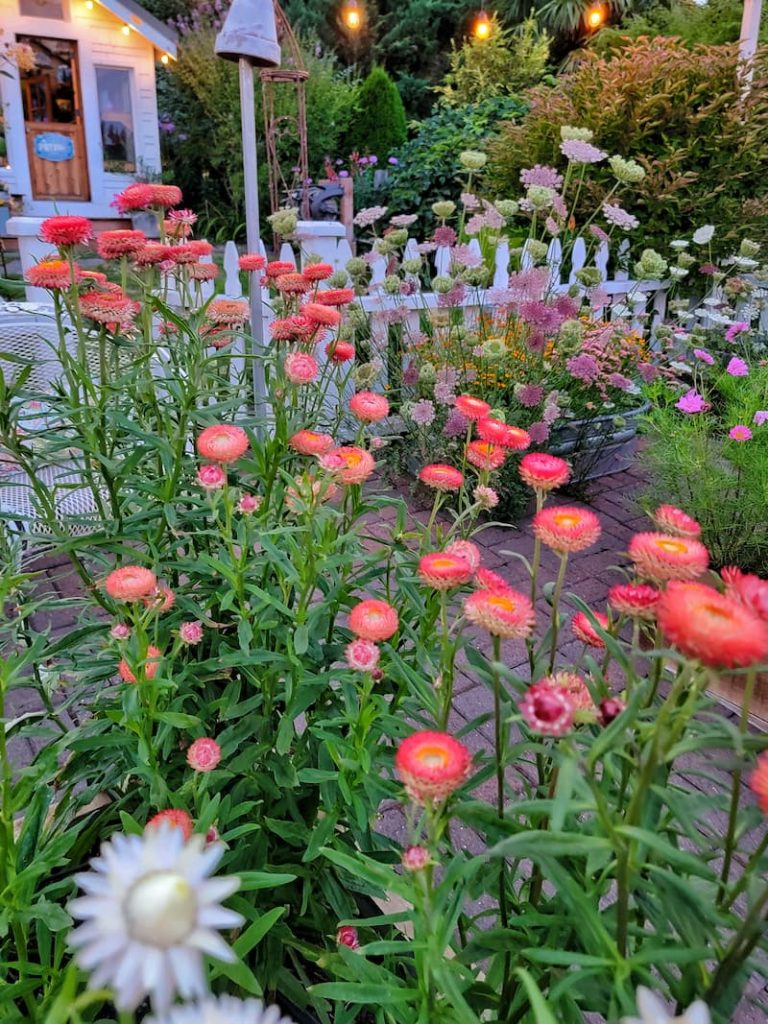
These papery blooms look like they’ve already been dried on the plant, which is part of their charm.
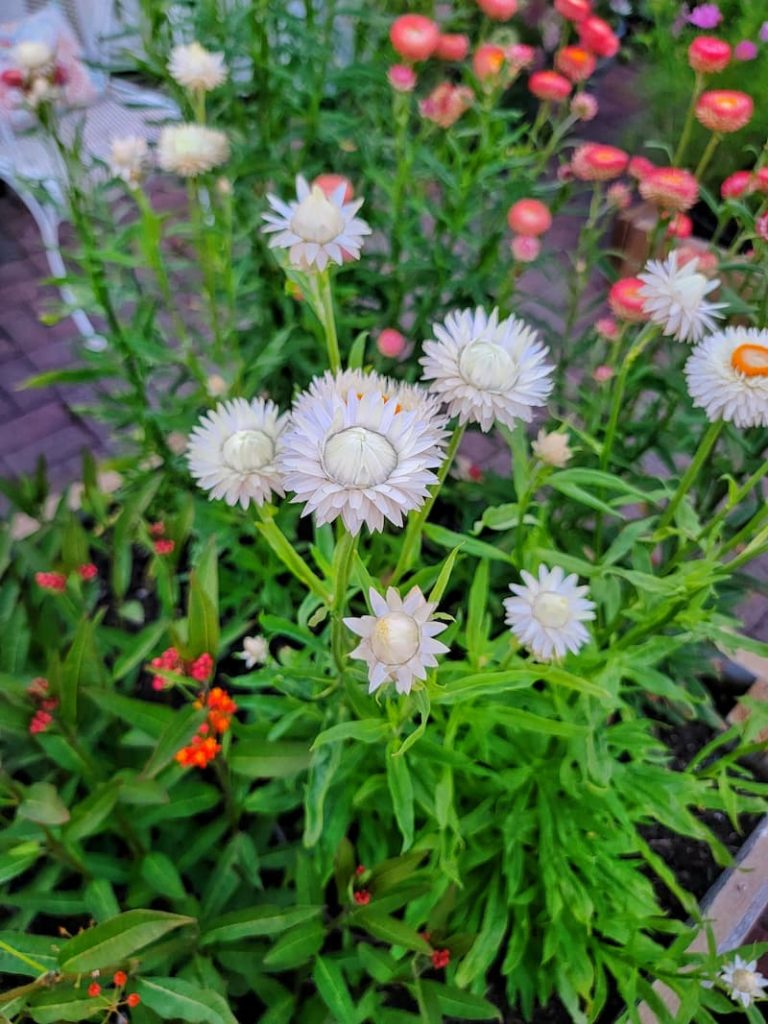
I grow strawflowers every year specifically for dried arrangements. They last forever once dried, and they’re one of the longest bloomers in the garden through the heat.
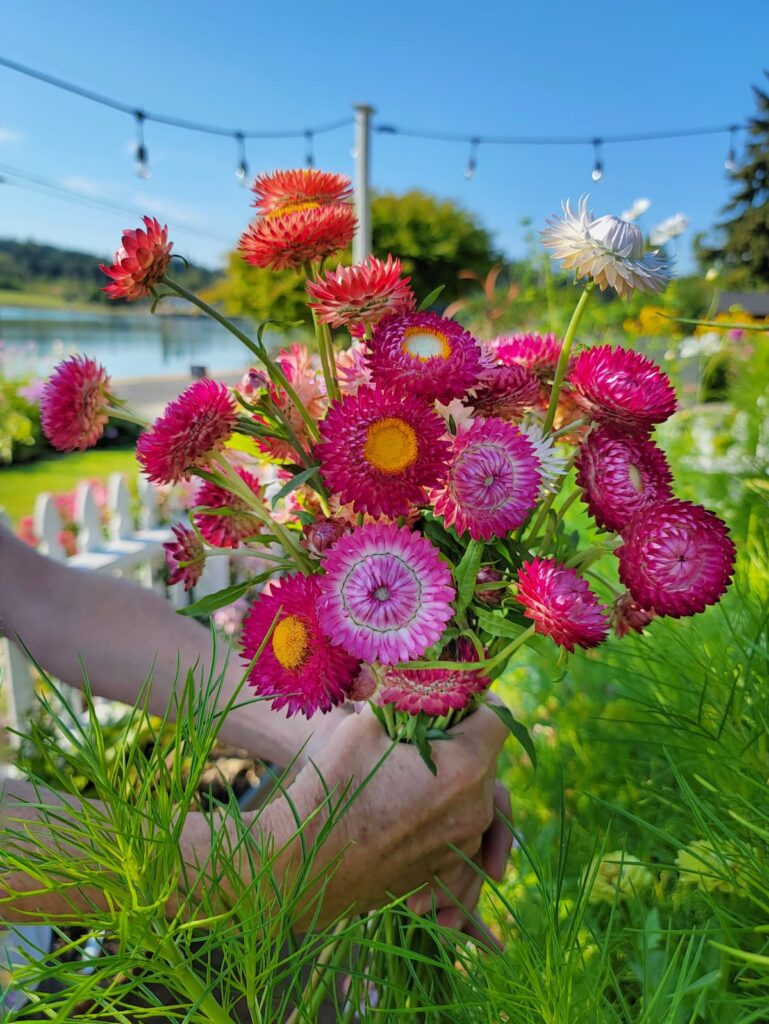
Care tip: Harvest for drying before the bloom’s fully open. Pick in the morning and hang upside down in a dry spot with good airflow.
Marigolds
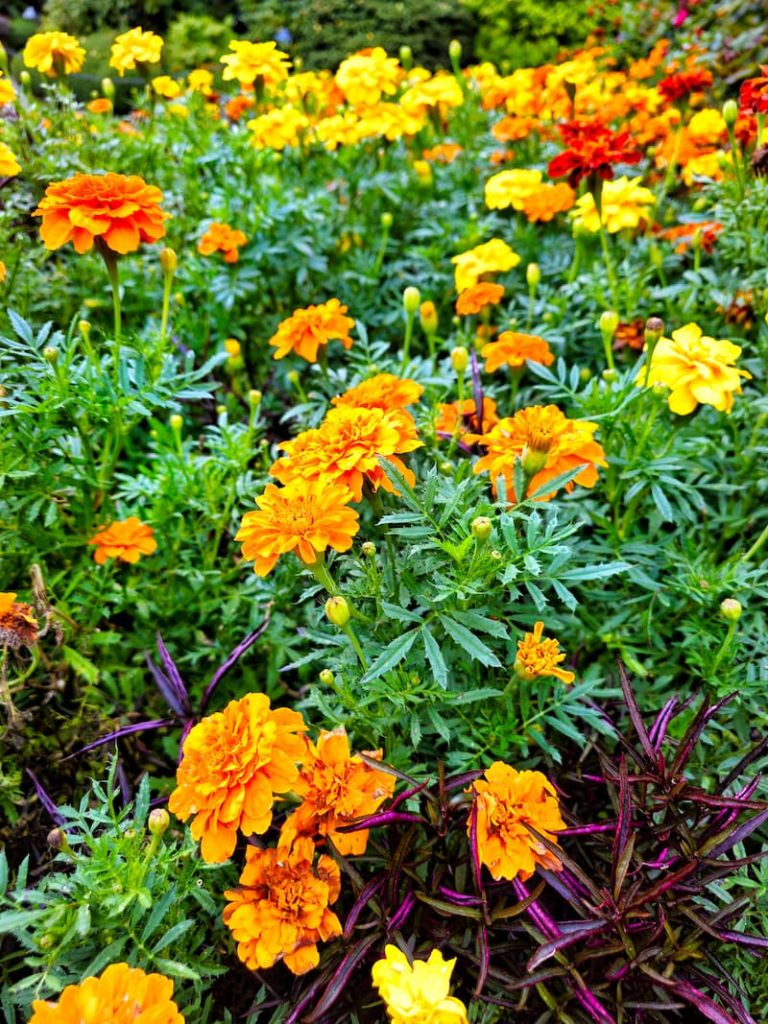
Bright, low-fuss, and surprisingly useful in the garden. I plant marigolds near the vegetable beds as a pest deterrent, and they hold their own in the flower beds too.
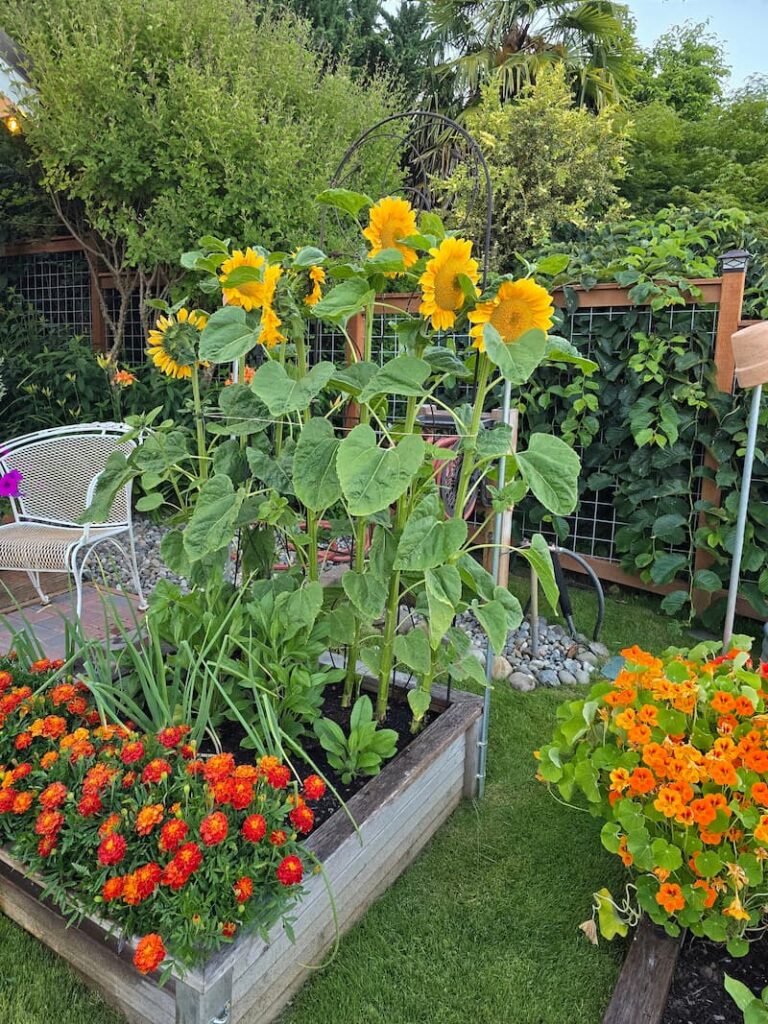
The warm oranges and yellows work really well with the darker dahlia tones later in the season.

Care tip: Skip the rich soil. Full sun and decent drainage are all they need. Avoid overhead watering to prevent powdery mildew on leaves.
Daylilies
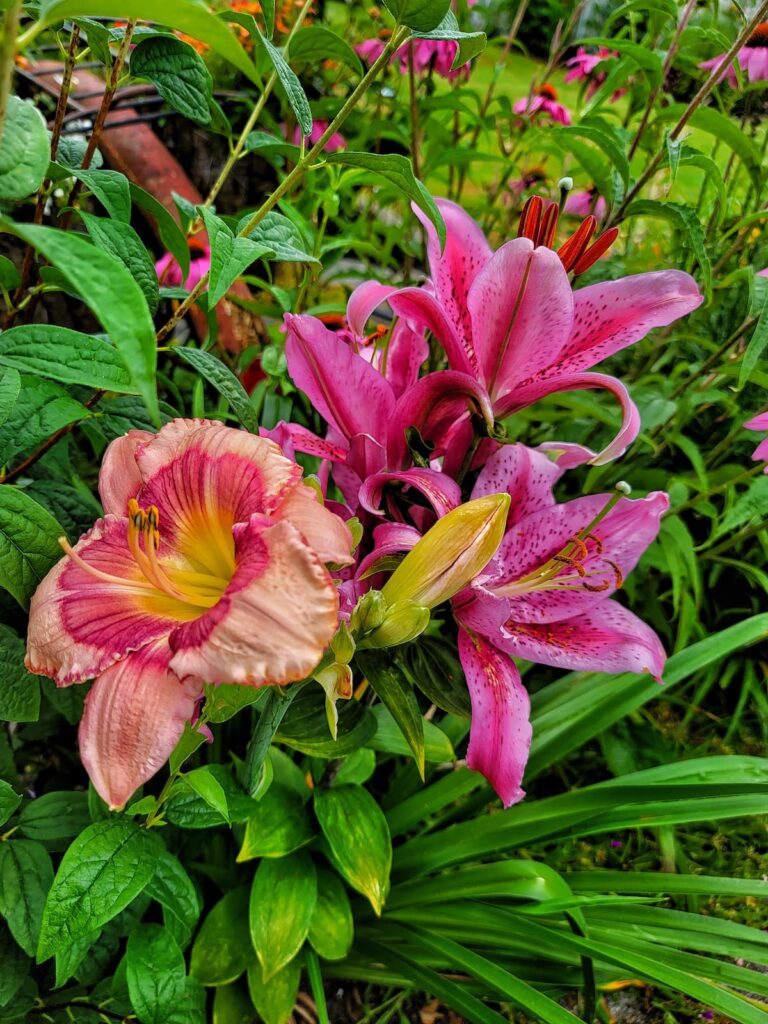
Each bloom lasts only one day, but there are so many buds on a single stem that it feels continuous.
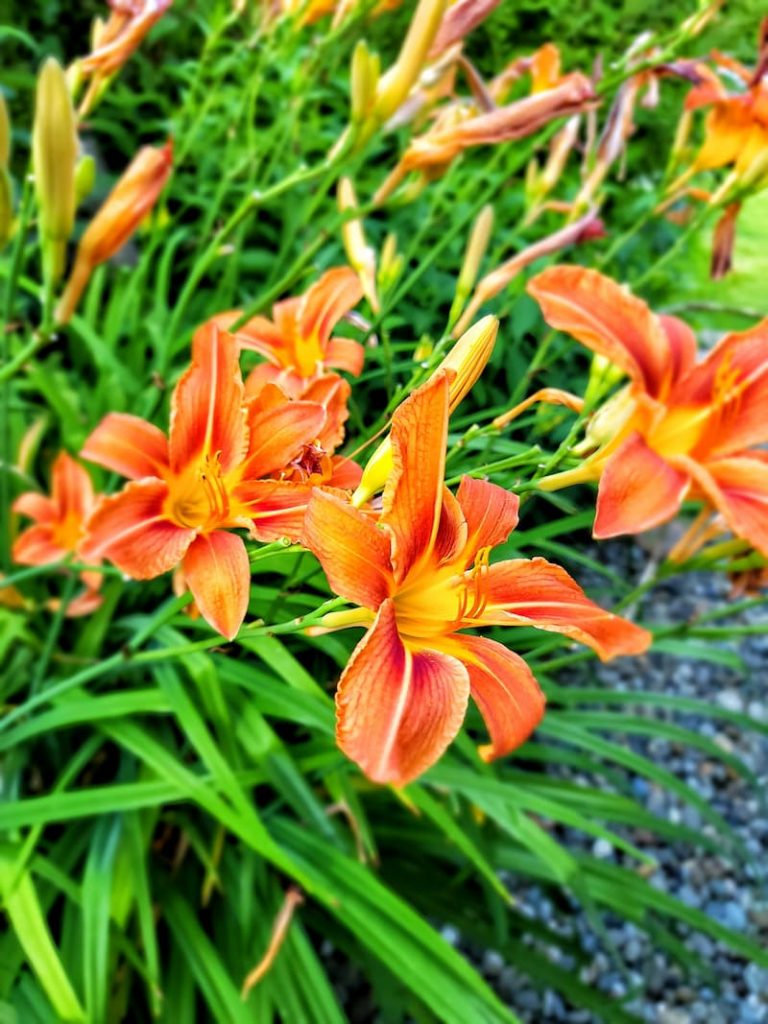
These are one of the most reliable perennials I have. I planted them years ago, and they’ve spread and filled in on their own.
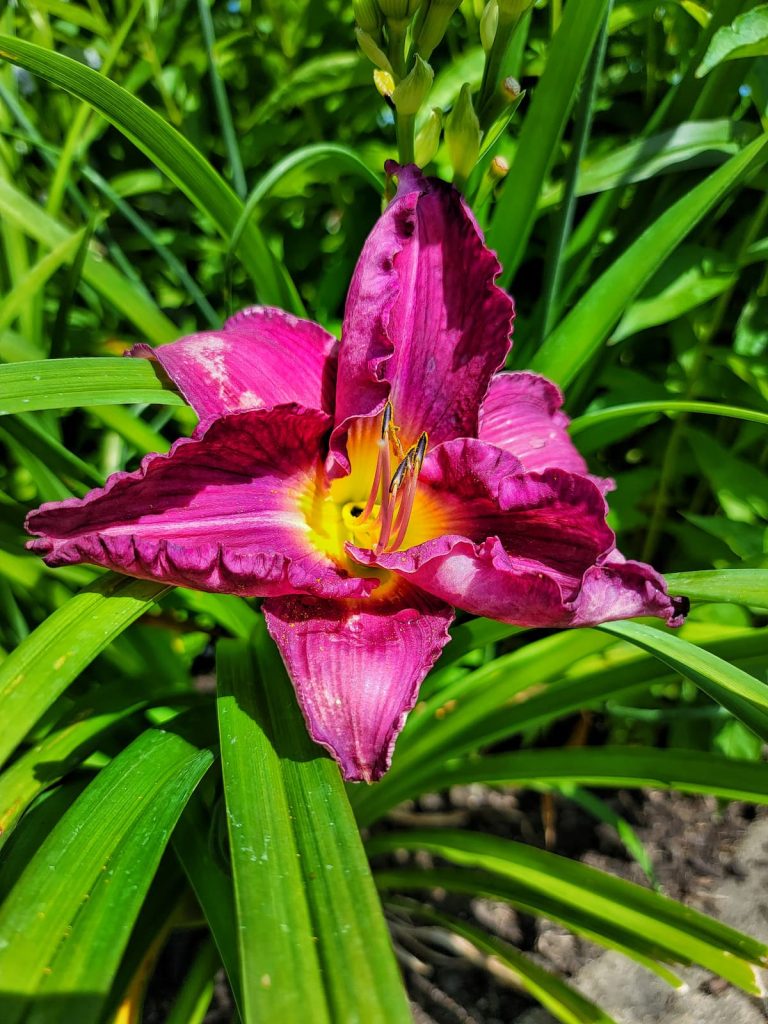
Care tip: Divide the clumps every three to four years to keep them vigorous. Otherwise, they mostly take care of themselves.
Hydrangeas
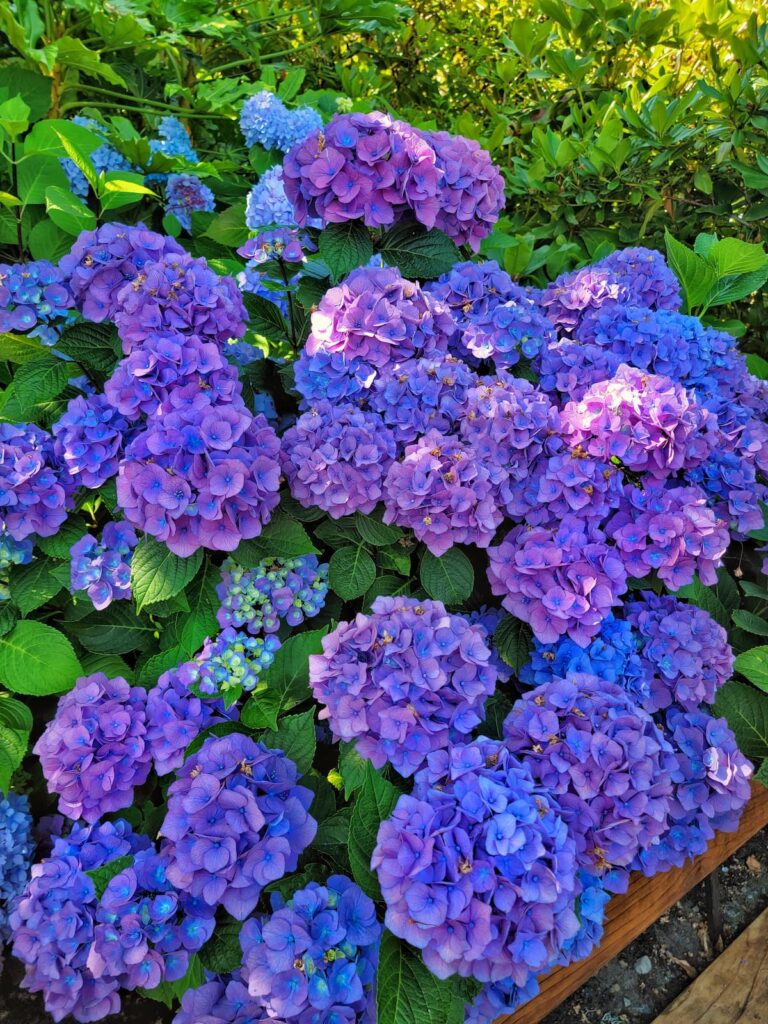
Every cottage garden needs hydrangeas. I grow mophead, panicle, and oakleaf types, and they bloom from late spring through fall.
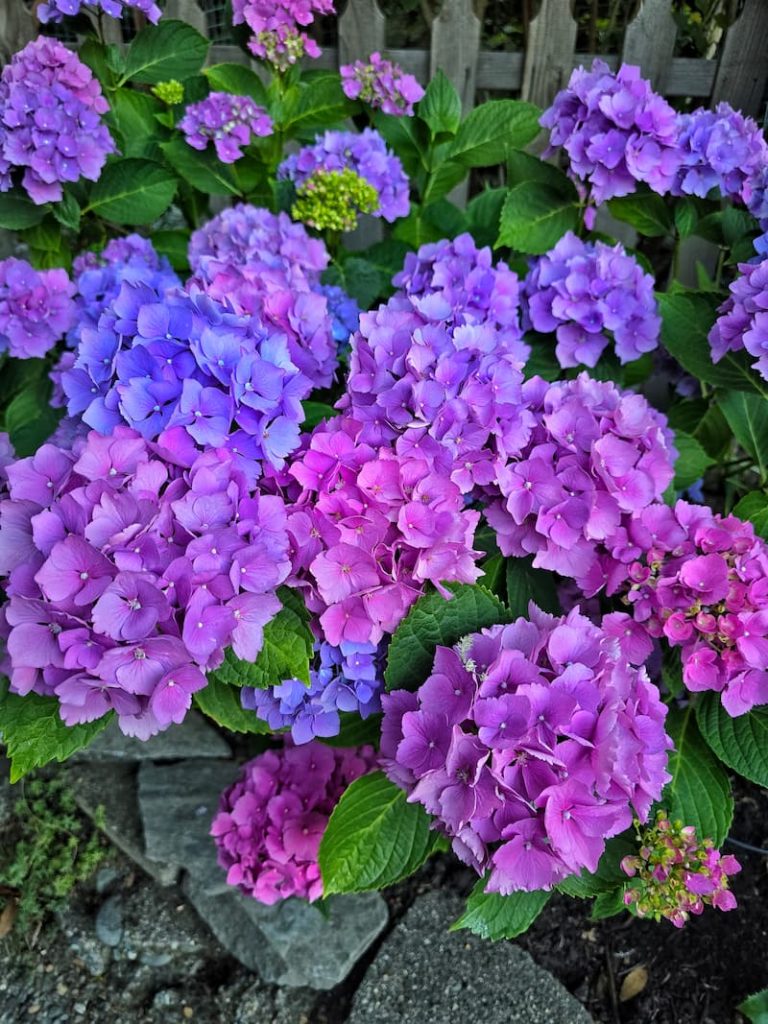
The big blooms are stunning fresh, and they dry beautifully for fall arrangements. I’m still snipping dried heads well into October.
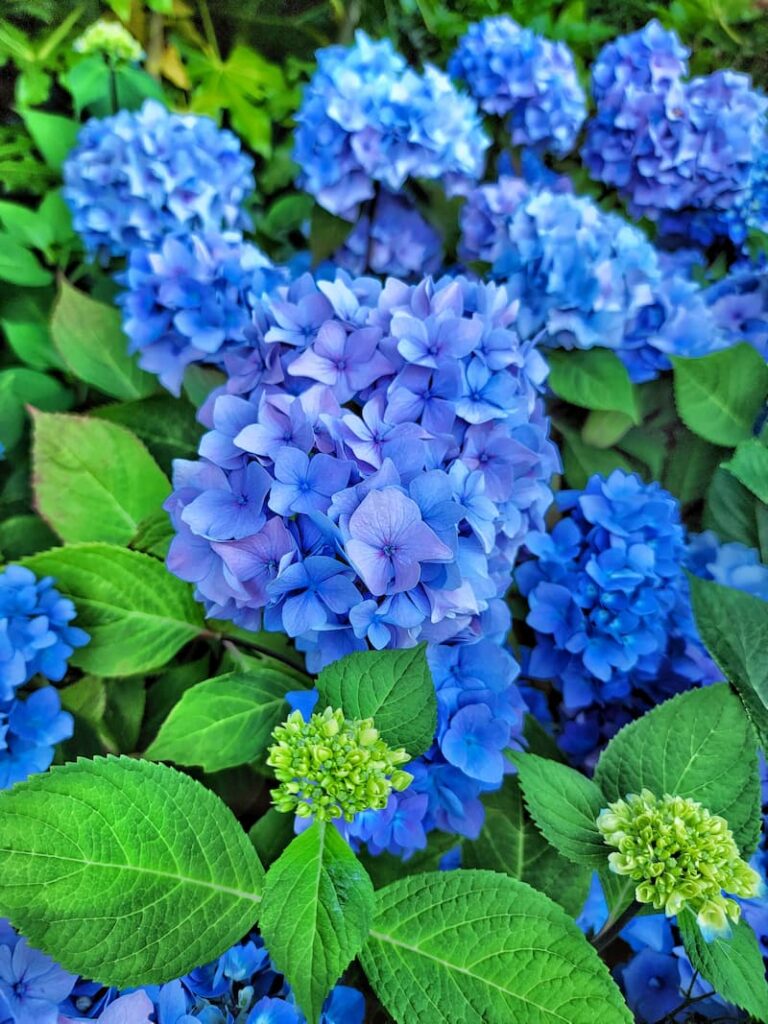
Care tip: Morning sun, afternoon shade, rich well-drained soil, and deep watering once or twice a week. Prune based on the type. Some bloom on old wood, and others on new. Getting that wrong is the most common mistake people make.
Yarrow
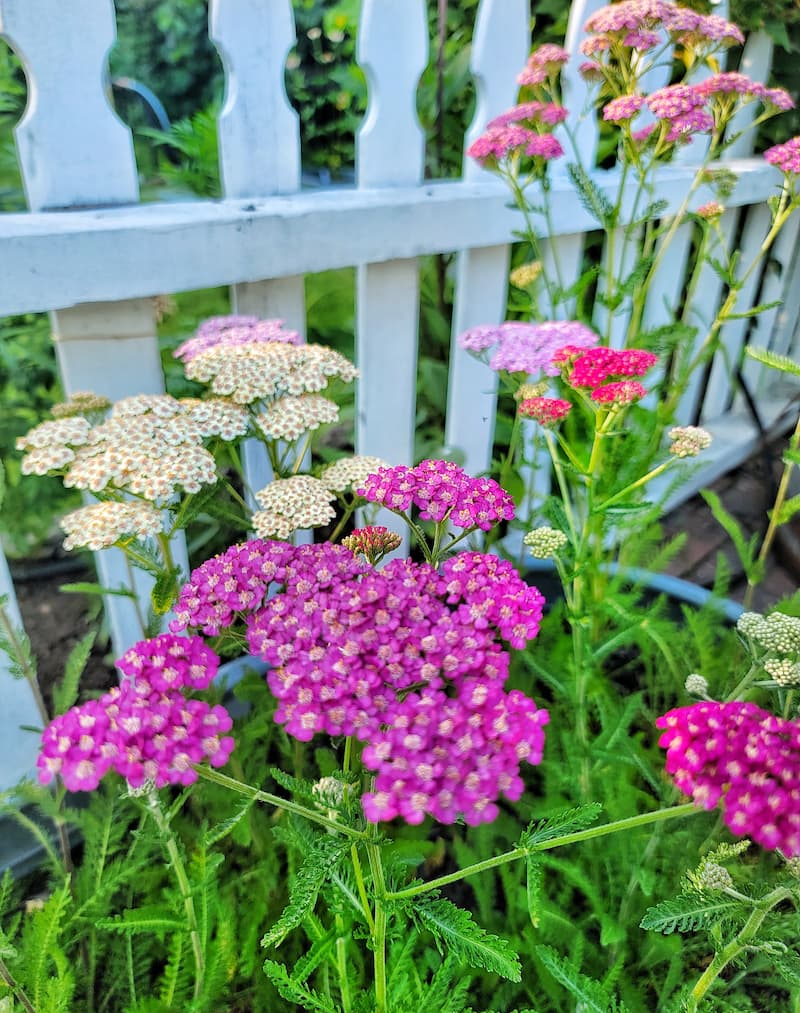
Yarrow is one of those plants that needs to always be growing in my summer garden. It blooms in flat-topped clusters, comes in yellows, pinks, reds, and creamy whites, and thrives in conditions that would stress other plants. The ferny foliage adds texture even when it’s not in bloom.
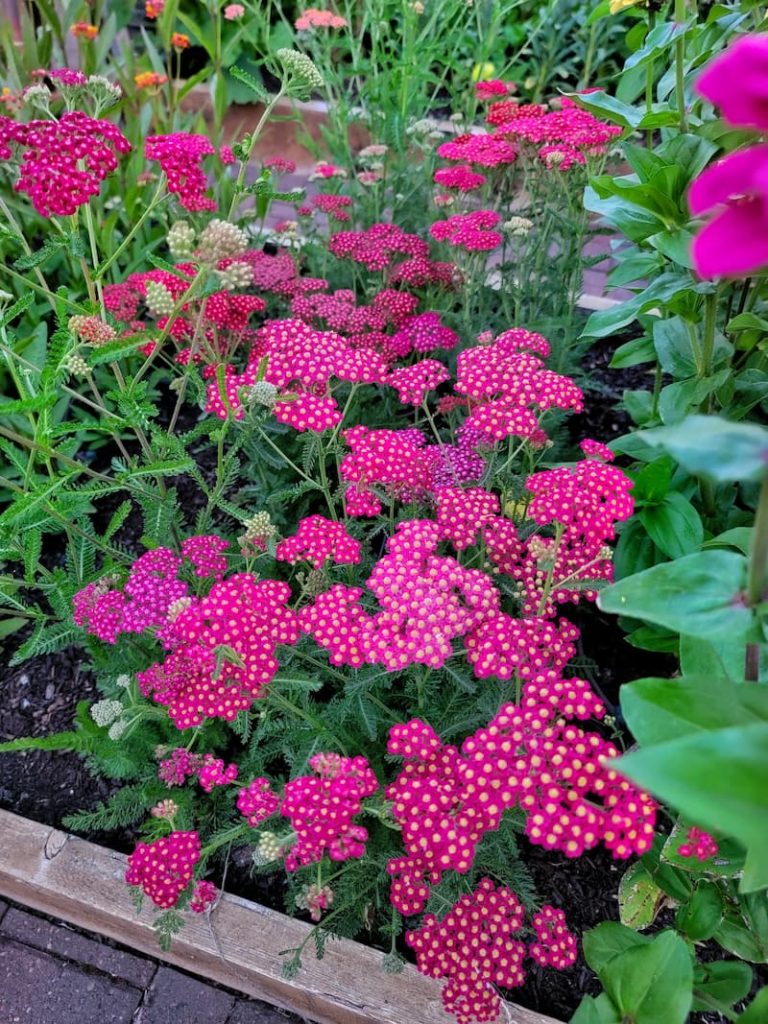
I grow the Summer Berries mix for cut flowers and love how it pops against the bolder summer colors.
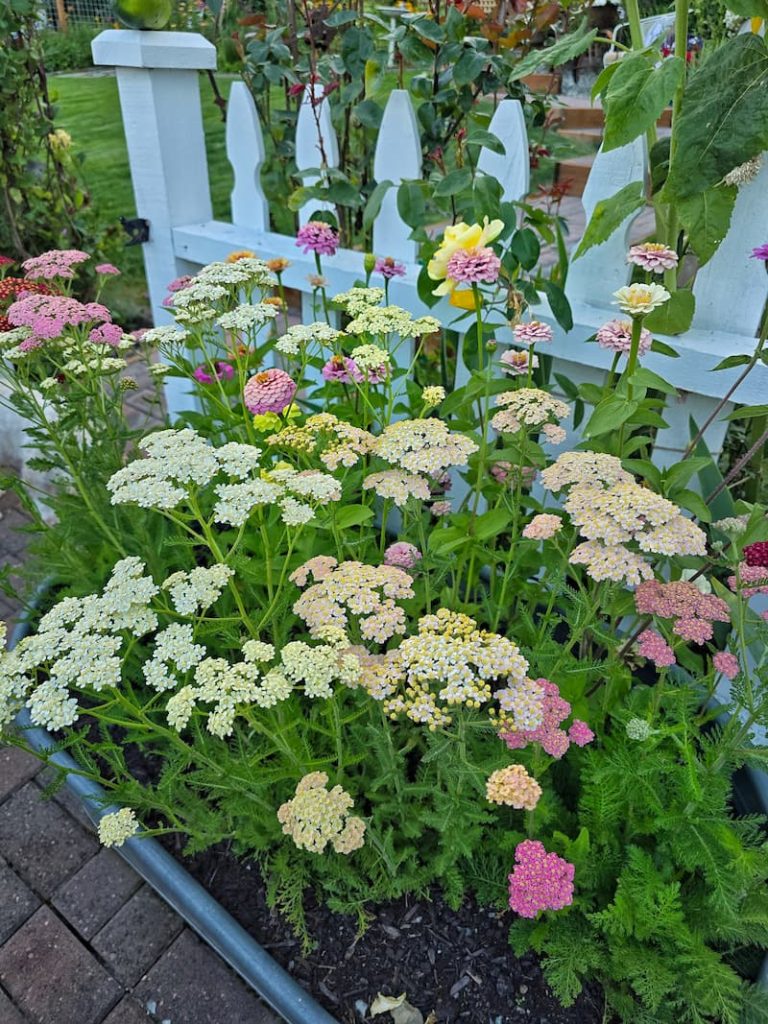
Care tip: Full sun, well-drained soil, and very little water once established. Deadhead to prolong blooming and prevent floppiness.
Cosmos
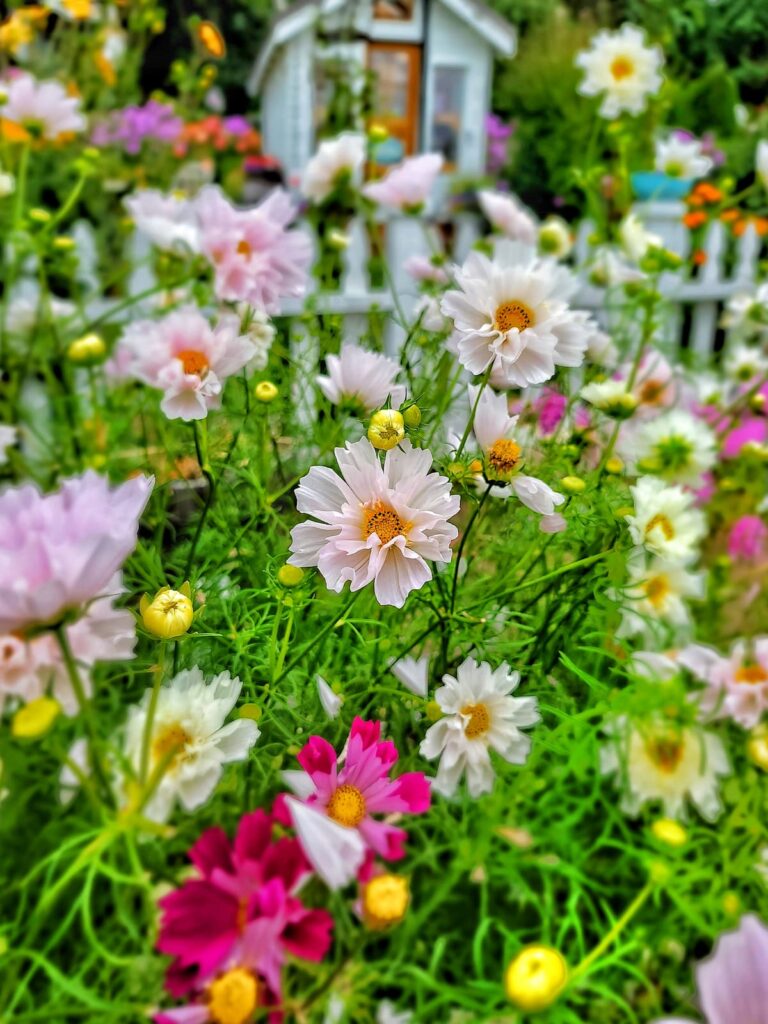
Cosmos are the lightest, airiest thing in my summer garden, and that’s exactly why I grow them. The feathery foliage and delicate petals soften everything around them. Dahlias, zinnias, and strawflowers all look more relaxed with cosmos nearby.
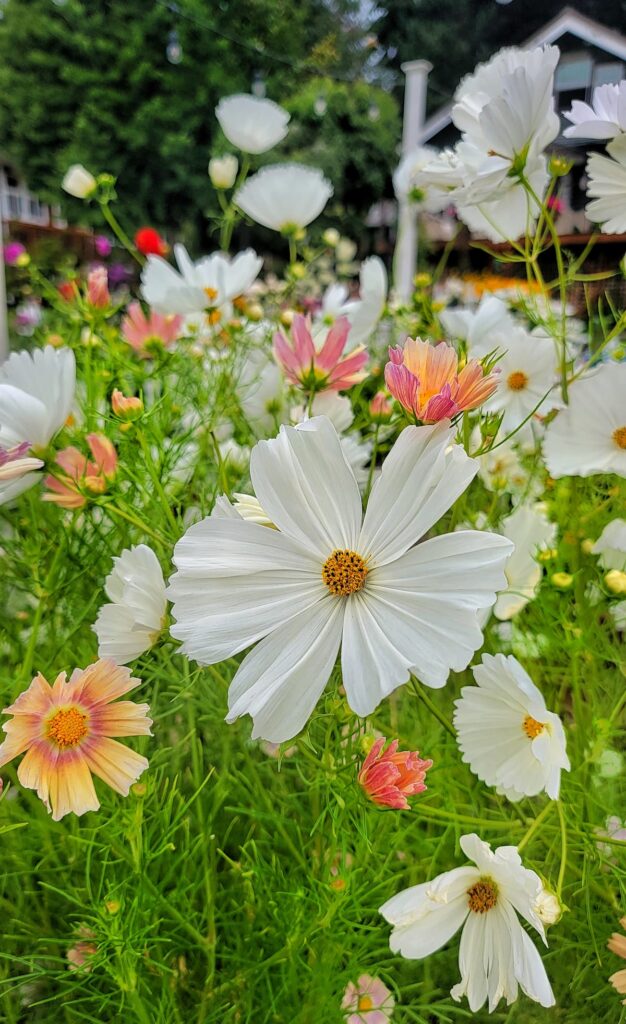
They’re also one of the easiest flowers I grow from seed, and they bloom straight through to fall with very little intervention.

Care tip:Don’t overfertilize, or they’ll put all their energy into foliage. Deadhead to keep them flowering. They actually do well in poor soil.
Let’s Plan Your Dream Garden With Our
Gardening Planner
Unlock Your Garden’s Potential.
Our 35-page Ultimate Garden Planner is designed to help you organize, track, and flourish in your gardening endeavors.
Get yours for $4.99
Mid-Summer Garden Care Tips
Even tough, heat-tolerant flowers do better with a little attention in the hottest months. A few things that make a real difference:
Simple Design Tips for Mid-Summer Beds
Once you know which flowers you’re working with, how you place them matters.
Garden Supplies and Tools
Check out my favorite garden supplies and tools for the growing season. Whether you’re looking for potting soil or deer repellent, you’ll find what I use in my own garden.
FAQ: Mid-Summer Flowers
What Flowers Bloom in Mid-Summer in the Pacific Northwest?
In Zone 8b, midsummer brings dahlias, zinnias, cosmos, coneflowers, black-eyed Susans, sunflowers, phlox, yarrow, daylilies, strawflowers, calendula, marigolds, and hydrangeas. Most of these will bloom from July through September or even into October before frost.
What are the Best Cut Flowers for Mid-Summer?
Dahlias, zinnias, cosmos, strawflowers, and yarrow are the strongest cut flower performers. Zinnias and cosmos especially produce more the more you harvest, so they’re worth having in quantity if you like fresh arrangements.
How Do I Keep My Garden Blooming All Summer?
Deadheading is the single most effective thing you can do. Beyond that, make sure you have a mix of annuals and perennials with overlapping bloom times. Stagger plantings of fast annuals like zinnias and cosmos so new plants come into bloom as earlier ones peak.
What are the Easiest Mid-Summer Flowers for Beginners?
Black-eyed Susans, daylilies, coneflowers, and marigolds are all very forgiving. For annuals, zinnias and cosmos are the best starting point: both grow quickly from seed, bloom prolifically, and don’t need much to thrive.
Final Thoughts

Midsummer is when the garden asks the least of you and gives back the most. If you have the right plants in the ground, July and August almost take care of themselves.
The flowers on this list are the ones I come back to every year because they work, they’re beautiful, and they hold up in the Pacific Northwest heat. Whether you’re cutting for vases, gardening for pollinators, or want something worth looking at out the window, any of these is perfect for your summer garden.
If you have a midsummer favorite I didn’t mention, leave it in the comments. I’m always looking for something new to try.
Until next time,
Happy Gardening!

I’m a self-taught hobby gardener. Everything I share on my blog is my opinion and what has worked for me.
MORE POSTS
For You To Enjoy
Follow Me for More Inspiration